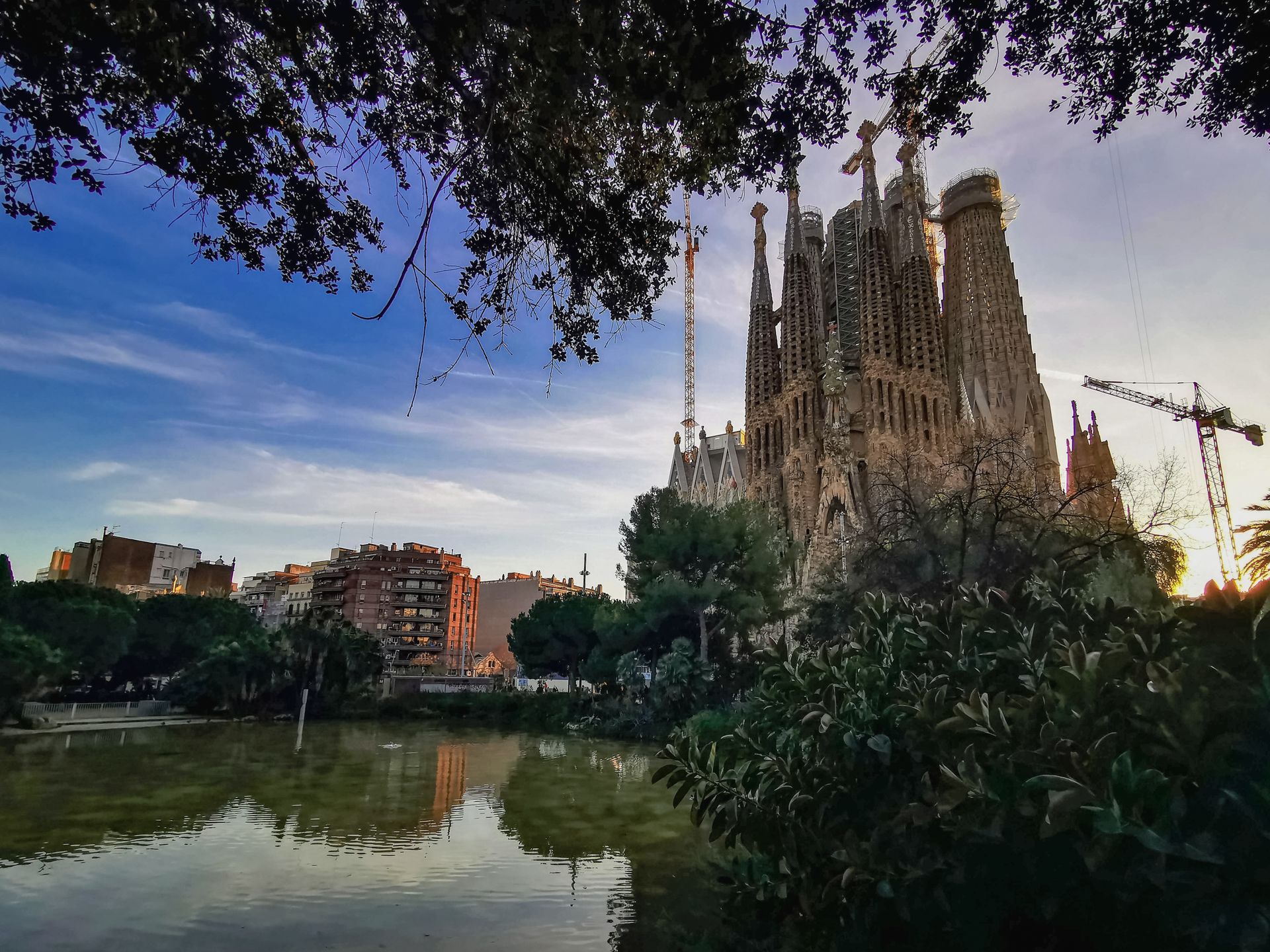
Spain is a country far more complex than beaches and bullfights. From Gaudí's surreal architecture in Barcelona to Moorish palaces in Granada, from pintxos bars in San Sebastián to flamenco in Seville, from Rioja vineyards to Galician coastline, from siesta culture to endless fiestas, Spain delivers intensity, beauty, and life lived at maximum volume. It is not one unified culture but a collection of distinct regions — Castilian, Catalan, Basque, Galician, Andalusian — coexisting, sometimes tensely, and understanding this complexity enriches every part of a Spanish trip.
Spain isn't subtle or quiet, but it's endlessly captivating — a country that lives every moment fully.
Best Time to Visit Spain
Spring (April–May) brings Spain to life with perfect 15–25°C temperatures, orange blossoms in Seville, and major festivals like Semana Santa and Feria de Abril. Fall (September–October) is the sweet spot — wine harvest celebrations, pleasant 18–28°C weather, and smaller crowds. Summer (June–August) means long festival-filled days but extreme heat inland (35–45°C in Madrid and Seville) and the highest prices. Winter (November–March) offers the lowest prices and mild southern weather, with skiing available in the Pyrenees and Sierra Nevada.
Barcelona and Madrid
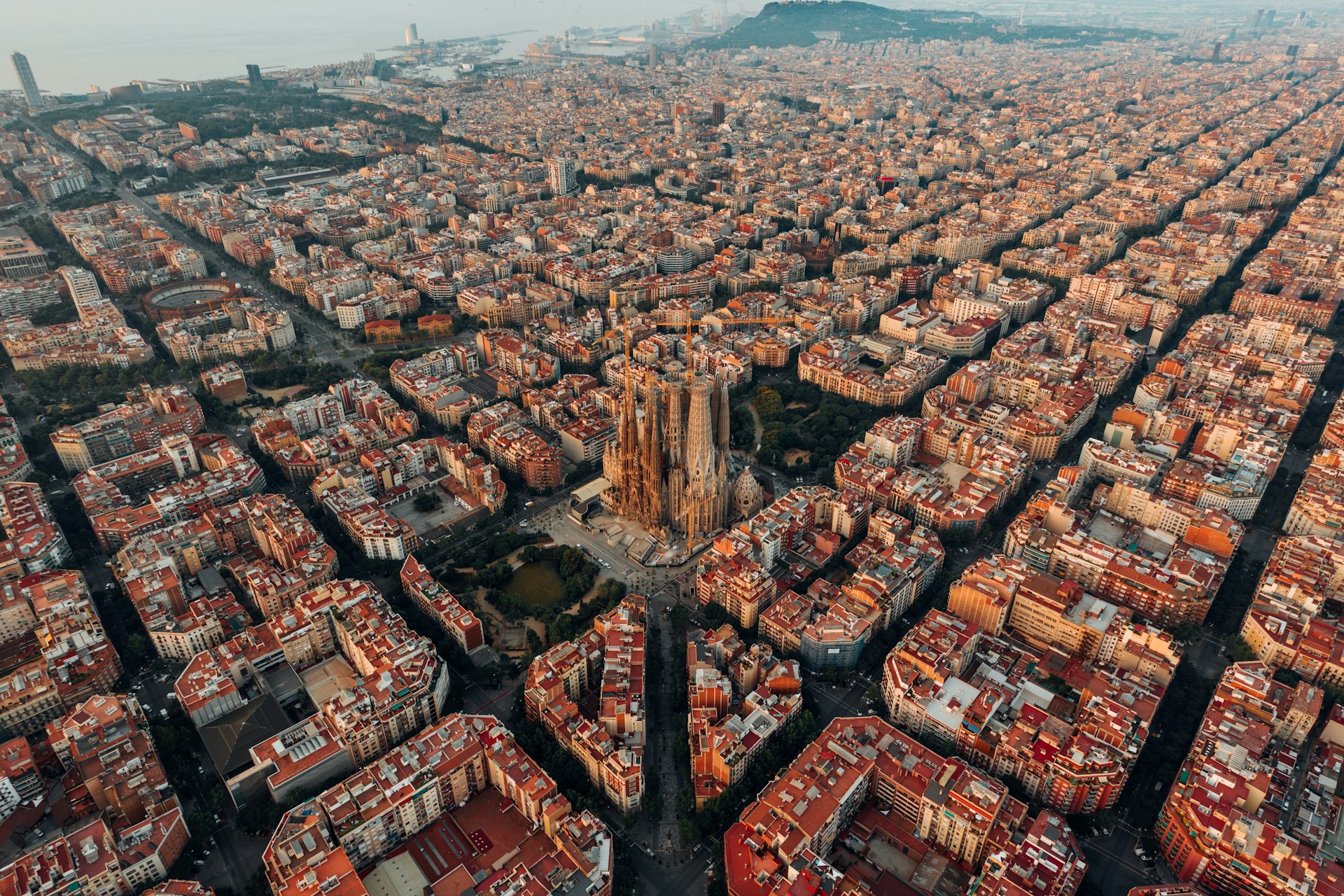
Barcelona (3–5 days) combines beach culture, Gothic history, and modernist architecture. Gaudí's Sagrada Família (book weeks ahead) and Park Güell anchor the city, while the Gothic Quarter's medieval labyrinth and the beach neighborhood of Barceloneta round out the essentials. Eat in El Born, Gràcia, or Poble Sec rather than the tourist-trap restaurants lining La Rambla.
Madrid (3–5 days) offers Spain's finest "art triangle" — the Prado, Reina Sofía (home to Picasso's Guernica), and Thyssen-Bornemisza museums — alongside the Royal Palace, Retiro Park, and the tapas-heavy neighborhood of La Latina, especially at the Sunday El Rastro market. Toledo and Segovia are outstanding day trips.
Andalusia: Seville and Granada
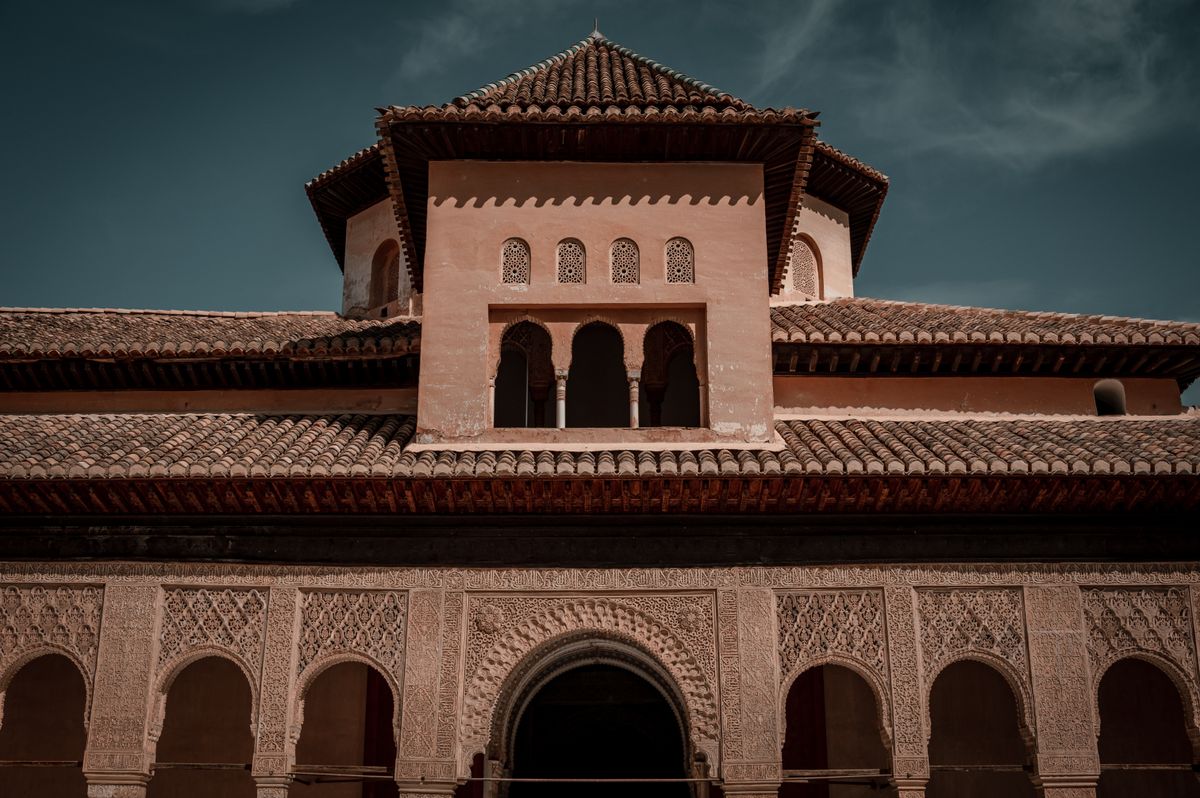
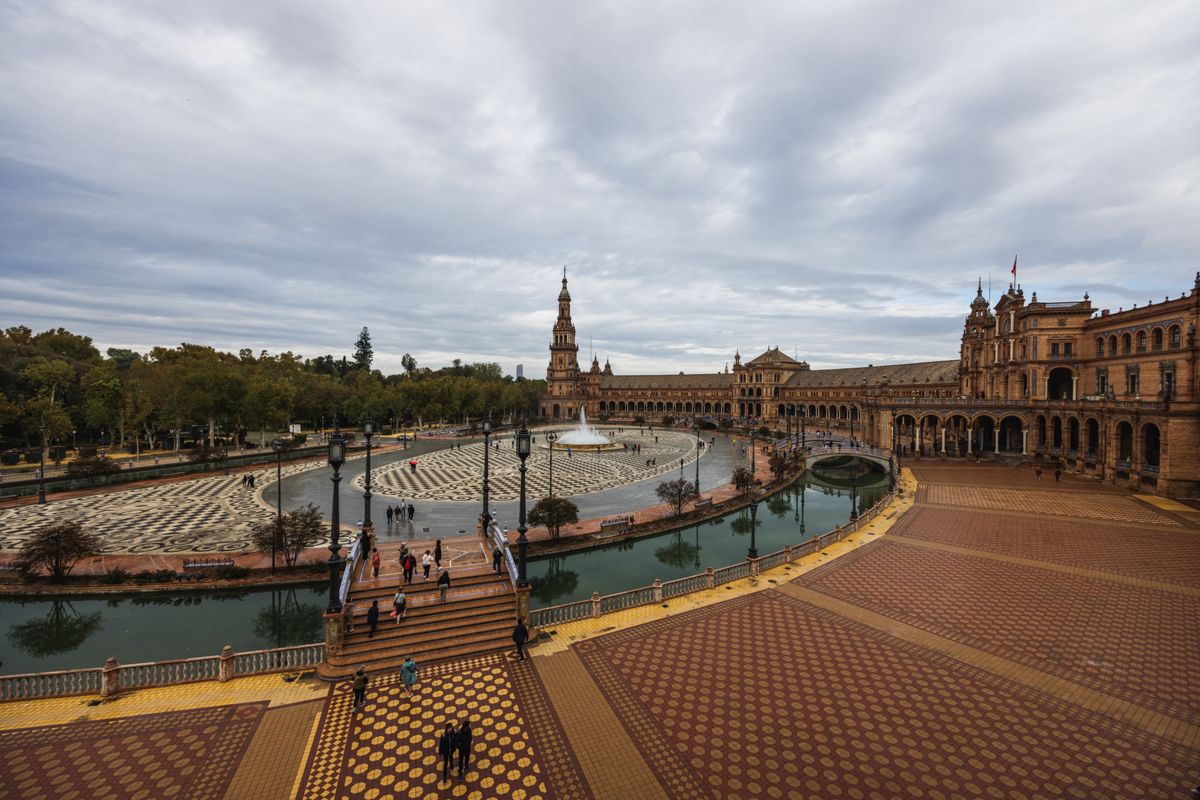
Seville (2–4 days) epitomizes southern Spanish passion — the Alcázar's stunning Mudéjar palace and gardens, the world's largest Gothic cathedral, and authentic flamenco in Triana. Summer heat here is genuinely brutal (40°C+); plan around it. Granada (2–3 days) preserves Spain's greatest Islamic monument, the Alhambra — book tickets months ahead for the timed Nasrid Palaces entry — alongside the Albaicín's white-washed streets and the city's unique tradition of free tapas with every drink.
San Sebastián, Rioja, and Valencia
San Sebastián boasts the world's highest concentration of Michelin stars per capita and an essential pintxos bar-hopping culture in the Parte Vieja. Rioja wine country, based in Logroño or the medieval hilltop town of Laguardia, combines traditional bodegas with striking modern architectural statements. Valencia claims paella's origin (fiercely) and pairs its historic center with Santiago Calatrava's futuristic City of Arts and Sciences.
Costa del Sol and the White Villages
The Andalusian coast around Málaga rewards travelers who venture beyond the beach resorts. Málaga itself is underrated — Picasso's birthplace and namesake museum, the Alcazaba fortress, and a thriving tapas scene. Inland, the Pueblos Blancos (white villages) reward a rental car: Ronda's dramatic gorge and cliff-top bullring, and the whitewashed perfection of Frigiliana, Grazalema, and Arcos de la Frontera. Along the coast, Marbella offers upscale resort life, Nerja pairs caves with beaches, and Gibraltar's British territory and resident monkeys make for an unusual day trip.
Spanish Food Culture Mastery
Meal timing runs late — lunch 2–4 PM, dinner 9–11 PM — and restaurants empty at 7 PM before filling by 10. Tapas culture means bar-hopping, trying one or two small plates per stop, standing at the bar as tradition and value dictate. Jamón ibérico de bellota (acorn-fed) is Spain's culinary pride; Rioja and Ribera del Duero reds, Albariño and Verdejo whites, and Cava sparkling wine round out the regional specialties. Churros con chocolate make an excellent breakfast or post-midnight snack.
Spain Travel Tips for First Timers
A handful of scheduling and cultural habits separate a smooth Spain trip from a frustrating one.
Trail Notes
- Embrace the late schedule rather than fighting it — lunch at 2 PM, dinner at 10 PM, nightlife after midnight.
- Many shops close 2–5 PM for siesta, especially in smaller towns — plan around it.
- Learn basic Spanish greetings — "hola" and "gracias" open doors everywhere.
- Book the Alhambra and Sagrada Família well in advance — both sell out on popular dates.
- Tipping is not obligatory — service is included, though rounding up is appreciated.
- Don't call Catalan "Spanish" in Barcelona — regional identity runs deep and is worth respecting.
- Rent a car for exploring Andalusia's white villages — public transport is limited there.
Sample 14-Day Classic Spain Itinerary
Days 1–3: Barcelona — Gaudí, the Gothic Quarter, beaches, tapas. Days 4–5: Valencia — the City of Arts, paella, beach. Days 6–8: Granada and Seville — the Alhambra, the Alcázar, flamenco. Days 9–11: Madrid — museums, the royal palace, neighborhoods. Days 12–14: Toledo day trip and departure.
Spain on a Budget
Budget travelers spend €40–70 per day; mid-range comfort runs €100–150. Regional wines and tapas culture make eating well affordable at almost every budget level.
Making Spain Unforgettable
Eat tapas properly — bar-hopping with locals rather than sitting in tourist restaurants ordering full meals. Go beyond Barcelona and Madrid to the Basque Country's food scene, Galicia's dramatic coastline, and Andalusia's Moorish heritage. Spain combines artistic masterpieces, incredible food, and passionate culture into a country that lives every moment fully.