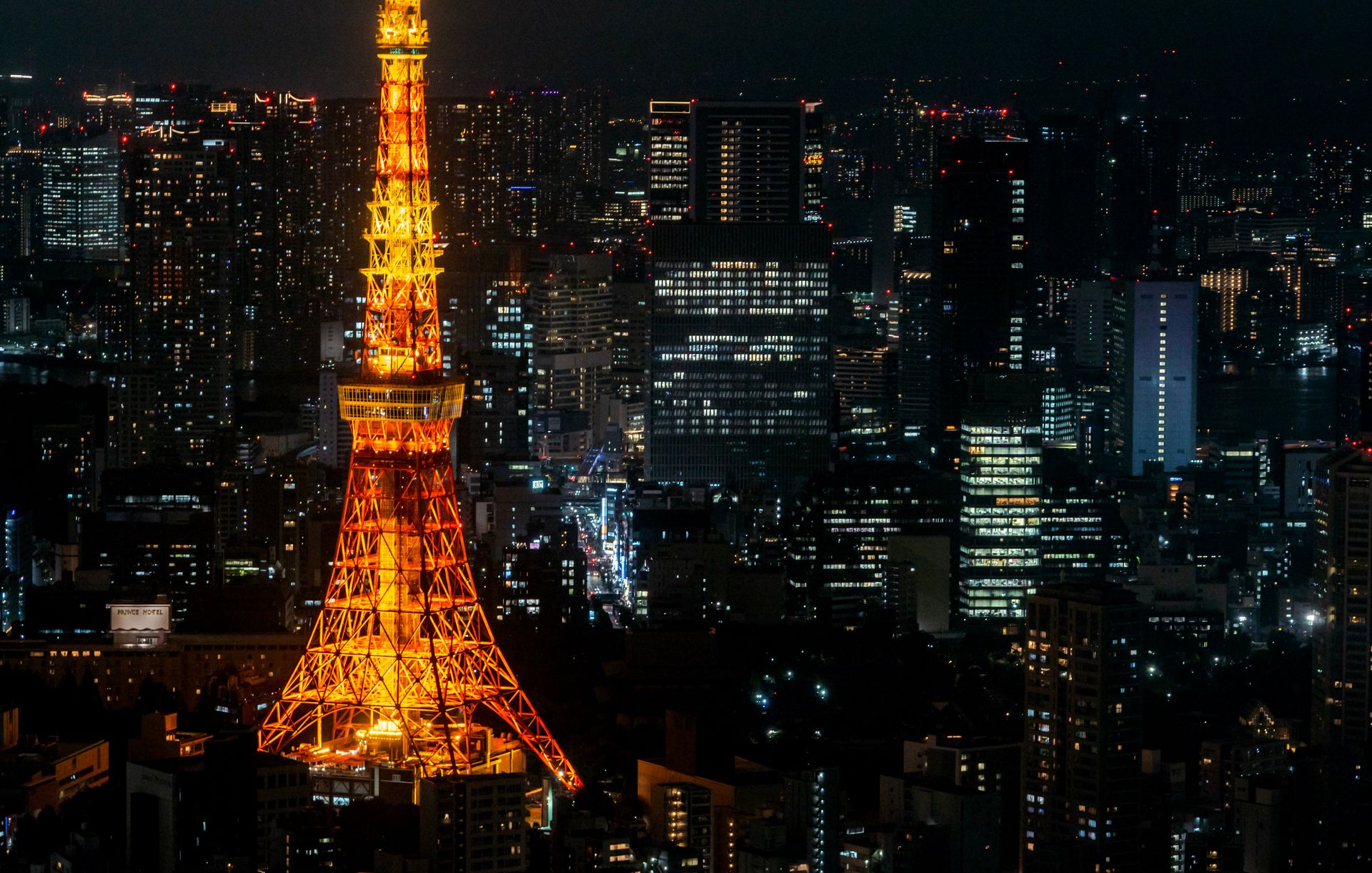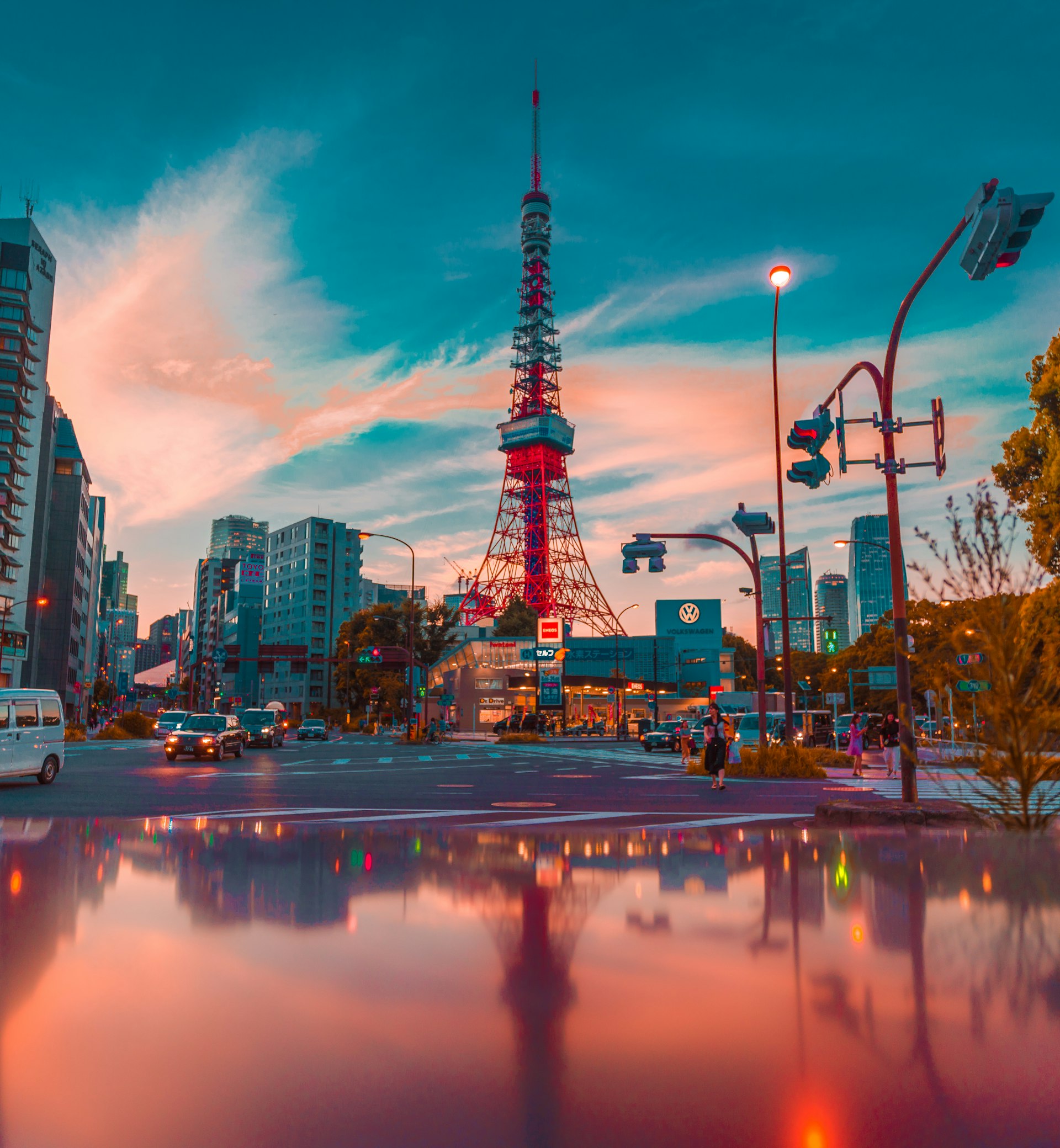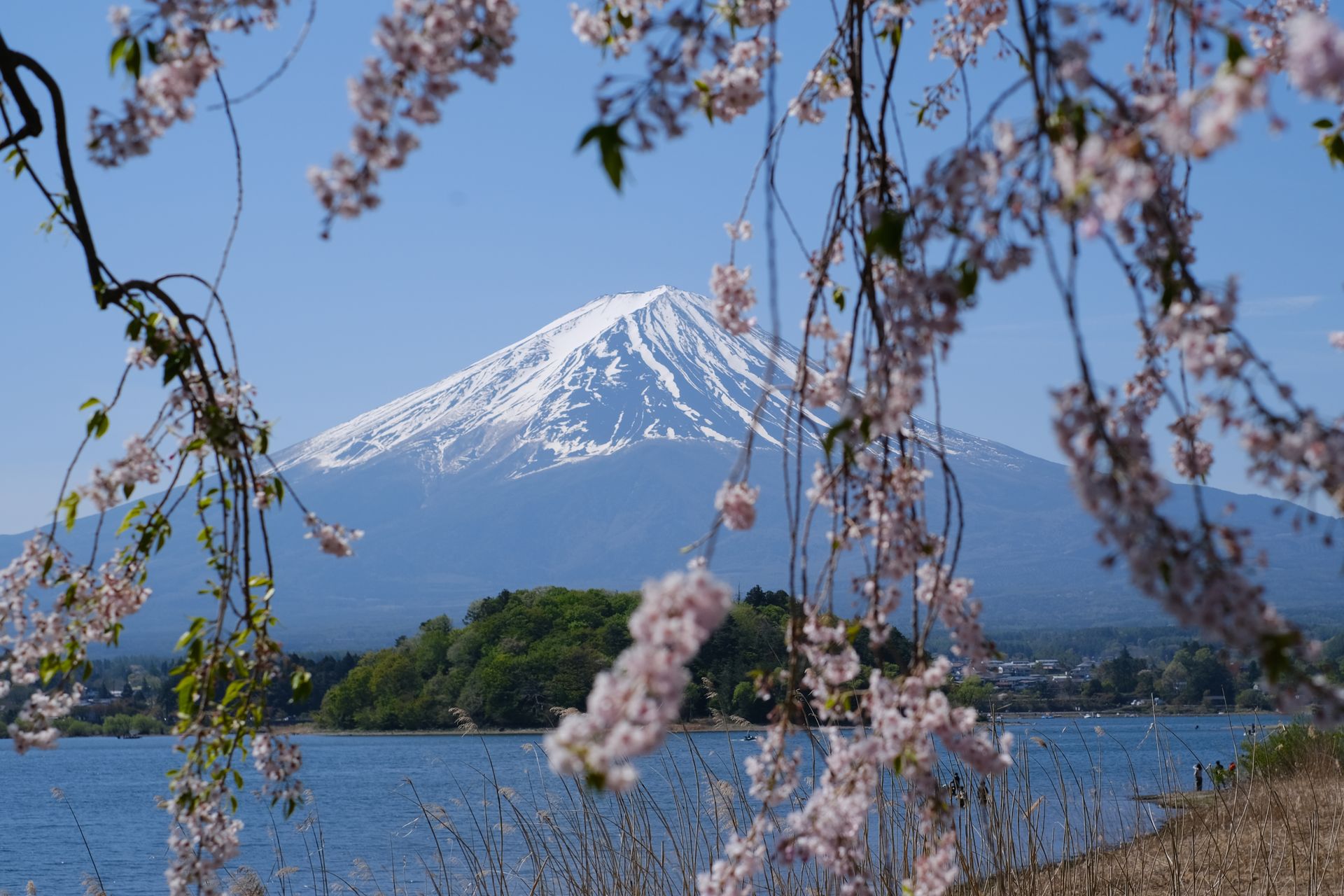
Japan isn't just different — it's magnificently, bewilderingly, enchantingly different in ways that make it one of the world's most rewarding travel destinations. From the organized chaos of Tokyo to the serene temples of Kyoto, from snow monkeys bathing in hot springs to a simple bowl of ramen perfected over generations, Japan delivers experiences that exist nowhere else on Earth — a country where ancient temples sit beside neon-lit skyscrapers, and where silence is respected as much as efficiency.
Japan operates on a completely different frequency than anywhere else — a country where a simple bowl of ramen can be an art form perfected over generations.
When to Visit Japan
Spring (late March–May) brings the famous cherry blossom season — a brief 1–2 week bloom per location, spectacular but the peak tourist season with premium prices and Golden Week (late April–early May) crowds. Fall (October–November) rivals spring for beauty as maple leaves turn brilliant red and gold, with comfortable temperatures and somewhat thinner crowds. Summer (June–August) brings major festivals but also intense heat, humidity, and June's rainy season (tsuyu). Winter (December–February) offers excellent skiing in Hokkaido, the Sapporo Snow Festival, and the lowest prices and crowds of the year, alongside onsen hot-spring season at its most atmospheric.
Tokyo: Organized Chaos
Tokyo demands district-by-district exploration. Shibuya and Harajuku deliver the famous scramble crossing and youth fashion culture alongside Meiji Shrine's peaceful forest sanctuary. Shinjuku holds the world's busiest train station and the tiny bars of Golden Gai. Asakusa's Senso-ji Temple preserves old Tokyo atmosphere, while Ginza offers luxury shopping and department-store food halls. A sushi breakfast at the Tsukiji Outer Market, Senso-ji at sunrise before the crowds, and the teamLab Borderless digital art museum are essential first-time experiences.
Kyoto and Osaka
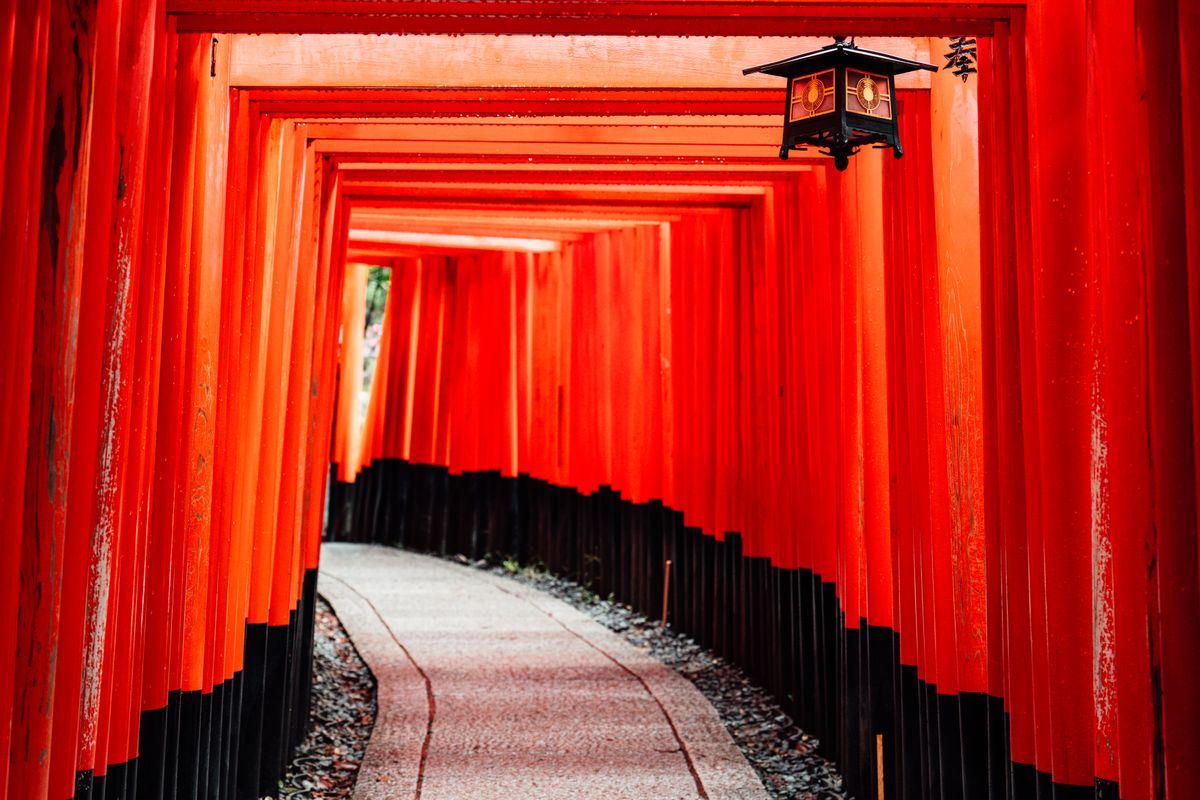
Kyoto preserved Japanese culture through centuries as the imperial capital — over 2,000 temples demand multiple visits. Fushimi Inari's 10,000 torii gates are best experienced before 7 AM to avoid the crowds; the Arashiyama bamboo grove, the gold-leafed Kinkaku-ji, and the geisha district of Gion round out the essentials. Osaka, less refined than Tokyo or Kyoto, embraces fun and flavor — the neon-lit Dotonbori canal district and street food specialties like takoyaki and okonomiyaki define the city's "nation's kitchen" reputation. Nara, 45 minutes from Kyoto, offers friendly deer and the Todai-ji Temple's giant Buddha as an easy day trip.
Hiroshima, Hakone, and the Japanese Alps
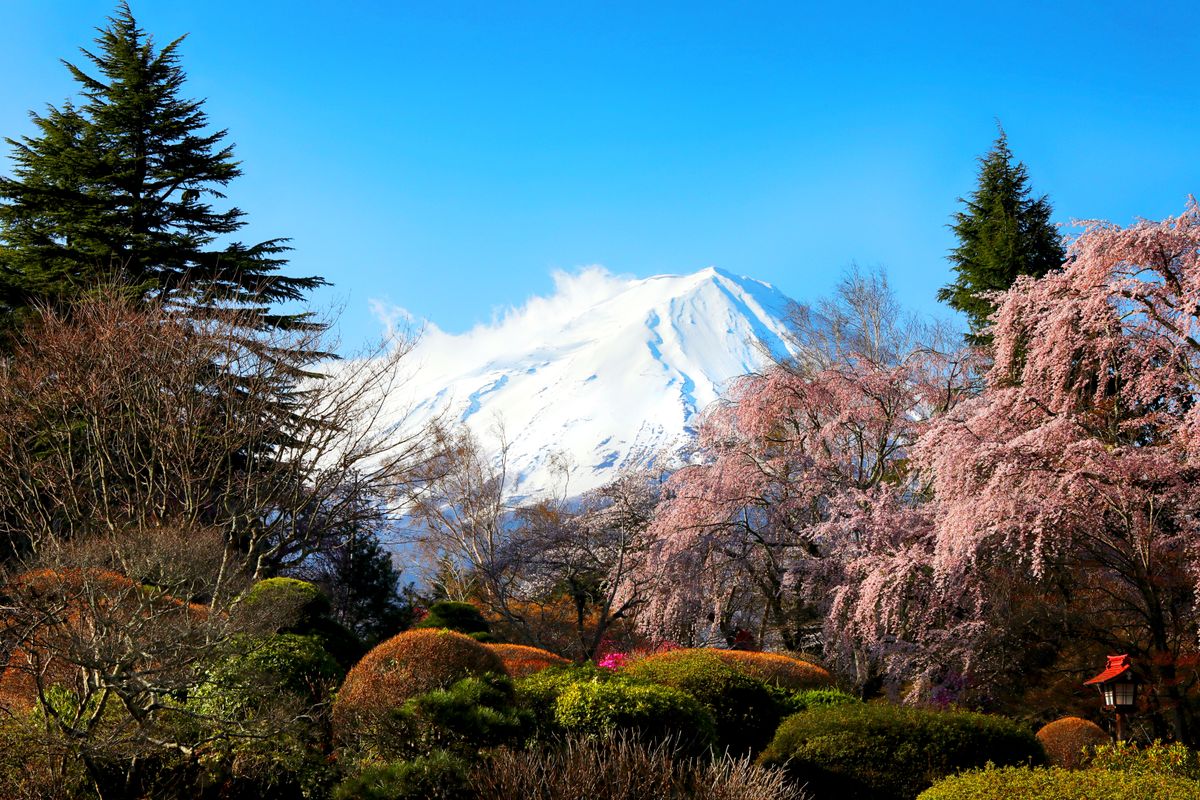
Hiroshima balances tragic history with hopeful resilience at the Peace Memorial Park, with Miyajima Island's iconic "floating" torii gate a 45-minute ferry away. Hakone offers Japan's best Mount Fuji views on clear days via the scenic "Hakone Loop" of trains, cable cars, and boats. Takayama and Shirakawa-go, in the Japanese Alps, preserve beautifully maintained Edo-period streets and UNESCO-listed thatched-roof farmhouses, particularly stunning under winter snow. Hokkaido, Japan's northernmost island, delivers world-class skiing at Niseko and the February Sapporo Snow Festival.
Kyushu: Southern Character
Kyushu, the southernmost of Japan's main islands, combines active volcanoes, hot springs, and distinct regional culture that most first-time itineraries skip entirely. Fukuoka's yatai street-food stalls offer a relaxed gateway to the island; Nagasaki carries a unique multicultural and atomic-bomb history distinct from Hiroshima's. Beppu is Japan's hot-spring capital, with dramatic "hells" (viewing-only geothermal pools) and unusual sand baths, while Mount Aso near Kumamoto holds one of the world's largest active volcanic calderas.
Japanese Culture and Etiquette Essentials
Bowing is the basic greeting and gratitude gesture — depth and duration vary, but attempting it shows respect. Remove shoes entering homes, many restaurants, and traditional accommodations. Never stick chopsticks vertically in rice (funeral symbolism), and use serving chopsticks when sharing dishes. In onsen (hot springs), wash thoroughly before entering communal baths; tattoos are often prohibited due to yakuza associations. Public behavior is notably quiet — no phone conversations on trains, no eating while walking, and no tipping anywhere, which can cause genuine confusion or offense.
Transportation Mastery
The Japan Rail Pass, available only to foreign tourists and purchased before arrival, covers most JR trains including the shinkansen bullet train for 7, 14, or 21 consecutive days — calculate whether your specific itinerary breaks even before buying. IC Cards (Suica/Pasmo) work seamlessly on trains, subways, buses, and convenience stores in most cities. Book aisle seats on the Mount Fuji side of the shinkansen (right side traveling Tokyo to Kyoto) for the best views.
Japan Travel Tips for First Timers
A handful of practical habits smooth out what can otherwise be a disorienting first few days in Japan.
Trail Notes
- Buy a pocket WiFi rental or SIM card immediately — navigation and translation apps are essential tools.
- Carry cash — Japan is still largely cash-based despite its high-tech reputation; 7-Eleven ATMs reliably accept foreign cards.
- Book 2–3 months ahead for cherry blossom and fall foliage season accommodation.
- Use the Takkyubin luggage-forwarding service to ship bags between hotels rather than carrying them on trains.
- Learn a few phrases — "sumimasen" (excuse me) and "arigato gozaimasu" (thank you) go a long way.
- Research tattoo-friendly onsen in advance if you have visible tattoos.
- Don't try to see everything — Japan deserves multiple visits, and one perfect kaiseki dinner beats five rushed meals.
Sample 12-Day Classic First-Timer Itinerary
Days 1–4: Tokyo — neighborhood exploration, temples, Tsukiji, nightlife. Days 5–7: Kyoto — temple tours, Arashiyama, a day trip to Nara. Days 8–9: Osaka and Hiroshima — food culture, Miyajima, the Peace Memorial. Days 10–11: Hakone — onsen relaxation and Fuji views. Day 12: return to Tokyo for departure.
Japan on a Budget
Budget travelers spend $60–90 per day; mid-range comfort runs $130–200. Convenience-store food is surprisingly excellent and cheap, and set lunch menus (teishoku) provide real value even at nicer restaurants.
Making Your Japan Journey Unforgettable
Embrace cultural differences rather than fighting them — the efficiency, cleanliness, and attention to detail that can feel overwhelming initially become things you miss when you leave. Learn from every interaction, from the convenience store clerk wrapping your sandwich perfectly to the train conductor bowing to an empty car. Japan will challenge assumptions about how things should work — and that disorientation mixed with wonder is exactly what makes it extraordinary.