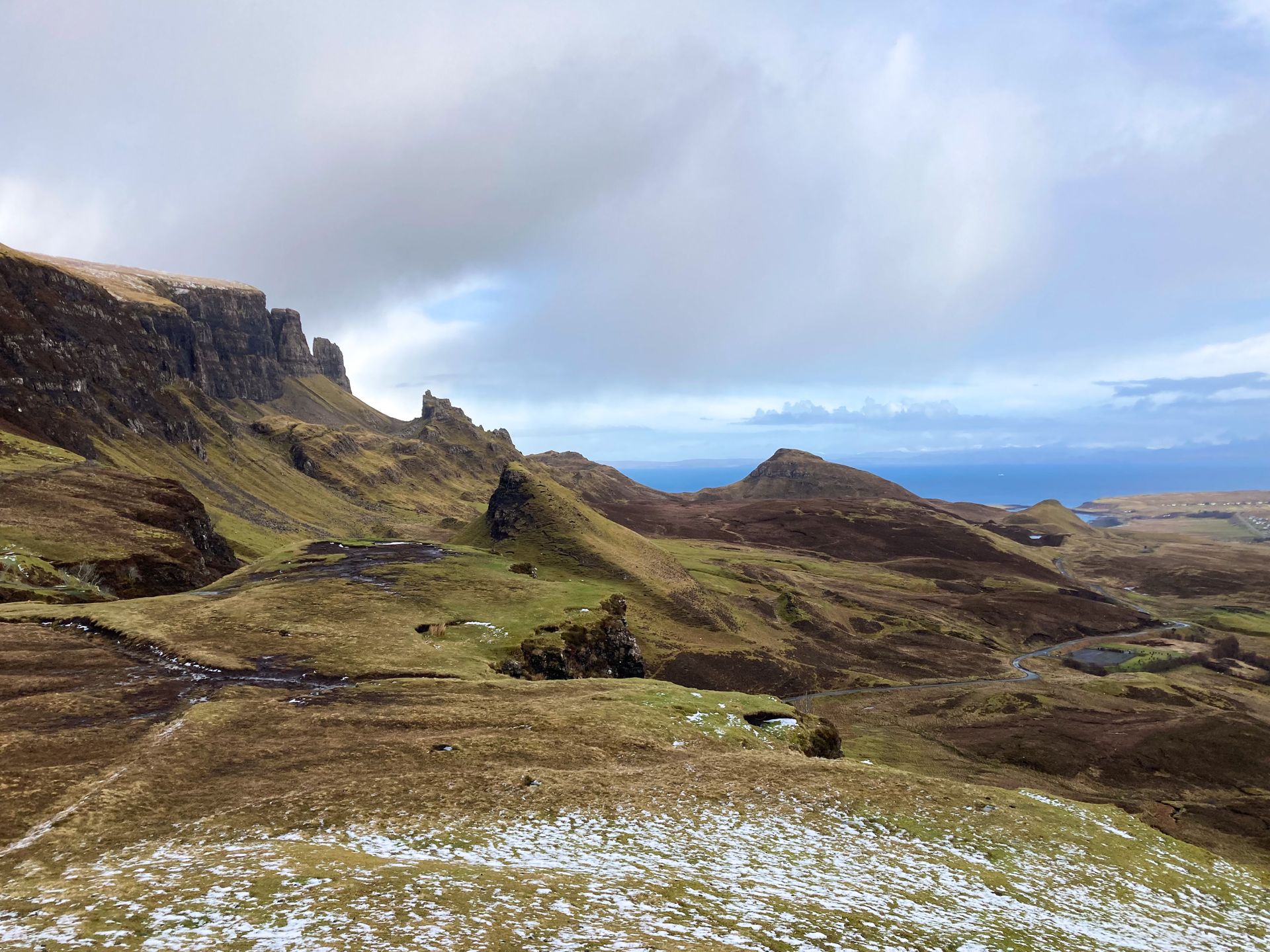
Scotland operates at two registers simultaneously — the intimate and the vast. The intimate: a pub in Portree where the landlord knows every face, a fishmonger in Pittenweem whose smoked haddock has been made by the same family for three generations. The vast: the Cairngorms plateau at 1,300 meters on a clear morning, the view from the Quiraing across the Minch to the Outer Hebrides. Between these registers lies the Scotland travelers discover in sequence — Edinburgh's Festival energy, Highland driving routes whose beauty accumulates, Skye exceeding its own reputation, and whisky distilleries whose agricultural and geological stories are as interesting as the liquid they produce.
A country of 5.5 million people in a land area roughly the size of South Carolina produces a quality of encounter between traveler and local that larger countries cannot replicate.
Edinburgh: The Capital
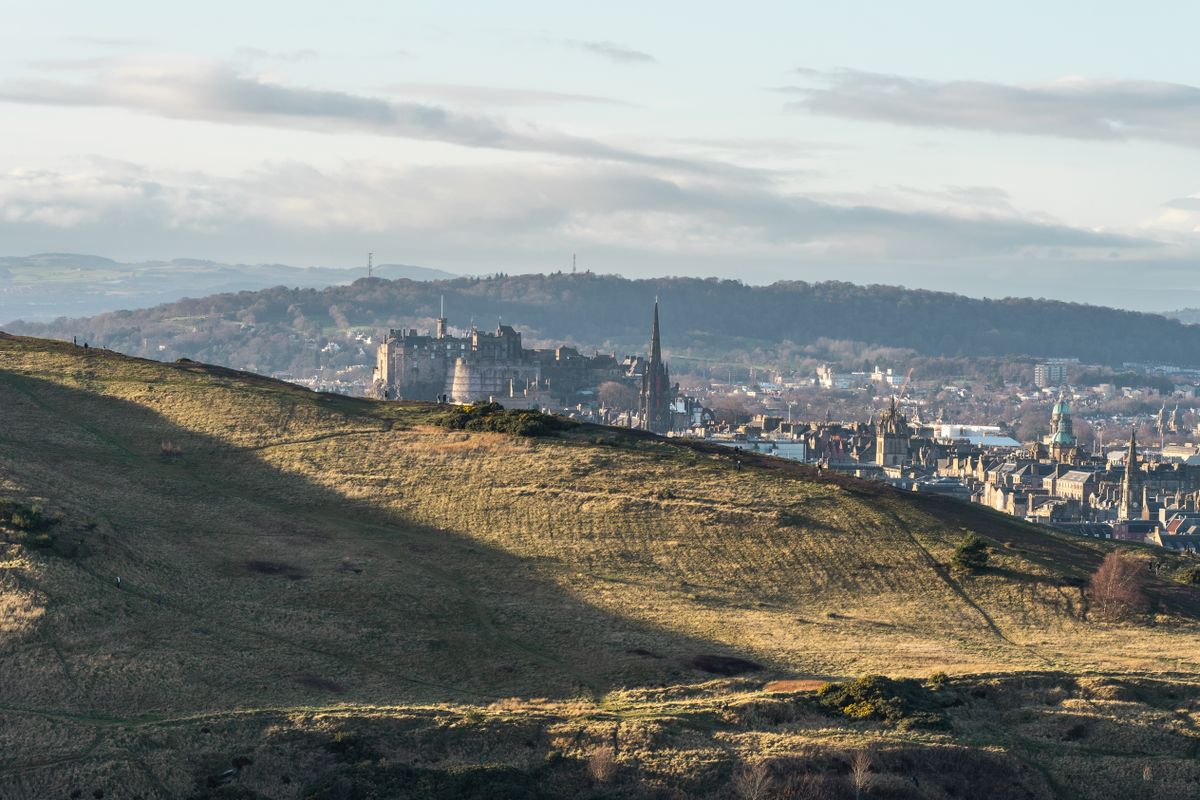
Edinburgh's Old Town (medieval, vertical, built on a volcanic ridge) and New Town (Georgian, planned, neoclassical) together form a UNESCO World Heritage Site. The Royal Mile connects Edinburgh Castle to the Palace of Holyroodhouse — the Castle holds the Crown Jewels of Scotland and the Stone of Destiny; St. Giles' Cathedral's Thistle Chapel has the finest medieval woodworking in Scotland. The closes — narrow alleys descending off the Mile, including the sealed 17th-century Mary King's Close — hold the city's most atmospheric medieval history.
Leith's waterfront now has Scotland's finest restaurant concentration, including two Michelin-starred restaurants within 200 meters of each other. The Edinburgh Festival Fringe (August, the world's largest arts festival) transforms the city for the month — book accommodation 6–12 months ahead if visiting then.
Glasgow: The Cultural Powerhouse
Glasgow is Scotland's largest and most misunderstood city — home to Charles Rennie Mackintosh's architectural legacy (the Glasgow School of Art, the Willow Tea Rooms), the free Kelvingrove Art Gallery (Britain's finest public museum, with Saturday/Sunday organ recitals at 1pm), and a disproportionate contribution to British popular music. The West End's Byres Road and Finnieston host Glasgow's best independent restaurants; King Tut's Wah Wah Hut and the Barrowland Ballroom anchor its legendary live music scene.
The Highlands: Glencoe and the Cairngorms
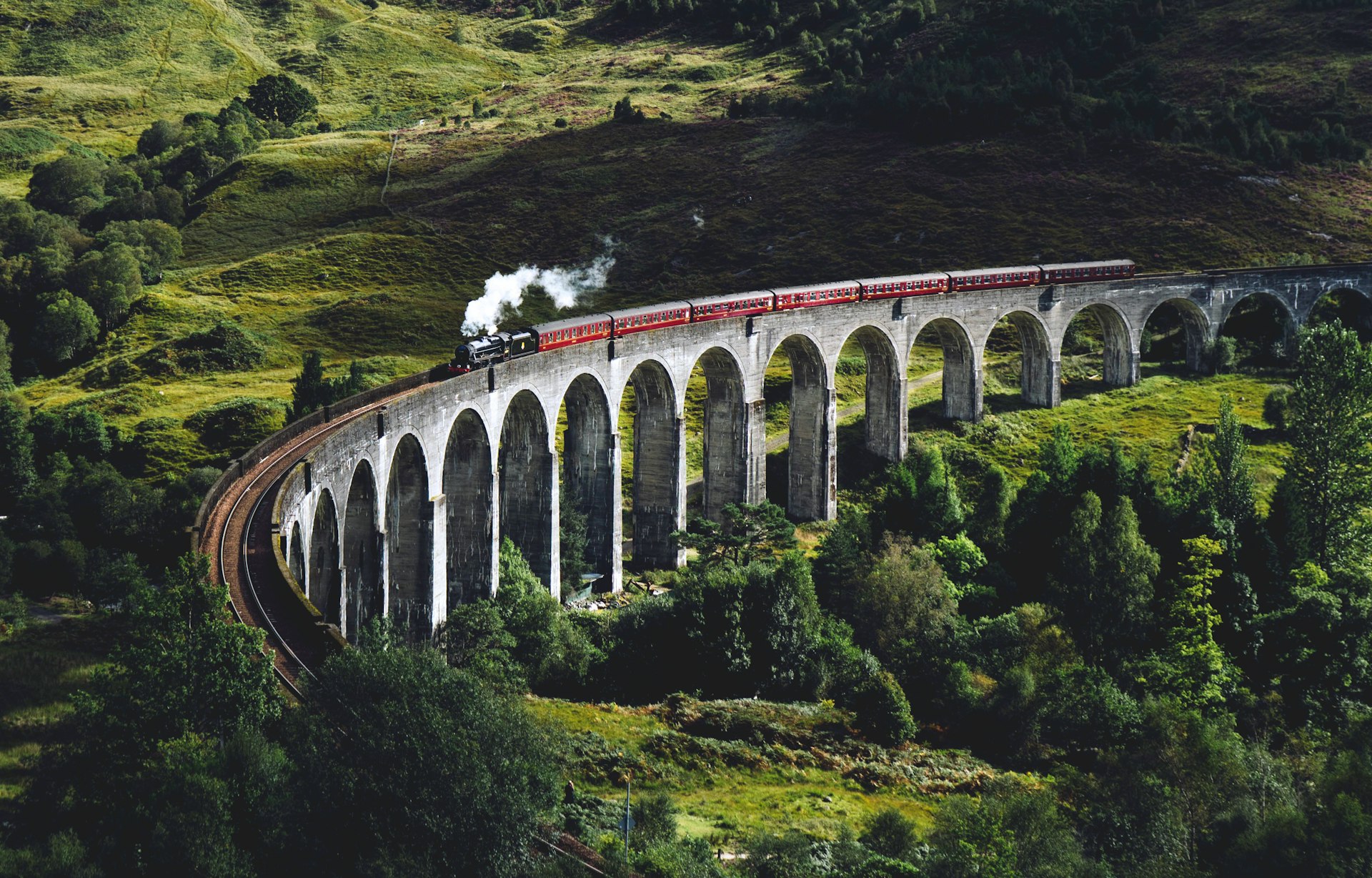
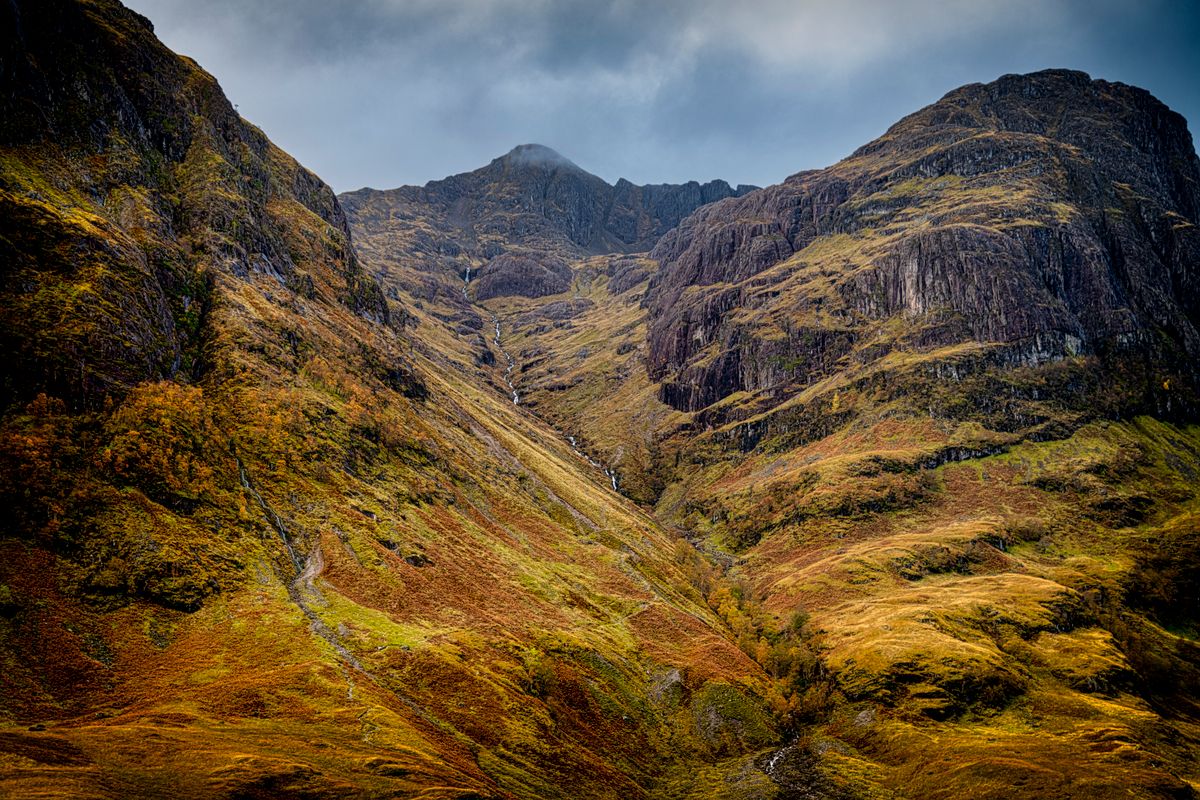
The Highlands cover half of Scotland's land area but hold under 5% of its population — the specific emptiness (driving 30km of single-track road without passing a car) is central to the experience. Glencoe delivers grandeur and melancholy in equal measure: the Three Sisters, the technically demanding Aonach Eagach ridge, and the Lost Valley (Coire Gabhail), a hidden valley invisible from the floor until the moment of arrival.
The Cairngorms National Park, the UK's largest, is Britain's only genuinely arctic-alpine terrain — the funicular from Aviemore reaches 1,097m, home to free-roaming reindeer (introduced 1952), ptarmigan, and the ospreys of Loch Garten.
Isle of Skye: The Crown of the Hebrides
Skye earns its top-of-every-list reputation through the Trotternish Peninsula's extraordinary geology — the Old Man of Storr (a 4km return walk to a distinctive rock pinnacle), the Kilt Rock and Mealt Falls (a 55m waterfall dropping directly into the sea), and the Quiraing, whose landslip-formed Table, Needle, and Prison rock formations suggest a different planet. The Black Cuillin's 11 Munros are Britain's most serious mountain terrain — a guided day with a Skye Mountain Guide is recommended beyond confident walking. Skye's food scene, led by the Three Chimneys at Colbost, is the finest of any Scottish island (book 4–8 weeks ahead).
The North Coast 500 and Whisky Country
The North Coast 500 — a 516-mile circular route from Inverness — is Scotland's answer to the Icefields Parkway, taking in Torridon's ancient quartzite peaks, the Bealach na Bà mountain pass (20% gradients, hairpin bends, a descent to the palm-tree-warmed Applecross Bay), Ullapool, the isolated Assynt mountains, and Cape Wrath at Britain's northwestern extremity. Allow 5–7 days minimum, 10–14 optimally.
Speyside, containing 60% of Scotland's malt whisky production within 50 miles, is the whisky traveler's primary destination — Glenfarclas, Glenfiddich, The Macallan, and dozens more, with Dufftown claiming to be "the whisky capital of the world." Islay's peated malts (Laphroaig, Ardbeg, Lagavulin) are the most polarizing and passionate whisky style in the world — the Fèis Ìle festival in late May requires booking 6–12 months ahead.
The Islands Beyond Skye
The Outer Hebrides (Lewis, Harris, the Uists, Barra) hold Scotland's highest concentration of Gaelic speakers, hand-woven Harris Tweed, and the Luskentyre and Scarista beaches, whose white shell-sand and turquoise water rival any tropical destination. The Callanish Standing Stones on Lewis predate Stonehenge by centuries with a fraction of the visitors. Orkney's Heart of Neolithic Orkney UNESCO site — Skara Brae, the Ring of Brodgar, the Stones of Stenness, and Maeshowe — is the most archaeologically extraordinary destination in Britain.
The South and Borders
The historically contested territory between Scotland and England is the country's most undervalued and most locally authentic region — the ruined abbeys of Melrose, Jedburgh, and Kelso, Sir Walter Scott's Abbotsford estate, and Robert Burns's Ayrshire heartland provide a literary and pastoral counterpoint to the Highland drama that most itineraries never reach.
Scotland Travel Tips for First Timers
Driving is the transport mode that most rewards Scotland's travel investment — public transport is limited outside cities and the Highland/island experiences are largely inaccessible without a car.
Trail Notes
- Learn single-track road etiquette: pull into passing places for oncoming traffic, and wave in acknowledgment.
- Download offline maps before Highland or island travel — mobile data is unreliable on rural roads.
- Pack for all conditions in every season — waterproofs, warm layers, and sun cream even on cool days.
- Effective midge repellent is essential for calm summer days in the western Highlands and islands.
- Book Moraine Lake–style popular sites (or here, distillery tours and island ferries) well in advance for peak season.
- May and June offer the longest daylight and fewest midges; September brings heather color with lighter crowds.
Scotland Budget Guide
Budget: £80–120/day — hostels or camping, self-catering and pub meals. Mid-range: £150–250/day — B&Bs, restaurant dinners, a hire car for the Highlands. Comfort: £300–600/day — castle hotels and Michelin-level dining.
Final Thoughts: What Scotland Gives Back
Scotland's specific gift is a quality of perspective — the recalibration that comes from standing on a Highland ridge in weather that has changed four times since you started climbing, and the specific warmth of a pub conversation that sends you toward a cousin in Stornoway who knows the best Hebridean lamb. Go in May when the light lasts longest. Drive the single-track roads slowly. Accept the dram when it is offered.