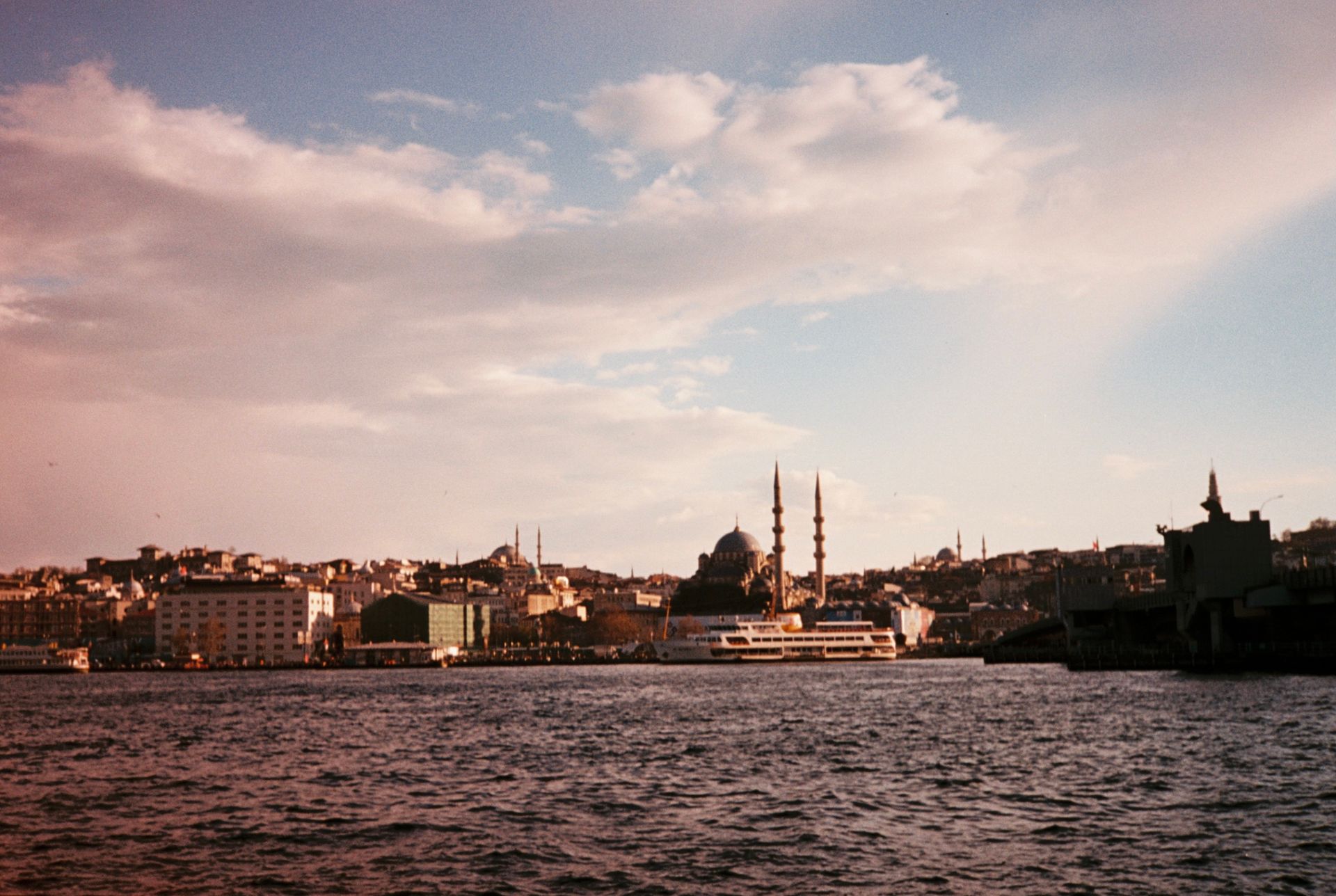
There is no city on Earth quite like Istanbul. It is the only metropolis in the world that straddles two continents — Europe and Asia — separated by the shimmering Bosphorus Strait, and that geographical reality is more than just a curiosity. It is the defining fact of a city that has spent three thousand years absorbing, blending, and transcending the civilizations that have passed through it. This guide covers everything you need to know: the best time to visit, how to get around, what to see, where to eat, which neighborhoods to explore, and the practical knowledge that will help you make the most of one of the world's great cities.
Byzantine, Ottoman, Greek, Armenian, Jewish, and modern Turkish cultures have all left their mark here, layered one upon the other in a palimpsest of extraordinary depth and beauty.
Why Istanbul Should Be on Every First-Time Traveler's List
Istanbul served as the capital of three successive empires — Roman, Byzantine, and Ottoman — for over 1,600 years. At its peak under Suleiman the Magnificent, Constantinople was the largest and most powerful city in the world. The monuments left behind — the Hagia Sophia, the Blue Mosque, Topkapi Palace, the Grand Bazaar, the Basilica Cistern — are not merely impressive. They are world-altering.
But Istanbul is not frozen in its past. It is a pulsating, chaotic, modern megalopolis of 15 million people with an extraordinary food scene, a vibrant arts culture, and famously warm hospitality — misafirperverlik, heartfelt hospitality toward guests, felt everywhere. Despite its world-class attractions, costs remain significantly lower than comparable European capitals, making it one of the best-value major destinations in the world.
Best Time to Visit Istanbul
Spring (April–May): widely considered the finest season — 12–22°C, tulips blooming across the city's parks (the Istanbul Tulip Festival in April), and beautiful light on the Bosphorus.
Summer (June–August): warm and increasingly humid, 28–32°C, and the most crowded season around Sultanahmet. Long evenings suit Bosphorus dining and rooftop bars; the Istanbul Music Festival in June is a highlight.
Autumn (September–November): rivals spring — September retains summer warmth without the intensity, October–November bring cooler, crisper days and golden parks, and crowds thin noticeably after mid-September.
Winter (December–February): has an undeniable romance, with occasional snow dusting the Blue Mosque and Hagia Sophia. Least crowded, minimal queues, lower prices, at 5–10°C.
How to Get to Istanbul and Around
Istanbul is served by Istanbul Airport (IST, European side, 35–45km out) and Sabiha Gökçen (SAW, Asian side, ~45km). Havaist Bus: frequent services to Taksim, Beşiktaş, Kadıköy, and Sultanahmet, ₺100–₺130, 45–90 minutes depending on traffic. Metro M11: connects to Gayrettepe on the M2 line in 35–40 minutes, ~₺50 — the most reliable option in traffic. Taxi: ₺500–₺800 to central Istanbul.
Istanbulkart: the single most important thing to obtain on arrival — this rechargeable card covers metro, trams, buses, ferries, and funiculars. Tram (T1 Line): the most useful line for tourists, running from Kabataş through Karaköy, across the Galata Bridge, and along Sultanahmet to the Grand Bazaar and Topkapı. Bosphorus Ferries: Şehir Hatları city ferries between the European and Asian sides — Eminönü/Karaköy to Kadıköy and Üsküdar — for ₺20–₺30, one of the best-value experiences in any world city. Funiculars: the F1 (Kabataş to Taksim) and the historic Tünel (1875, one of the world's oldest underground railways).
Top Attractions in Istanbul for First-Time Visitors
1. Hagia Sophia: commissioned by Justinian I and completed in 537 AD — a cathedral for nearly a thousand years, a mosque after 1453, a museum from 1934, and reconverted to an active mosque in 2020. Its 56-meter dome floating above the vast interior is among the most awe-inspiring architectural experiences on Earth. Arrive at opening (9 AM) to minimize crowds; women should bring a headscarf.
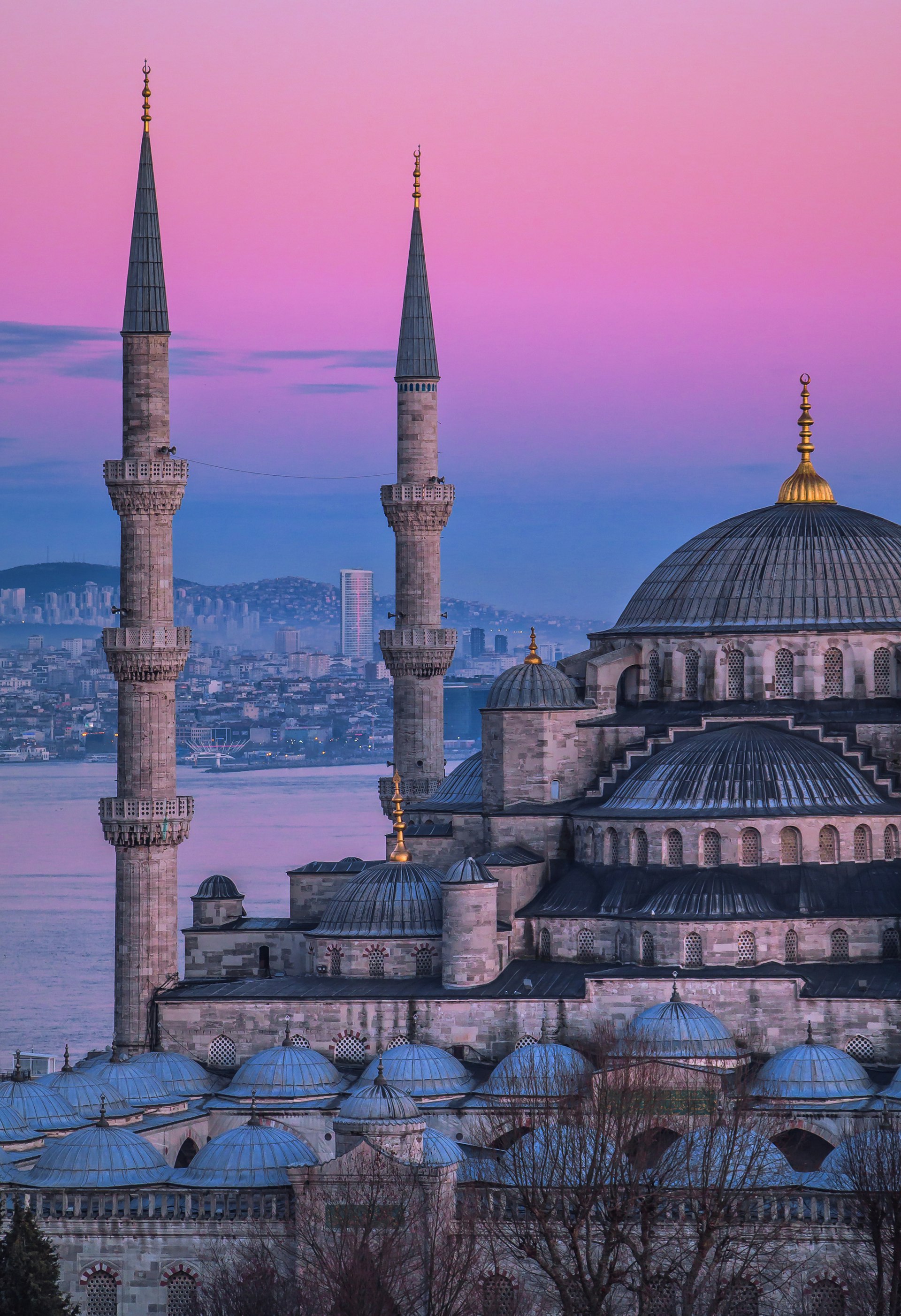
2. Blue Mosque (Sultanahmet Camii): built 1609–1616, named for its 20,000 hand-painted İznik tiles, with six minarets that were controversial at the time — only Mecca's mosque had six. Free entry; faces Hagia Sophia across the square.
3. Topkapi Palace: the Ottoman administrative and residential center for nearly 400 years, its Treasury holding the Topkapi Dagger and the Spoonmaker's Diamond, with terrace views across the Bosphorus toward Asia. Get the Museum Pass Istanbul for the best value; the Harem needs a separate ticket.
4. Grand Bazaar (Kapalıçarşı): one of the world's oldest and largest covered markets, operating continuously since 1461, with 61 covered streets and over 4,000 shops. Bargaining starts around 50–60% of the asking price.
5. Basilica Cistern (Yerebatan Sarnıcı): built in the 6th century to supply water to Constantinople's palaces, its forest of 336 marble columns — some with Medusa head bases — stands in dim, echoing water beneath Sultanahmet.
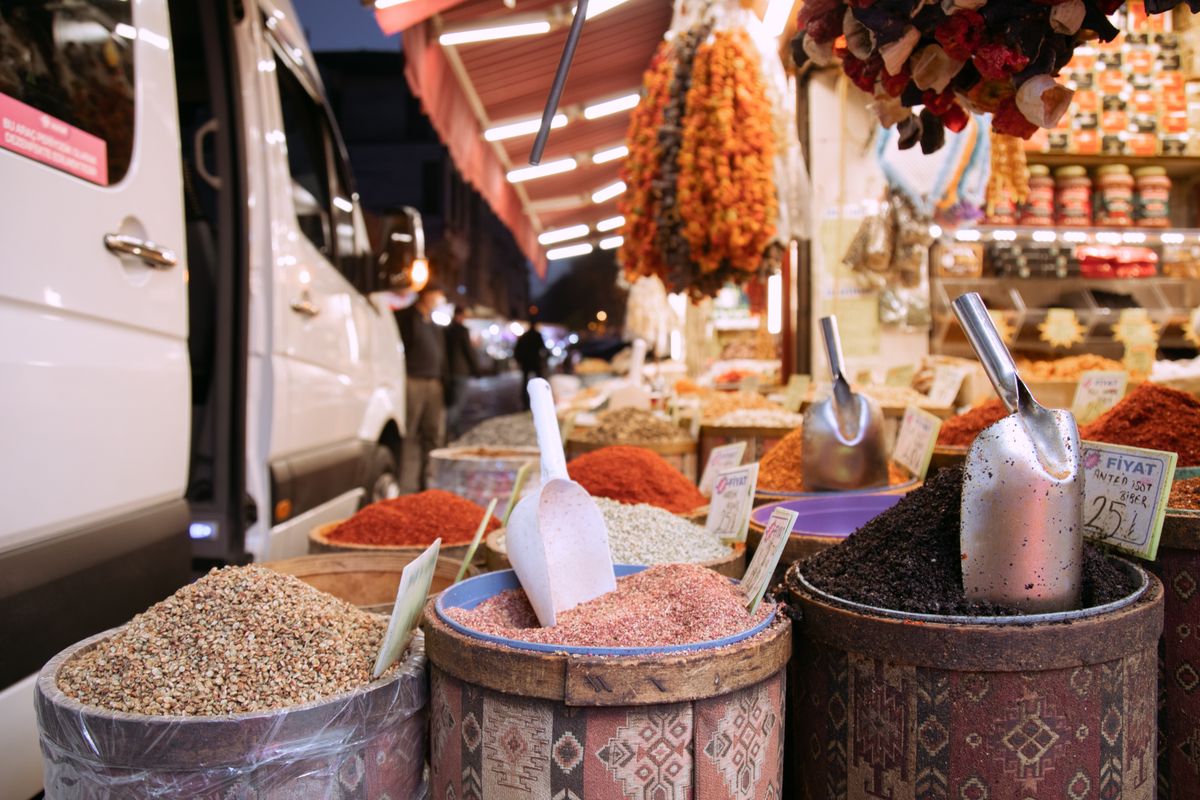
6. Spice Bazaar and Eminönü: selling spices, dried fruits, teas, and Turkish delight since 1664, with the surrounding waterfront neighborhood offering ferries and boats grilling balık ekmek.
7. Galata Tower and Beyoğlu: the 1348 Genoese tower offers 360-degree panoramas; from here, İstiklal Avenue's 1.4km pedestrianized spine leads through bookshops, cinemas, and side streets packed with bars.
8. Dolmabahçe Palace: built in 1856, the Ottoman sultans' move toward a European-style residence, with Baccarat crystal chandeliers across 285 rooms — also the place where Atatürk died in 1938. Entry by guided tour only.
9. Bosphorus Cruise: the 30km strait lined with Ottoman waterfront mansions, fortress ruins, and fishing villages — watching the sunset over the European shore from a ferry is one of Istanbul's defining experiences.
10. Kadıköy — The Asian Side: most first-timers never cross the Bosphorus, missing a vibrant, progressive neighborhood with outstanding street food, markets, and bookstores — the 25-minute ferry ride is itself a pleasure.
What to Eat in Istanbul: A First-Timer's Food Guide
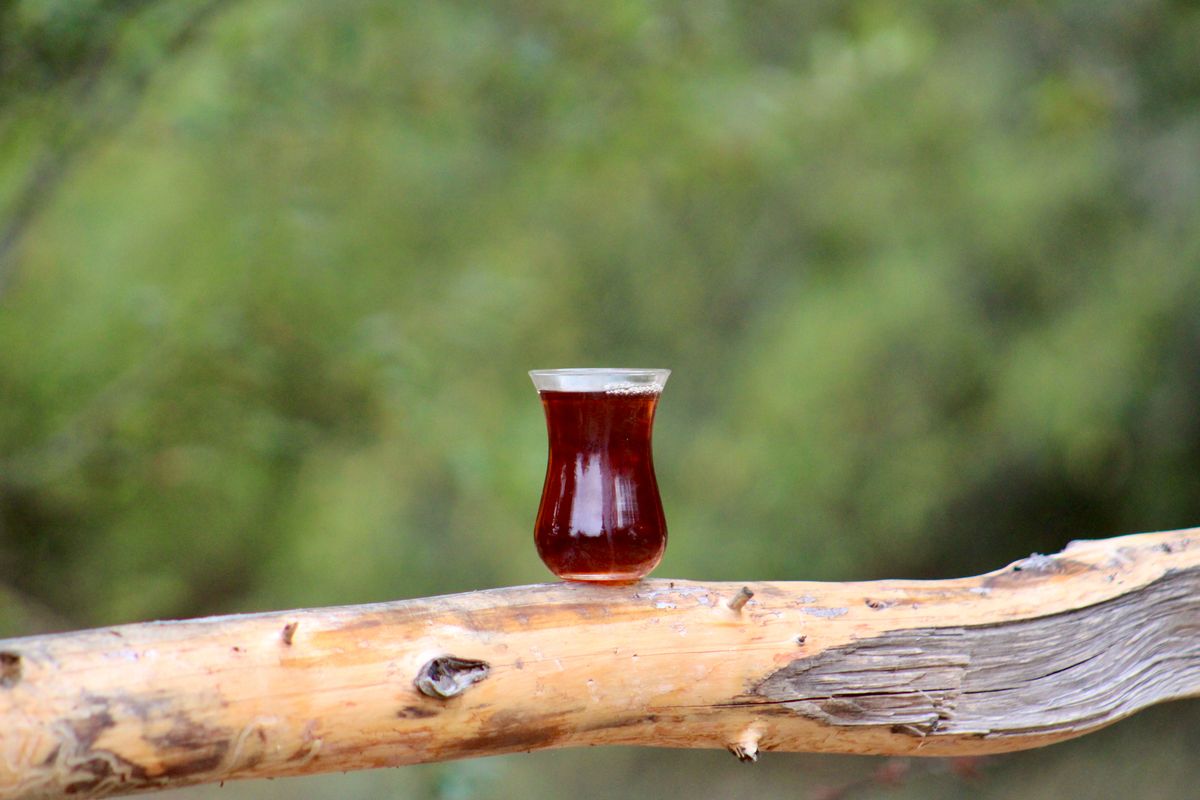
Simit: the quintessential street food — a sesame-crusted bread ring, best with white cheese and a glass of çay. Balık Ekmek: grilled mackerel in a crusty roll from the boats at Eminönü and Karaköy. Meze: a spread of small dishes with cold rakı at a meyhane, best experienced in Beyoğlu and Kadıköy. Kebabs: Adana, İskender, and şiş kebab at celebrated restaurants like Beyti and Develi. Lahmacun: Turkish "pizza" — a thin, crispy flatbread with spiced minced meat, rolled with herbs and lemon. Turkish Breakfast (Kahvaltı): a full spread of cheeses, olives, eggs, and endless tea — best on a weekend in Kadıköy, Bebek, or Cihangir. Baklava and Turkish Sweets: Güllüoğlu in Karaköy for baklava, Hacı Bekir (operating since 1777) for Turkish delight. Turkish Tea and Coffee: çay in small tulip-shaped glasses throughout the day, and thick, unfiltered coffee in the atmospheric coffee houses of Beyoğlu and Fatih.
Where to Stay in Istanbul
Sultanahmet (Old City): the most historically rich area, with the Hagia Sophia, Blue Mosque, Grand Bazaar, and Topkapi Palace all within walking distance — boutique hotels in converted Ottoman buildings are a highlight. Beyoğlu (Taksim, Galata, Cihangir): the modern, cosmopolitan heart, with excellent restaurants and nightlife. Karaköy and Galata: rapidly evolving, with specialty coffee and design hotels. Beşiktaş and Ortaköy: lively, local, along the Bosphorus, near Dolmabahçe. Kadıköy (Asian Side): quieter, more residential, excellent food scene, great value, a 25-minute ferry from the main sights.
Istanbul Travel Tips for First Timers
A few habits particular to Istanbul — its bazaars, its traffic, its geography spanning two continents — will save you time and hassle.
Trail Notes
- Get an Istanbulkart immediately, loaded with ₺150–₺200 for a few days of transport.
- Dress modestly at mosques — knees and shoulders covered, shoes removed, headscarves for women.
- Haggle respectfully in the bazaars — it's not expected in restaurants or regular shops.
- Learn a few words of Turkish: merhaba, teşekkür ederim, lütfen, ne kadar?
- Be wary of carpet shop invitations — a classic Istanbul scam involves psychological pressure to buy after a friendly conversation.
- The Museum Pass Istanbul covers 5 days and pays for itself within two attractions.
- Carry cash in lira — many smaller restaurants and shops still operate cash-only.
- Take the ferry, not just the metro — the Bosphorus ferries are one of Istanbul's great pleasures.
- Traffic is genuinely terrible — metro and tram will almost always beat a taxi for cross-city journeys.
- Plan your days geographically — group Old City, Beyoğlu, and the Asian side on separate days.
Suggested 4-Day Istanbul Itinerary for First Timers
Day 1 — The Old City: Hagia Sophia at opening, the Blue Mosque, the Basilica Cistern, lunch at a lokanta, Topkapi Palace, an evening at Eminönü waterfront.
Day 2 — Bazaars, Galata, and Beyoğlu: the Spice Bazaar and Grand Bazaar, balık ekmek at Eminönü, the Galata Tower, an evening on İstiklal Avenue.
Day 3 — Bosphorus and Dolmabahçe: Dolmabahçe Palace, a Bosphorus cruise, Ortaköy's kumpir, dinner at a Bosphorus fish restaurant.
Day 4 — The Asian Side: a ferry to Kadıköy, the market and Moda neighborhood, a final rooftop dinner with Bosphorus views.
Istanbul on a Budget: Is It Possible?
Istanbul is one of the most rewarding budget destinations among major world cities. Street food — simit, balık ekmek, lahmacun, döner — is extraordinarily cheap and excellent; a full lunch at a lokanta costs ₺100–₺200, and even mid-range meyhane dinners rarely exceed ₺400–₺600 per person. A Bosphorus ferry costs the same as a bus ride.
A comfortable daily budget of €50–€70 per person covers a good mid-range guesthouse, all meals, transport, and one or two paid attractions.
Final Thoughts: Istanbul Will Expand Your Understanding of the World
To stand in Hagia Sophia and understand that this single building has been a cathedral, a mosque, a museum, and a mosque again across 1,500 years of contested history is to feel the full weight of what civilization means. Go with curiosity, go with patience, and go with an appetite — for food, for history, for the beautiful, disorienting experience of being in a place that belongs simultaneously to two continents, three empires, and one irreplaceable present.