Paris is one of those cities that lives in the imagination long before you ever set foot in it. The sweeping boulevards, the café terraces spilling onto cobblestone streets, the impossibly elegant architecture, the art, the food, the fashion — Paris has shaped the world's idea of beauty, romance, and culture more profoundly than perhaps any other city in history. This guide covers everything you need to plan a confident and memorable trip: the best time to go, how to get around, which neighborhoods to explore, what to eat, where to stay, and the insider knowledge that separates a good Paris trip from a truly great one.
Paris was designed to be experienced slowly, on foot, with no particular destination in mind.
Why Paris Should Be Every First-Time Traveler's Essential Destination
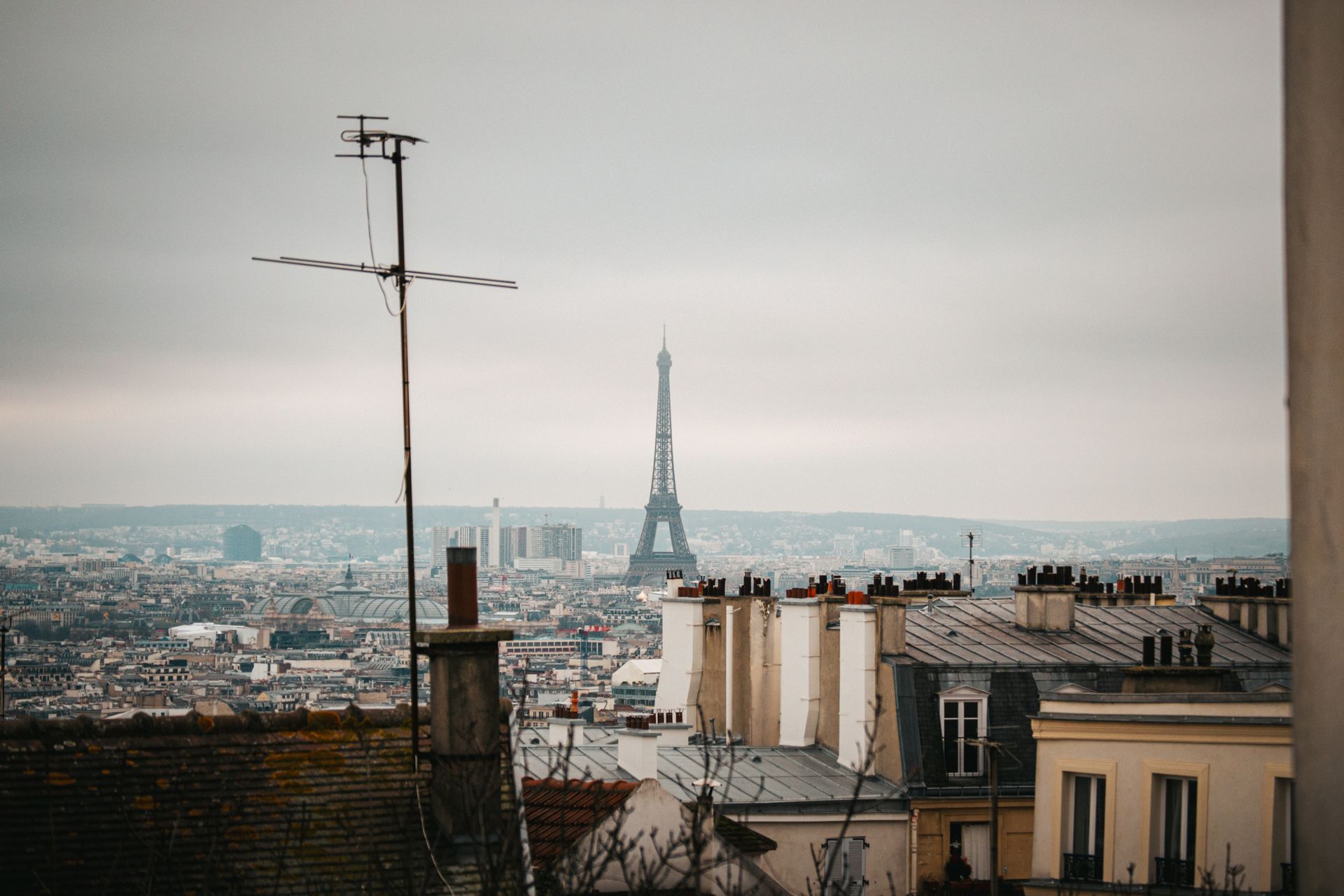
Paris is the most visited city in the world, home to the world's most visited art museum, the world's most recognized landmark, and a culinary culture so influential it was inscribed on UNESCO's Intangible Cultural Heritage list. What makes it truly special is not any single monument but the accumulated texture of the place — grand Haussmann boulevards framing distant monuments, side streets in the Marais or Montmartre winding past centuries-old buildings, the Seine curving through the center lined with bouquinistes and evening strollers.
For first-time visitors, the challenge is not finding things to do — it is accepting that you cannot possibly do all of it, and that this is exactly as it should be.
Best Time to Visit Paris
Spring (April–June): as romantic as the clichés suggest — cherry blossoms in late March/early April, café terraces filling up, temperatures 12–22°C. June brings the Fête de la Musique (June 21st), free concerts across the city. Peak season — book well ahead.
Summer (July–August): the largest crowds and longest days. Bastille Day (July 14th) brings a military parade and Eiffel Tower fireworks; Paris Plages turns the Seine's banks into urban beaches. Many Parisians leave in August, quieting some neighborhoods. Museum queues are longest — pre-book everything.
Autumn (September–November): arguably the finest season. Crowds thin dramatically after mid-September, the light turns golden, and Paris Fashion Weeks add glamour. The Paris Jazz Festival and Nuit Blanche (early October) are highlights.
Winter (December–February): understated magic — Christmas markets on the Champs-Élysées, thinner museum crowds, lower prices. Temperatures hover 3–10°C. January is the quietest month of all.
How to Get to Paris and Around
Paris is served by Charles de Gaulle (CDG, ~25km northeast), Orly (ORY, 14km south), and Beauvais (BVA, budget carriers, 85km out). RER B from CDG: direct to Gare du Nord, Châtelet, Saint-Michel in 25–45 minutes, ~€11.50. Le Bus Direct: 45–75 minutes, ~€17. Orlyval + RER B from Orly: ~35 minutes, ~€13. Taxi from CDG: flat rate €55 (right bank) or €62 (left bank). Paris is Europe's premier rail hub via Eurostar from London (2.5 hrs) and Thalys from Brussels/Amsterdam.
Paris is one of the most walkable major cities in the world — most attractions sit within a 5km radius of Notre-Dame. Métro: 16 lines, 300+ stations, no point more than a 10-minute walk from a station; a single ticket is €2.15, a weekly Navigo pass (~€30) is excellent value for longer stays. Vélib' Bike Share: 20,000+ bikes at 1,400 stations, ~€5/day. Bus 29 and 63 are especially scenic routes.
Top Attractions in Paris for First-Time Visitors
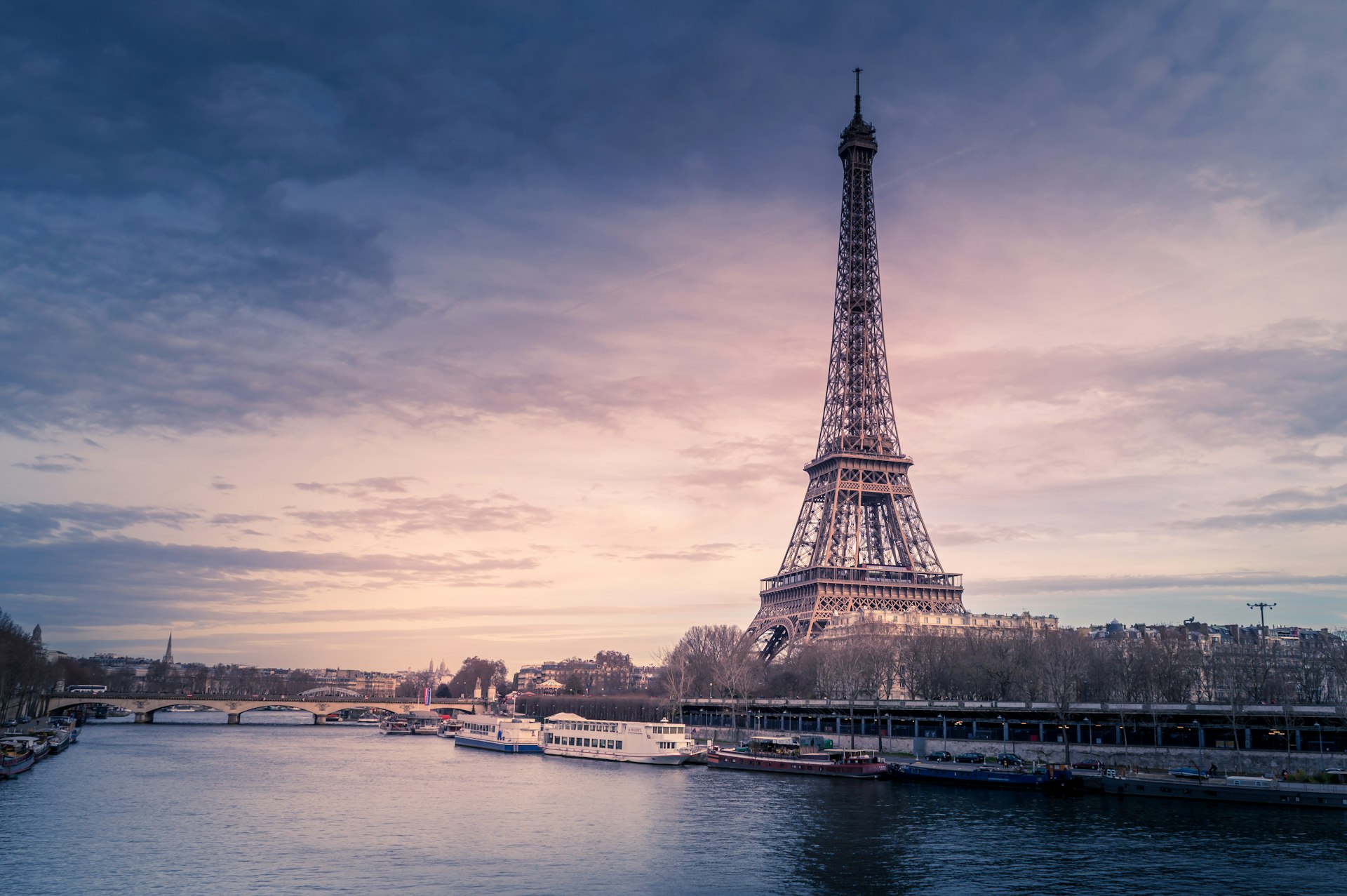
1. The Eiffel Tower: built for the 1889 World's Fair, 330 meters tall with three observation levels. Book summit tickets weeks ahead, or watch the hourly light show free from the Champ de Mars at dusk.
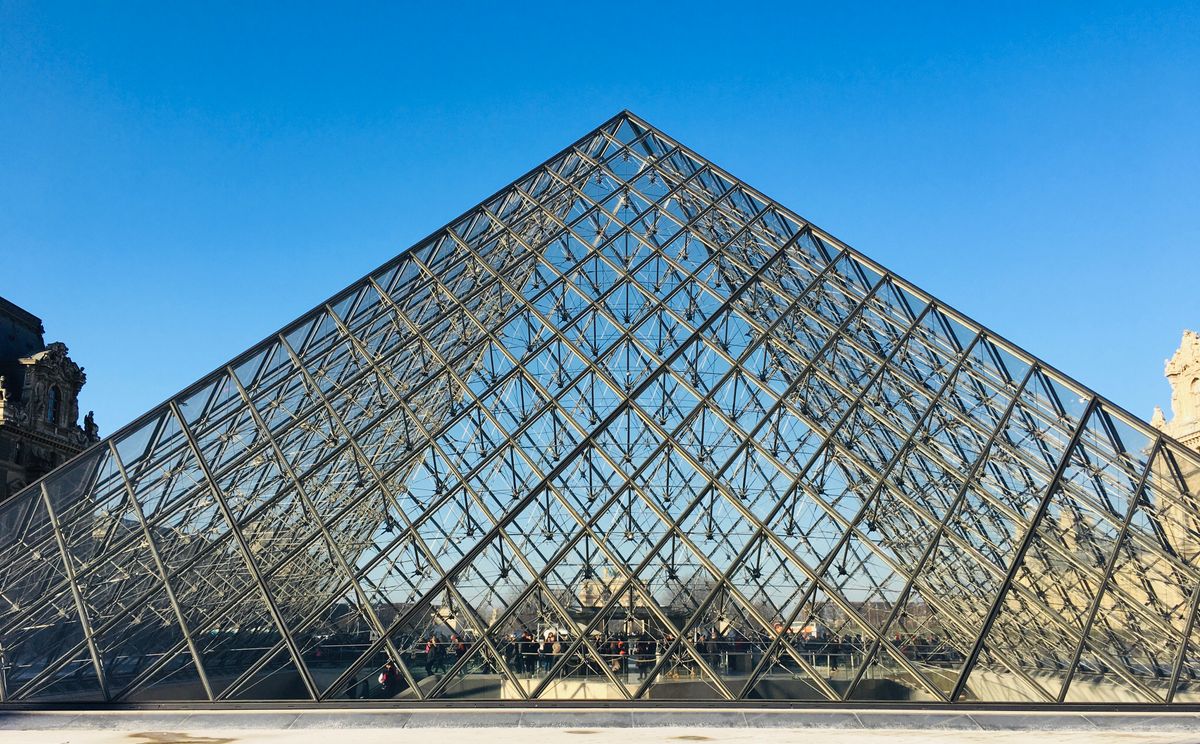
2. The Louvre: the world's largest and most visited art museum, home to the Mona Lisa, the Venus de Milo, and the Winged Victory across 9,000 years of history. Enter via Richelieu (Rue de Rivoli) rather than the pyramid to skip the longest lines; Tuesday/Wednesday evenings (open to 9:45 PM) are quietest.
3. Musée d'Orsay: housed in a Belle Époque railway station, holding the world's finest Impressionist and Post-Impressionist collection — Monet, Renoir, Degas, Van Gogh, Cézanne, Gauguin. Thursday evenings are quieter.
4. Notre-Dame Cathedral: after the devastating 2019 fire, the cathedral reopened to visitors in December 2024 following painstaking restoration — its towers and rose windows remain among the most significant sights in Europe.
5. Montmartre and Sacré-Cœur: a hilltop village with winding cobblestone streets and the white-domed basilica offering sweeping panoramas; Place du Tertre has been a hub of artistic life since Picasso and Toulouse-Lautrec lived here.
6. Centre Pompidou: its exposed structural skeleton and color-coded exterior pipes house Europe's largest modern art museum, with major works by Matisse, Picasso, Kandinsky, and Duchamp — plus one of the best rooftop views of central Paris.
7. Sainte-Chapelle: often overlooked in favor of Notre-Dame, its upper chapel is almost entirely stained glass — 15 floor-to-ceiling windows built in the 1240s to house the Crown of Thorns.
8. Palace of Versailles (Day Trip): 40 minutes from central Paris by RER C, the seat of French royal power for over a century — the Hall of Mirrors, the Royal Apartments, and Le Nôtre's vast formal gardens.
9. The Marais District: spared Haussmann's redevelopment, home to some of the city's oldest architecture, the Jewish Quarter's outstanding falafel, the Place des Vosges, and the Musée Picasso.
10. Seine River Cruise: Bateaux Mouches and Vedettes du Pont Neuf offer a magnificent perspective on the city's monuments — an evening cruise under illuminated bridges is one of Paris's most romantic experiences.
What to Eat in Paris: A First-Timer's Food Guide
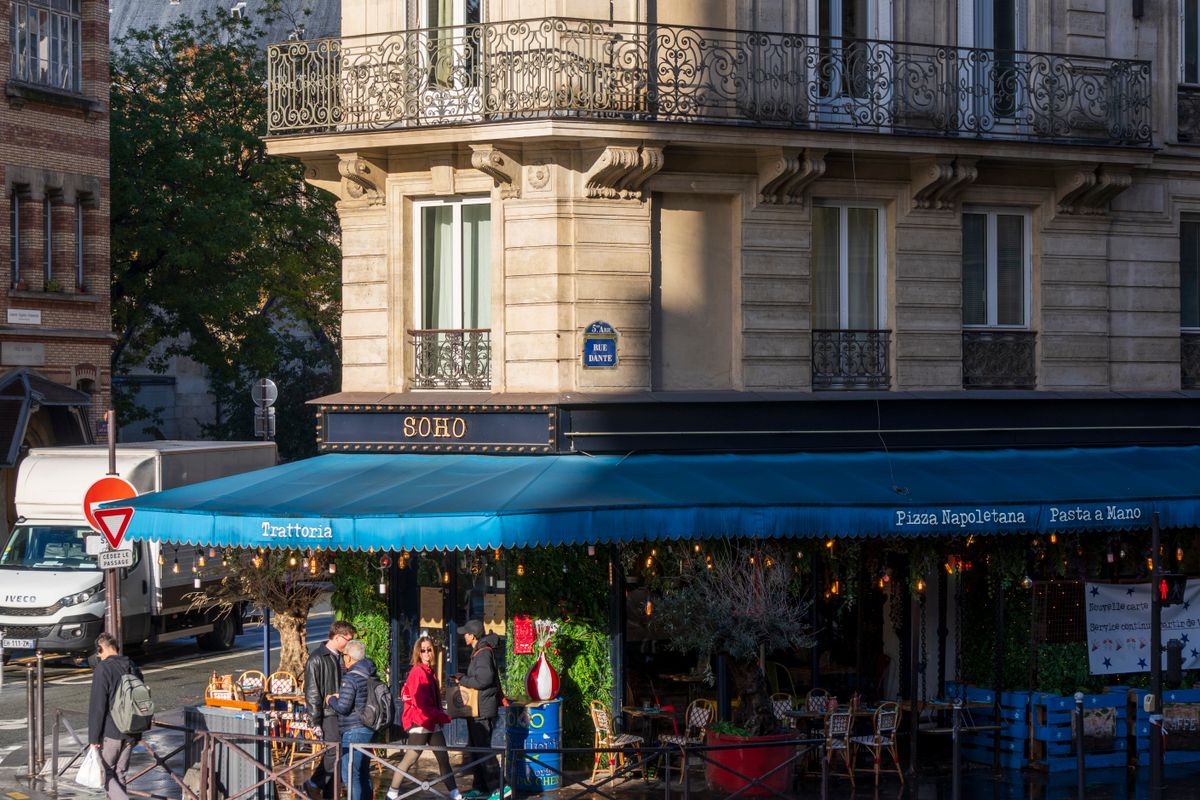
Croissant and café au lait: the definitive Parisian breakfast, eaten standing at a zinc counter. Steak frites: a properly rested entrecôte or bavette with golden frites and a glass of Bordeaux. French onion soup: rich beef broth, caramelized onions, melted Gruyère. Crêpes: both sweet and savory buckwheat galettes, with Montparnasse home to the finest concentration thanks to Breton immigrants. Steak tartare: raw minced beef with capers, shallots, mustard, and egg yolk. Cheese and charcuterie: a fromagerie visit is essential — Comté, Brie de Meaux, Époisses, Roquefort. Pastries: the macaron, éclair, millefeuille, Paris-Brest, and tarte Tatin at Pierre Hermé, Ladurée, and Hugo & Victor. Wine: house wine (pichet) at a bistro is almost always decent, and natural wine bars (caves à manger) have proliferated across the city.
Avoid restaurants with laminated menus, photos of food, and locations facing major landmarks — walk one or two streets away for dramatically better quality and value.
Where to Stay in Paris
Paris is divided into 20 arrondissements arranged in a clockwise spiral from the center. 1st and 4th (Louvre, Île de la Cité, Marais): the historic heart, unbeatable location, premium prices. 5th and 6th (Latin Quarter, Saint-Germain-des-Prés): the intellectual and literary heart, excellent mid-range options. 7th (Eiffel Tower, Invalides): elegant, residential, quiet. 9th and 10th (Opéra, Canal Saint-Martin): vibrant, good value, and the hippest area around the canal. 18th (Montmartre): bohemian and beautiful but hilly and further out.
Book accommodation 3–4 months ahead for spring visits and fashion weeks.
Paris Travel Tips for First Timers
A few habits — mostly around courtesy and advance booking — make the difference between fighting the city and flowing with it.
Trail Notes
- Always begin every interaction with "Bonjour" (or "Bonsoir" in the evening) — skipping this is considered rude.
- Book the Louvre, Eiffel Tower, Musée d'Orsay, Sainte-Chapelle, and Versailles in advance — same-day tickets often sell out in peak season.
- Always validate your Métro ticket at the barrier — plain-clothes inspectors issue on-the-spot fines.
- Avoid restaurants on the Champs-Élysées and immediately around the Eiffel Tower — walk a few streets for better food and prices.
- The Paris Museum Pass (2, 4, or 6 days) covers 50+ museums and monuments and lets you skip ticket queues.
- The Métro largely lacks air conditioning — carry water and consider walking in July/August.
- Watch for pickpockets around the Eiffel Tower, Sacré-Cœur, and the Métro; use a front-facing bag.
- Many smaller shops and restaurants close on Sundays — plan accordingly.
- Carry €50–€100 in cash — some cafés, market stalls, and traditional restaurants still prefer it.
Suggested 4-Day Paris Itinerary for First Timers
Day 1 — The Historic Heart: Notre-Dame, Sainte-Chapelle, lunch in Saint-Germain-des-Prés, the Musée d'Orsay, an evening stroll along the Seine.
Day 2 — The Louvre and Right Bank: the Louvre at opening, lunch in the Palais Royal gardens, an afternoon in the Marais, aperitivo at a wine bar.
Day 3 — Montmartre and the Eiffel Tower: Sacré-Cœur and Place du Tertre, lunch in a local café, the Eiffel Tower summit, an evening Seine cruise.
Day 4 — Versailles Day Trip: the RER C to Versailles by 9 AM, 4–5 hours exploring the Palace and gardens, a final evening in Saint-Germain.
Paris on a Budget: Is It Possible?
Paris has a reputation as one of Europe's most expensive cities, but it is far more accessible than most visitors expect. Wandering the Marais and Montmartre, sitting in the Luxembourg Gardens or Tuileries, watching the Eiffel Tower sparkle at night, and browsing the bouquinistes all cost nothing. Lunch formules at bistros typically offer two courses and a glass of wine for €14–€20.
A comfortable daily budget of €100–€130 per person covers a mid-range hotel, bistro meals, transport, and two to three attractions. The Paris Museum Pass (from €52 for two days) is one of the best-value purchases a first-time visitor can make.
Final Thoughts: Paris Rewards Those Who Return
Your first trip to Paris will almost certainly be wonderful. It will also be incomplete — and that is the whole point. You will leave with a long list of things to return for. Go slowly, sit in cafés, get lost, eat well, and let the city set its own pace rather than rushing to match yours.