There's a moment that comes to every aspiring solo traveler—standing at the precipice of booking that first trip alone, mouse hovering over the "confirm" button, heart racing with equal parts excitement and terror. Will I be lonely? Is it safe? What if something goes wrong and I have no one to help me? I remember that moment vividly from my own first solo journey eight years ago. Now, after visiting 47 countries alone, I can tell you this: solo travel will change your life in ways you cannot imagine, and that nervousness you're feeling is completely normal.
What if something goes wrong and I have no one to help me?
Why Travel Solo? Understanding the Appeal
Solo travel isn't just about visiting places alone—it's about discovering capabilities you didn't know you possessed and experiencing destinations on your own terms.
When you travel solo, every decision is yours. Wake up at dawn to catch sunrise or sleep until noon without guilt. Spend three hours in that museum that fascinates you or skip the famous landmark that doesn't interest you. Change your entire itinerary on a whim because you met someone who recommended an incredible spot. This complete autonomy creates a profoundly different travel experience.
Solo travel forces personal growth in the most rewarding way. You'll navigate foreign transit systems, communicate across language barriers, solve unexpected problems, and prove to yourself that you're more resourceful than you imagined. Each small victory builds confidence that extends far beyond travel into every aspect of your life.
You'll also discover that being alone doesn't mean being lonely. Solo travelers often have richer social experiences than those traveling in groups because they're more approachable and motivated to connect with others. Some of my deepest friendships began as casual conversations in hostel common rooms or shared tables at local restaurants.
The self-discovery aspect is real, not just travel blog cliché. Without the familiar dynamics of home relationships, you encounter yourself differently. You learn what brings you joy, what challenges you, what you value, and who you are when no one from your regular life is watching.
Confronting Common Fears and Concerns
"Won't I be lonely?" Loneliness can happen, but it's typically brief and manageable. The solo travel community is vast and welcoming—you'll meet other solo travelers in hostels, on tours, through apps, and simply by being open to conversation. Many solo travelers report feeling less lonely on the road than in their daily lives because travel naturally facilitates human connection. That said, some solitude is inevitable and valuable. Learning to be comfortable with your own company is part of the journey.
"Is it safe?" Solo travel safety is largely about smart decisions and reasonable precautions, not fearlessness or luck. Millions of people travel alone safely every year by staying aware of their surroundings, trusting their instincts, researching their destinations, and taking basic security measures. Statistical reality check: you're statistically safer in most popular travel destinations than in many major cities in your home country. The unfamiliarity makes foreign places feel more dangerous than they objectively are.
"What if something goes wrong?" Things will go wrong. Your flight will be delayed, you'll get lost, you'll miscommunicate and end up somewhere unexpected. These aren't travel failures—they're travel experiences and opportunities to develop resilience. For genuine emergencies, you'll have travel insurance, embassy contact information, and the reality that millions of travelers before you have navigated serious problems successfully.
"Won't it be more expensive?" Solo travel can cost more per person since you can't split accommodation and transportation. However, you also have complete control over your budget and often spend less because you're not compromising with a travel partner's preferences. Many hostels offer private rooms at reasonable rates, and platforms like Couchsurfing eliminate accommodation costs entirely.
"What will people think?" Some people won't understand solo travel. They'll project their own fears onto your choice. Here's what matters: you don't need anyone's permission or approval to travel alone. The people who matter will support you.
Choosing Your First Solo Destination
Your first solo trip should build confidence, not test limits. Save the challenging destinations for when you have experience under your belt.
Ideal first destinations share these traits: well-established tourist infrastructure, a strong solo traveler community providing built-in social opportunities, reasonable safety profiles, good value for money, and genuine personal appeal that keeps motivation high when challenges arise.
Europe: Portugal (particularly Lisbon and Porto) offers walkable cities, friendly locals, affordability, and a thriving digital nomad community. Scotland combines stunning nature with safe, welcoming cities. Croatia provides spectacular coastline, fascinating history, and well-developed tourism infrastructure.
Asia: Thailand remains the classic first-time solo destination for good reason—exceptionally affordable, tourist-friendly, diverse experiences, and a massive backpacker trail ensuring you'll never struggle to meet people. Japan offers safety, efficiency, and fascinating culture. Vietnam combines adventure and affordability with incredible food and a well-worn backpacker route.
Americas: Costa Rica is compact, naturally beautiful, safe, and adventure-oriented. Colombia (particularly Medellín and Cartagena) has transformed into a digital nomad hub with vibrant culture and friendly locals.
Oceania: New Zealand combines spectacular scenery with excellent infrastructure and a culture welcoming to solo travelers. Australia's east coast backpacker trail is practically designed for first-time solo travelers.
Avoid for your first trip: extremely remote areas, places with active conflict, destinations where English is very rare, and extremely expensive locations that force constant financial calculation. Consider beginning with a solo trip in your own country before international travel—a successful domestic solo weekend builds the confidence needed for international adventures.
Planning Your First Solo Trip
Book flights and first-night accommodation in advance for peace of mind. Having a confirmed place to go immediately upon arrival eliminates one major source of anxiety. Beyond that, many solo travelers prefer booking only a few days ahead, which maintains flexibility to extend stays in places you love.
Start with one to two weeks. This is long enough to truly settle into solo travel and experience its rewards but short enough that you're not overwhelmed. You can always extend if you're having an incredible time.
Budget with a buffer. Research realistic daily costs for your destination and add 20-30% for unexpected expenses and spontaneous opportunities.
Choose accommodation strategically. Hostels with high social ratings offer the easiest way to meet other travelers—look for common areas, organized activities, and reviews mentioning social atmosphere. Guesthouses provide more privacy while offering local insights from owners. Mix accommodation types throughout your trip based on your social energy and budget.
Plan less than you think you should. Identify your top three must-do experiences and remain flexible about everything else. The best solo travel experiences are often unplanned—the festival you stumble upon, the day trip someone suggests, the extra days you spend in a place that captures your heart.
Essential Preparation Steps
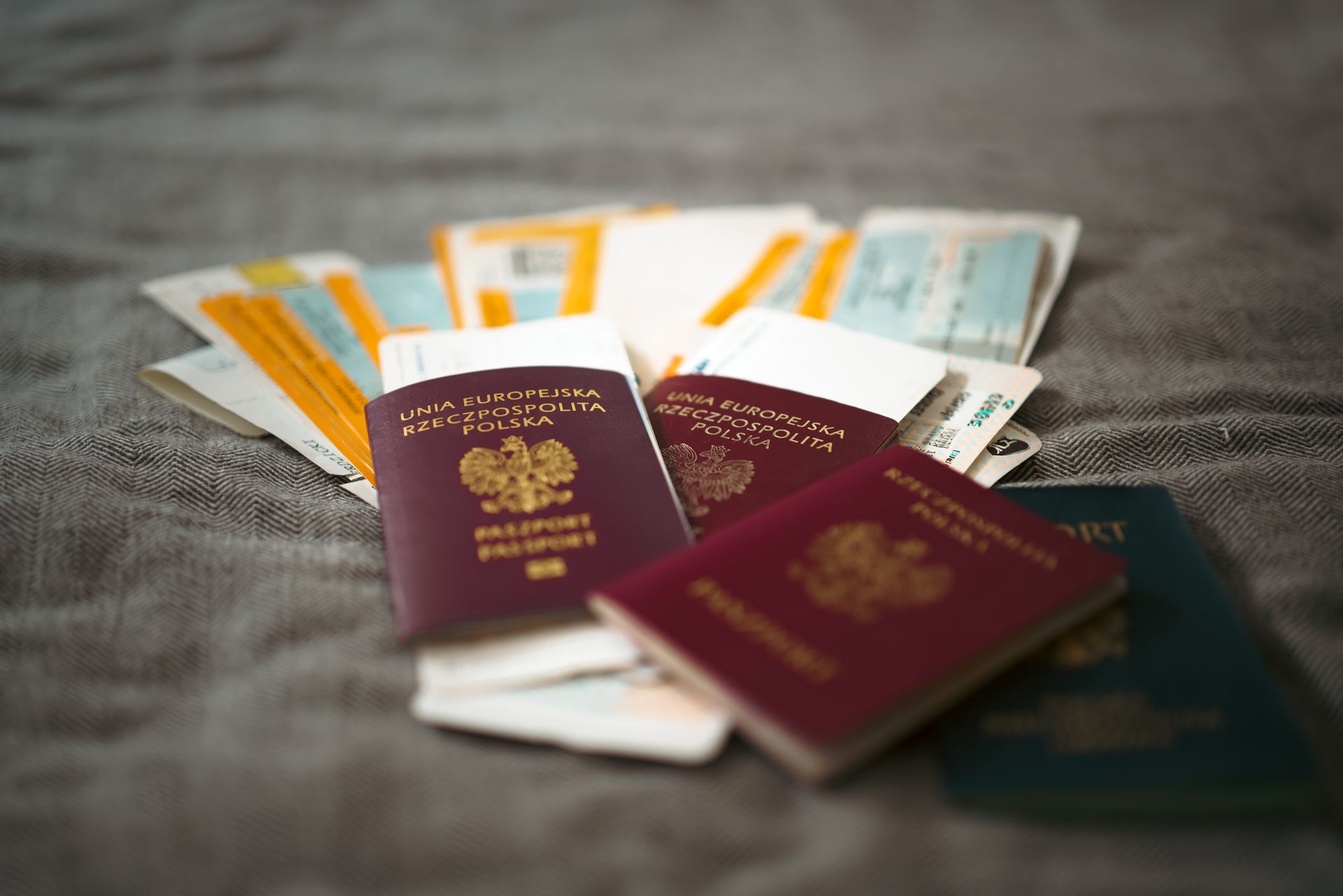
Documents: Ensure your passport is valid at least six months beyond your travel dates. Research visa requirements well in advance. Make photocopies and take photos of your passport, visa, and insurance stored separately from originals. Share your itinerary with trusted people at home.
Travel insurance is non-negotiable for solo travelers. Comprehensive coverage should include medical emergencies and evacuation, trip cancellation, and lost belongings. World Nomads and SafetyWing are popular with solo travelers.
Health: Schedule a travel health appointment six to eight weeks before departure for vaccinations. Pack a comprehensive first-aid kit including your regular medications.
Money: Notify your bank of travel dates. Carry at least two different payment methods. Always have some local currency for arrival. Memorize important phone numbers in case cards are stolen.
Communication: Ensure your phone is unlocked for international SIMs or use eSIM options like Airalo. Establish a regular check-in schedule with family without making it so frequent you're constantly reporting in.
Pack lighter than you think necessary—you can't rely on anyone else to watch your bags. A good rule: pack everything you think you need, then remove a third. Essentials include versatile quick-dry clothing, comfortable walking shoes, a daypack, universal adapter, portable battery, a small lock for lockers, and a travel towel.
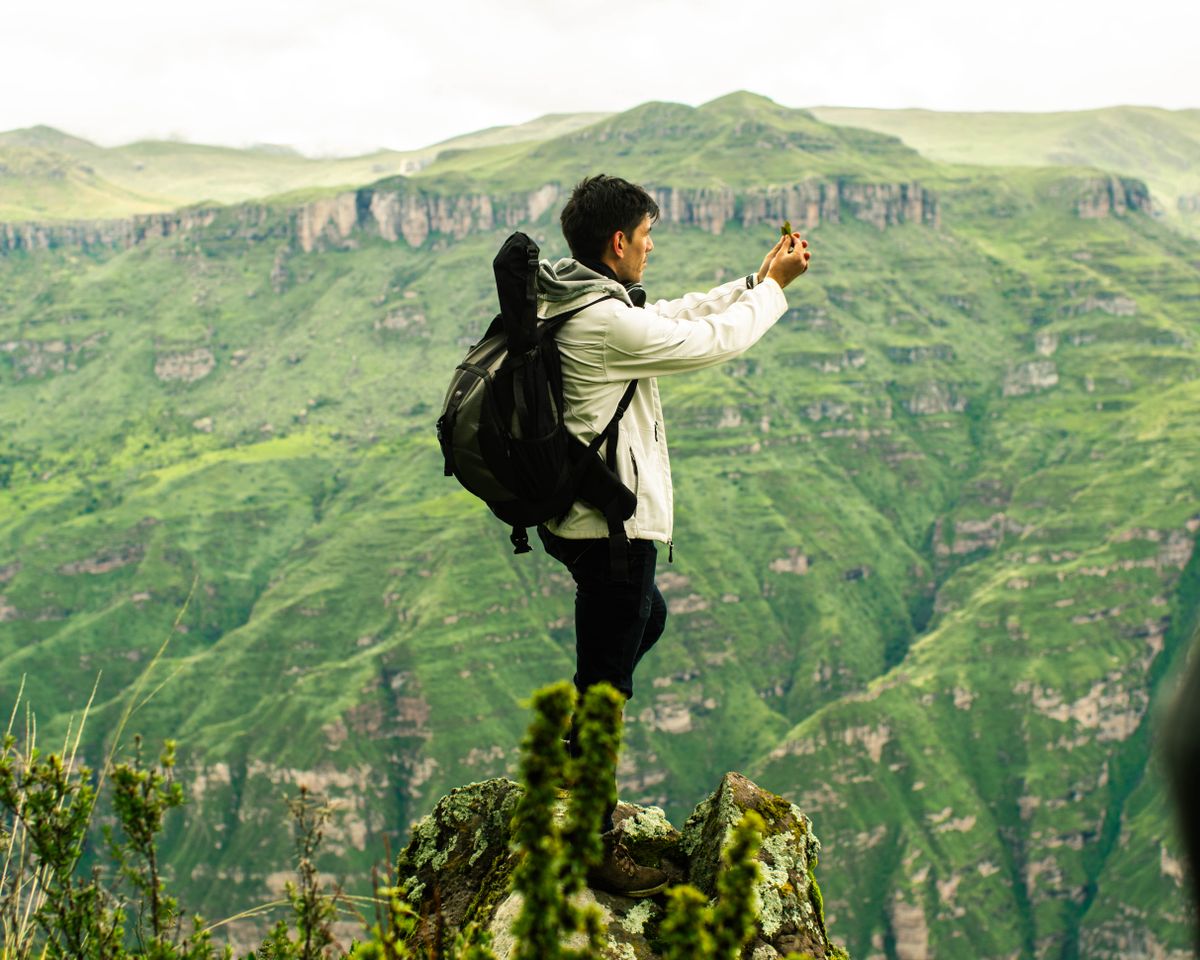
Safety Strategies for Solo Travelers
Staying safe while traveling alone is about awareness, preparation, and trusting your instincts rather than paranoia.
Trust your gut always. If something feels wrong, remove yourself from the situation regardless of whether you can articulate why. Stay aware of your surroundings—notice who's around you and where exits are. Appear confident even when uncertain: walking purposefully makes you less vulnerable to scams and opportunistic crime.
Accommodation safety: Choose places in safe, well-lit, central neighborhoods even if they cost more. Read recent reviews about safety. Keep your door locked, store valuables in safes, and in hostels use lockers religiously with your own lock.
Street smarts: Be especially vigilant during arrival and departure days when you're most disoriented. Avoid isolated areas after dark. Use registered taxis or rideshare apps. Keep your phone charged. Carry bags across your body. Have emergency cash hidden separately from your main wallet.
Scam awareness: Common scams include overly friendly strangers offering unrequested help, taxis without meters, distraction techniques, and fake police asking to see your money. Research scams specific to your destination before arrival. Agree on transportation prices before getting in vehicles.
For women traveling solo: Research local dress norms and err toward modesty in conservative destinations—it reduces unwanted attention and shows cultural respect. Develop a confident "no" in the local language and don't feel obligated to be polite to people making you uncomfortable. Women-only hostel dorms provide security and friendships with other solo female travelers. On transport, sit near drivers or other passengers, verify rideshare license plates, and share trip status with a contact. Above all: women are socialized not to make scenes—solo travel requires unlearning this. If something feels wrong, leave immediately. Your safety matters more than anyone's feelings.
Meeting People on the Road
One of solo travel's beautiful paradoxes: traveling alone often leads to richer social experiences than traveling with companions.
Where to meet travelers: hostel common areas during breakfast or evening hours, free walking tours (always full of solo travelers), cooking classes and activity-based tours, coworking spaces in nomad hubs, and language exchanges.
Meeting locals: Couchsurfing meetups happen in most cities and are free. Language exchange apps like Tandem connect you with locals. Local festivals and markets provide natural opportunities. Asking for restaurant recommendations often leads to longer conversations.
Being approachable: Remove headphones in common areas. Smile. Ask simple questions like "Have you been to X yet?" Solo travelers are generally very open to conversation because they're seeking connection too.
Making plans: If you meet someone whose company you enjoy, suggest specific plans — "Want to check out that museum tomorrow at 10?" beats "We should hang out sometime." Travel friendships form quickly and intensely; some last days, others become lifelong.
When you need solitude: It's completely fine to want alone time. Say "I'm taking today for solo exploration but would love to meet for dinner." Most travelers understand the balance.
Managing loneliness: Have strategies ready—call someone supportive, journal, book a social activity for tomorrow. Sometimes loneliness is actually exhaustion or hunger rather than lack of company; take care of basic needs first. If it persists, switch to more social accommodation or book a group tour.
Daily Logistics: Dining, Photos and Language
Eating alone causes anxiety for many new solo travelers, but it becomes comfortable quickly. Sit at bars or counters where interaction is natural. Bring a book or journal. Lunch is easier than dinner while building confidence. Street food and markets eliminate table-sitting entirely while providing the most authentic local food experiences. Many restaurants welcome solo diners enthusiastically, particularly small family-run places.
Photographing yourself: Ask other tourists—it rarely gets rejected and often starts pleasant conversations. A small phone tripod with timer works for solo shots. Embrace selfies without shame, and remember you don't need proof photos of every location.
Language barriers: Download Google Translate offline dictionaries. Learn basic phrases—greetings, please, thank you, where is the bathroom, how much. Carry your accommodation address written in the local language. Use translation apps' camera features for menus. Charades and drawing are underrated communication tools. Most communication challenges are temporary and solvable with creativity and good humor.
Belongings in public: Choose cafés where you can keep bags in sight. When using restrooms, take everything with you. At beaches, use waterproof pouches you can swim with, or befriend neighboring beachgoers and take turns watching bags.
Handling Common Challenges
Getting sick alone: Know where the nearest pharmacy and hospital are in each destination. Contact your accommodation staff for help arranging care—they navigate this regularly. Message someone so they know you're unwell. Don't tough through serious symptoms; seek attention early. Minor illnesses often just require rest—give yourself permission to have recovery days.
Feeling overwhelmed: Solo travel can overwhelm, particularly in intense cities. Book an extra night somewhere comfortable. Take a day off from sightseeing. Eat familiar food without guilt. Overwhelm is your nervous system saying "too much, too fast"—respect the signal.
Missed connections: Stay calm and contact the carrier immediately—many rebook you on the next service for minimal fees. Build buffer time into travel days.
Money running low: Track spending with apps like Trail Wallet. Adjust quickly: cheaper accommodation, cooking instead of eating out, free activities. Prevent the problem with a 20-30% buffer from the start.
Homesickness is normal and doesn't mean you've made a mistake. Allow yourself to feel it. Create small comforts from home. It usually fades a few days in as you find your rhythm.
Decision fatigue: Making every decision alone is exhausting. Reduce decisions with routines, default rules (always try the local specialty), and occasional organized activities where decisions are made for you.
The Psychological Journey
Solo travel changes you in ways that are difficult to articulate but impossible to ignore.
You'll discover capabilities you didn't know you had. Each small success—navigating foreign cities, communicating across barriers, solving problems independently—builds self-efficacy that extends far beyond travel. Many solo travelers report increased confidence in professional negotiations, relationship boundaries, and major life decisions after returning home.
You'll learn what actually makes you happy versus what you thought should make you happy. Without social pressure, you'll discover which activities bring genuine joy.
You'll become more comfortable with uncertainty. Flights get delayed, weather changes plans, places disappoint while unexpected spots delight. Learning to adapt builds resilience that stays with you.
Some people return from solo travel and restructure their entire lives. Others return to exactly the same life but with expanded perspective and quiet confidence. Solo travel doesn't fix problems, but it creates space to encounter yourself and the world differently.
Money Management on the Road
You can't split costs solo, but you control every expense. Save by cooking in hostel kitchens, using public transport over taxis, choosing free walking tours, and filling a water bottle instead of buying bottled. Splurge strategically on what matters most to you and cut elsewhere — if food is your priority, spend generously on meals but book budget beds.
Digital nomadism has made extended solo travel financially sustainable for many: remote work, freelancing on Upwork or Fiverr, online English tutoring, or seasonal hostel and farm work in exchange for accommodation all fund longer trips — just confirm your visa actually permits any paid work before you take it on.
Log expenses daily with an app like Trail Wallet so you catch overspending in real time rather than at the end of the trip. Pay in local currency rather than your home currency when given the choice, withdraw larger amounts less frequently to reduce ATM fees, and divide your money across multiple locations — wallet, accommodation safe, hidden backup — so a single theft doesn't empty your trip's entire budget.
Extending Your Solo Travel and Avoiding Common Mistakes
After a successful first trip, most solo travelers want more — building from one week to two weeks to a month, funded through sabbaticals, remote work, or a year of aggressive saving. Many eventually develop a specialization (photography, volunteering, food, language learning, slow travel) that gives structure and purpose to later trips, and each journey teaches you more about your actual preferences — hostels or guesthouses, cities or nature, packed days or wandering — than any amount of advance planning could.
The mistakes first-timers make most often: overpacking (you carry that bag alone, so pack half of what you think you need), over-planning (rigid itineraries eliminate the spontaneity that makes solo travel work), not trusting instincts, comparing your trip to others' social media highlight reels, trying to see everything instead of experiencing a few places well, forgetting to back up photos, and skipping travel insurance — the one mistake on this list you genuinely cannot recover from if something serious happens.
Book Your First Solo Trip: The Action Plan
Right now: Choose a destination that genuinely interests you while meeting beginner-friendly criteria. Set a date three to six months out. Tell someone about your plan to create accountability.
This week: Research flights with flexible-date tools and set price alerts. Join Facebook groups for solo travelers and your destination.
This month: Book flights when prices are reasonable. Purchase travel insurance immediately after. Apply for visas if required. Schedule a travel health appointment.
Two months out: Book your first night's accommodation in a highly-rated social hostel or central guesthouse. Research airport-to-accommodation transport.
One month out: Make a flexible itinerary of top priorities. Book tours that sell out in advance. Notify banks of travel dates.
One week out: Confirm bookings. Download offline maps and entertainment. Copy important documents. Give your itinerary to someone at home.
Departure day: Arrive early. Take a photo of yourself at the departure gate—you'll appreciate that marker of courage later. Board the plane. Take a deep breath. You're doing it.
Your Solo Travel Journey Begins Here
Your first solo trip won't be perfect. You'll get lost, make mistakes, feel lonely occasionally, and wish you'd packed differently. You'll also have moments of pure joy, unexpected connections, and quiet pride in navigating challenges alone. Both the struggles and triumphs are part of the journey.
Solo travel isn't about being fearless—it's about being afraid and going anyway. It's not about being extroverted—some of the most devoted solo travelers are introverts who discovered that traveling alone provides more control over social energy than traveling with others.
You don't need to quit your job and travel the world for a year. You just need curiosity, reasonable preparation, and willingness to be uncomfortable sometimes in service of growth and adventure.
Thousands of people just like you booked their first solo trip this week. Most were nervous. All survived. Many say it changed their lives.
Start with one trip. One week. One destination that calls to you. Book the flight. Trust yourself. The rest will unfold.