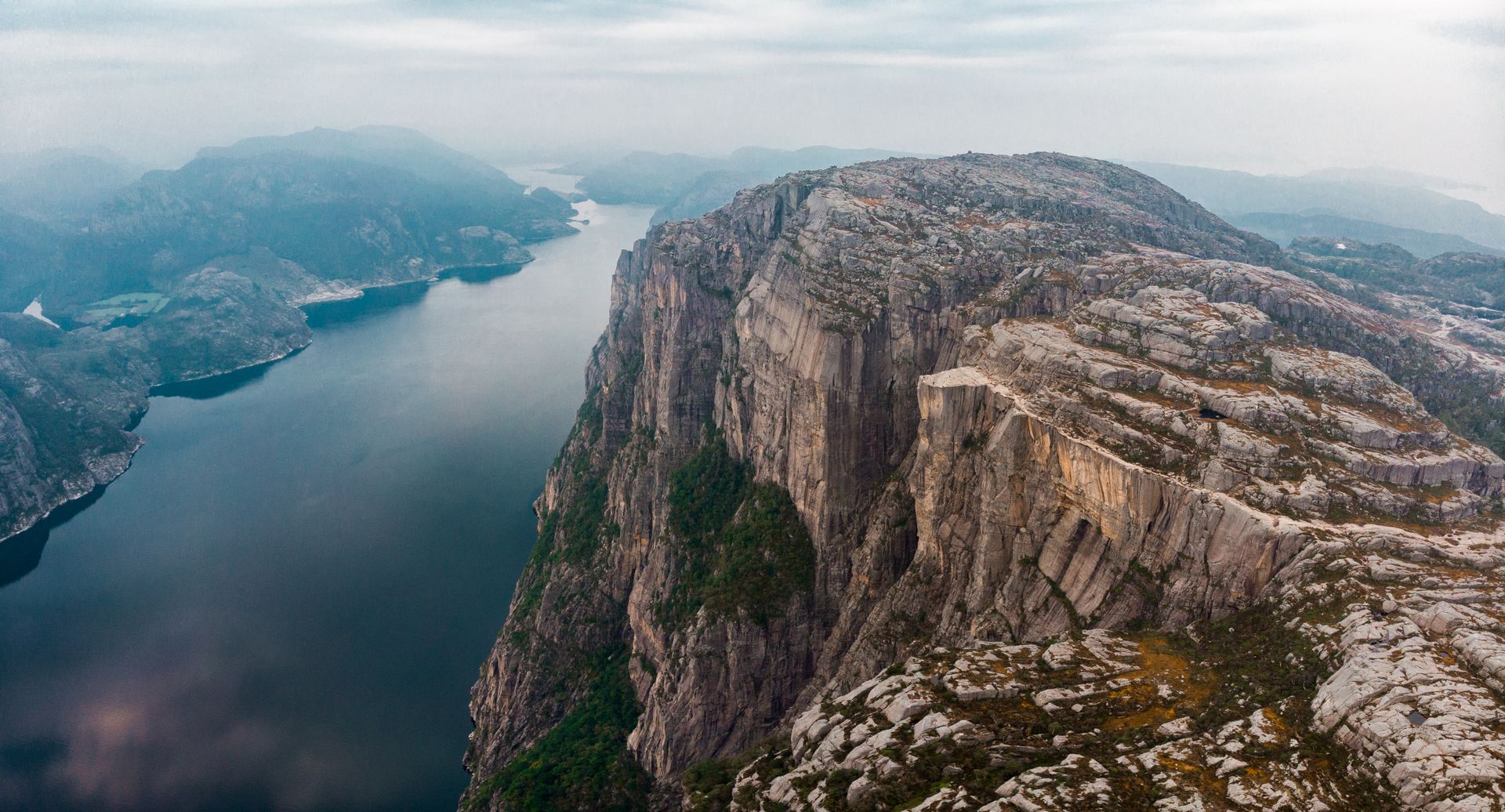
Writing about Norwegian fjords runs into a specific problem: the vocabulary — dramatic, magnificent, breathtaking — has been so thoroughly depleted by application to lesser landscapes that the words arrive pre-worn, unable to carry the weight of what the Nærøyfjord delivers on a clear morning when mist is lifting from the water and 1,700-meter walls catch the first light. Then there is the other Norway — the aurora above the Lofoten Islands' snow-covered peaks, delivered with a frequency and intensity that Iceland, northern Finland, and northern Canada cannot reliably match.
The traveler who returns from Norway does not describe it as beautiful — the word has been exhausted. They describe it as large.
Oslo and Bergen
Oslo's Bygdøy Peninsula concentrates the country's finest museums — the Viking Ship Museum's Oseberg ship (essentially complete, preserved by burial-mound clay) and the Fram Museum's polar exploration vessel, which carried both Nansen's Arctic expedition and Amundsen's South Pole expedition. The Munch Museum's new Bjørvika waterfront building holds all four versions of The Scream among 26,000 works.
Bergen, Norway's most beautiful city, centers on the UNESCO-listed Bryggen wharf — rows of colored 14th-century Hanseatic warehouse facades — and the Fisketorget fish market. The Bergen Railway to Oslo (7 hours, crossing the Hardangervidda plateau at 1,222m) and the branch-line Flåm Railway (a 863m descent through mountain scenery, halting at the Kjosfossen waterfall) are among the finest train journeys in the world.
The Fjords: Sognefjord, Nærøyfjord, Hardangerfjord
The fjords are the product of 2.5 million years of glacial scouring — the Sognefjord reaches 1,308m deep, and the Nærøyfjord, a 17km UNESCO arm of it, narrows to just 250m between walls rising 1,700m. The Stegastein viewpoint, a cantilevered platform 650m above the Aurlandsfjord, and a full-day sea kayak from Gudvangen to Flåm (walls rising directly above the kayak, waterfall spray reaching the deck) are the two essential ways to experience it. The "Norway in a Nutshell" packaged route combines the Flåm Railway, Nærøyfjord ferry, and Bergen Railway in a single logistically managed circuit.
The Hardangerfjord adds May apple-blossom orchards, the 182m Vøringsfossen waterfall, and the demanding 22km Trolltunga hike to a rock shelf extending 700m above a lake — book a guide if inexperienced, and start at 5–7am to beat both congestion and changeable weather.
The Lofoten Islands
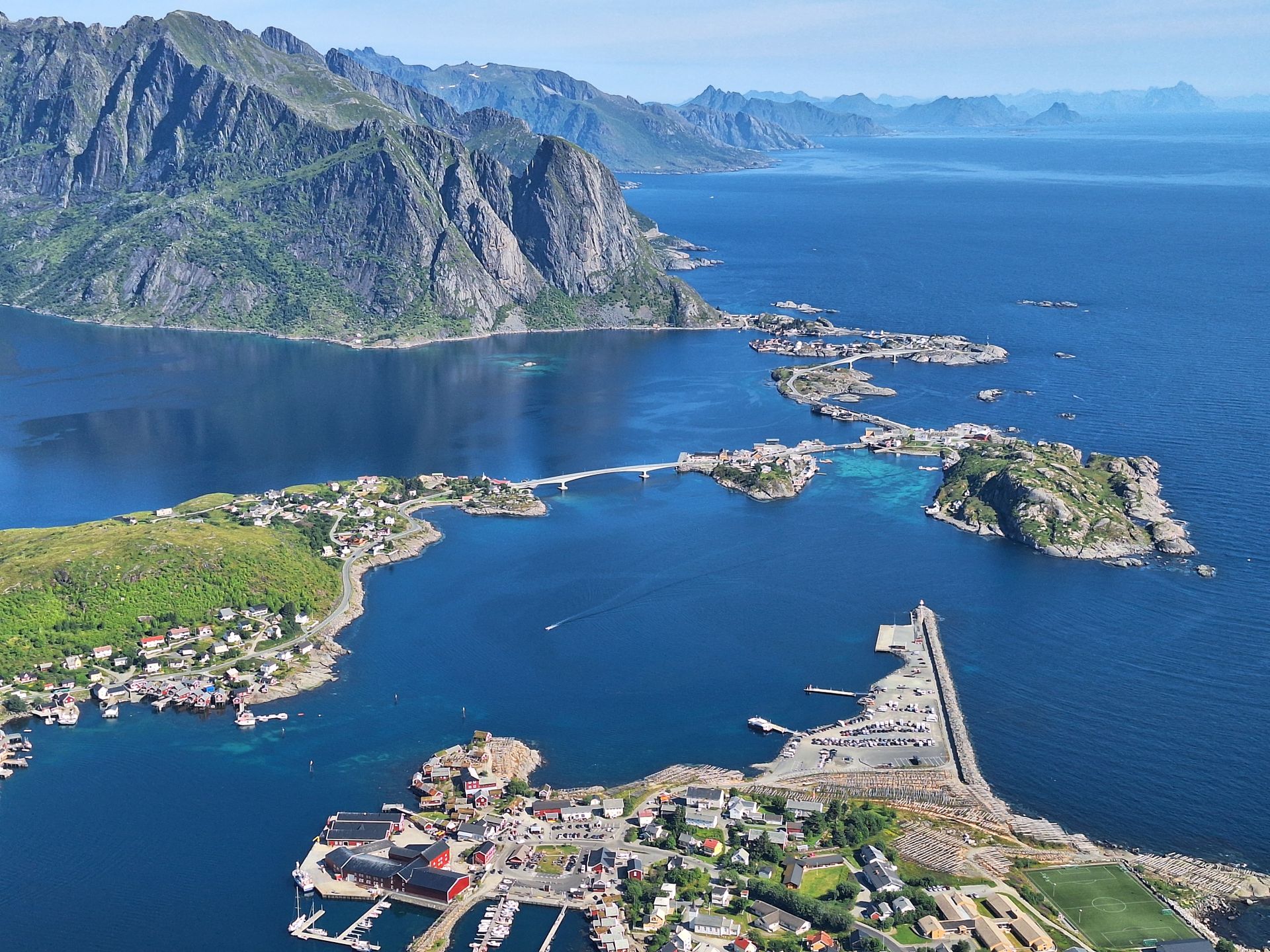
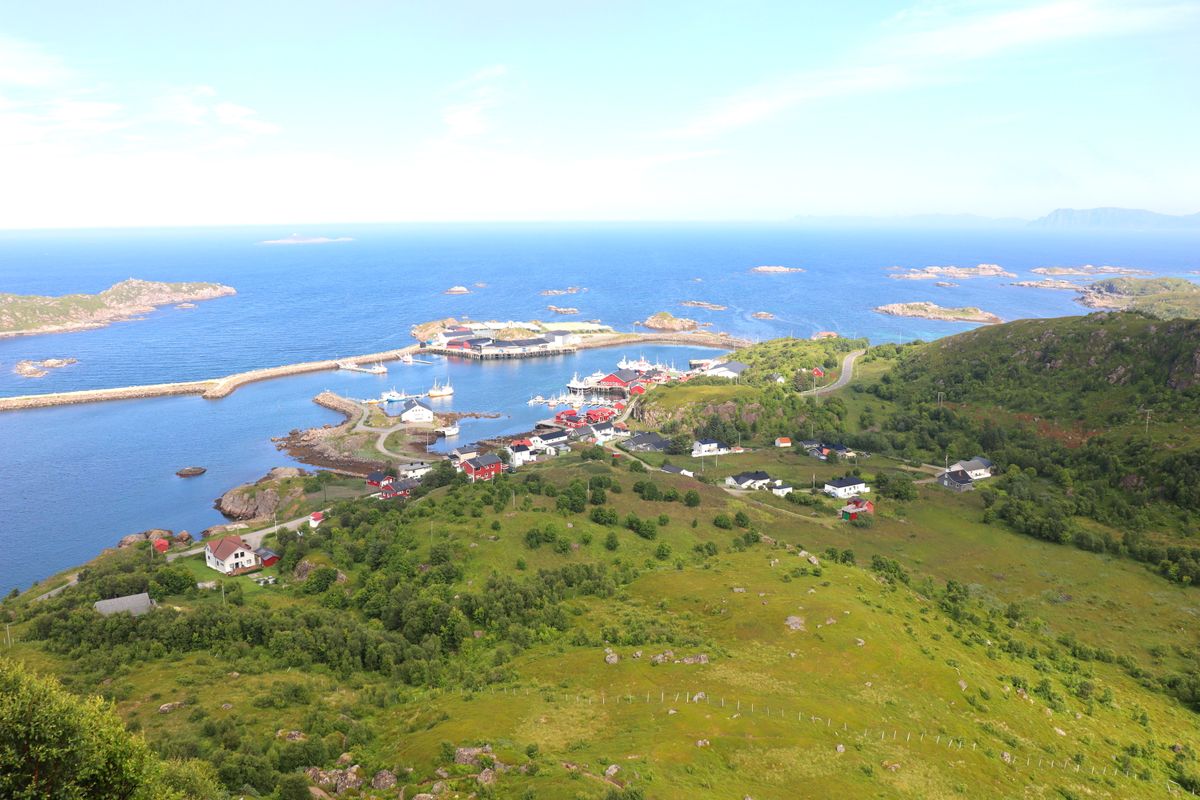
Lofoten's visual formula — red rorbuer fishing cabins on stilts, peaks rising directly from the fjord to 1,000m with no foothills (the oldest exposed rock in Europe, at 3 billion years), and low Arctic light that stays golden-hour for most of the day — produces the most photographically perfect inhabited landscape in Europe. Reine, voted Norway's most beautiful village for decades, rewards the 3-hour Reinebringen hike with a view over the full archipelago; Henningsvær's Kaviar Factory art gallery and water-surrounded football pitch, and Nusfjord's preserved 19th-century fishing village, round out the essential stops.
Tromsø and the Northern Lights
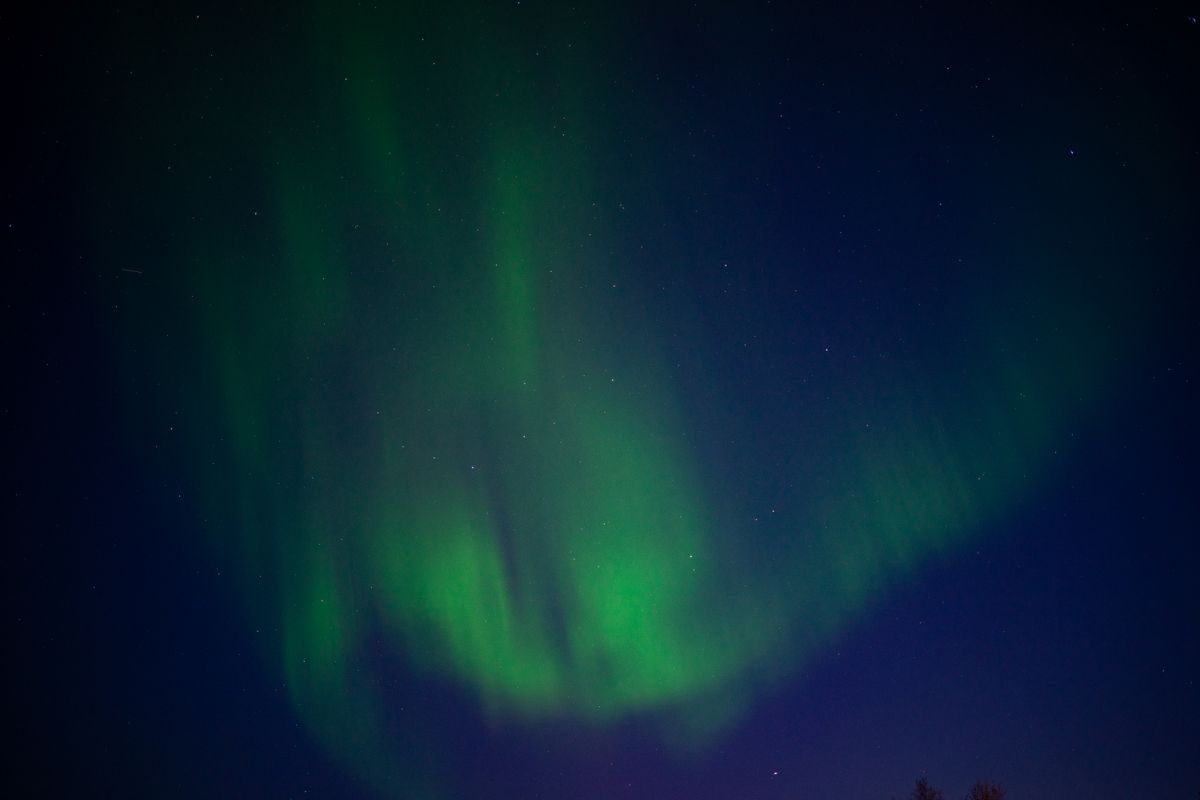
Tromsø, above the auroral oval, is the world's most reliable single aurora destination for time-limited travelers. Three conditions must align: sufficient solar activity (KP index 3+), clear skies, and darkness (October–March). Solar Cycle 25 peaked in 2025, making the 2025–2026 season one of the strongest in a decade. Check Space Weather Live and Yr.no before each evening, drive 15–20 minutes out of the city's light pollution toward the Lyngen Alps, or book a professional guide whose regional knowledge finds the night's cloud break up to 200km away.
Beyond the aurora: dog sledding with Alaskan huskies, orca and humpback whale watching during the October–January herring season in the Senja and Skjervøy fjords, and Sami reindeer encounters on the Finnmark plateau.
Svalbard and the Scenic Routes
Svalbard, at 78°N, is visa-free under the 1920 Svalbard Treaty and home to roughly 3,000 polar bears against 2,600 human residents. Boat safaris along glacier calving fronts encounter walrus haul-outs, arctic fox, and bearded seals; the abandoned Soviet mining town of Pyramiden remains preserved by the cold exactly as it was left in 1998.
Norway's 18 National Tourist Routes include the Geiranger–Trollstigen road (11 hairpins at a 10% gradient) and the Atlantic Ocean Road, an 8.3km sequence of bridges across the open sea, voted the world's best road trip by multiple publications.
Norway Travel Tips for First Timers
Norway is consistently the most expensive country in Europe — planning around this reality is essential.
Trail Notes
- Self-cater from supermarkets and use the DNT mountain hut network (NOK 210–540/night) for the best value accommodation.
- Check ferry schedules before finalizing driving routes — missing the last ferry has real accommodation consequences.
- Several mountain roads close November–May for snow — check Statens Vegvesen before departure.
- Book the Norway in a Nutshell route through Fjord Tours for guaranteed timed connections.
- Pack for all conditions in every season, including sun cream — the northern UV index can exceed Mediterranean levels despite the cold.
- Effective midge and mosquito precautions matter for summer hiking, especially in July and August.
Sample 10-Day Norway Itinerary
Oslo (2 nights) → Bergen Railway to Bergen (2 nights) → Norway in a Nutshell fjord circuit (1 day) → fly to Lofoten (2 nights) → fly to Tromsø (3 nights) for the northern lights or midnight sun depending on season.
Norway Budget Guide
Budget: NOK 800–1,200/day — DNT mountain huts or budget hostels, supermarket self-catering, and entirely free fjord viewpoints and hiking trails. Mid-range: NOK 2,000–4,000/day — 3-star hotels, restaurant meals, fjord ferry and train tickets. Comfort: NOK 5,000–12,000/day — design hotels and fjord lodges, the Oslo/Bergen fine-dining scene, Svalbard expeditions and guided aurora experiences.
Final Thoughts: The Country That Changes the Scale
Norway's specific gift is a recalibration of scale — the experience of standing in a kayak with fjord walls rising 1,700 meters on both sides adjusts permanently the threshold at which the word "beautiful" applies. Book the kayak on the Nærøyfjord. Stay in Tromsø until the sky moves. Walk to Reinebringen before the mist clears.