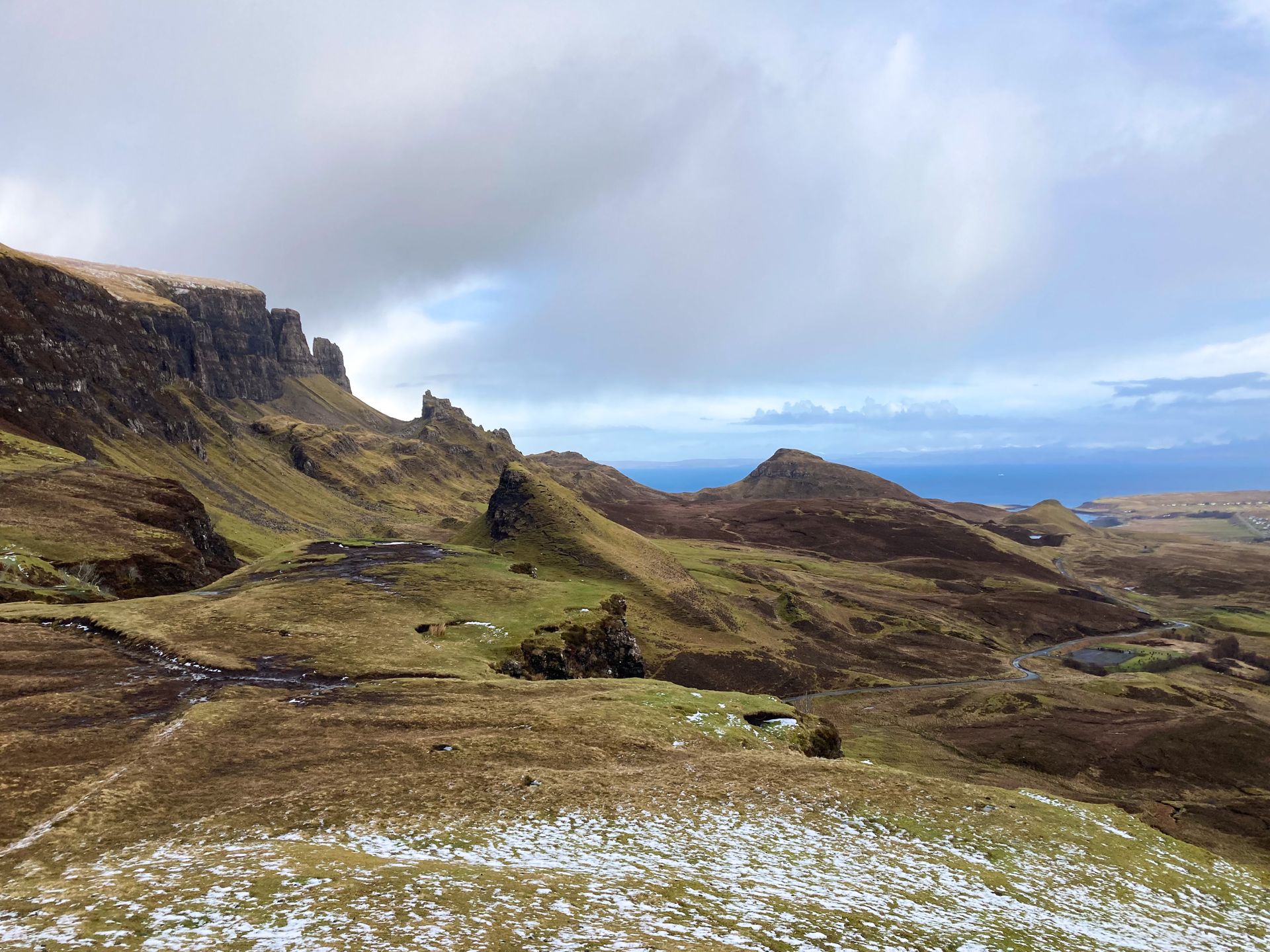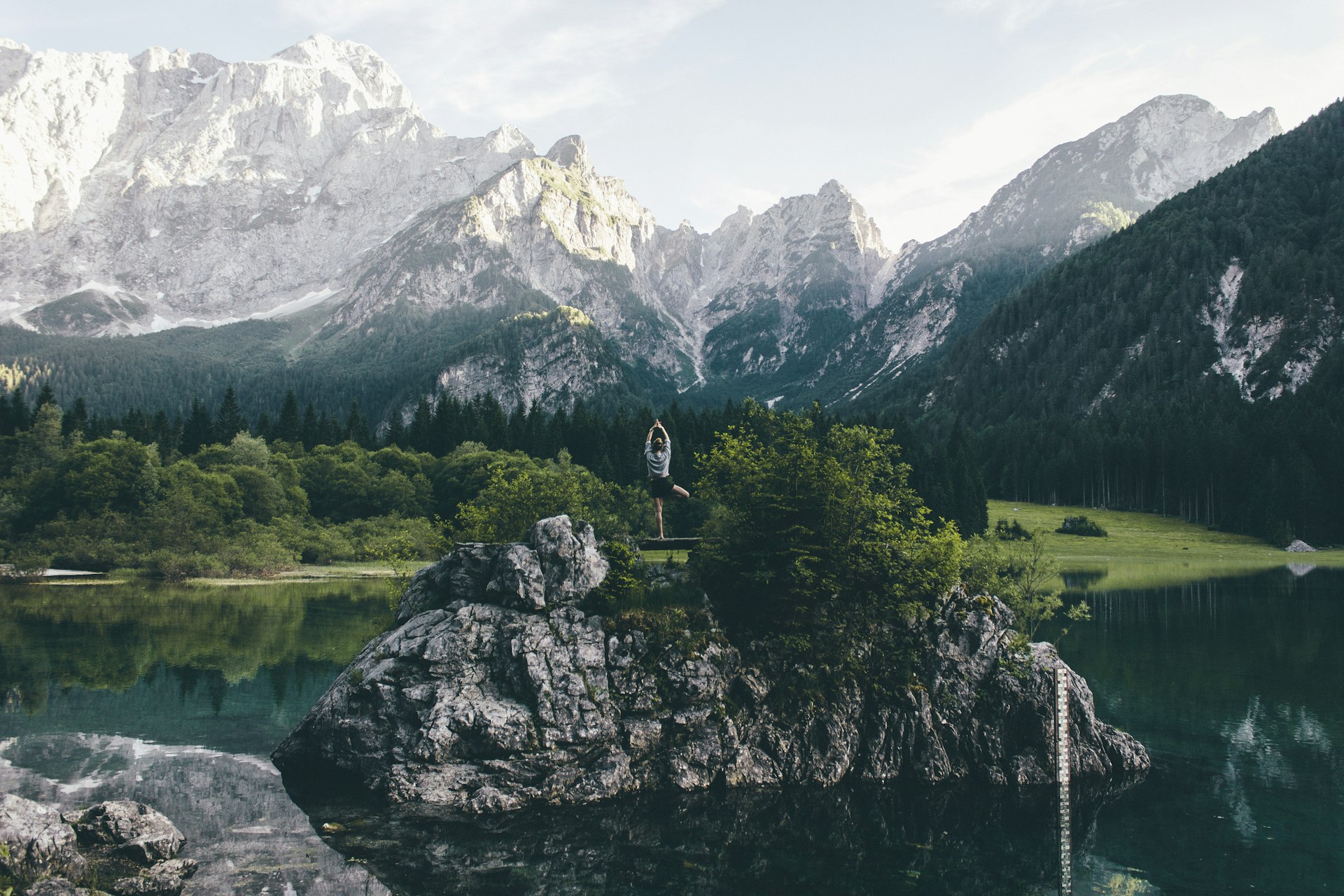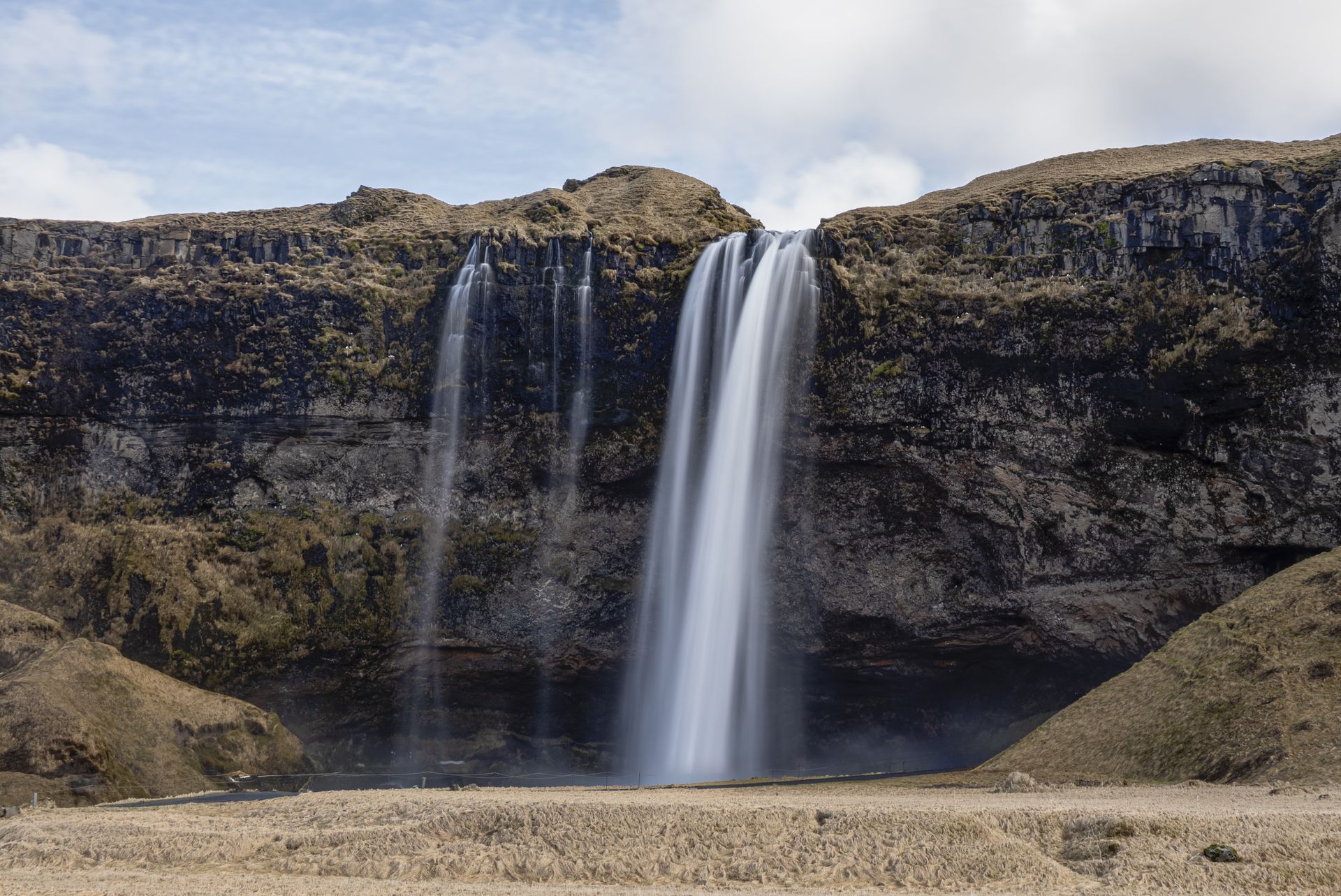
Iceland straddles the Mid-Atlantic Ridge, where the North American and Eurasian tectonic plates pull apart — the most geologically active landmass on Earth, and one of visual drama unmatched anywhere: active volcanoes, glaciers covering 11% of the country, waterfalls of extraordinary scale, and fjords carved by Ice Age glaciers. A country of 370,000 people spread across an island the size of England, Iceland is genuinely expensive but delivers experiences so completely unavailable anywhere else that the cost registers as value rather than expense.
Standing at the edge of the Eurasian tectonic plate, watching a geyser's column of boiling water against an Arctic sky, floating between glacial icebergs — these are not experiences that exist anywhere else on the planet.
When to Go
Summer (June–August) brings the midnight sun — 24 hours of daylight, all roads accessible including highland F-roads, but no Northern Lights (too much daylight) and peak-season prices. Winter (November–February) is Northern Lights season — the aurora is visible on clear nights from late September through March, with November–February the statistical peak. Shoulder seasons (April–May, September–October) combine reasonable daylight, lower prices, thinner crowds, and September is widely considered the single finest month overall.
Getting Around Iceland
Iceland has no rail network, so getting around means driving, joining tours, or both. Self-driving the Ring Road (1,332km, a minimum 7–8 days) is the definitive way to see the country; F-roads into the highland interior require a proper 4WD and are only open roughly June–September. Rental cars run €60–100/day for a 2WD, €100–200/day for a 4WD suited to the highlands — book well ahead for summer. Organized day tours cover the Golden Circle and South Coast for travelers who'd rather not drive, and the public Strætó bus network is serviceable for Reykjavík itself but not for flexible countryside exploration.
Reykjavík
The world's northernmost and smallest European capital is compact and walkable — Hallgrímskirkja's basalt-inspired tower, the Harpa Concert Hall on the harbor, and the Settlement Exhibition (built around an excavated 10th-century Viking longhouse) anchor the city. Laugardalslaug, the city's geothermal pool complex, is where locals conduct the social conversations that constitute Reykjavík's version of piazza culture. The Blue Lagoon, 15 minutes from Keflavík Airport, is not naturally occurring (created by geothermal plant runoff in 1976) but the experience of floating in 38°C mineral-rich water in an Arctic lava field remains extraordinary.
The Golden Circle and South Coast
Þingvellir National Park shows the tectonic plates visibly pulling apart, and hosted the Alþingi, one of the world's oldest parliaments, founded 930 CE. Strokkur geyser erupts every 5–10 minutes to heights of 15–40 meters; Gullfoss drops 32 meters in two tiers surrounded by permanent rainbows.
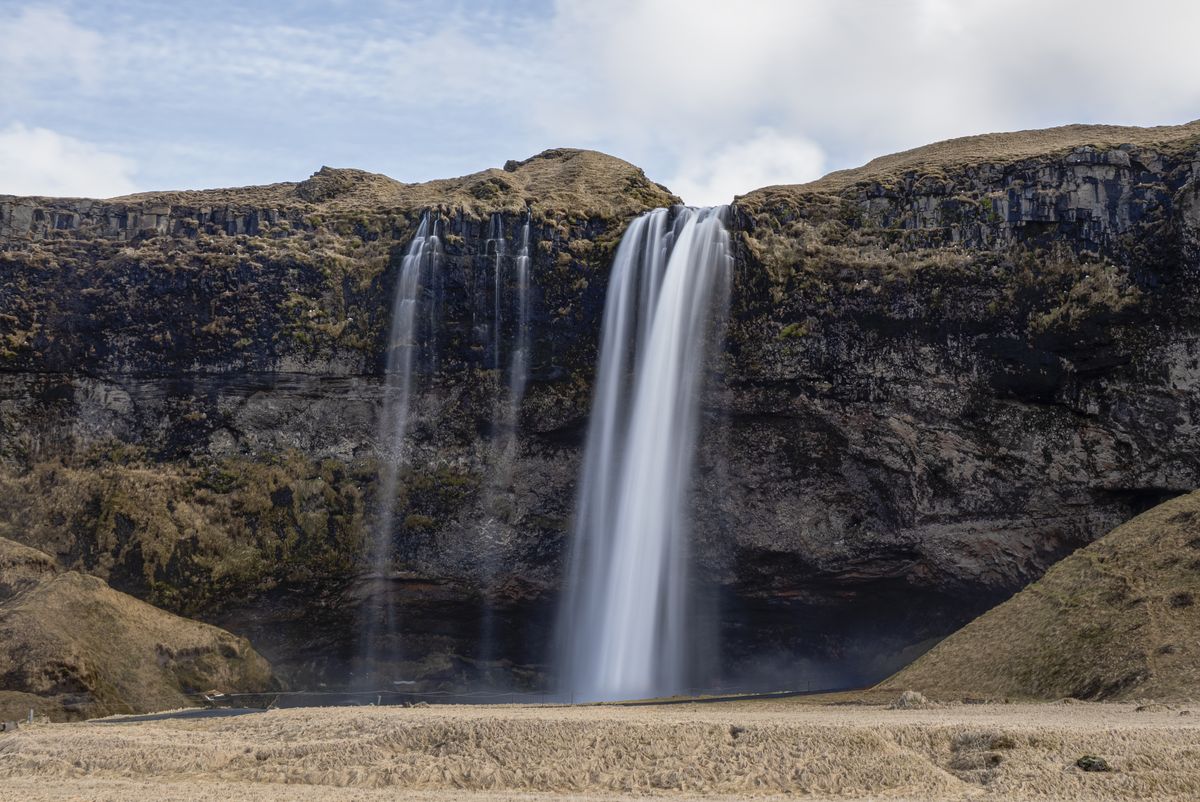
The South Coast concentrates Iceland's most dramatic scenery: Seljalandsfoss, where a path leads behind the falling water; Reynisfjara's black sand beach and basalt columns (stay well back — sneaker waves here are genuinely dangerous); and Jökulsárlón Glacier Lagoon, where icebergs calved from the glacier drift toward the sea past hunting seals, with Diamond Beach just beyond where ice washes up and glitters on black sand.
The Northern Lights
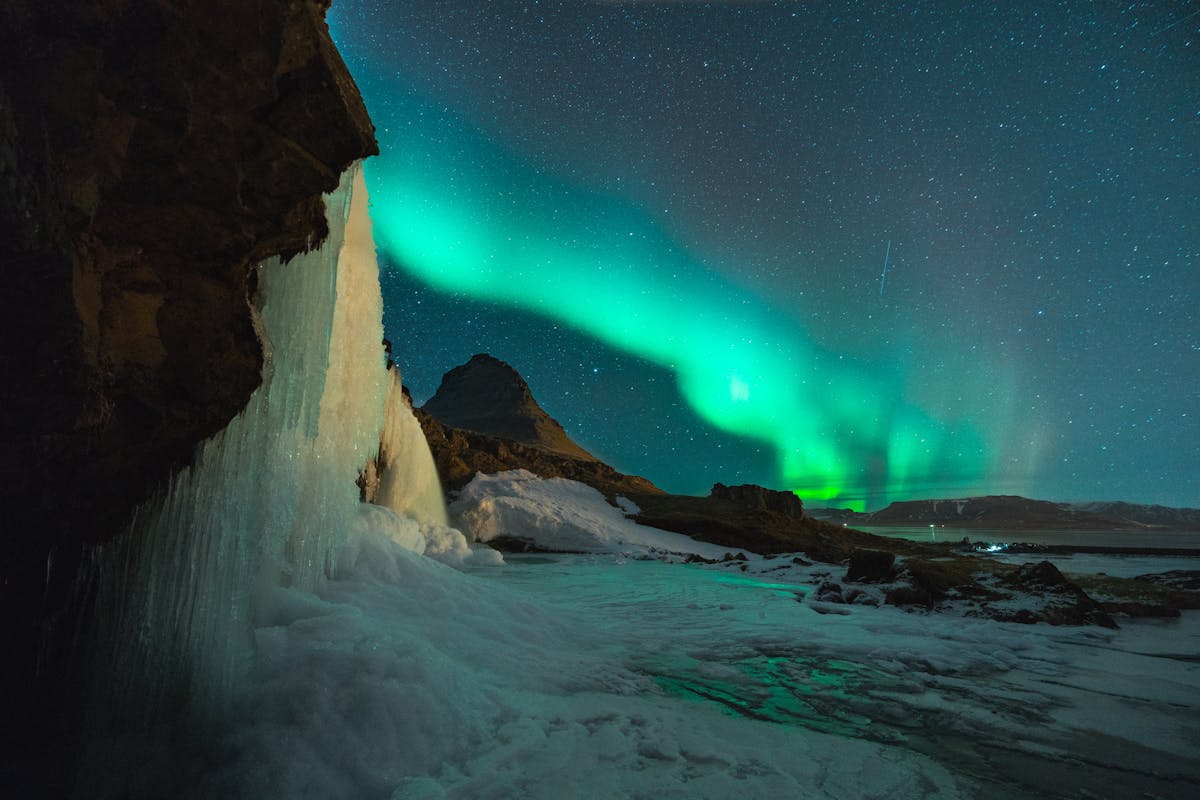
Three conditions must align: solar activity (Kp index 3+), clear skies, and darkness. The Vedur.is aurora forecast tracks all three. Any location 30 minutes from Reykjavík's light pollution improves viewing dramatically — Þingvellir, Snæfellsnes, and the South Coast are popular hunting grounds. Plan at least 5–7 nights in aurora season for a reasonable probability of a clear night; a strong display, with curtains of green, pink, and purple light dancing across the entire sky, is by consistent traveler report one of the most affecting natural experiences on Earth.
Snæfellsnes, the Westfjords, and the North
The Snæfellsnes Peninsula, "Iceland in miniature," concentrates a glacier-topped volcano, black lava fields, and the iconic Kirkjufell mountain within a 90-kilometer tongue of land. The Westfjords, Iceland's least visited region, holds Dynjandi's fan-shaped waterfall series and Látrabjarg's cliff-top puffin colonies — millions of birds nesting from May through August. Lake Mývatn in the north concentrates boiling mud pools, the Dimmuborgir lava field, and the Mývatn Nature Baths, a smaller and less crowded alternative to the Blue Lagoon.
What to Eat in Iceland
Icelandic lamb — raised free-range on Arctic grasses, smaller and more intensely flavored than continental lamb — is considered the finest in the world by most chefs who cook with it, appearing everywhere from slow-braised leg to the traditional smoked hangikjöt. Arctic char and langoustine from the Snæfellsnes and Westfjords waters lead the seafood, while skyr — a high-protein fresh cheese eaten like yogurt — is Iceland's best-known culinary export. Plokkfiskur (a béchamel fish stew) and kjötsúpa (lamb soup) are the definitive comfort dishes; expect to pay 3,500–6,000 ISK for a mid-range restaurant main.
Iceland Travel Tips for First Timers
Iceland's weather changes in minutes, and its landscapes are genuinely dangerous where the safety signage says so.
Trail Notes
- Book rental cars, Blue Lagoon entry, and accommodation 3–6 months ahead for summer.
- Pack for every condition regardless of season — waterproof jacket, thermal layers, sturdy footwear.
- Never drive off-road — moss and lava field ecosystems take 50–100 years to recover from tire tracks.
- Respect all posted safety warnings, especially the sneaker waves at Reynisfjara.
- Fill your tank whenever you pass a petrol station — gaps of 100km+ are common outside the Ring Road.
- Drink the tap water — it's glacial meltwater and among the best in the world.
Sample 7-Day Iceland Itinerary
Reykjavík (2 nights) → Golden Circle (1 day) → South Coast to Jökulsárlón (2 nights) → North/Mývatn area (1 night) → Snæfellsnes Peninsula and return (1 night).
Final Thoughts: Iceland Is Not Like Anywhere Else
Iceland's distinction is not one of degree but of kind — a raw, elemental landscape where the forces that made the planet are still visibly at work. Come prepared, come flexible, come with wonder already loaded. Iceland will provide the rest.