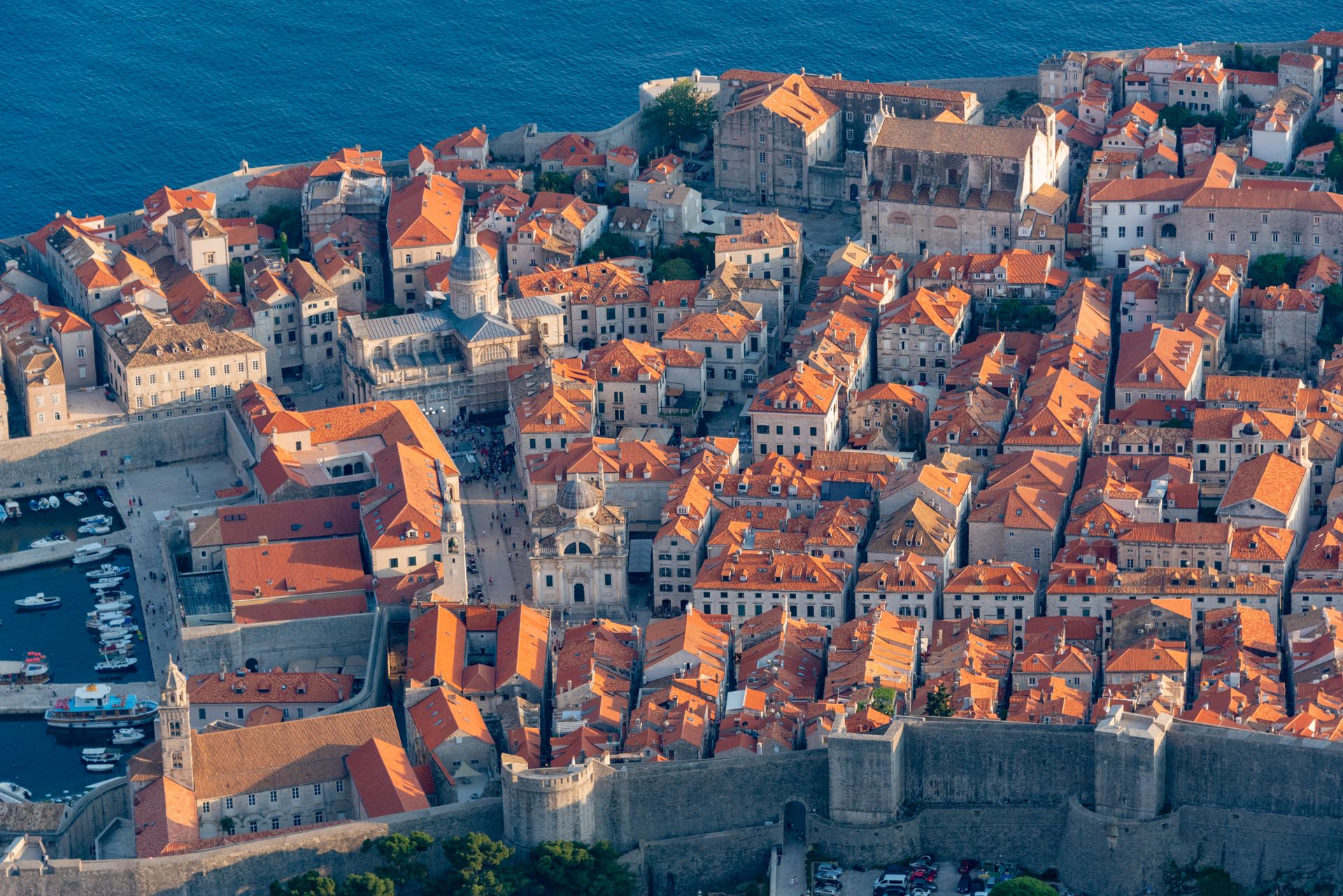
Croatia is one of those rare destinations that delivers exactly what it promises — and then quietly delivers considerably more. You arrive for the Adriatic, that impossibly blue sea lapping against ancient stone walls and pine-forested islands, and you stay for everything else: Dubrovnik glowing amber at dusk, Plitvice's cascading waterfalls, the Roman emperor's palace in Split that an entire city has grown up inside, and the truffle forests of Istria. For a country roughly the size of West Virginia, Croatia contains a staggering diversity of landscapes and history.
Croatia's coastline runs 1,777 km plus over 1,000 islands — one of the most dramatic and beautiful in Europe.
Why Croatia Should Be on Every First-Time Traveler's List
The country has sat at the crossroads of civilizations for three millennia, and it shows — Illyrians, Greeks, Romans, Byzantines, Venetians, Ottomans, Habsburgs, and 20th-century Yugoslavia have each left their mark on its cities, landscape, and cuisine, producing a layering rarely found in a country this compact. Eight national parks protect its finest scenery, from Plitvice's karst waterfalls to the sea caves of Kornati and Mljet, and its Adriatic waters are among the cleanest in the Mediterranean basin.
Croatia joined the EU in 2013 and adopted the euro in 2023, and its tourism infrastructure and English fluency are excellent without having sacrificed authenticity — a combination made richer by the warmth of Croats who are genuinely pleased when visitors venture beyond Dubrovnik and Split into the Dalmatian hinterland or the Istrian interior.
Best Time to Visit Croatia
Spring (April–June), especially May and early June, is widely considered ideal — Plitvice Lakes at its most verdant, warming seas, and prices well below the July–August peak. Summer (July–August) is peak season — the Adriatic reaches 26–28°C and the islands are lush, but Dubrovnik, Hvar, and Split get genuinely crowded; book everything months ahead. September and early October are arguably the finest months of all — the sea stays warm, crowds thin dramatically, and the Pelješac Peninsula's grape harvest adds a festive dimension. Winter sees the coast largely hibernate, though Zagreb's Christmas market is one of the best in Europe.
How to Get to Croatia and Around
Split (SPU) and Dubrovnik (DBV) airports serve coastal travelers April–October; Zagreb (ZAG) is the year-round hub. Shuttle buses connect both coastal airports to their city centers in 25–35 minutes for ~€7–€8.
Ferries (Jadrolinija) are the lifeblood of coastal travel — Split to Brač, Hvar, Vis, and Korčula; book car spaces well ahead in summer. Buses cover the entire coast reliably — the Split–Dubrovnik journey (4–4.5 hrs) passes spectacular scenery, briefly transiting Bosnia at Neum (bring your passport). Car Rental is the most liberating way to explore Istria and the Dalmatian hinterland. Sailing — a week-long charter through Brač, Hvar, Vis, and Korčula — is one of the most extraordinary travel experiences in Europe.
Top Destinations in Croatia for First-Time Visitors
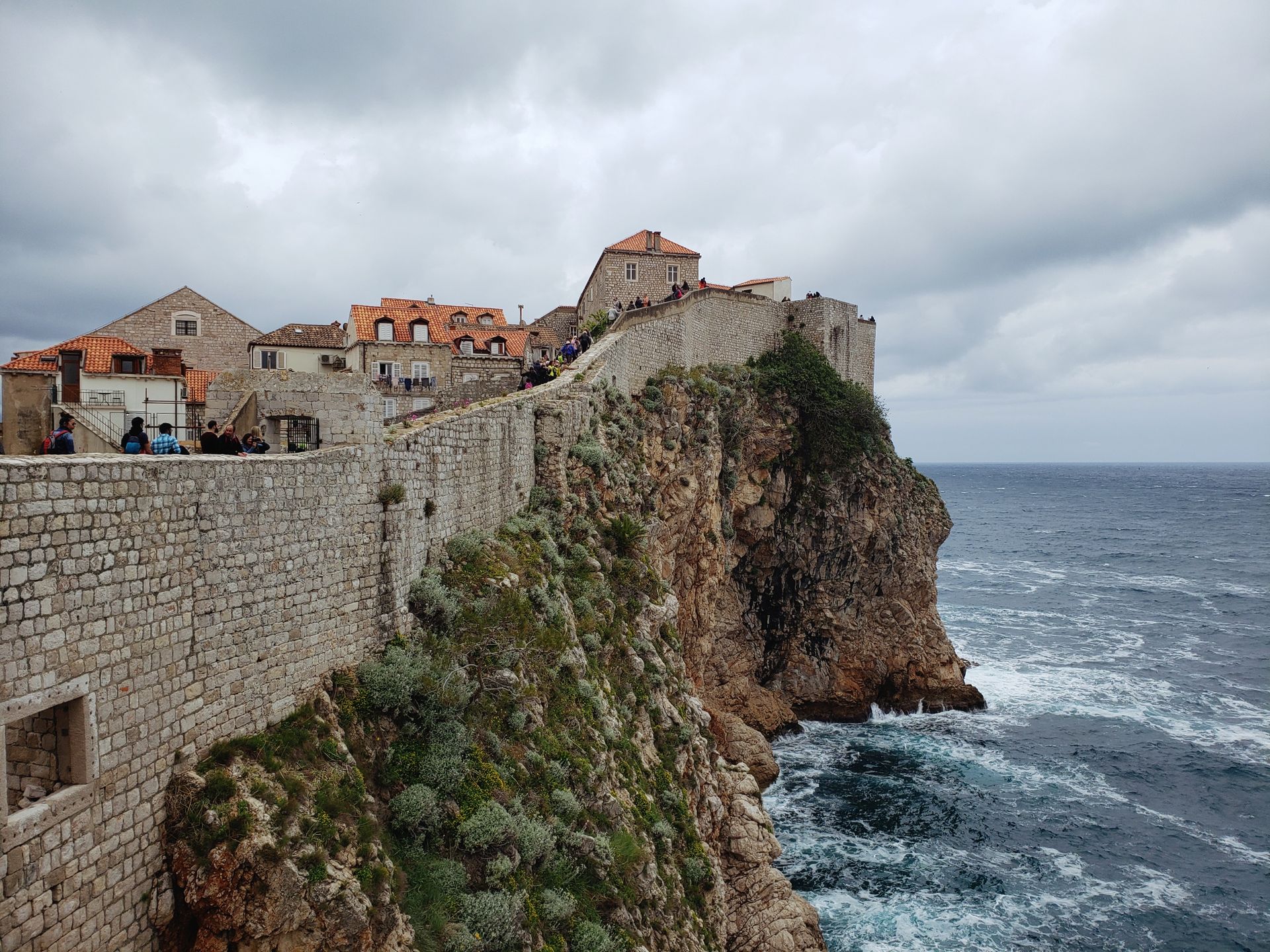
1. Dubrovnik: one of the most perfectly preserved medieval walled cities in the world, the former Republic of Ragusa. Walk the 2km circuit of the city walls, ideally at dawn or after 8 PM once the cruise-ship crowds have left.
2. Split: built around and inside the retirement palace of Emperor Diocletian (305 AD) — an entire medieval city grew up within its walls and has continued developing there ever since. Wander the palace's warren of Roman, medieval, and contemporary life superimposed on each other.
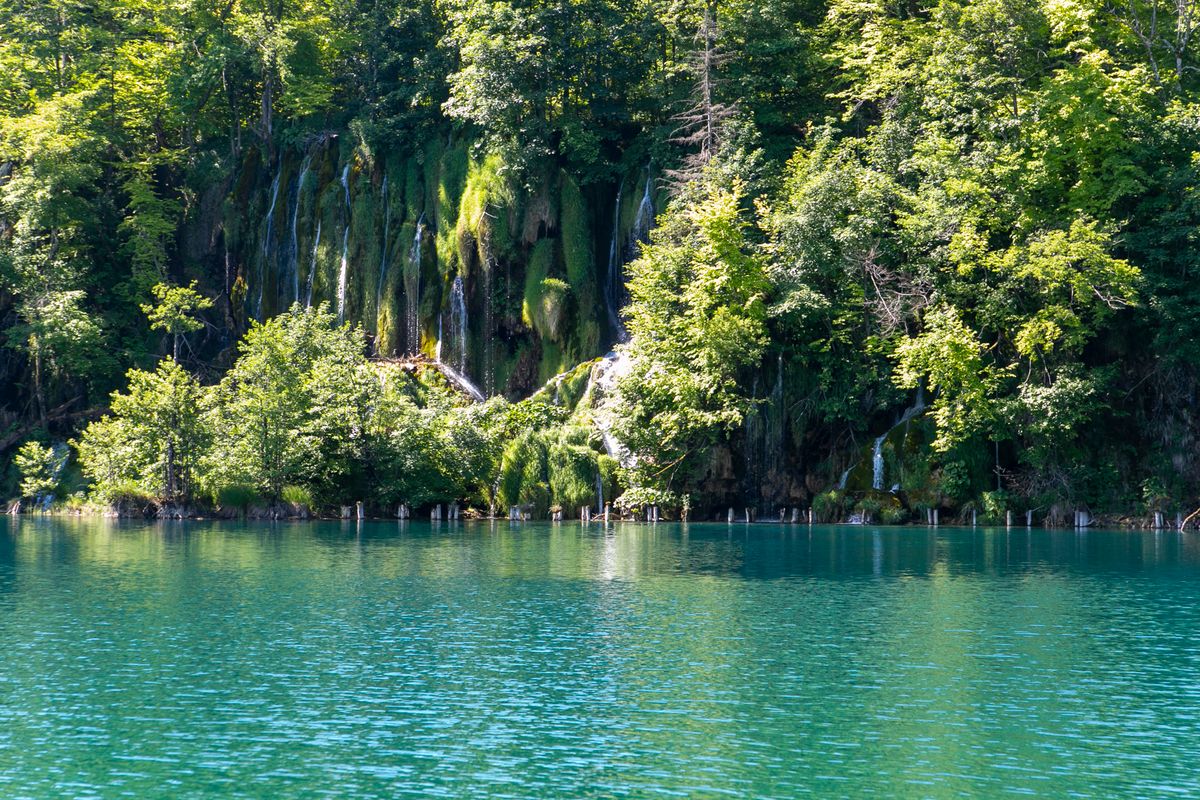
3. Plitvice Lakes National Park: 16 terraced lakes connected by waterfalls in a forested karst canyon, one of Europe's most extraordinary natural landscapes — book mandatory timed-entry tickets weeks ahead in summer.
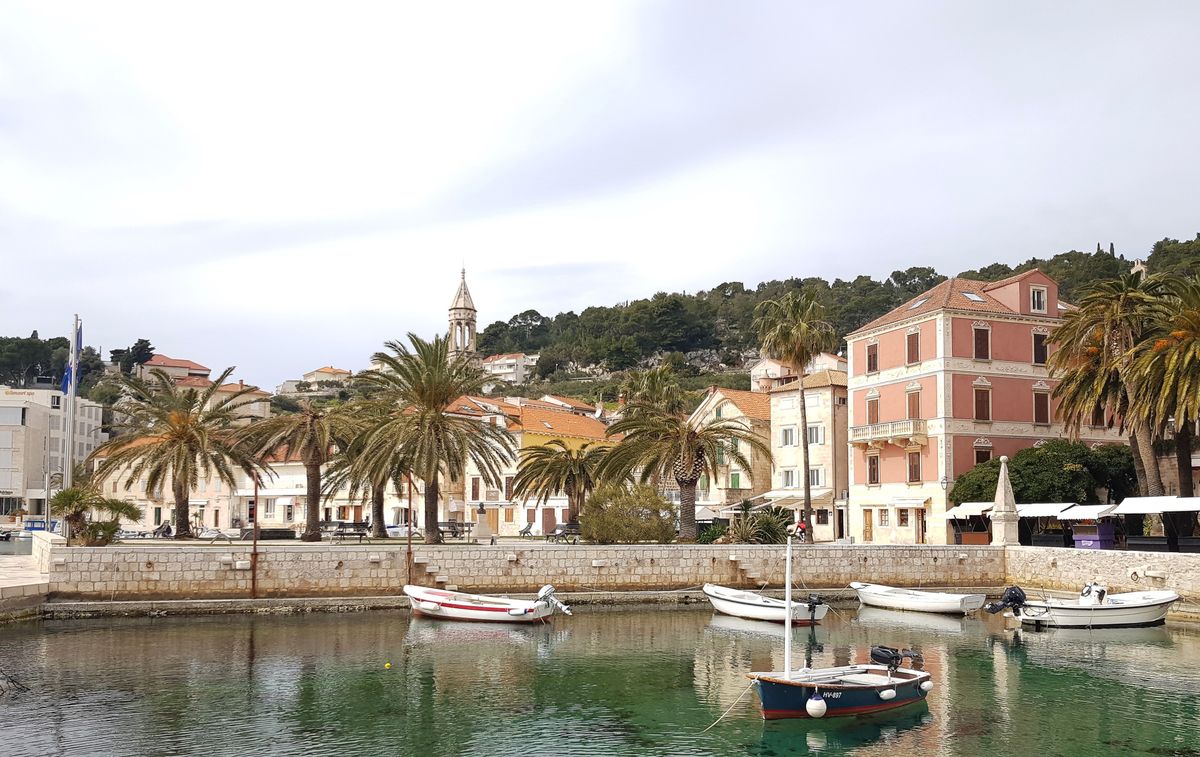
4. Hvar: lavender fields, vineyards, and Stari Grad — one of the oldest continuously inhabited towns in Europe, founded by Greek colonists in 385 BC.
5. Pula: home to one of the finest Roman amphitheaters in the world; Istria beyond offers hilltop medieval towns, exceptional truffles, and excellent indigenous wines.
6. Korčula: a walled medieval town rivaling Dubrovnik in beauty with a fraction of the visitors, home to the Moreška sword dance and the indigenous Pošip and Grk white wines.
7. Zadar: Roman and Venetian architecture, the extraordinary Sea Organ (played by the motion of waves), and gateway to the Kornati archipelago's 89 islands.
8. Krka National Park: a series of spectacular waterfalls on the Krka River near Šibenik, historically swimmable at the base of the Skradinski Buk cascade (check current rules, as access has been restricted in places) and paired well with Šibenik's Renaissance Cathedral of St. James.
9. Rovinj: Istria's most romantic town, its pastel Venetian houses climbing to the Baroque Church of St. Euphemia, with the small islands of its archipelago excellent for a half-day boat trip.
10. Zagreb: the most underestimated destination in Croatia — the medieval Upper Town, the Austro-Hungarian Lower Town, and one of Europe's finest Christmas markets.
What to Eat in Croatia
Fresh Adriatic seafood is the centerpiece of coastal cuisine — grilled branzino and orada, crni rižot (black cuttlefish-ink risotto), and buzara (shellfish in white wine and garlic). Peka, meat or octopus slow-cooked under a domed cast-iron lid covered in embers, requires 24-hour advance ordering and is completely worth it. Istrian truffles (white, September–January) elevate fuži pasta to a regional obsession. Pasticada, Dalmatia's beef braised in a sweet-sour wine and prune sauce, takes a full day to prepare. Plavac Mali, Croatia's powerful indigenous red from the Pelješac Peninsula, and Malvazija Istarska, the aromatic Istrian white, are the country's finest wines.
Croatia Travel Tips for First Timers
A handful of booking and timing habits make the difference between fighting Croatia's peak season and enjoying it.
Trail Notes
- Book Plitvice Lakes' mandatory timed-entry tickets well in advance for summer visits.
- Book ferry car spaces early on popular routes — passenger tickets are usually available day-of.
- Visit Dubrovnik's walls at 8 AM or in the evening — it is genuinely overwhelming at midday in summer.
- Croatia uses the euro (since 2023) — cards are widely accepted but smaller island establishments may prefer cash.
- Wear water shoes on rocky beaches — sea urchins are common.
- The Pelješac Peninsula's wine route between Ston and Orebić is one of Croatia's finest half-day experiences.
- Consider island-hopping Split to Dubrovnik via Hvar, Korčula, and Mljet rather than the direct bus.
Suggested 10-Day Croatia Itinerary for First Timers
Days 1–2: Dubrovnik — the city walls, Rector's Palace, a cable car to Mount Srđ.
Day 3: Korčula — the old town and a Pošip wine tasting.
Days 4–5: Hvar — the fortress, the Pakleni Islands, and the island's lavender interior.
Days 6–7: Split — Diocletian's Palace, Marjan Hill, and a Krka National Park day trip.
Days 8–9: Plitvice Lakes and Zadar — the terraced waterfalls, then the Sea Organ at sunset.
Day 10: departure via Zadar or onward to Zagreb.
Croatia on a Budget: Is It Possible?
Croatia has become notably more expensive over the past decade, particularly in Dubrovnik, Hvar, and Split at peak season — but the gap between peak-season and shoulder-season prices is substantial. Eating at a konoba rather than a harbor-facing restaurant cuts costs significantly, and private sobe (rooms) rented from local families save 30–50% versus hotels. A comfortable daily budget of €80–€100 per person in shoulder season covers a mid-range guesthouse, excellent konoba meals, and transport.
Final Thoughts: Croatia Will Recalibrate Your Sense of Beauty
There is a moment that happens to almost everyone in Croatia — usually on a ferry deck at sunset — when you understand that the Adriatic is not simply beautiful in the way many beautiful places are beautiful. Go in spring or autumn if you can, go to Korčula and Vis as well as Dubrovnik and Hvar, and accept, as virtually every visitor eventually does, that one trip will not be enough.