Europe · Destination Guide
Croatia
Walled cities, waterfall parks & a thousand-island coast
Croatia compressed Europe's greatest hits onto one improbable coastline: Roman palaces still functioning as city centres, medieval walled towns rising straight from turquoise water, and over a thousand islands running down the Adriatic like stepping stones — all under a sun that shows up for work 2,600 hours a year.
Yes, Dubrovnik discovered its own fame some time ago. The counter-move is simple: come in June or September, do the famous walls at 8am, and spend the saved afternoons on islands and in national parks where Croatia still feels like the secret it was twenty years ago.
Europe's greatest hits on one coastline, under 2,600 hours of annual sun.
Don't Miss
The Unmissables
Dubrovnik's city walls
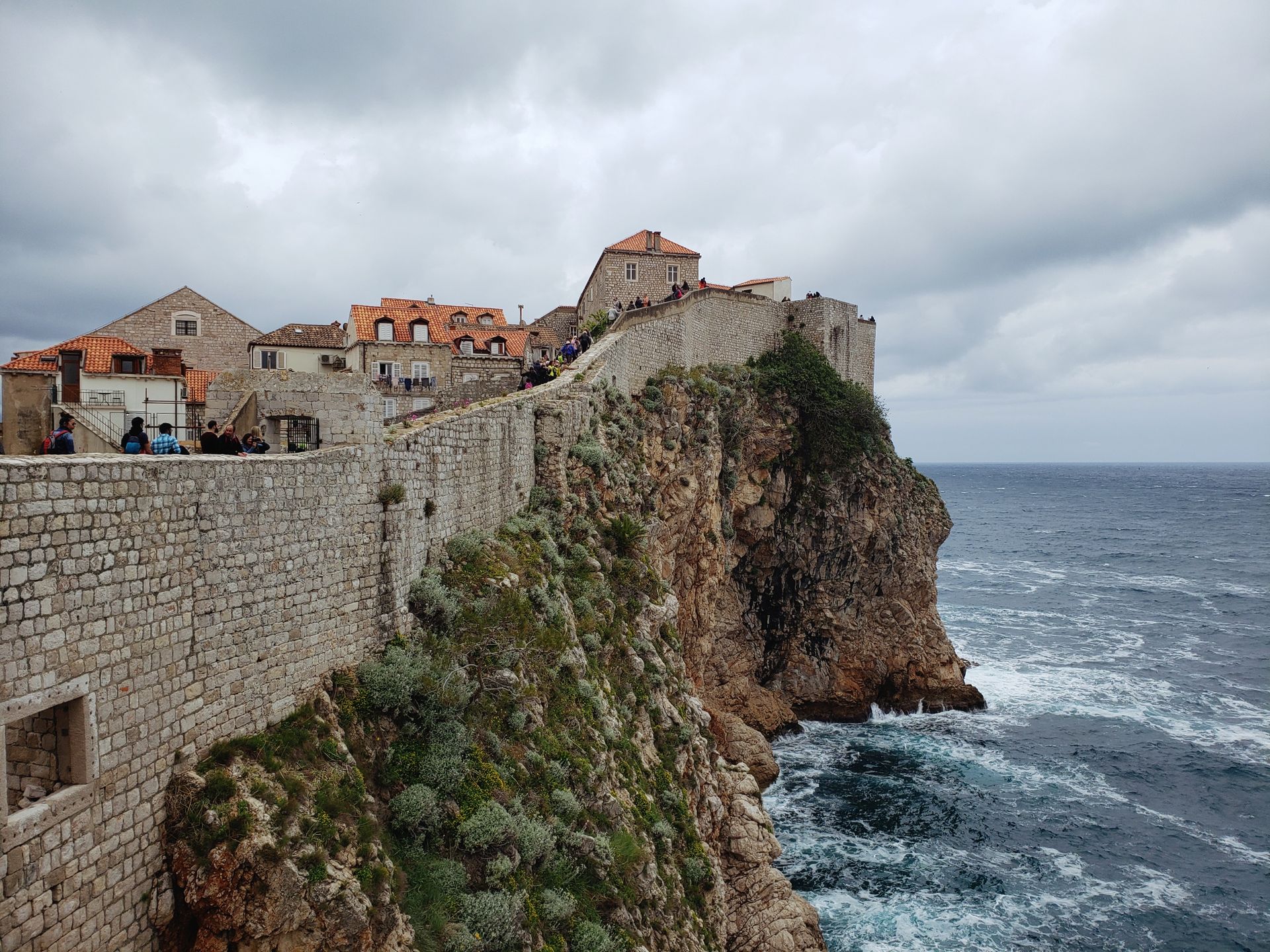
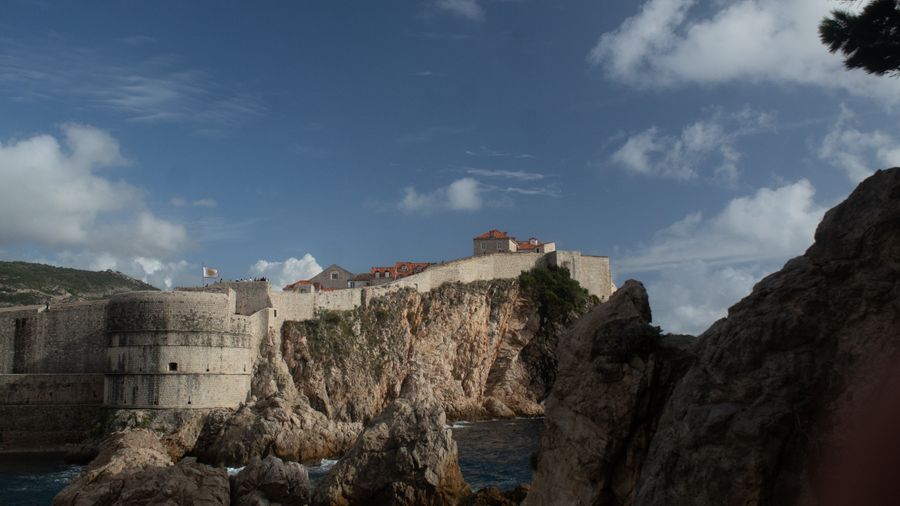
Two kilometres of ramparts around the most complete walled city in Europe — King's Landing to one audience, the "Pearl of the Adriatic" long before that. Walk them at opening (8am) or golden hour, then cable-car up Srđ for the full amphitheatre view.
Plitvice Lakes
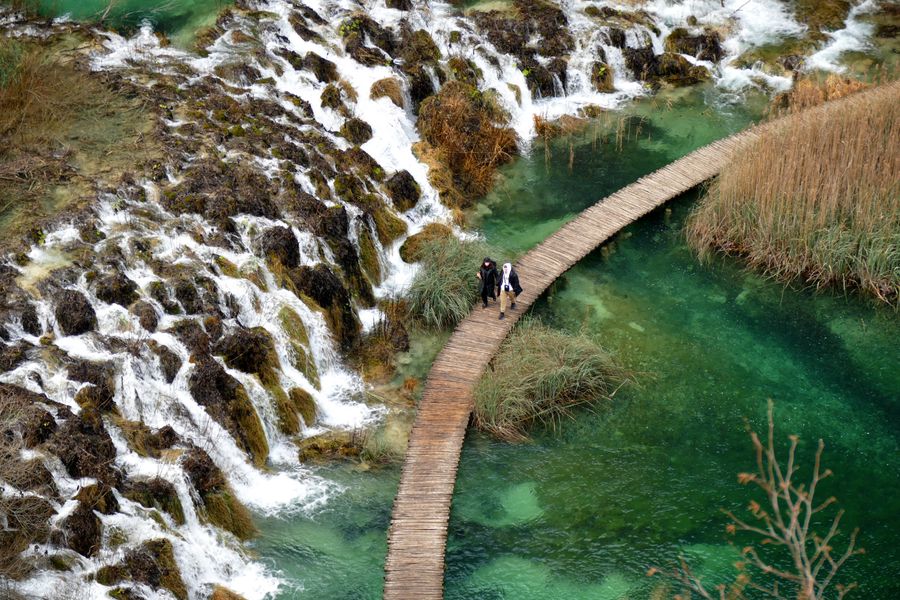
Sixteen terraced lakes spilling into each other through travertine waterfalls, laced together by boardwalks at water level. Enter at gate 1 at opening, walk the lower lakes first, and the postcard views are briefly, gloriously yours.
Hvar & the islands
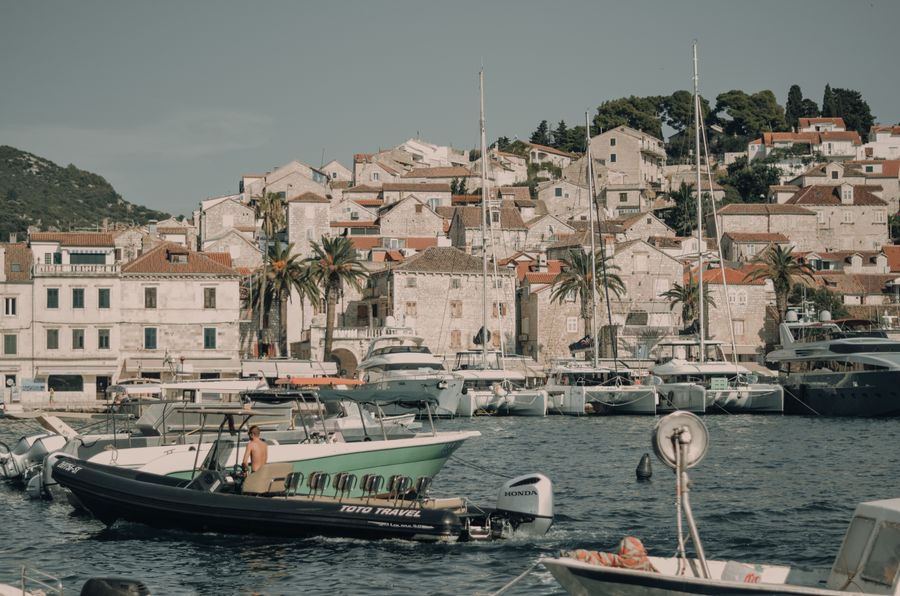
Lavender hills, Venetian harbours and Europe's sunniest island — with Pakleni islet swims a water-taxi away. Ferry-hop onward: Vis for coves and quiet, Korčula for a mini-Dubrovnik without the crowds, Brač for the famous Zlatni Rat beach.
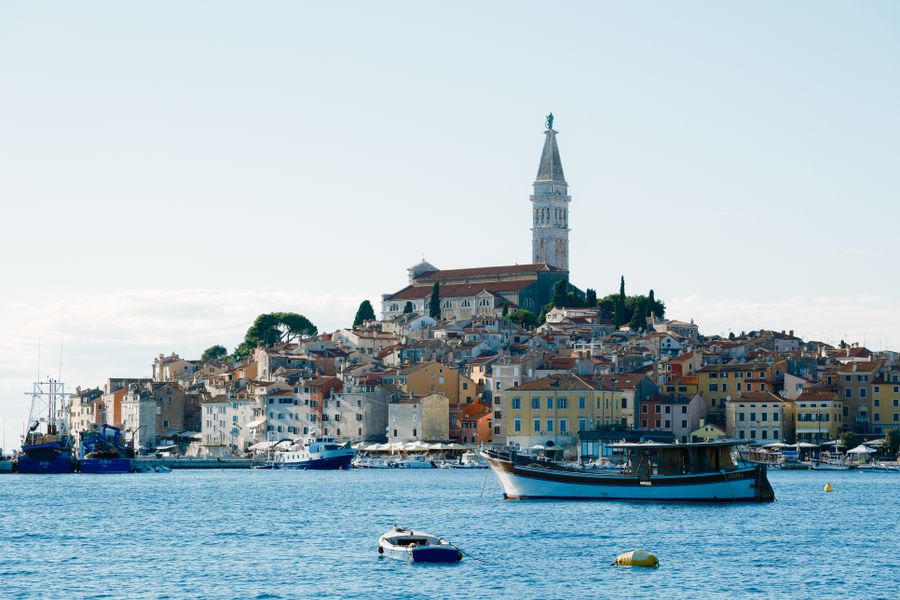
Istria's hilltop-and-harbour double
The peninsula plays Italian: Rovinj's pastel houses stacked over the sea, truffle forests inland around Motovun, and konoba dinners where the olive oil and malvazija wine are the point. Croatia's gastronomic corner.
Timing Is Everything
When to Go
Early summer
Warm sea by June, everything open, ferries frequent, crowds humane. The connoisseur's window.
September
The Adriatic at its warmest, harvest in Istria, golden light on the stone. Arguably the single best month.
Peak
Hot, brilliant and heaving — Dubrovnik and Hvar at triple price. Fine on quieter islands.
Winter
Coastal towns half-close; Zagreb's Advent market is the exception worth the trip.
The Route
The Perfect Croatia Itinerary
Zagreb & Plitvice
Capital warm-up, then the lakes at opening en route to the coast.
Split
Living inside Diocletian's Palace, Marjan hill swims, day trip to Trogir.
Island hop
Ferry to Hvar: Pakleni swims, lavender interior; onward to Korčula or Vis.
Dubrovnik
Walls at 8am, Srđ at sunset, Lokrum island escape between.
Istria (or fly home)
If time allows: Rovinj + Motovun truffle dinner as the northern finale.
Plan Your Spend
What Croatia Costs
Backpacker
Hostels and sobe rooms, bakery burek, ferries as sightseeing, free beaches everywhere.
Mid-range
Apartments near the water, konoba dinners, island day-boats, park entries, one sailing day.
Luxury
Dubrovnik five-stars inside the walls, weekly yacht charters, Istrian truffle-country estates.
Estimates per person, excluding international flights. Book stays via our partners to support free guides like this one.
Get the Croatia Insider Brief
New guides, hidden spots and trip deals — weekly, free, unsubscribe anytime.