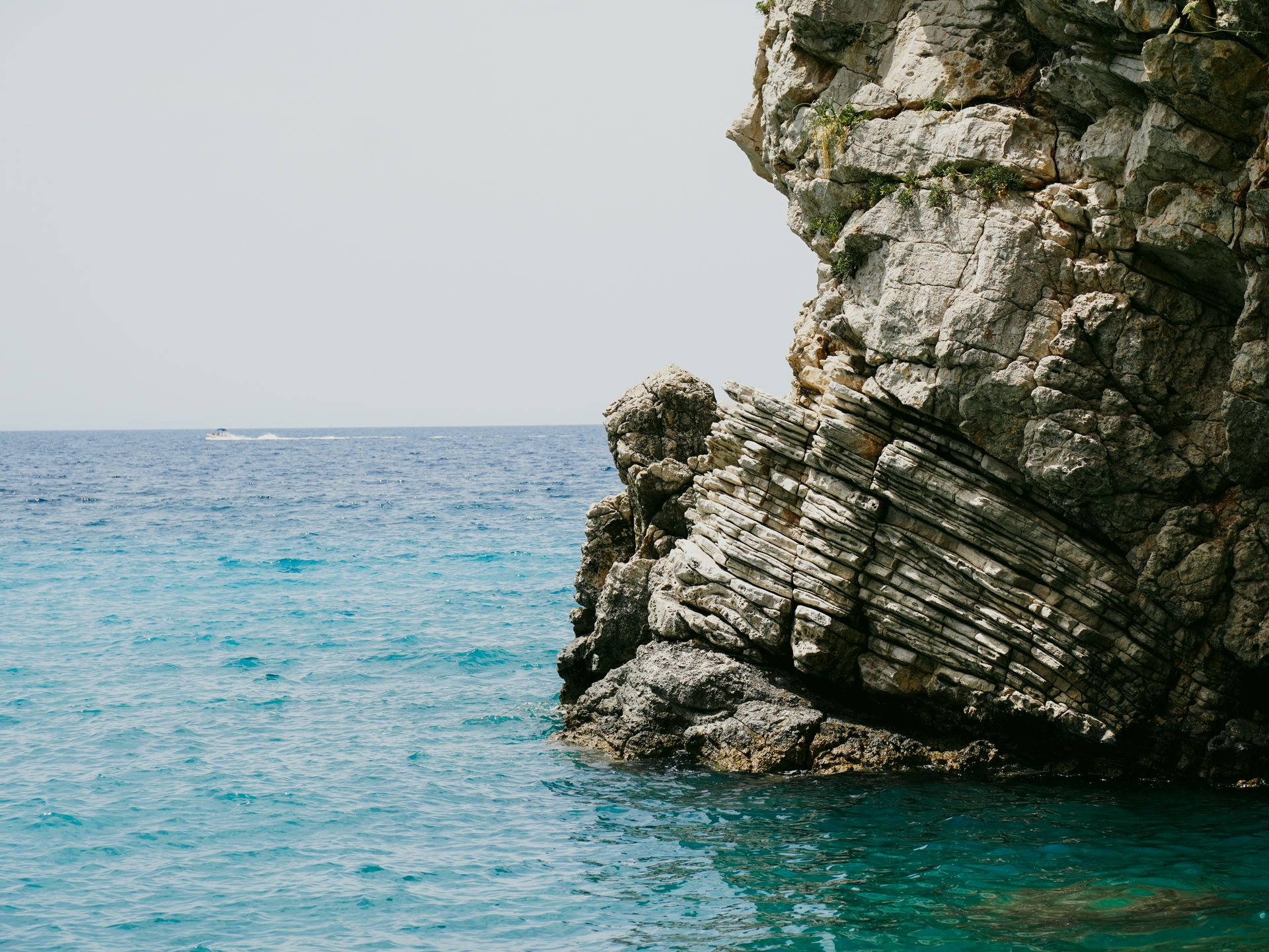
Albania spent most of the late 20th century as the most isolated country in Europe — a hardline communist dictatorship that sealed its borders and built 173,000 concrete bunkers in preparation for an invasion that never came. The paradoxical result: a country that emerged into the post-communist world with its landscapes almost entirely intact, its ancient sites unencumbered by tourist infrastructure, and its besa hospitality tradition as genuine as anywhere in Europe. Albania remains dramatically cheaper than Montenegro, Croatia, or Greece — a daily budget of €40–50 covers excellent accommodation, three meals, and local transport with comfort.
The old man in Gjirokastër who insists you come inside for raki and will not take no for an answer — because besa is not a choice, it is a duty.
When to Go
April–June is the finest window — green mountains, warm coastal water without summer crowds. September–October rivals spring, with warm sea and golden mountain landscapes. July–August is peak season on the Riviera — book well ahead — though the Albanian Alps are outstanding in summer heat.
Getting Around Albania
Furgons — shared minibuses that depart when full rather than on a fixed schedule — are the backbone of Albanian public transport and the cheapest way between towns (Tirana to Berat costs around €3.80). Buses connect the larger cities more formally, while taxis and Bolt rideshares are affordable within Tirana. Renting a car (from €25–40/day) is the most flexible way to explore the coast and mountains, though roads are narrow and the driving culture assertive; ferries from Bari and Ancona in Italy connect directly to Durrës and Sarandë for travelers combining Albania with an Italian itinerary.
Tirana
Tirana upends expectations immediately — Mayor Edi Rama's 2000 decision to paint the city's communist apartment blocks in bold geometric colors changed its psychological atmosphere overnight. Skanderbeg Square, the Blloku district (once reserved for communist party elite, now the city's most fashionable neighborhood), and Bunk'Art 1 and 2 — museums housed inside Enver Hoxha's nuclear bunkers — offer the most compelling introduction to the country's communist period anywhere in Albania.
Berat and Gjirokastër
Berat, "the city of a thousand windows," is a UNESCO site built on a hillside above the Osum River — its Ottoman-era houses cascade down the slopes in rows of extraordinary visual rhythm, with an inhabited castle district and the Onufri Museum's vivid 16th-century iconography.
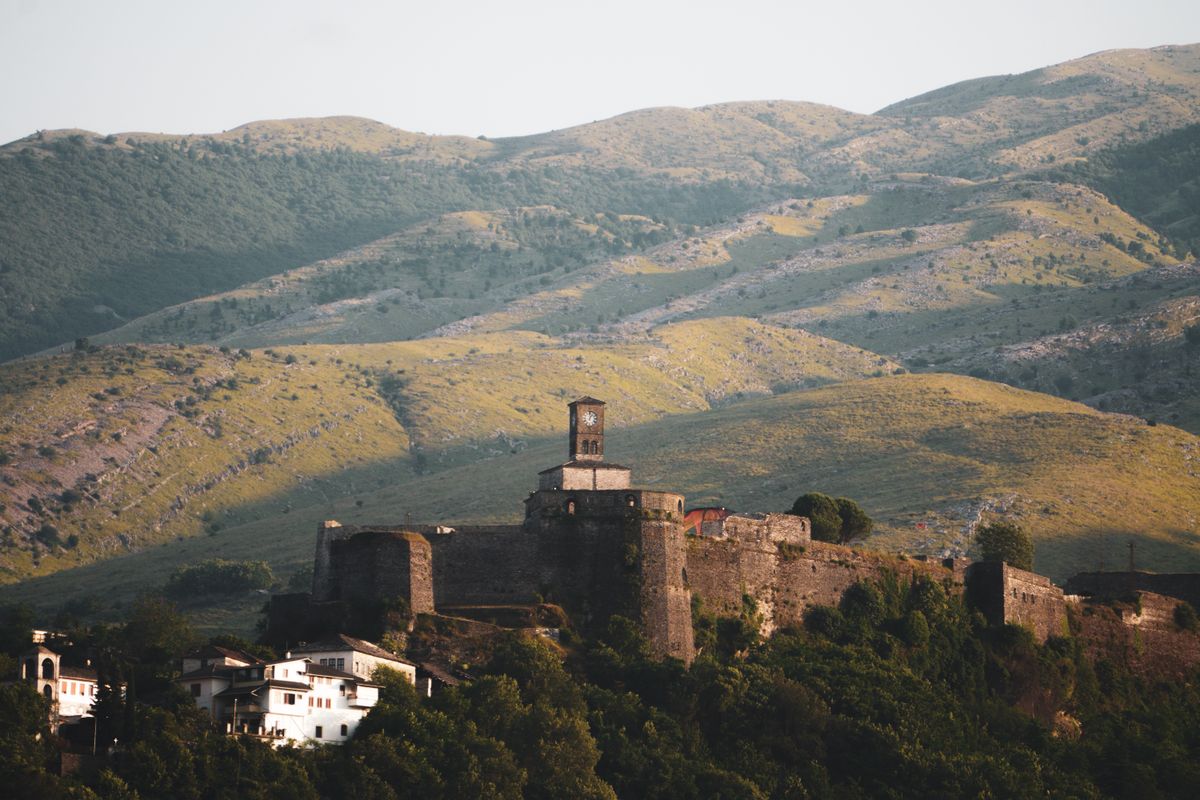
Gjirokastër, another UNESCO site of grey-stone Ottoman houses beneath Albania's most dramatic castle, is the birthplace of both Enver Hoxha and Nobel-caliber writer Ismail Kadare. The nearby Blue Eye spring — a pool of impossibly deep blue fed by an unmeasured underground source — is easily combined with a visit.
The Albanian Riviera
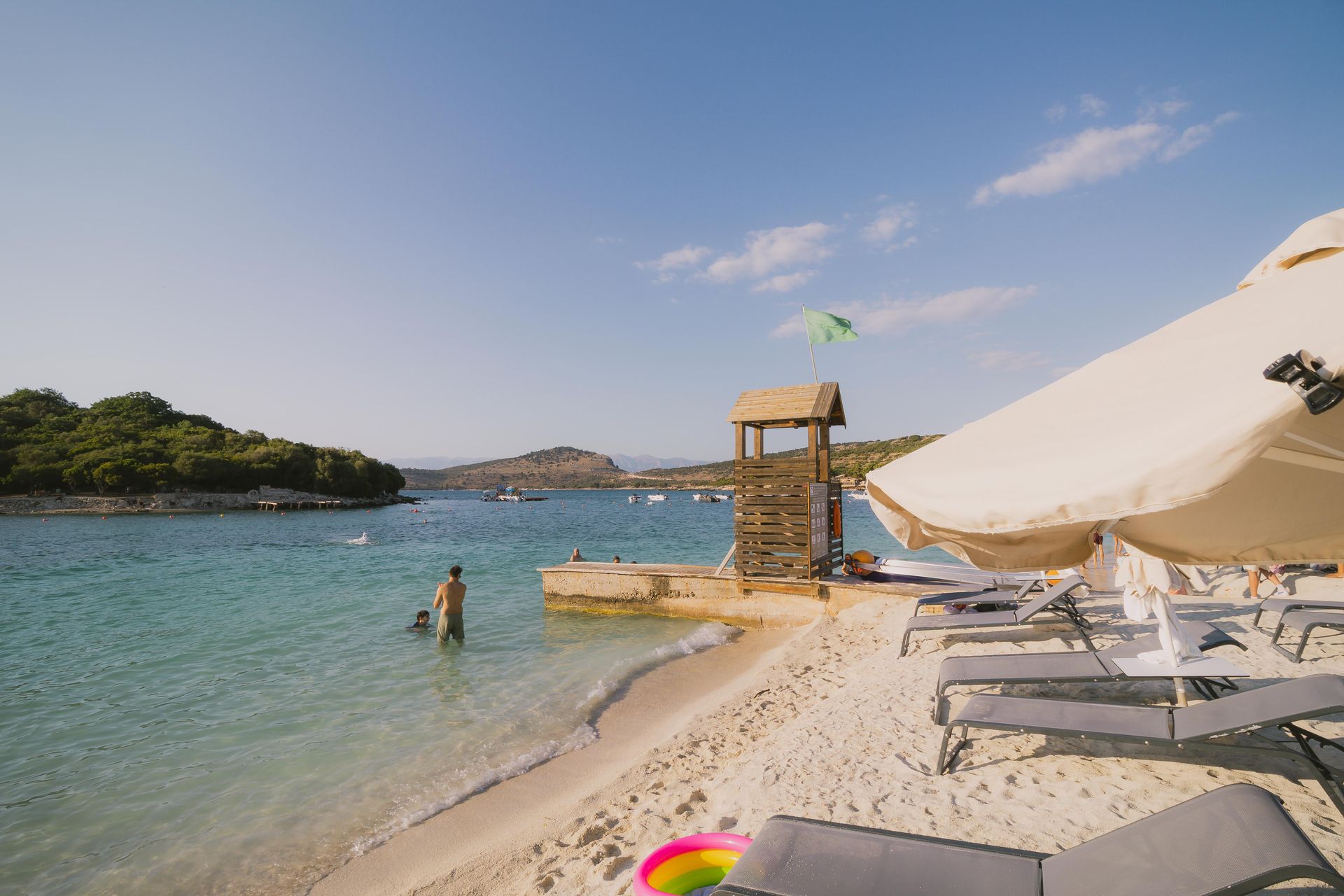
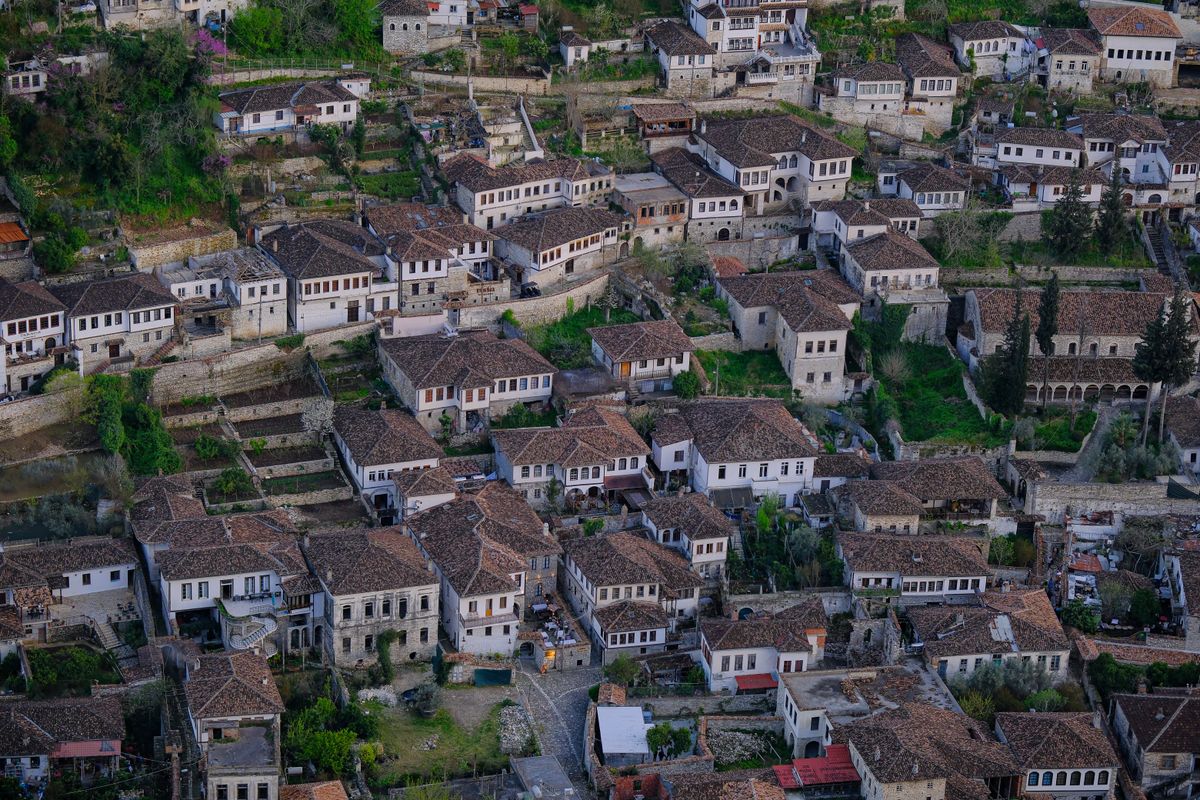
The coastline between Vlorë and Sarandë is Albania's most beautiful and most rapidly developing region — turquoise Ionian water among the cleanest in the Mediterranean, beneath the Ceraunian Mountains. Dhermi is the most beautiful village on the coast; Ksamil's four small island beaches are the finest in the country. Butrint, 18km south of Sarandë, layers Greek, Roman, Byzantine, and Venetian occupation within a single UNESCO site on a lagoon-side peninsula.
The Albanian Alps
The Accursed Mountains in Albania's far north are one of the last genuinely wild mountain landscapes in Europe. The Lake Koman ferry — a 2.5-hour boat journey through a dramatic reservoir gorge — accesses the Valbona and Theth valleys, connected by a 6–7 hour trek over the Valbona Pass that is among the finest day hikes in Europe.
What to Eat in Albania
Byrek — flaky filo pastry filled with spinach and feta, meat, or tomato and egg — is Albania's ubiquitous breakfast, sold by the slice for under a euro. Tavë kosi, a baked lamb and rice casserole set in a yogurt-and-egg custard, is the national dish, best in Elbasan where it originated. Fërgesë (peppers, tomatoes, and cottage cheese) and grilled qofte meatballs round out the everyday table, while Riviera seafood — grilled sea bass, bream, and Butrint lagoon shellfish — runs at half the price of comparable Greek or Italian quality. Raki, a clear grape or plum brandy, is the standard hospitality drink — accept it when offered.
Albania Travel Tips for First Timers
Albania rewards travelers who come now, before the raw edges are smoothed and the prices rise.
Trail Notes
- Carry cash — ATMs are rare outside cities and tourist towns.
- Remember the reversed head nod: side-to-side means yes, up-and-down means no.
- Book Riviera accommodation 2–4 months ahead for July–August.
- Accept offered raki graciously — refusing is a mild discourtesy in traditional settings.
- Drive defensively — Albanian mountain roads reward respect and extra braking distance.
- Learn "faleminderit" (thank you) — it generates genuine delight.
Sample 10-Day Albania Itinerary
Tirana (2 nights) → Shkodër (1 night) → Lake Koman ferry and Valbona (1 night) → Theth (1 night) → Berat (1 night) → Gjirokastër (1 night, Blue Eye day trip) → Sarandë/Ksamil (2 nights, Butrint).
Final Thoughts: Come Now, While It Is Still This
The beach at Ksamil where the water is the color of shallow Caribbean sea and the taverna serves grilled fish caught that morning for €8. Albania is rapidly becoming known — the travelers finding it now are experiencing something that will be more crowded in five years.