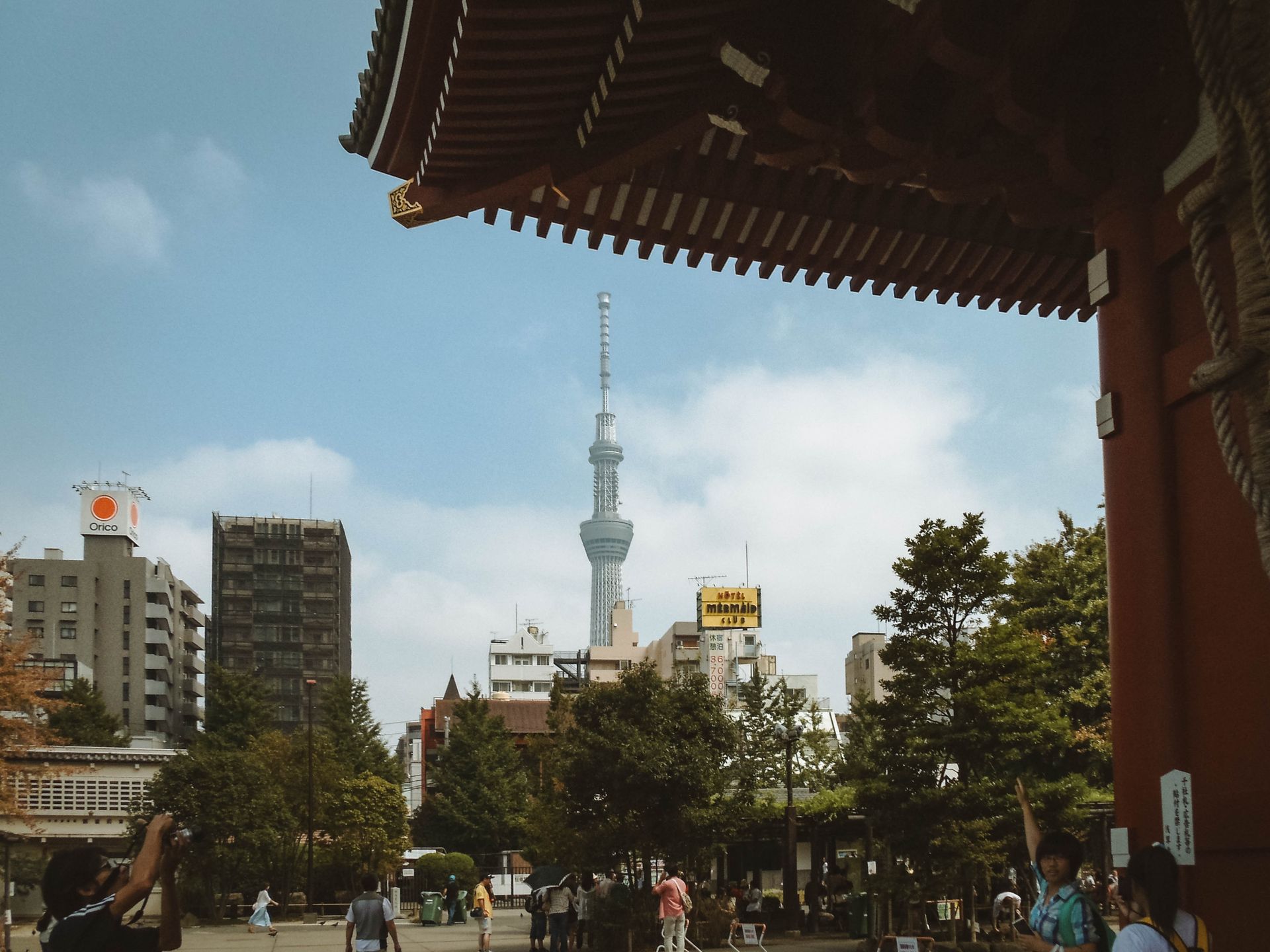
Five days in Tokyo is both too much and not nearly enough, and this paradox is the starting point for understanding what kind of city you are dealing with. Too much because Tokyo — 37 million people, the largest metropolitan area in the world — will overwhelm you in ways that require rest before the next onslaught of extraordinary things. Not enough because Tokyo is the city that most reliably defeats the concept of the finished itinerary.
Tokyo does not get smaller the longer you are in it. It gets larger. The more you understand, the more there is to understand.
Before You Arrive: Essential Tokyo Practicalities
Tokyo is served by two airports. Narita (NRT), 60 km east, connects via the Narita Express to Shinjuku/Shibuya/Tokyo stations in 50–90 minutes (~¥3,070). Haneda (HND), 15 km south and far more convenient, connects via the Tokyo Monorail to Hamamatsuchō (20 minutes, ¥500) or the Keikyu Line to Shinagawa and Asakusa.
Buy a Suica or Pasmo IC card immediately on arrival — the single most important purchase in Tokyo. It covers Metro, JR, Toei Subway, and most buses with a single tap, and works at convenience stores too. Load ¥3,000–¥5,000 to start.
The JR Yamanote Line — the circular route connecting Shinjuku, Shibuya, Harajuku, Ueno, Tokyo Station, Ikebukuro and back — is the single most useful line in the city. For a five-day visit, stay in Shinjuku (best connections), Shibuya (young energy, nightlife), Asakusa (traditional character, budget-friendly), or Ginza/Marunouchi (central, expensive, convenient).
Day One: Asakusa, Ueno, and Old Tokyo
Set the alarm for 5:30 AM. Senso-ji — Tokyo's oldest and most visited temple, founded according to tradition in 645 AD — is almost entirely yours at 6 AM and extremely crowded by 8. Approach via the Kaminarimon (Thunder Gate) and the Nakamise-dori shopping street; in early morning the temple is genuinely operational as a place of worship, incense burning in bronze cauldrons, elderly Tokyoites performing morning prayers. Breakfast after at a traditional Asakusa kissaten — thick-cut toast, a hard-boiled egg, hand-drip coffee, ¥800–¥1,200.
Return to Nakamise-dori at 9 AM once shops open. Buy ningyo-yaki (sweet red-bean pancakes) warm from a street stall and a tenugui (traditional cotton towel) as the finest authentic souvenir. Explore Asakusa's back streets — Hoppy Street, the Sumida riverside promenade with Tokyo Skytree views — which retain more shitamachi (low city, old working-class) character than almost anywhere else in central Tokyo.
Ueno, a short Metro hop away, is Tokyo's museum district. The Tokyo National Museum — the largest in Japan, the world's most comprehensive Japanese art collection — deserves three to four hours (¥1,000, go weekday morning). The National Museum of Western Art, in a Le Corbusier UNESCO building, houses Rodin sculpture and Impressionist paintings donated by Kojiro Matsukata.
Evening: walk northeast into Yanaka, the neighborhood that survived the 1923 earthquake and WWII air raids intact — wooden machiya townhouses, small temples, the vast cherry-lined Yanaka Cemetery. The Yanaka Ginza shopping street sells yakitori and menchi katsu from vendors operating since the 1970s. Dinner at a neighborhood izakaya in Yanaka or Nezu: edamame, tamagoyaki, yakitori assortment, agedashi tofu, Sapporo draft. Bill for two: ¥4,000–¥6,000.
Day Two: Harajuku, Shibuya, and the Energy of Modern Tokyo
Arrive at Meiji Jingu at opening (5:30–6 AM in summer) — the Shinto shrine set within 70 hectares of forested Yoyogi Park, its approach through a massive torii gate producing a profound transition from urban noise to something otherworldly. Watching morning ritual at close range at the honden is quietly moving.
Harajuku splits into two worlds: Takeshita-dori's concentrated fashion subculture (Lolita, Visual Kei, cosplay, crêpe stands) versus Omotesando's refined, tree-lined avenue of flagship architecture by Tadao Ando, Herzog & de Meuron, and SANAA — one of the finest urban design walks in the city regardless of interest in the brands.
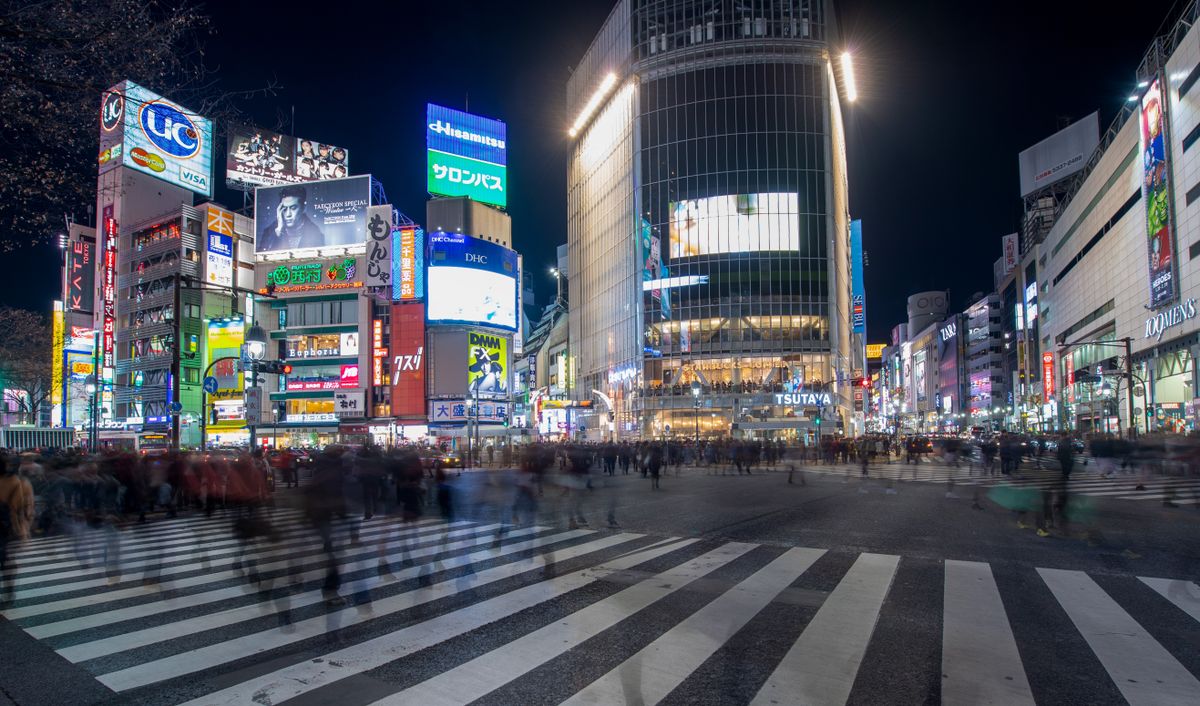
Lunch: a Yoshinoya or Sukiya gyudon beef bowl for ~¥500, or ramen in Shibuya's Dogenzaka area for ¥900–¥1,500 — the Tokyo solo-dining experience at its most perfectly realized. Then Shibuya Crossing, the world's most famous intersection (up to 3,000 people crossing simultaneously), viewed first at ground level, then from Shibuya Sky's rooftop observation deck (book ahead, ~¥2,000) for a panorama extending to Mount Fuji on clear days.
Walk south to Daikanyama for the Tsutaya-run T-Site book complex and quietly stylish boutiques, then Nakameguro's canal-side restaurants. Evening: Shibuya's Nonbei Yokochō alley bars, or two Inokashira Line stops to Shimokitazawa — Tokyo's bohemian neighborhood of live music, vintage shops, and small bars, one of the most creatively authentic nightlife experiences in the city.
Day Three: Shinjuku — The City Within a City
Shinjuku contains the busiest station in the world (200 exits, 3.5 million daily passengers), a skyscraper business district, a golden-age entertainment quarter, and the finest concentration of small bars anywhere. Start at Shinjuku Gyoen National Garden — 58 hectares combining French formal, English landscape, and Japanese traditional styles (¥500, closed Mondays), the finest morning restoration in the city.
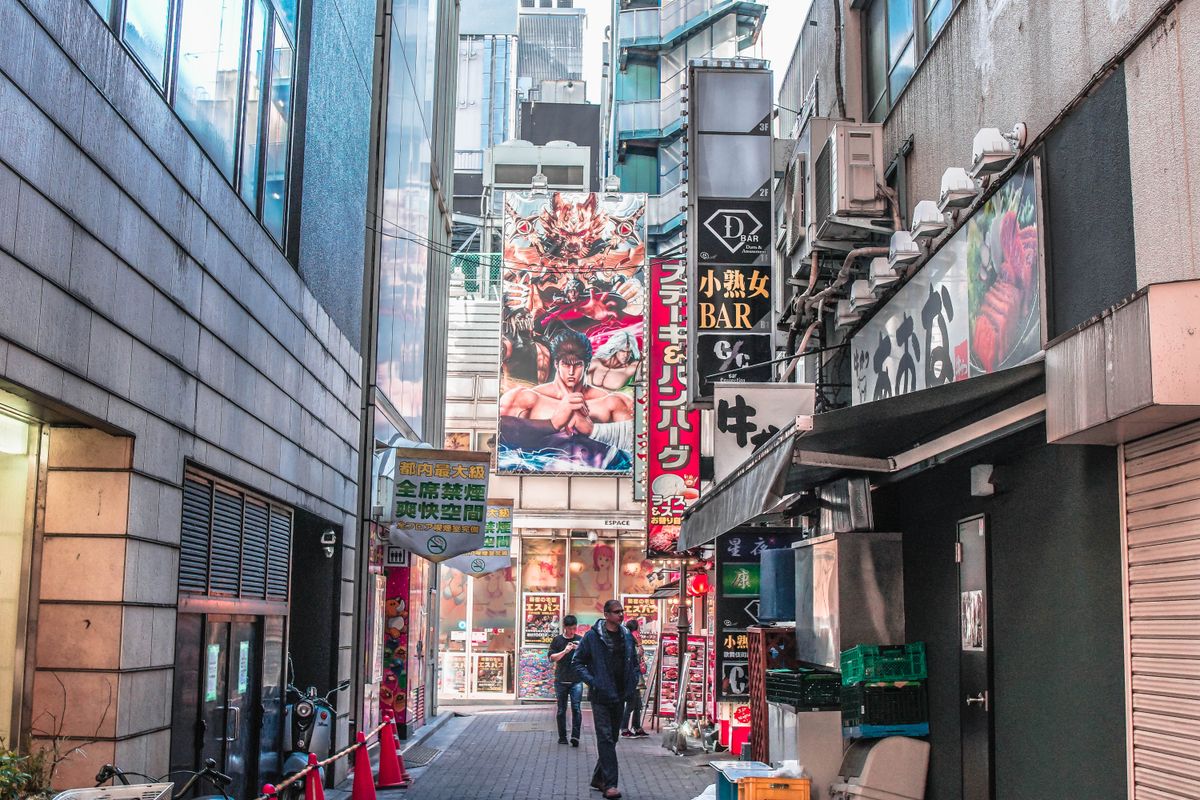
Omoide Yokochō (Memory Lane) — tiny yakitori stalls crammed under plastic awnings, unchanged since the post-war period — is best at night but atmospheric at midday too. The Kabukicho entertainment district's neon streetscape is perfectly safe by day and visually the most intense in Tokyo.
Golden Gai — approximately 200 tiny bars across six narrow alleyways, each seating five to ten people, each independently themed — is the most distinctive bar district in the world. The Metropolitan Government Building's free observation floors (open until 10:30 PM) provide the finest free panoramic view in Tokyo, Mount Fuji visible on clear winter days, at zero cost versus paid observation decks elsewhere.
Dinner: tonkatsu in Shinjuku, or Korean food in the Shin-Ōkubo Koreatown ten minutes away. Then return to Golden Gai for the evening's centerpiece: a slow progression through two or three bars over three to four hours, budget ¥3,000–¥6,000 for drinks and cover charges.
Day Four: Tsukiji, Ginza, Akihabara, and the Imperial Palace
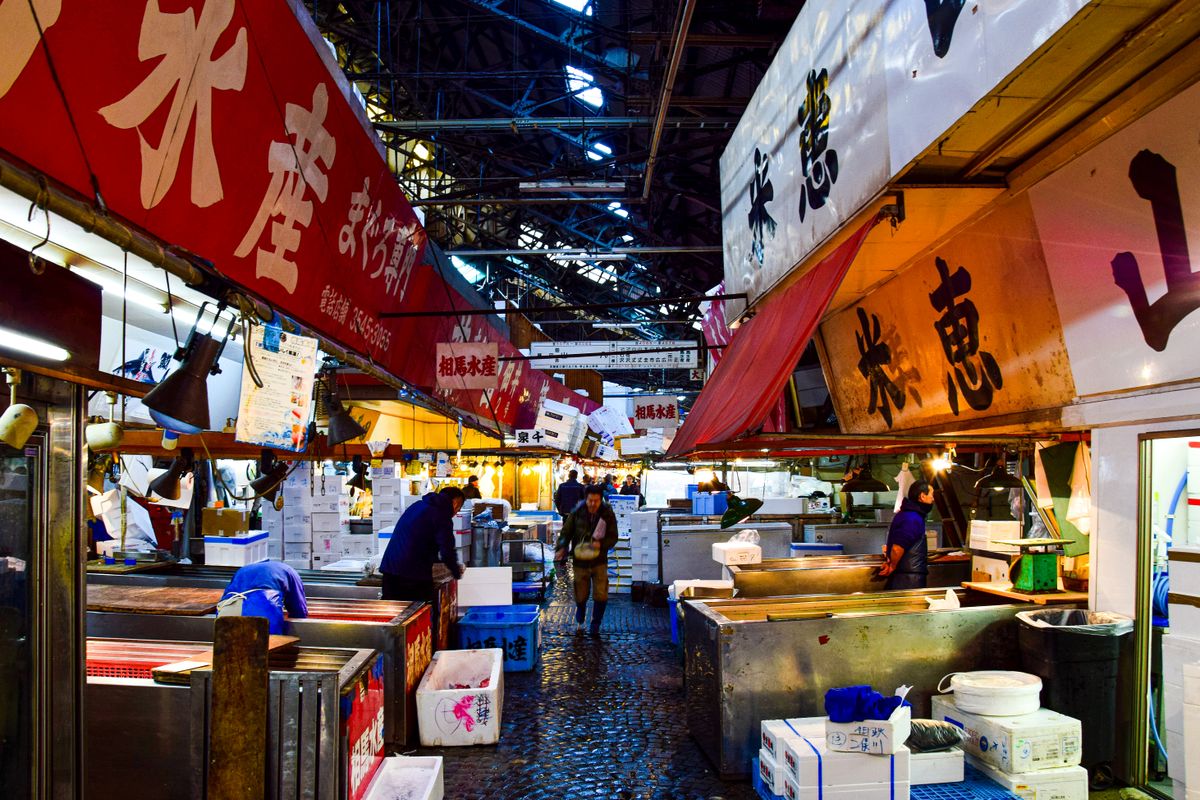
Arrive at the Tsukiji Outer Market between 5:30 and 7 AM — fishmongers arranging catch, tamagoyaki vendors, oyster stalls shucking to order. A chirashi don at a six-seat counter restaurant (¥1,500–¥2,500) is one of Tokyo's finest meals at any price.
Walk to Hamarikyu Onshi Teien, an Edo-period garden on the Sumida waterfront with tidal ponds that rise and fall with the river tides, then board the Sumida River Ferry (¥1,040, IC card accepted) for a 40-minute journey to Asakusa, the skyline shifting from Shiodome's glass towers to the older fabric near the Skytree.
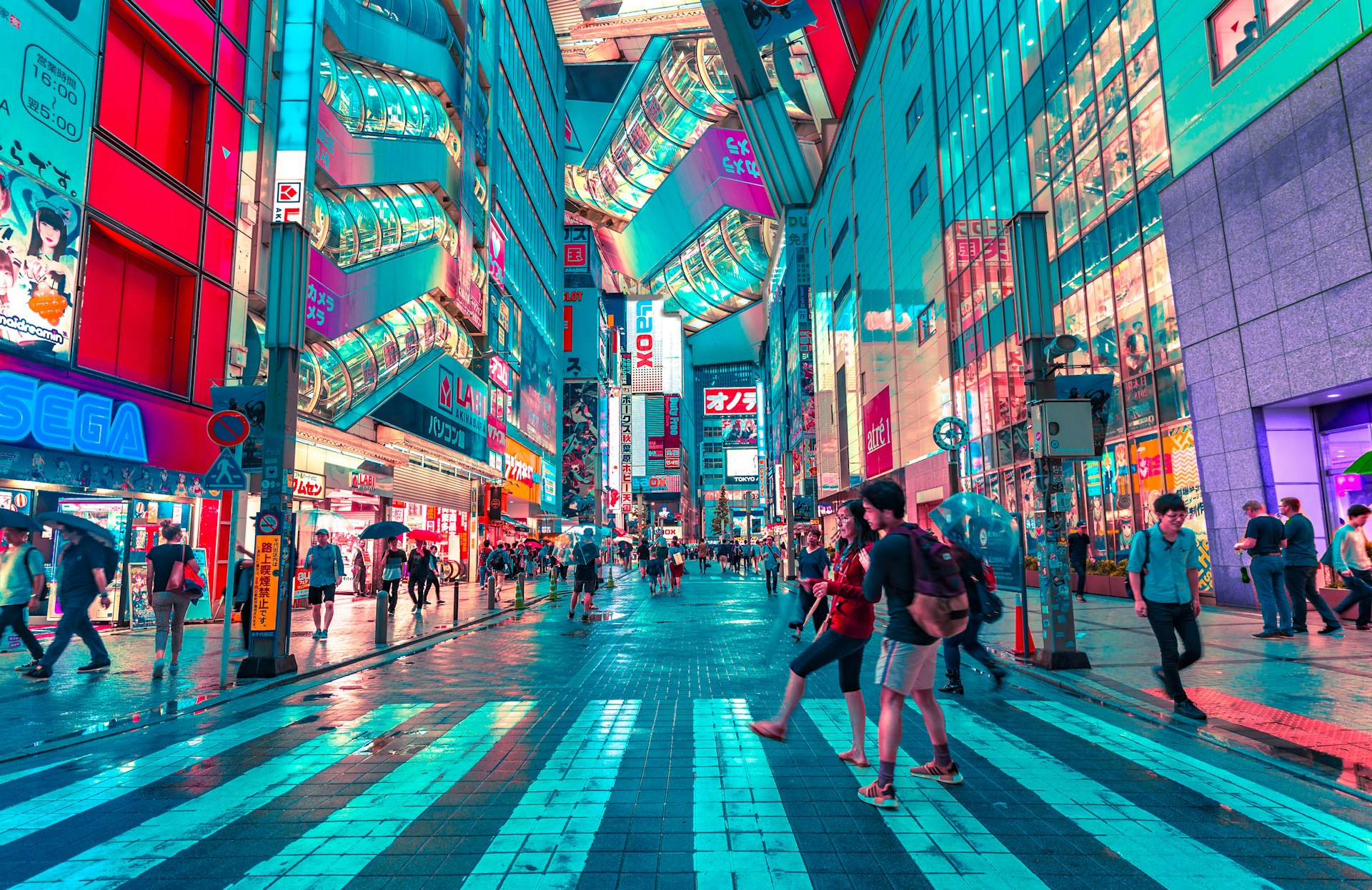
Akihabara — the global center of anime, manga, and gaming culture — rewards two hours of exploration regardless of personal interest in its subject matter. Ginza, its opposite in every respect, houses flagship architecture (the Hermès building by Renzo Piano) and Japan's most rarefied restaurants; on weekend afternoons the main Chūō-dōri closes to cars entirely.
Evening: the designated serious dinner. Omakase sushi (¥15,000–¥50,000 per person, booking essential via Tableall or Omakase.app), yakitori at Yurakuchō's atmospheric alley under the train tracks (¥3,000–¥6,000), or quality kaiten-zushi conveyor-belt sushi (¥2,000–¥4,000) — not a compromise but a genuine and enjoyable Tokyo food experience.
Day Five: Odaiba, teamLab, and a Proper Tokyo Farewell
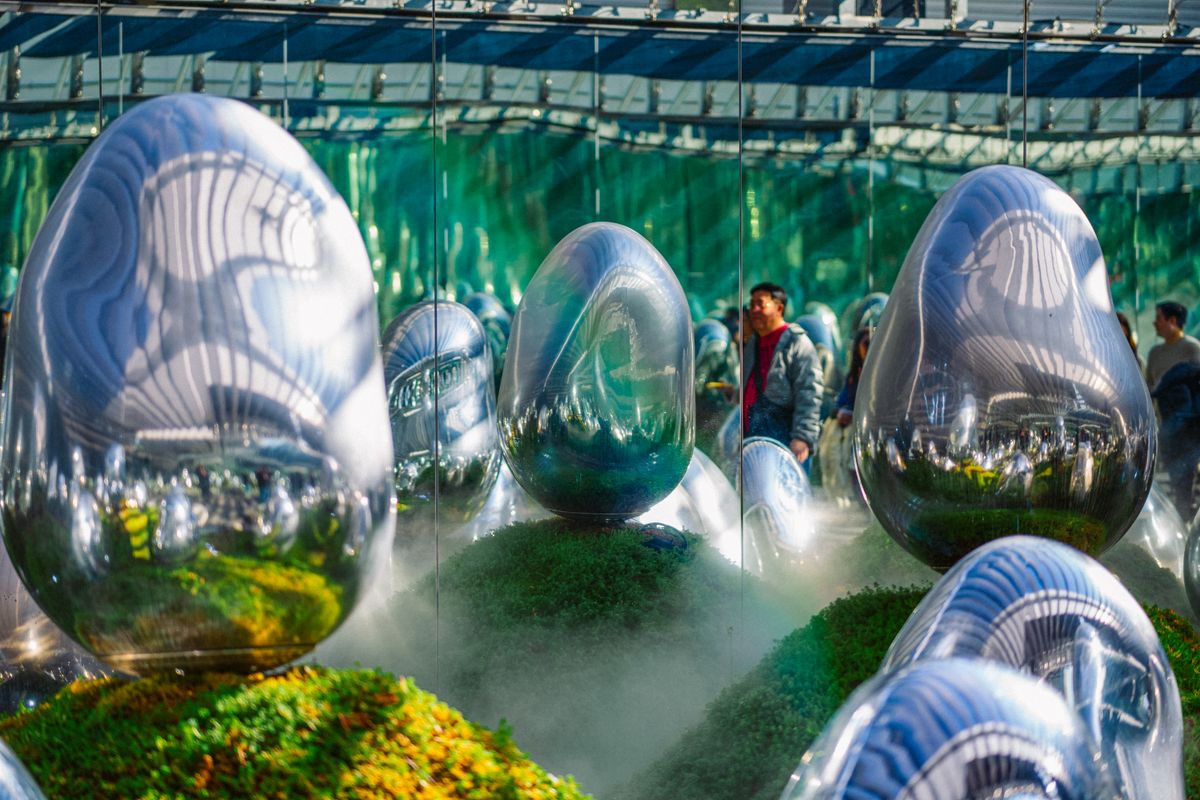
TeamLab Planets in Toyosu (book at planets.teamlab.art, ~¥3,200) is the smaller, more emotionally powerful of Tokyo's two major digital-art installations — four immersive works including a crystal universe room and a garden of flowers that bloom and die in response to visitors' presence, entered barefoot through shallow water. TeamLab Borderless at Azabudai Hills (~¥3,800) is larger and more labyrinthine. Both sell out regularly; book well ahead.
Take the automated Yurikamome monorail across the Rainbow Bridge to Odaiba, the artificial bay island with the best skyline views in Tokyo. The Odaiba Seaside Park looks across the bay to the Rainbow Bridge and, on clear days, Mount Fuji; the 18-meter Unicorn Gundam statue outside DiverCity Tokyo Plaza transforms with lights and music at scheduled times.
The late afternoon should be unscheduled — return to whichever neighborhood most captured you, or explore Koenji's vintage-clothing and independent-music scene. The final dinner should be simple: Tokyo-style shōyu ramen, a clear chicken-and-dashi broth with chashu pork, soft egg, and menma, found by following the queue outside any respected shop.
After dinner, find a high point — the Shinjuku Government Building's free deck, the Bunkyo Civic Center's free observation room, or the Rainbow Bridge walkway near Odaiba — and look at the entirety of the largest urban area in the world laid out below. The grief of leaving is not the grief of having seen everything; it is the grief of having seen enough to know what you have seen is only the beginning.
Five Days in Tokyo: Practical Summary
Essential advance bookings: teamLab Planets or Borderless, Shibuya Sky, any omakase dinner (weeks ahead), Shinjuku Gyoen on busy weekends.
The Suica card: buy immediately, load ¥5,000, top up at any station. Use for trains, convenience stores, and many restaurants.
Convenience stores (7-Eleven, FamilyMart, Lawson) serve excellent onigiri, hot foods, and coffee 24 hours — a genuine food experience, not a compromise.
The counter seat (カウンター) is the finest dining position in Tokyo at any restaurant type — always choose it if available.
Cash: Japan remains substantially cash-based outside major chains. Carry ¥10,000–¥20,000; 7-Eleven ATMs accept international cards 24 hours.
The most important advice: get lost. Tokyo's neighborhoods are navigable enough that getting lost means finding something extraordinary, not getting stranded. The best moments are unplanned. The only requirement is attention.