Asia · Destination Guide
Tokyo
Twenty cities wearing one name — the world's greatest urban experience
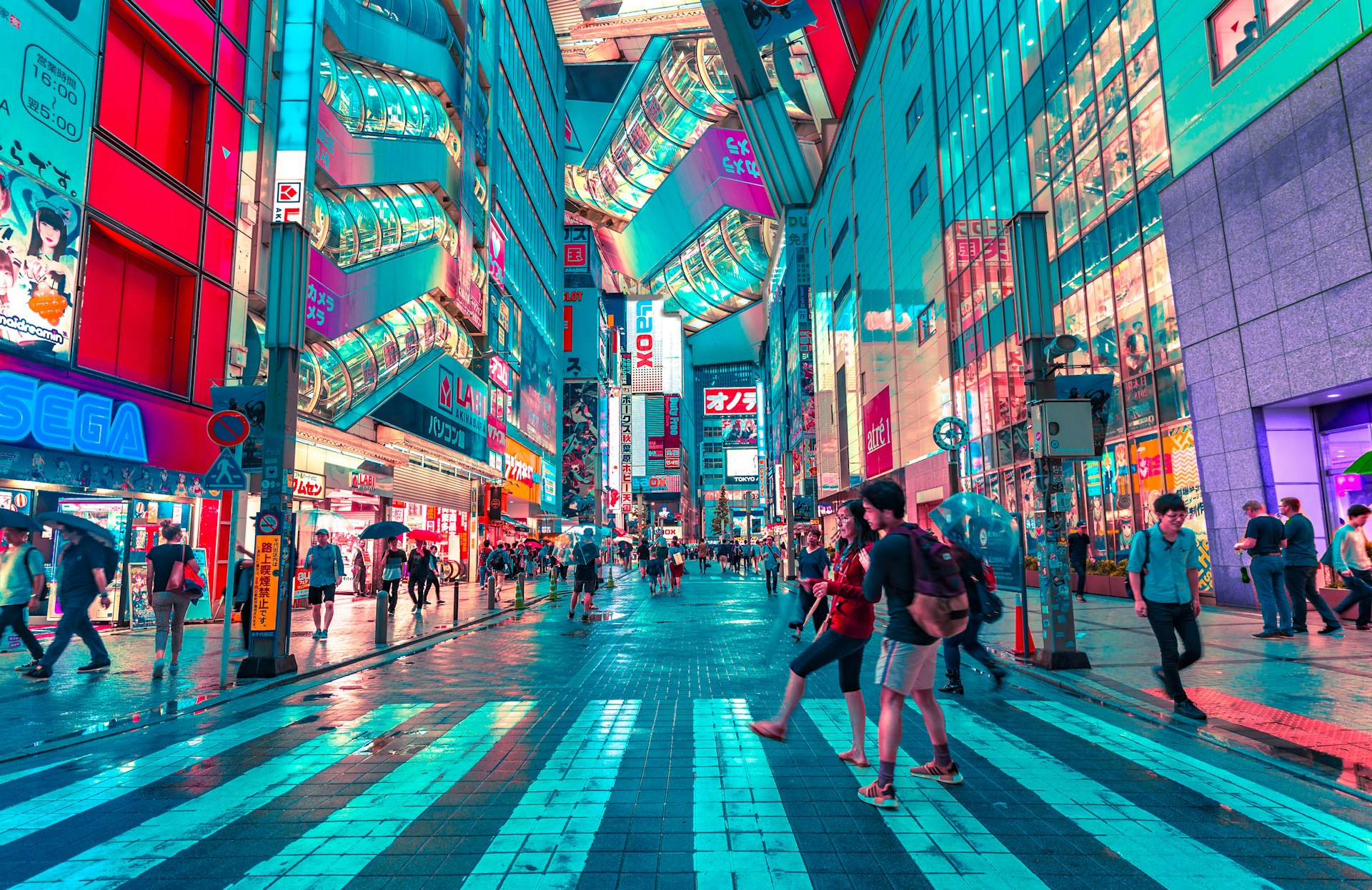
Tokyo is the largest city in human history and somehow also the most polite, the cleanest, and the easiest to navigate. Thirty-seven million people, and the overwhelming feeling is not chaos but competence — trains to the second, alleys safe at 3am, and detail lavished on everything from a ¥300 coffee to a centuries-old knife shop.
The trick is to treat it as what it is: twenty cities wearing one name. Shibuya and Shinjuku for the electric spectacle, Asakusa and Yanaka for the old town, Ginza for polish, Shimokitazawa for the thrift-and-vinyl version. One neighbourhood per day, and always dinner where the menu is handwritten.
Thirty-seven million people, and the overwhelming feeling is not chaos but competence.
Don't Miss
The Unmissables
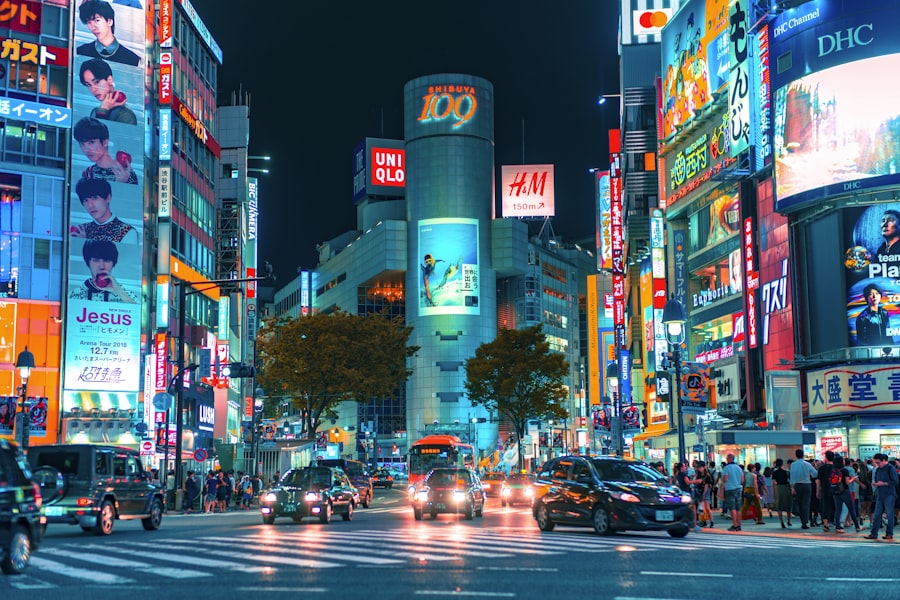
Shibuya Crossing & the electric heart
Up to 3,000 people per light change, best watched from above with a coffee, then joined at street level — you'll cross it five times without needing to. Shibuya Sky at sunset is the current king of Tokyo viewpoints; book the slot days ahead.
Senso-ji at dawn
Tokyo's oldest temple, two hours before the rickshaws: incense drifting through the great gate, Nakamise's shutters painted with edo scenes, elderly locals on their morning circuit. By 10am it's a festival; at 7 it's a meditation.
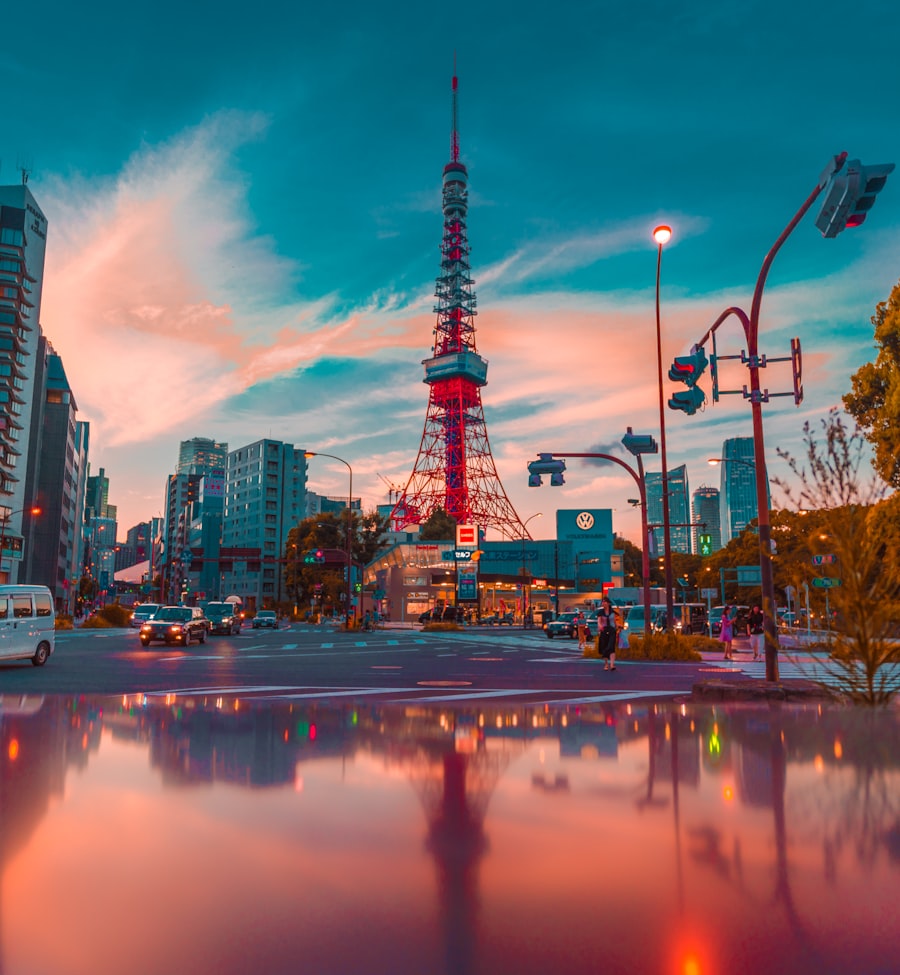
Tokyo Tower & the retro city
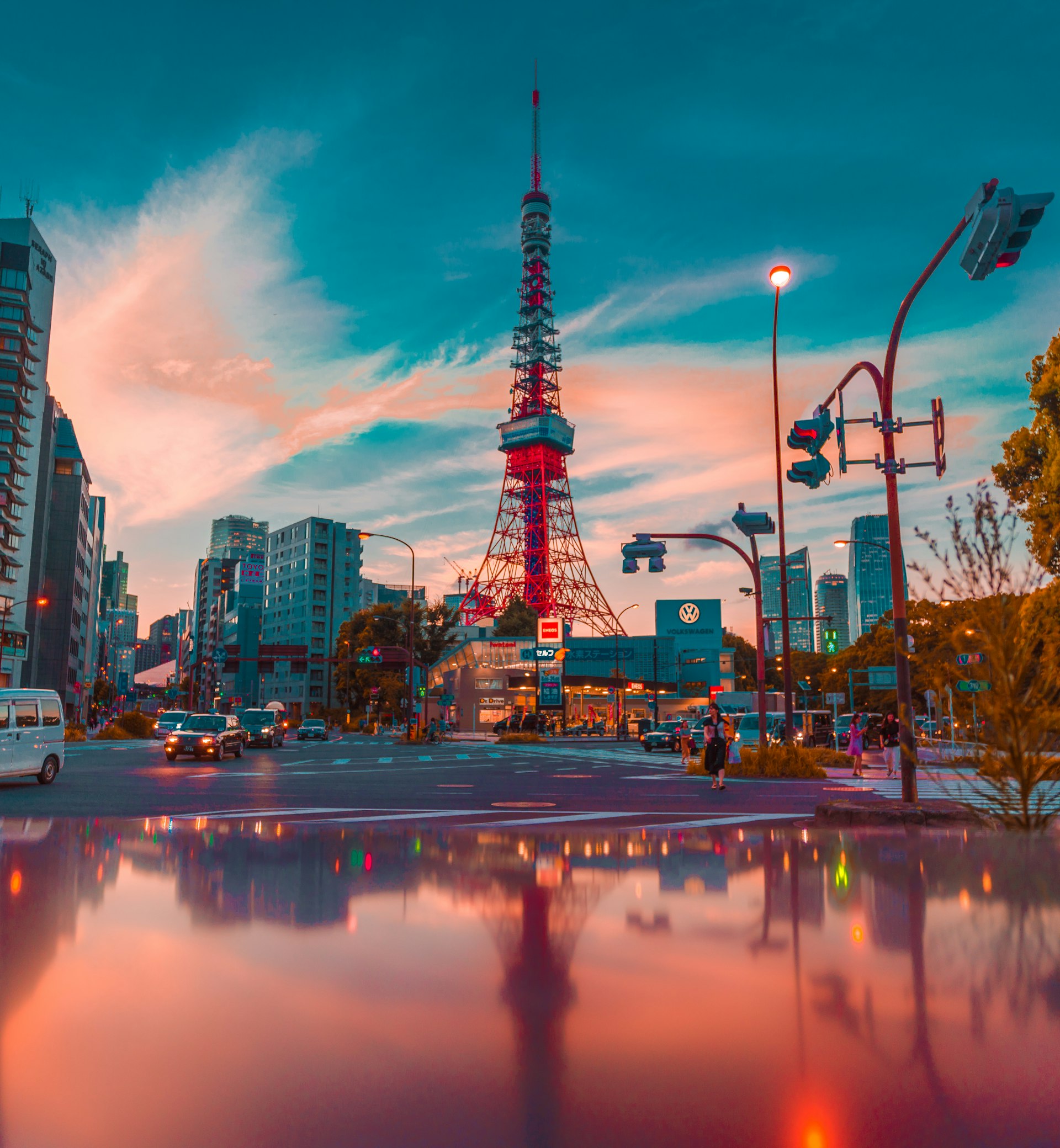
The 1958 orange-and-white icon is the sentimental heart the Skytree can't replace — best from the surrounding streets at dusk when it lights up over the low rooflines. Pair with nearby Zojoji temple for the classic old-meets-new frame.
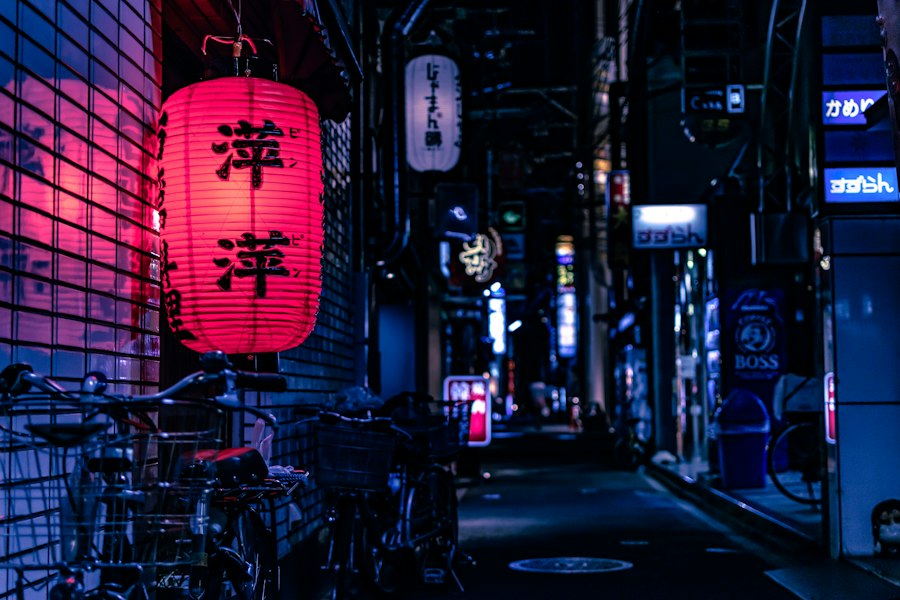
Yokocho nights
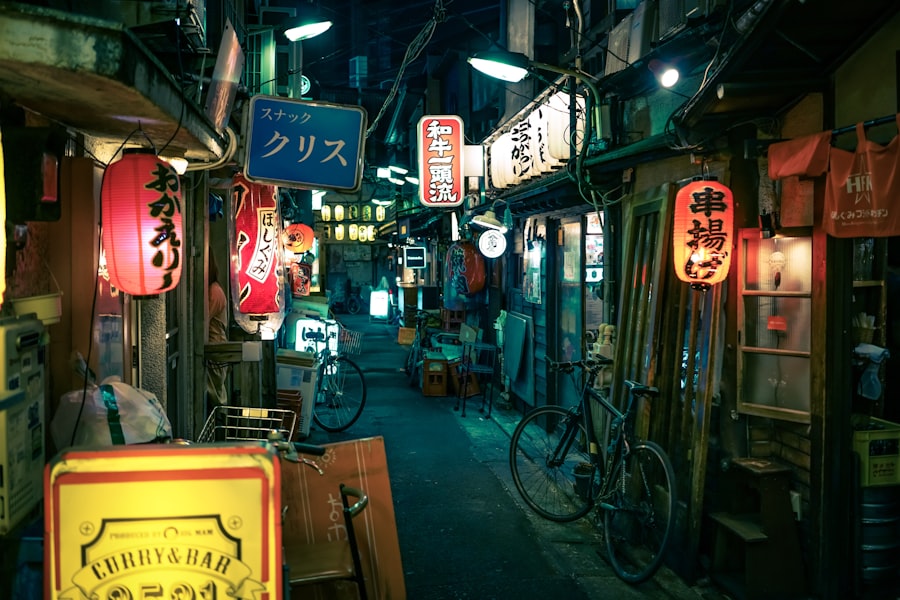
The lantern-lit alley bars — Omoide Yokocho's yakitori smoke, Golden Gai's six-seat philosophical dives, Ebisu's standing izakaya — are Tokyo's social genius: the megacity compressed to rooms where strangers become dinner companions.
Timing Is Everything
When to Go
Sakura
Ueno, Meguro river, Shinjuku Gyoen under the blossoms. Book everything early; worth it anyway.
Autumn
Crisp blue days, ginkgo avenues going gold, Fuji visible from the observation decks.
Winter
Cold, dry and clear — illuminations, steaming ramen weather, New Year shrine visits.
Summer
Rainy season then sauna humidity — but festival yukata, fireworks over the Sumida, and shaved ice.
The Route
The Perfect Tokyo Itinerary
Shibuya & Harajuku
Meiji Shrine at 8, Takeshita and Cat Street, the Crossing, Shibuya Sky sunset, Nonbei Yokocho.
Asakusa & the east
Senso-ji at dawn, Sumida river walk, Kappabashi kitchen town, Yanaka's temple lanes at dusk.
Shinjuku
Government Building free deck, Gyoen gardens, department-store food halls, Golden Gai late.
Tsukiji & the bay
Outer-market breakfast, Ginza's polish, teamLab Planets, Tokyo Tower at dusk.
The day trip
Kamakura's Great Buddha and coastal calm — or Nikko's baroque shrines in the mountains.
Plan Your Spend
What Tokyo Costs
Backpacker
Capsules and hostels, konbini breakfasts (genuinely great), standing soba, metro day passes.
Mid-range
Business hotels in Shinjuku or Ueno, izakaya dinners, teamLab and Sky tickets, one sushi splurge.
Luxury
Aman Tokyo, three-star omakase counters, private cultural guides, Park Hyatt bar for the film scene.
Estimates per person, excluding international flights. Book stays via our partners to support free guides like this one.
Get the Tokyo Insider Brief
New guides, hidden spots and trip deals — weekly, free, unsubscribe anytime.