Three days in Istanbul is not enough. Istanbul is unique in the literal sense: the only city sitting on two continents, straddling the Bosphorus that divides Europe from Asia — Greek colony, Roman capital, Byzantine seat of empire for over a millennium, Ottoman imperial center for six centuries more, all still physically present, layered in the most concentrated architectural palimpsest in human history.
Three days in Istanbul is an introduction to one of the world's great cities, a provocation to return, and one of the most extraordinary seventy-two hours available to any traveler on the planet.
Before You Arrive: Essential Istanbul Practicalities
Istanbul Airport (IST), the main international hub on the European side, connects via Metro (M11) to Gayrettepe in ~40 minutes, or the Havaist bus to Taksim (45–60 minutes, ~100 TL). Sabiha Gökçen (SAW) on the Asian side connects via Havabus to Taksim (60–90 minutes).
Buy an Istanbulkart immediately — the rechargeable card covering metro, tram, bus, ferry, and funicular. The historic tram line T1, running from Kabataş through Karaköy, across the Galata Bridge, and along the historic peninsula, connects virtually every major monument on the European side.
Istanbul is generally safe for normal urban awareness; pickpocketing concentrates in the Grand Bazaar, Eminönü, and the T1 tram. The historic peninsula, Beyoğlu, Karaköy, and Kadıköy on the Asian side are all well-regarded.
Day One: The Ottoman Empire's Greatest Stage
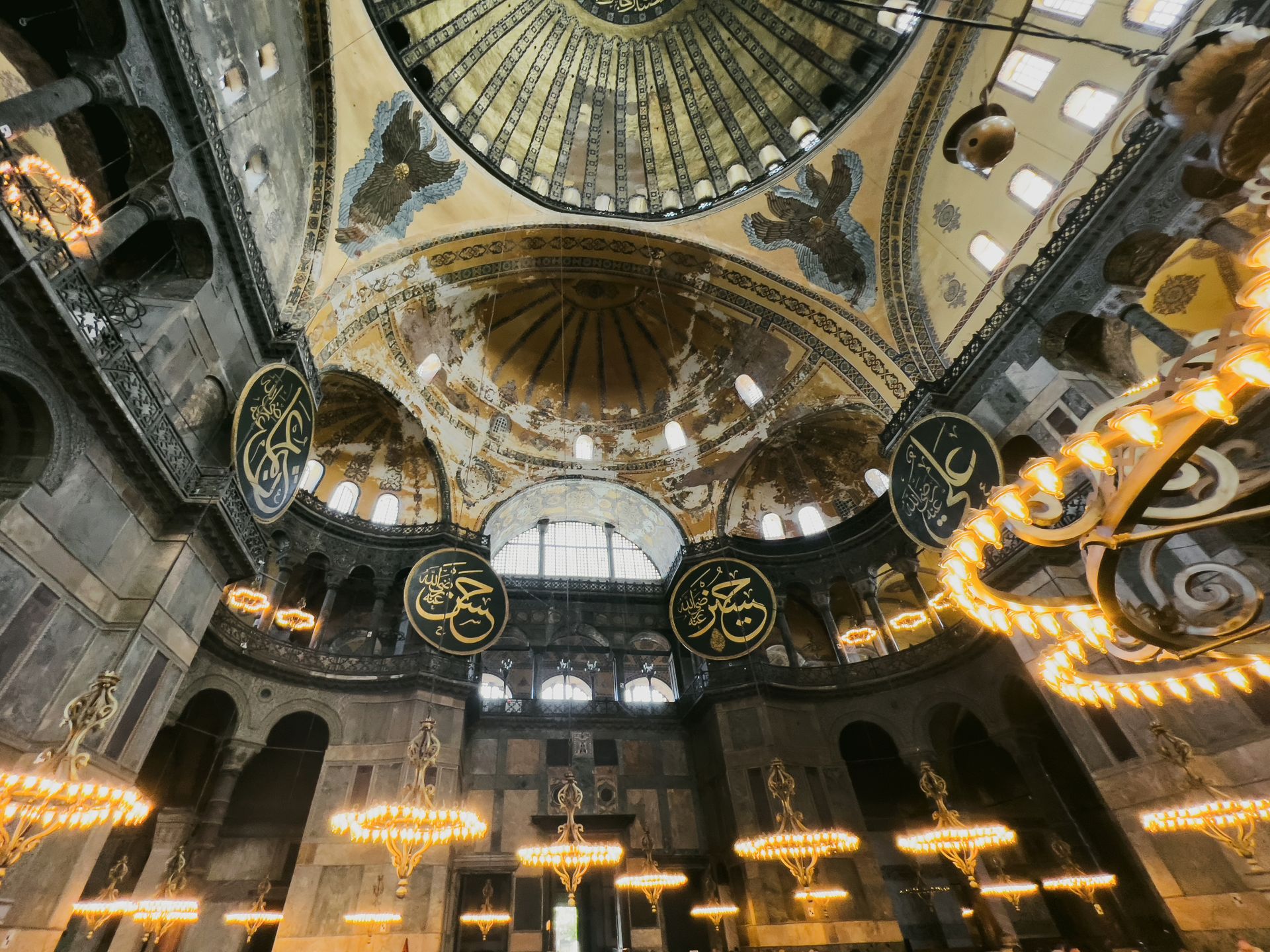
Hagia Sophia opens at 9 AM; the difference between 9 and 11 is the difference between awe and endurance. Completed in 537 AD by Justinian, its 31-meter dome seemingly floats on a ring of forty windows in a way 6th-century observers described as miraculous. Cathedral for 916 years, mosque from 1453, museum from 1934, functioning mosque again since 2020 — each transition still legible in its layered interior. Dress modestly, remove shoes, and if you arrive early, stand in the nave in silence for fifteen minutes. Entry is free; book the gallery-level timed entry online.
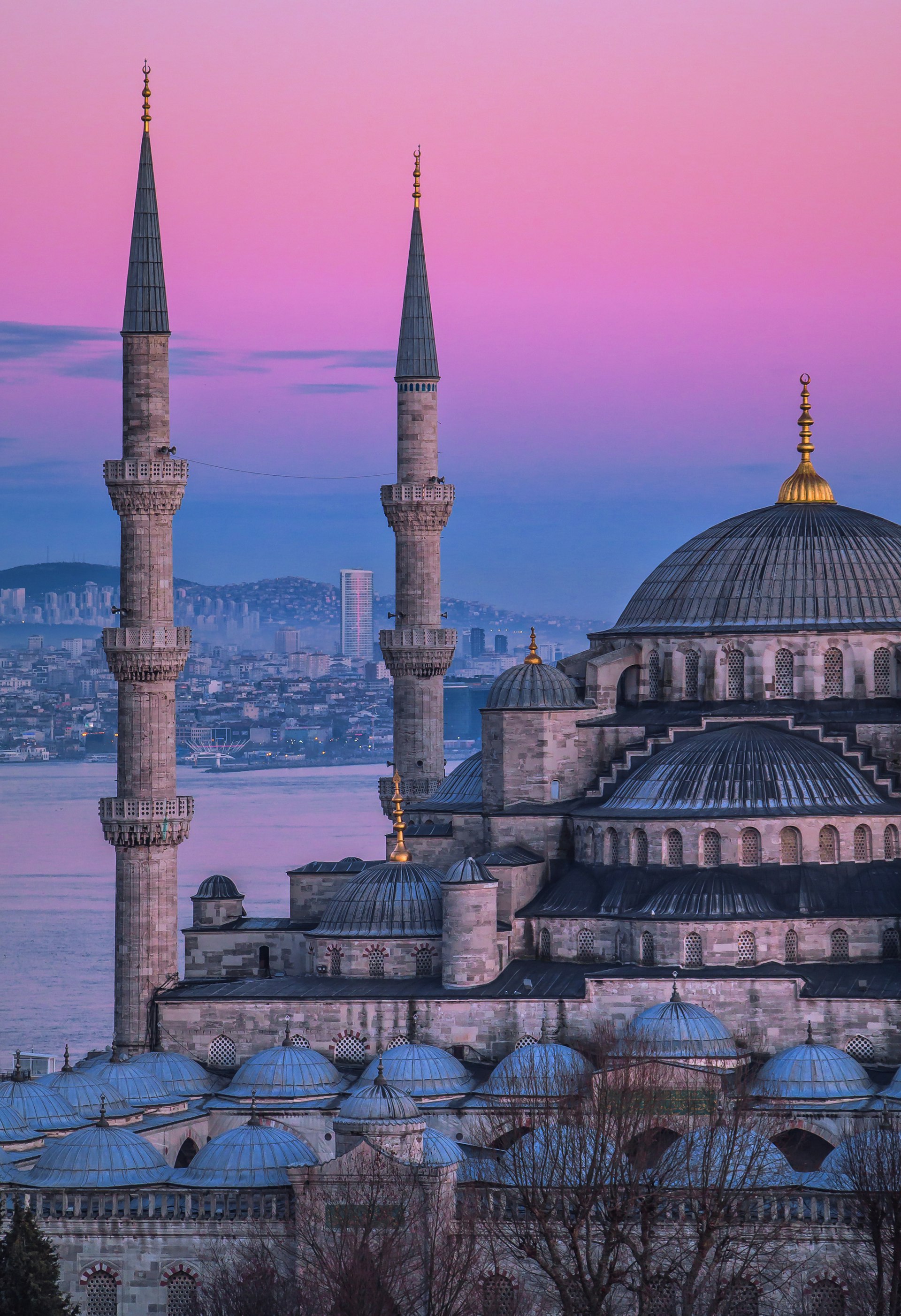
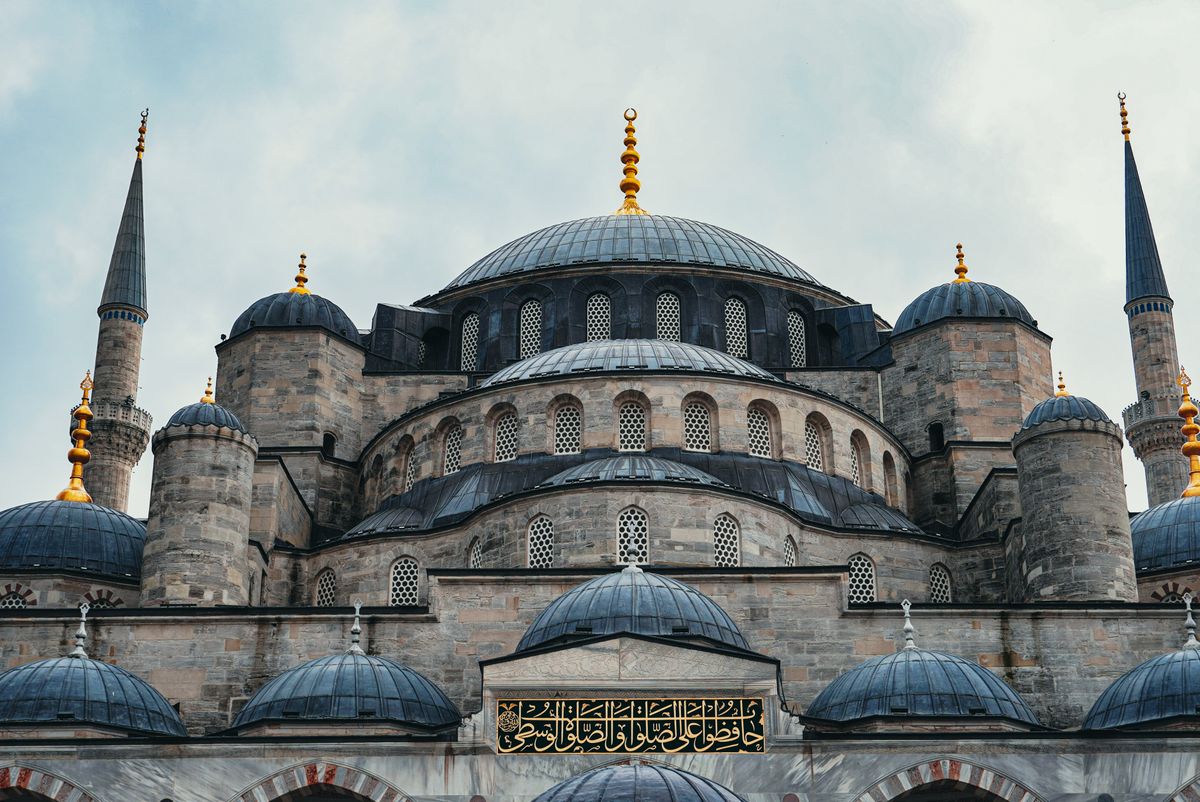
The Sultan Ahmed (Blue) Mosque sits opposite across Sultanahmet park, its six minarets — controversial in 1616, as no mosque outside Mecca previously had six — creating Istanbul's most recognizable skyline. The interior's 20,000 hand-painted İznik tiles are most moving when the mosque is actively in use; visit between posted prayer times. The Hippodrome nearby holds the Egyptian Obelisk of Thutmose III, the Serpentine Column from Delphi (479 BC), and the Column of Constantine — 2,500 years of history standing casually in an open square.
Lunch at a Sultanahmet lokanta five minutes off the main tourist strip — mercimek çorbası, slow-cooked lamb güveç, ayran, ~150–250 TL.
Topkapi Palace — the Ottoman administrative and residential center for nearly 400 years, spread over 700,000 square meters — divides into four courts of increasing exclusivity. The Third Court's Treasury holds the 86-carat Spoonmaker's Diamond; the Harem (separate ticket) contains Mimar Sinan's suite for Suleiman the Magnificent. Buy the Museum Pass Istanbul (~€30, 5 days) beforehand; allow three to five hours.
The Basilica Cistern, five minutes away — 336 marble columns beneath vaulted brick ceilings, built by Justinian in the 6th century, holding 80,000 cubic meters — is theatrically lit, with two columns resting on inverted Medusa heads of unknown provenance.
Evening: cross the Galata Bridge on foot at sunset, past fishermen lining both decks, stopping for midye dolma (stuffed mussels, 10–15 TL each) from street carts. Dinner in Karaköy — Lokanta Maya, Karaköy Lokantası, or a Galata meyhane — introduces rakı, the anise spirit mixed with water until it turns milky white.
Day Two: Beyoğlu, the Grand Bazaar, and the Bosphorus at Dusk
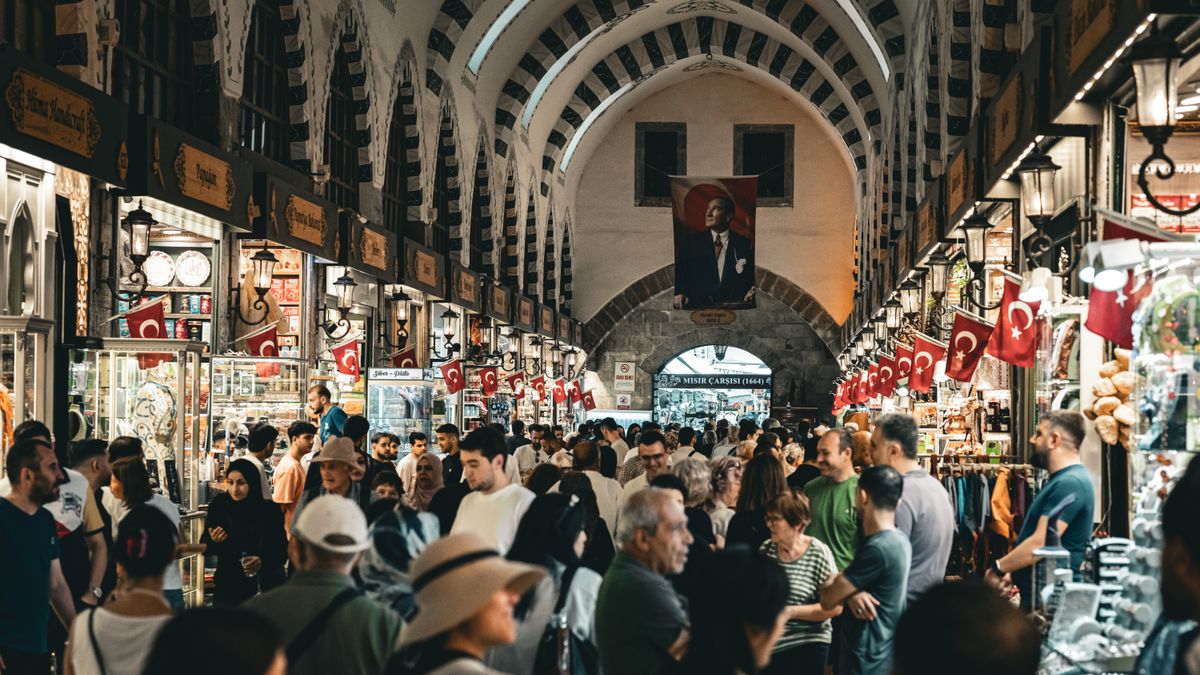
The Kapalıçarşı (Grand Bazaar) — 4,000 shops, 61 covered streets, continuously operating since 1455 — is best at opening (9 AM weekday), when shopkeepers arrange goods and the market has an unhurried, domestic quality. Walk without an agenda for the first thirty minutes into the deeper covered streets. Bargaining is standard: start at 50–60% of the asking price. The best purchases are hand-woven kilims, genuine Ottoman-era silver, and hand-painted İznik tiles from a specialist who can explain the process.
Ten minutes away, the Egyptian Spice Bazaar (built 1664) is smaller and more sensory — cumin, sumac, dried rose petals, and cinnamon filling the arcade end to end. Eat a balık ekmek — grilled mackerel in a crusty roll — from the famous boats moored at the Eminönü quay (80–100 TL).
Cross the Galata Bridge and climb to the Galata Tower (1348) for a 360-degree panorama (~220 TL, book online). Walk up İstiklal Caddesi, the 1.4 km pedestrianized spine of Beyoğlu, its vintage red tram one of the city's most photographed images — but the real Beyoğlu is in the side streets: the hans, the passages lined with meyhanes and second-hand bookshops, and Cihangir, the bohemian neighborhood of writers and artists.
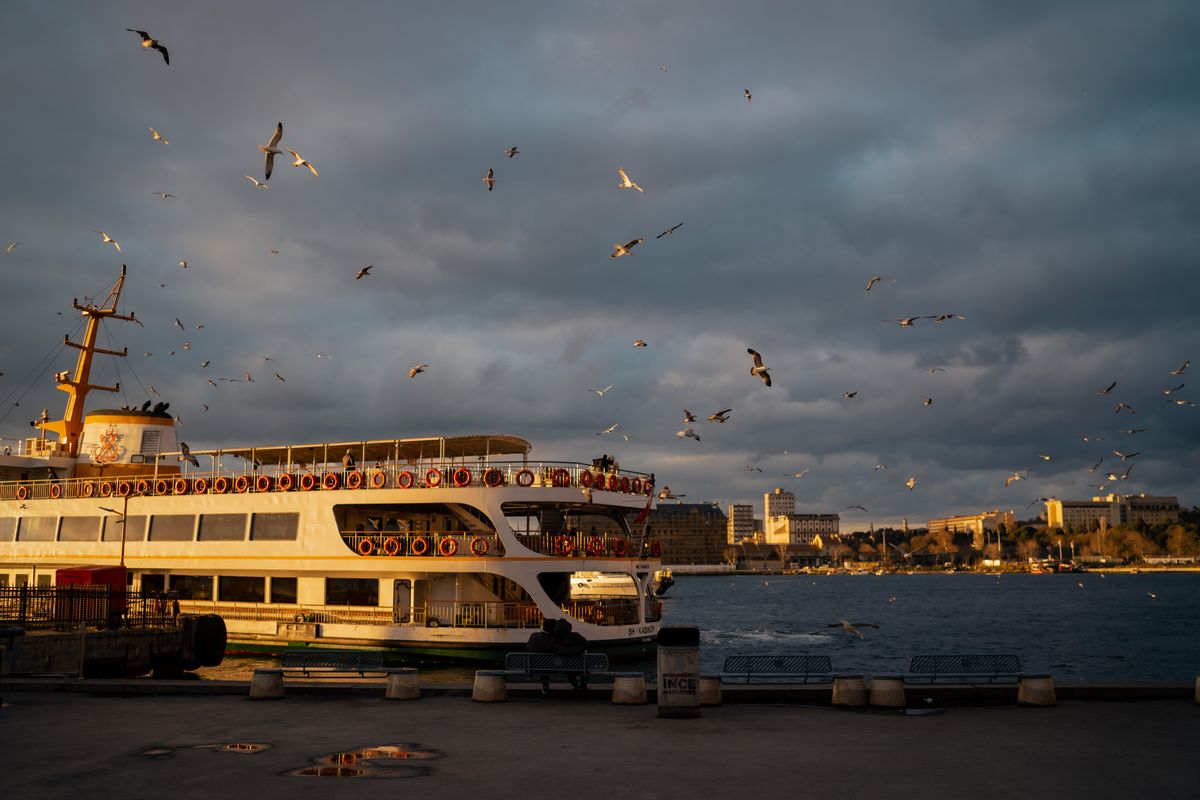
At 5 PM, board a public Şehir Hatları ferry from Kabataş or Beşiktaş to Kadıköy on the Asian shore (~25 minutes, Istanbulkart accepted). Stand on the open deck and watch minarets, palaces, tankers, and the occasional dolphin pass — the essential Istanbul experience, at the price of a transit fare.
Dinner in Kadıköy — Istanbul's finest food neighborhood, entirely removed from the tourist economy — should be a full meyhane meal: cold meze, warm meze, grilled fish, rakı throughout, no regard for the hour. Return by ferry (running until midnight), city lights on the water and minarets silhouetted above.
Day Three: Ottoman Architecture, Neighborhood Wandering, and a Final Feast
The Süleymaniye Mosque, built by Mimar Sinan for Suleiman the Magnificent (1550–1557), is considered by many architects the finest building in Istanbul — its four massive columns and perfect proportions most affecting in early morning light through 138 windows. Free entry; same dress code as the Blue Mosque. Descend through the historic bazaar quarter's book market, Sahaflar Çarşısı, operating since Byzantine times.
Breakfast: Istanbul's kahvaltı spread — white cheese, kaşar, clotted cream, olives, sucuk, eggs to order, çay in tulip glasses — at a Vefa or Zeyrek lokanta (150–250 TL), substantially cheaper and more authentic than Sultanahmet's tourist breakfast restaurants.
Balat and Fener, adjacent Golden Horn waterfront neighborhoods, are the most historically layered walk in the city — Balat's colorful wooden houses and the Ahrida Synagogue (the oldest in Istanbul), Fener's Greek Orthodox Patriarchate. The Chora Church (Kariye Camii) holds the finest 14th-century Byzantine mosaic cycle in Istanbul, arguably the most beautiful anywhere (book at muze.gen.tr).
Lunch: pide, the Turkish flatbread boat baked in a wood-fired oven, at a Fatih or Fener salon (150–200 TL). Afternoon: Çukurcuma's antique shops and design galleries (Orhan Pamuk's Museum of Innocence is here), then Cihangir's cafés for a slow window-table çay.
Sunset: Mikla Restaurant's rooftop bar in Beyoğlu for a panorama over the historic peninsula and Bosphorus, or the more intimate Pierre Loti Café above Eyüp, reached by cable car, looking down the Golden Horn toward Sultanahmet's minarets.
Final evening: a meyhane on Nevizade Sokak in Beyoğlu — tarama, arnavut ciğeri, midye dolma, white beans, grilled levrek or çipura, rakı in the traditional two-glass system, no particular hurry. This is Istanbul at its most perfectly itself.
Three Days in Istanbul: Practical Summary
Booking in advance: Topkapi Harem, Chora Church/Kariye Camii, Hagia Sophia gallery level, Mikla Restaurant. The Istanbul Museum Pass (~€30) covers most paid monuments.
What to eat: simit every morning, balık ekmek at Eminönü, midye dolma from a waterfront cart, kahvaltı at a neighborhood lokanta, pide from a wood-fired fırın, a full meyhane feast with rakı.
Best neighborhoods beyond Sultanahmet: Karaköy and Galata, Balat and Fener, Kadıköy, Çukurcuma and Cihangir.
The single most important advice: take the ferry. Cross the Bosphorus on a public boat and watch the city from the water — this is how Istanbul has always been best understood.