Paris has a reputation problem — not with the city itself, which is magnificent, but with the version most first-time visitors experience: excessive queuing, overpriced terrasses on the tourist boulevards, the Mona Lisa glimpsed over seventeen rows of raised smartphones. This guide exists to help you avoid that version and find the real one.
The Paris you will remember most vividly is not the Louvre or the Eiffel Tower, but the unscheduled moments in between.
Before You Arrive: Essential Paris Practicalities
Charles de Gaulle (CDG), 25 km northeast, connects via the RER B train to the city center (Châtelet-Les Halles, Saint-Michel, Luxembourg) in ~35 minutes for ~€11.80 — the most practical option. Taxis charge a fixed €55–€62 depending on bank. Orly (ORY), 14 km south, connects via the Orlyval automated metro to RER B.
The Metro's 16 lines and 302 stations cover virtually every neighborhood. A Navigo Semaine weekly pass (~€30) gives unlimited Metro, RER zones 1–5, and bus travel — excellent value for four days. Walking between central Paris Metro stops is frequently faster than the Metro itself and always more rewarding.
Paris's 20 arrondissements spiral clockwise from the center: the 1st holds the Louvre, the 4th the Marais and Notre-Dame, the 5th the Latin Quarter, the 6th Saint-Germain-des-Prés, the 7th the Eiffel Tower, the 8th the Champs-Élysées, the 18th Montmartre. Book in advance: the Musée d'Orsay, Sainte-Chapelle, the Catacombs, and Palais Garnier tours all benefit enormously from pre-booked timed entry.
What to See — and What to Skip
See: Musée d'Orsay. The finest Impressionist collection in the world, in one of Europe's most beautiful museum buildings. Non-negotiable.
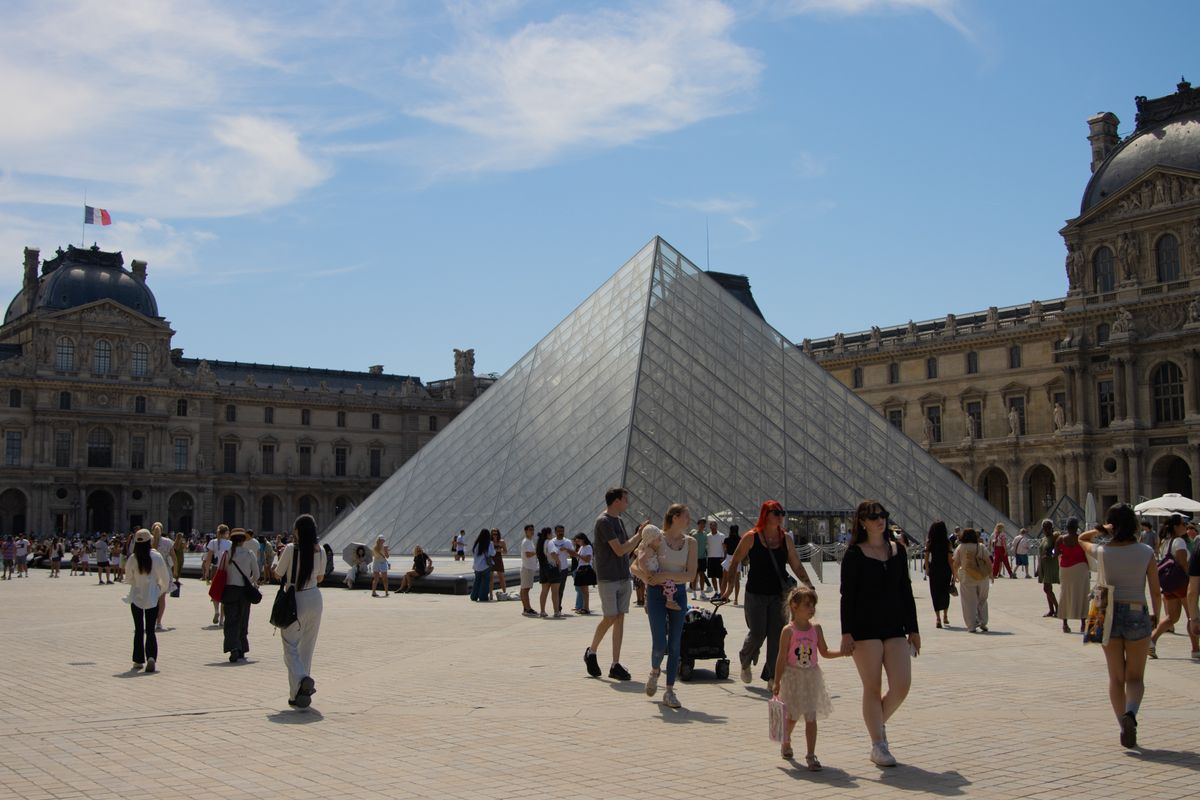
Skip: the Mona Lisa as a priority. Small, behind glass, 8 meters away, visible over roughly two hundred other people. See the Louvre's other, uncrowded galleries instead; walk past Room 711 if you wish, but don't plan your day around it.
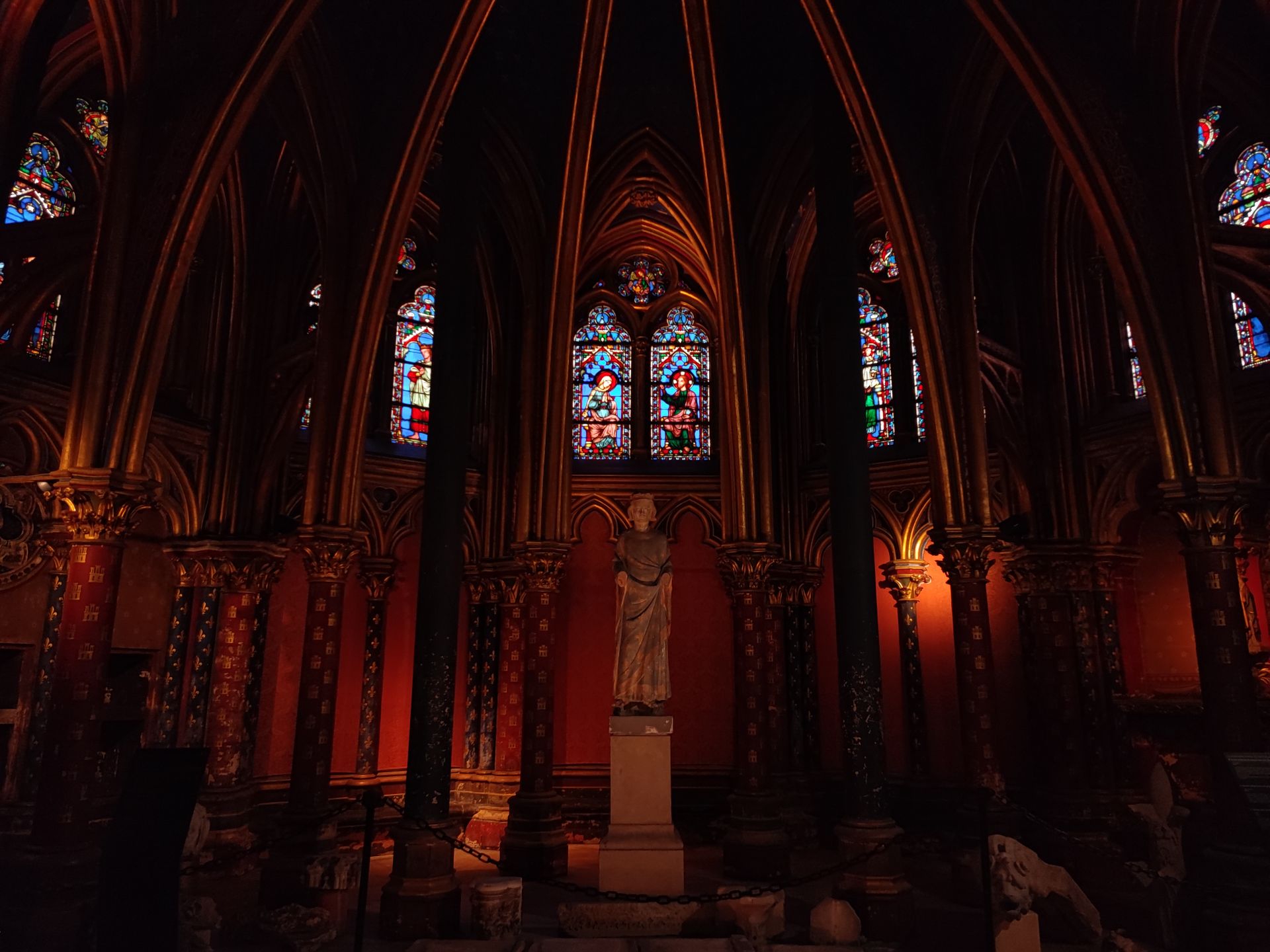
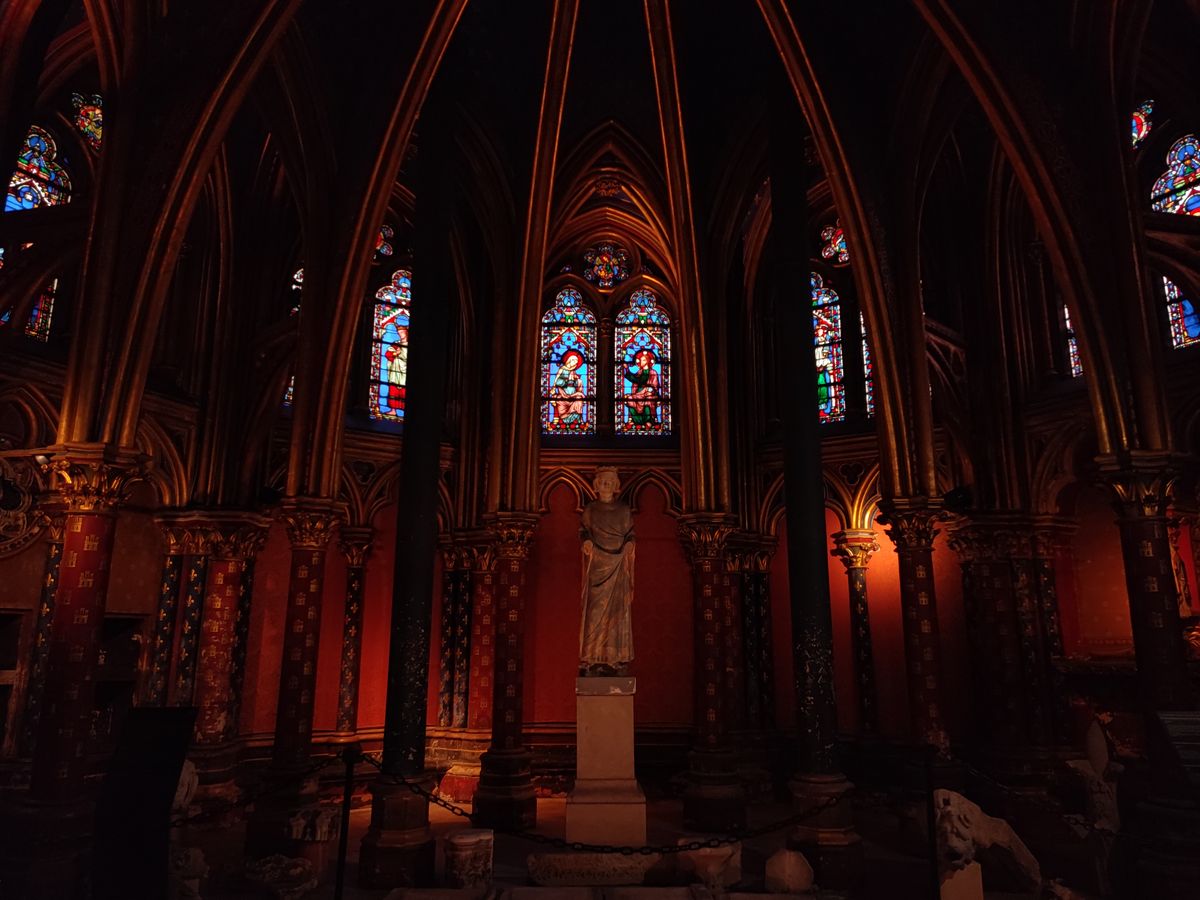
See: Sainte-Chapelle. The most beautiful Gothic interior in Paris, vastly undervisited relative to Notre-Dame. Pre-book and arrive at opening.
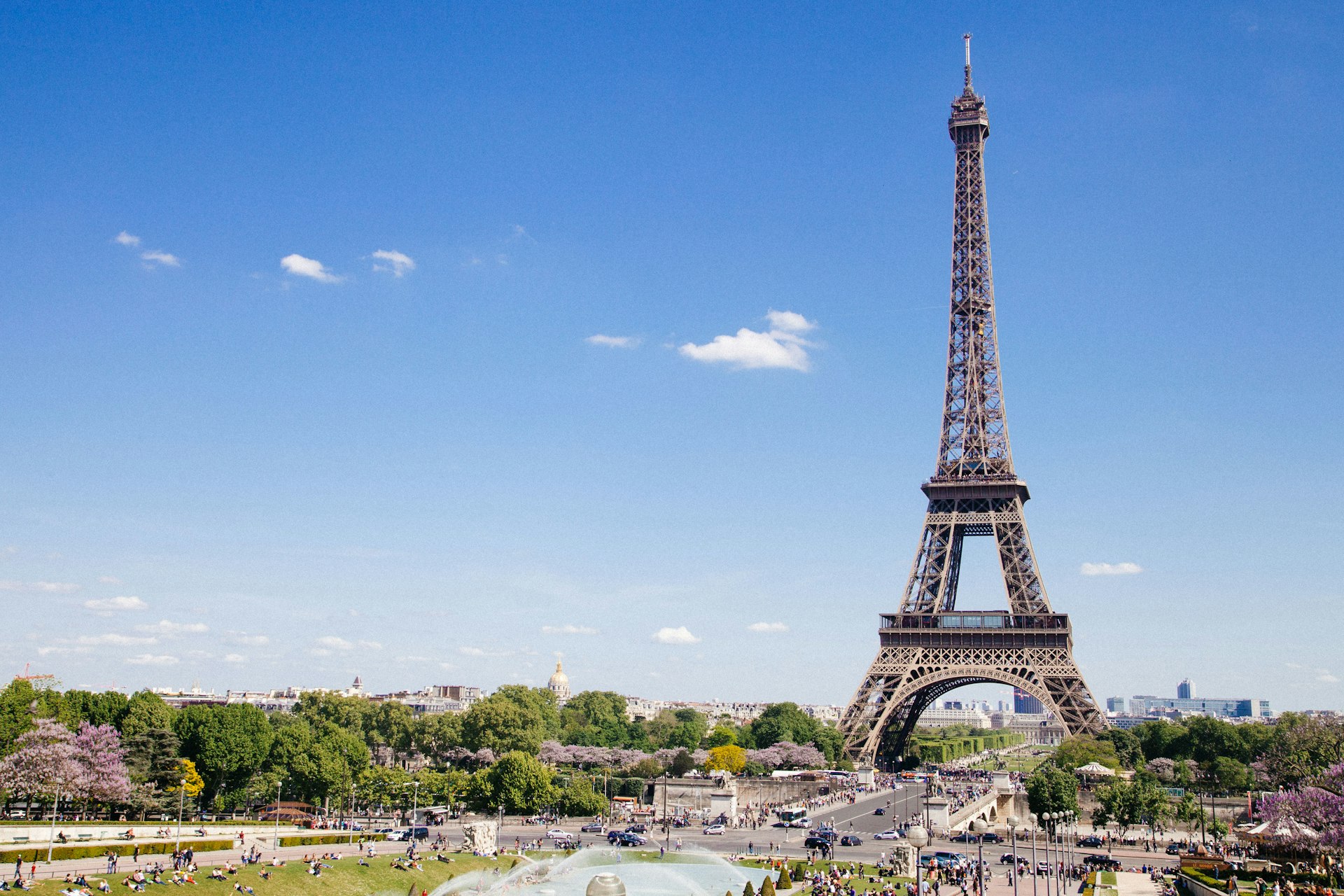
Skip: the Eiffel Tower's summit. The longest, most expensive queue in Paris. The second-floor view is proportionally superior and far less crowded; the view of the tower from Trocadéro is arguably more beautiful than the view from it.
See: the Louvre's lesser-known wings — the Richelieu Wing's Dutch and Flemish paintings, the Islamic Art department in its glass-and-gold courtyard — uncrowded and extraordinary.
Skip: the Champs-Élysées for shopping or dining — international chains and mediocre expensive restaurants. Shop and eat in Le Marais, Saint-Germain, or the 9th instead.
See: the covered passages — Galerie Vivienne, Passage des Panoramas, Passage Jouffroy — 19th-century glass-roofed arcades almost entirely overlooked by first-timers.
See: Père Lachaise Cemetery — not morbid, but one of the most beautiful open spaces in Paris, its wooded paths winding past Chopin, Proust, Oscar Wilde, Edith Piaf, and Jim Morrison.
Day One: The Left Bank, Sainte-Chapelle, and Notre-Dame
Pre-book a 9 AM Sainte-Chapelle entry. Louis IX's royal chapel, built 1242–1248 to house the Crown of Thorns, has upper-chapel walls consisting almost entirely of 1,113 stained-glass panels; when morning sun comes through from the east the chapel fills with a quality of colored light unlike anything else in Paris. The visit is complete in 45–60 minutes.
Walk to Notre-Dame de Paris, reopened December 2024 after the 2019 fire — the restored interior has a luminosity not seen in decades. Pre-book at notredamedeparis.fr; demand since reopening has been extraordinary.
Cross to the Left Bank into the Latin Quarter — the oldest streets in Paris, most rewarding before lunch crowds arrive. The Panthéon, housing Voltaire, Rousseau, Victor Hugo, and Marie Curie, is excellent and rarely crowded. Walk to the Jardin du Luxembourg — the Left Bank's finest park, its formal garden, toy-boat basin, and chess players making it one of the quintessential Paris experiences. Sit for twenty minutes and watch Parisians do what Parisians do in parks.
Lunch at a Saint-Germain bistro off the Boulevard Saint-Germain (Rue de Buci, Rue de l'Abbaye) — onion soup gratinée, entrecôte with béarnaise, crème brûlée, a carafe of Côtes du Rhône, €65 for two.
Afternoon: the Musée de Cluny's Lady and the Unicorn tapestries, one of the greatest medieval art cycles in existence, seen in relative calm (~90 minutes, ~€12). Cross to the Marais — its medieval and Renaissance street plan intact — and the Place des Vosges, the oldest planned square in Paris. Walk the Rue des Rosiers and the quiet Place du Marché Sainte-Catherine without an agenda.
Evening: buy wine from a Nicolas shop and sit on the quai below Pont de la Tournelle watching the light leave the Seine — the Paris apéritif, entirely free apart from the wine. Dinner in the Marais: Au Bourguignon du Marais for Burgundian cooking, or the Ashkenazi restaurants of Rue des Rosiers. Book ahead.
Day Two: The Louvre, Properly, and the Right Bank
Arrive at 9 AM and go immediately to the wings that are not the Italian Paintings — by 9:30 Room 711 fills, by 10 it's impenetrable. Instead: Vermeer's The Lacemaker in the Richelieu Wing's Dutch galleries (a dozen other visitors), the Venus de Milo in early light, the Islamic Art department's glass-and-gold courtyard. The Winged Victory of Samothrace at the top of the Daru staircase is best in the first minutes after opening; Delacroix's Liberty Leading the People and the Richelieu Wing's Napoleon III apartments are entirely overlooked by most visitors. Spend three hours and see almost nothing you planned to see — this is correct.
Lunch in the Galerie Vivienne, the most beautiful of the covered passages, at A Priori Thé (serving since 1980), then walk through Passage des Panoramas (opened 1800, the oldest in Paris) and Passage Jouffroy.
Afternoon: the Musée Picasso in the 17th-century Hôtel Salé, over 5,000 works from every period, significantly less crowded than its quality deserves (~€14, 90 minutes–2 hours). Walk north into the Canal Saint-Martin neighborhood for its iron footbridges and genuinely local, young-creative-Parisian energy.
Evening: the 9th arrondissement (Opéra/Pigalle) is currently Paris's most exciting restaurant neighborhood. A pre-dinner drink at Café de la Paix opposite the Palais Garnier — whose public foyer and grand staircase are worth visiting even without a performance (~€14). Book a 9th-arrondissement dinner 1–2 weeks ahead on weekends.
Day Three: Musée d'Orsay, the 7th, and Montmartre
Pre-book a 9 AM Musée d'Orsay entry and allow four hours. The fifth floor's Impressionist collection — Monet's series paintings, Renoir's Bal du Moulin de la Galette, Van Gogh's bedroom and self-portraits, Cézanne's Card Players — is essentially the complete canon, displayed in natural light from the former railway station's glass roof. The ground and middle floors cover Realism, Symbolism, and Art Nouveau, largely uncrowded.
Walk to the Champ de Mars and approach the Eiffel Tower from the south. If you've pre-booked the second floor (tour-eiffel.fr, book weeks ahead), go; otherwise the Trocadéro esplanade view is, by most honest assessments, more beautiful and entirely free. The 7th arrondissement's Rue Cler market street and the Musée Rodin — The Thinker and The Kiss in outdoor bronze in a rose garden — are outstanding (~€13, garden only €4).
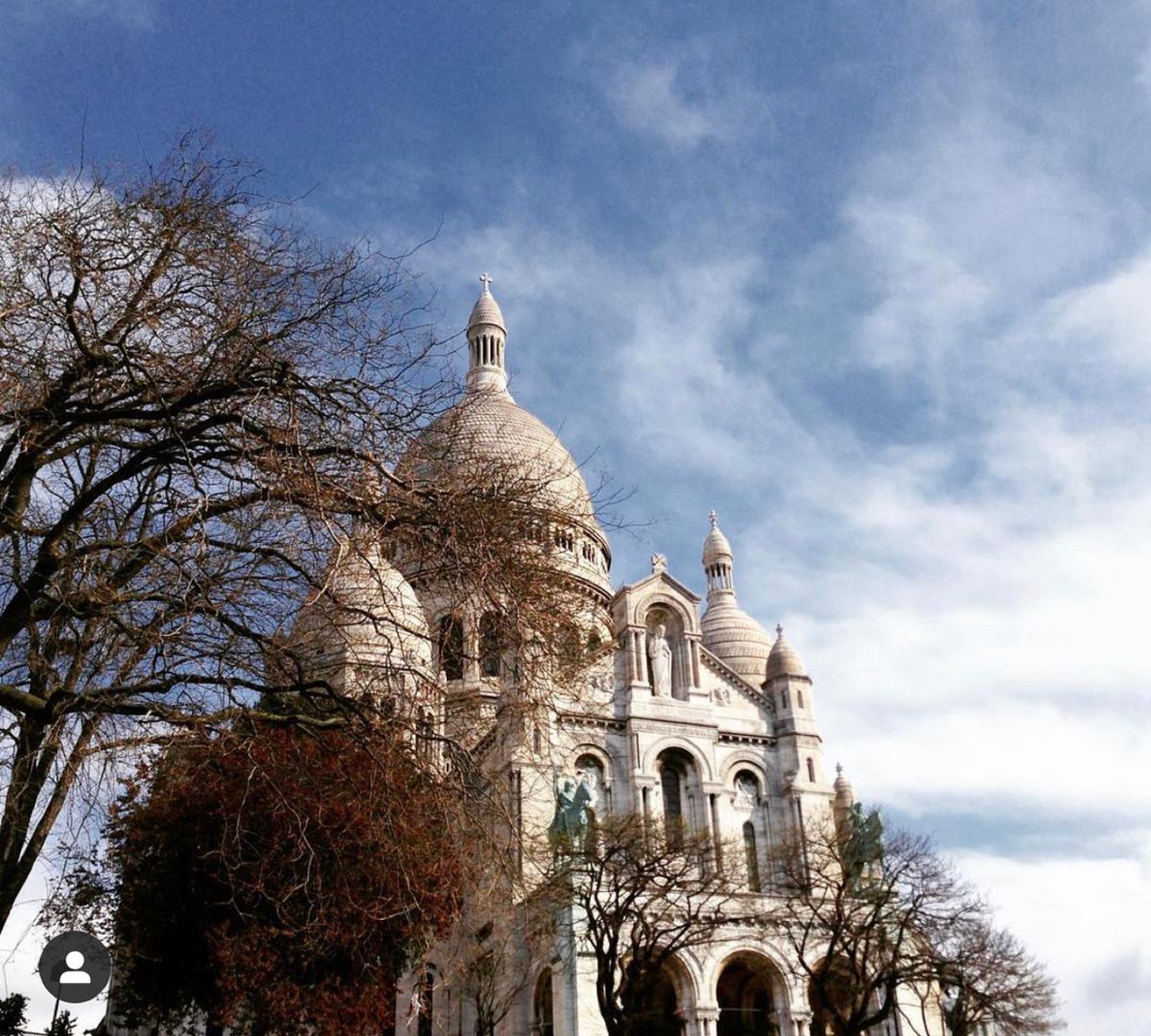
Late afternoon: Metro to Abbesses (its Art Nouveau entrance one of only two original Guimard glass-roofed entrances surviving) and climb Montmartre's village streets — the Rue Lepic, the Place du Tertre — to the Sacré-Cœur, whose steps at dusk offer one of the finest views in the city as Paris spreads below in the last warm light.
Dinner in Montmartre's lower streets or descend to Pigalle; the Rue des Martyrs, climbing toward the 9th, is one of the finest food streets in Paris.
Day Four: Versailles or Père Lachaise, and a Final Paris Afternoon
Option A: Versailles. The Château, 23 km southwest via RER C (~40 minutes), is magnificent but demands strategy: book the earliest entry (en.chateauversailles.fr), go straight to the Hall of Mirrors before Paris tour groups arrive, and spend more time in the 800-hectare formal gardens than the interiors — larger, less crowded, and often more impressive. The Grand and Petit Trianon are less visited and equally beautiful.
Option B: Père Lachaise and a Left Bank afternoon. The largest cemetery in Paris, opened 1804, its 44 wooded hectares winding past Chopin, Proust, Oscar Wilde (his tomb covered in lipstick kisses), Edith Piaf, and Jim Morrison — one of the finest outdoor sculpture collections in the city, free to enter.
The final afternoon should be entirely unscheduled: walk the Seine quais past the bouquinistes' green book stalls, sit at Café de Flore or the 1686-founded Café Procope for a long slow coffee, and walk to the Pont des Arts at sunset with a glass of wine, watching the Seine move exactly as it has for two thousand years.
Final evening: a neighborhood bistro in the 6th, 11th, or 17th — handwritten menus, candles in wine bottles. After dinner, the Trocadéro esplanade at 10 PM for the Eiffel Tower's hourly light show, five sparkling minutes at the top of each hour until 1 AM. It is every bit as magnificent as advertised.
Four Days in Paris: Practical Summary
The Paris Museum Pass (4 days ~€70) covers the Louvre, Musée d'Orsay, Sainte-Chapelle, Cluny, Picasso, Rodin, and Versailles — excellent value, though timed-entry reservations must still be booked separately at some sites.
The best free things: the Trocadéro Eiffel Tower view, the Jardin du Luxembourg, Père Lachaise, bouquiniste browsing, the Sacré-Cœur exterior, the covered passages, every bridge at sunset.
Eating well and affordably: the menu du déjeuner (set lunch: starter, main, dessert, wine) at €15–€22 is the finest value in Paris; a boulangerie croissant and café counter breakfast costs €3–€4.
Arrive at opening time for the Musée d'Orsay, Sainte-Chapelle, and Versailles. The Louvre is least crowded at 9 AM and on Wednesday/Friday evenings (open until 9:45 PM).
The most important advice: walk more than you plan to. The distance between Paris attractions is shorter than the map suggests and infinitely more rewarding on foot.