The word secret has become one of the most abused in travel writing. Every listicle promises secret beaches and hidden coves that turn out, on arrival, to be photographed by thousands of accounts and serviced by a car park and a queue for sunbeds that begins at 8 AM in July. This guide does not promise beaches that are literally unknown — no such beach exists in Europe that is also worth visiting. What it promises instead is more useful: beaches that remain genuinely, significantly less visited than their quality deserves.
The specific, irreplaceable pleasure of standing on beautiful ground at the edge of beautiful water with the feeling, however provisional, of having found something genuinely yours.
Strategies of timing, season, and approach
The beaches in this guide are distributed across the full geographical breadth of European coastline — from the Arctic shores of northern Norway to the volcanic black sand beaches of Iceland, from the limestone coves of the Albanian Riviera to the wild Atlantic coast of Portugal. They span every category of coastal beauty and share only the quality that matters most: the likelihood that when you arrive, the beach will give you the specific, irreplaceable pleasure of having found something genuinely yours.
1. Navagio Beach, Zakynthos, Greece — The Shipwreck Cove
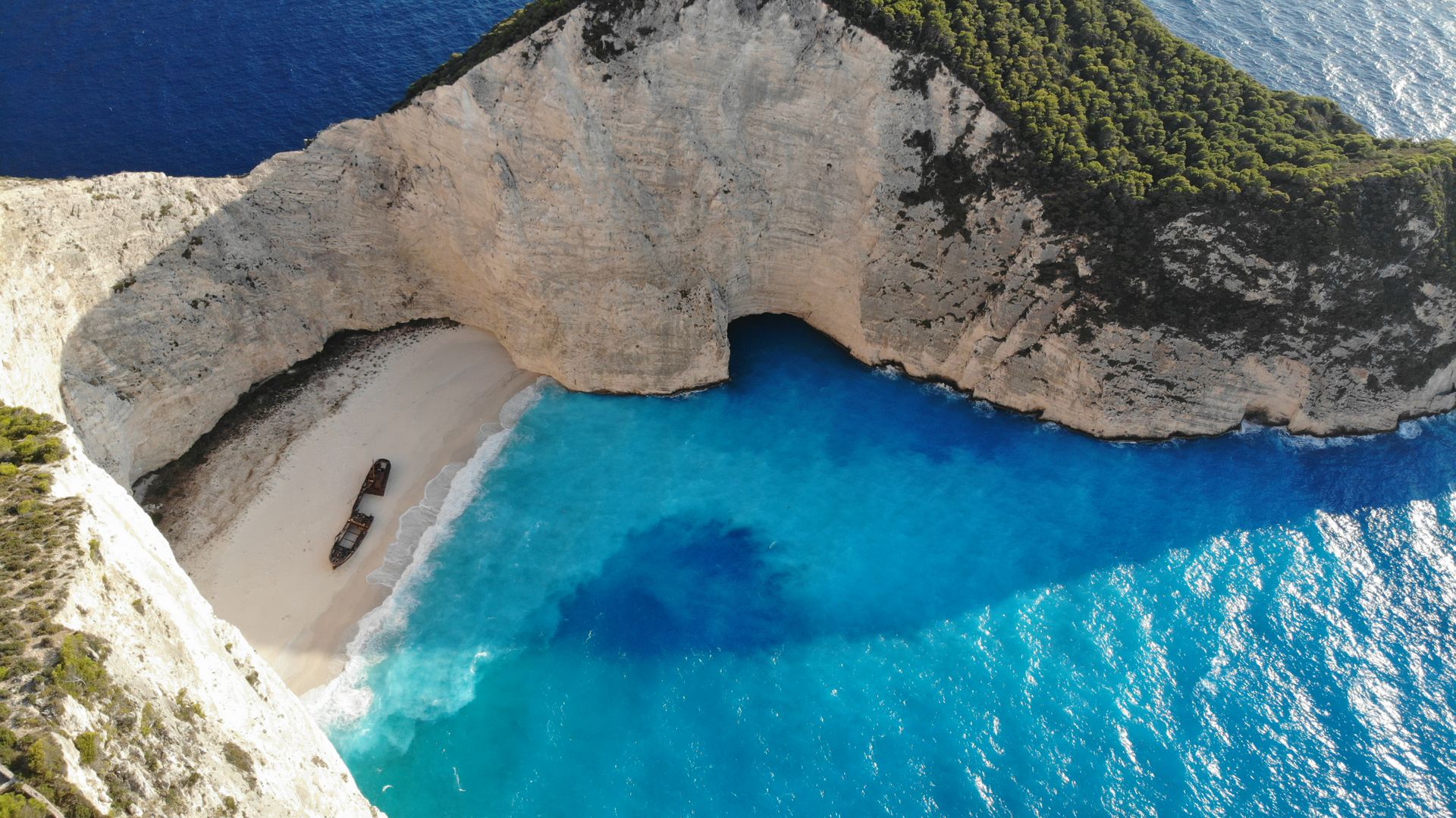
Navagio is technically one of the most photographed beaches in Greece — but the experience of reaching it correctly is completely different from its famous aerial photographs. The beach occupies a completely enclosed limestone cove, its white cliffs rising vertically 200 meters from the sea, accessible only by boat, its turquoise water so saturated it appears digitally enhanced even in person. The rusting hull of the MV Panagiotis, a smuggler's ship that ran aground here in 1983, adds an incongruous note of industrial decay to the pristine setting.
The secret of Navagio is temporal: charter a private boat from Porto Vromi for an early morning departure, arriving before the day boats at 7:30–8 AM, and you have the shipwreck beach to yourself for an hour before the cove fills.
Getting there: Fly to Zakynthos Airport (ZTH). Drive to Porto Vromi (45 minutes) for private early morning boat charter, approximately €50–€80 for a 2-hour charter.
Best season: May to June and September.
2. Playa de Gulpiyuri, Asturias, Spain — The Inland Sea Beach
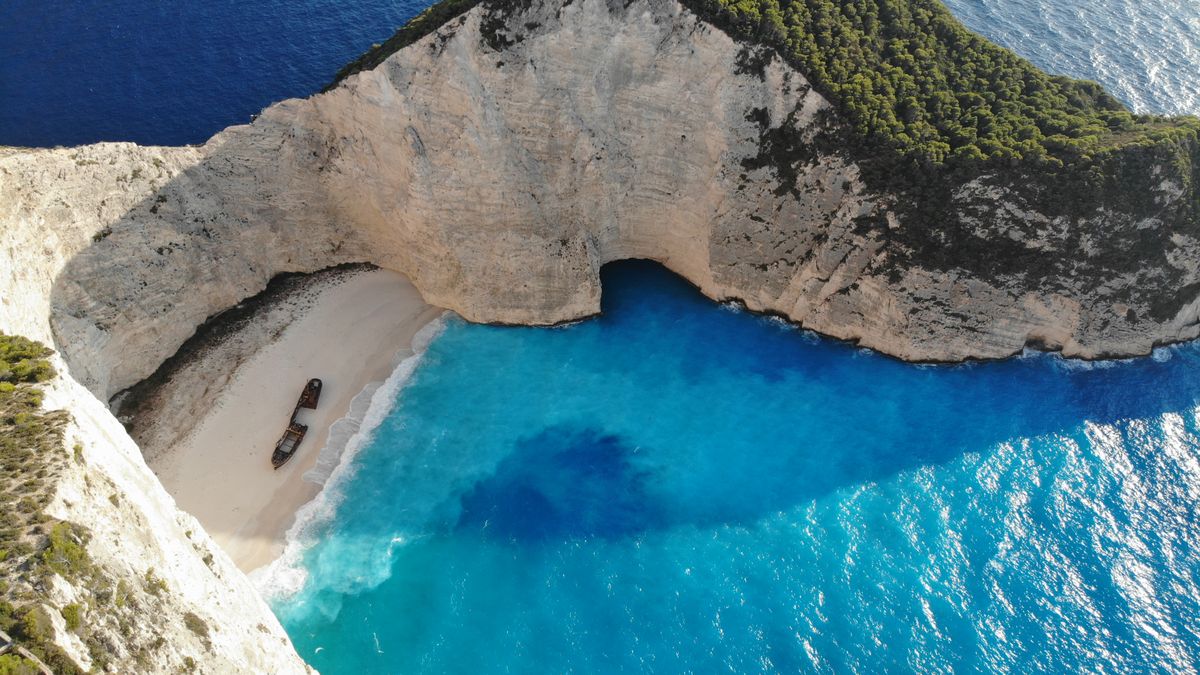
Playa de Gulpiyuri is one of the most extraordinary geological curiosities in European coastal geography — a beach that exists entirely inland, surrounded by grass meadows and farmland, with no visible connection to the sea. Seawater enters through an underground limestone tunnel from the Cantabrian Sea 100 meters away, filling an inland hollow with fine sand and clear seawater, entirely enclosed by green cliffs and meadows.
The Asturian coast more broadly — the Costa Verde — is the most undervisited and most dramatically beautiful coastline in mainland Spain, combining Atlantic surf beaches, dramatic limestone cliffs, and the finest seafood cooking in the country.
Getting there: Fly to Asturias Airport (OVD). Drive east from Llanes on the N-634, following signs for Gulpiyuri; a 20-minute walk from the small parking area.
Best season: June and September.
3. Stafylí Beach, Skopelos, Greece — The Mamma Mia Cove Nobody Visits
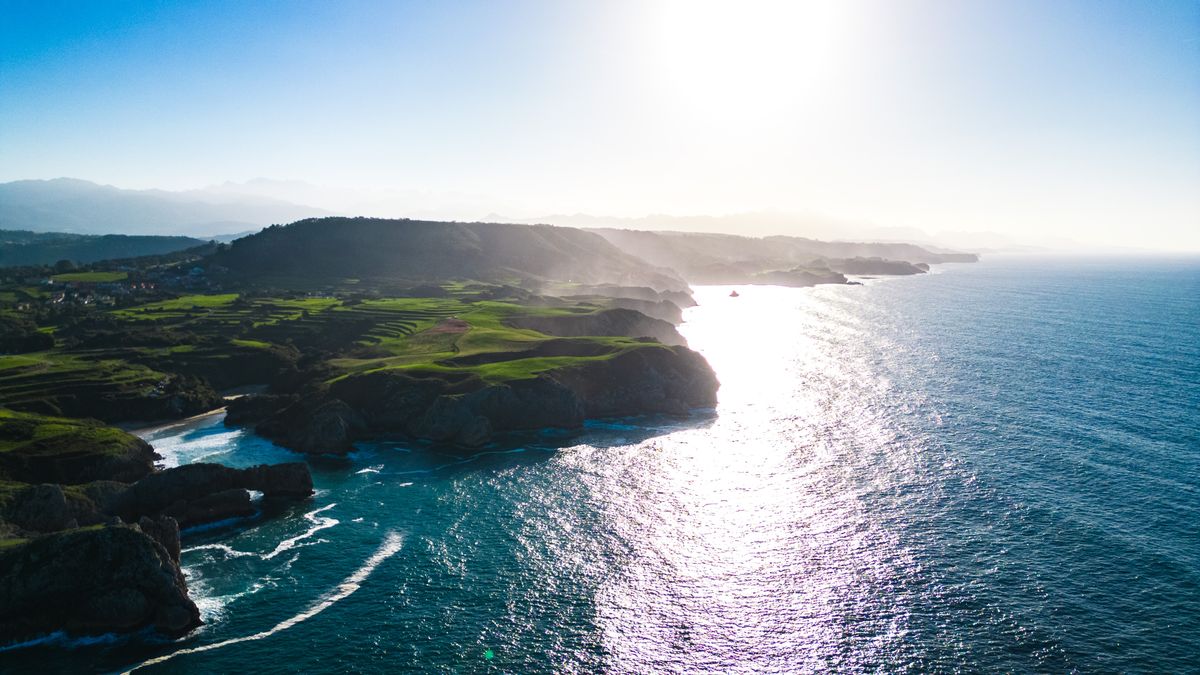
Skopelos is the island made globally famous by Mamma Mia, and almost all its visitors concentrate on the cliff church used in the film's climax, leaving the island's finest beaches surprisingly undervisited. Stafylí — a sheltered cove of fine white pebble backed by pine forest, its water exceptionally clear — is the finest and least crowded of the island's major beaches.
The path over the pine-covered headland to the neighboring Velanio beach — smaller, quieter, and if anything more beautiful — is part of the experience: fifteen minutes of Mediterranean scrub, cicadas, and pine, emerging onto a beach most Skopelos visitors never reach.
Getting there: Fly to Skiathos Airport (JSI), then ferry to Skopelos (1–1.5 hours). Hire a scooter to reach Stafylí (3 km from the hora).
Best season: Late May to mid-June and September.
4. Riserva dello Zingaro, Sicily — Italy's First Nature Reserve Coastline
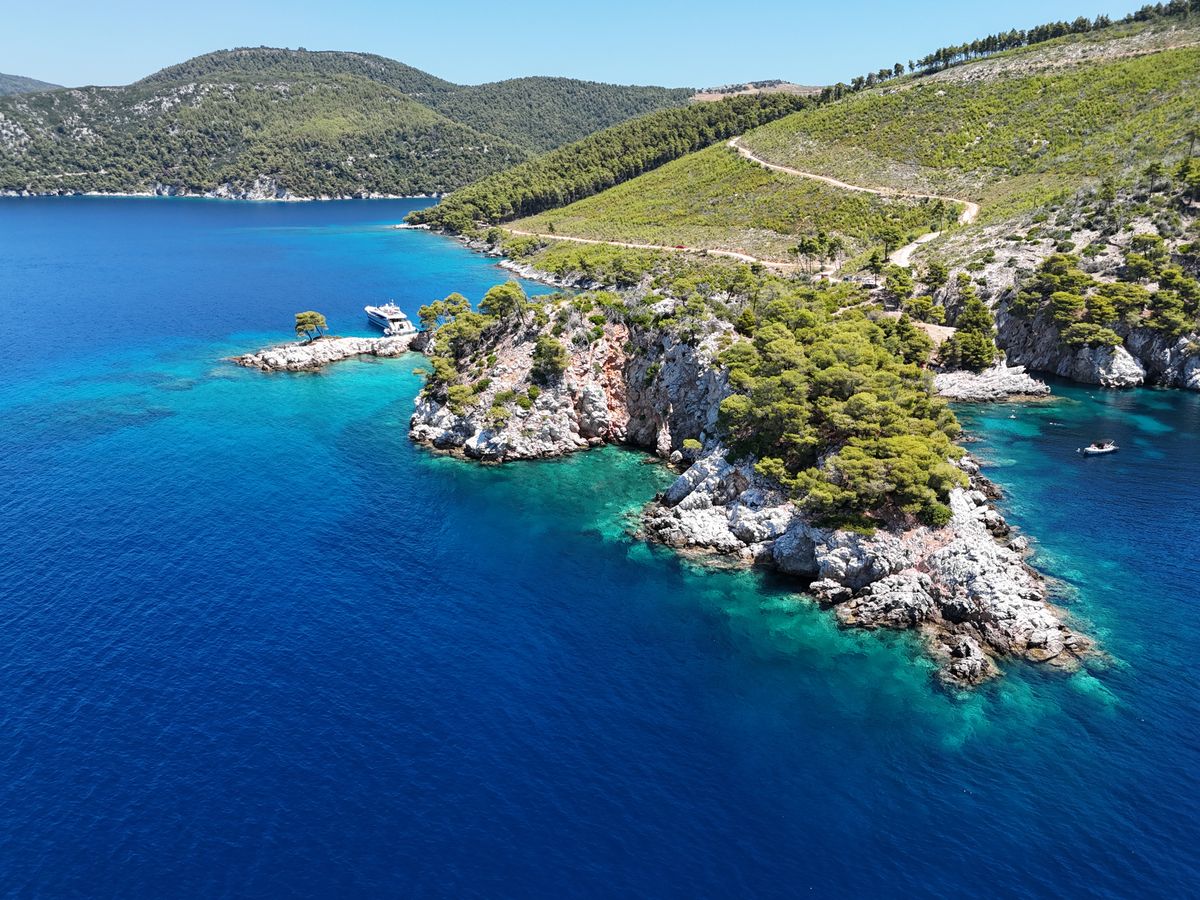
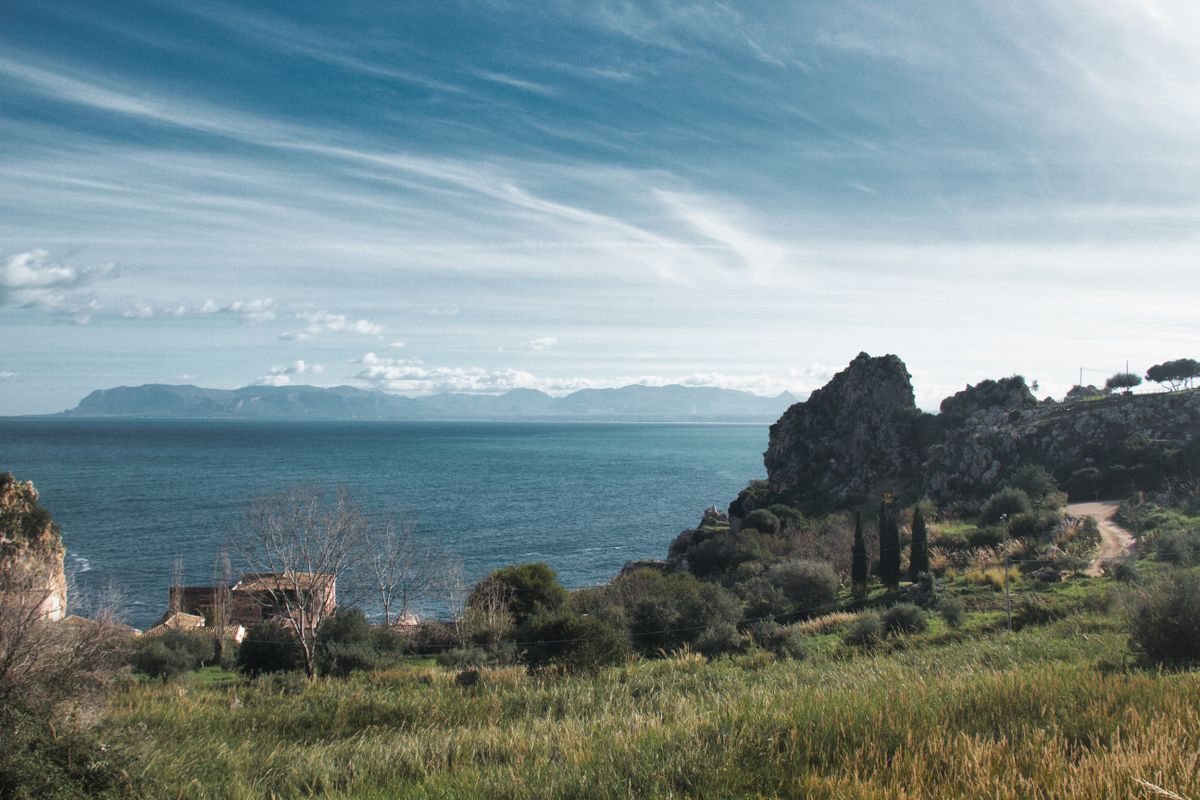
The Riserva Naturale dello Zingaro, established in 1981 after a grassroots campaign blocked a coastal road, is a 7 km stretch of northwestern Sicilian coastline accessible only on foot, its seven coves each with different characters, all with water of extraordinary clarity in shades of turquoise, emerald, and deep blue.
Cala dell'Uzzo, the most accessible of the larger coves, has a cave whose interior light creates extraordinary turquoise reflections and a natural freshwater spring keeping one corner distinctly cooler than the surrounding sea.
Getting there: Drive to Scopello (approximately 1 hour from Palermo) and enter the reserve from the northern entrance (€5 entry).
Best season: May to June and September to October.
5. Praia do Amado, Algarve, Portugal — The Surfers' Coastline Secret
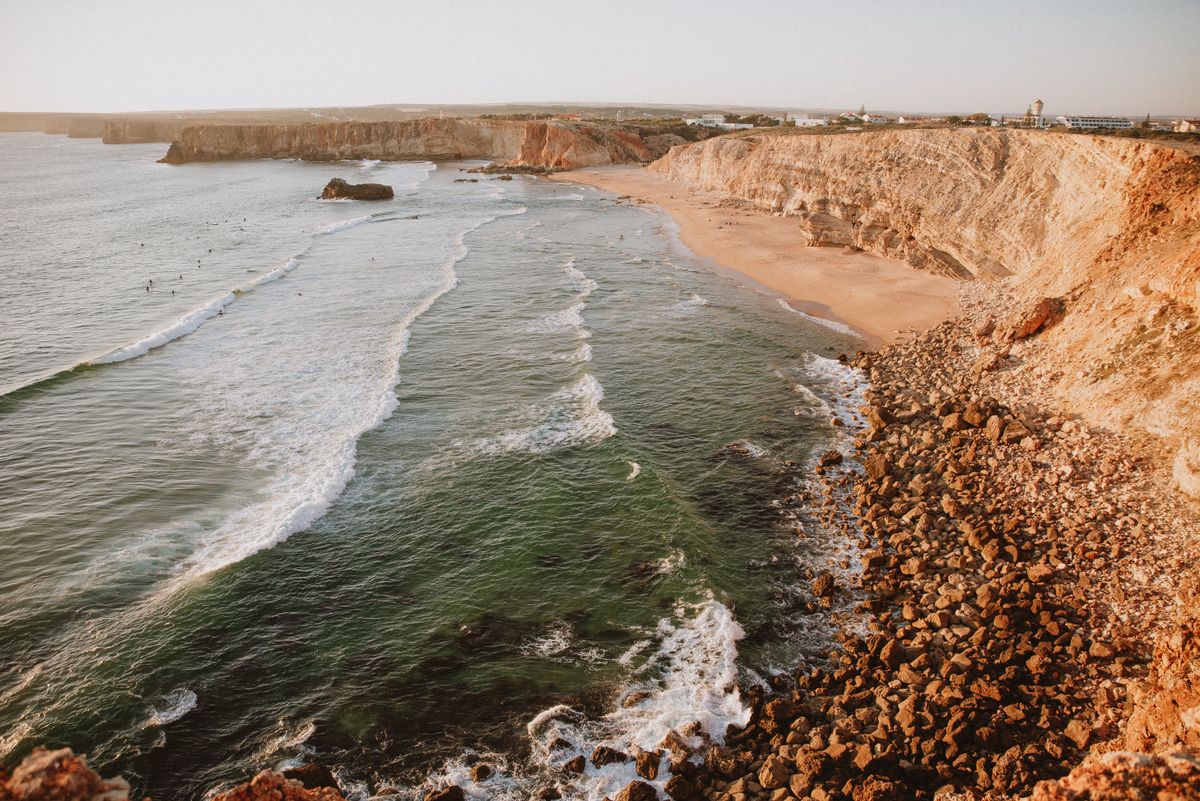
The western Algarve, from Aljezur north along the Vicentine Coast, is a protected natural park of wild, exposed Atlantic coast whose powerful surf and near-total absence of tourist development has kept it significantly less visited than the eastern Algarve. Praia do Amado — a wide, open beach of fine golden sand — is one of the finest surf beaches in Europe and, outside surf season, one of the most beautifully empty large beaches on the Portuguese coast.
Getting there: Fly to Faro Airport and drive west along the N125 to Lagos, then north to Carrapateira (approximately 1.5 hours).
Best season: May to June and September to October. Surf is best September to April.
6. Ksamil, Albania — The Mediterranean Riviera's Last Secret
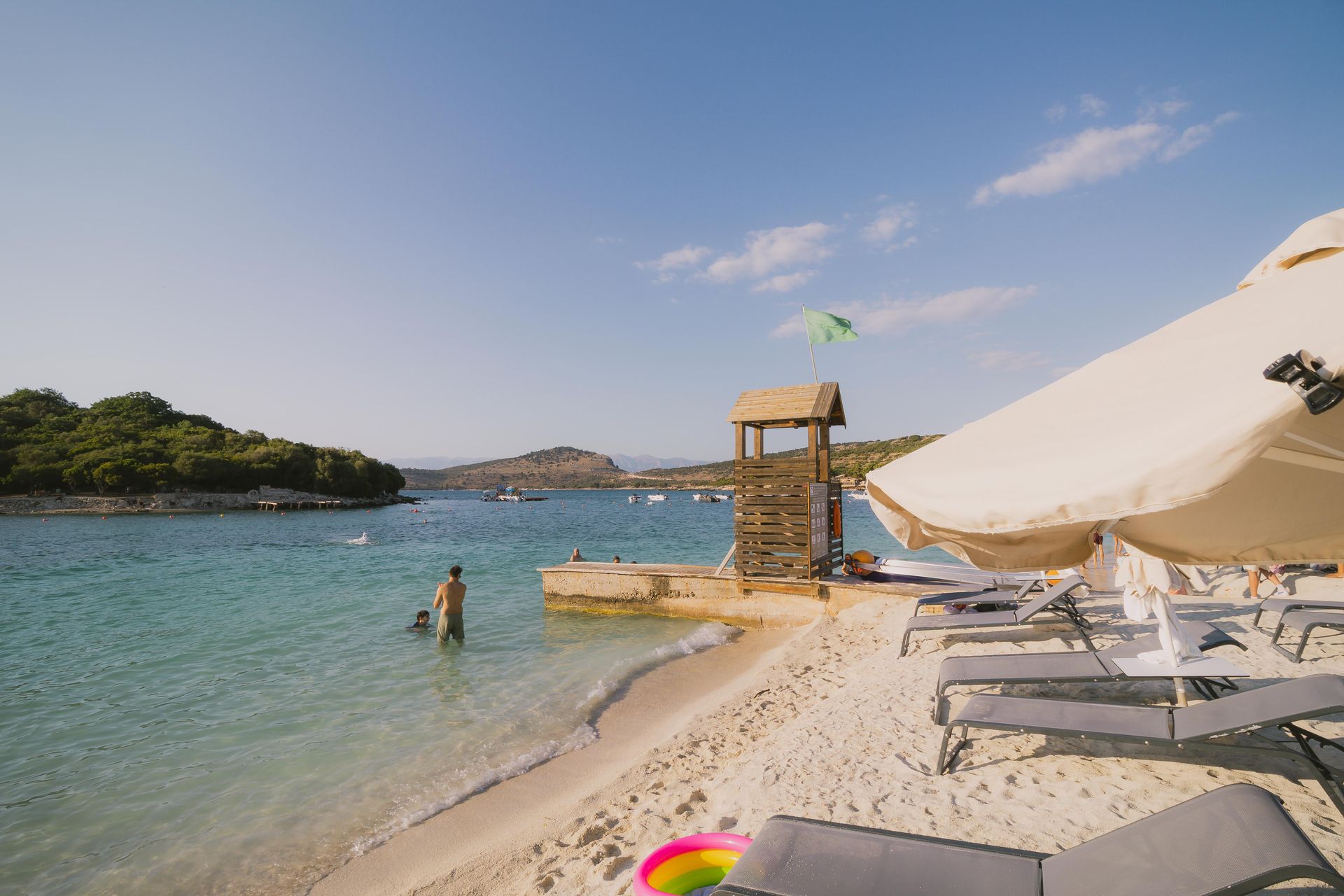
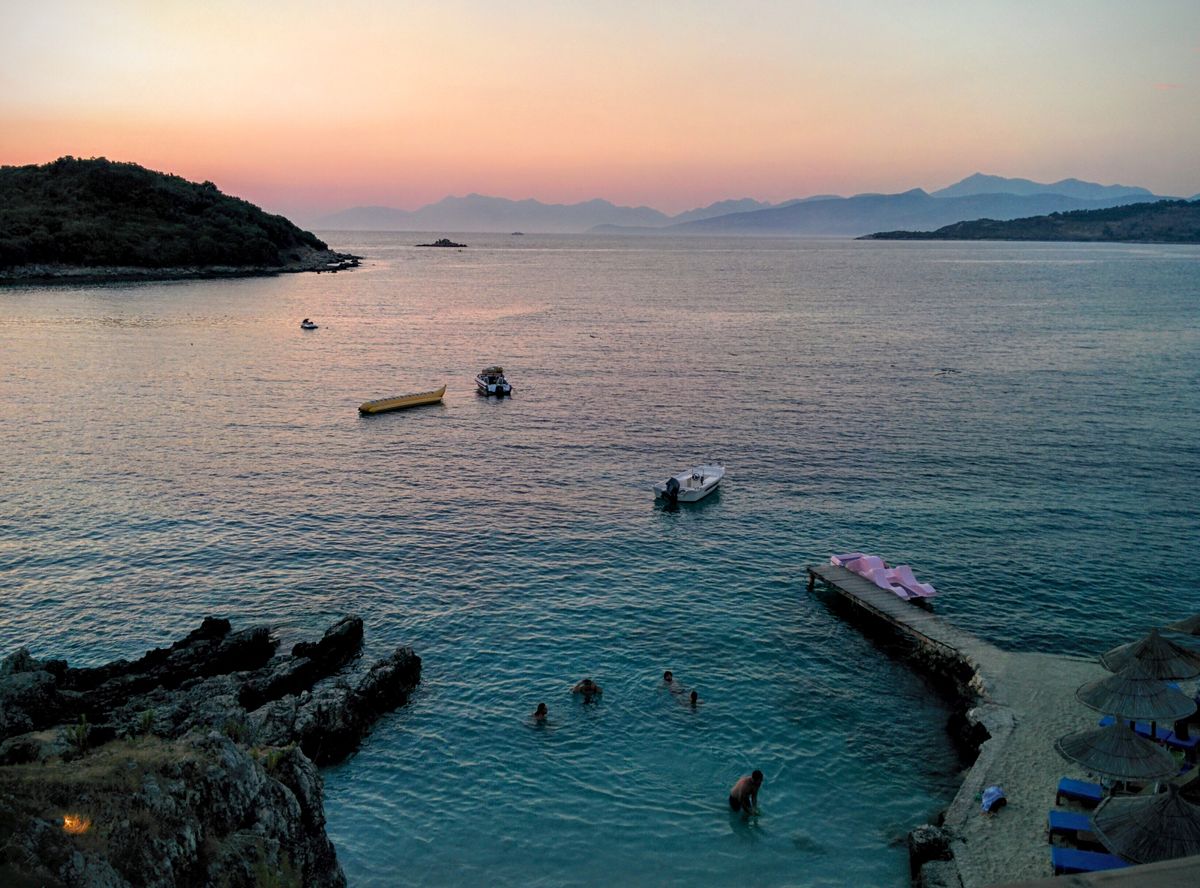
Ksamil sits on Albania's Ionian Riviera adjacent to the UNESCO World Heritage Butrint National Park, the most significant Greco-Roman-Byzantine-Venetian archaeological site in the Balkans. The four small islands offshore, reachable by swimming or paddle boat, have sandy beaches of fine white sand and turquoise water of exceptional clarity.
The Albanian Riviera — 100 km of Ionian coastline between Sarandë and Vlorë — is the most rapidly developing stretch of coastline in Europe and still, outside the main villages, largely undeveloped.
Getting there: Fly to Corfu (Greece) and ferry to Sarandë (30 minutes), then bus to Ksamil (30 minutes).
Best season: May to June and September.
7. Spiaggia di Cala Luna, Sardinia — The Grotto Beach
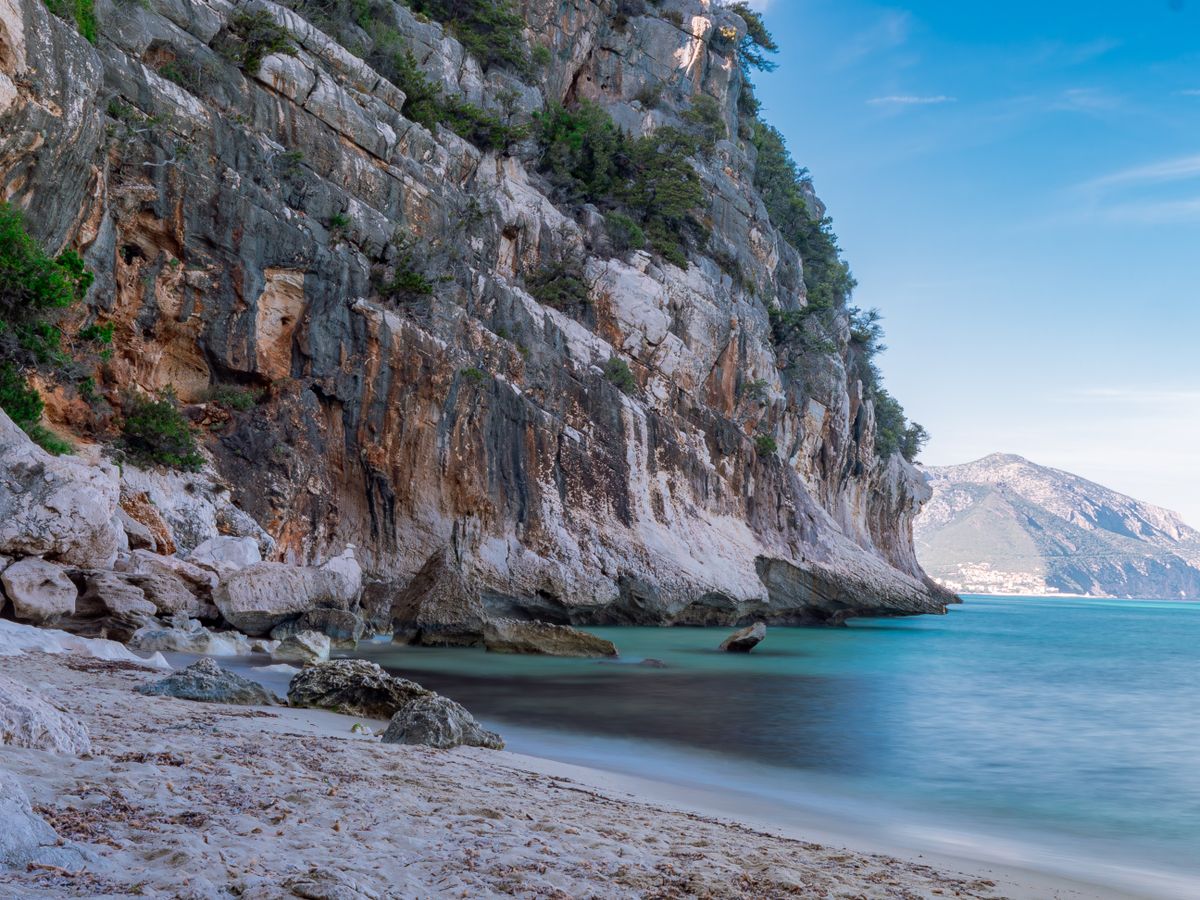
Sardinia contains arguably the finest collection of beaches in the Mediterranean, and Cala Luna balances beauty with relative accessibility better than any of them. The cove is backed by a row of natural limestone arches and caves carved by wave action, the largest creating a cathedral-like grotto whose interior is visible from the sea.
The Gulf of Orosei more broadly — 40 km of eastern Sardinian coastline — is the most extraordinary stretch of Mediterranean coastal landscape in Italy, its cliffs of white limestone rising directly from the sea.
Getting there: Fly to Olbia Airport (OLB) and drive to Cala Gonone (approximately 1.5 hours). Daily boats to Cala Luna (approximately €25–€35 return).
Best season: June and September.
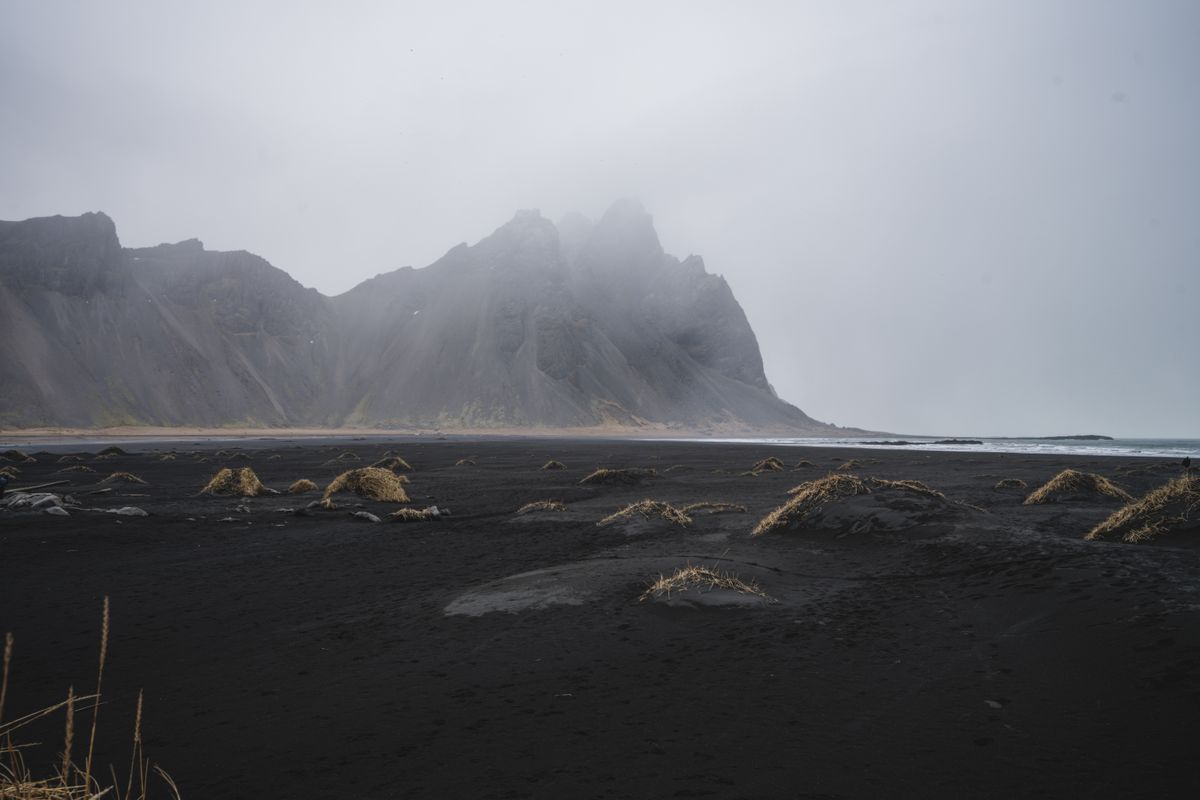
8. Vestrahorn, Iceland — The Black Sand Viking Beach
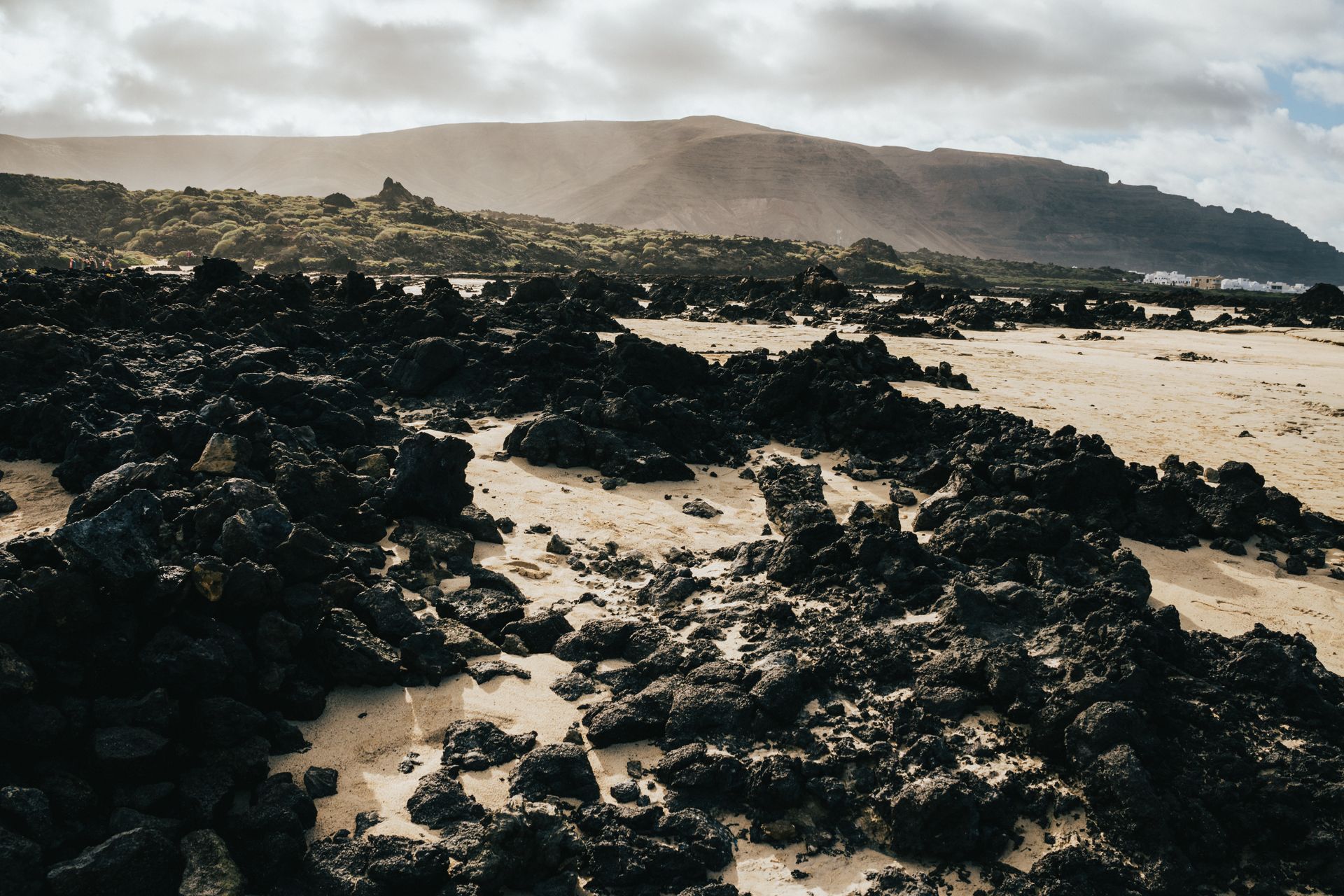
The Vestrahorn massif — a dramatic gabbro and norite mountain rising directly from a narrow coastal spit of black sand — produces, in the right conditions, a more extraordinary visual experience than Iceland's famous Reynisfjara beach, and remains significantly less visited. The reflection of the mountain in the still water of the tidal lagoons at dawn or dusk is one of the most dramatic natural landscapes in Europe.
Getting there: Drive east from Reykjavik on the Ring Road (approximately 5 hours). The Stokksnes peninsula entrance is marked approximately 15 km west of Höfn (entry approximately 900 ISK).
Best season: June to August for the midnight sun; October to March for potential Northern Lights.
9. Dhermi, Albania — The Riviera Ridge Beach
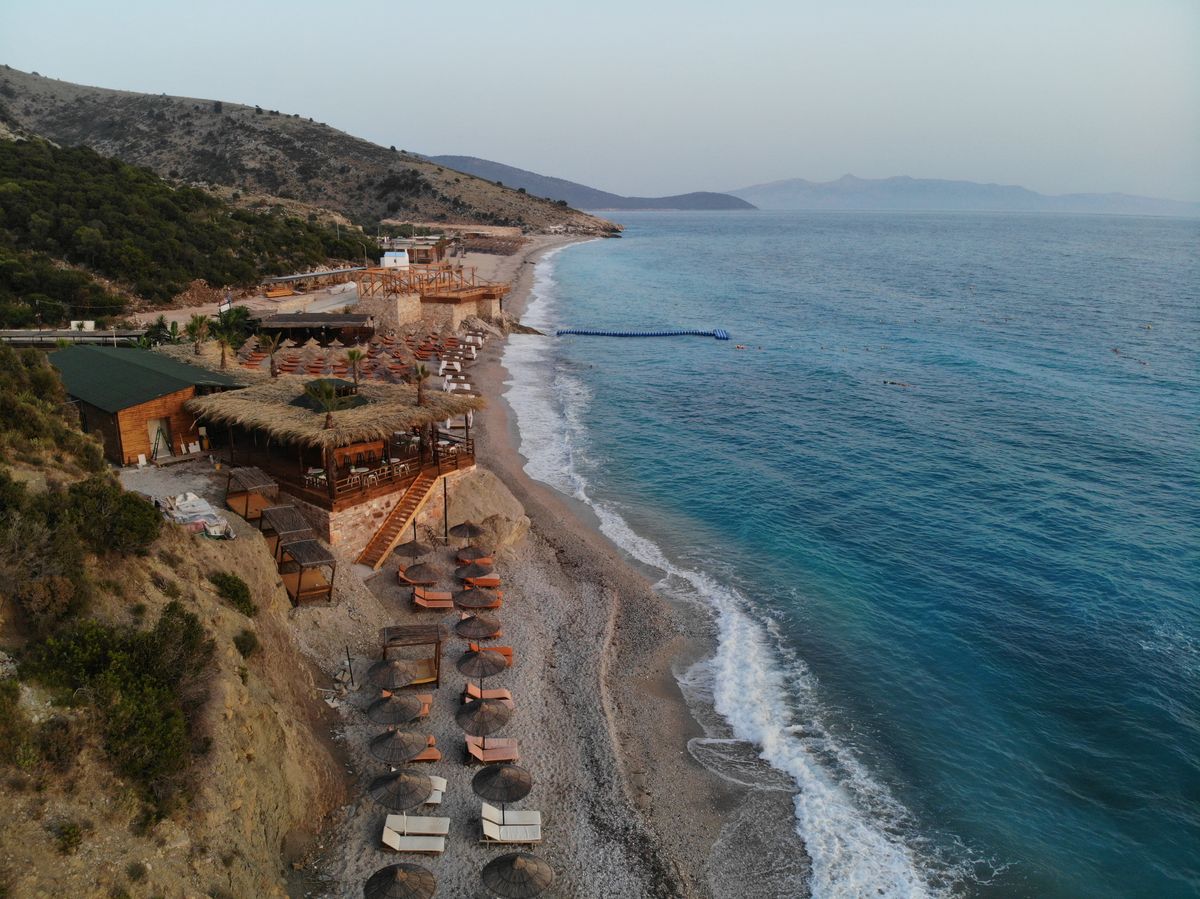
Dhermi sits on a ridge 800 meters above the Albanian Ionian coast, its white cubic houses and Byzantine churches visible from the sea below, connected to a beach of fine white pebble by a switchback road through olive and citrus groves. The stretch of coast between Dhermi and Palasë contains a further sequence of coves that collectively constitute the finest continuous stretch of underdeveloped Mediterranean coastline between Gibraltar and Greece.
Getting there: Fly to Corfu and ferry to Sarandë, then bus or rental car north along the SH8 coastal road (approximately 1.5 hours).
Best season: May to June and September.
10. Plage de Saleccia, Corsica — The Deserted Tropical Beach
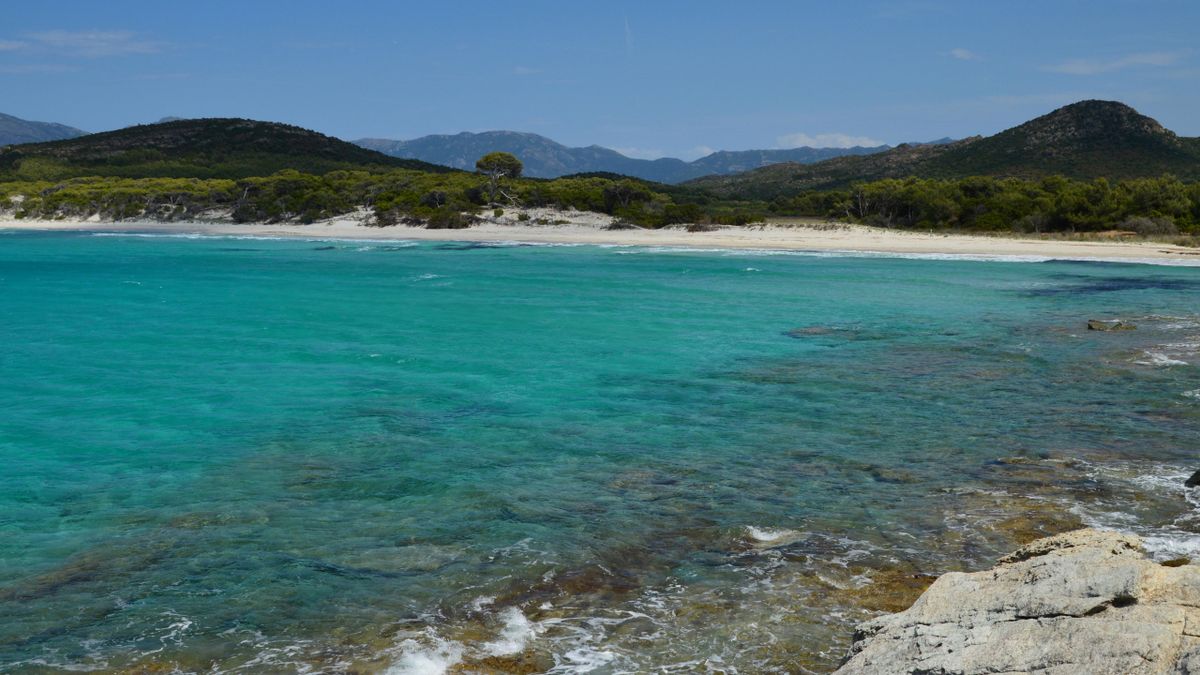
Plage de Saleccia lies in the Désert des Agriates — a 16,000-hectare protected natural area with no permanent human habitation and no road access from the interior. The beach, a 1.5 km sweep of pure white sand, its water a shade of turquoise more commonly associated with the Caribbean, is by consensus of experienced Mediterranean beach travelers the finest beach in France.
Access requires commitment — by boat from Saint-Florent, by mountain bike on a 12 km track, or on foot on a 3-hour coastal trail. The beach is busiest 11 AM to 4 PM when the boats operate, and empty at dawn and dusk.
Getting there: Fly to Bastia (BIA) or Calvi (CLY). Drive to Saint-Florent (45 minutes) and take the taxi boat.
Best season: May to June and September.
11. Gjógv, Faroe Islands — The Arctic Village Gorge Beach
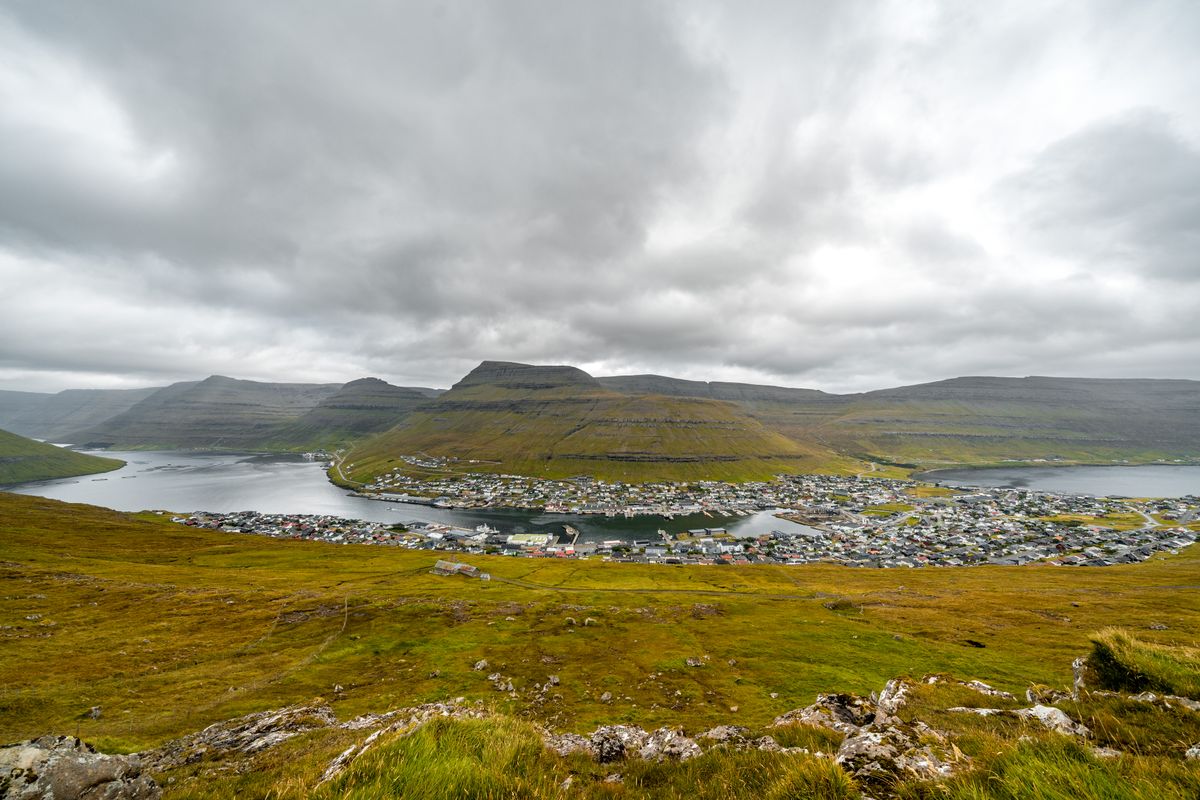
The Faroe Islands should not have beaches in any conventional sense, and yet Gjógv — a village of approximately 50 inhabitants whose name means "gorge" in Faroese — has a natural harbor of extraordinary character. A natural gorge 200 meters long cuts through the basalt cliffs to the sea; at low water the gorge floor is exposed black gravel beneath vertical basalt walls, an experience unlike anything else in European coastal travel.
Getting there: Fly to Vágar Airport (FAE) from Copenhagen, Reykjavik, or London. Drive via the tunnel network to Gjógv on Eysturoy (approximately 1.5 hours).
Best season: May to August for the midnight sun and most stable weather.
12. Praia das Furnas, Alentejo Coast, Portugal — The Wild Atlantic Secret
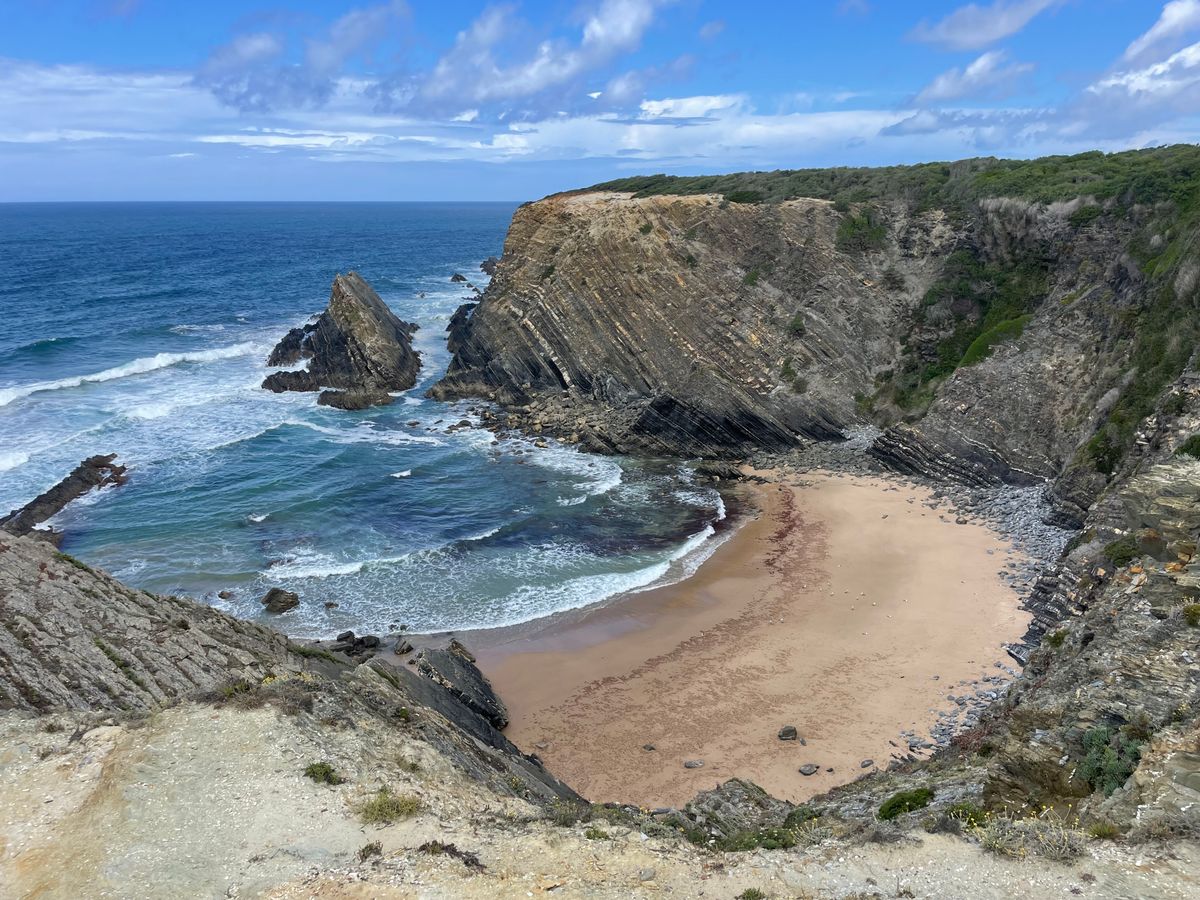
The Alentejo Coast is the least visited and least developed section of the Portuguese coast, entirely unknown to the majority of international visitors who concentrate on Lisbon, the Algarve, and Porto. Praia das Furnas, north of Vila Nova de Milfontes, is a wide crescent beach of fine golden sand almost entirely without tourist infrastructure — no bar, no sunbeds, no proper car park.
Getting there: Drive from Lisbon (approximately 2.5 hours) or Lagos (1.5 hours). A car is essential.
Best season: May to June and September.
The Art of Finding Secret Beaches: A Practical Philosophy
Go in the shoulder season. May and September transform crowded summer destinations into something approaching the private wonder they represent in ideal conditions. The water is warm, accommodation is cheaper, and the beach culture is fundamentally different.
Arrive at the extremes of the day. The early morning and late evening beach experience is consistently and dramatically superior to the midday one on every beach in this guide.
Accept physical effort as the price of solitude. Every beach in this guide requires more effort to reach than a resort beach accessible by car and sunbed booking. The effort is not incidental to the experience but constitutive of it.
Talk to locals. The beaches in this guide are the ones that made it into a travel article. The genuinely secret beaches exist in every coastal region — and the only way to find them is to stop reading travel articles and start talking to people.
Final Thoughts: The Beach Is Still Out There
The secret beach is not a place. It is a quality of experience — the particular feeling of standing on beautiful coastal ground with the strong impression that the beauty in front of you is not mediated by infrastructure or crowds. That quality is harder to find than it was twenty years ago. It is not impossible.
Go early. Go in May. Go by boat. Walk the last kilometer. Arrive before anyone else. The beach is still out there.