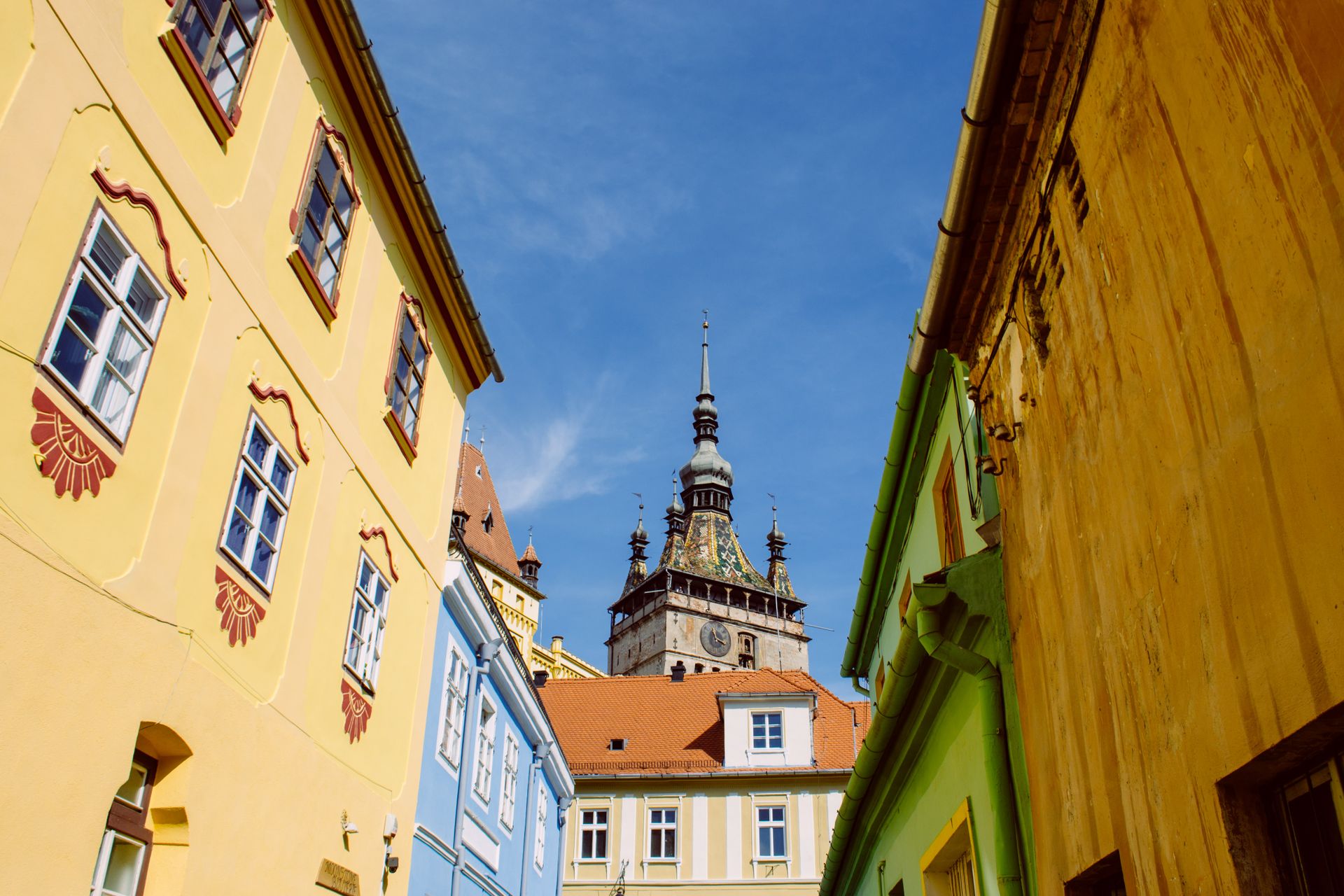
Every traveler has a version of the fairytale town in their imagination: cobblestones, a castle on a hill, a river winding through the lower streets, the sound of church bells marking hours in a space where time has slowed enough to be experienced rather than merely endured. The problem is that the fairytale towns that most reliably deliver this experience have, for the most part, been discovered.
Towns where the castle is real and the cobblestones are real, but where your arrival on a Tuesday morning in October will be noted with pleasure rather than processed as one of today's forty thousand visitor units.
Looking further than Bruges and Hallstatt
Bruges has its Instagram queues. Hallstatt requires a timed entry system. Rothenburg ob der Tauber's medieval walls contain approximately as many Christmas ornament shops as medieval Rothenburg would have had residents. This guide looks further — not to destinations so obscure that visiting them requires suffering in the name of authenticity, but to towns of genuine, world-class fairytale beauty that the mainstream travel conversation has not yet fully absorbed.
Each town in this guide has been selected for genuine architectural beauty, a human scale that makes it walkable within a day or two, a surviving local character that makes the visit feel like an encounter with a living community, and a level of tourist traffic that remains, for now, comfortably below the threshold at which the experience is determined by other visitors rather than the town itself.
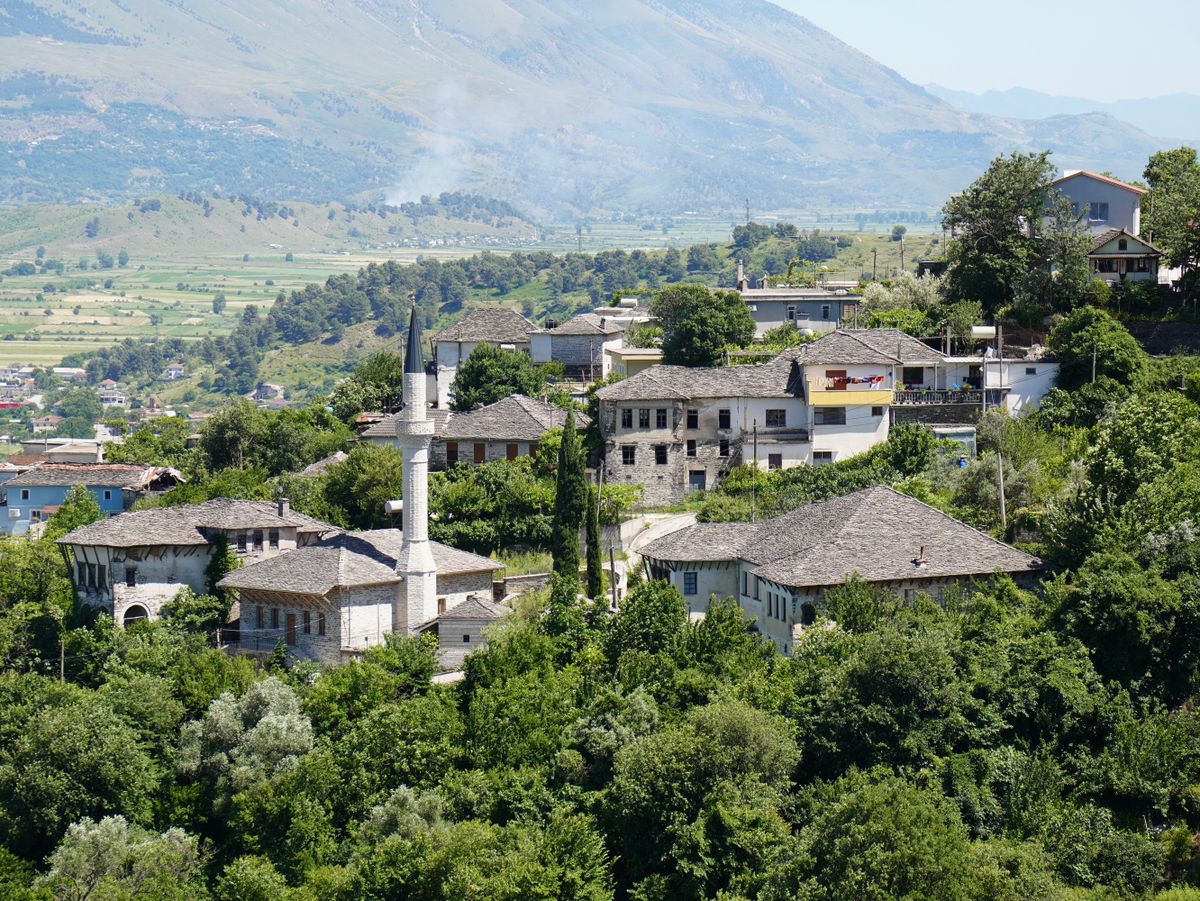
1. Gjirokastër, Albania — The City of Stone
Gjirokastër is one of the most extraordinary and completely overlooked historic towns in Europe — a UNESCO World Heritage hilltop city in southern Albania whose extraordinary Ottoman-era stone architecture, its multi-story towers and slate-roofed houses climbing the hillside below a massive medieval castle, earned it the nickname the City of Stone.
The old bazaar district — cobbled streets of extraordinary steepness, Ottoman hans, towers whose ground floors served as fortified storage against banditry — is one of the most architecturally cohesive Ottoman townscapes in the Balkans. The town is the birthplace of Ismail Kadare, Albania's greatest novelist, whose novel Chronicle in Stone, set in the Gjirokastër of his childhood, provides the most vivid literary portrait of the city.
Getting there: Bus from Tirana (approximately 4 hours) or Sarandë (1.5 hours). Best explored on foot — the streets are too steep and narrow for anything else.
Don't miss: The castle and its panoramic views, the Zekate House (the finest Ottoman tower house), the old bazaar streets at dawn, the Antigonea archaeological site nearby.
Best time to visit: April to June and September to October.
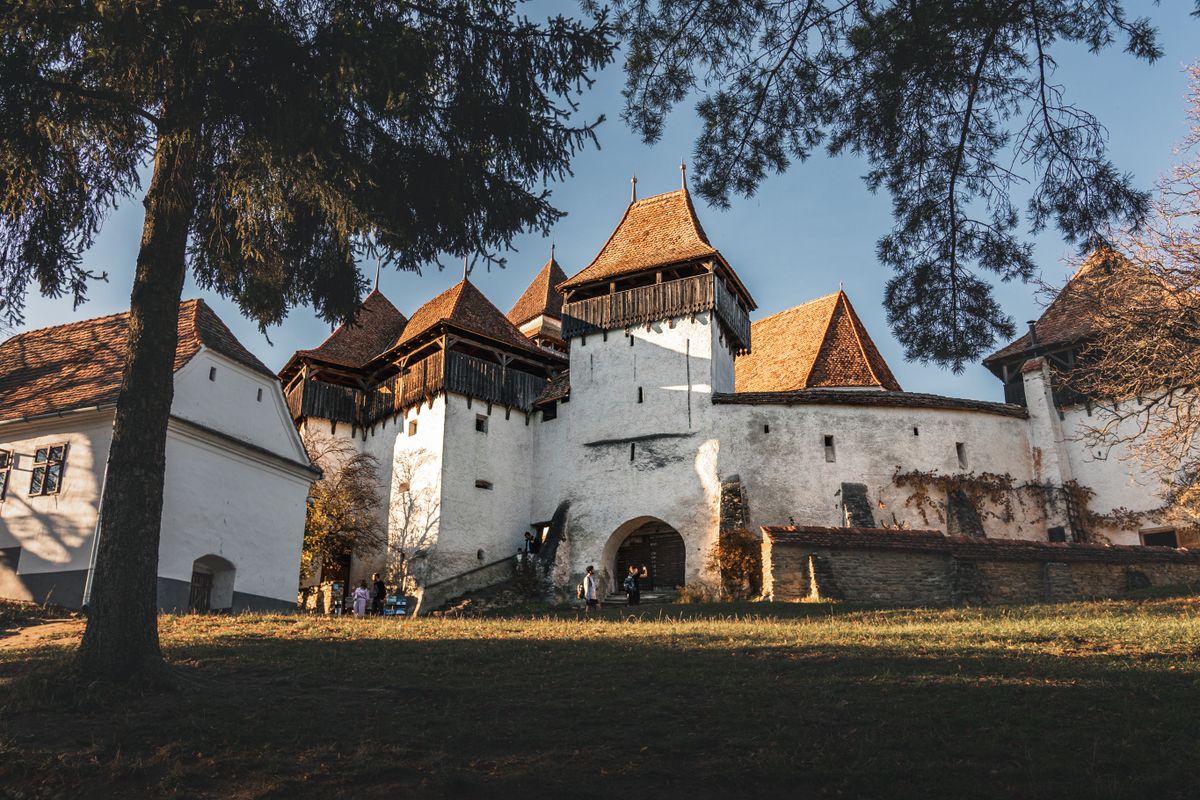
2. Biertan, Romania — The Fortified Church Village
Biertan is a village in Transylvania whose extraordinary fortified church — the largest in the region, a UNESCO World Heritage Site — crowns the central hill in a sequence of three defensive walls and eight towers, its Gothic interior housing a remarkable 28-panel polyptych altarpiece and a lockable vestry door with 19 simultaneous bolts so admired by the Habsburg Emperor that a copy was made for the Vienna Treasury.
The Transylvanian Saxon village landscape — accessible by car through Viscri, Saschiz, and Archita — is one of the most extraordinary rural landscapes in Europe, a patchwork of medieval villages and fortified churches in varying states of preservation, surrounded by countryside that looks, to Western European eyes, remarkably like the 19th century.
Getting there: Fly to Sibiu (SBZ) or Cluj-Napoca (CLJ) and drive to Biertan (approximately 45 minutes from Sibiu). A car is essential.
Don't miss: The fortified church's lockable vestry door, the view over the village from the walls, the drive to Viscri village.
Best time to visit: May to June and September to October.
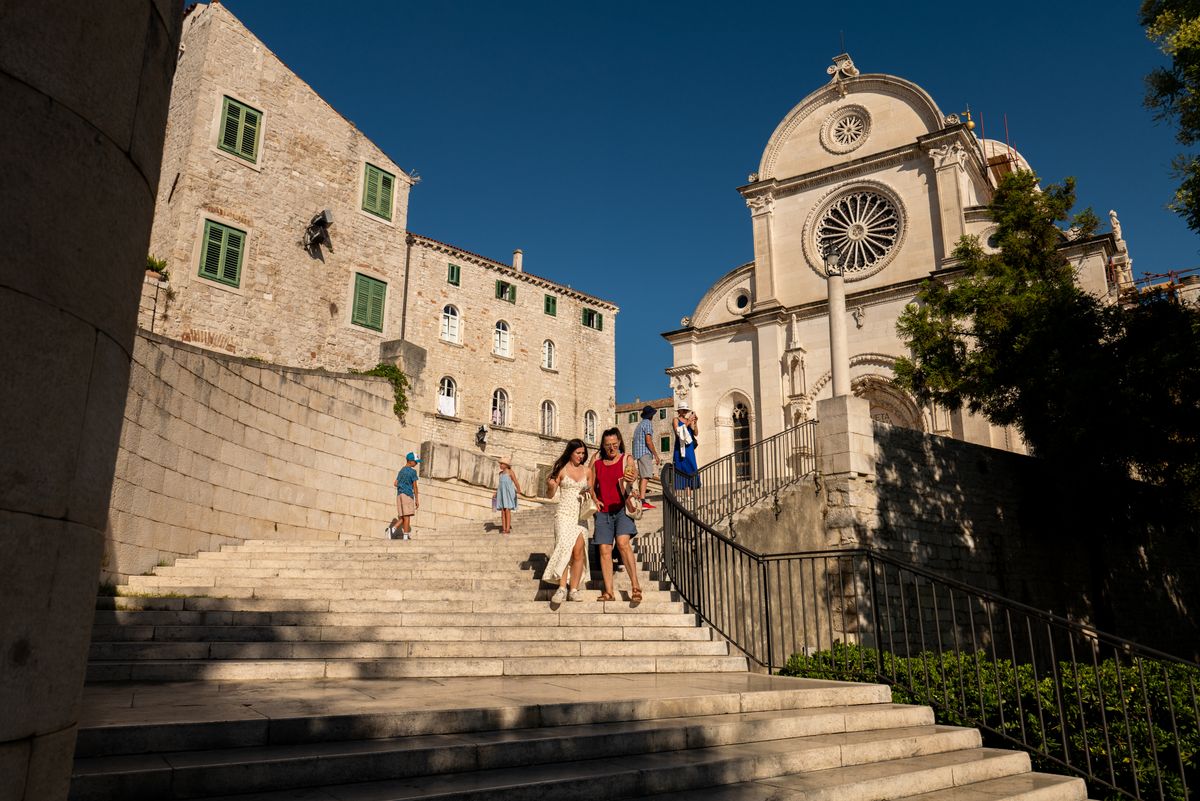
3. Šibenik, Croatia — The Cathedral City Nobody Visits
Šibenik sits on the Dalmatian Coast between the better-known Split and Zadar and receives a tenth of the visitors of either — despite containing the finest Gothic-Renaissance building in Croatia. The Cathedral of St. James, built entirely from stone without brick or wood between 1431 and 1536, is the greatest achievement of Croatian medieval architecture, its exterior apse ringed with a frieze of 71 carved portrait heads of Šibenik citizens.
The old town climbs from the harbor to the hilltop fortress of St. Michael, connected to the upper fortress of St. John by a pedestrian skybridge with panoramic views across the city rooftops. Krka National Park and the Kornati archipelago both lie within an hour.
Getting there: Bus or car from Split (1 hour) or Zadar (1 hour).
Don't miss: The Cathedral's 71 portrait heads, the fortress skybridge at sunset, the Krka National Park day trip, Dalmatian peka at an old town konoba.
Best time to visit: May to June and September.
4. Ljubljana, Slovenia — Europe's Most Charming Small Capital
Ljubljana appeared in our Underrated Destinations guide and belongs here too: one of the smallest capitals in Europe, a city of human scale, entirely walkable, with a café culture that punches well above its weight. The Triple Bridge, designed by architect Jože Plečnik, is one of the most elegant bridge ensembles in Central Europe, and the city-wide trail of Plečnik's works constitutes one of the finest single-architect itineraries available anywhere.
Getting there: Fly to Ljubljana Airport or arrive by train from Vienna (6 hours), Venice (3.5 hours), or Zagreb (2.5 hours).
Don't miss: Ljubljana Castle at sunrise, the Plečnik trail, the Friday Odprta Kuhna food market, a day trip to Lake Bled.
Best time to visit: Two days in Ljubljana plus one or two for Lake Bled and the Julian Alps.
5. Telč, Czech Republic — The Renaissance Water Town
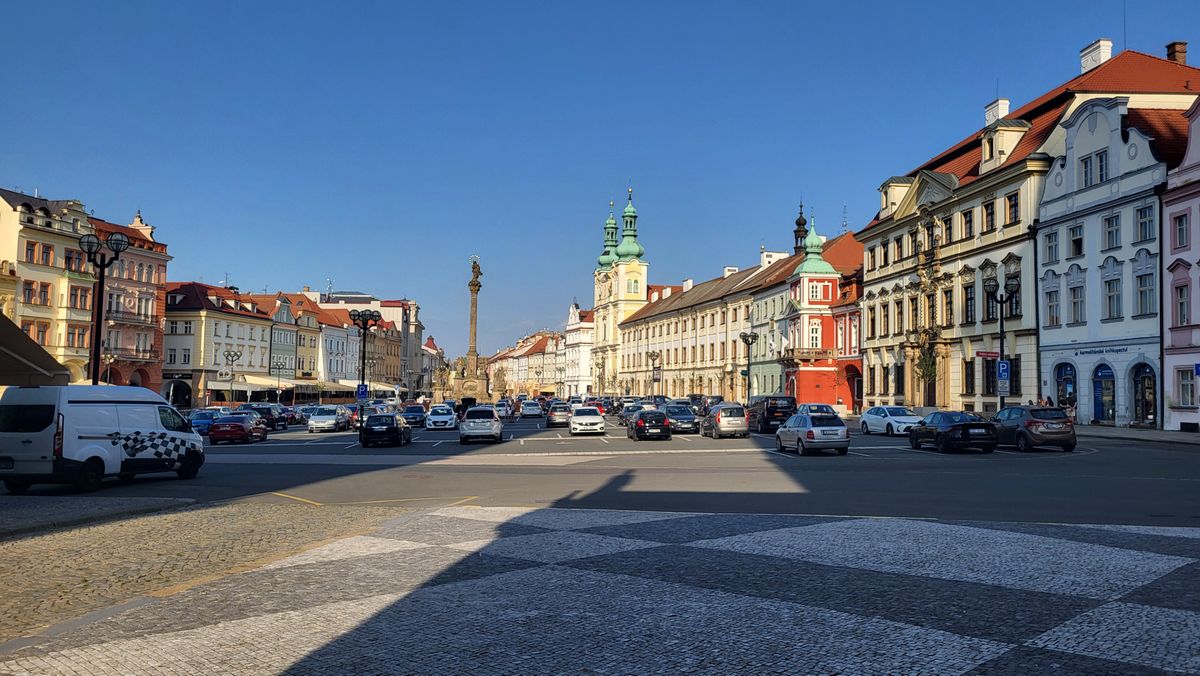
Telč's main square is a rectangle approximately 60 meters wide and 180 meters long, entirely enclosed by a continuous row of Renaissance and Baroque burgher houses whose uniform arcaded ground floors and elaborately decorated gables create one of the most compositionally satisfying historic townscapes in the world. After a fire destroyed the medieval town in 1530, the local nobleman Zachary of Hradec commissioned an Italian architect to rebuild it — 50 years of construction produced the architecturally coherent ensemble that survives almost completely intact today.
Telč is built on a peninsula between two artificial ponds, and the reflection of the Renaissance houses in the still water is one of the town's finest visual qualities. The Telč Castle houses an outstanding collection of Renaissance interiors, including the African Room decorated with 19th-century hunting trophies.
Getting there: Bus from Brno (1.5 hours) or Prague (2.5 hours via Jihlava). Also accessible by train from Jihlava (40 minutes).
Don't miss: The main square at dawn and dusk, the water reflections, the Telč Castle interiors, the full pond-perimeter walk (40 minutes).
Best time to visit: April to June and September to October.
6. Monsanto, Portugal — The Village Built Into the Boulders
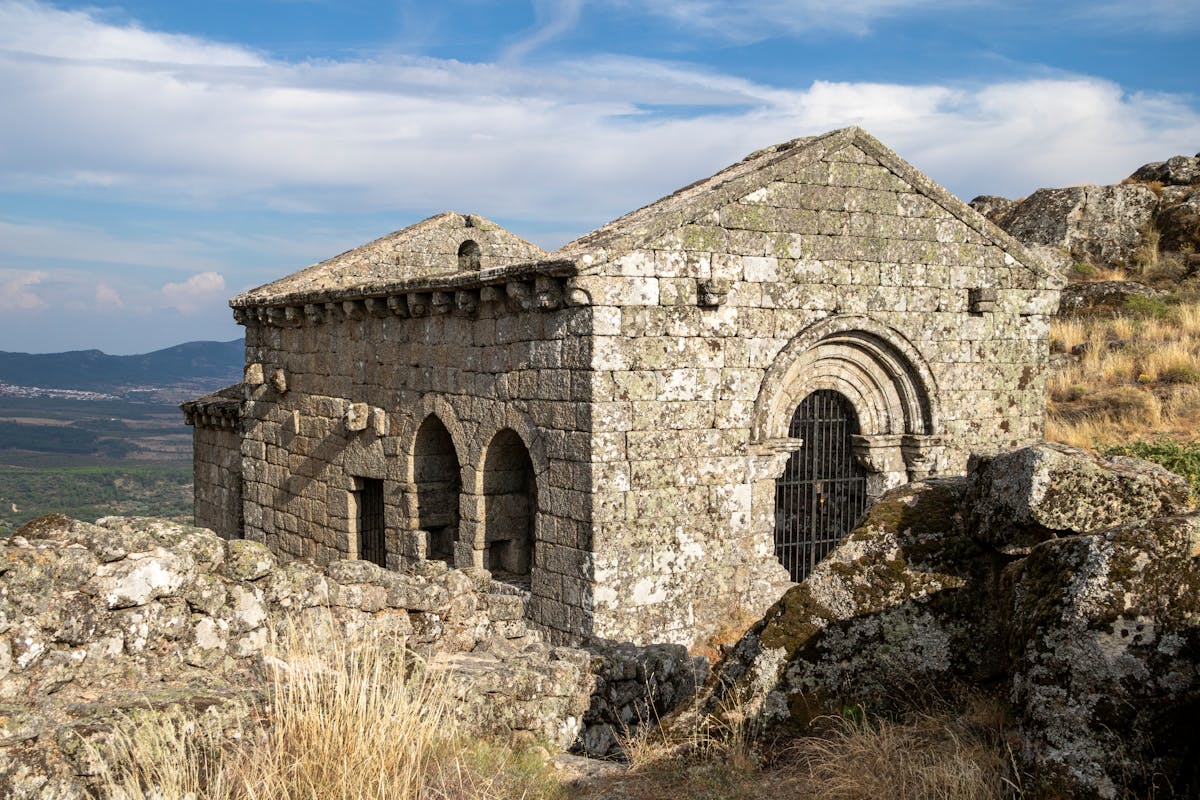
Monsanto is the most extraordinary village in Portugal — a medieval hilltop settlement on the Spanish border whose houses have been built not beside but literally within and beneath the enormous granite boulders that cover the hilltop, the rock faces serving as walls and ceilings in an architectural improvisation of extraordinary ingenuity.
Walking through Monsanto's streets — passages between boulders, roofed naturally by overhanging rock — produces the specific disorientation that fairytale towns at their finest deliver. Named "Most Portuguese Village in Portugal" in a 1938 competition, the village has approximately 800 inhabitants and a 12th-century castle above with views extending on clear days to the mountains of Extremadura.
Getting there: Drive from Castelo Branco (30 minutes) or Guarda (1 hour). No practical public transport — a car is essential.
Don't miss: The boulder-incorporated guesthouses, the castle ruins, the Lusitanian village of Idanha-a-Velha nearby.
Best time to visit: April to June and September to October.
7. Ohrid, North Macedonia — The Jerusalem of the Balkans
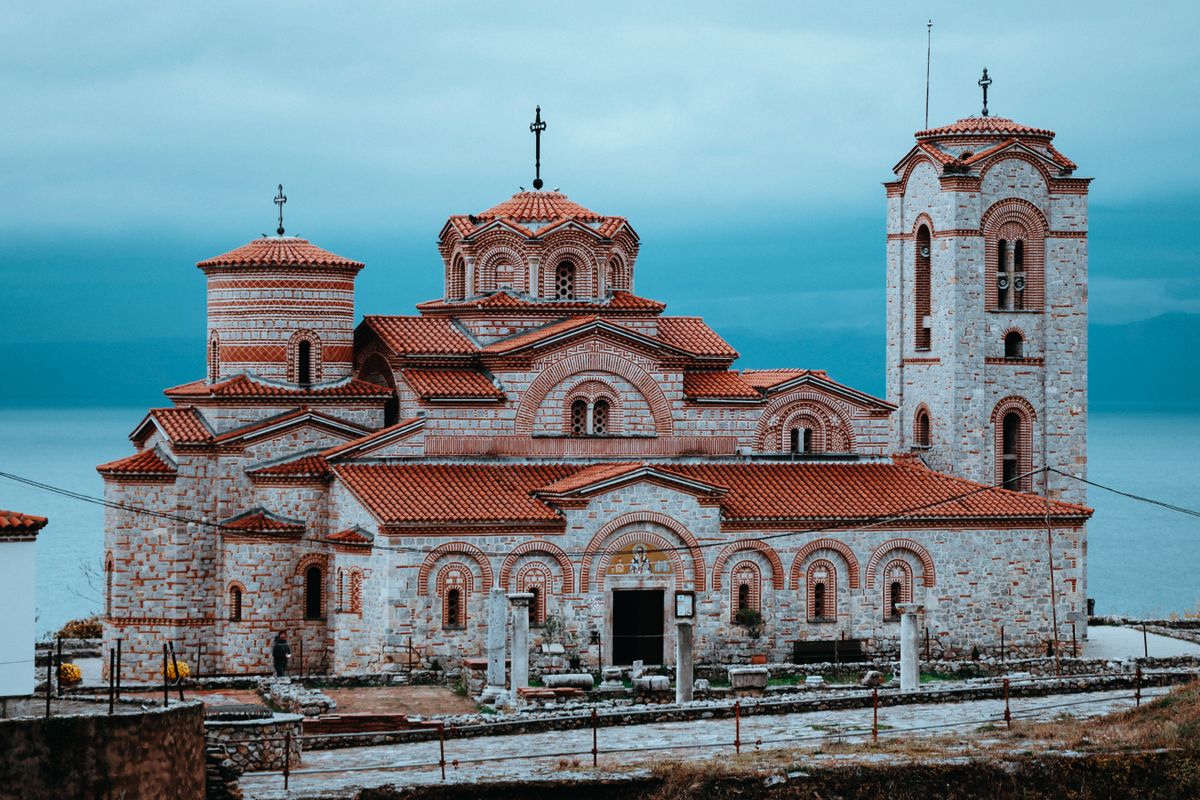
Ohrid appeared in our Underrated Destinations guide and bears revisiting for its fairytale qualities: the old town climbing from the lake shore to the hilltop fortress of Tsar Samuel in a dense layer of Byzantine churches and medieval streets. The Church of Saint John at Kaneo, perched on a rocky promontory above the lake, reflected in the still water at dawn with the Albanian mountains visible across the lake, is as purely beautiful as any view in the Balkans.
Getting there: Fly to Ohrid Airport (OHD) directly from several European cities, or fly to Skopje and take the 3-hour bus.
Don't miss: Saint John at Kaneo at dawn, the fortress at sunset, a boat trip to the monastery of Saint Naum.
Best time to visit: May to June and September.
8. Quedlinburg, Germany — The Half-Timbered Fairytale
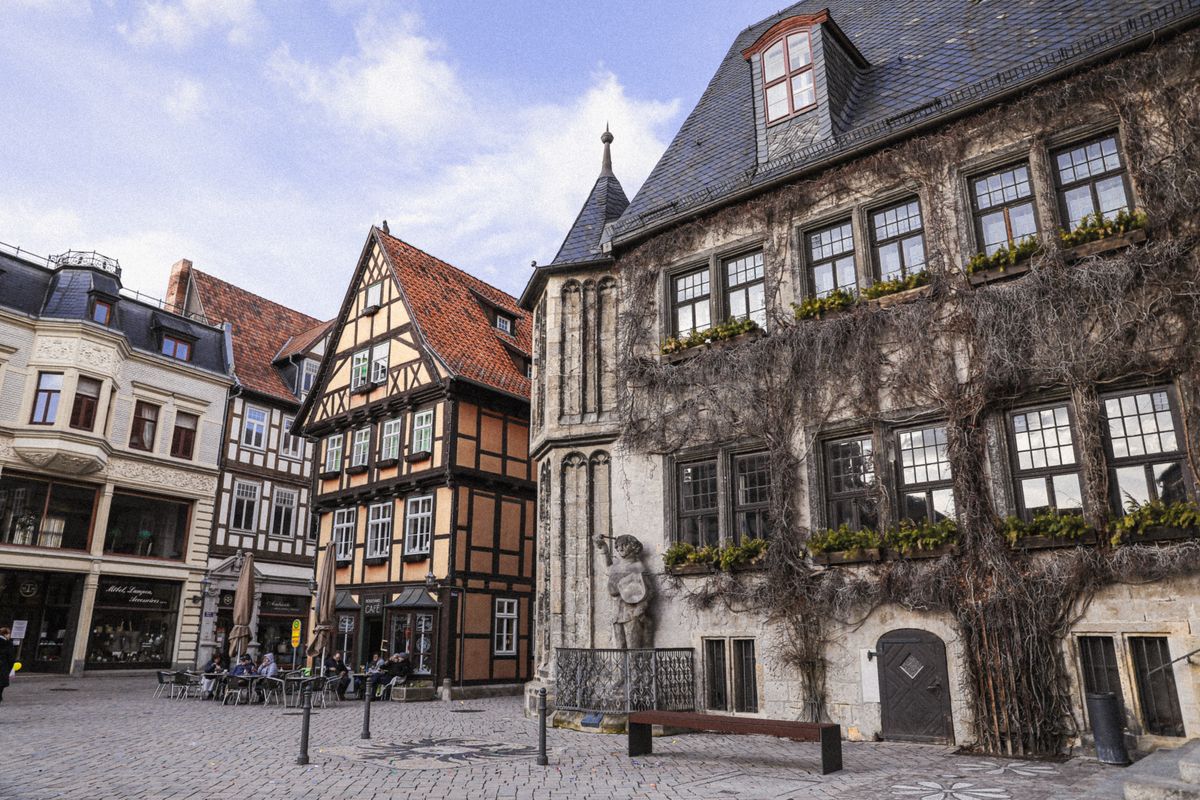
Quedlinburg, in the Harz Mountains, contains approximately 1,300 preserved timber-frame buildings from six centuries of construction and a UNESCO World Heritage collegiate church whose crypt holds the tombs of King Henry I and Queen Mathilde — with roughly a tenth of Rothenburg's annual visitor numbers.
The town's position in former East Germany meant it was preserved through the communist period by poverty of development rather than active conservation, and its buildings survive in the genuine patina of centuries of use rather than the theme-park restoration of some Western German towns.
Getting there: Train from Magdeburg (1.5 hours) or Halle (1.5 hours). The historic center is walkable.
Don't miss: The Stiftskirche crypt, the Wordgasse and Heiligegeiststrasse timber-frame houses, the Lyonel Feininger Gallery, the December Christmas market.
Best time to visit: April to June and September to November.
9. Vipava Valley, Slovenia — The Painted Hilltop Towns
The Vipava Valley in southwestern Slovenia contains a series of hilltop towns of extraordinary picturesqueness almost entirely unknown to international travelers despite being within easy reach of Ljubljana, Trieste, and Venice. Štanjel, the finest of them, is a UNESCO-protected settlement perched on a basalt outcrop, its restored Venetian Renaissance Ferrari Garden one of the most beautiful small gardens in Slovenia.
The adjacent Karst landscape — the limestone plateau from which the geological term karst derives — is dotted with sinkholes and caves of extraordinary scale, including the Škocjan Caves UNESCO World Heritage Site.
Getting there: Drive from Ljubljana (1 hour) or Trieste, Italy (45 minutes).
Don't miss: Štanjel village and the Ferrari Garden, a Vipava Valley natural wine tasting, the Škocjan Caves.
Best time to visit: May to June (wildflowers) and September to October (harvest season).
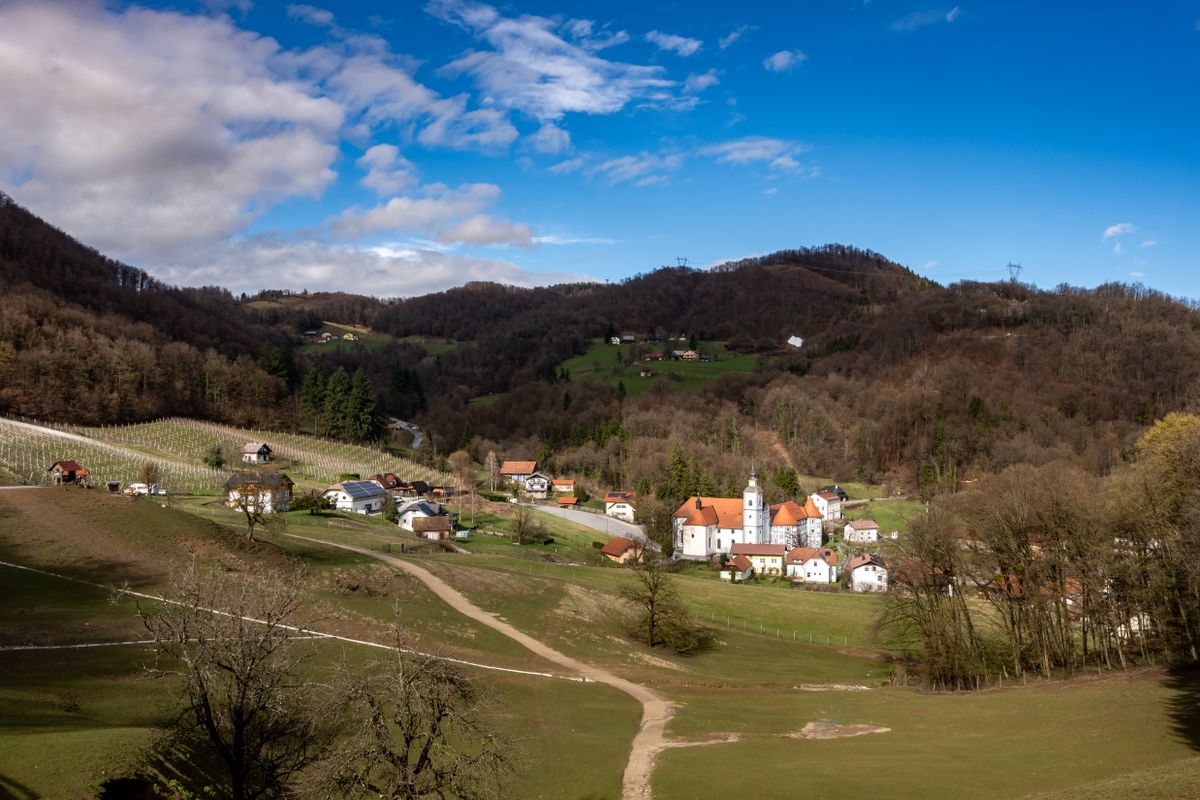
10. Berat, Albania — The City of a Thousand Windows
Berat, Albania's other UNESCO World Heritage city alongside Gjirokastër, is defined by its Ottoman quarter of Mangalem, whose multi-story white houses climbing the hillside are built with such a proliferation of large bay windows that the entire hillside appears to be looking at you — the origin of its nickname, the City of a Thousand Windows.
The Berat Castle, a remarkable fortified hilltop settlement continuously inhabited since antiquity, still contains a small residential community living among Byzantine churches, Ottoman mosques, and medieval houses, with extraordinary views over the Osum River gorge below.
Getting there: Bus from Tirana (approximately 2 hours) or Gjirokastër (approximately 3 hours).
Don't miss: The Mangalem quarter at dawn, the castle's inhabited community at sunset, the Onufri Museum icons, the Gorica quarter across the river.
Best time to visit: April to June and September to October.
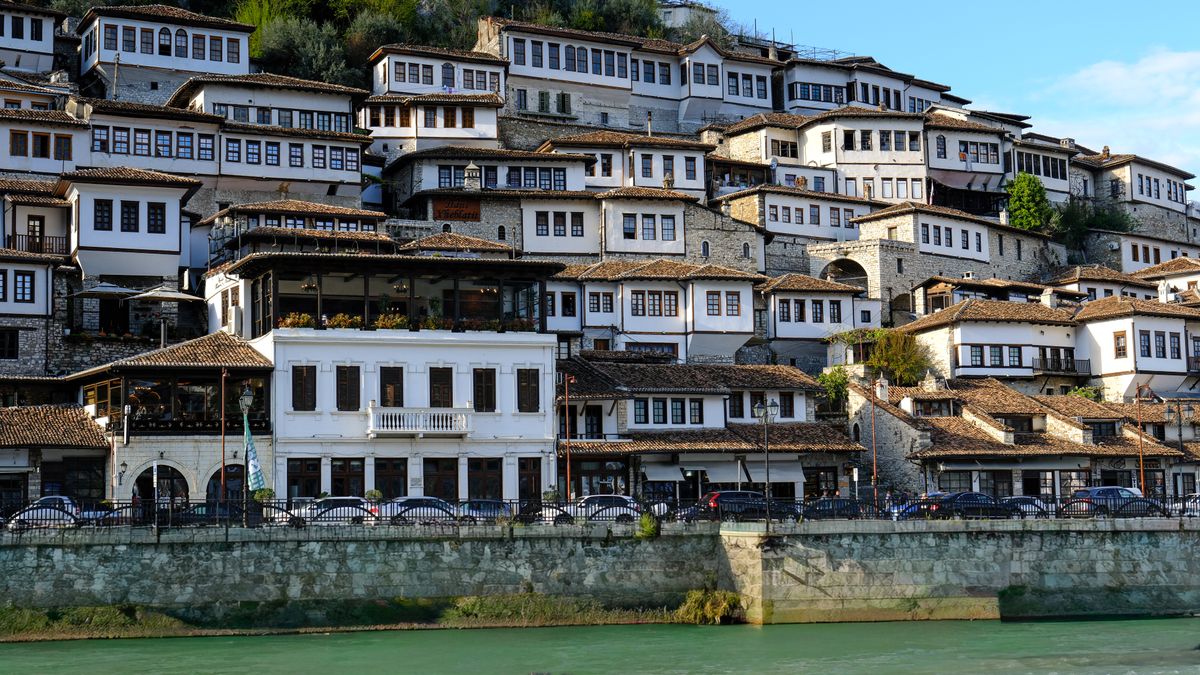
11. Cuenca, Spain — The Hanging Houses City
Cuenca is built on a narrow limestone spur between two river gorges, its extraordinary Casas Colgadas (Hanging Houses) suspended directly above the Huécar gorge on wooden balconies that extend beyond the cliff face over a 40-meter drop. Standing on the San Pablo Bridge opposite the Hanging Houses, looking at the medieval buildings projecting over the void, is one of the most vertiginous pleasures in Spain.
The surrounding Ciudad Encantada — a natural limestone formation of eroded karst rocks in shapes so precisely resembling human and animal figures that 16th-century settlers believed it a petrified medieval city — provides the finest geological day trip from any Spanish highland town.
Getting there: High-speed AVE train from Madrid (55 minutes).
Don't miss: The Hanging Houses from San Pablo Bridge, the Museo de Arte Abstracto Español, the Anglo-Norman Cathedral, the Ciudad Encantada day trip, morteruelo at a traditional restaurant.
Best time to visit: April to June and September to November.
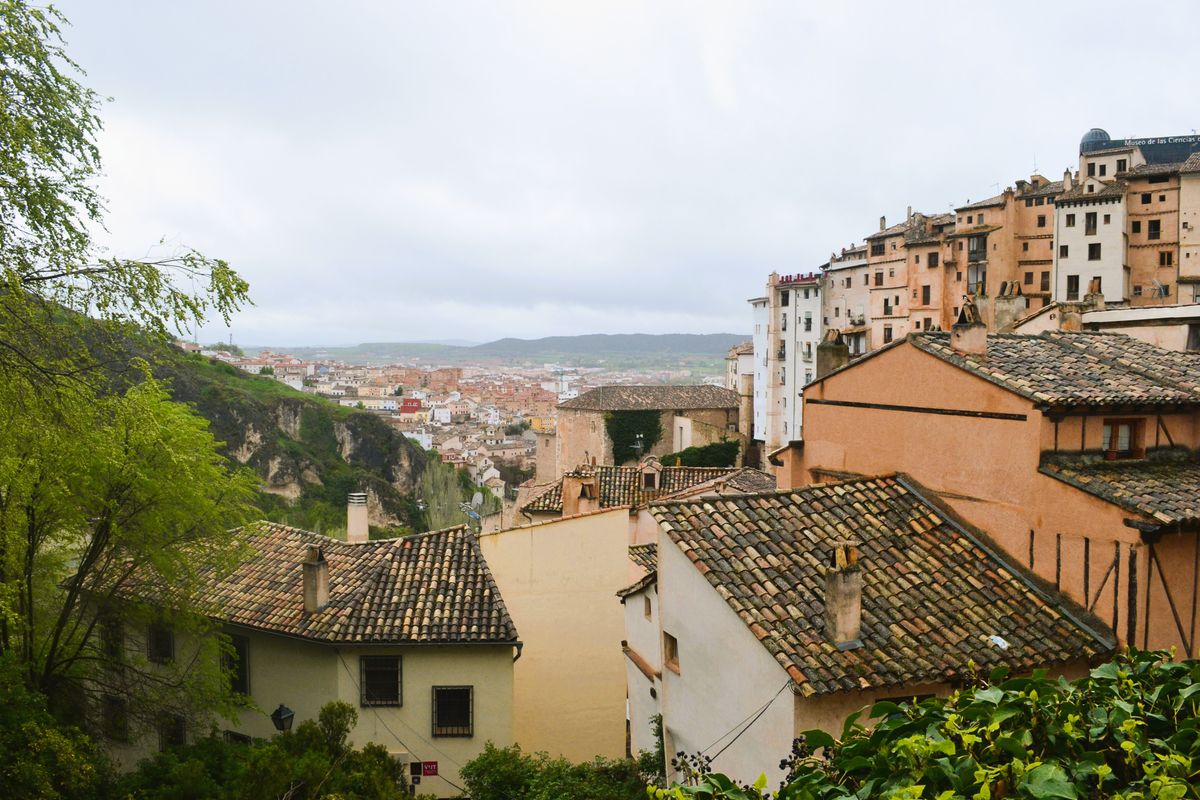
12. Sighișoara, Romania — Dracula's Birthplace and the Medieval Citadel
Sighișoara — the birthplace of Vlad III, whose reputation inspired Bram Stoker's Dracula — is the most completely preserved inhabited medieval citadel in Europe, its hilltop surrounded by nine intact defensive towers, each named for the medieval Saxon guild that maintained it. A community of approximately 800 people still lives within the walls.
The Church on the Hill, accessed by a covered wooden staircase of 175 steps, has a ceiling painted with an extraordinary series of 15th-century frescoes and a churchyard providing the finest view over the citadel. Vlad III's yellow corner house on the Piața Cetății is now a restaurant serving traditional Transylvanian meals.
Getting there: Train from Cluj-Napoca (2 hours), Brașov (2.5 hours), or Sibiu (1.5 hours).
Don't miss: The Clock Tower museum, the covered staircase to the Church on the Hill, the Piața Cetății at dawn and dusk, the July Medieval Festival.
Best time to visit: May to June and September to October.
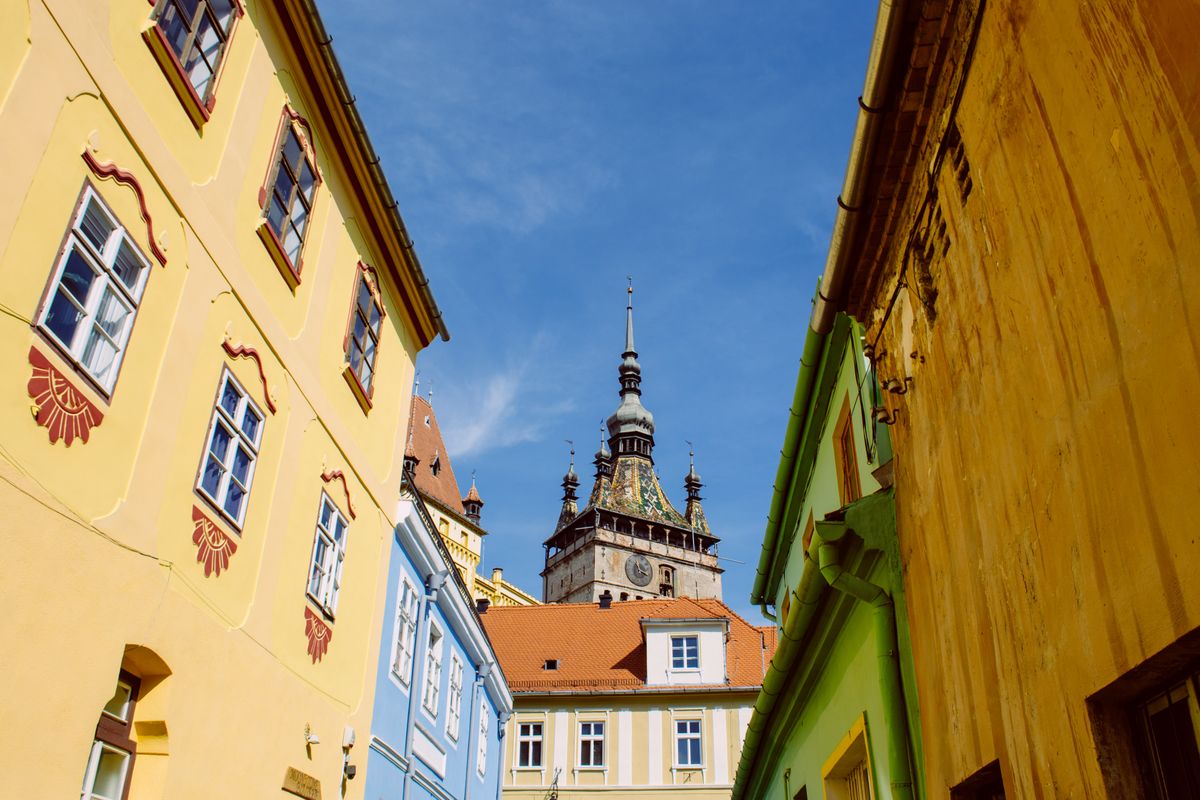
13. Briançon, France — Europe's Highest City
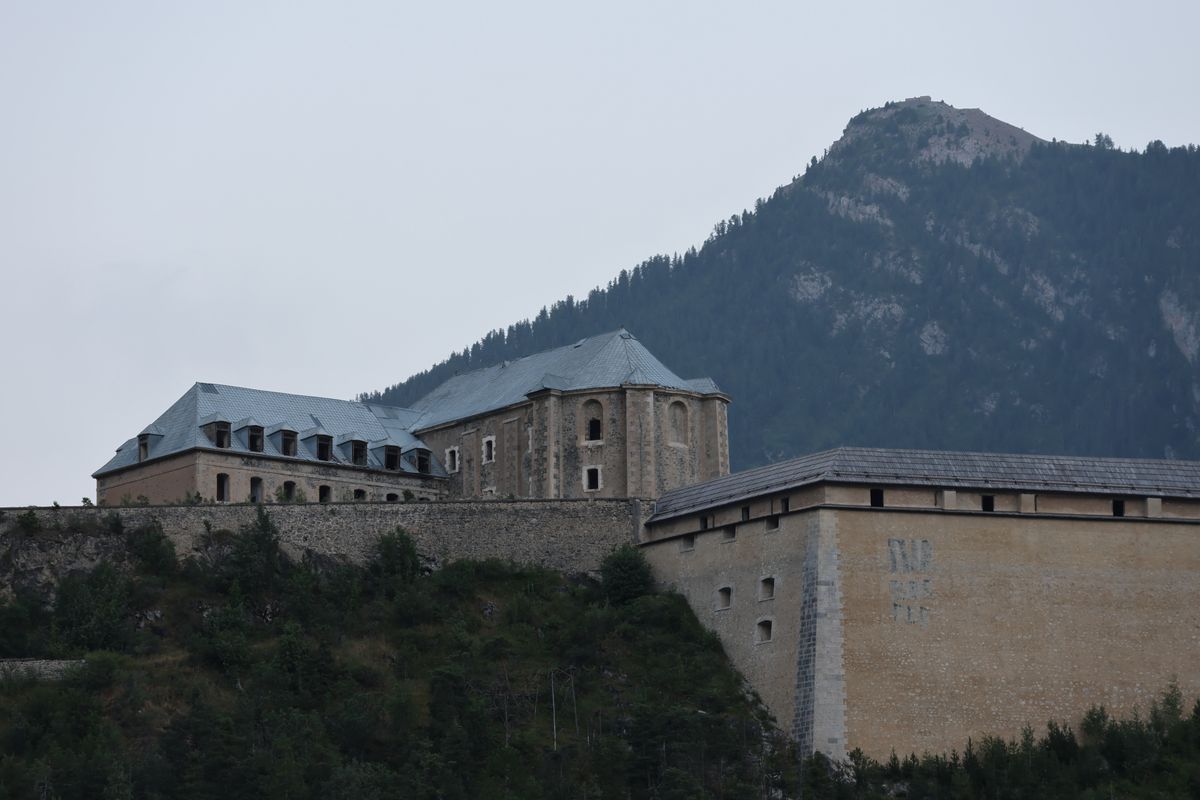
Briançon is the highest city in Europe — its UNESCO-protected Vauban fortifications, built between 1692 and 1733 by Louis XIV's engineer Sébastien Le Prestre de Vauban, crowning a rocky spur at 1,326 meters in the French Alps. The old city within the walls is a compact, steep-streeted medieval town, its narrow Grande Gargouille main street flowing with snowmelt water in a central channel.
The Briançonnais landscape — the Ecrins National Park, the Queyras Natural Regional Park, and the upper Durance valley — is among the finest Alpine landscape in France, its combination of high-altitude meadows and extraordinary Vauban-fortified villages providing material for several days of exploration.
Getting there: Train from Paris Gare de Lyon (4 hours via TGV to Valence then regional train) or Grenoble (2.5 hours).
Don't miss: The Vauban ramparts walk, the Grande Gargouille water channel, the Fort des Têtes view, the Queyras valley drive, tartiflette at a mountain restaurant.
Best time to visit: June to September for hiking; December to April for skiing.
14. Prizren, Kosovo — The Ottoman Jewel of the Western Balkans
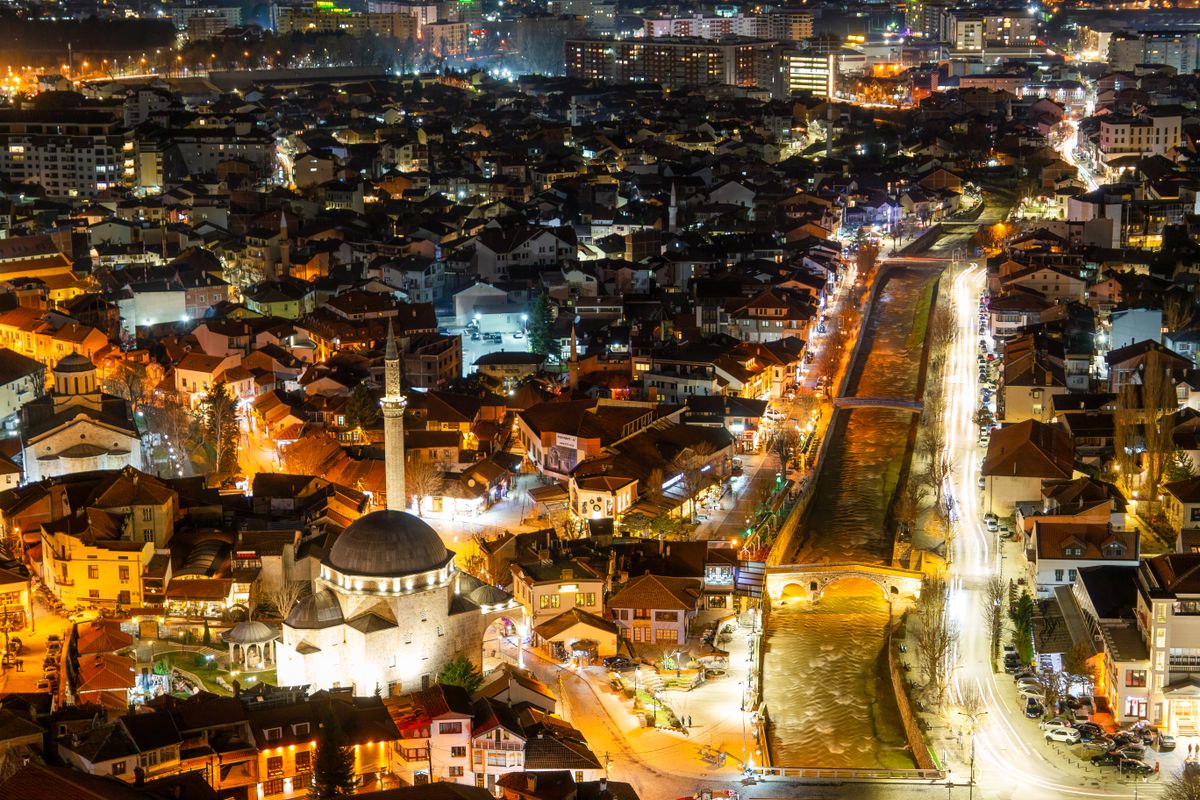
Prizren is the most beautiful city in Kosovo — mosques, Orthodox churches, Catholic cathedrals, and medieval fortifications reflecting its history as a crossroads of Ottoman, Serbian, Albanian, and Byzantine civilization. The old bazaar quarter, with its Ottoman hans and bridges over the Bistrica River, is one of the finest Ottoman bazaar townscapes in the Balkans and, outside the summer film festival period, almost entirely free of international tourists.
The Prizren Fortress above the city provides views over the extraordinary skyline of minarets and church towers below — a visual summary of the city's multicultural history. The League of Prizren House commemorates the 1878 meeting considered the founding moment of Albanian national identity.
Getting there: Bus from Pristina (1.5 hours) or Skopje (2.5 hours).
Don't miss: The old bazaar at dawn, the Church of Our Lady of Ljeviša, the Prizren Fortress at sunset, the August Dokufest documentary film festival.
Best time to visit: May to June and September to October.
How to Find and Experience Fairytale Towns at Their Finest
Arrive before the tour buses. The single most reliable strategy is to arrive early — before 9 AM, and particularly before the day-tripper buses begin arriving at 10–10:30 AM. The Sighișoara citadel at 7 AM, the Telč main square at 8 AM, the Monsanto boulder streets at dawn — these are experiences of entirely different quality from the same places at noon.
Stay overnight. The towns in this guide are best experienced as overnight destinations. The evening after the day-trippers leave, the morning before they arrive — these are the experiences that justify traveling to a small town rather than simply seeing its photographs.
Eat local and specifically. Every town in this guide has a specific local food culture — the byrek and raki of Albanian Gjirokastër, the morteruelo of Cuenca, the tartiflette of Briançon. Seeking these specific local foods is one of the finest ways to understand what kind of place it is.
Walk without a plan. The finest discovery in a fairytale town is always the one that was not in any guide — the courtyard visible through a half-open gate, the church whose door is open and whose interior turns out to contain a completely unexpected masterwork.
Final Thoughts: The Fairytale Is Still Being Written
The fairytale towns in this guide are not preserved in amber. They are living communities whose relationship with tourism is still being negotiated — still at the stage where visitors are a source of interest rather than an ambient condition, where a foreign face in the main square produces a greeting rather than a practiced indifference.
This stage does not last forever. Go to the Albanian hilltop city whose stones seem to grow from the mountain. Go to the Romanian village whose fortified church has watched over the Saxon farming plains for six hundred years. Go in May or September. Arrive before the tour bus. Stay the night.
The fairytale towns are still out there. This is the moment to find them.