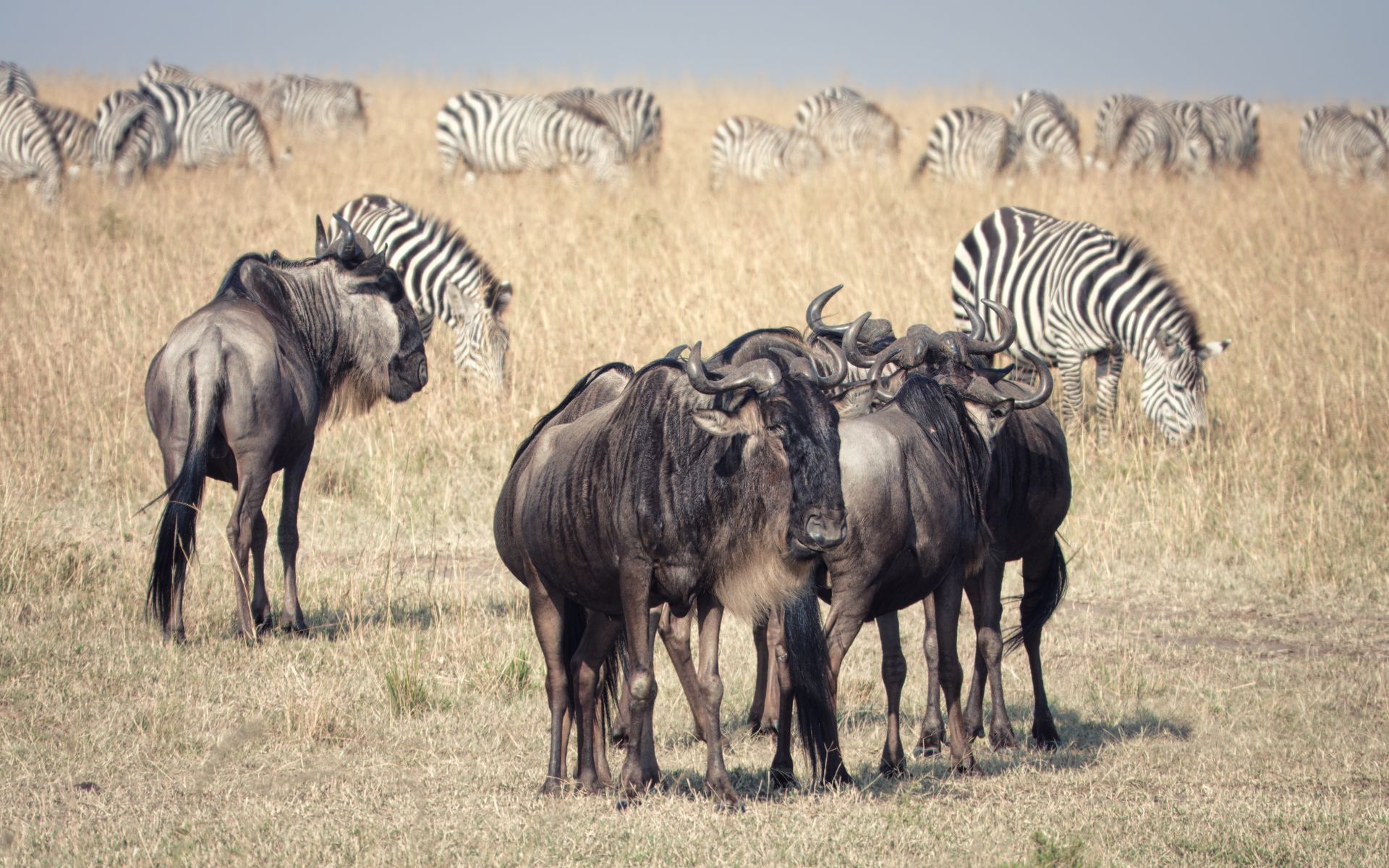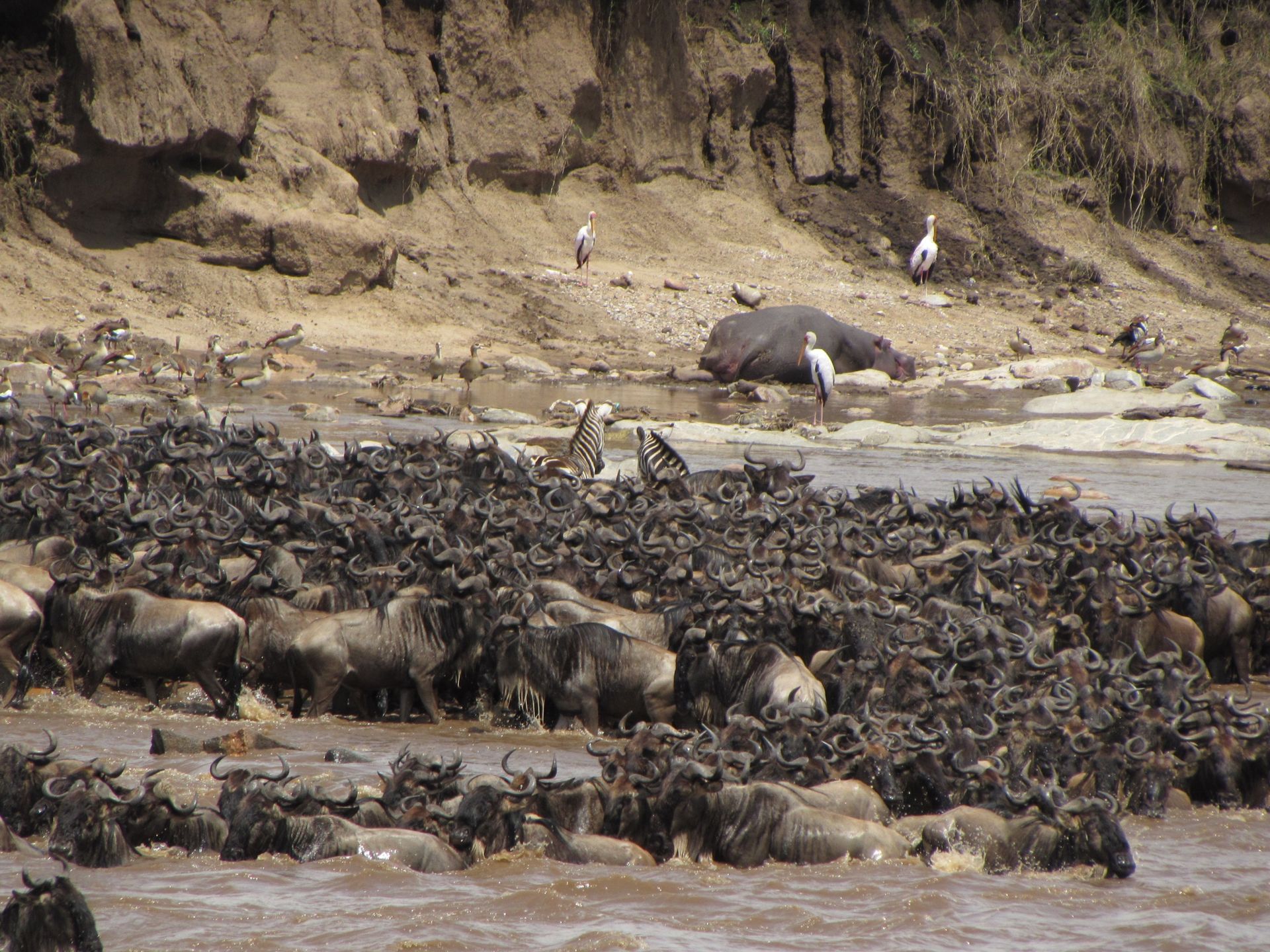
Tanzania makes a claim few countries can make without overstatement: it contains, within a single concentrated geography, several of the finest natural and cultural experiences on Earth. The Serengeti — 30,000 square kilometers where 1.5 million wildebeest undertake the greatest animal migration in the history of life — is not merely the best wildlife destination in Africa but arguably the best in the world. The Ngorongoro Crater's concentrated wildlife density, Kilimanjaro's accessible summit, and Zanzibar's UNESCO Stone Town and coral-sand beaches complete a country that earns every one of its superlatives.
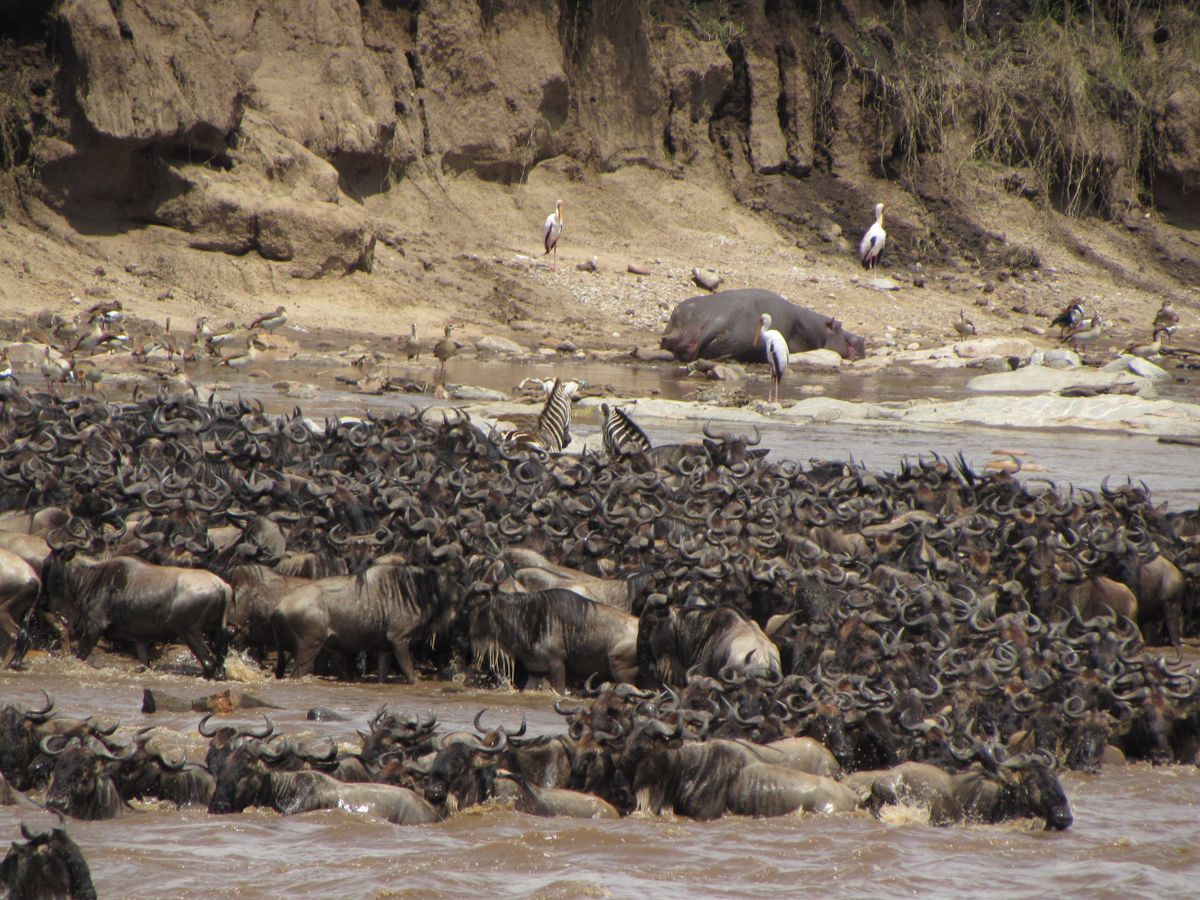
The wildebeest plunging into the Mara River through crocodile-thick water, thunder of hooves audible from a kilometer away — witnessing a river crossing is one of the great experiences in world travel.
When to Go
June–October (dry season) is the premier safari season — animals concentrate around remaining water and the Mara River crossings happen (July–September), the single most dramatic event of the Great Migration. December–March is the second peak, with the wildebeest calving season (January–February) in the southern Serengeti's Ndutu region drawing intense predator activity. April–May (long rains) drops prices 30–50% and delivers an astonishingly green, uncrowded Serengeti, though roads are harder going.
Getting Around Tanzania
Arusha functions as the operational hub of the northern safari circuit, where most operators are based and safaris begin and end. 4WD safari vehicles with pop-up roofs are standard for all wildlife areas; domestic carriers (Precision Air, Coastal Aviation, Auric Air) connect the Serengeti's airstrips, Zanzibar, and the southern parks in under two hours where the equivalent overland journey takes days. Fast ferries (Azam Marine, Kilimanjaro Fast Ferries) cross from Dar es Salaam to Zanzibar in about two hours; long-distance buses exist but are slow and largely impractical for the northern circuit.
The Serengeti: The Greatest Show on Earth
The name comes from the Maasai siringet, "the place where the land runs on forever." Within this landscape, roughly 2 million large animals move in a continuous clockwise migration between Tanzania's southern Serengeti and Kenya's Masai Mara. The park holds approximately 3,000 lions — the densest population in Africa — with reliable leopard sightings in the Seronera kopjes and cheetah throughout the open plains.
The Mara River crossings (July–September) are the migration's signature moment: columns of wildebeest stand at the river's edge for hours before the first animal plunges in, triggering a mass crossing through crocodile-filled water. Camps range from mid-range tented options at €200–400/person/night to ultra-luxury properties at €500–1,500+, all typically all-inclusive.
Ngorongoro Crater
The world's largest intact volcanic caldera — 260 square kilometers, 600 meters deep, formed 2.5 million years ago — holds roughly 25,000 large animals in a self-contained ecosystem visible from the rim like a living diorama. Black rhino (one of the last viable East African populations), black-maned lions, hippo pools, and flamingo-covered alkaline lake water make an 8-hour game drive here more diverse than most African destinations produce in a week. The Olduvai Gorge nearby, where Louis and Mary Leakey discovered Homo habilis fossils in the 1950s–60s, adds essential paleoanthropological context.
Kilimanjaro: The Roof of Africa
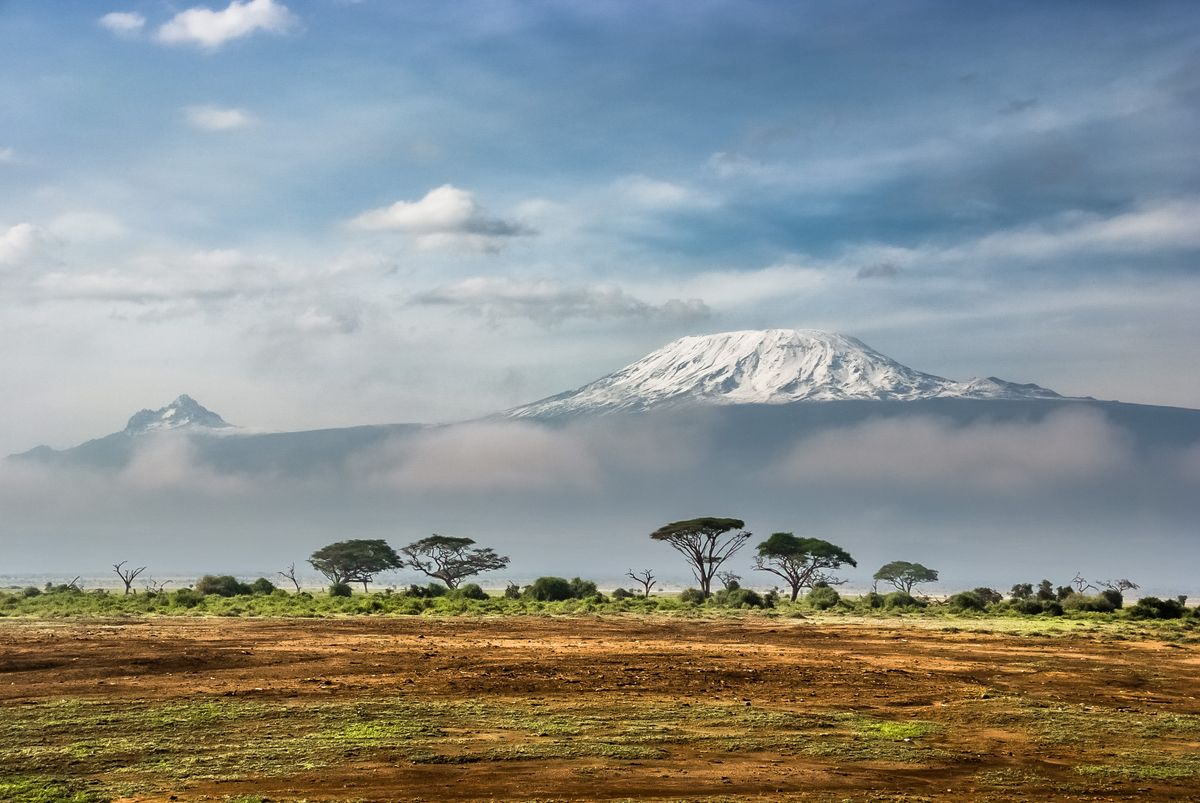
At 5,895 meters, Kilimanjaro is the highest freestanding mountain in the world and the most accessible of the Seven Summits — no technical climbing skill required, just fitness and acclimatization time. The Lemosho Route (7–8 days) has the best acclimatization profile and a roughly 90% success rate; the Machame Route (6–7 days) is the most popular for scenic variety. Summit night begins at midnight from Kibo Camp, ascending scree and snowfields in sub-zero cold to reach Uhuru Peak for sunrise over the African continent.
Zanzibar: The Spice Island
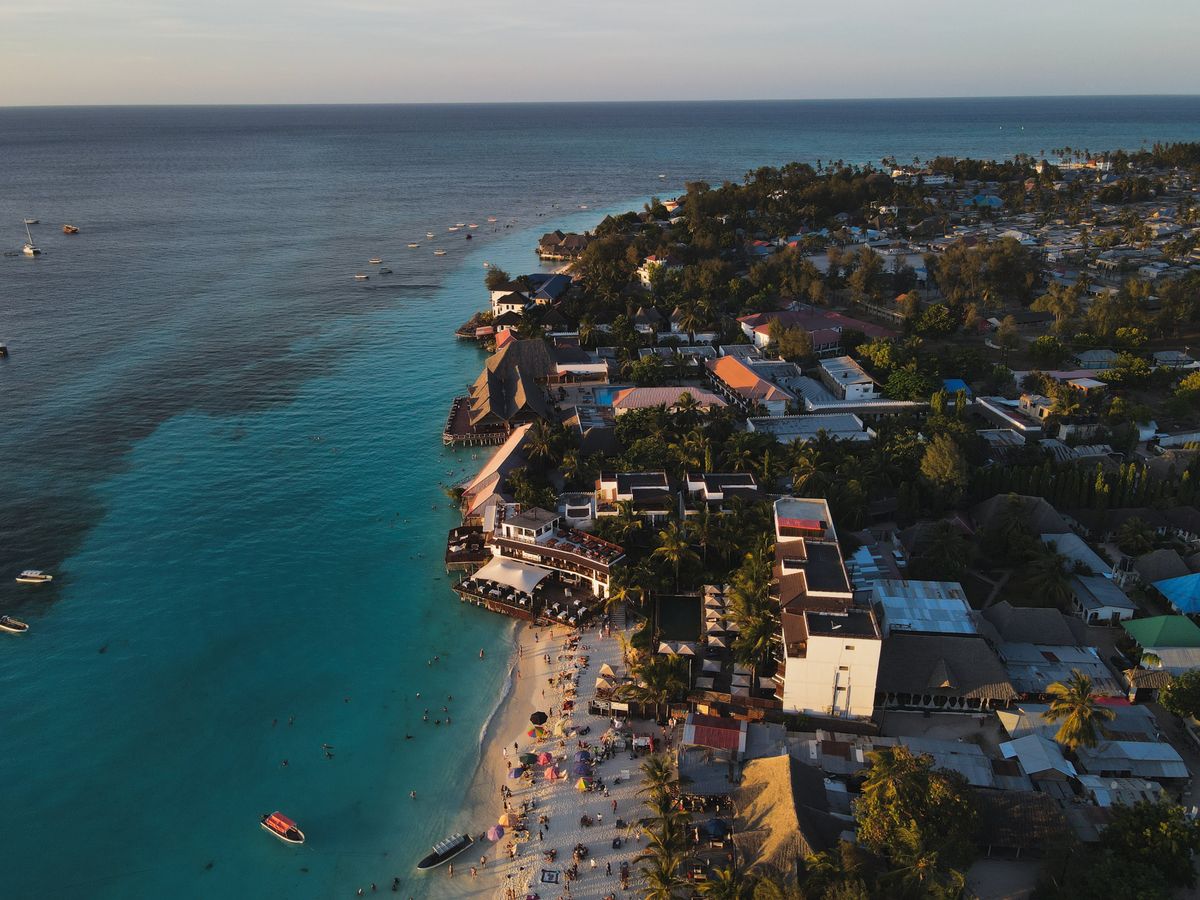
Stone Town, Zanzibar's UNESCO World Heritage capital, holds carved wooden doors that signal the owner's religion and wealth, Persian baths, and the Anglican Cathedral built on the site of the former slave market. The nightly Forodhani Gardens food market — Zanzibar pizza, grilled seafood, fresh sugar cane juice — is one of East Africa's finest street food experiences.
Nungwi and Kendwa on the north coast have the finest year-round swimming beaches; Paje on the east coast is a world-class kitesurfing destination (June–September trade winds). Spice tours through working plantations (Zanzibar produces roughly 75% of the world's cloves) and diving at Mnemba Atoll round out the island.
The Southern Circuit: Selous and Ruaha
Nyerere National Park (formerly the Selous), Africa's largest protected area at roughly 50,000 square kilometers, receives fewer annual visitors than the Serengeti sees in a week — boat safaris on the Rufiji River, walking safaris with armed rangers, and fly-camping offer an intimacy with the bush the northern circuit's popularity has eroded. Ruaha National Park, Tanzania's second-largest, holds the country's biggest elephant population (roughly 20,000) and a dry-season river drama around the Great Ruaha that rivals Ngorongoro, with a fraction of the vehicles.
What to Eat in Tanzania
Ugali, a stiff maize porridge torn by hand and dipped into stews, is the national staple; nyama choma (charcoal-grilled goat, lamb, or beef with kachumbari salad) is the dish of celebration and the end of a safari day. Pilau and biryani, both legacies of Omani and Indian Ocean trade, appear in their finest form on Zanzibar, cooked with coconut milk and fresh seafood. Zanzibar's Forodhani Gardens night market serves grilled rock lobster and Zanzibar pizza alongside fresh sugar cane juice, while mandazi (coconut doughnuts) and chai are the everyday breakfast of the coast.
Tanzania Travel Tips for First Timers
Tanzania rewards travelers who book early and tip generously.
Trail Notes
- Book peak-season camps (July–September, January–February) 12 months ahead.
- Carry crisp, new US dollar bills — older or marked notes are sometimes refused.
- Get the yellow fever vaccination if arriving from an endemic country.
- Tip safari guides $15–25/day and porters $10–15/day — not optional in the safari economy.
- Confirm park fees are included in any safari quote that seems unusually low.
- Pack neutral-colored (khaki, olive) clothing for game drives.
Sample 10-Day Tanzania Itinerary
Arusha → Tarangire (1 night) → Ngorongoro (2 nights, crater drive plus Olduvai Gorge) → Serengeti (4 nights) → Zanzibar (3 nights).
Final Thoughts: Tanzania Is in a Category of Its Own
Wildlife destinations, mountain destinations, beach destinations, island destinations with extraordinary history — Tanzania contains all of these simultaneously at a level of quality that makes it genuinely incomparable. Come prepared. Come with time. Come ready to be undone by beauty.