Africa & Middle East · Destination Guide
Tanzania
Serengeti, Kilimanjaro & Zanzibar — the safari trifecta
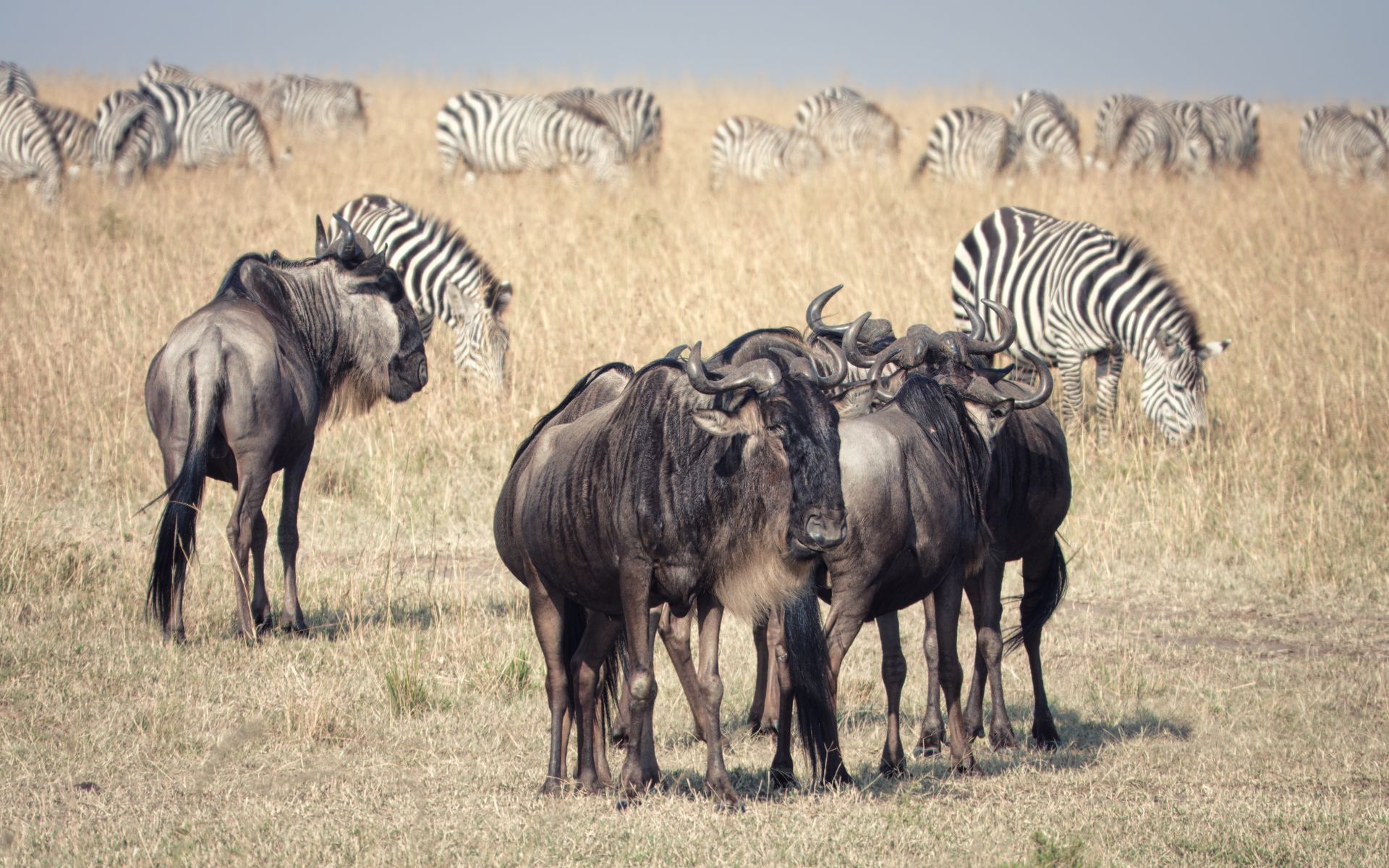
Tanzania holds the heavyweight titles: Africa's highest mountain, its most famous plain, its most complete volcanic caldera, and its most storied spice island — all in one country. The Serengeti alone hosts the largest overland migration on Earth; Ngorongoro packs a Noah's Ark of wildlife into a single collapsed volcano.
The classic route — northern safari circuit, then Zanzibar — is one of travel's great one-two punches: a week of dawn game drives and canvas-tent nights, then dhow sails and Stone Town's carved doors, with Kilimanjaro's summit available for those who want to earn their beach.
Africa's highest mountain, most famous plain, and most storied spice island — one country.
Don't Miss
The Unmissables
The Serengeti
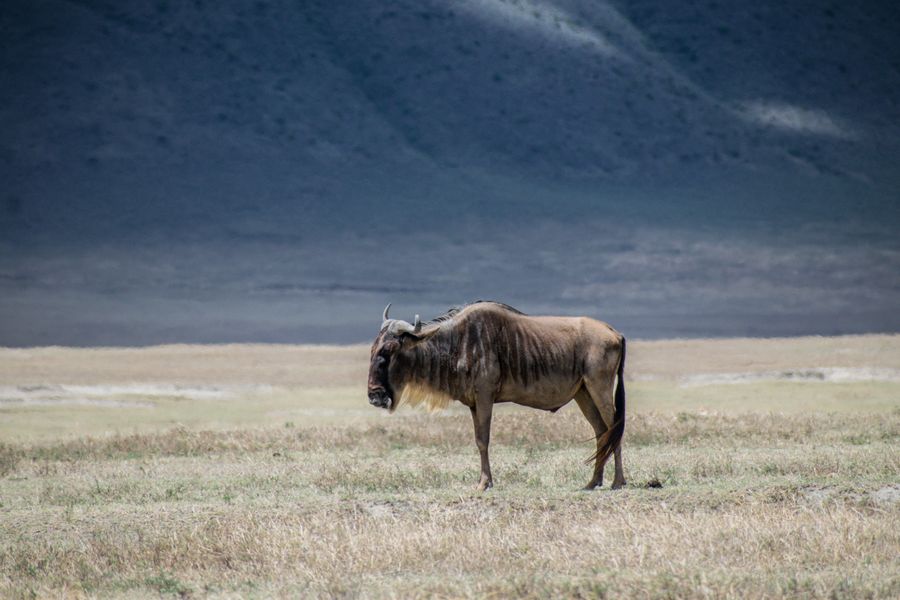
Endless plains that gave the park its name (siringet — "the place where the land runs forever"), hosting two million migrating animals, prides the size of small villages, and every safari cliché performed without irony. December–March, the herds calve in the south; June–July they mass at the western river crossings.
Ngorongoro Crater
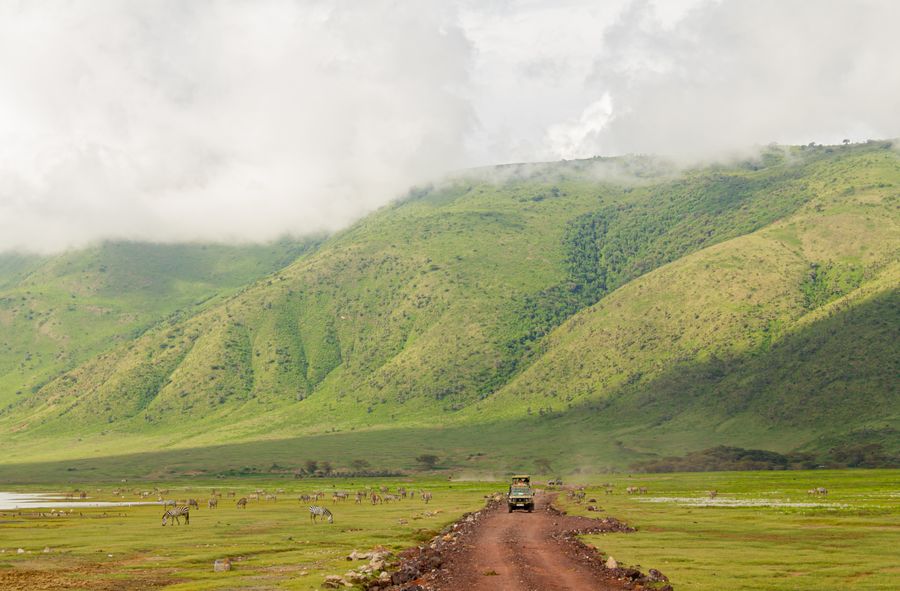
A 260-square-kilometre caldera holding 25,000 large animals — the closest thing on Earth to a lost world. Descend at dawn before the day-trippers, and you may see lion, rhino, elephant and hyena before breakfast, all beneath 600-metre walls.
Kilimanjaro
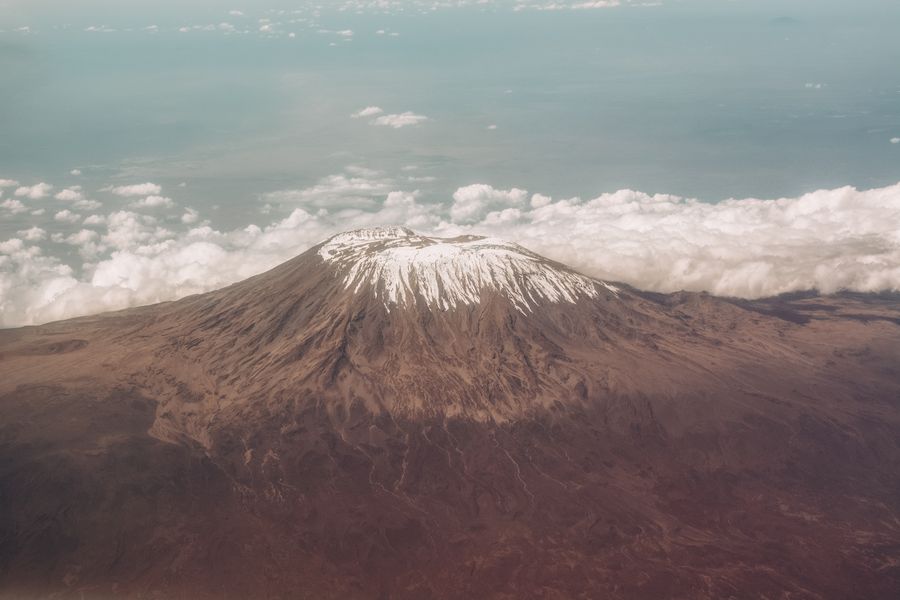
The roof of Africa (5,895m) is a trek, not a climb — no ropes, just altitude, will and seven days done properly. The Machame and Lemosho routes give the best acclimatisation and scenery. Summit night starts at midnight and delivers a crater-rim sunrise you'll measure other sunrises against forever.
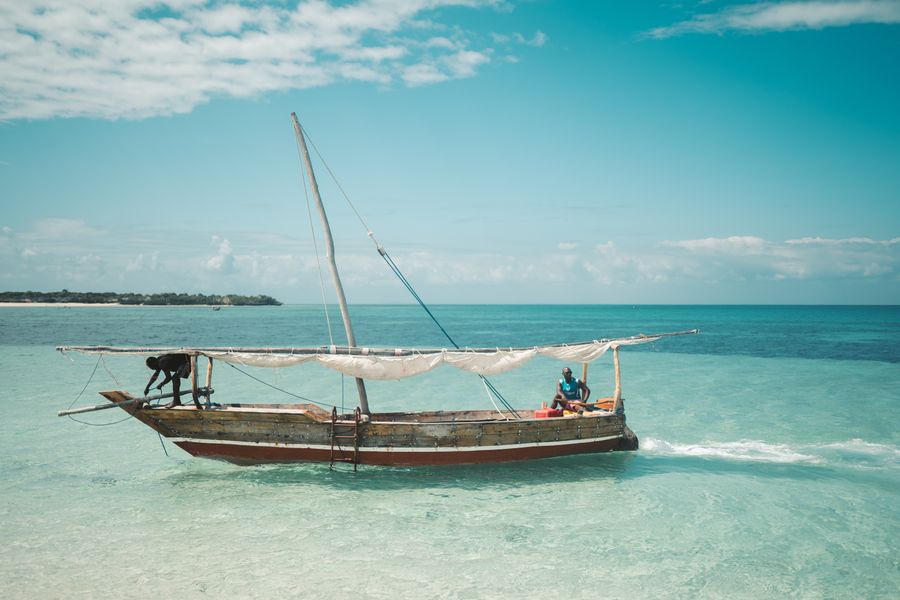
Zanzibar
Stone Town's labyrinth of carved doors and spice markets, then the east-coast lagoons where dhows drift over water striped every blue. Snorkel Mnemba atoll, take the spice-farm tour seriously (it's genuinely fascinating), and eat at the Forodhani night market.
Timing Is Everything
When to Go
Dry season
Prime game viewing everywhere, best Kilimanjaro weather, Zanzibar at its driest.
Calving season
Half a million wildebeest calves born in weeks on the southern Serengeti — predator action guaranteed.
Short rains
Brief showers, green plains, lower prices — a fine-value window.
Long rains
Heavy rain, muddy tracks, many camps closed. Zanzibar gets its wettest weeks too.
The Route
The Perfect Tanzania Itinerary
Arusha & Tarangire
Safari capital staging, then baobabs and elephant herds in the underrated first park.
Serengeti
Central plains or migration position depending on season; sundowners as the light turns to honey.
Ngorongoro
Dawn descent into the crater — the greatest single game-viewing day in Africa.
Kilimanjaro (optional)
The 7-day Machame route for the sunrise on the roof of Africa.
Zanzibar
Stone Town wandering, spice farm, east-coast lagoon days, Forodhani feast finale.
Plan Your Spend
What Tanzania Costs
Backpacker
Group camping safaris ($180-250/day on circuit), local buses, Zanzibar guesthouses at $25-40.
Mid-range
Lodge-based northern circuit, park fees included, beach hotel finale. Kilimanjaro treks $2,000-3,000 all-in.
Luxury
Serengeti mobile camps following the migration, crater-rim lodges, Mnemba island exclusivity.
Estimates per person, excluding international flights. Book stays via our partners to support free guides like this one.
Get the Tanzania Insider Brief
New guides, hidden spots and trip deals — weekly, free, unsubscribe anytime.