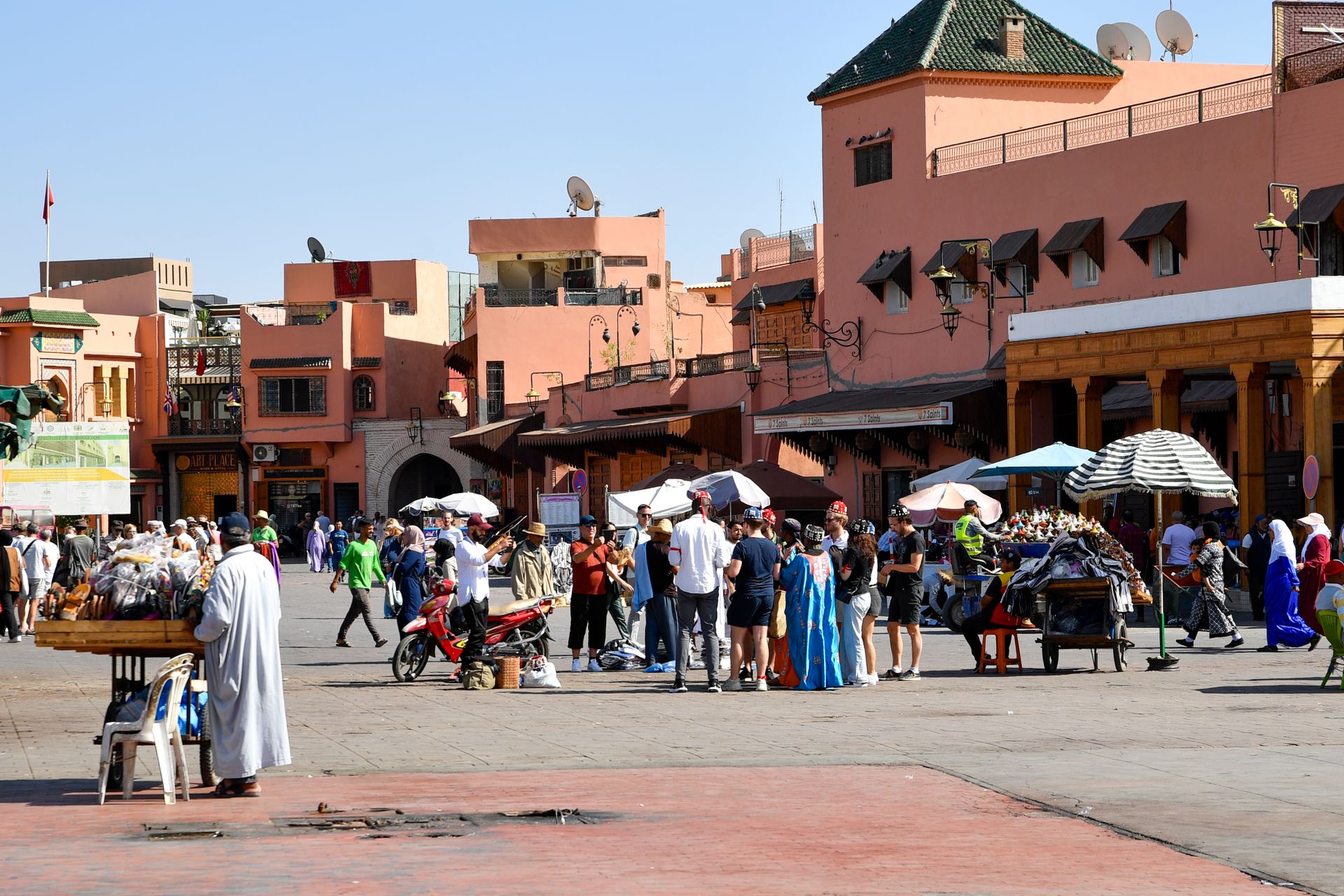
Marrakech does not arrive gradually. It hits you all at once — the heat, the color, the noise, the smell of cumin and rose water drifting from the souks, the call to prayer rolling across a skyline of terracotta rooftops and swaying palms. For first-time visitors, Marrakech is a city of beautiful disorientation — its medieval street plan was deliberately designed to confuse outsiders, and getting lost here is not an inconvenience. It is the point. This guide covers everything you need: when to visit, how to get around, what to see, where to eat, which neighborhoods to explore, and the practical knowledge that separates a stressful first visit from a transformative one.
The Red City — named for the rose-hued pisé walls that glow amber in the late afternoon light — is one of Africa's most extraordinary destinations.
Why Marrakech Should Be on Every First-Time Traveler's List
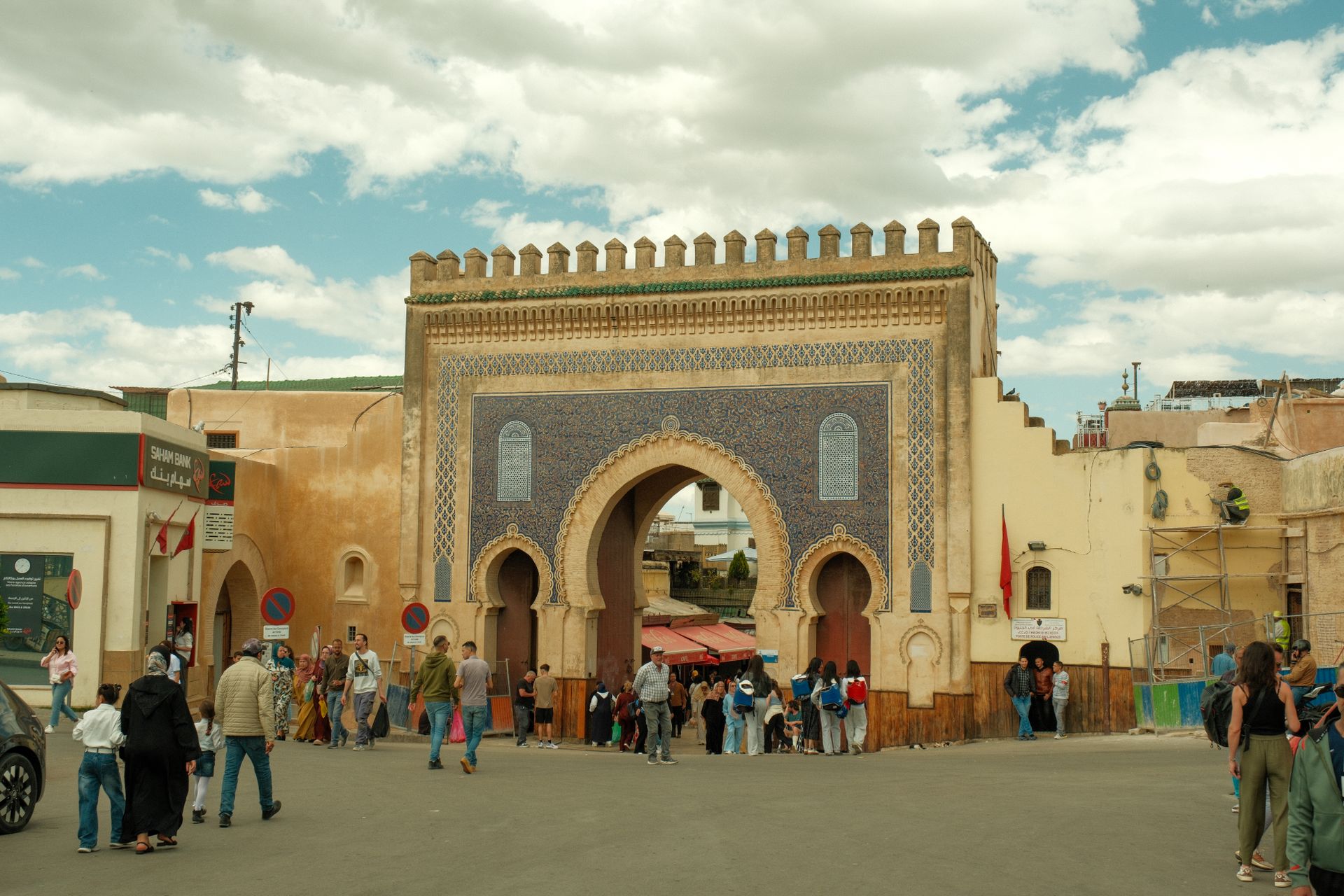
Marrakech is close enough to Europe to reach in three hours, yet culturally and sensorially it feels like a completely different world. The medina, a UNESCO World Heritage Site since 1985, is one of the best-preserved medieval Islamic cities in existence — its souks, riads, mosques, and palaces have changed remarkably little in essential character over the past five centuries.
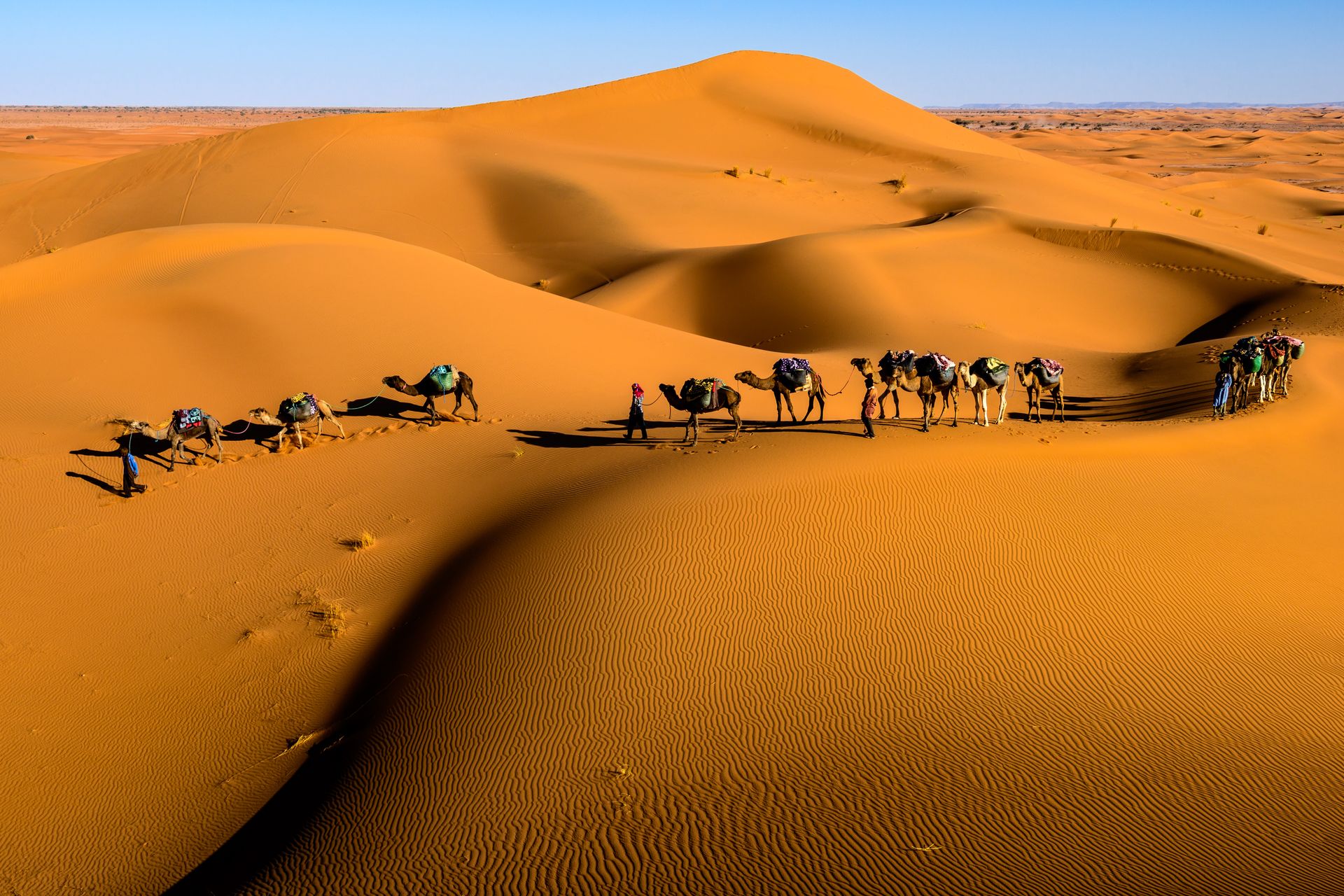
But Marrakech is not a museum piece. It is a living, breathing city of nearly one million people, with a sophisticated hospitality industry, a world-class food scene blending Berber, Arab, Andalusian, and French influences, and a creative culture that has made it one of the most talked-about destinations in the world for two decades. It also sits at the gateway to the High Atlas Mountains, the Saharan dunes of Merzouga, and the coastal city of Essaouira.
Best Time to Visit Marrakech
Spring (March–May): the ideal season — 18–28°C, blooming gardens, and the Dadès Valley roses in spectacular bloom in April and May.
Autumn (September–November): as good as spring and increasingly popular — the summer heat breaks by September, returning to a pleasant 25–32°C with magnificent golden light.
Winter (December–February): cool by North African standards (5–10°C at night, 18–20°C by day), with the medina at its least crowded and prices falling substantially — the snow-capped High Atlas adds a dramatic backdrop.
Summer (June–August): genuinely very hot, regularly exceeding 40°C — accommodation with a pool is essential if you visit, and serious sightseeing should be confined to early morning and after sunset.
How to Get to Marrakech and Around
Marrakech Menara Airport (RAK) sits just 6km from the medina. Official petit taxis take 15–20 minutes to the medina for ~80–120 MAD; the Bus 19 airport service to Djemaa el-Fna costs ~30 MAD. Many riads offer pre-arranged transfers, often the most stress-free option for first-time arrivals.
The medina is best explored on foot — its narrow derbs are inaccessible to vehicles. Petit Taxis move between the medina and Guéliz (20–40 MAD). Calèches offer a romantic circuit of the ramparts (150–200 MAD). Careem (owned by Uber) offers more predictable pricing than negotiating with individual drivers.
Top Attractions in Marrakech for First-Time Visitors
1. Djemaa el-Fna Square: the beating heart of Marrakech, a UNESCO-recognized Masterpiece of the Oral and Intangible Heritage of Humanity. By day, orange juice vendors and henna artists; by evening, food stalls, storytellers, and gnawa musicians transform the square. Watch the transformation from a rooftop café at sunset.
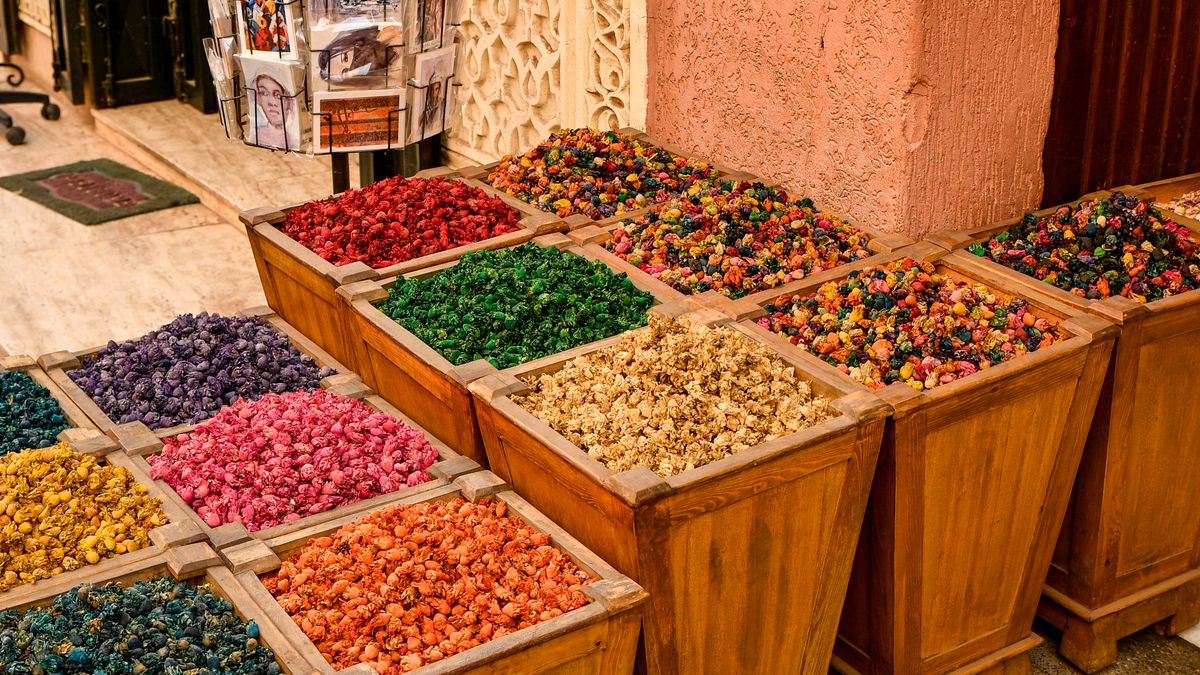
2. The Souks of the Medina: a vast network organized by trade — spice, leather, textile, lantern, woodworking, and jewelry souks, plus the dyers' quarter with vivid hanks of silk hanging overhead. Best explored in the morning.
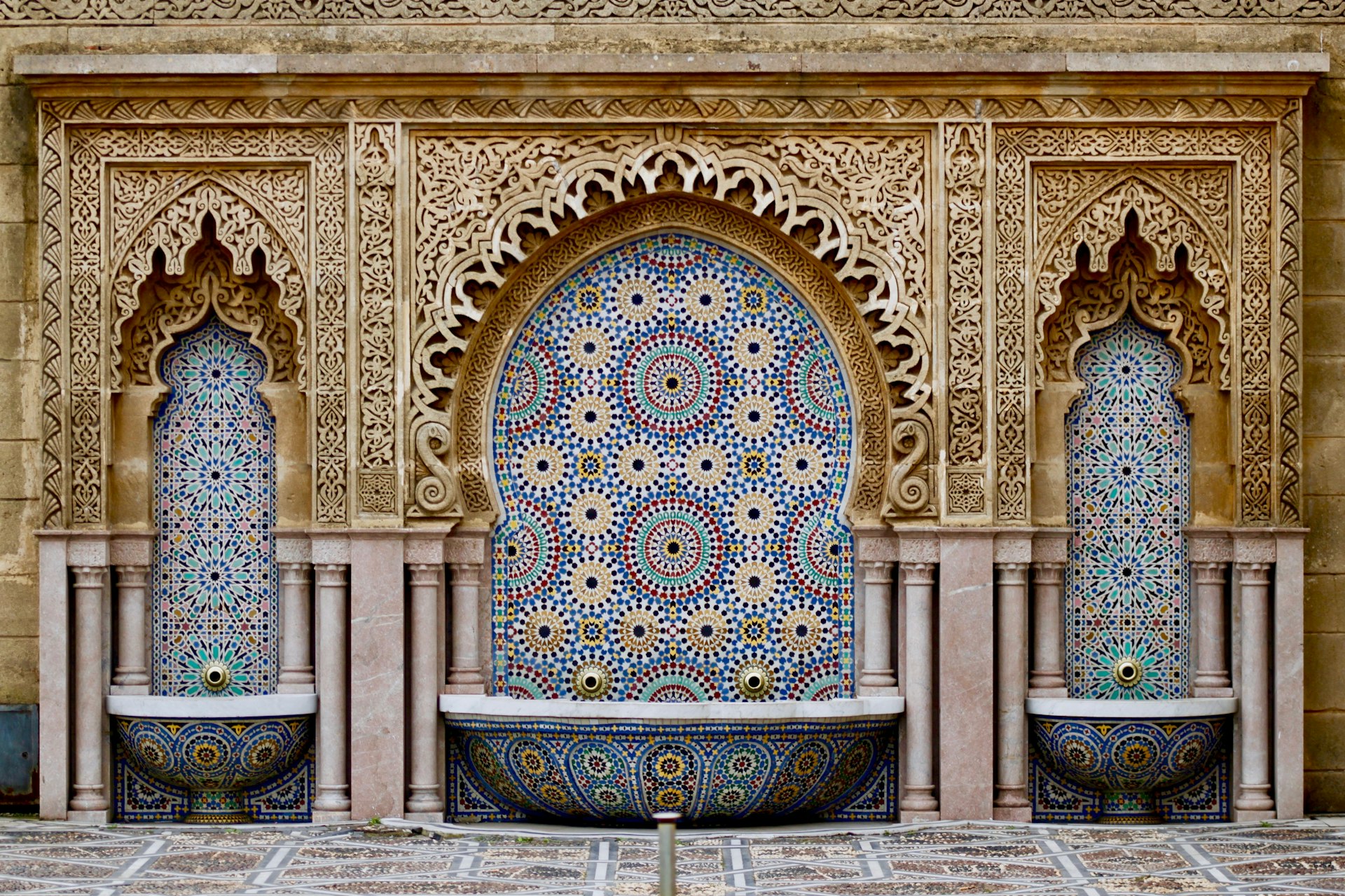
3. Bahia Palace: built in the late 19th century for the grand vizier Si Moussa, a masterpiece of Moroccan craftsmanship across 8 hectares of gardens, fountains, and intricate zellij tilework.
4. Saadian Tombs: discovered only in 1917 after being sealed off for centuries, containing the mausolea of Sultan Ahmad al-Mansur, with a main chamber of carved marble columns and a honeycomb cedar ceiling.
5. Koutoubia Mosque: the defining landmark of Marrakech, its 70-meter minaret the model for the Giralda in Seville and the Hassan Tower in Rabat. Non-Muslims cannot enter, but the gardens are open to all.
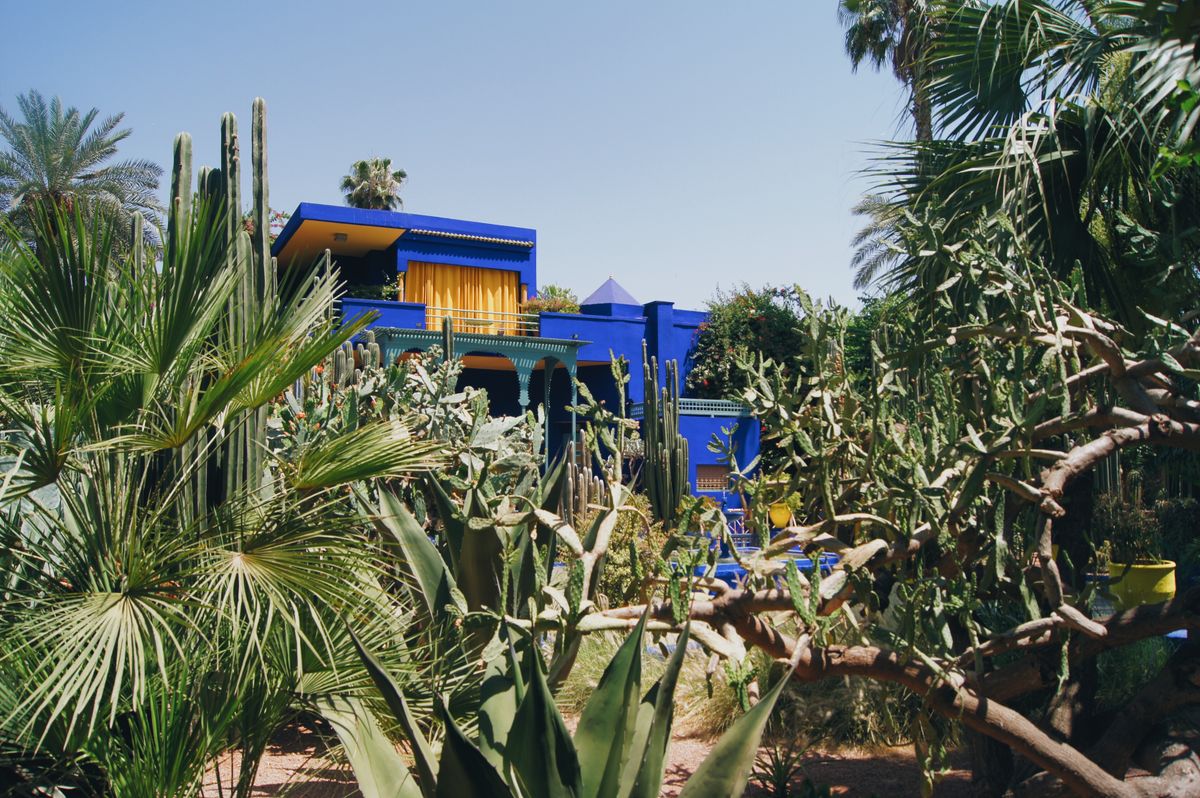
6. Majorelle Garden and Yves Saint Laurent Museum: created by French painter Jacques Majorelle over 40 years, its iconic cobalt blue buildings contrasting with bamboo groves and cacti; purchased and restored by Yves Saint Laurent and Pierre Bergé. Book tickets online — it sells out frequently.
7. Medersa Ben Youssef: once the largest Islamic theological college in North Africa, its central courtyard with a marble reflecting pool one of the most breathtaking spaces in Morocco.
8. El Badi Palace: built in the 1590s to celebrate a victory over the Portuguese, now standing in magnificent ruin with storks nesting in its towers and fine views over the medina.
9. Hammam Experience: a cornerstone of Moroccan social life — steam rooms, black soap, a vigorous kessa scrub, and a rhassoul clay mask. Local hammams offer a more authentic and affordable experience than tourist-oriented spas.
10. Day Trip to the High Atlas: Imlil, an hour's drive away, is the base for Atlas trekking toward Jebel Toubkal (4,167m, North Africa's highest peak); the closer Ourika Valley has a Monday Berber market and waterfalls further up.
What to Eat in Marrakech: A First-Timer's Food Guide
Tagine: Morocco's most iconic dish, slow-cooked in a conical clay pot — lamb with prunes and almonds, chicken with preserved lemon and olives, or kefta with eggs. Couscous: Friday's traditional dish, steamed semolina with slow-cooked lamb or chicken and caramelized onions. Pastilla (B'stilla): a flaky warqa pastry pie of pigeon or chicken, almonds, and eggs, dusted with cinnamon and sugar. Harira: a thick soup of tomatoes, lentils, and chickpeas, traditionally served with dates and chebakia. Mechoui: whole lamb slow-roasted in a pit oven near the Mouassine neighborhood. Fresh-Squeezed Orange Juice: from the vendors at Djemaa el-Fna, extraordinarily cheap at 5–10 MAD a glass. Moroccan Mint Tea (Atay): poured from height to create a froth — refusing tea offered by a host is considered impolite.
Where to Stay in Marrakech
Riads in the Medina: the defining accommodation experience, from simple guesthouses to lavishly restored palaces with plunge pools and rooftop terraces — recommended for first-timers, from ~€50/night. Guéliz (Ville Nouvelle): the French-built new city, more modern and easier to navigate, with excellent restaurants near the Majorelle Garden. Hivernage: upscale, home to larger luxury hotels and nightlife venues. Palmeraie: the palm grove on the northern edge, home to spectacular resort hotels for travelers prioritizing pools and relaxation.
Book riads 3–4 months ahead for spring visits and the December–February holiday period.
Marrakech Travel Tips for First Timers
The souks and Djemaa el-Fna involve a level of commercial energy that surprises many first-time visitors — a few habits go a long way toward keeping things enjoyable.
Trail Notes
- Embrace getting lost in the medina — carry your riad's address written in Arabic for taxi drivers.
- Agree on prices before any transaction — souks, taxis, and guides alike.
- Dress modestly — covered shoulders and knees, especially in conservative parts of the medina.
- Be firm but polite with persistent vendors — a calm "la shukran" (no thank you) works well.
- Hire a licensed guide for the souks — around 300–500 MAD for a half day, well worth it.
- Carry small denomination dirhams — breaking large notes at market stalls can be difficult.
- Drink bottled or filtered water rather than tap water.
- Always ask permission before photographing people, and expect a small tip for performers at Djemaa el-Fna.
- The medina is larger than it looks on a map — build extra time into every plan.
Suggested 4-Day Marrakech Itinerary for First Timers
Day 1: check into your riad, the Koutoubia Mosque gardens, sunset over Djemaa el-Fna from a rooftop terrace, dinner at the evening food stalls.
Day 2: Bahia Palace and the Saadian Tombs, an afternoon in the souks, sunset from the El Badi Palace ramparts.
Day 3: Medersa Ben Youssef, the Majorelle Garden and Yves Saint Laurent Museum, lunch in Guéliz, an afternoon hammam.
Day 4: a day trip to Imlil or the Ourika Valley, returning for a farewell dinner at Djemaa el-Fna.
Marrakech on a Budget: Is It Possible?
Marrakech is one of the most accessible major tourist destinations in the world. A bowl of harira costs 10–15 MAD; a fresh orange juice 5–10 MAD; a full tagine lunch 60–100 MAD; a night in a well-run budget riad from ~300–400 MAD. Even the city's most iconic attractions — Bahia Palace, the Saadian Tombs, Medersa Ben Youssef — each cost 70–100 MAD.
A very comfortable daily budget of €60–€80 per person covers a mid-range riad, all meals, transport, and multiple paid attractions.
Final Thoughts: Marrakech Will Stay With You Long After You Leave
The smell of rose water. The sound of a craftsman hammering copper in a souk alleyway. The Atlas mountains appearing above the rooftops at dawn. These are the images first-time visitors carry home. The city asks patience and flexibility of its visitors — push through the initial disorientation and you will find one of the most rewarding and genuinely transporting travel experiences available anywhere in the world.