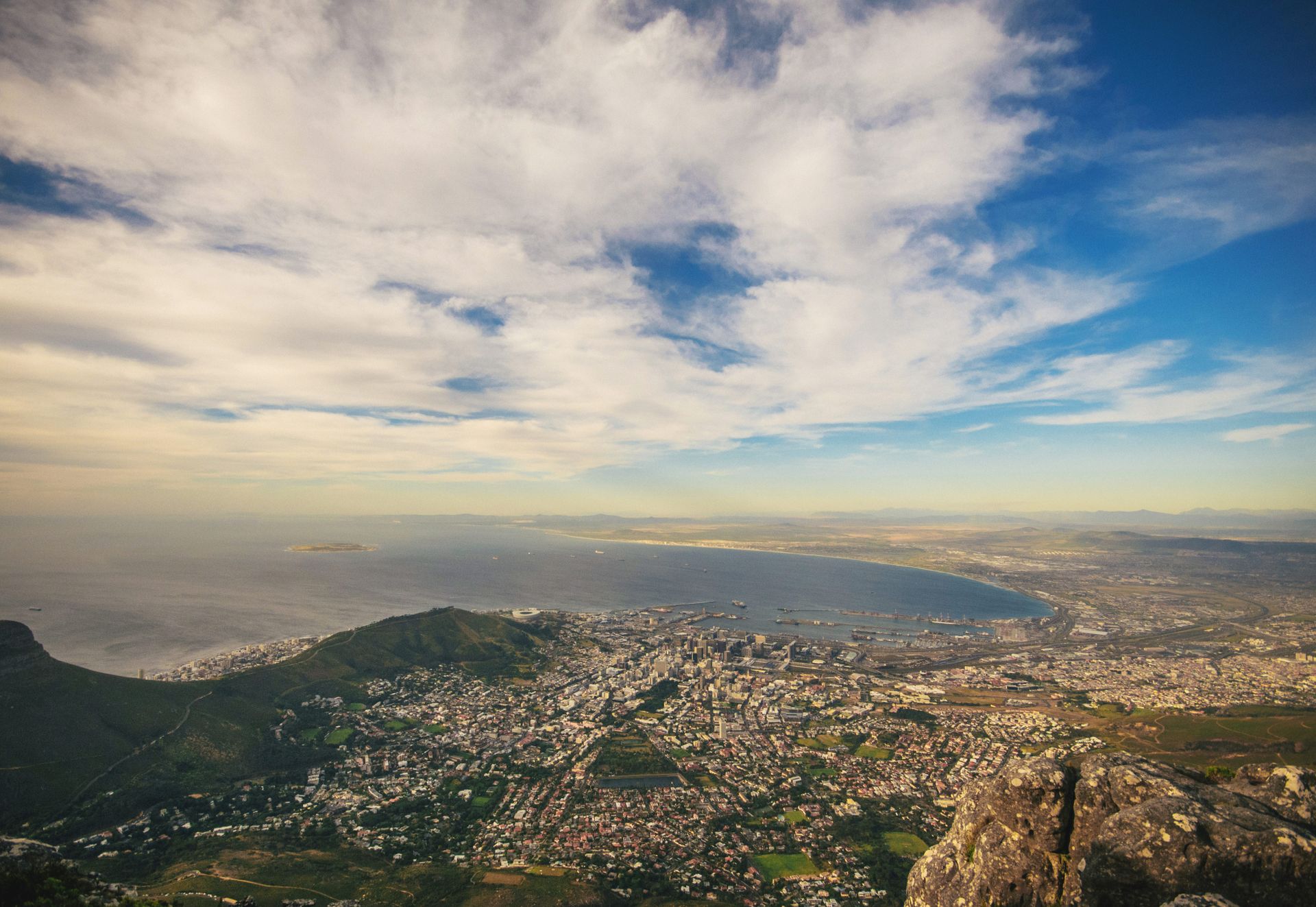
The safari is South Africa's dominant international image, and it delivers exactly the awe the global safari industry has promised since the 1920s. But the traveler who leaves without the Cape Peninsula's drama, the Winelands' civilized pleasure, or Cape Town's visual extraordinariness has encountered the country's most famous dimension and missed the country itself. What makes South Africa distinctive is the density of extraordinary experiences within a single, geographically compact country — Cape Town and Kruger are 1,400km apart, a Paris-to-Warsaw distance, but daily flights and excellent infrastructure make combining them practical in a single 10-day trip.
The specific morning on the Sabi Sand when the leopard climbs the marula tree with the impala kill, and the specific evening watching sunset from Signal Hill two days later — these are expressions of the same extraordinary country.
Cape Town: The Mother City
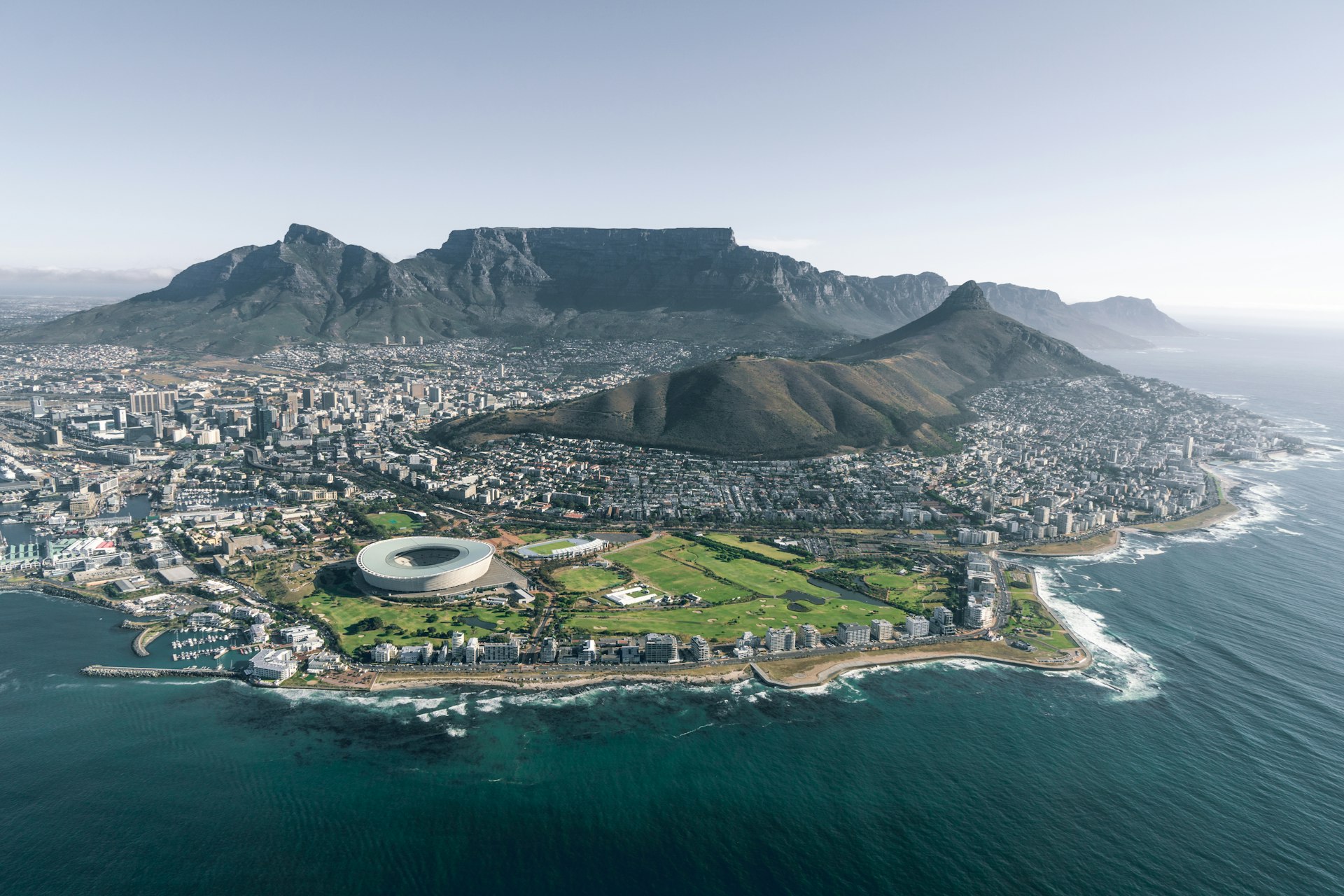
Table Mountain's cable car reaches the 3-square-kilometer fynbos summit plateau in 5 minutes, weather permitting — arrive at 8am opening or pre-book to beat the queue, and check the "tablecloth" cloud status before committing. The V&A Waterfront's Two Oceans Aquarium and the ferry to Robben Island (where Mandela served 18 of his 27 years, guided by former political prisoners) are essential. Bo-Kaap's brightly painted Cape Malay houses and cuisine — bobotie, koeksisters — are the most photogenic and most historically layered neighborhood in the city.
Cape Town's restaurant scene is the finest in Africa, built on Benguela Current seafood and Winelands produce. The Old Biscuit Mill Saturday Market in Woodstock and Kalk Bay's harborside fish and chips are the essential everyday food experiences.
The Cape Peninsula and the Winelands
The Cape Peninsula day drive — Chapman's Peak's 114 curves, the Boulders Beach penguin colony (approachable within meters), and Cape Point's dramatic cliffs — is one of the finest scenic drives in the world. Leave Cape Town by 7:30am to beat the tour buses to the penguins.
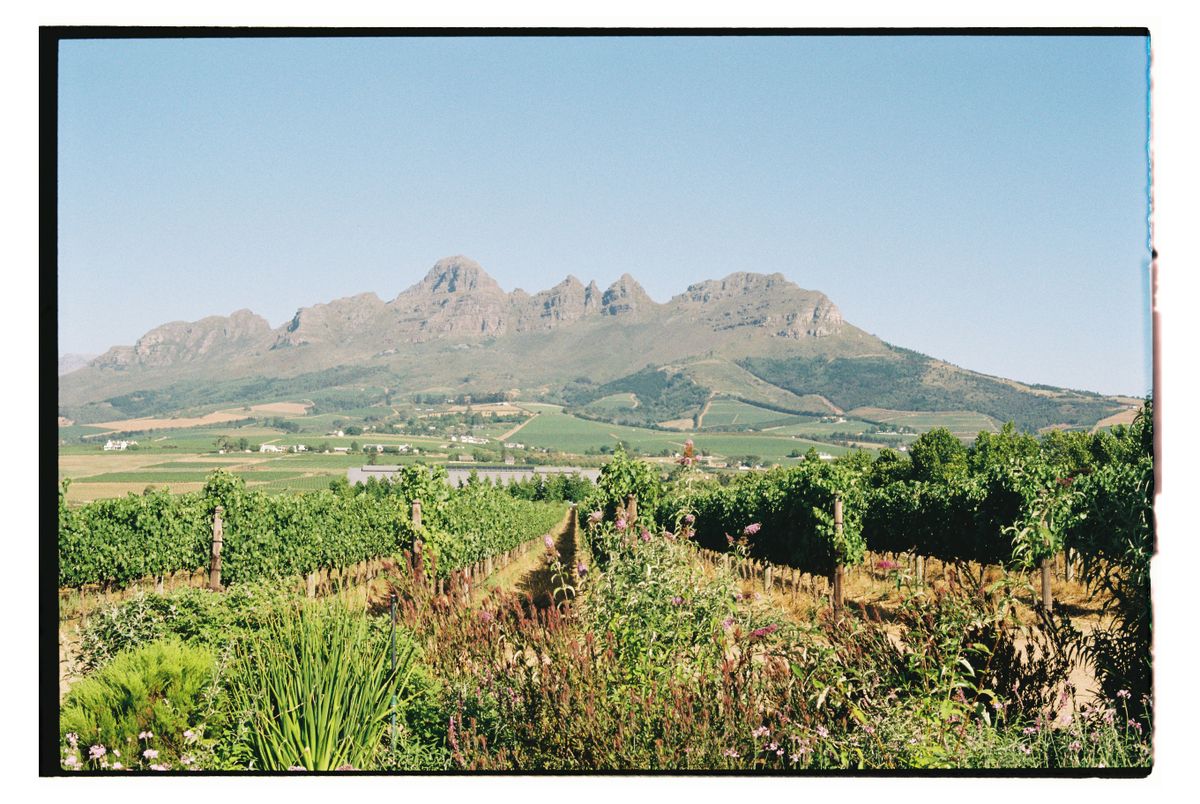
Stellenbosch, South Africa's wine capital, holds the Cape's oak-lined colonial streetscape and its finest reds — Kanonkop's Pinotage, Meerlust's Rubicon, Rust en Vrede's Cabernet Sauvignon. Franschhoek, "French Corner," founded by Huguenot refugees in 1688, is the Winelands' most sophisticated food village.
The Garden Route
The 200km coastal road from Mossel Bay to Storms River Mouth passes Knysna's lagoon (famous for its oysters and the dramatic sandstone Knysna Heads) and the Tsitsikamma National Park, home to the Otter Trail (South Africa's finest coastal hike, book 12+ months ahead) and the Bloukrans Bridge Bungee — at 216 meters, the highest commercial bungee jump in the world.
Kruger National Park: The Safari Heartland
Kruger, larger than Wales, is Africa's most democratic safari — self-drive accessible on paved roads, with accommodation ranging from budget rest camps (ZAR 300–600/night) to luxury private concessions. Lower Sabie consistently produces the highest Big Five sighting density of any Kruger camp; book it 11–12 months ahead through SANParks. The dry season (May–September) offers the best game viewing as vegetation thins and wildlife concentrates around permanent water.
Private Game Reserves and KwaZulu-Natal
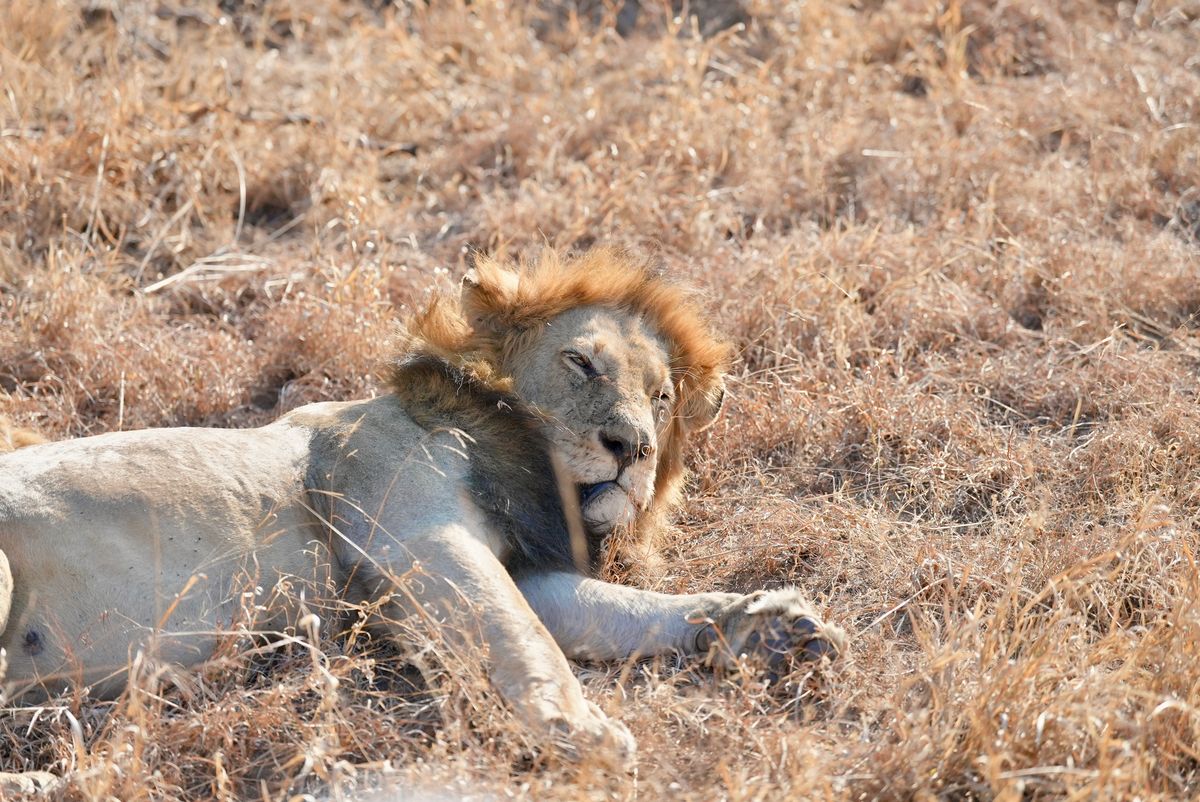
The Sabi Sand, sharing a 50km unfenced boundary with Kruger, has the highest leopard density per square kilometer in Africa, with vehicles allowed off-road to follow sightings and twice-daily guided drives including night drives. MalaMala, Sabi Sabi, and Londolozi represent the lodge spectrum from classic to ultra-luxury, all-inclusive of accommodation, meals, and game drives.
Durban's Indian Ocean coast is warm and swimmable year-round, with the largest Indian population outside India and the bunny chow as its signature dish. The Drakensberg mountains hold over 30,000 San rock art paintings — the highest concentration in the world — and the Tugela Falls, the world's second-highest waterfall.
Safety and Practical Travel Tips
South Africa's crime rate is real and geographically concentrated — honest preparation, not avoidance, is the right response.
Trail Notes
- Use Uber exclusively for urban transport in Cape Town, Johannesburg, and Durban.
- Never display valuables in city centers or leave anything visible in a parked car.
- Visit townships (Soweto, Langa) only with a reputable guided tour.
- Take out full vehicle insurance for self-drive trips — potholes on secondary roads are common.
- A high-clearance SUV is worth the upgrade for Kruger's dirt roads and elevated game viewing.
- Malaria prophylaxis is recommended for Kruger and the KwaZulu-Natal coast — consult a travel clinic beforehand.
Sample 14-Day South Africa Itinerary
Cape Town (4 nights) → Stellenbosch/Franschhoek (2 nights) → Garden Route to Knysna (2 nights) → fly to Johannesburg → Kruger self-drive or private reserve (5–6 nights).
South Africa Budget Guide
The weak rand makes South Africa the most cost-effective major safari-and-city combination in Africa. Budget travelers spend ZAR 800–1,500/day; a private reserve all-inclusive stay runs ZAR 4,000–15,000/person/night but bundles accommodation, meals, and all game drives.
Final Thoughts: The Country That Contains Everything
South Africa asks more of the traveler than most destinations — the specific safety preparation, the historical engagement its apartheid legacy deserves, the planning its distances demand. What it returns is a depth and variety of experience that even well-traveled visitors consistently identify as the finest available anywhere on Earth at this price point.