Rome is one of those rare cities that manages to feel both timeless and alive at the same time. Every cobblestone street whispers history, every piazza buzzes with life, and around every corner, a masterpiece waits. This guide is designed to give you everything you need: when to go, how to get around, what to see, where to eat, and how to avoid the most common tourist mistakes.
Rome is not just a city — it is a living museum, with over 2,700 years of history and an extraordinary concentration of art, architecture, and culture few places on Earth can rival.
Why Rome Should Be on Every First-Time Traveler's Bucket List
The Colosseum, the Vatican, the Pantheon, the Trevi Fountain — these are not just tourist attractions, they are icons of human civilization. But Rome is also a deeply modern city; its restaurants, bars, and fashion scene rival any European capital, and Romans are passionate about food, football, and la dolce vita. Ranked consistently among Europe's top destinations, Rome attracts over 30 million visitors annually.
Best Time to Visit Rome
Spring (April–June): widely considered the sweet spot — 15–25°C, blooming flowers, daily outdoor dining. Easter brings beautiful but crowded processions.
Summer (July–August): hot, regularly exceeding 35°C, with long lines at major attractions. Start sightseeing early and take a long midday break; many Romans leave the city in August.
Autumn (September–November): arguably even better than spring — crowds thin, temperatures cool to a pleasant 18–28°C, and wine harvest season adds atmosphere to the countryside.
Winter (December–February): the least crowded time, with significantly lower prices and a magical Christmas atmosphere; temperatures rarely fall below 5°C, though rain is more common.
How to Get to Rome and Around
Rome is served by Fiumicino (~30km from the center) and Ciampino (~15km, low-cost carriers). Leonardo Express Train: the fastest option to Roma Termini, ~32 minutes, ~€14. Regional FL1 Train: cheaper, stops at multiple stations. Taxi: official flat rate of €48 from Fiumicino — always use licensed white taxis. Rome connects by high-speed rail to Florence (1.5 hrs), Naples (1 hr), and Milan (3 hrs).
Central Rome is surprisingly walkable — the Colosseum, Roman Forum, Palatine Hill, Capitoline Hill, the Pantheon, and Piazza Navona are all within walking distance. Metro: Line A (Vatican, Spanish Steps, Trevi) and Line B (Colosseum, Termini). Taxi and Ride-Hailing: Free Now and Uber are available. A single transport ticket (BIT) costs €1.50, valid 100 minutes.
Top Attractions in Rome for First-Time Visitors
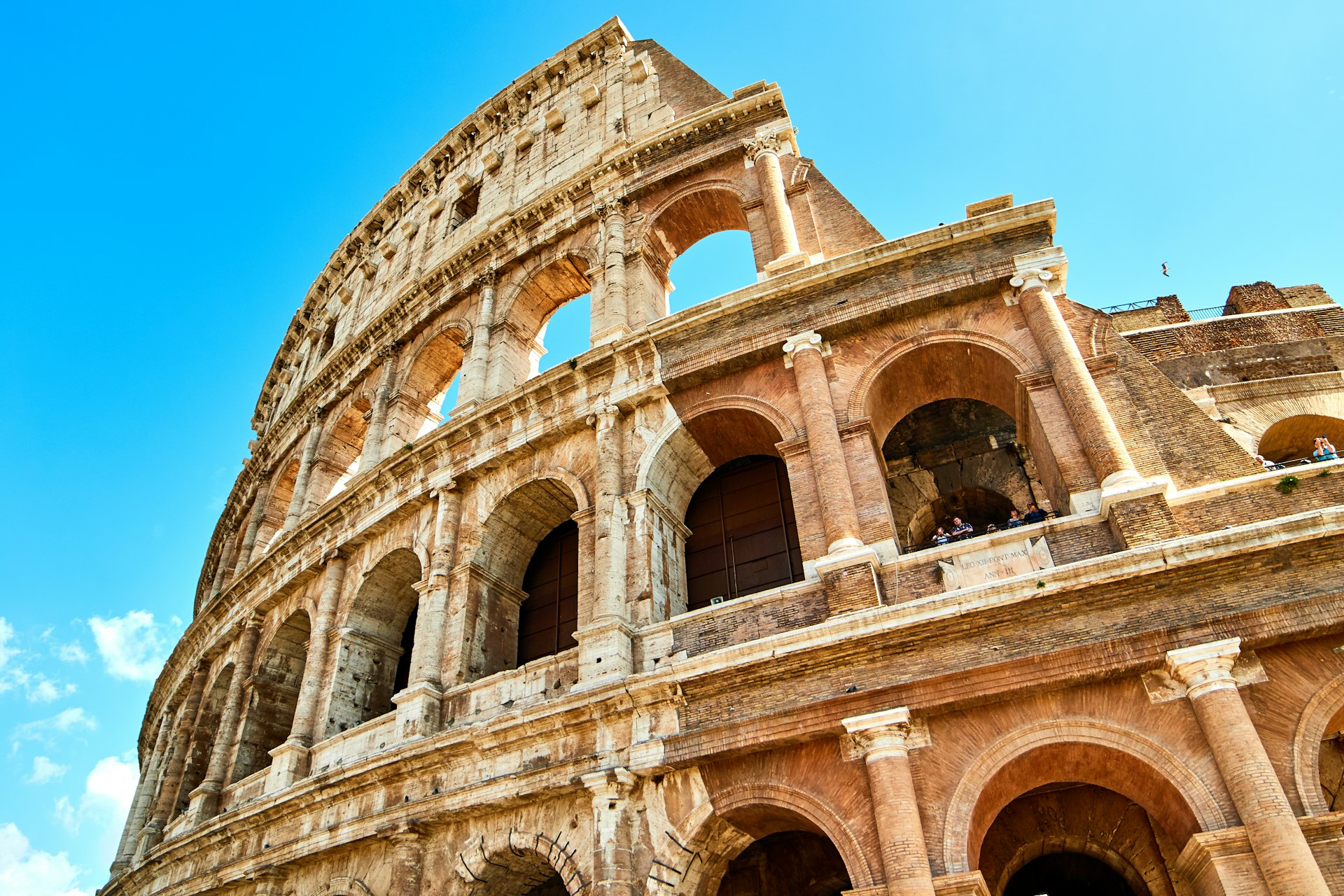
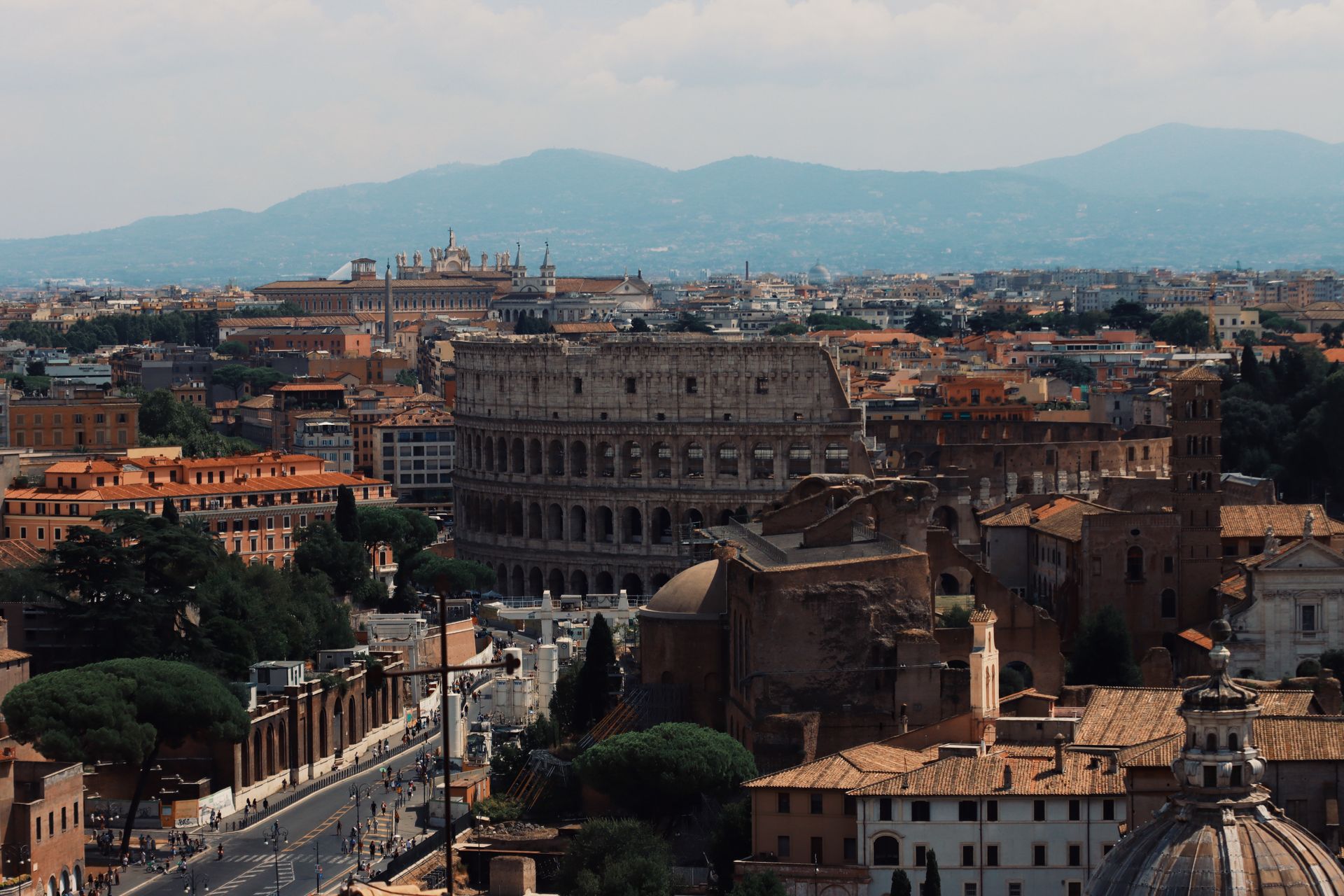
1. The Colosseum and Roman Forum: built 70–80 AD, the largest ancient amphitheater ever constructed, holding up to 80,000 spectators. Adjacent, the Roman Forum was the beating heart of ancient public life, with Palatine Hill offering panoramic views over both. Book skip-the-line tickets well ahead.
2. Vatican City: St. Peter's Basilica (free entry) with Michelangelo's Pietà, and the Vatican Museums culminating in the Sistine Chapel's ceiling fresco. Visit early morning or with a pre-booked skip-the-line ticket — walk-up lines can exceed three hours in peak season.
3. The Pantheon: built around 125 AD, the best-preserved ancient building in Rome, its unreinforced concrete dome with a central oculus remaining an engineering marvel 2,000 years later.
4. Trevi Fountain: the world's most famous fountain, best visited after 10 PM for a quieter, beautifully lit experience — the tradition of tossing a coin nets an estimated €1.5 million donated to charity annually.
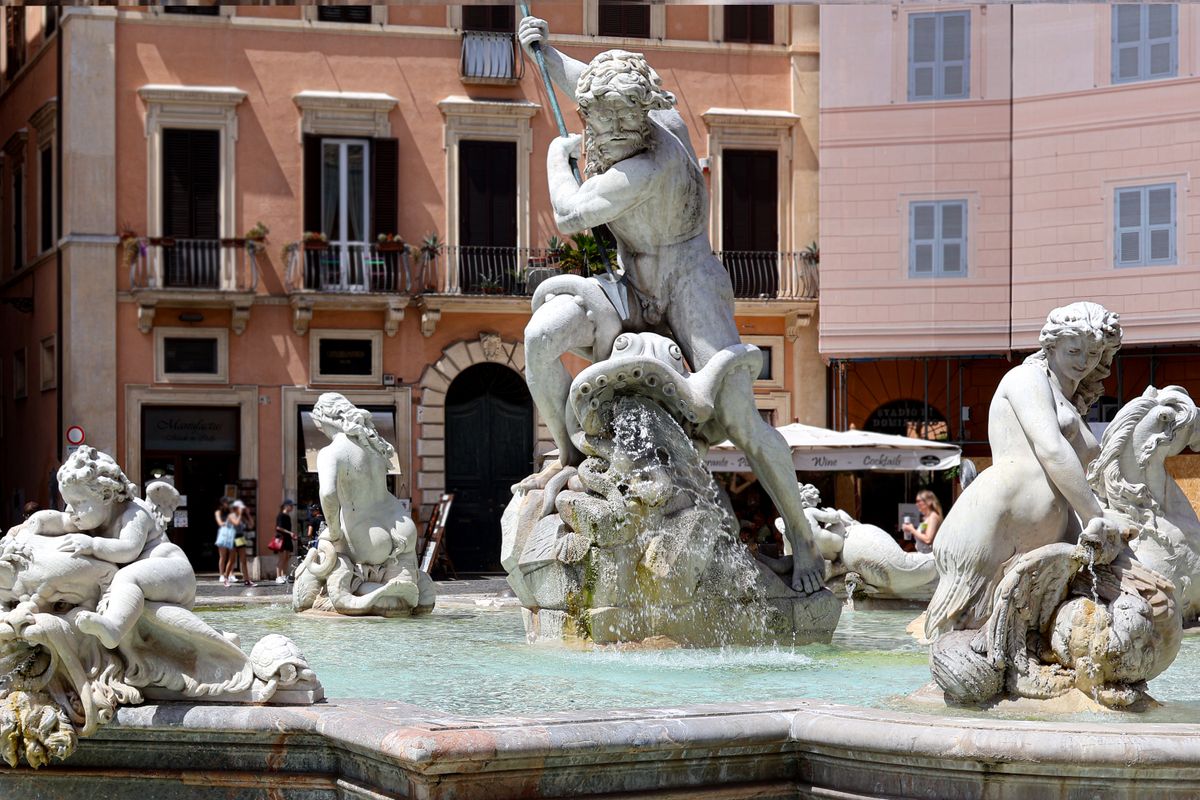
5. Piazza Navona: an elegant baroque square built on an ancient stadium, centered on Bernini's Fountain of the Four Rivers, surrounded by cafes and gelato shops.
6. Borghese Gallery: arguably the finest small museum in Rome, housing Bernini sculptures and Caravaggio paintings — entry strictly limited to 360 visitors per two-hour slot, so book weeks or months ahead.
7. Trastevere Neighborhood: narrow medieval streets, ivy-draped buildings, local trattorias, and vibrant nightlife — it feels like the real Rome.
What to Eat in Rome: A First-Timer's Food Guide
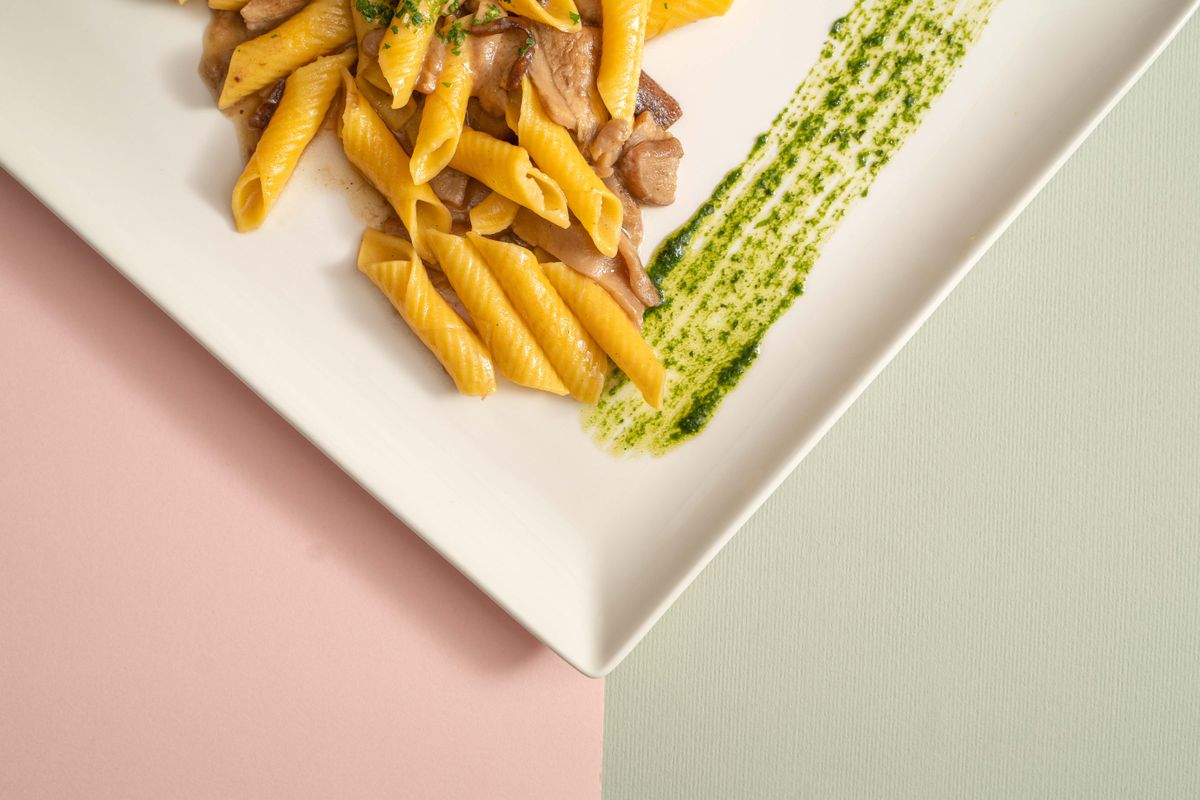
Roman cuisine is hearty, simple, and deeply satisfying, relying on quality ingredients in dishes unchanged for generations. Cacio e Pepe: spaghetti or tonnarelli with Pecorino Romano and black pepper. Carbonara: guanciale, egg yolk, Pecorino Romano, and black pepper — no cream, ever. Amatriciana: rigatoni or bucatini with tomato, guanciale, and Pecorino. Supplì: deep-fried rice balls filled with mozzarella and tomato sauce. Gelato: look for gelaterias displaying product in covered metal containers, not piled colorful mounds — Fatamorgana, Gelateria dei Gracchi, and Giolitti are excellent. Pizza al Taglio: sold by the slice and weight, rectangular and thin-crusted.
Avoid restaurants near major landmarks with photo menus — look for a handwritten menu at least one or two streets away from the main sights.
Where to Stay in Rome
Historic Center (Centro Storico): the heart of Rome, walkable to almost everything, premium prices. Trastevere: charming and lively at night, slightly further from some sights. Prati (near the Vatican): quieter, residential, well connected. Termini Area: budget-friendly with excellent transport links. Monti: Rome's hippest neighborhood, close to the Colosseum, with boutique hotels and vintage shops.
Book accommodations at least 3–4 months ahead for spring or summer visits.
Rome Travel Tips for First Timers
A few insider habits go a long way toward a smoother, less crowded, and better-fed Rome trip.
Trail Notes
- Book the Colosseum, Vatican Museums, and Borghese Gallery in advance — do not leave this to chance.
- Cover shoulders and knees to enter St. Peter's Basilica and other churches; carry a light scarf.
- Avoid restaurants that tout aggressively or show photo menus near landmarks.
- Drink from the nasoni — Rome's 2,500+ free public fountains provide clean, cold water.
- Validate bus and tram tickets before boarding or risk a fine of up to €100.
- Visit sites at opening time or just before closing for the shortest lines.
- Learn a few words of Italian — buongiorno, grazie, per favore go a long way.
- Watch for pickpockets on Metro Line A and at main tourist sites.
- Three full days covers the highlights comfortably; five to seven allows day trips.
Suggested 3-Day Rome Itinerary for First Timers
Day 1 — Ancient Rome: the Colosseum at opening, the Roman Forum and Palatine Hill, Circus Maximus, the Capitoline Museums, dinner in Trastevere.
Day 2 — Vatican and Prati: the Vatican Museums and Sistine Chapel, St. Peter's Basilica and dome climb, Castel Sant'Angelo, dinner in Prati.
Day 3 — Baroque Rome and the Historic Center: the Pantheon, Piazza Navona, Campo de' Fiori's market, the Spanish Steps and Trevi Fountain, aperitivo in Monti.
Rome on a Budget: Is It Possible?
Many of Rome's greatest pleasures are completely free: the Pantheon's exterior, all the piazzas, the Trevi Fountain, the Spanish Steps, and Trastevere's streets. Set lunches at local trattorias typically cost €10–15, and booking Vatican and Colosseum tickets directly through official sites saves money.
A daily budget of €80–100 per person is very comfortable, covering mid-range accommodation, meals, a few attractions, and transport.
Final Thoughts: Your First Trip to Rome Will Not Be Your Last
Rome is a city that gets under your skin. It overwhelms the senses, humbles the mind, and fills the heart. First-timers often find themselves making plans to return before they have even left. The key to a great first visit is simple: slow down, get lost in side streets, and let Rome's beauty wash over you rather than racing from sight to sight.