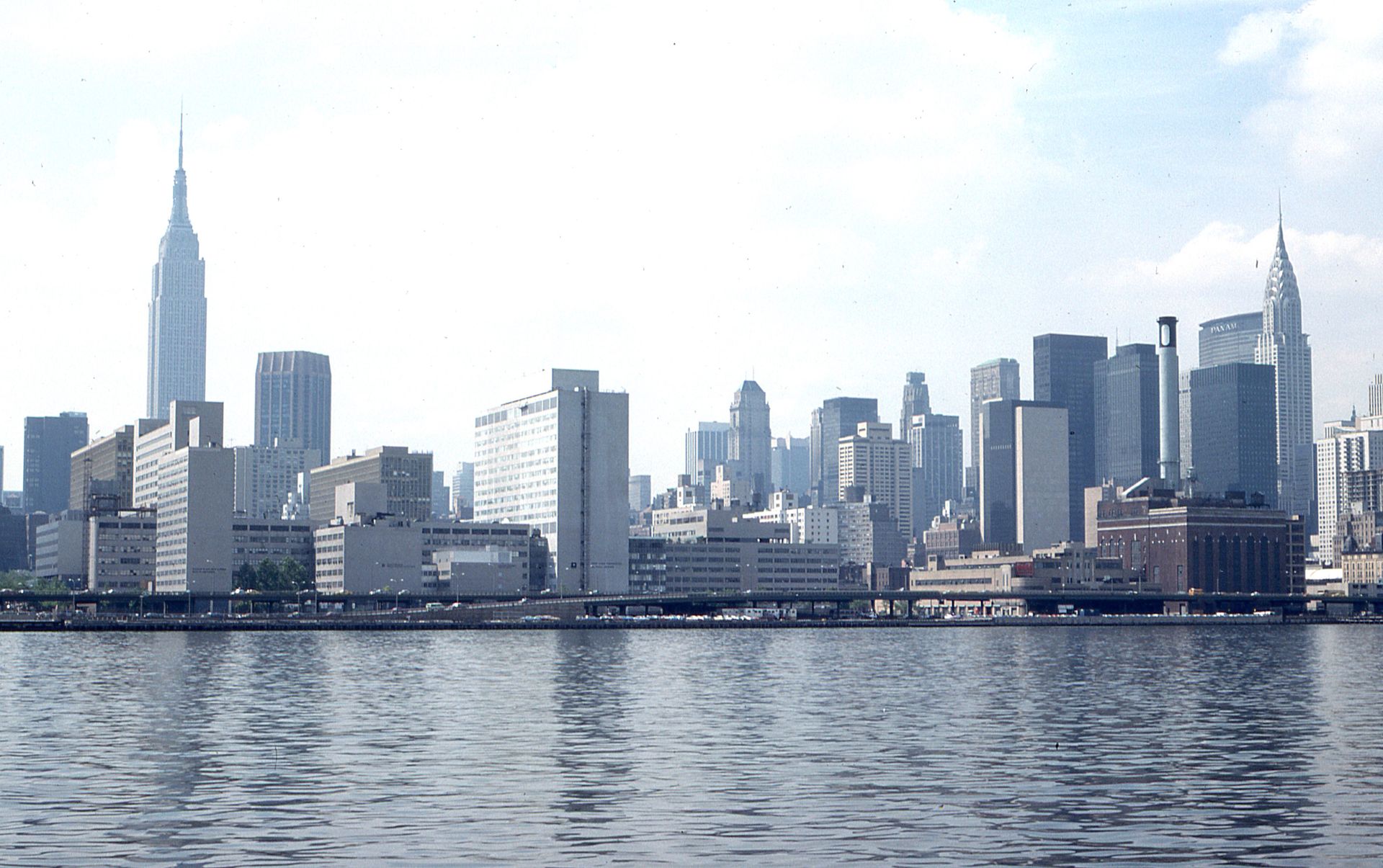
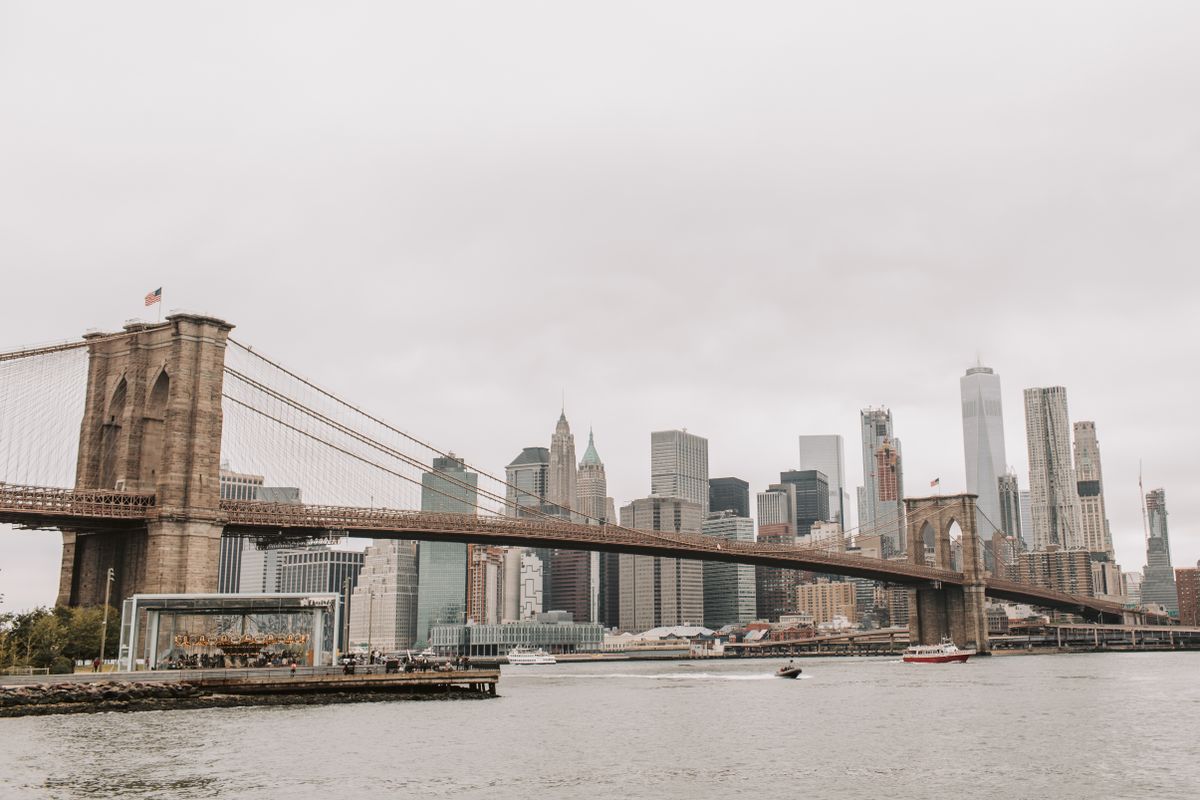
There is no city on Earth quite like New York. The skyline from the Brooklyn Bridge at dawn, the subway platform at rush hour, the smell of a halal cart on a cold November morning, Central Park existing improbably in the middle of it all — New York demands engagement and rewards the prepared traveler with experiences unavailable anywhere else. With roughly 60 million annual visitors comes a tourist infrastructure of considerable sophistication and, in places, considerable predation. The prepared traveler knows which neighborhoods to stay in, that the subway outpaces a taxi in most circumstances, and that New York's greatest experiences — the High Line, the Met, Coney Island's beach, the Brooklyn Bridge skyline — are frequently free or very cheap.
New York is not a city you consume. It is a city you participate in — loudly, hungrily, on foot, underground, at all hours.
When to Go
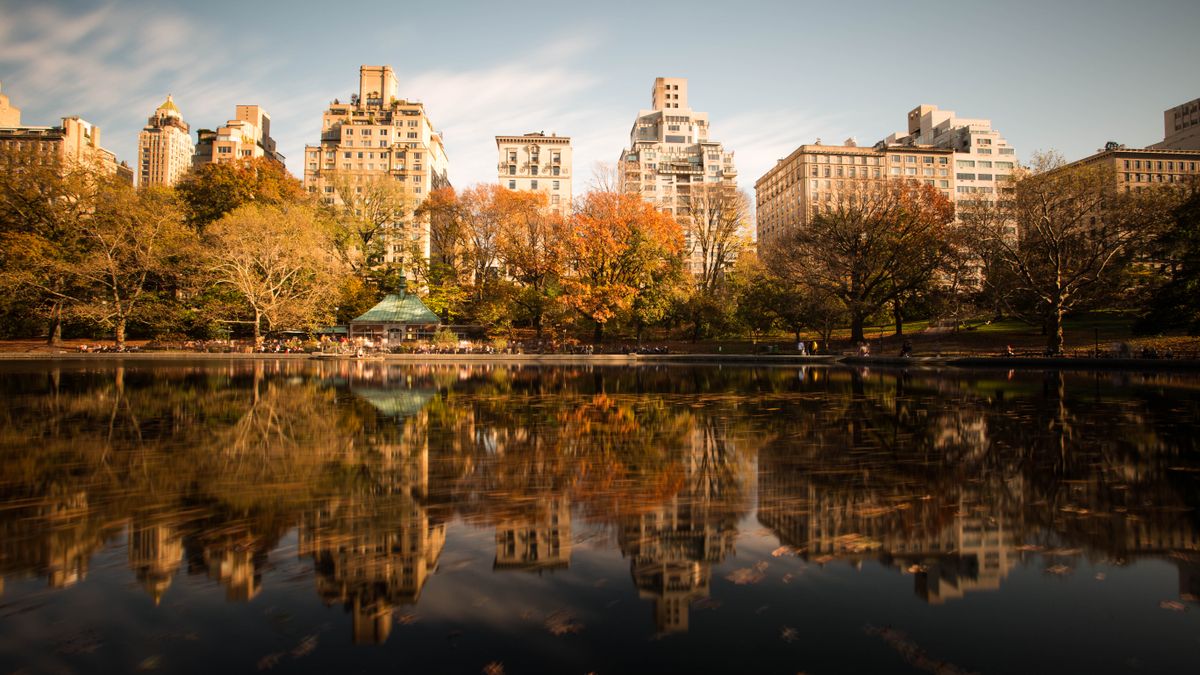
Spring (April–June) is the finest overall season — warming temperatures, cherry blossoms in Central Park, and outdoor dining returning before the summer tourist rush. Autumn (September–November) rivals it — October's foliage in Central Park and Prospect Park turns gold, and the cultural season reaches full programming. Summer is hot and crowded but delivers free outdoor concerts and Shakespeare in the Park; winter is cold but atmospheric, with the Rockefeller Center tree and holiday markets.
Getting In and Around
From JFK, the AirTrain plus subway (about $11 total, 50–75 minutes) is the best value; taxis run a flat $70 to Manhattan south of 96th Street. The subway — 472 stations, 24/7 — is the correct answer for roughly 80% of journeys, using the contactless OMNY system (tap any card or phone, $2.90 per ride, $34.80 daily cap). Walking is New York's best transport mode for short distances: the grid is exceptionally navigable, and the city's detail is invisible from underground.
Manhattan and Brooklyn
Midtown concentrates Times Square, the Empire State Building, and MoMA but is the least authentically representative of daily New York life — stay there for convenience, eat elsewhere. Greenwich Village and the West Village retain Manhattan's most beautiful pre-grid streets; the Lower East Side's Tenement Museum and Chinatown's density make for one of the city's most vivid neighborhoods.
Brooklyn has transformed into one of the city's most culturally vital destinations. DUMBO offers the finest skyline view in New York, framed between the Manhattan and Brooklyn Bridges; the Brooklyn Heights Promenade extends that view along the bluff at dusk. Williamsburg anchors the borough's independent food and music culture.
The Essential Experiences
Central Park, 843 acres designed by Olmsted and Vaux in the 1870s, is free from 6am to 1am — the Sheep Meadow, Bethesda Terrace, and the Conservatory Garden's six formal acres reward unhurried exploration. The Metropolitan Museum of Art, with over two million objects spanning 5,000 years, is the finest single museum in the Western Hemisphere; allow a minimum of three hours.
The High Line's 1.45-mile elevated park above the old West Side freight line, the Statue of Liberty and Ellis Island (book Crown access months ahead), and the 9/11 Memorial's twin reflecting pools round out the must-sees.
Eating Like a New Yorker
The city's finest and cheapest food often lives in the outer boroughs: Flushing, Queens for Chinese food that rivals any Chinese city; Jackson Heights for South Asian and South American cooking; Arthur Avenue in the Bronx for the city's real Little Italy. In Manhattan, Joe's Pizza in Greenwich Village, Katz's Delicatessen's towering pastrami sandwiches, and Gray's Papaya's $7 "Recession Special" hot dogs are the enduring classics.
Where to Stay in New York City
New York's accommodation market is among the world's most expensive. Budget travelers can find $100–200/night rooms at the Generator Hostel on the Lower East Side or the space-efficient Pod Hotels; mid-range options from $200–350 include the Graduate Roosevelt Island and the Arlo Hudson Square. At the top end, the Plaza on Fifth Avenue remains the most iconic address in the city, with 11 Howard in SoHo and the Mark on the Upper East Side representing the finest boutique luxury. Staying in Midtown maximizes convenience for first-timers; the West Village, Lower East Side, and Brooklyn's DUMBO and Williamsburg trade a slightly longer commute for better restaurants and lower prices.
New York Travel Tips for First Timers
New York moves faster than most cities — matching its pace takes about a day to become instinctive.
Trail Notes
- Use the subway over rideshare during the day — it's almost always faster in Manhattan traffic.
- Book Broadway tickets ahead, or try the TKTS booth for same-day discounts.
- Set up OMNY tap-to-pay on your phone before arrival.
- Tip 20% at restaurants and 15–20% in taxis — non-negotiable in American service culture.
- Stand on the right on escalators; walk on the right on sidewalks.
- Reserve popular restaurant tables on Resy or OpenTable well before your trip.
Sample 3-Day New York Itinerary
Day 1: Brooklyn Bridge walk → DUMBO → 9/11 Memorial → Chinatown lunch → West Village evening. Day 2: Metropolitan Museum → Central Park → MoMA → High Line → Chelsea dinner. Day 3: Prospect Park → Williamsburg → Statue of Liberty ferry (book ahead) or West Village evening.
Final Thoughts: New York Gives Back What You Put In
The visitor who walks across the Brooklyn Bridge at dawn and gets lost in the West Village at midnight has been somewhere different than the one who stays in Times Square and takes taxis everywhere. Come ready to participate — New York will meet you at the level you bring.