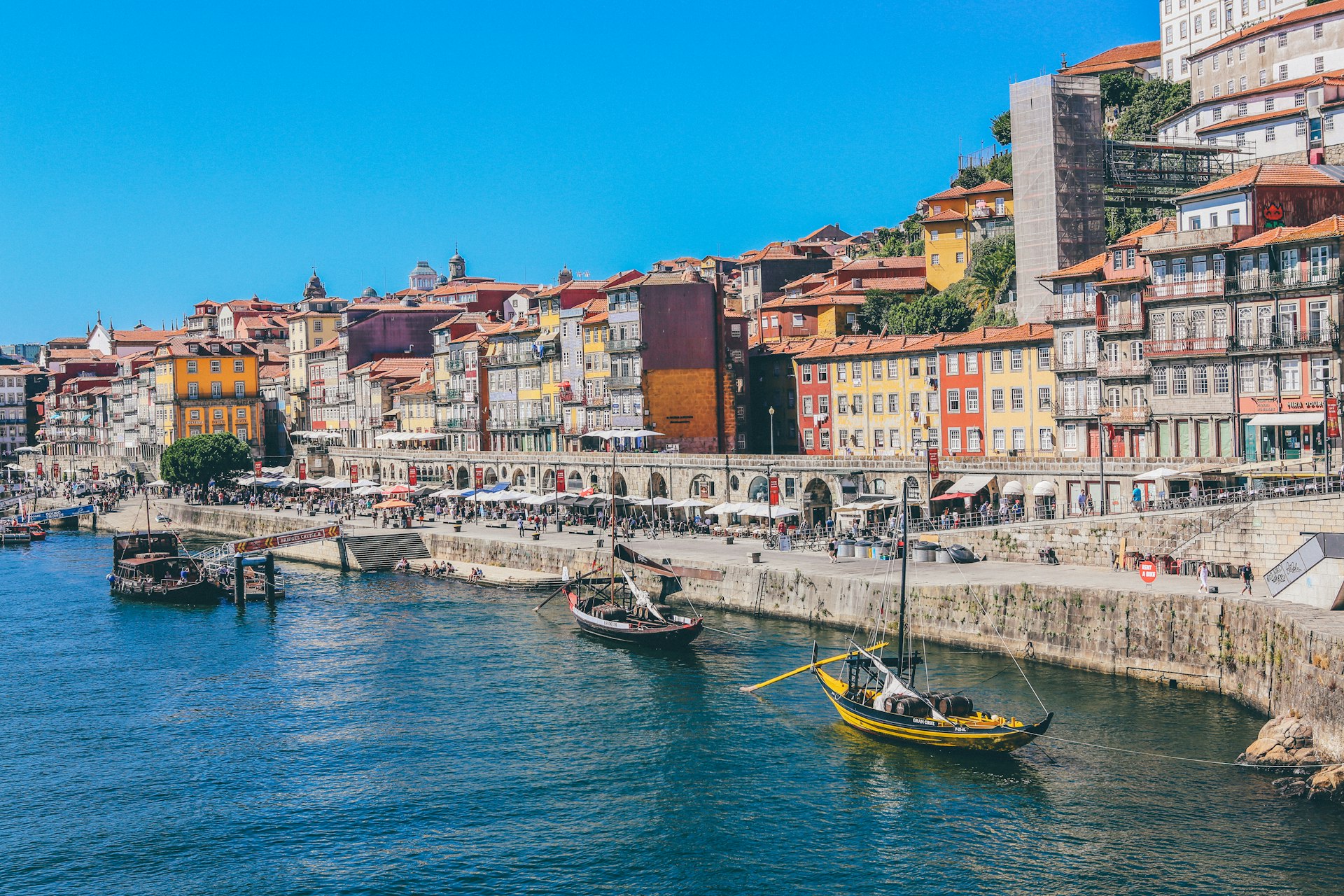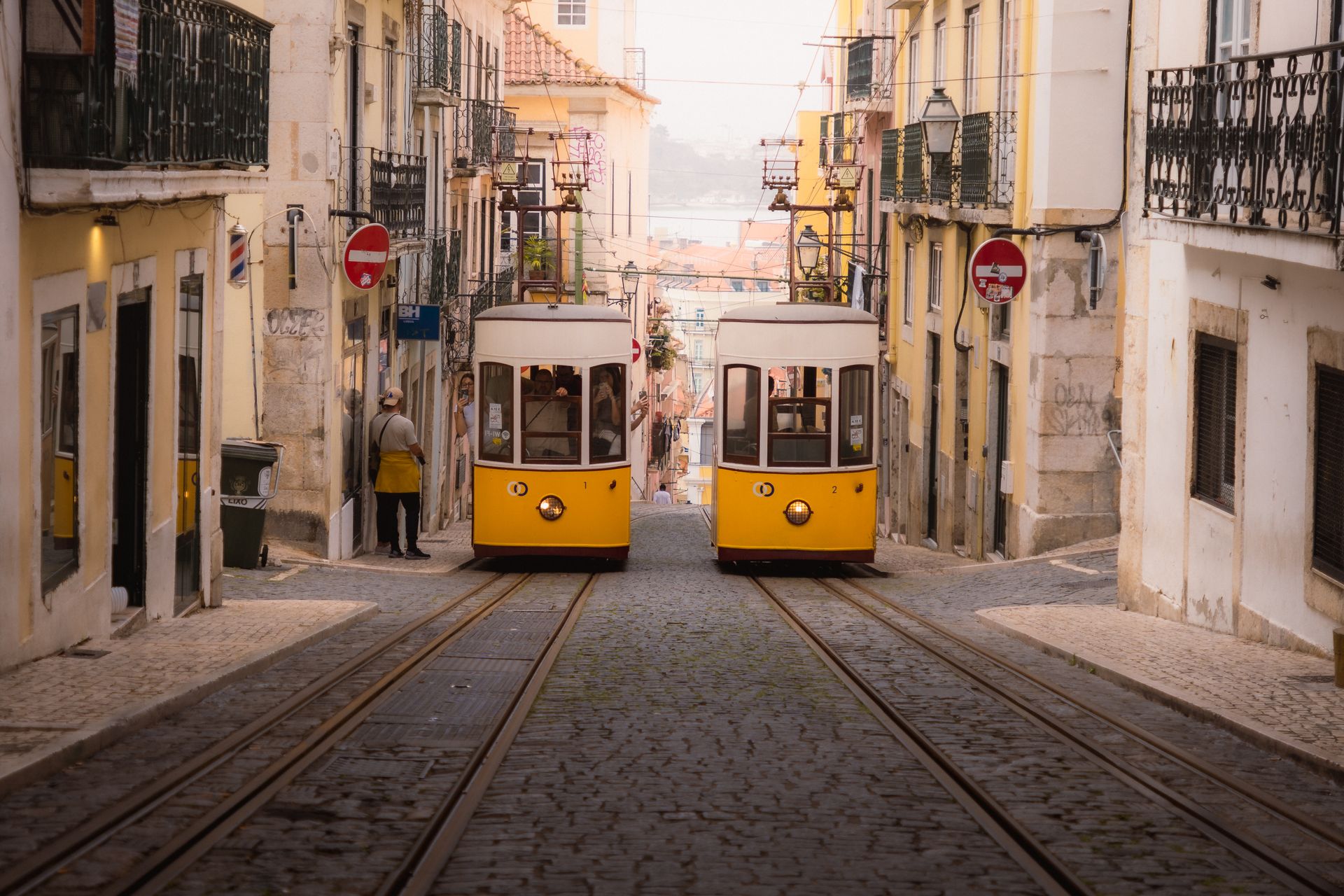
There is a particular moment that Lisbon gives almost every first-time visitor, and it tends to arrive quietly. It might come on the upper deck of Tram 28, rattling through the Alfama as the city's rooftops and the silver line of the Tagus appear below. Or at a miradouro at dusk, watching the river turn gold, when you realize you are not simply looking at a beautiful view but feeling the specific, irreplaceable quality of a place that has found its way entirely inside you. This guide covers everything you need: the best time to visit, how to get there and around, the top attractions, the neighborhoods, the food and drink culture, and the practical tips that will help you fall genuinely in love with the city.
Lisbon is shaped by saudade — a bittersweet longing for something beautiful that is absent or lost — and this quality permeates everything from the music to the food to the light itself.
Why Visit Lisbon
Lisbon is the oldest capital in Western Europe, founded by the Phoenicians and shaped by Romans, Visigoths, Moors, and the Portuguese navigators who launched from its shores in the 15th century to map the world. Its seven hills, the Tagus estuary, the ancient Alfama neighborhood with its Moorish street plan unchanged in a thousand years, create an atmosphere of beauty and depth available the moment you arrive.
The food — built on the finest Atlantic seafood, exceptional cured meats, pastéis de nata, and an underrated wine culture — is among the best in Europe, and remains significantly cheaper than Paris, London, or Amsterdam. Lisbon is also the perfect base for some of Europe's finest day trips: Sintra's fairy-tale palaces, the beaches of Cascais and Estoril, and the wine country of the Setúbal Peninsula.
Best Time to Visit Lisbon
Spring (March–May): the best time by a significant margin — 17–24°C, jacaranda trees bursting into purple bloom along the Avenida da Liberdade. The Festas de Lisboa in June, centered on Santo António (June 12–13), fills the Alfama with grilled sardines and street parties — book months ahead.
Autumn (September–November): excellent and underrated, similar temperatures to spring with beautiful amber light and thinner crowds.
Summer (June–August): genuinely hot (28–35°C) and the most crowded and expensive season, though the Atlantic breeze and shade make it manageable.
Winter (December–February): the mildest winter in mainland Europe (13–17°C by day), quiet and authentically local, with beautiful Christmas decorations along the Avenida da Liberdade.
How to Get to Lisbon and Around
Lisbon Humberto Delgado Airport (LIS) sits just 7km from the historic center. The Metro Red Line connects directly to the city center in 20–30 minutes for ~€1.85 — one of the best airport connections of any European capital. Aerobus coaches serve key stops for €4; official taxis charge ~€15–€20 flat rate.
Lisbon is a city of seven hills, best explored on foot with comfortable, grippy shoes for the calçada portuguesa stone paving. Tram 28 (E28): the iconic yellow tram through the Alfama, Mouraria, Graça, and Estrela — ride before 9 AM to avoid the crush, and beware pickpockets on this specific route. Funiculars and Elevators: the Glória, Bica, and Lavra funiculars, plus the neo-Gothic Elevador de Santa Justa. Metro: four lines with tilework-decorated stations at Oriente and Baixa-Chiado. GIRA bike-share: excellent for the flat riverside routes from Belém to Cais do Sodré.
Lisbon's Neighborhoods
Alfama: the oldest and most atmospheric neighborhood, the only area to survive the 1755 earthquake intact, with a Moorish street plan unchanged for over a thousand years — the birthplace of fado. The Feira da Ladra flea market (Tuesday mornings, Saturday all day) is one of the finest in Portugal.
Mouraria: the most multicultural neighborhood, home to communities from Bangladesh, China, Cape Verde, and Angola alongside the birthplace of fado legend Amália Rodrigues — more authentic than the increasingly tourist-heavy Alfama.
Bairro Alto and Chiado: the cultural and nightlife heart, home to the Brasileira café with its Fernando Pessoa statue, the Bertrand Bookshop (the world's oldest, founded 1732), and a dense concentration of evening bars.
Baixa and Rossio: the grand Pombaline center, rebuilt after the 1755 earthquake in a perfectly rectilinear grid — the Praça do Comércio is one of the finest public squares in Portugal.
Príncipe Real: the most refined neighborhood, with 19th-century palaces, antique shops, and an excellent Saturday market at the Jardim do Príncipe Real.
Belém: 6km west of the center, home to the Age of Discovery monuments — the Jerónimos Monastery, the Torre de Belém, and the original Pastéis de Belém bakery.
LX Factory: a former textile factory in Alcântara turned creative hub, with a Sunday market and the towering Ler Devagar bookshop.
Top Attractions in Lisbon
1. Jerónimos Monastery: the architectural masterpiece of the Manueline style, commissioned by Manuel I in 1502 to commemorate Vasco da Gama's voyage, with a south portal of extraordinary carved detail and the tombs of Vasco da Gama and Luís de Camões within.
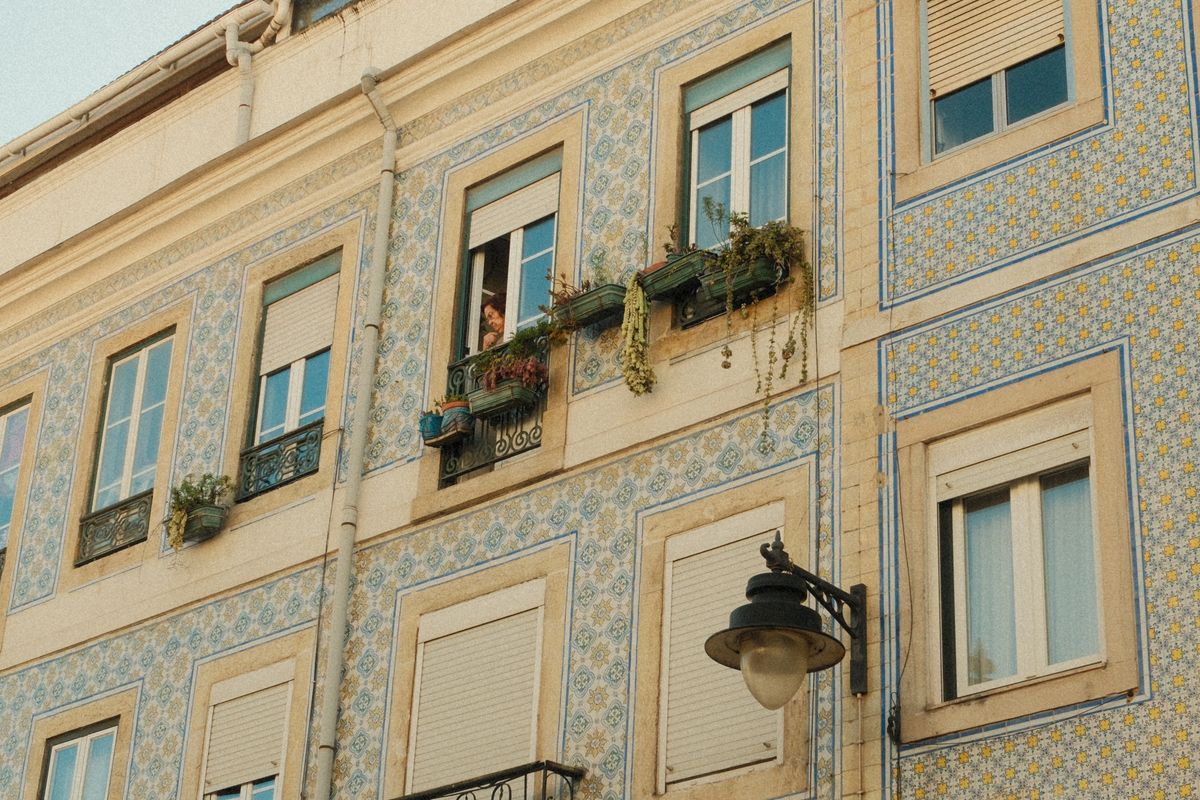
2. Museu Nacional do Azulejo: the world's finest tile museum, its highlight a 23-meter panoramic panel of pre-earthquake Lisbon assembled from over 1,300 tiles.
3. Museu Calouste Gulbenkian: one of Europe's finest private collections, spanning ancient Egypt to 20th-century Europe, each piece chosen for individual excellence rather than institutional completeness.
4. São Jorge Castle: perched on Lisbon's highest hill, occupied since at least the 1st century BC and captured by Christian forces in 1147 — the finest panoramic view over central Lisbon.
5. MAAT: an undulating white ceramic-tiled contemporary art, architecture, and technology museum on the Tagus riverfront, its curved roof forming a public walkway with river views.
6. Pastéis de Belém: the bakery producing pastéis de nata from the secret recipe of the Jerónimos monks since 1837 — the origin point of Portugal's most beloved pastry.
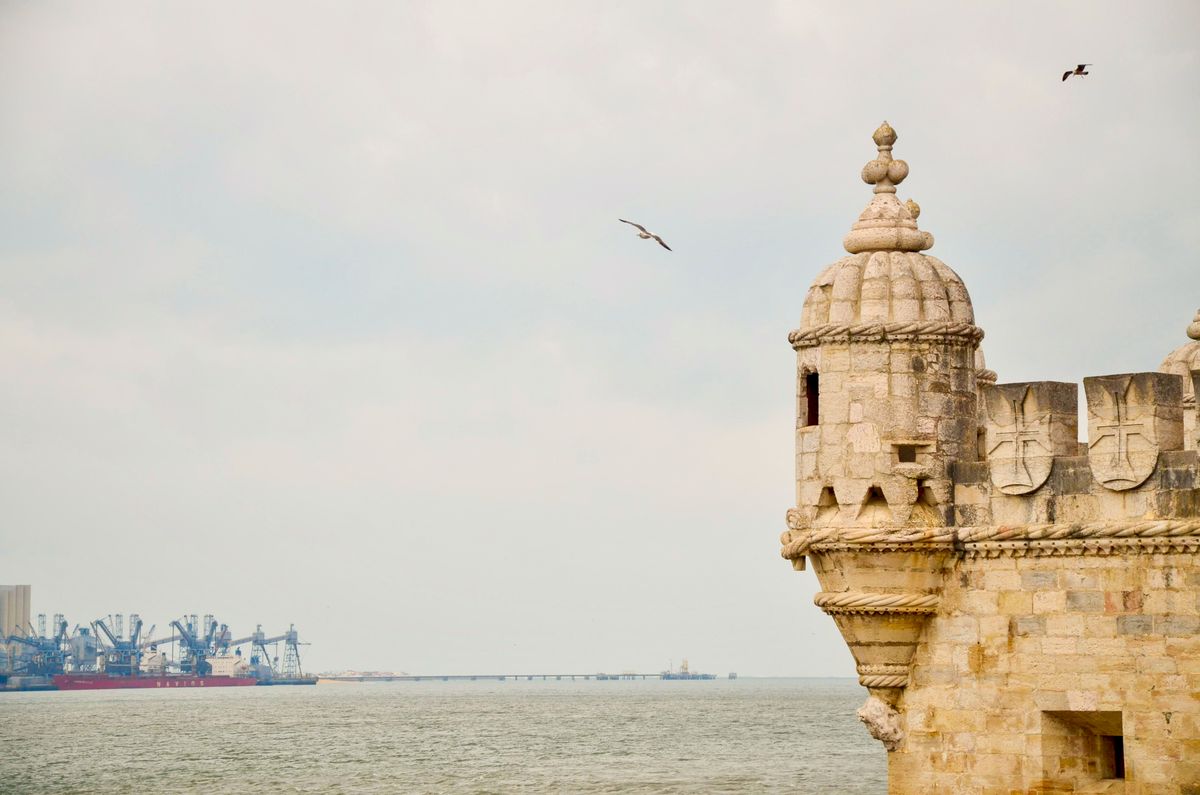
7. Torre de Belém: the fortified tower built 1516–1521 with Manueline decoration including the first sculpture of a rhinoceros in European art — Lisbon's most iconic image, alongside the Monastery a UNESCO World Heritage Site.
What to Eat and Drink in Lisbon
Pastéis de Nata: the warm custard tart dusted with cinnamon, eaten at a counter with an espresso, should be repeated at least once daily. Bacalhau: salt cod, said to be cooked 365 different ways — Bacalhau à Brás and Bacalhau com Natas are the most common. Grilled Sardines: the definitive summer food, especially during the June Festas de Lisboa. Petiscos: Portugal's tapas — cheese, presunto, chouriço, and amêijoas à Bulhão Pato shared across a table. Caldo Verde: a silky potato and kale soup with chouriço. A Ginjinha: the traditional cherry liqueur, served since 1840 at a bar in Largo de São Domingos for ~€1.50 a glass. Wine: Vinho Verde from the Minho, powerful reds from the Alentejo and Douro, and Moscatel de Setúbal.
The menu do dia set lunch at any tasca — soup, main, dessert, and often a glass of wine for €9–€13 — is one of the finest budget dining institutions in Europe.
Lisbon Travel Tips for First Timers
A handful of local habits — most related to timing and transport — separate a good Lisbon trip from a frustrating one.
Trail Notes
- Buy a Viva Viagem card immediately for all Metro, tram, bus, and funicular journeys.
- Ride Tram 28 before 9 AM or after 8 PM to avoid the worst crowds.
- The miradouros are best around 6–8 PM — bring a bottle of wine from a supermarket rather than paying restaurant prices.
- Book Sintra tickets (Palácio Nacional da Pena, Quinta da Regaleira) in advance — they sell out on popular dates.
- Eat the menu do dia — the best quality-to-price ratio in the city.
- Explore the Alfama before 9 AM, before the tour groups arrive.
- Learn a few words of Portuguese: bom dia, obrigado/obrigada, uma bica se faz favor.
- Tourist-oriented fado houses in the Alfama vary in quality — ask locally for authentic, intimate venues, especially in Mouraria.
- Belém deserves a dedicated half-day — take Bus 714 or 727 from Praça do Comércio.
Suggested 3-Day Lisbon Itinerary
Day One: the Alfama and São Jorge Castle at opening, a bus to Belém for the Jerónimos Monastery and Pastéis de Belém, the Torre de Belém, an evening ginjinha and petiscos in the Bairro Alto.
Day Two: the Museu Nacional do Azulejo, lunch in Mouraria, an afternoon in Príncipe Real, sunset at Santa Catarina, and fado in the evening.
Day Three: an early train to Sintra for the Palácio da Pena and Quinta da Regaleira, an afternoon at LX Factory, a final long dinner of bacalhau and Alentejo red wine.
Lisbon Budget Guide
Lisbon has grown notably more expensive over the past decade, but remains cheaper than Paris, London, or Amsterdam. A pastel de nata at Pastéis de Belém costs €1.20; a bica (espresso) €0.80–€1.00; a menu do dia set lunch €9–€13; a petiscos dinner for two with wine €30–€50.
A comfortable daily budget of €80–€110 per person covers a mid-range guesthouse, excellent meals, two or three attractions, and local transport.
Final Thoughts: Lisbon Will Get Into Your Soul
Every city that earns the description "one of the world's great cities" does so through a different combination of qualities. Lisbon earns it through soul — a quiet pride in its own identity, a warmth toward visitors, and a capacity to produce moments of simple, profound pleasure that stay with people for years. Go slowly, eat everything, ride the trams, and let the specific quality of Lisbon work on you at its own pace. It will.