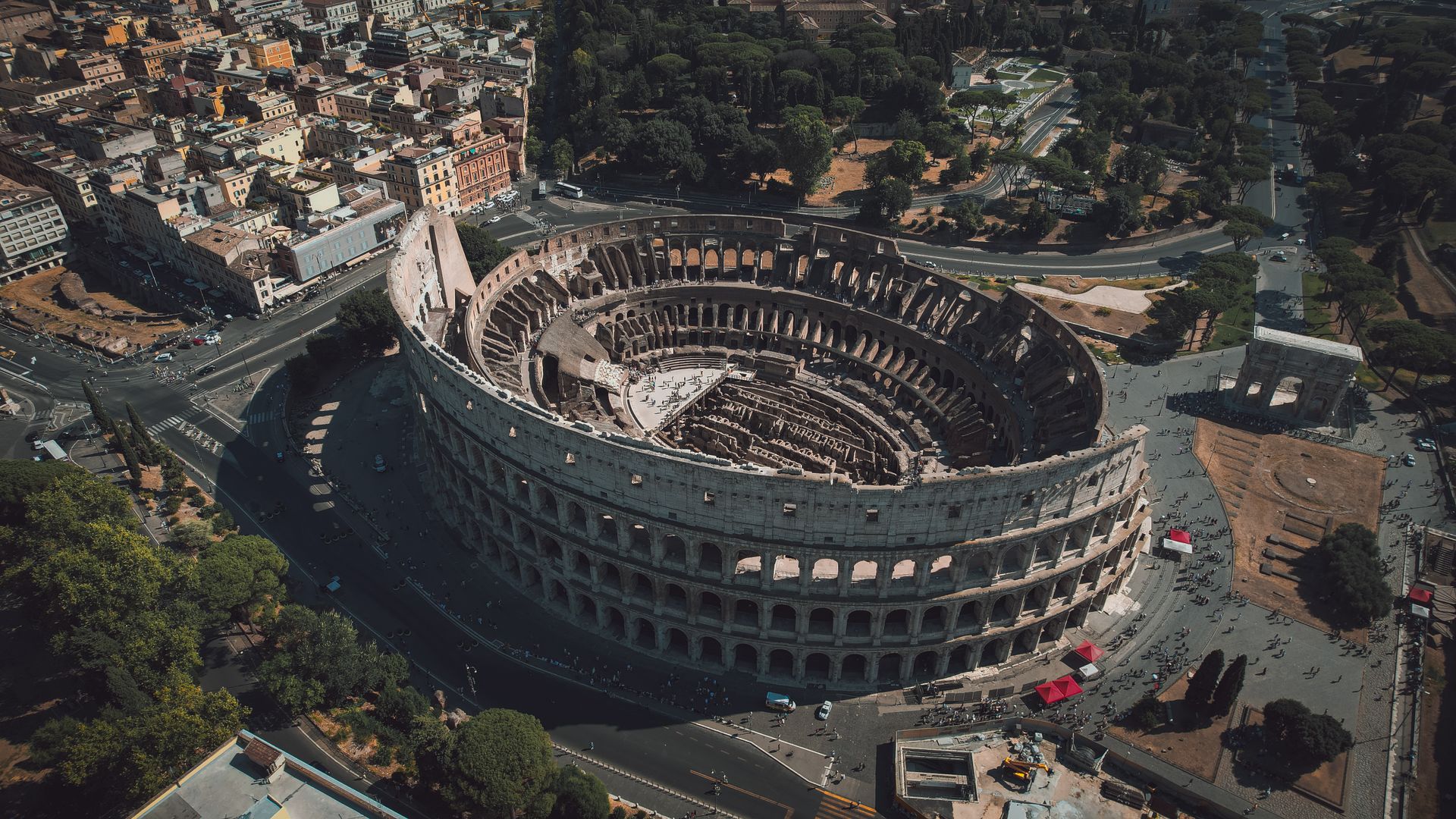
A first morning in Rome — stumbling into a tiny café near the Pantheon, ordering an espresso and cornetto, watching the city wake up — captures the destination that recommends itself more often than any other for travelers seeking that perfect blend of history, culture, food, and beauty. Italy isn't just a country — it's a collection of distinct regions, each with unique character, cuisine, dialects, and traditions. From the Alpine peaks of the north to the sun-drenched beaches of Sicily, from Renaissance masterpieces in Florence to ancient ruins in Rome, Italy offers such diversity that you could visit twenty times and still discover something new.
Italy isn't just about checking landmarks off lists — it's about savoring incredible food and feeling history in stones worn smooth by centuries of footsteps.
When to Visit Italy
Spring (April–May) is arguably Italy's most beautiful season — wildflowers in Tuscany, comfortable 15–22°C temperatures, though increasing crowds. Summer (June–August) brings beach weather but intense heat (30–35°C) and August closures as Italians take their own holidays. Fall (September–October) is the sweet spot — wine harvests, truffle season, and pleasant weather without summer's crowds. Winter (November–March) offers the lowest prices and smallest crowds, with major cities remaining fully accessible while coastal destinations largely close down.
Rome, Florence, and Venice
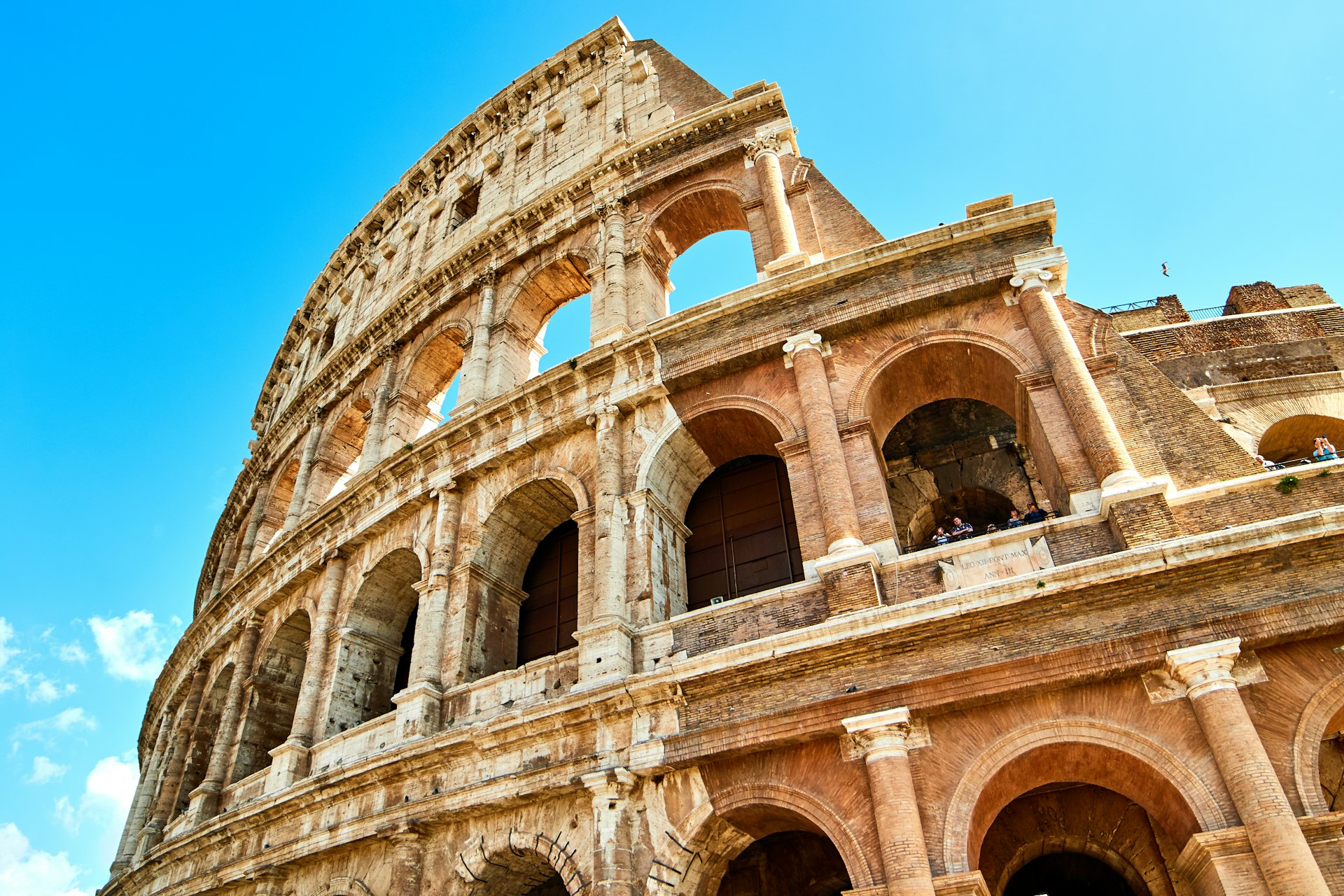
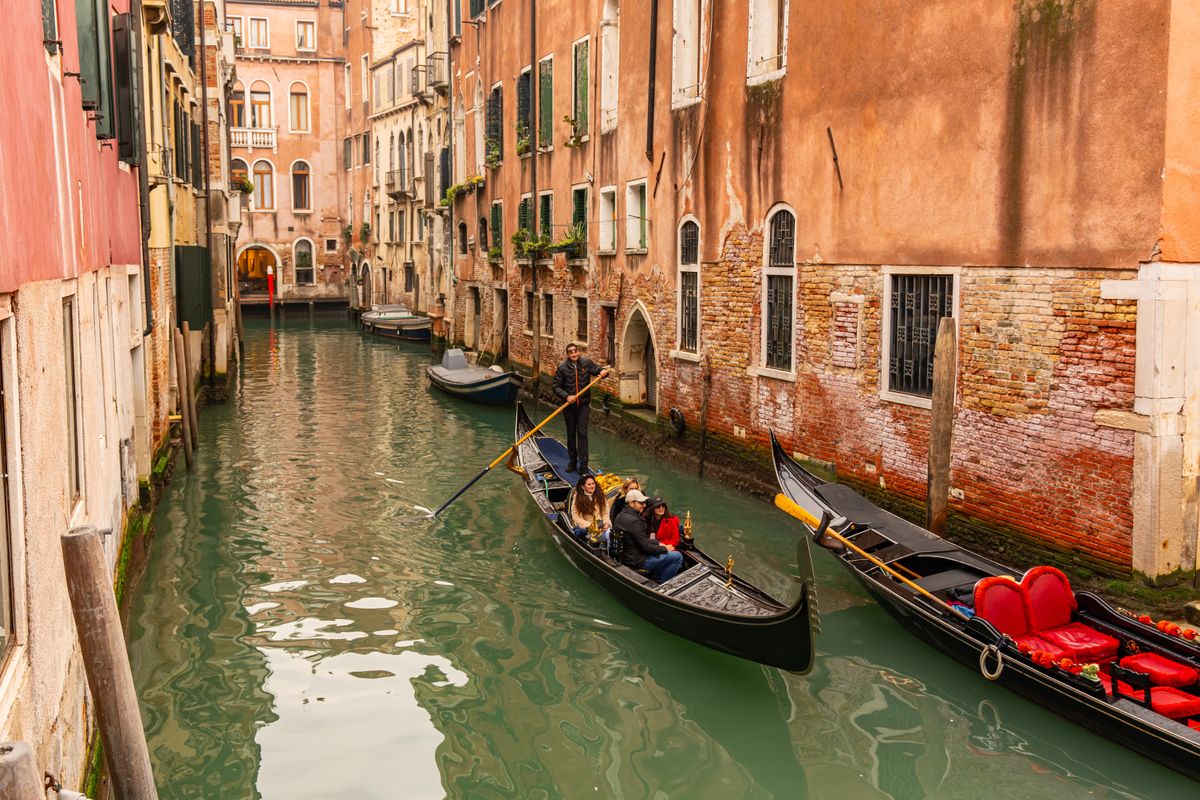
Rome (3–5 days) demands time — the Colosseum, Roman Forum, and Vatican Museums culminating in the Sistine Chapel require skip-the-line tickets booked weeks ahead. Beyond the famous sites, Trastevere's cobblestone trattorias and Testaccio's food markets reveal the city's daily life. Florence (2–4 days) packs extraordinary Renaissance art into a compact, walkable city — the Uffizi Gallery, the Duomo's climbable dome, and Michelangelo's David at the Accademia are essential, all requiring advance booking. Venice (2–3 days) is simultaneously magical and overwhelming — visit St. Mark's Square early morning or evening, and find the real city in quieter Cannaregio and Dorsoduro, getting deliberately lost in the maze of calli.
Tuscany and Cinque Terre
Tuscany (3–7 days) rewards slow travel — Siena's medieval perfection, San Gimignano's preserved towers, and the Val d'Orcia valley's postcard rolling hills and cypress-lined roads. Rent a car for maximum freedom among the Chianti Classico wineries and hilltop villages. Cinque Terre (2–3 days) strings five colorful villages along dramatic Ligurian cliffs — Vernazza is the most picturesque, Monterosso has the only real beach, and the connecting hiking trail offers stunning coastal views (though sections occasionally close for landslide repair).
The Amalfi Coast, Sicily, and the Italian Lakes
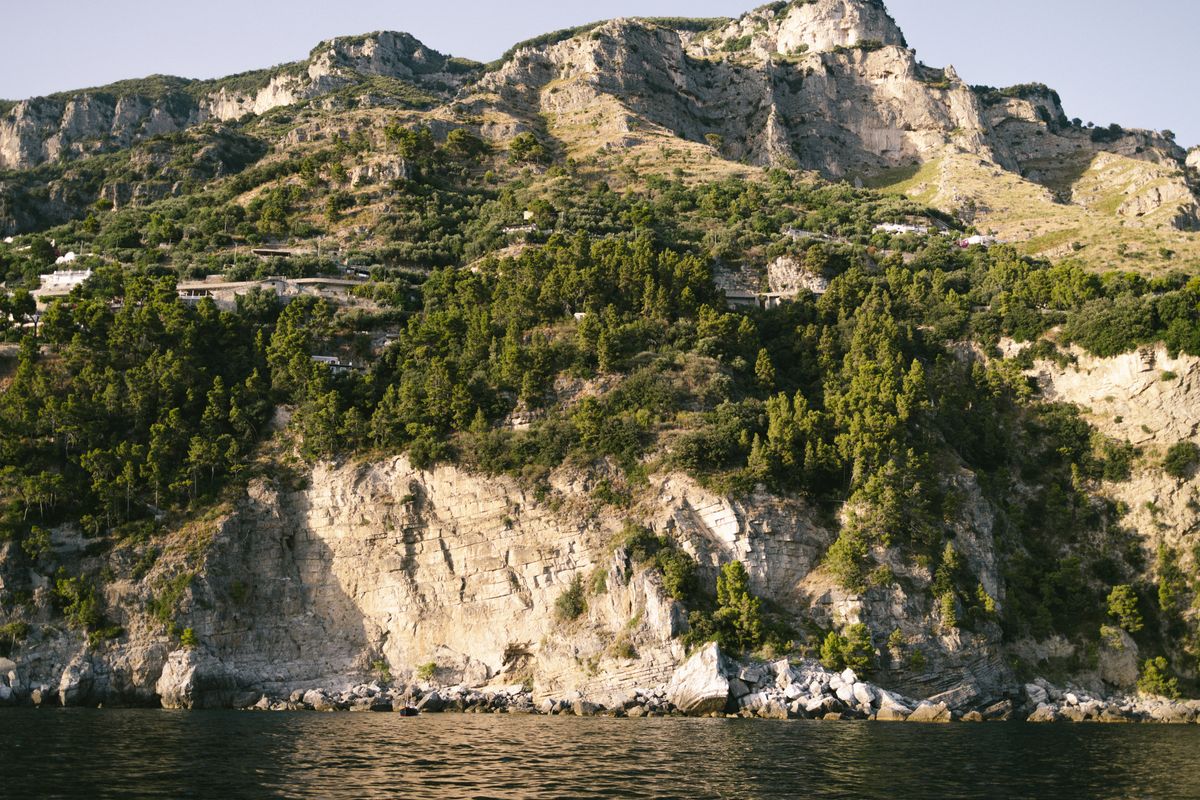
The Amalfi Coast (3–5 days) trades Cinque Terre's hiking accessibility for dramatic scale — Positano's vertical village cascades toward the sea, while Sorrento offers a cheaper, better-connected, more practical base. Pompeii, 30 minutes from Sorrento, is an essential half-day trip. Sicily (5–7 days minimum) deserves its own dedicated trip — Palermo's Arab-Norman architecture, Taormina's Greek theater with Etna views, and the Valley of the Temples at Agrigento showcase incredible diversity; a car is essential for proper exploration. Lake Como and Lake Garda offer Alpine beauty and celebrity-favored elegance a short train ride from Milan.
Milan
Milan is often dismissed as merely a business or fashion city, but rewards a day or two of genuine appeal. The Duomo's Gothic magnificence includes a rooftop walk among its spires, and Da Vinci's Last Supper — requiring advance booking, often months ahead — offers an intimate viewing of the masterpiece. The Navigli canal district comes alive in the evening with aperitivo culture, where €10–12 drinks come with genuinely substantial buffets, and the Quadrilatero d'Oro rewards a wander for fashion lovers. Milan's excellent transport connections also make it an efficient gateway to the Italian Lakes.
Italian Food and Dining Culture
Regional specialties define Italian eating — carbonara and cacio e pepe in Rome, bistecca alla fiorentina in Florence, tagliatelle al ragù in Bologna, and pasta con le sarde in Sicily. Meal timing runs late — lunch 12:30–2:30 PM, dinner rarely before 7:30 PM. The coperto (cover charge of €1–3 per person) is standard, not a scam. Cappuccino is a breakfast-only drink — ordering one after 11 AM marks you instantly as a tourist. Stand at the bar for espresso like locals do, at a fraction of the seated price.
Italy Travel Tips for First Timers
A handful of booking habits and cultural courtesies separate a smooth Italy trip from a frustrating one.
Trail Notes
- Book the Colosseum, Vatican Museums, Uffizi Gallery, and Accademia weeks in advance — walk-up availability is unreliable in peak season.
- Validate regional train tickets in the yellow machines before boarding, or risk a fine.
- Avoid restaurants with photo menus, aggressive touts, or locations directly on major tourist squares.
- Cover shoulders and knees to enter churches — carry a light scarf as a quick fix.
- ZTL (limited traffic zone) cameras in historic centers fine rental cars months later — park outside these zones.
- Embrace the Italian pace — riposo (2–4 PM shop closures) and long, leisurely meals are the culture, not bad service.
- Watch for pickpockets at Rome's Termini station, Florence's markets, and Venice's vaporettos.
Sample 12-Day Classic First-Timer Itinerary
Days 1–3: Rome — the Colosseum, the Forum, the Vatican, Trastevere. Days 4–6: Florence — the Uffizi, the Duomo, David, a Tuscany day trip. Days 7–9: Venice — St. Mark's, the Doge's Palace, getting lost in the neighborhoods. Days 10–11: Cinque Terre — village-hopping and coastal hiking. Day 12: Milan or direct departure.
Italy on a Budget
Budget travelers spend €50–80 per day; mid-range comfort runs €120–180. Aperitivo dinners, market picnics, and standing at bars for coffee keep costs down even in expensive cities like Venice and Florence.
Making the Most of Your Italian Adventure
Book major museums in advance to skip lines, but leave time for wandering and discovering unexpected piazzas. Embrace the Italian pace rather than fighting it — meals are long social events, not fuel stops. Accept that you can't see everything; Italy reveals new layers with each visit, making it a destination you'll want to return to repeatedly.