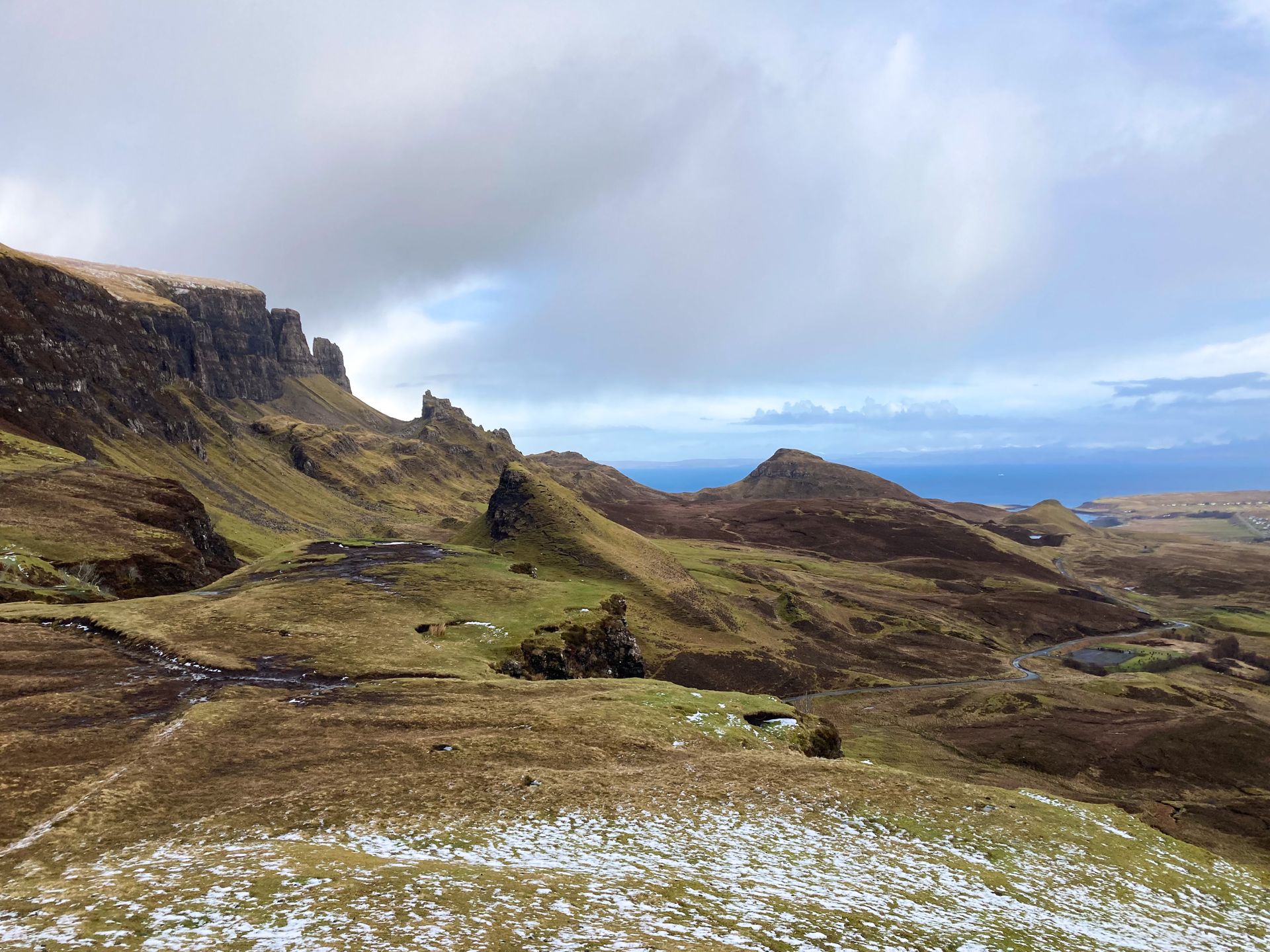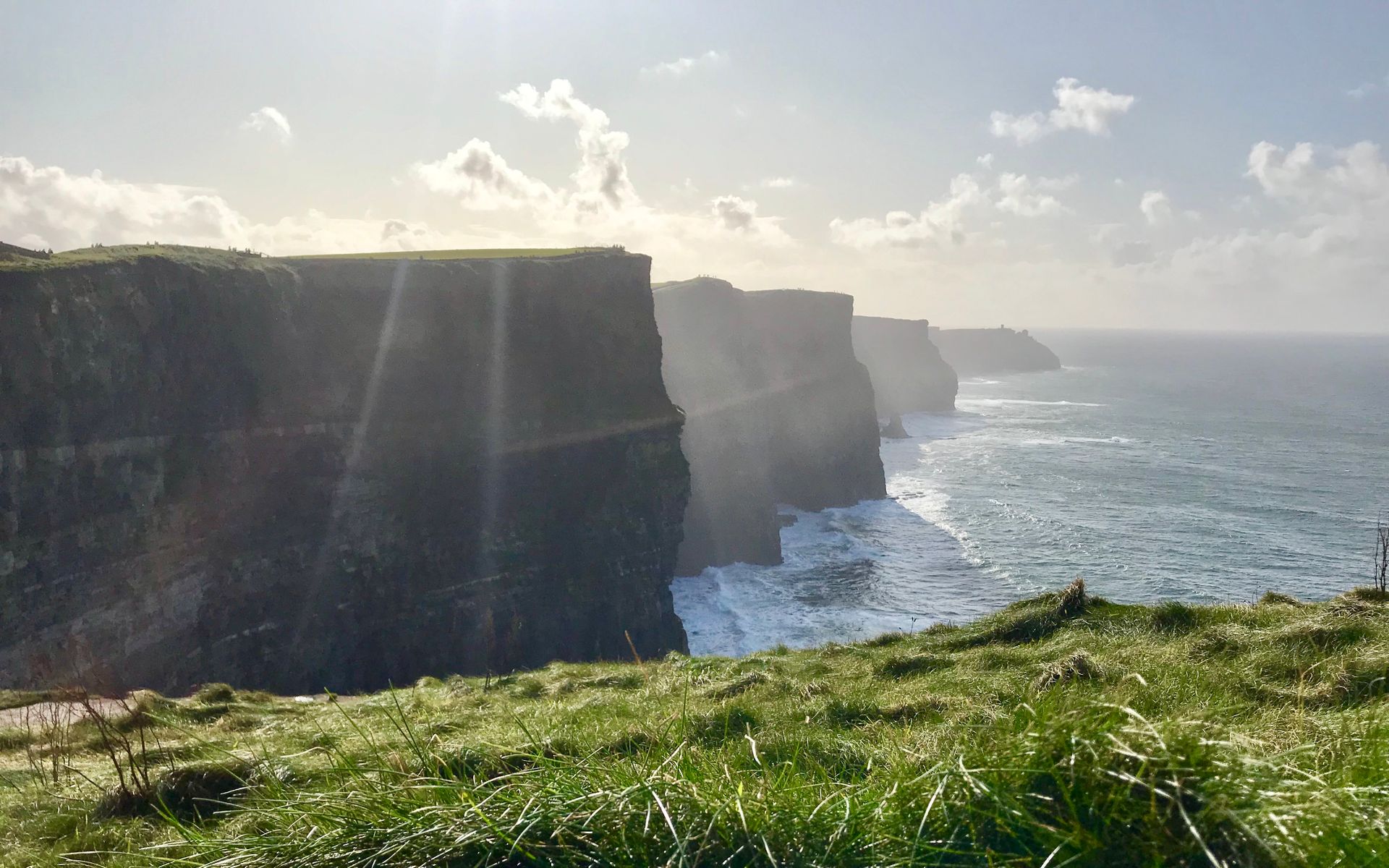
Ireland is not the most dramatic landscape in Europe, nor the most historically layered, nor the finest food destination. What it has — discovered in the moment the Cliffs of Moher emerge from Atlantic mist, or when a Galway pub conversation runs two hours and three rounds without anyone noticing, or when a traditional session starts on a Tuesday night with no announcement — is a quality of human warmth and landscape melancholy combined in a ratio available nowhere else. Craic, genuinely understood, is not simply fun — it's the specific atmosphere of people delighted to be in each other's company, with a relationship to language whose pleasure in words for their own sake produces sentences twice as good as they needed to be.
Craic is a specific quality of engaged human presence — the atmosphere produced when people are genuinely delighted to be in each other's company.
Understanding Ireland: North and South
The island of Ireland contains two political entities — the Republic of Ireland (Dublin, euro) and Northern Ireland (Belfast, part of the UK, pound sterling) — with an open, invisible border between them. The Wild Atlantic Way, the Ring of Kerry, the Cliffs of Moher, and the Aran Islands are in the Republic; the Giant's Causeway, the Causeway Coast, and Belfast are in Northern Ireland. A complete itinerary crosses the border multiple times without friction.
Dublin: The Literary Capital
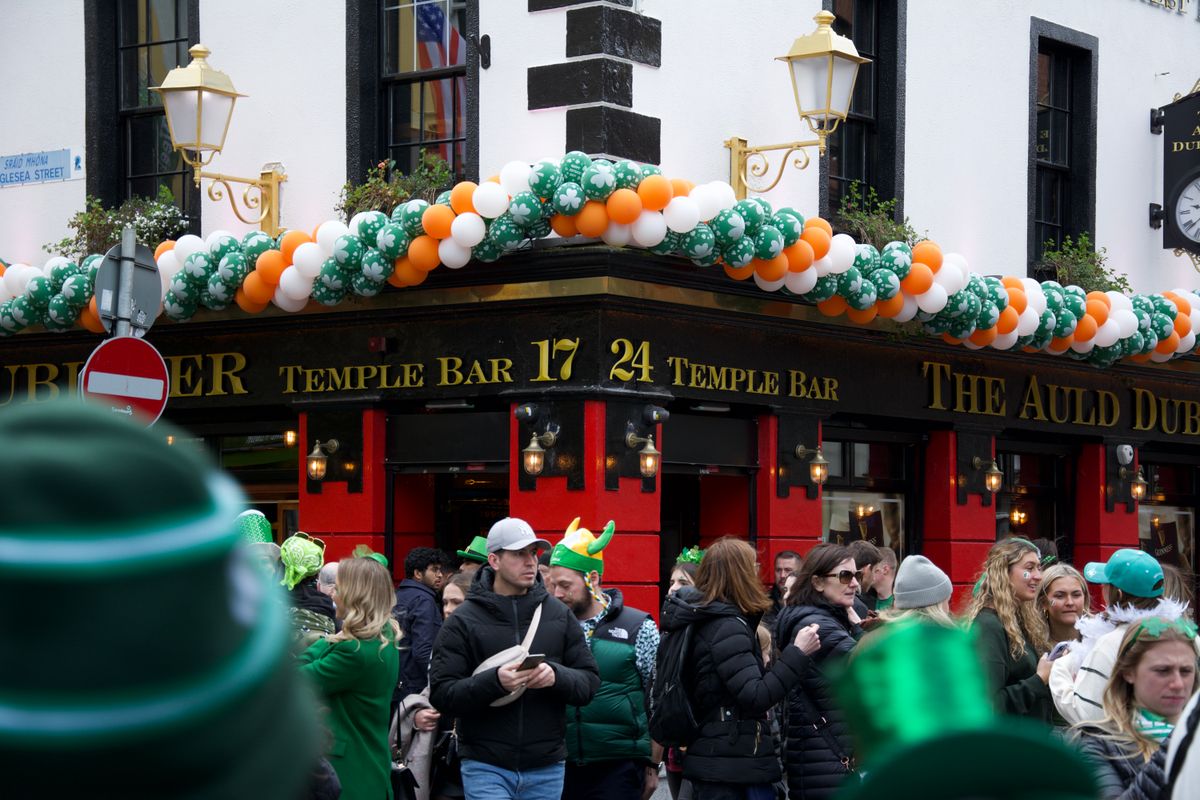
Dublin's Georgian squares, its extraordinary literary lineage (Joyce, Beckett, Yeats, Wilde, Swift), and its pub culture from Victorian mahogany splendor to Ulysses-shrine atmosphere define the city. Trinity College's Long Room library and the 9th-century Book of Kells (book online — walk-up queues extend to 90 minutes) are essential, as is the Guinness Storehouse, whose Gravity Bar delivers a 360-degree Dublin panorama with a complimentary, properly poured pint. Howth, 30 minutes by DART, offers a cliff walk, fish and chips, and a Sunday market as the finest day trip from the city.
The Cliffs of Moher, the Burren, and Galway
The Cliffs of Moher rise 214 meters — taller than the Eiffel Tower — above the Atlantic across an 8km stretch; walk the coastal path toward Hag's Head or take a Doolin boat tour for the view looking up from the water. The Burren's limestone karst, 30 minutes north, hosts Arctic-alpine and Mediterranean plants growing within meters of each other and the 5,000-year-old Poulnabrone dolmen.
Galway City's student energy, traditional music density (the Crane Bar, Tigh Coilí), and Saturday market make it Ireland's strongest second-city argument after Dublin.
Connemara, the Aran Islands, and Kerry
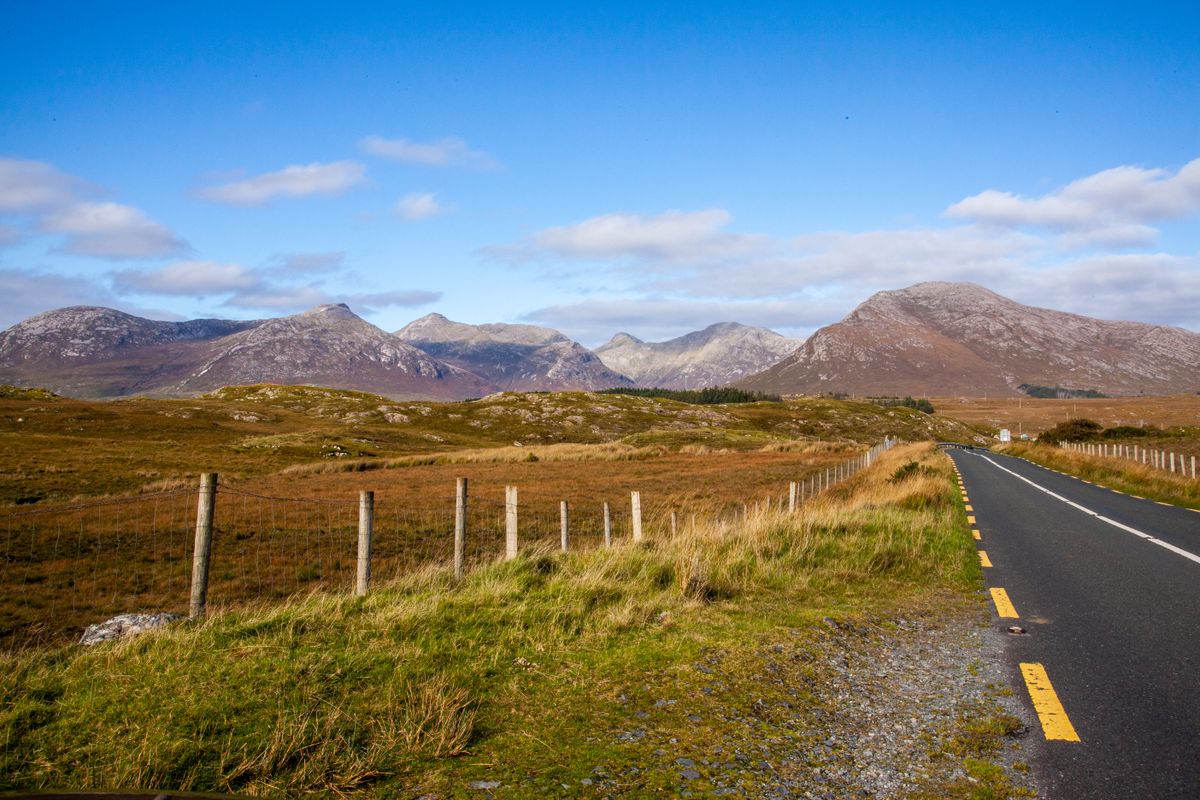
Connemara's quartzite Twelve Bens and blanket bogland are the most specifically Irish of all the country's landscapes — the Diamond Hill loop in Connemara National Park is the finest maintained viewpoint. The Aran Islands hold Dún Aonghasa, an Iron Age fort perched on a 100-meter cliff edge, and living Irish-language (Gaeltacht) culture.
The Ring of Kerry's 179km circuit (drive anti-clockwise, depart by 8am) passes the MacGillycuddy's Reeks and the Skellig Ring, with boat tours to Skellig Michael's 6th-century monastic beehive huts (Star Wars' filming location) booked 3–6 months ahead given a ~30% weather cancellation rate. Killarney National Park, the base for the Ring, holds the mist-wreathed Lakes of Killarney, the Victorian Muckross House, and the Gap of Dunloe, a glacial valley best crossed by jaunting car or bicycle. The Dingle Peninsula's Slea Head Drive and pub culture (Dick Mack's, An Droichead Beag) round out Kerry.
Cork, the Ancient East, and Northern Ireland
Cork's English Market (trading since 1610) and the nearby harbor town of Kinsale, consistently voted Ireland's prettiest, showcase the south's food culture. Kilkenny's medieval castle and cathedral, and the Boyne Valley's Newgrange — a 5,200-year-old passage tomb aligned to the winter solstice sunrise, predating Stonehenge by 500 years — anchor the Ancient East.
Belfast's Titanic Belfast museum (built on the ship's actual construction slipway) and Black Taxi political history tours of the Falls and Shankill Road murals offer an honest, humanly told history. The Causeway Coast's Giant's Causeway (40,000 interlocking basalt columns), the Carrick-a-Rede Rope Bridge, and Dunluce Castle's cliff-top ruins complete Northern Ireland's highlights, alongside the Old Bushmills Distillery — the world's oldest licensed whiskey distillery.
Ireland Travel Tips for First Timers
A rental car is essential for the Wild Atlantic Way, Kerry, Connemara, and the Causeway Coast — public transport does not reach these rural and coastal destinations.
Trail Notes
- Ireland drives on the left — practice the roundabout sequence (yield right, exit left) before the first day's driving.
- Pack a waterproof layer every single day regardless of the morning forecast.
- Book Skellig Michael boat tours 3–6 months ahead and stay flexible for weather rescheduling.
- Book Trinity College's Book of Kells tickets online in advance.
- Enter the Newgrange winter solstice lottery the previous September at the OPW website.
- Join a traditional music session if you can play — visitors are welcome to sit in.
Sample 14-Day Ireland Itinerary
Dublin (3 nights) → Wild Atlantic Way from Galway via the Cliffs of Moher and Connemara (3 nights) → Kerry, including Dingle (3 nights) → Belfast and the Causeway Coast (3 nights) → Kilkenny or the Boyne Valley (2 nights) before returning to Dublin.
Final Thoughts: The Country That Stays With You
Ireland's gift is the conversation — the local at the bar or the B&B breakfast table who ends up explaining, unprompted, why the beach around the headland is better than the one you're driving to, and what his grandfather built there. This is not hospitality as a service performance; it is a civilization's relationship with the stranger, refined across millennia of island life. Hire the car. Drive west. Go to the session on Tuesday night.