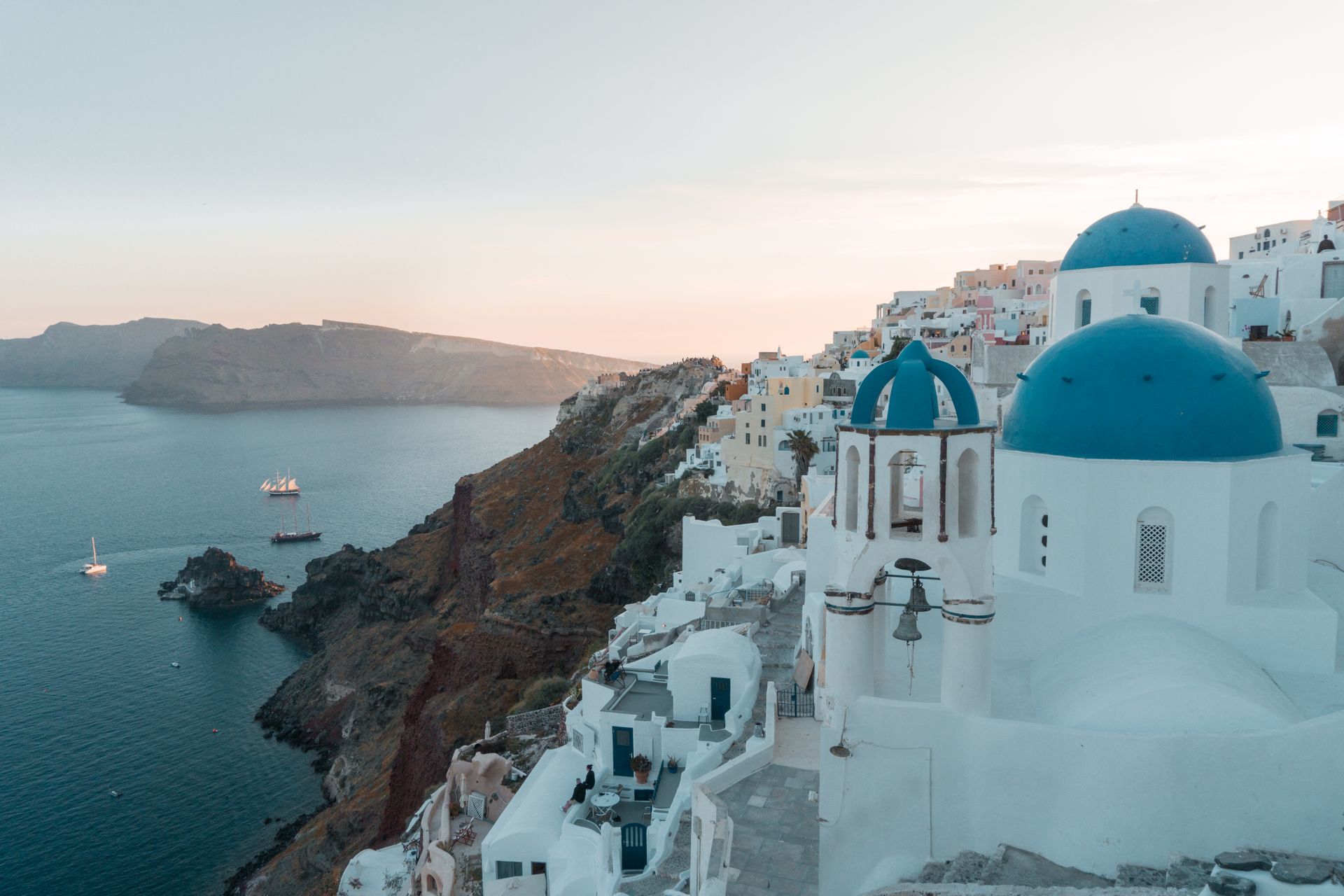
Sitting in a whitewashed taverna on a Cycladic island, watching the sun melt into the Aegean while the scent of grilled octopus and wild oregano fills the air, it becomes clear why Greece has inspired poets and wanderers for millennia. This is not just beautiful scenery — it is where Western civilization was born, where mythology still feels alive in every temple ruin, and where the Mediterranean lifestyle of long meals and life lived outdoors reaches its most refined expression. Greece is far more diverse than Santorini sunsets and ancient columns: Athens' urban energy, remote mountain monasteries, and beaches rivaling the Caribbean all belong to the same country.
Greece delivers experiences that combine ancient wonder, natural beauty, and a culture that has perfected the art of savoring life.
Best Time to Visit Greece
Late spring (May–early June) offers ideal conditions — 22–28°C, wildflowers blooming, minimal crowds, and reasonable prices before the summer peak. Summer (late June–August) guarantees sunshine and vibrant island energy but brings intense heat (30–38°C), overwhelming crowds, and the highest prices, especially in August. Fall (September–October) is the sweet spot — warm swimming through September, dramatically fewer crowds, and lower prices, with October particularly lovely. Winter (November–March) brings the lowest prices and smallest crowds but many island services close; Athens and city exploration remain excellent.
Essential Destinations: Athens, Santorini, and Mykonos
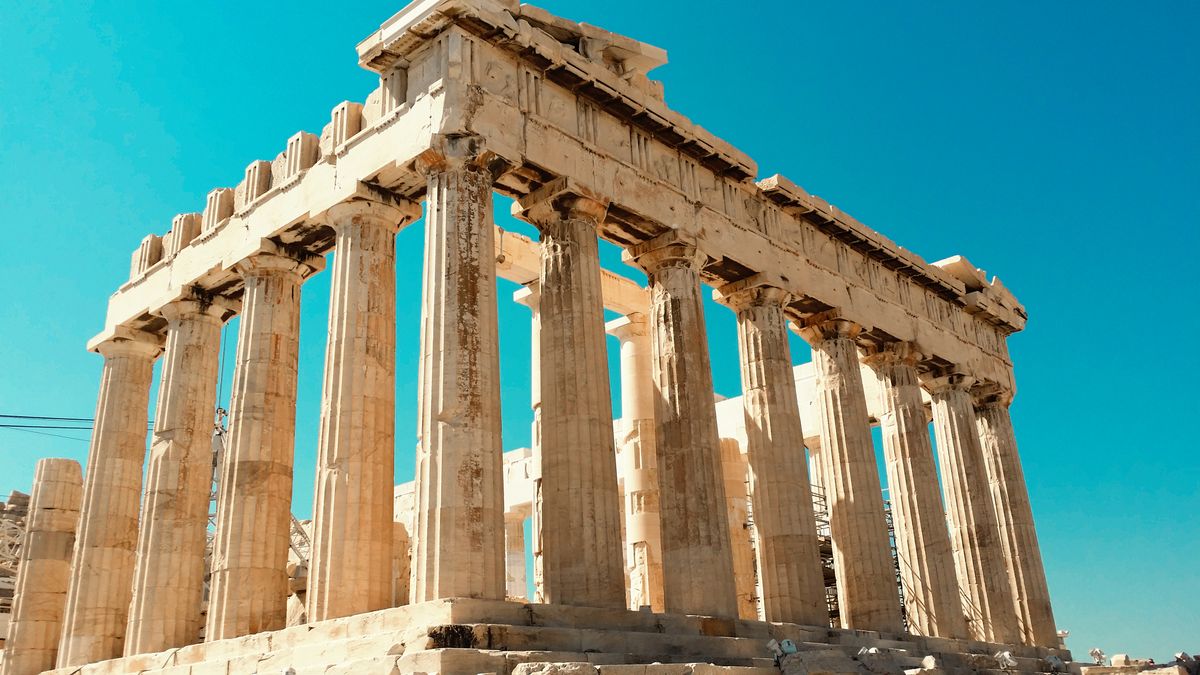
Athens (2–4 days): the Acropolis and Parthenon are essential, alongside the stunning modern Acropolis Museum at its base — arrive at opening or late afternoon for light and fewer crowds. The Ancient Agora, birthplace of democracy, and neighborhoods like Plaka, Monastiraki, and Koukaki each offer distinct character.
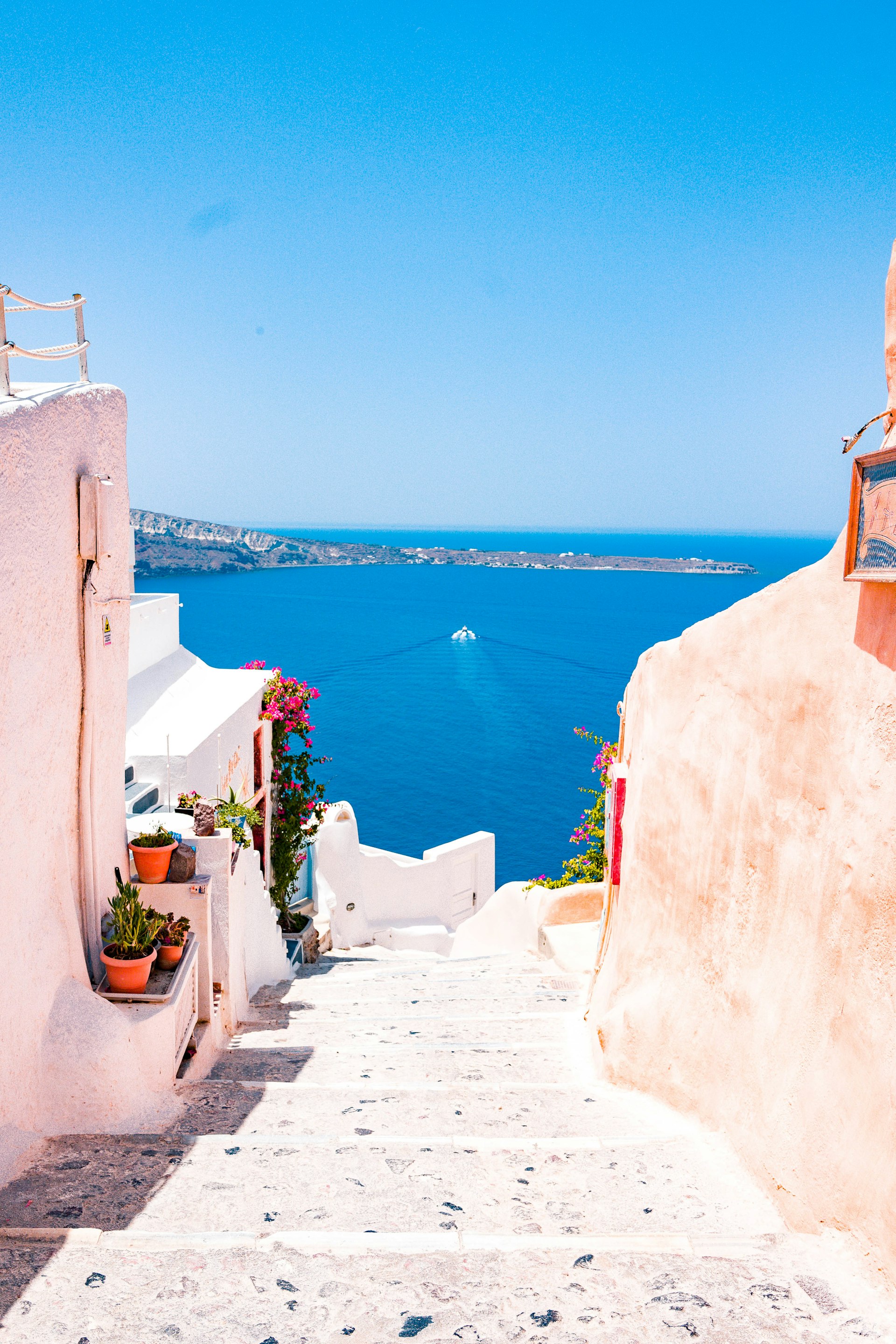
Santorini (2–4 days): delivers iconic Greece — whitewashed buildings, dramatic caldera cliffs, and legendary sunsets — but also peak tourism and peak prices. Oia's sunset is famously crowded; Imerovigli offers quieter caldera views for a fraction of the intensity. The ancient Minoan city of Akrotiri, preserved by volcanic eruption like Pompeii, is a highlight often skipped.
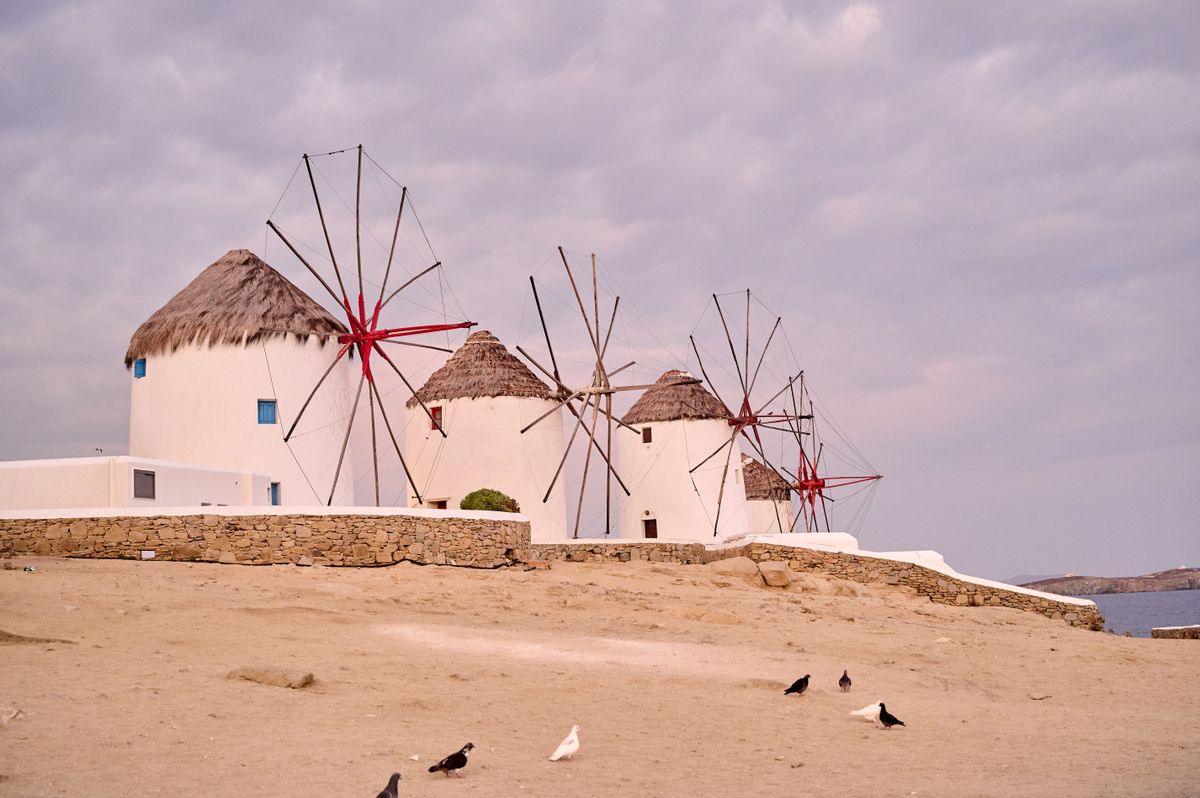
Mykonos (2–3 days): embraces its glamorous, party-forward reputation, but Mykonos Town's whitewashed alleys and windmills, and the sacred island of Delos (birthplace of Apollo and Artemis in mythology) nearby, reveal genuine Cycladic beauty beyond the beach clubs.
Crete, Rhodes, and the Lesser-Known Islands
Crete (5–10 days) deserves extended time — Knossos Palace and the Heraklion Archaeological Museum's Minoan artifacts, the beautiful Venetian harbor city of Chania, and the famous 16km Samaria Gorge hike. Rhodes (3–5 days) combines a UNESCO medieval Old Town with the hilltop acropolis village of Lindos and resort beaches. Naxos, Paros, and Milos offer Cycladic beauty with a fraction of Santorini and Mykonos's crowds and prices — Milos's Sarakiniko beach, with its lunar-like white rocks, is extraordinary. Beyond the Cyclades, the Ionian island of Corfu brings a lush, Venetian-influenced green landscape unlike the arid Cyclades, Zakynthos draws visitors for the shipwreck-backed Navagio Beach, and Skiathos offers pine-forested beaches (Koukounaries is the famous one) popular with Greek families.
Meteora, Delphi, and the Peloponnese
Meteora (1–2 days) is one of Greece's most spectacular sights — Byzantine monasteries perched on rock pinnacles, six of them open to visitors, with modest dress required. Delphi, the ancient Greeks' most sacred site, is an easy day trip from Athens through mountain scenery. The Peloponnese (5–7 days) holds an incredible concentration of ancient sites — Epidaurus's best-preserved ancient theater, Mycenae's Lion Gate, and Olympia, the original Olympic Games site — alongside the charming Venetian town of Nafplio and the medieval fortress town of Monemvasia.
Greek Food Culture Mastery
Horiatiki (Greek salad — tomatoes, cucumbers, olives, feta, never lettuce), moussaka (layered eggplant and spiced meat with béchamel), and souvlaki (grilled skewered meat in pita) are the essentials. Tzatziki, spanakopita, and grilled octopus round out the everyday repertoire. Dining is late (9–11 PM typical), meals are long and leisurely, and ouzo — served with water that turns it milky, alongside small plates — is the classic aperitif. Greek coffee, thick and unfiltered, is sipped slowly, never rushed.
Practical Greece: Ferries, Islands, and Budgeting
Ferries are essential for island-hopping — book through Ferryhopper or Direct Ferries, and build flexibility into plans since Aegean weather affects schedules. Domestic flights (Aegean Airlines, Olympic Air, Sky Express) are often competitive with ferries for time. Island-hop within geographic clusters (Cyclades together, Dodecanese together) rather than mixing regions, which wastes valuable time on ferries.
Daily costs: Budget €40–65/day; mid-range €90–140/day; comfortable €180–280+/day. Santorini and Mykonos run significantly more expensive than the mainland and lesser-known islands.
Trail Notes
- Learn a few Greek phrases — kalimera (good morning), efharisto (thank you) are warmly received.
- 98% of Greeks are Orthodox Christian — dress respectfully at churches, and note Orthodox Easter (dates differ from Western Easter) is the biggest celebration of the year.
- Don't overplan island-hopping — weather affects ferries, so build in flexibility.
- Balance famous islands with lesser-known ones — Naxos, Paros, and Sifnos offer similar beauty with more authenticity and value than Santorini or Mykonos.
- Tipping 10% for good service is appreciated but not obligatory.
Sample 10-Day Classic Greece Itinerary
Days 1–3: Athens — the Acropolis, ancient sites, museums, and neighborhoods. Days 4–6: Santorini — caldera views, wine tours, and beaches. Days 7–9: Naxos or Paros — a more relaxed Cycladic island. Days 10–12: Crete (Chania area) — beautiful city, beaches, and an optional Samaria Gorge hike.
Making Greece Unforgettable
Greece rewards slowing down and embracing Mediterranean rhythms — long meals, afternoon quiet, evening strolls, and late dinners are not inefficiency, but a lifestyle perfected over millennia. Choose depth over breadth: three days properly experiencing one island beats rushed day trips to three. Greece combines ancient wonder that shaped Western civilization with a contemporary culture that has refined the art of living well.