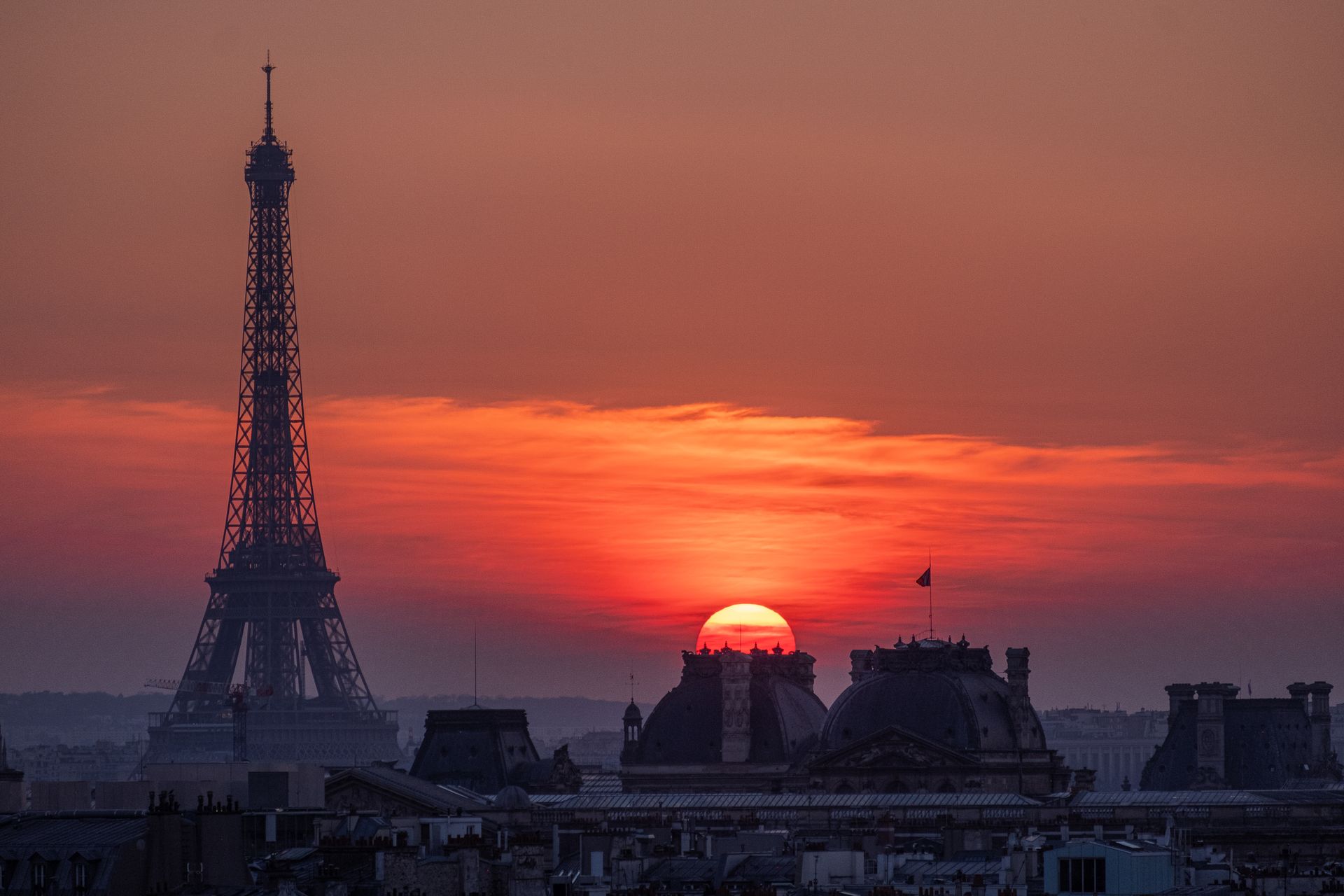
Sitting in a tiny Paris café near Notre-Dame, watching the city wake up over a perfect croissant and espresso that costs less than a Starbucks latte back home, captures what makes France endlessly compelling: a country that has elevated everyday experiences like eating, drinking, and simply existing into art forms. France offers far more than Paris and the Eiffel Tower — lavender fields in Provence, dramatic cliffs in Normandy, medieval villages in the Dordogne, glamorous beaches on the Côte d'Azur, world-class wines in Bordeaux, and Alpine peaks in Chamonix.
France doesn't just have landmarks and museums — it has savored life's pleasures and centuries of culture still alive today.
Best Time to Visit France
Spring (April–May) brings France to life with blooming gardens and manageable crowds before the summer peak. Fall (September–October) is the sweet spot — wine harvest (vendange) season, comfortable 15–22°C weather, and thinning crowds. Summer (June–August) means long days and beach weather but intense heat in the south and the French vacation exodus, particularly in August. Winter (November–March) offers the lowest prices, magical Christmas markets, and ski season in the Alps.
Paris: The Eternal City
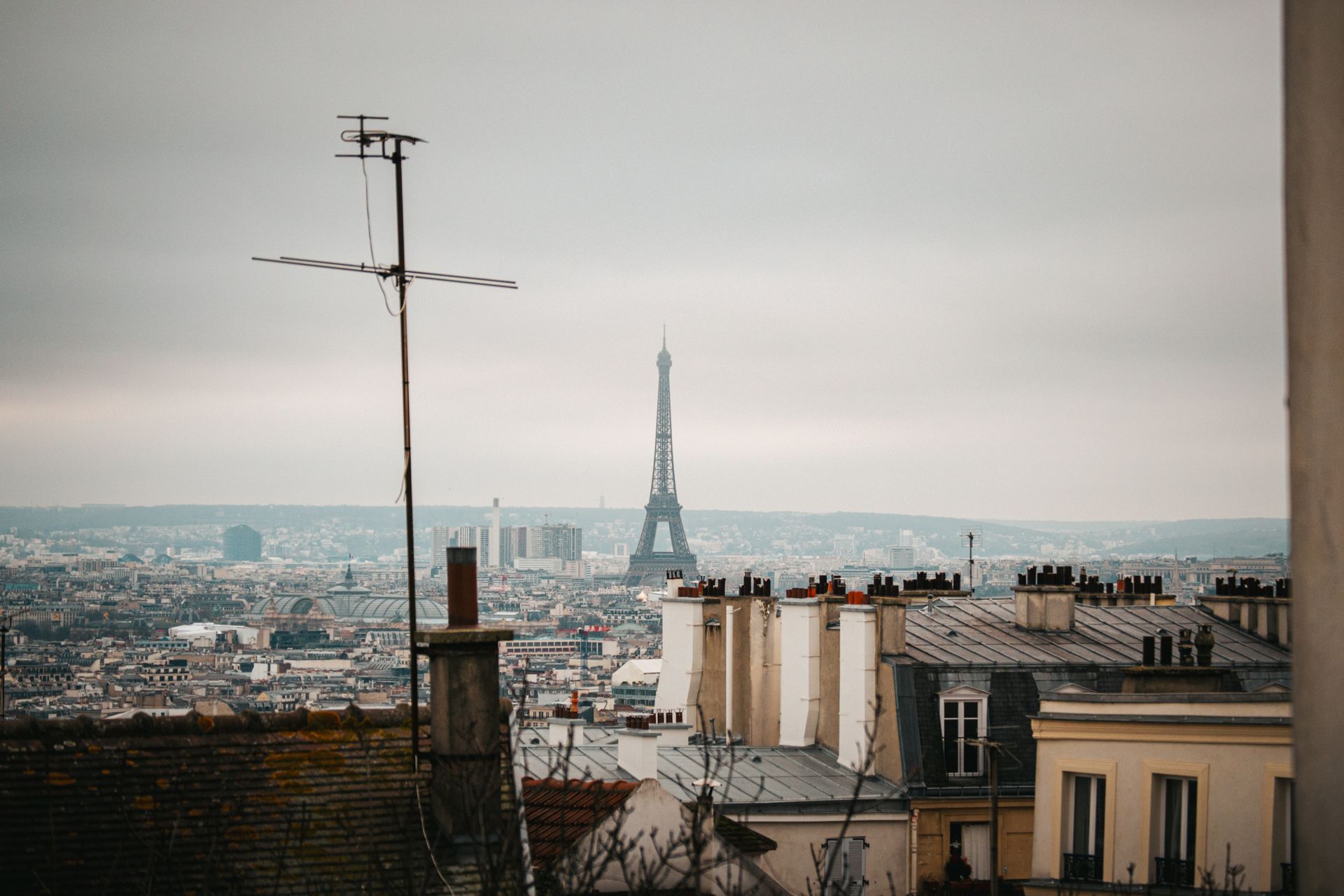
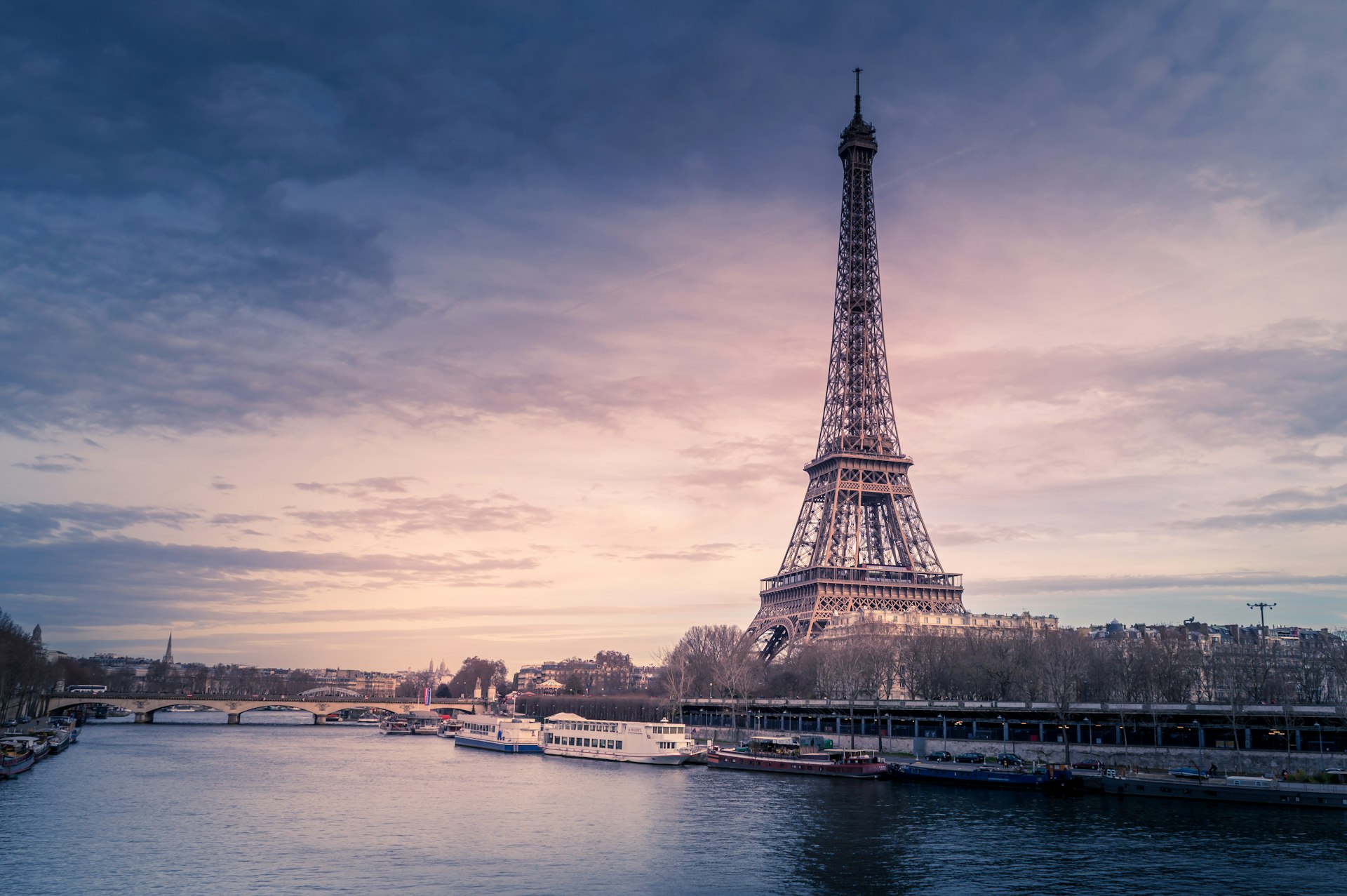
Paris demands time — three days covers the highlights, five allows breathing room. The Eiffel Tower, the Louvre (book timed entry, focus on select sections), and Notre-Dame's exterior (under renovation after the 2019 fire) anchor the classics. Le Marais, Saint-Germain-des-Prés, and Montmartre each offer a distinct neighborhood character worth a half-day wander. The Musée d'Orsay's Impressionist collection and Sainte-Chapelle's stained glass are essential beyond the obvious sights.
Provence and the French Riviera
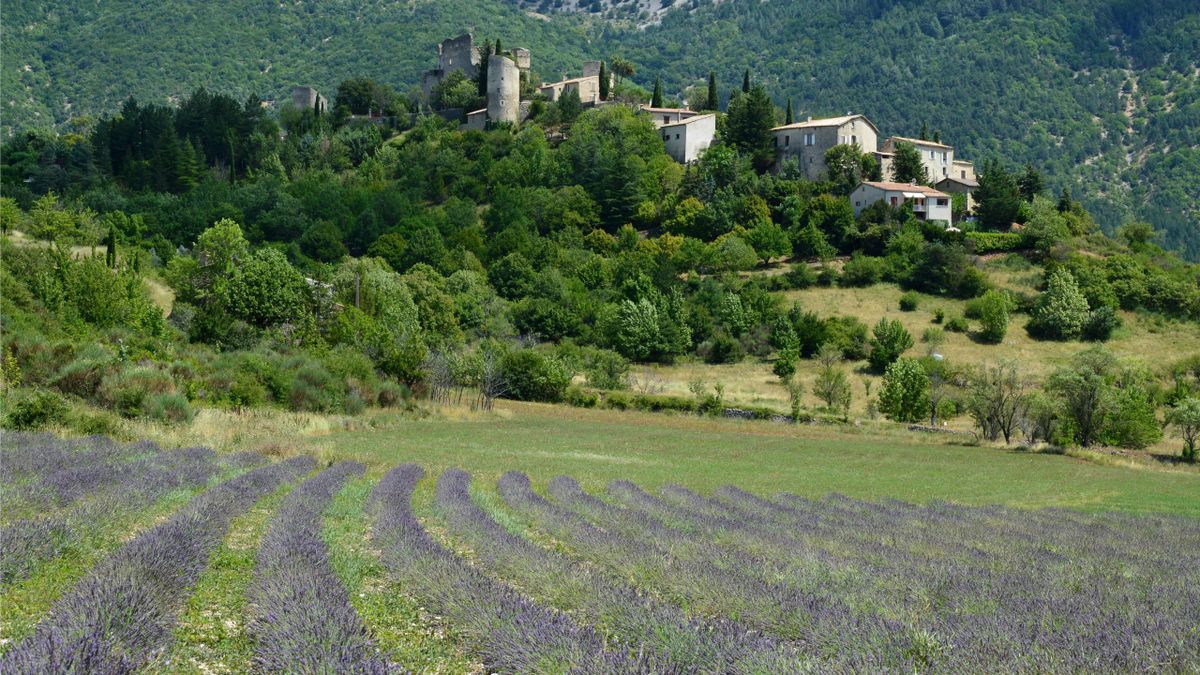
Provence embodies southern French beauty — lavender fields (peak bloom June–July), hilltop villages like Gordes and Roussillon, and Roman ruins in Arles and Nîmes. Rent a car; public transport limits village access. The French Riviera delivers Mediterranean glamour — Nice's Promenade des Anglais and Old Town, Antibes's more affordable charm, and hilltop villages like Èze and Saint-Paul-de-Vence, all easily connected by train.
The Loire Valley and Normandy
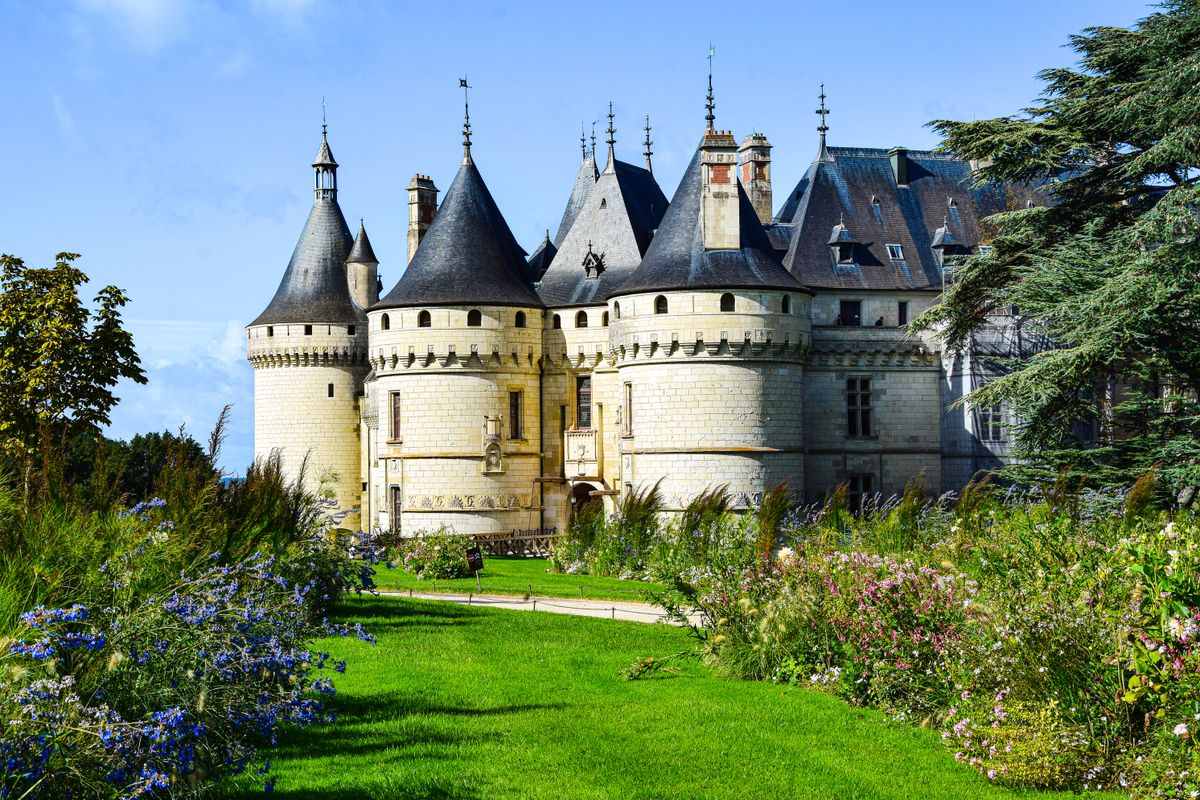
The Loire Valley preserves France's Renaissance grandeur — Chambord, the largest and most impressive château, and Chenonceau, elegantly built over the river, are must-sees; choose 4–6 châteaux rather than attempting them all. Normandy combines D-Day history (Omaha Beach, the American Cemetery, best explored with a guide) with the stunning island abbey of Mont-Saint-Michel and the charming harbor town of Honfleur.
Bordeaux and the French Alps
Bordeaux has transformed from industrial port to elegant wine capital, with Saint-Émilion's medieval town and underground cellars accessible without a car. The French Alps deliver dramatic peaks around Chamonix (the Aiguille du Midi cable car is spectacular) and the canal-laced lake town of Annecy, often called the "Venice of the Alps," for a more relaxed alternative.
Alsace: German-French Fusion
Alsace, on the German border, blends the two cultures into something distinctly its own. Strasbourg's Gothic cathedral, the canal-laced La Petite France district, and Christmas markets ranked among Europe's finest anchor the region. The Wine Route strings together fairy-tale villages — Riquewihr, the circular village of Eguisheim, and Kaysersberg — each with Riesling and Gewürztraminer tastings. Colmar, a perfectly preserved medieval town with its own Little Venice canals, makes an excellent base for exploring.
French Food Culture Mastery
Regional specialties define French eating — bouillabaisse in Provence, moules frites and Camembert in Normandy, boeuf bourguignon in Burgundy, choucroute in Alsace. Lunch runs 12–2 PM, dinner 7:30–10 PM, and fixed-price menus (prix fixe) offer far better value than à la carte. "Bonjour" upon entering any shop or restaurant is essential politeness — skipping it is considered genuinely rude. Café culture rewards sitting rather than standing (you're paying for the table and time), and wine with meals is simply normal, not about getting drunk.
France Travel Tips for First Timers
A few habits — mostly around courtesy and pacing — make the difference between fighting French culture and flowing with it.
Trail Notes
- Always say "Bonjour" first in any interaction — shops, restaurants, asking directions.
- Book major museums (the Louvre, the Musée d'Orsay) and popular restaurants ahead of time.
- Validate regional train tickets before boarding — yellow machines at the platform.
- Many shops close for lunch (noon–2 PM) and on Sundays, especially outside Paris.
- Carry cash for small cafés and markets, though cards are widely accepted.
- Dress with some effort — Parisians dress well, and athleisure in restaurants stands out.
- Embrace the leisurely dining pace — a two-hour meal is not slow service, it's the culture.
Sample 14-Day Classic France Itinerary
Days 1–4: Paris — essential monuments, museums, neighborhoods, café culture. Days 5–6: Loire Valley — château visits, based in Tours. Days 7–9: Provence — Avignon, villages, lavender (seasonal), markets. Days 10–11: French Riviera — Nice, with day trips to Monaco and hilltop villages. Days 12–14: Lyon or return to Paris — the culinary capital and final experiences.
France on a Budget
Budget travelers spend €50–80 per day; mid-range comfort runs €120–180. Fixed-price lunch menus and market picnics keep food costs manageable even in expensive Paris.
Making France Unforgettable
Don't try to see everything — France deserves multiple visits, and choosing regions that genuinely interest you beats checking boxes. Embrace French eating culture — slow meals, good wine, fresh markets — not as a tourist activity but as how French people actually live. Accepting occasional friction (language, unfamiliar rules) is part of the experience; the moments of beauty, food, and culture far outweigh it.