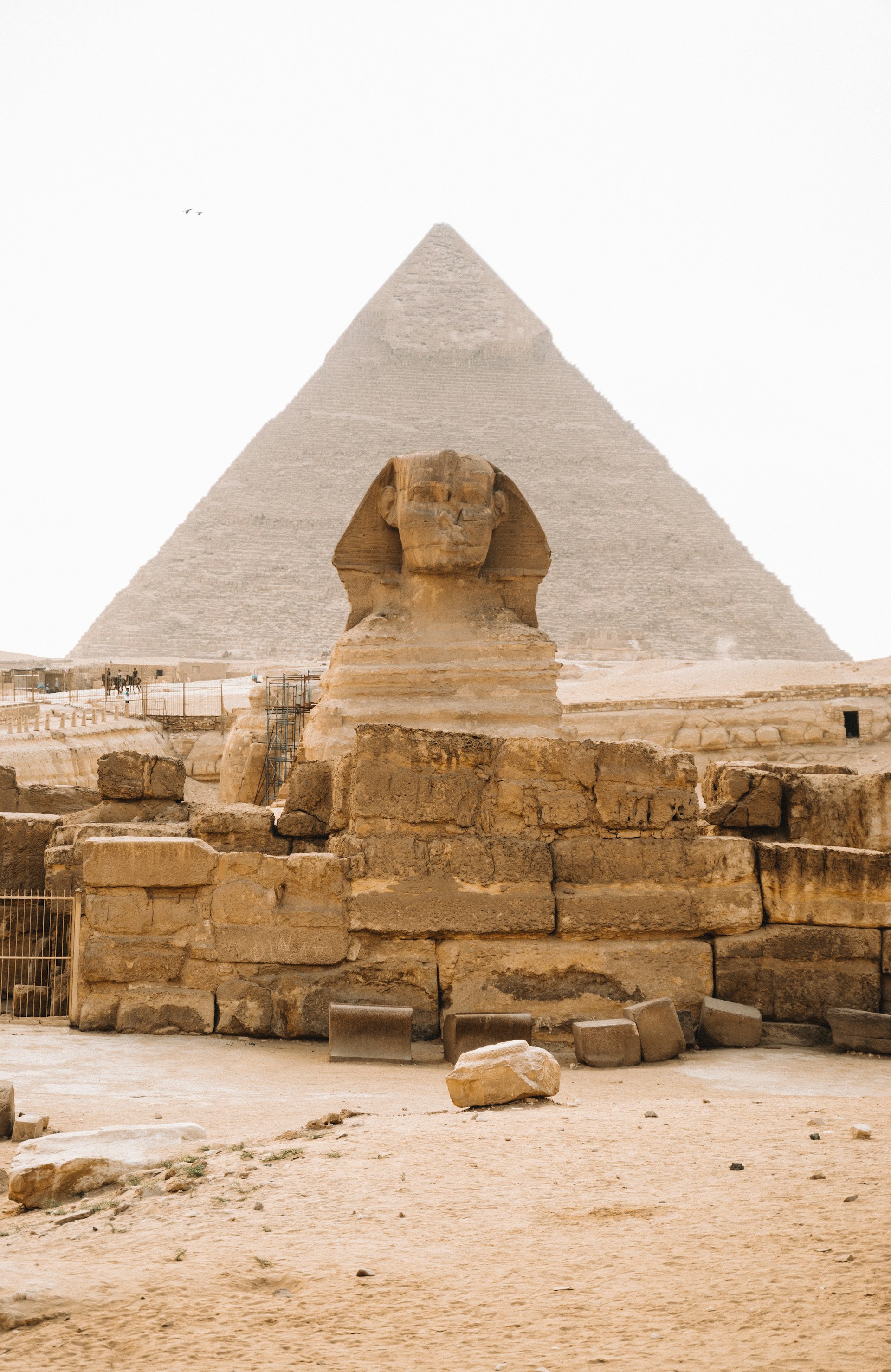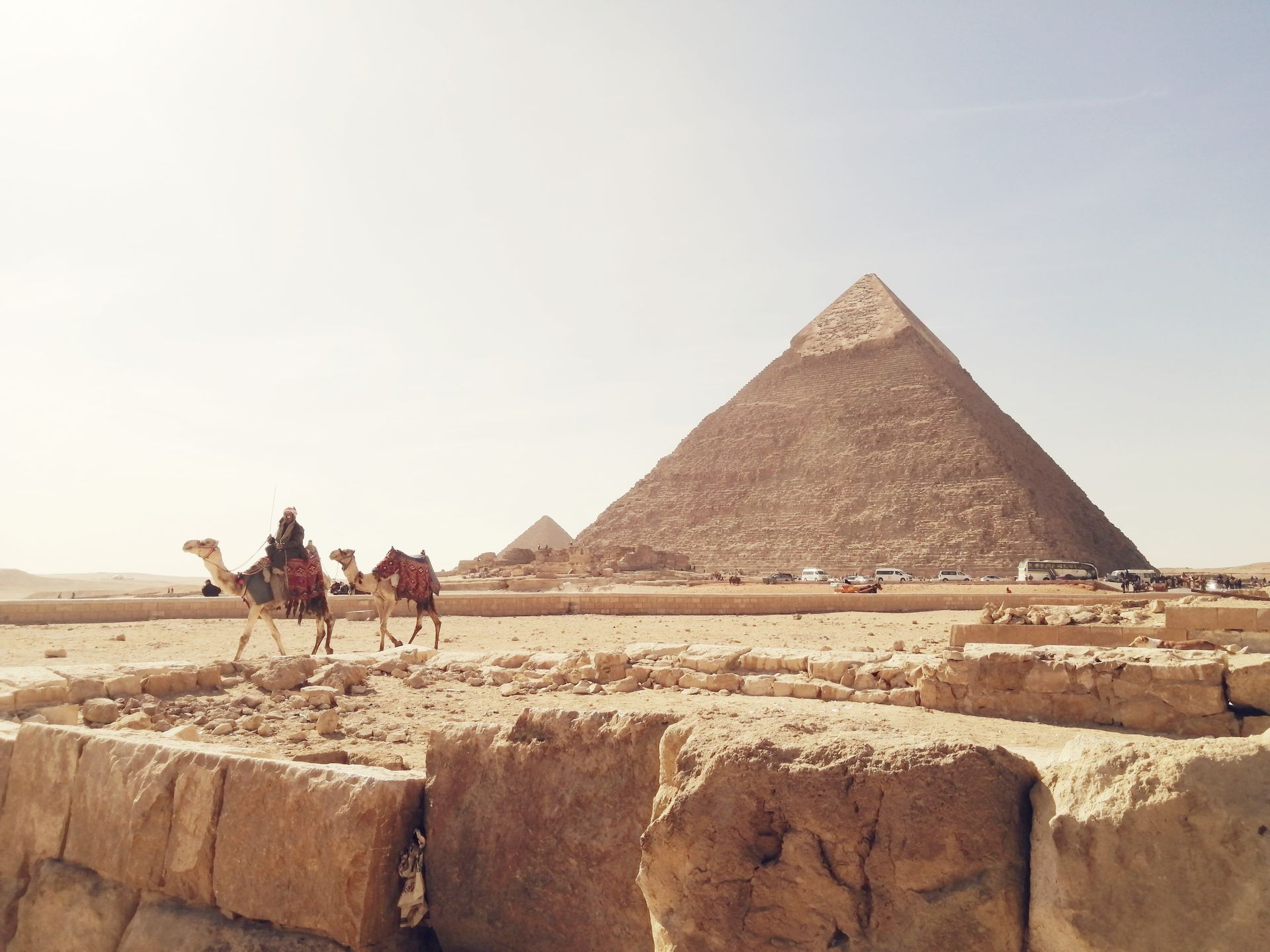
Standing before the Great Pyramid of Giza at sunset, watching 4,500 years of history glow golden in the fading light while the call to prayer echoes across Cairo, it becomes clear why Egypt has captivated travelers for millennia. This is not just a destination — it is a journey through human civilization itself, where pharaohs, Romans, Christians, and Muslims left layers of extraordinary monuments. Egypt is far more complex than pyramids and mummies: the chaotic energy of Cairo, the timeless flow of the Nile, the Red Sea's underwater paradise, and Nubian culture in Aswan all belong to the same extraordinary country.
Touching stones moved by people whose technology we still don't fully understand creates experiences that justify every frustration and challenge.
Best Time to Visit Egypt
Winter (November–February) is peak season — comfortable 15–25°C, minimal rain, and ideal conditions for exploring monuments, but the highest prices and biggest crowds. Spring (March–May) offers a good balance — good weather early season with diminishing crowds and dropping prices, though temperatures climb sharply by May. Summer (June–September) brings scorching heat, especially in Luxor and Aswan (40–45°C), but also the lowest prices and near-empty temples for those who can handle it. Fall (September–October) combines decreasing heat with moderate prices — an excellent overall window.
Cairo: Ancient and Chaotic
Cairo assaults the senses — 20+ million people, relentless traffic, and beneath the chaos, extraordinary treasures spanning 5,000 years. The Pyramids of Giza and the Sphinx are best visited at opening (8 AM) or sunset; expect persistent touts and firm, polite refusals. The Egyptian Museum at Tahrir Square holds Tutankhamun's treasures, including the golden mask, with the new Grand Egyptian Museum near the pyramids eventually housing most of the collection. Islamic Cairo's Khan el-Khalili bazaar and Al-Azhar Mosque, and Coptic Cairo's Hanging Church, round out the city's essential sights.
Luxor: The World's Greatest Open-Air Museum
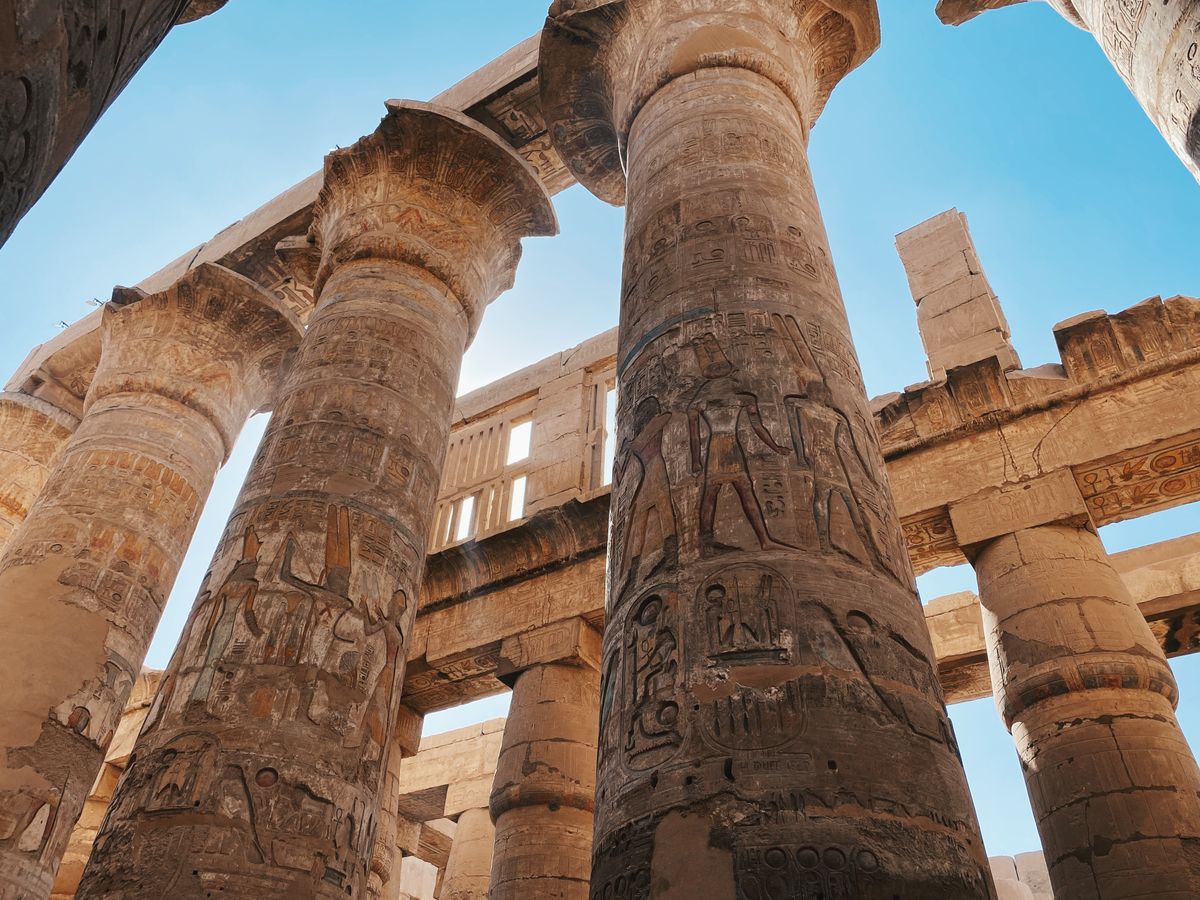
Ancient Thebes holds an astonishing concentration of temples and tombs. On the East Bank, Karnak Temple's hypostyle hall of 134 giant columns is breathtaking, and Luxor Temple is beautifully lit at night. On the West Bank, the Valley of the Kings holds 65 known royal tombs including Tutankhamun's (small but famous, separate ticket) and Seti I's (the longest and most detailed); Hatshepsut's dramatic terraced mortuary temple sits against the cliffs nearby. A hot air balloon at sunrise over the monuments, though expensive, is spectacular.
Aswan, Nile Cruises, and the Red Sea Coast
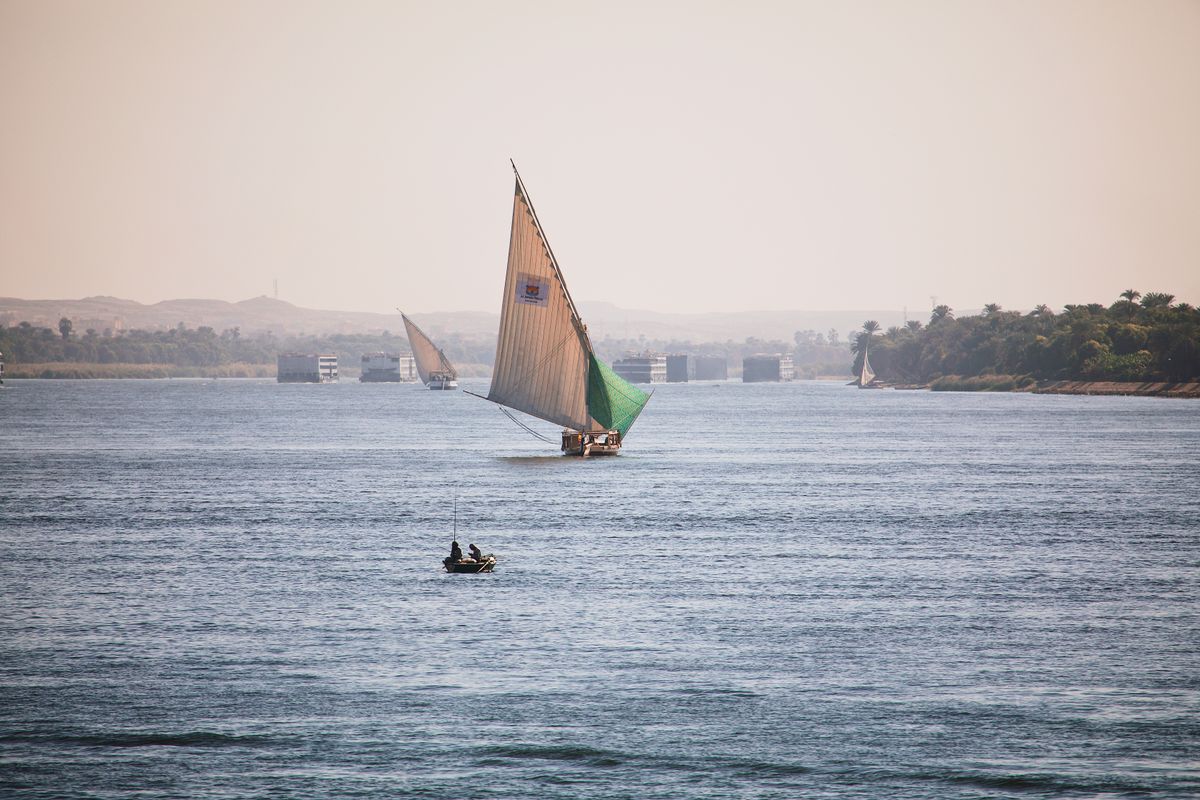
Aswan offers a more relaxed atmosphere — the island temple of Philae, felucca sailing around Elephantine Island, and colorful Nubian villages, with Abu Simbel's colossal relocated temples an unforgettable day trip. Cruising the Nile between Luxor and Aswan (typically 3–4 days) combines efficient sightseeing with stops at Edfu and Kom Ombo temples. The Red Sea coast — Sharm el-Sheikh, Dahab, and Hurghada — offers some of the world's best diving at prices considerably lower than comparable destinations.
Alexandria, the Western Desert, and Sinai
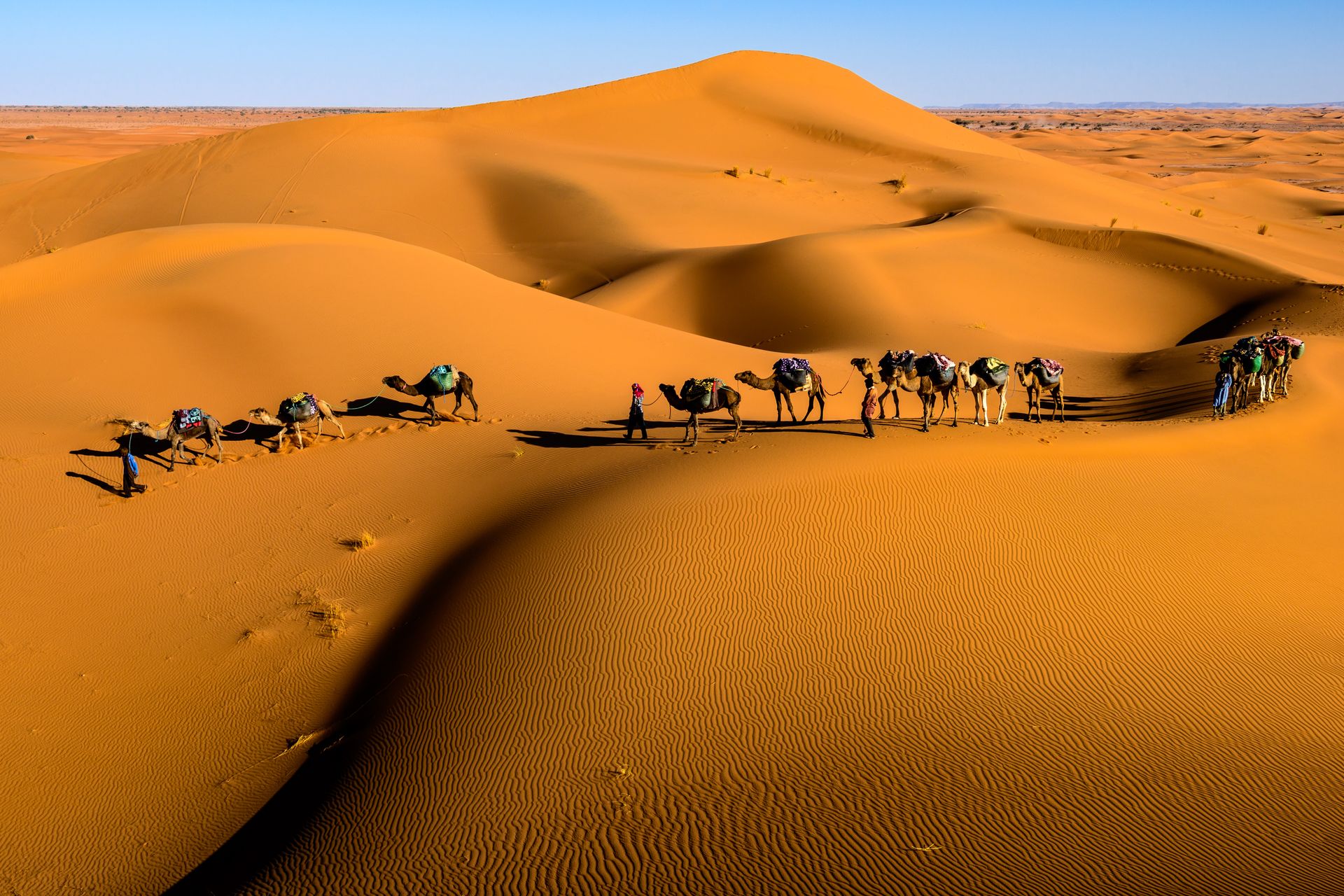
Alexandria, Egypt's Mediterranean second city, makes an easy day trip or overnight escape from Cairo — the modern Bibliotheca Alexandrina honoring the ancient library, the Qaitbay Citadel on the site of the Pharos lighthouse, and excellent seafood along the corniche. The White Desert, reached via the Bahariya Oasis, offers otherworldly wind-sculpted white chalk formations best explored on a multi-day 4WD camping safari, alongside the remote, mud-brick oasis town of Siwa. The Sinai Peninsula holds St. Catherine's Monastery at the base of Mount Sinai, where a popular overnight hike leads to sunrise at the Biblical summit where Moses is said to have received the Ten Commandments.
Egyptian Food Culture
Koshari, the national dish of rice, lentils, macaroni, chickpeas, and fried onions in tomato sauce, is cheap, filling, and vegetarian. Ful medames (slow-cooked fava beans) and ta'ameya (Egyptian fava-bean falafel) are breakfast staples. Mahshi (stuffed vegetables), kofta and kebab, and shawarma round out everyday eating. Hibiscus tea (karkadeh) and fresh sugar cane juice are refreshing street drinks. Eat from busy vendors with high turnover, and stick to bottled water.
Egypt Travel Tips for First Timers
Egypt challenges and rewards in equal measure — persistent touts and scams are real, but so is genuine Egyptian hospitality.
Trail Notes
- Use Uber or Careem in Cairo — cheap, safe, and avoids taxi scams.
- Dress modestly — covered shoulders and knees, especially at religious sites; women should carry a scarf.
- Stay firm but polite with touts — "la shukran" (no thank you), repeated calmly, works better than engagement.
- Hire qualified Egyptologist guides at major sites — they transform temple visits into profound historical experiences.
- Book the visa on arrival or e-visa in advance ($25 USD) to save time at the airport.
- Carry cash — Egypt is largely cash-based, and baksheesh (tipping) is expected for almost every service.
- Bring anti-diarrheal medication — stomach issues are extremely common for first-time visitors.
Sample 12-Day Classic Egypt Itinerary
Days 1–3: Cairo — the Pyramids, the Egyptian Museum, Islamic and Coptic Cairo. Days 4–7: Nile Cruise — Luxor to Aswan via Edfu and Kom Ombo. Days 8–9: Aswan — Philae, Nubian culture, and an Abu Simbel day trip. Days 10–12: Cairo return — final experiences and departure.
Egypt on a Budget
Egypt remains excellent value, especially after currency devaluation. Budget travelers spend 200–400 LE ($6–13) per day; mid-range comfort runs 600–1,000 LE ($19–32). Entrance fees add up (100–200 LE per site) but student cards (ISIC) provide discounts.
Final Thoughts: Egypt Will Shift Your Perspective on Civilization
Egypt isn't easy travel, but standing in temples that were ancient when Rome was founded, and sailing the Nile that has been civilization's lifeline for 7,000 years, creates experiences that justify every frustration. Stay firm but polite with persistent vendors, respect cultural norms, and accept Egypt's contradictions — modern chaos surrounding ancient marvels, warmth mixed with aggressive selling — as part of what makes it endlessly fascinating.