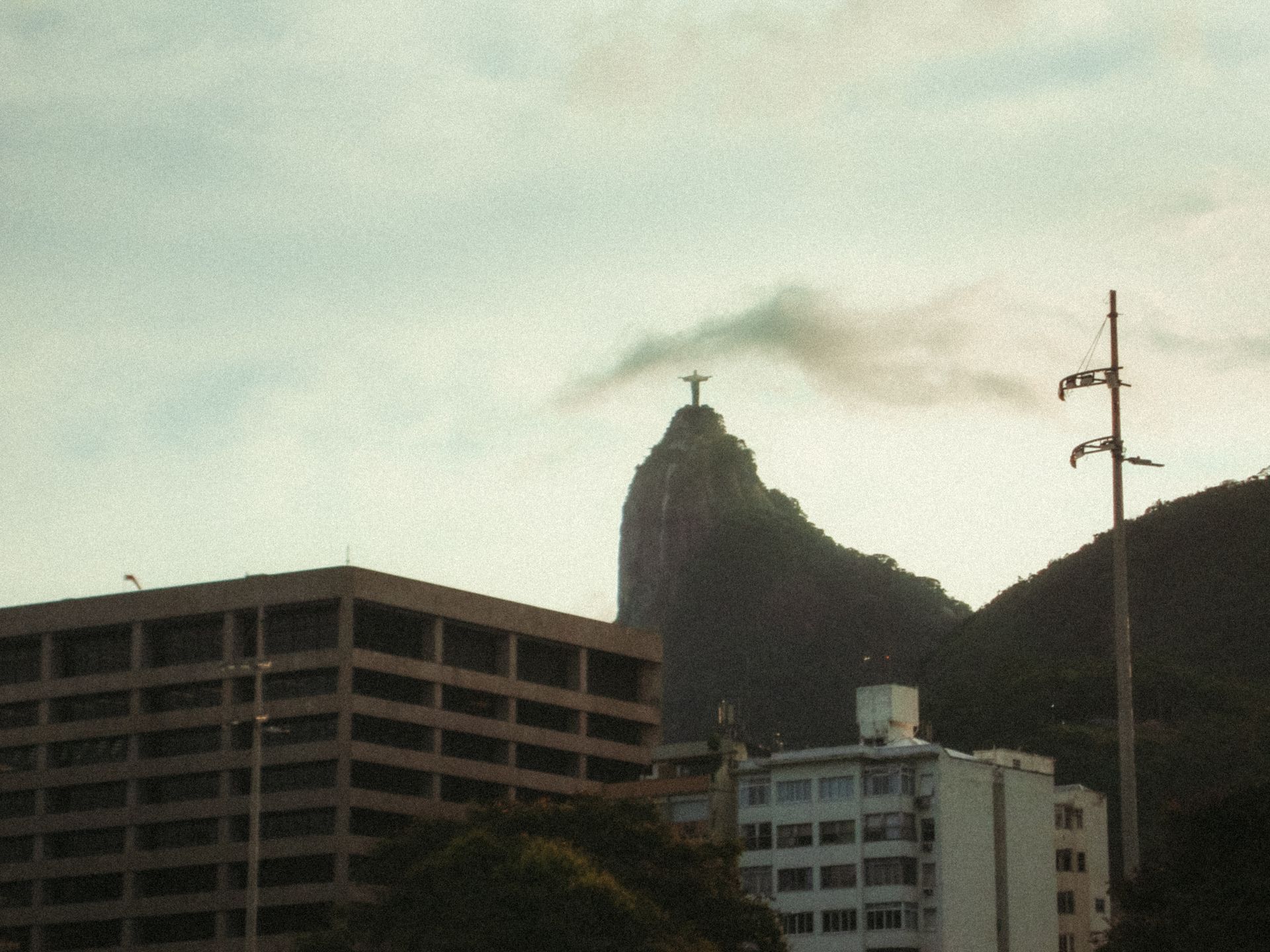
Brazil is the fifth-largest country on Earth and the largest in South America, spanning 45 degrees of latitude from the equatorial Amazon to subtropical forests in the deep south, containing 10% of all species on the planet. Brazilian culture — the synthesis of indigenous, African, and Portuguese civilizations across five centuries — operates at a frequency that either resonates immediately or takes 48 hours to tune into; either way, it is not performance for the tourist. No other country combines Rio's natural urban beauty, the Amazon's wildness, the Pantanal's wildlife density surpassing the Serengeti, Salvador's colonial baroque, and Iguazú's 275 waterfalls within a single domestic flight network.
Brazil has been described as the country that invented the color green, the color yellow, and a quality of blue that only exists in the Rio afternoon sky above the Atlantic.
Rio de Janeiro: The Marvellous City
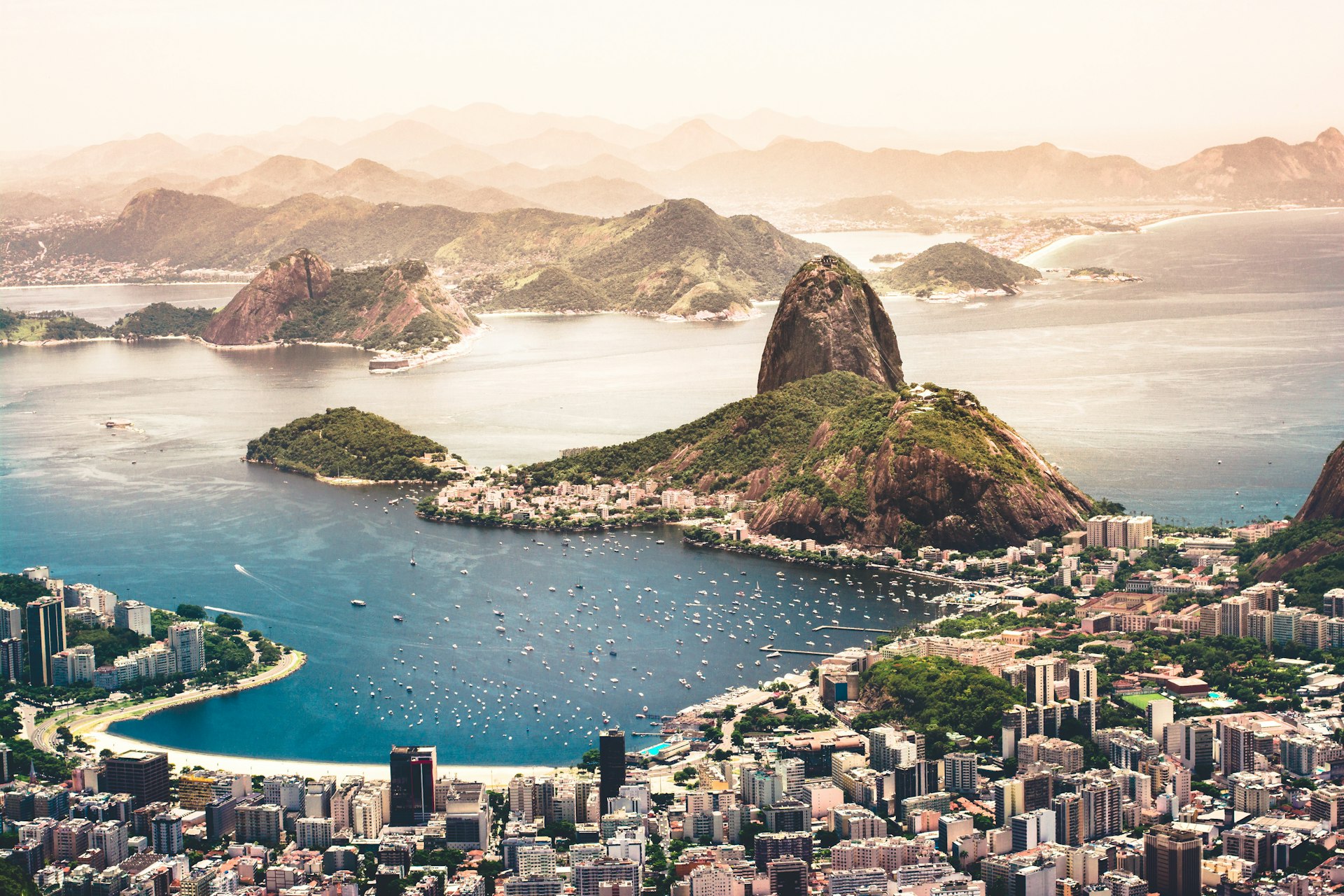
Christ the Redeemer atop Corcovado (710m) and Sugarloaf Mountain's two-stage cable car provide Rio's essential panoramas — book the Corcovado cog railway online for the first morning trains, and catch Sugarloaf at sunset for the transition from golden hour to the illuminated city below. Ipanema's Posto 9 is the traditional gathering point for Rio's artistic community, framed by the Dois Irmãos peaks; Copacabana's 4km crescent hosts the world's largest beach New Year celebration.
Santa Teresa's hillside tram, boutique hotels, and bohemian arts community sit above Lapa, where the Selarón Steps (tiled with pieces from 60+ countries) and Friday/Saturday night street samba parties under the aqueduct arcos define Rio's nightlife. The churrascaria rodízio, feijoada on Saturdays, and pão de queijo from any padaria round out the essential food experiences.
The Amazon: Manaus and the Rainforest
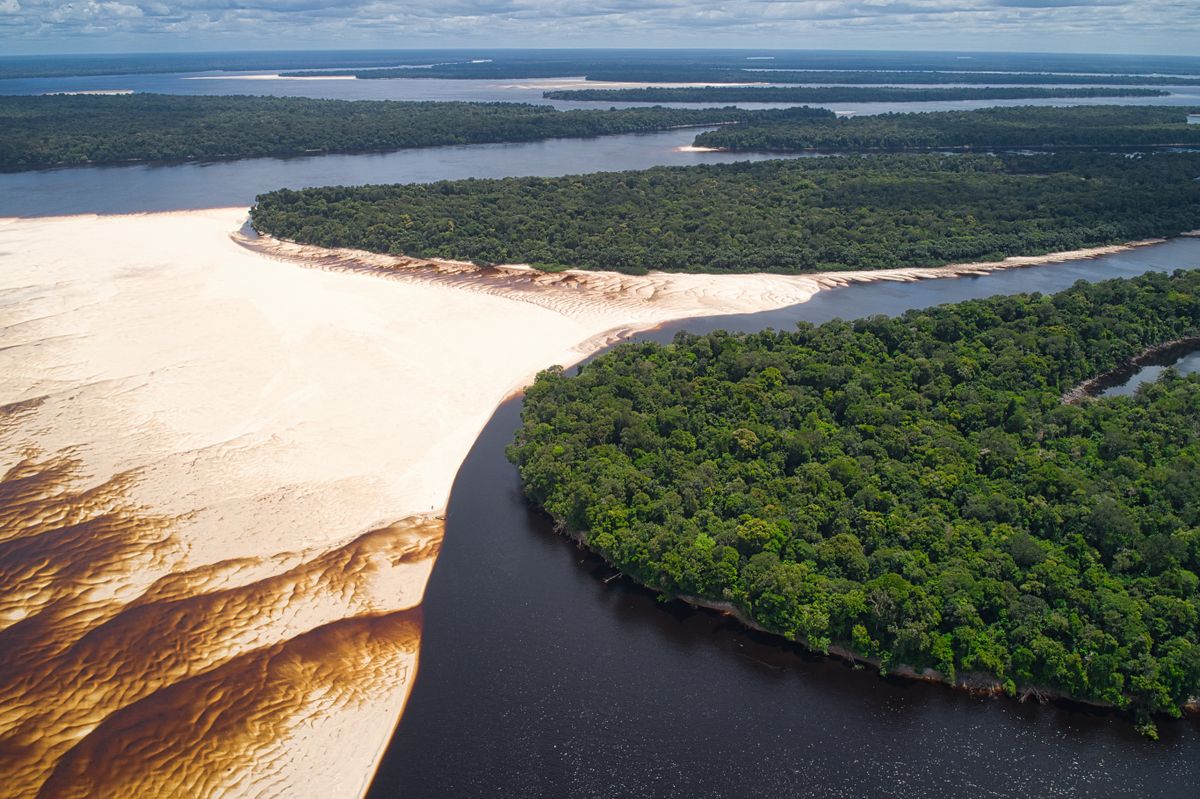
Manaus, 1,500km into the basin and accessible only by air or river, holds the extraordinary Teatro Amazonas opera house — built during the 1850–1920 rubber boom with Venetian chandeliers and Portuguese majolica tiles in the middle of the jungle. The Meeting of the Waters, 10km away, is where the black Rio Negro and sediment-rich Rio Solimões flow side by side for 6km without mixing.
An Amazon lodge stay (3+ nights) delivers guided wildlife walks, dawn canoe paddles through flooded igapó forest, and night walks with extraordinary insect and amphibian density. Look for three-toed sloths, caimans (their eyes reflecting red in night-canoe torchlight), 430+ bird species, and the pink river dolphin (boto), most reliable during the December–May high-water season.
Salvador and the Pantanal
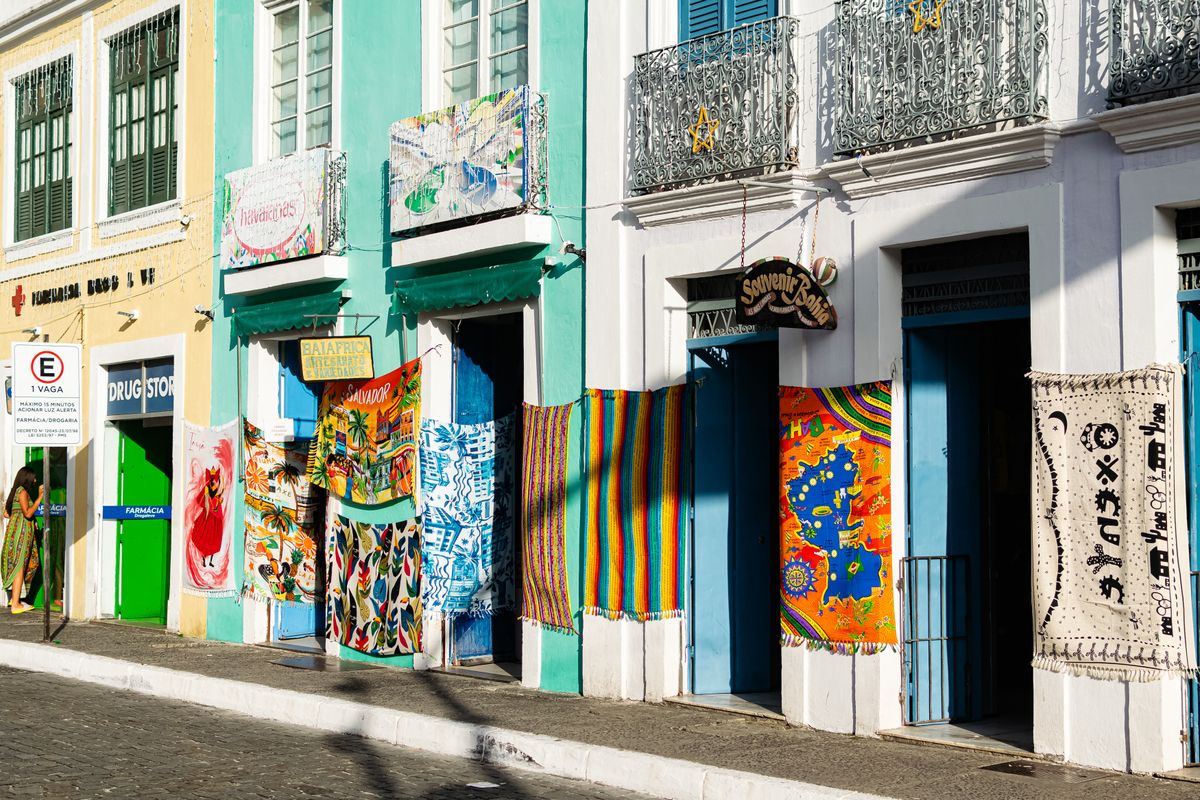
Salvador, the largest slave port in the Americas, is the most African city outside Africa — the Pelourinho's Igreja de São Francisco holds roughly 800kg of gold leaf, and the Olodum percussion group (whose samba-reggae rhythm reached global audiences via Paul Simon) rehearses publicly in the main square on Tuesday nights.
The Pantanal, the world's largest tropical wetland, offers wildlife encounters that rival or exceed the Amazon's for visibility — the highest jaguar density in the world, an estimated 10 million caimans, and habituated, radio-collared jaguars along the Cuiabá River that make it the most reliable big-cat-watching destination on Earth outside a zoo. Visit July–October (dry season) via Cuiabá and the Transpantaneira Highway to Porto Jofre.
Iguazú Falls and the Northeast
Iguazú's 275 falls span 2.7km on the Brazil-Argentina border with a combined flow up to 12,750 cubic meters per second — nearly five times Niagara's maximum. The Brazilian side offers the panoramic view and the soaking Macuco Safari boat tour; the Argentine side's elevated walkways provide the intimate, physically overwhelming encounter with the Devil's Throat. Spend a day on each side.
Jericoacoara, a car-free sand-street village, is one of the world's top kitesurfing destinations (July–January trade winds); the Lençóis Maranhenses' white quartz dunes filled with crystalline freshwater lagoons (June–September peak) are the most visually otherworldly landscape in Brazil.
São Paulo: The Cultural Engine
São Paulo, Brazil's largest city at 22 million people, is not a city to be seen but a culture to be experienced — Liberdade holds the world's largest Japanese diaspora outside Japan and the finest Japanese food culture outside the country itself, while the restaurant scene (Dom, A Casa do Porco, and Maní have all earned World's 50 Best recognition) rivals London and Tokyo. Vila Madalena's Beco do Batman (Batman's Alley) has been layered with street art since the 1980s and is among the most celebrated urban art concentrations in the world; the Pinacoteca do Estado's renovated 19th-century building houses the city's finest survey of Brazilian art.
Brazil Budget Guide
Budget: BRL 200–400/day — hostel dorms, street food and padaria meals, buses and local Uber. Mid-range: BRL 500–1,000/day — 3-star hotels or pousadas, restaurant dining, domestic flights for major route jumps. Comfort: BRL 1,200–3,000/day — boutique hotels and lodges, São Paulo/Rio fine dining, private transfers and guided activities.
Brazil Travel Tips for First Timers
Brazil's safety challenges are real but geographically concentrated and manageable with preparation.
Trail Notes
- Carry a "beach wallet" — a waterproof pouch under clothing with only the day's cash and a passport photocopy.
- Use Uber exclusively for urban transport in Rio and São Paulo.
- Never bring anything valuable to Copacabana or Ipanema beaches.
- Get the Yellow Fever vaccination if visiting the Amazon or Pantanal — required at least 10 days before entry.
- Book domestic flights 3–6 weeks ahead for the Rio-Manaus, São Paulo-Cuiabá, and Fortaleza-São Luís routes.
- Learn a little Portuguese — "tudo bem?" and "obrigado/obrigada" are warmly received.
Sample 14-Day Brazil Itinerary
Rio de Janeiro (4 nights) → Salvador (3 nights) → Iguazú Falls (2 nights, one day each side) → Pantanal (3 nights) for the jaguar encounter.
Final Thoughts: The Country That Invented a Color
Brazil deserves the specific art of its own genius: music that begins in sorrow and ends in joy, football turned into philosophy, and human warmth that no superlative fully describes. Book the Pantanal in dry season. See Christ at dawn. Let the session at the Lapa arcos run as late as it needs to.