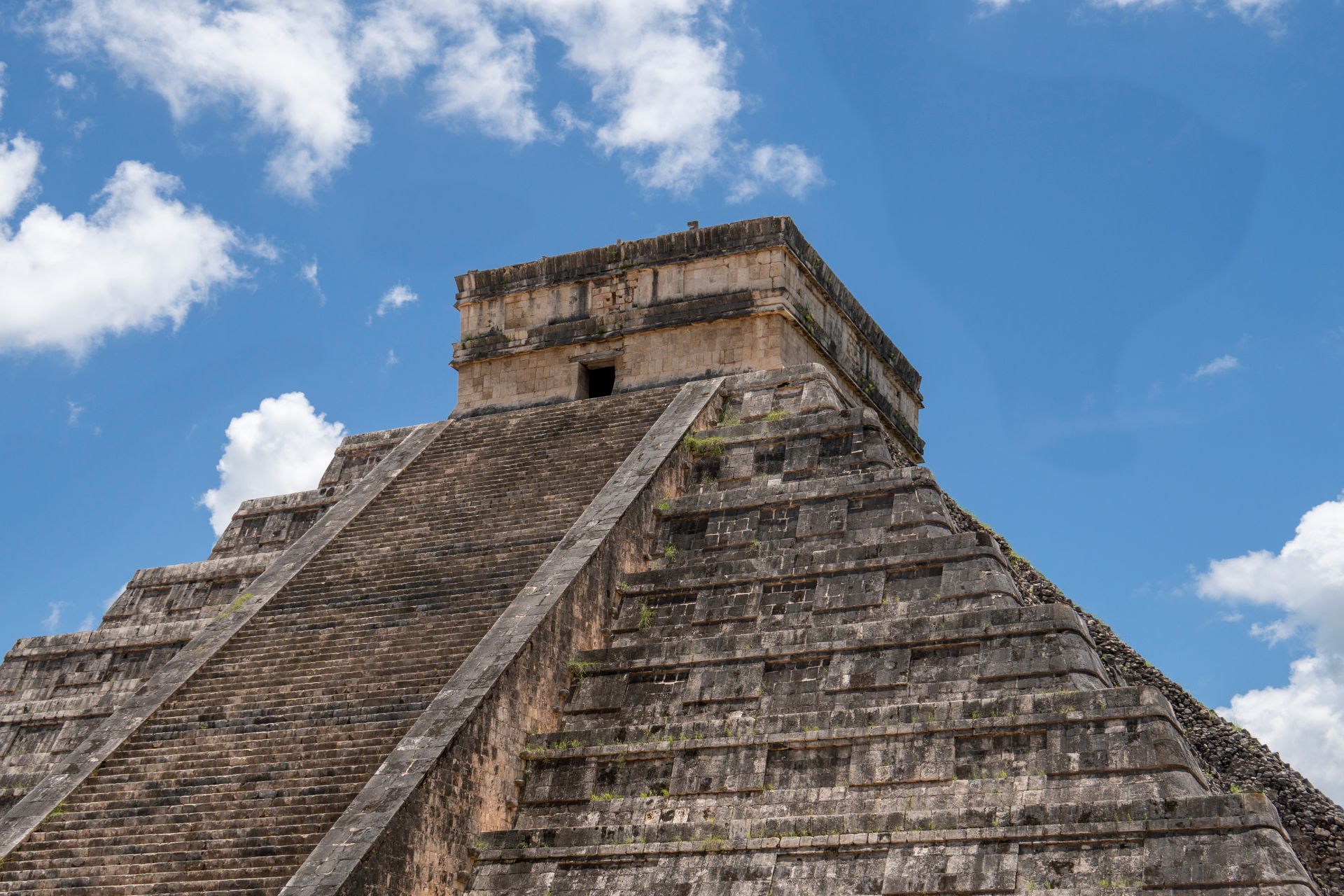
Mexico is a country that operates at a scale and depth that consistently surprises first-time visitors. Most people arrive expecting beaches and tacos — and they find those, in extraordinary abundance — but what catches them off guard is everything else: the pyramids of Teotihuacan at dawn, the colonial cities of Oaxaca and Guanajuato, the jungle-swallowed Maya ruins of Palenque, and the cenotes of the Yucatán threading through the limestone underworld below the peninsula. Mexican cuisine, recognized by UNESCO as an Intangible Cultural Heritage of Humanity, is not one cuisine but dozens, and eating your way through the country is one of the great food travel experiences on Earth.
Mexican cuisine is not a cuisine — it is dozens of cuisines, as distinct from each other as French is from Italian.
Understanding Mexico: Geography and Regions
Mexico City and Central Mexico is the cultural, historical, and gastronomic heart — a metropolis of 22 million at 2,240 meters, surrounded by volcanoes, with Teotihuacan and Puebla nearby. Oaxaca is the country's most celebrated food and indigenous culture destination — seven distinct mole traditions, mezcal production, and vibrant markets. The Yucatán Peninsula is the heart of Maya civilization and Caribbean beach tourism — Cancún, Tulum, Mérida, Chichén Itzá, and the region's crystalline cenotes. Chiapas is the southernmost and most indigenous state — highland cloud forests and colonial San Cristóbal de las Casas. The Pacific Coast runs from Baja California through Puerto Vallarta, Puerto Escondido's world-class surf, and Oaxaca's coast. Baja California, the long peninsula stretching from the US border, is a destination in its own right — stark desert scenery, the Valle de Guadalupe wine country, gray whale breeding lagoons, and the exceptional marine life of the Sea of Cortez. The Colonial Heartland — Guadalajara, Guanajuato, San Miguel de Allende, Morelia — holds some of the most beautiful cities in the Americas.
Best Time to Visit Mexico
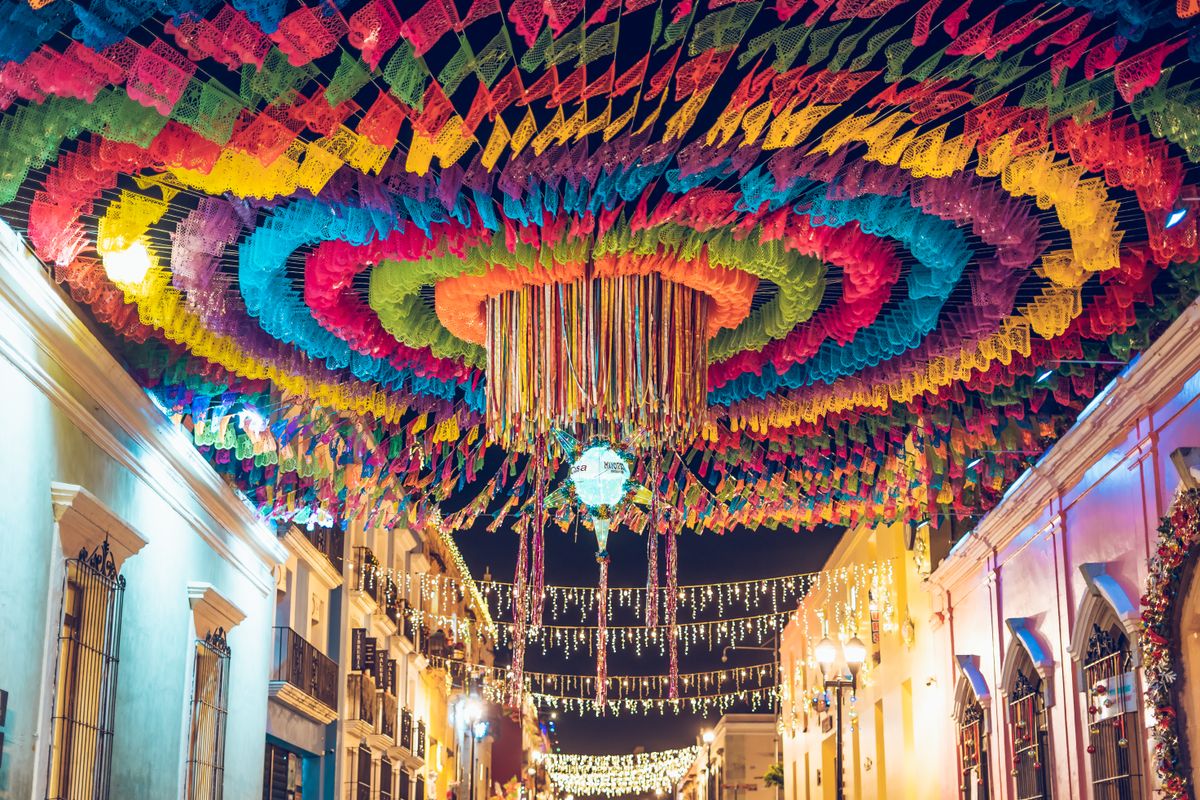
November to April is the dry season and peak travel time — warm, minimal rainfall, ideal for colonial cities and Pacific beaches. December and January are peak; book Oaxaca and Caribbean coast destinations well ahead, especially for Día de los Muertos in early November. May and June are shoulder months — hotter, especially in the Yucatán, but less crowded. July and August bring a domestic tourism spike and the height of Caribbean hurricane season (June–November, peaking August–October). September and October are the quietest international months — early November's Día de los Muertos (November 1–2) in Oaxaca, Mérida, and Pátzcuaro is one of the most extraordinary cultural events in the world.
How to Get to Mexico and Around
Mexico City's Benito Juárez International Airport (MEX) is the main gateway; Cancún International (CUN) is the busiest tourist entry point. The Tren Suburbano express connects Mexico City's Terminal 1 to Buenavista station in ~30 minutes; official fixed-price airport taxis cost 250–400 MXN.
Domestic Flights: Aeromexico, Volaris, and VivaAerobus connect major cities affordably when booked ahead. Long-Distance Buses: ADO, ETN, and Primera Plus operate modern first-class coaches — Mexico City to Oaxaca (6–7 hrs), Mérida to Cancún (4 hrs) are comfortable and a genuine pleasure. Mexico City Metro: 12 lines, 195 stations, a flat fare of ~5 MXN. Uber is by far the safest way to take a private vehicle — never hail an unmarked taxi. Car Rental is invaluable for the Yucatán's cenotes, Oaxacan valleys, and Baja California.
Top Destinations in Mexico for First-Time Visitors
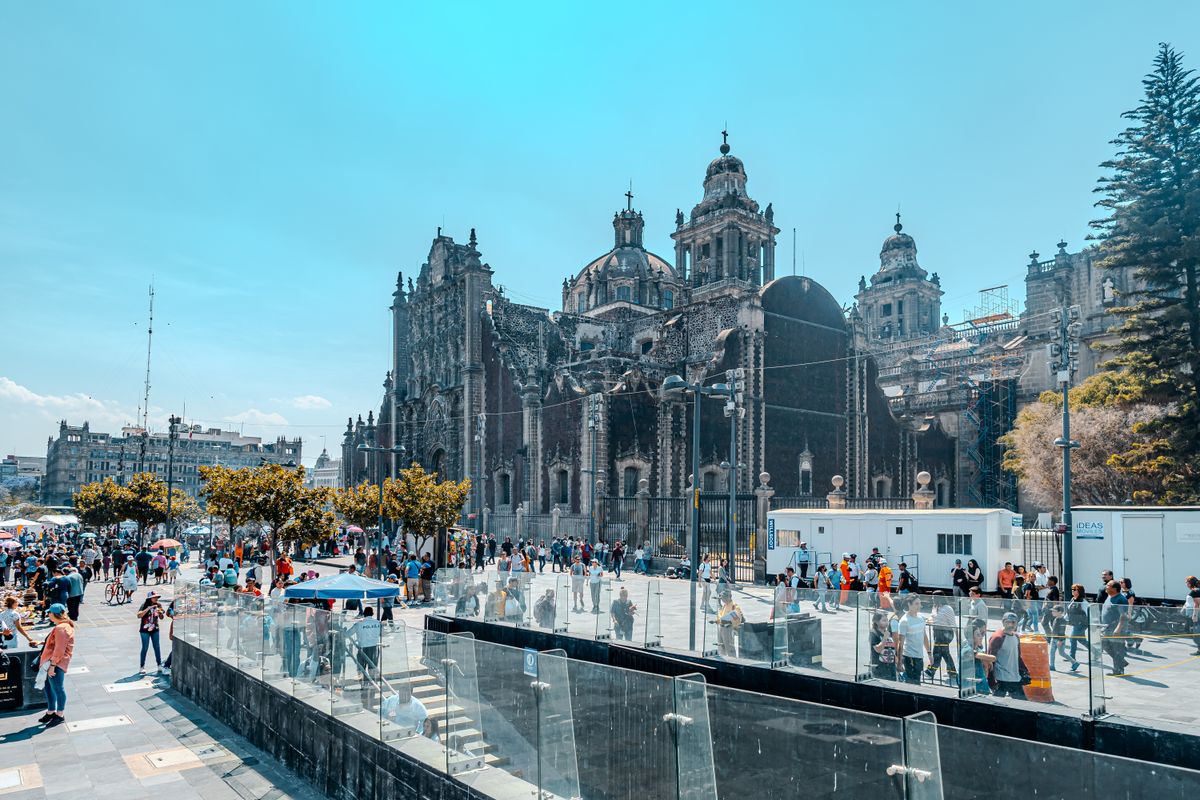
1. Mexico City: the historic Centro Histórico sits atop Tenochtitlan's ruins — the Zócalo, Metropolitan Cathedral, and Templo Mayor (rediscovered in 1978). The National Museum of Anthropology in Chapultepec Park is one of the finest museums in the world, tracing the Olmec, Aztec, and Maya civilizations. Coyoacán holds Frida Kahlo's Casa Azul.
2. Oaxaca: the country's cultural and culinary soul, a colonial jewel in warm cantera stone surrounded by Zapotec and Mixtec valleys. Monte Albán's ancient hilltop capital offers sunset views; the artisan villages of Teotitlán del Valle (rugs) and San Bartolo Coyotepec (black clay pottery) reward day trips.
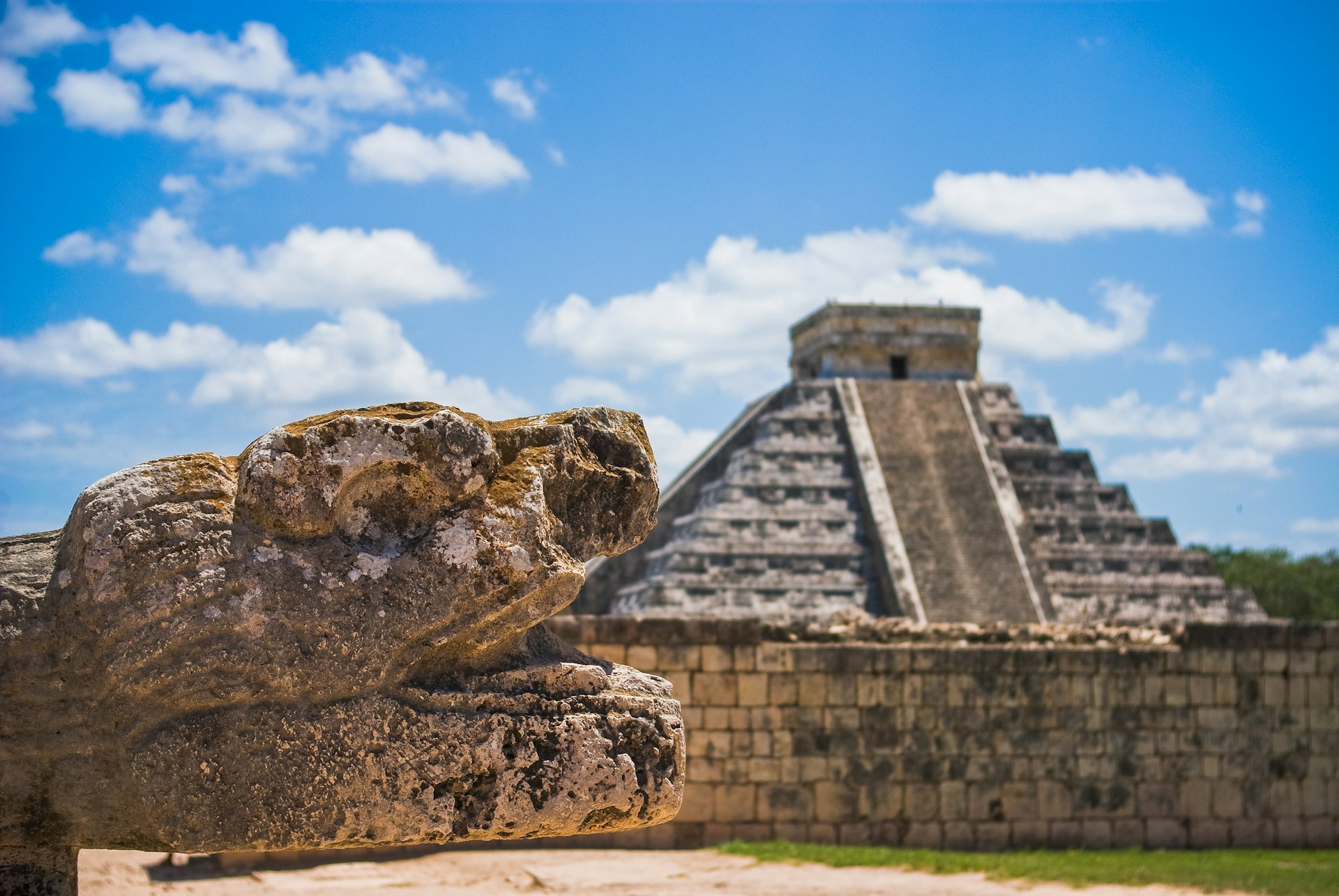
3. The Yucatán Peninsula: Chichén Itzá, one of the New Seven Wonders, is best visited at opening. The peninsula's cenotes — Ik Kil, the Dos Ojos system near Tulum — are extraordinary. Tulum's clifftop ruins meet the Caribbean; Bacalar's turquoise lake and Mérida's elegant colonial capital are increasingly essential stops.
4. San Miguel de Allende and Guanajuato: San Miguel's pink-stone Parroquia and cobblestone streets make it Mexico's most architecturally beautiful city; Guanajuato's mining-city ravine, underground tunnels, and Callejón del Beso are unforgettable, especially during October's Festival Internacional Cervantino.
5. Palenque and Chiapas: Palenque's jungle-shrouded temples conceal King Pakal's tomb; San Cristóbal de las Casas offers a cool, misty highland atmosphere and access to the Tzotzil and Tzeltal communities of San Juan Chamula.
6. Puerto Escondido: the Oaxacan coast's dynamic surf town, centered on the world-class Zicatela Beach break, with outstanding seafood and the sea turtle beaches of Mazunte nearby.
7. Teotihuacan: 50km from Mexico City, the Pyramid of the Sun and Pyramid of the Moon anchor a ceremonial city that once rivaled imperial Rome in size — climb at dawn for the finest light.
What to Eat in Mexico: A First-Timer's Food Guide
Tacos are a delivery system for infinite fillings — al pastor (spit-roasted pork with pineapple), de canasta (steamed basket tacos), carnitas from Michoacán. Mole, Mexico's most complex sauce, can contain over thirty ingredients; Oaxaca's seven moles, especially mole negro, are the country's finest. Pozole, a hearty hominy and pork soup, comes red, white, or green. Chiles en Nogada, stuffed poblanos in walnut cream with pomegranate, is Mexico's most patriotic dish, in season August–September. Tlayudas, Oaxaca's crispy tortilla piled with tasajo and quesillo, are unmissable. Cochinita pibil, Yucatán pork marinated in achiote and slow-roasted in banana leaves, is one of the great regional dishes. Mezcal, distilled from dozens of agave varieties by small-batch mezcaleros, is having a well-deserved global moment — drink it neat with an orange slice and sal de gusano in Oaxaca.
Mexico Safety and Travel Tips
Mexico receives over 45 million international visitors annually and the vast majority have safe, wonderful trips — but informed, vigilant travel matters. Petty theft and opportunistic crime concentrate in crowded markets and certain urban areas; violent crime is largely tied to organized-crime conflicts that don't typically target tourists, and is concentrated in specific regions worth checking current advisories for.
Trail Notes
- Always use Uber or officially marked taxi stands — never hail a taxi from the street.
- Carry cash in pesos — street food, markets, and colectivos are cash-only.
- Drink bottled or purified water only.
- Eat where locals eat — the market stall with the longest local queue beats any tourist restaurant.
- Respect Mexico City's altitude (2,240m) — rest and hydrate for 24–48 hours before heavy activity.
- Book Día de los Muertos accommodation 3–6 months ahead if visiting Oaxaca, Mérida, or Pátzcuaro.
- Tipping is expected and important — 10–15% in restaurants, more for exceptional service.
Suggested 10-Day Mexico Itinerary for First Timers
Days 1–3: Mexico City — Centro Histórico, the Anthropology Museum, Coyoacán and Frida Kahlo's Casa Azul.
Day 4: Teotihuacan — a day trip to climb the Pyramid of the Sun and Pyramid of the Moon.
Days 5–7: Oaxaca — the Zócalo, Monte Albán, the valley's artisan villages, and a cooking class.
Days 8–10: Yucatán — Mérida, Chichén Itzá and a cenote swim, and a final beach afternoon on the Caribbean coast.
Mexico on a Budget: Is It Possible?
Mexico is one of the best-value destinations in the Americas. Street tacos cost 15–30 MXN each; a full comida corrida (set lunch) costs 80–120 MXN; a first-class inter-city bus seat costs 200–500 MXN. Budget travelers eating from markets and traveling by bus can experience Mexico meaningfully for €40–€55 per person per day; a mid-range budget of €80–€100 covers comfortable guesthouses, excellent meals, and day trips with entrance fees.
Final Thoughts: Mexico Will Expand Your World
Mexico is a country that demands — and repays — engagement at depth. Its history is too long, its cultures too numerous, and its food too extraordinary to absorb in a single trip. Go with curiosity, go with respect, and go with a genuine appetite for the full complexity of what Mexico is — not just the resort and the beach, but the market, the ruin, the mountain, and the people who make all of it make sense.