Canada is the second-largest country on Earth — the distance from St. John's, Newfoundland, to Victoria, British Columbia is 7,700 kilometers, roughly London to Mumbai. Between those two ocean-facing cities lies a continental interior of extraordinary variety: Maritime fishing villages, French Québec, Toronto's urban intensity, Prairie immensity, the Rocky Mountain corridor's geological drama, and the Pacific coast's temperate rainforest. What unifies this vastness is a relationship with wilderness — the boreal forest covering 35% of the country, roughly 60% of the world's freshwater lakes — that is a weekend drive from every major city.
Canada contains approximately 60% of the world's freshwater lakes — a specific presence that makes the Canadian landscape unlike any other inhabited country on Earth.
British Columbia: The Pacific Province
Vancouver is consistently ranked among the world's most livable cities — Stanley Park's 405-hectare urban rainforest, Granville Island's public market (Canada's finest food market), and a food culture built on Pacific seafood and the most sophisticated Asian cuisine in North America outside major US cities. Victoria, on Vancouver Island, is the most British city in Canada, with the Butchart Gardens 25km north among the most visited private gardens in North America. Pacific Rim National Park Reserve offers Long Beach surfing, the Broken Islands kayaking circuit, and the demanding 75km West Coast Trail. The Gulf Islands between Vancouver Island and the mainland move at a slower pace — Salt Spring Island's Saturday artisan market is the largest in BC, and the Cowichan Valley on Vancouver Island's eastern flank is the region's low-key wine country.
The Canadian Rockies: Banff, Jasper, and the Icefields Parkway
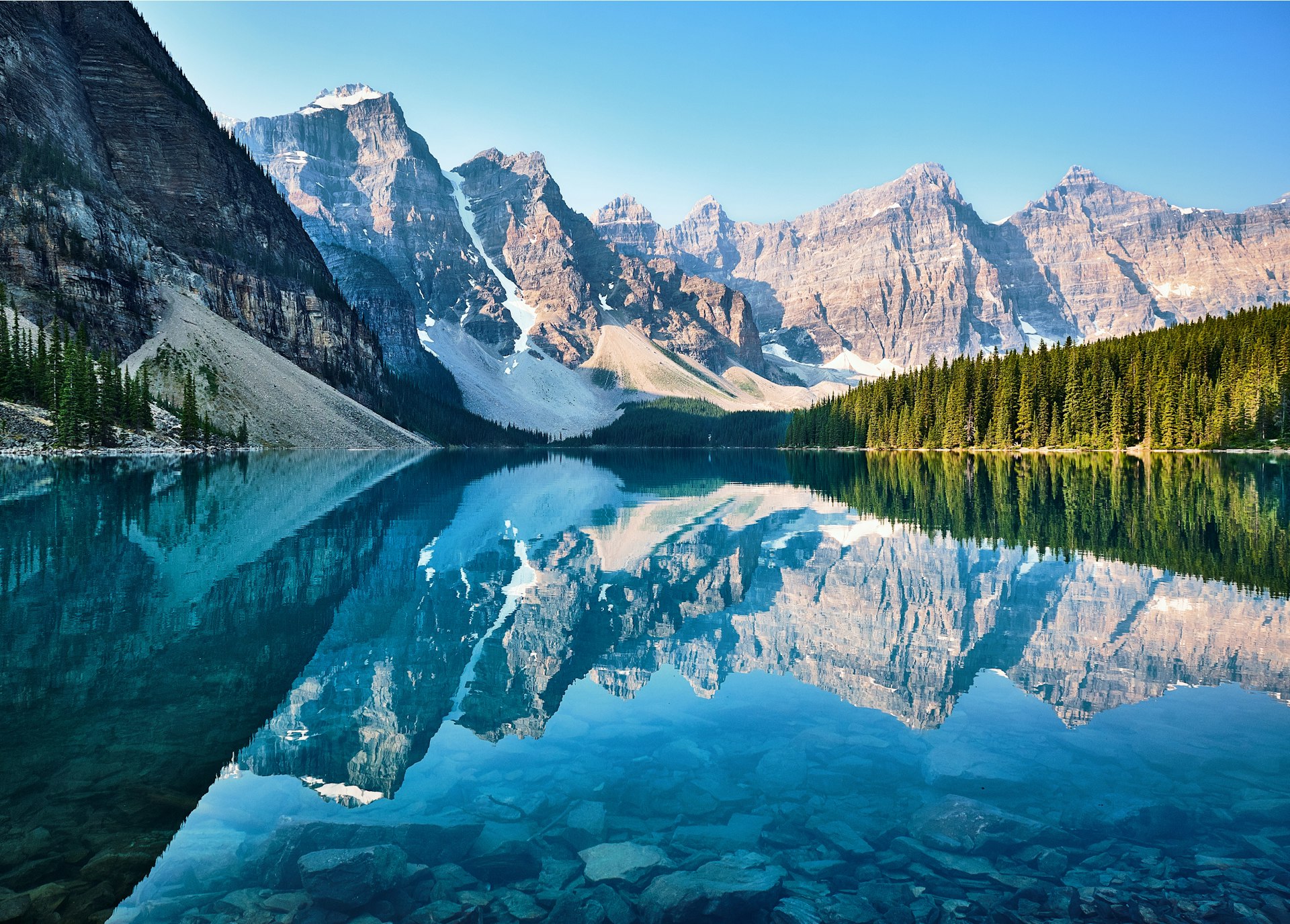
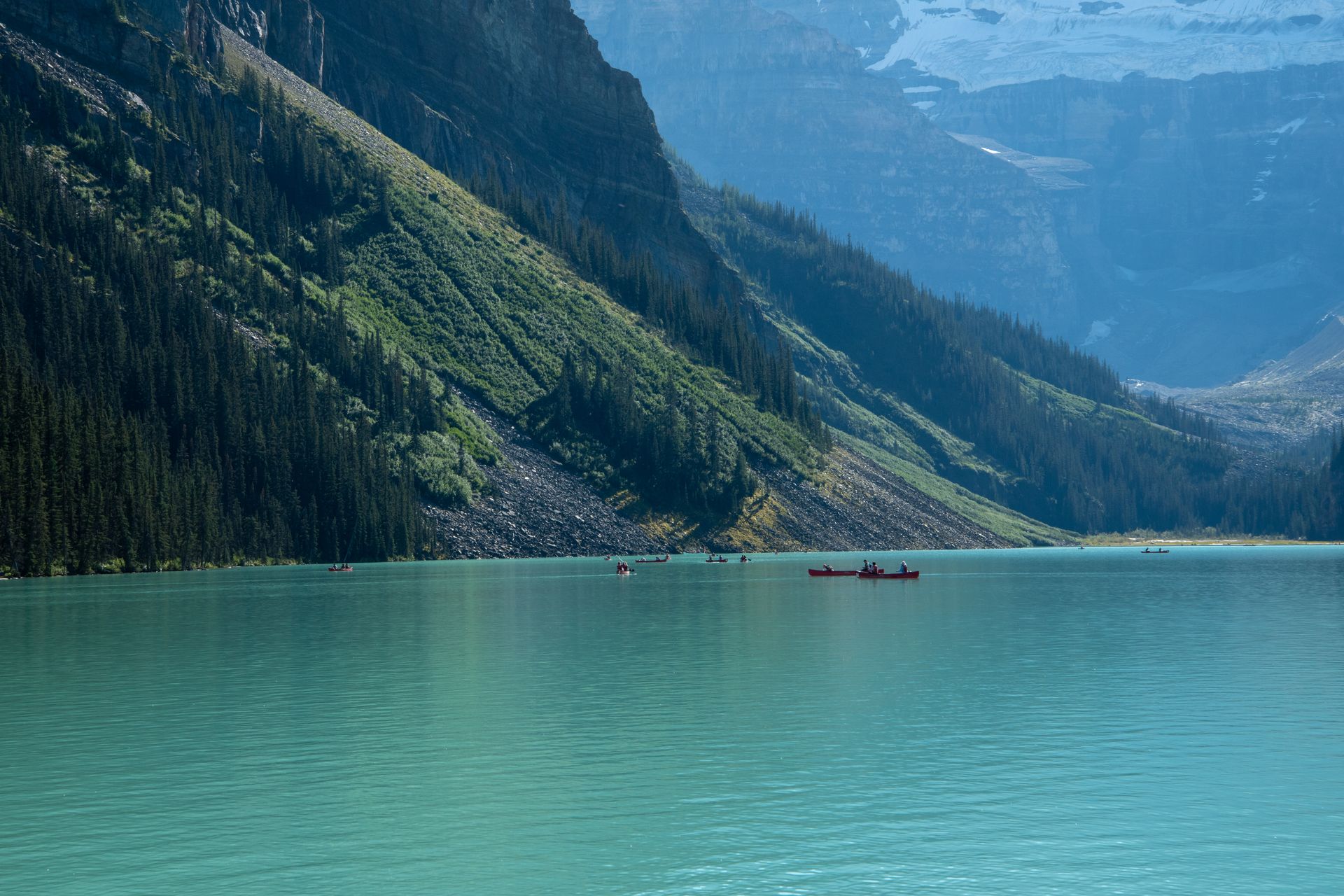
Banff National Park, Canada's first (1885) and most visited, delivers the turquoise glacial lakes — Lake Louise and Moraine Lake's color comes from glacial rock flour scattering blue-green light. The Moraine Lake shuttle's 5:30am first departure catches the Valley of the Ten Peaks in dawn light. The Bow Valley Parkway is the specific route for dawn and dusk wildlife viewing (grizzly bears, elk, wolves, bighorn sheep).
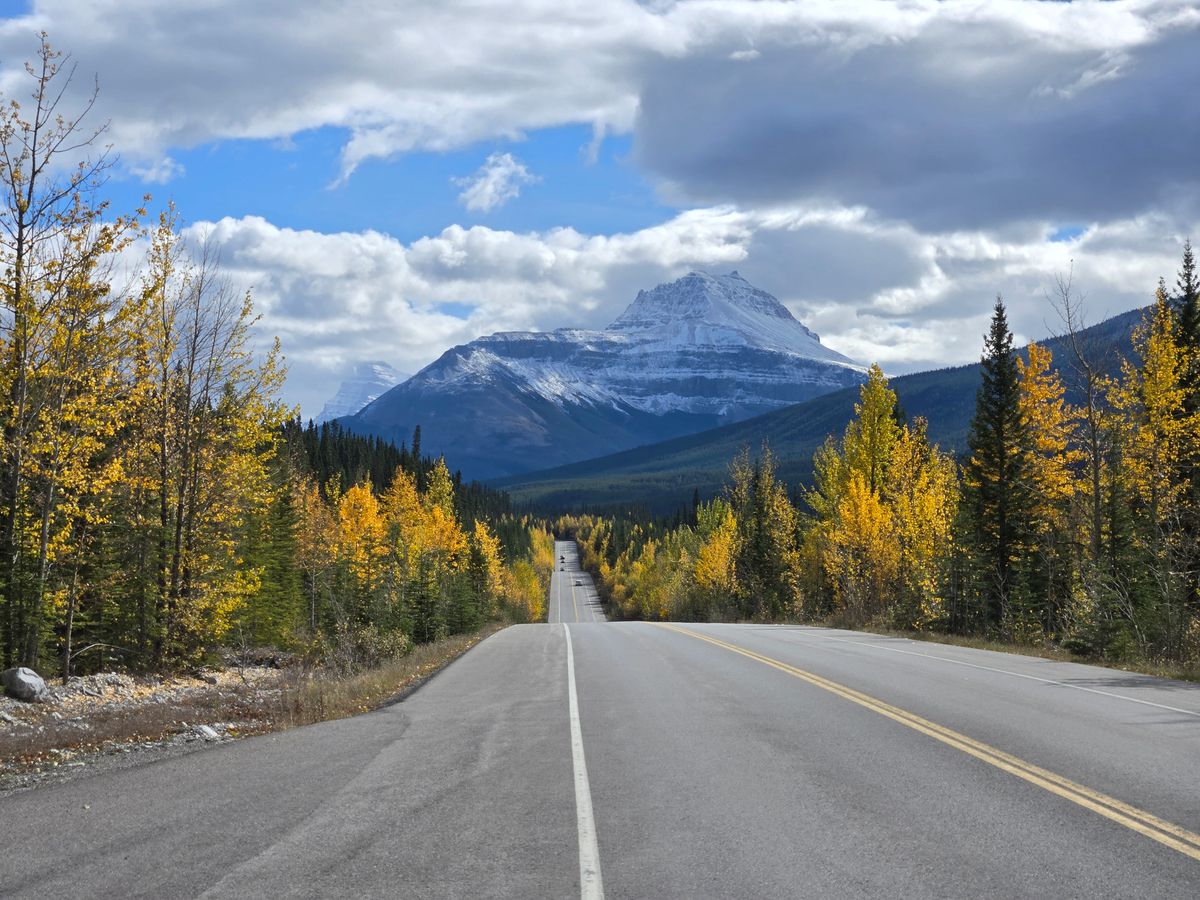
The Icefields Parkway — 232km from Lake Louise to Jasper — is widely considered the most scenically sustained highway on Earth, passing Bow Lake, the Columbia Icefield's Athabasca Glacier, and Athabasca Falls. Jasper, twice Banff's size with far fewer visitors, holds Maligne Lake's Spirit Island and is the world's second-largest dark sky preserve — ideal for winter aurora viewing.
The Prairies: Winnipeg and Churchill
Winnipeg holds the architecturally extraordinary Canadian Museum for Human Rights and the century-old Exchange District's warehouse architecture. Churchill, on Hudson Bay, is the world's most accessible polar bear destination during the October–November migration, with 50,000–60,000 beluga whales in July–August and some of the finest accessible aurora viewing in Canada.
Ontario: Toronto, Niagara, and Muskoka
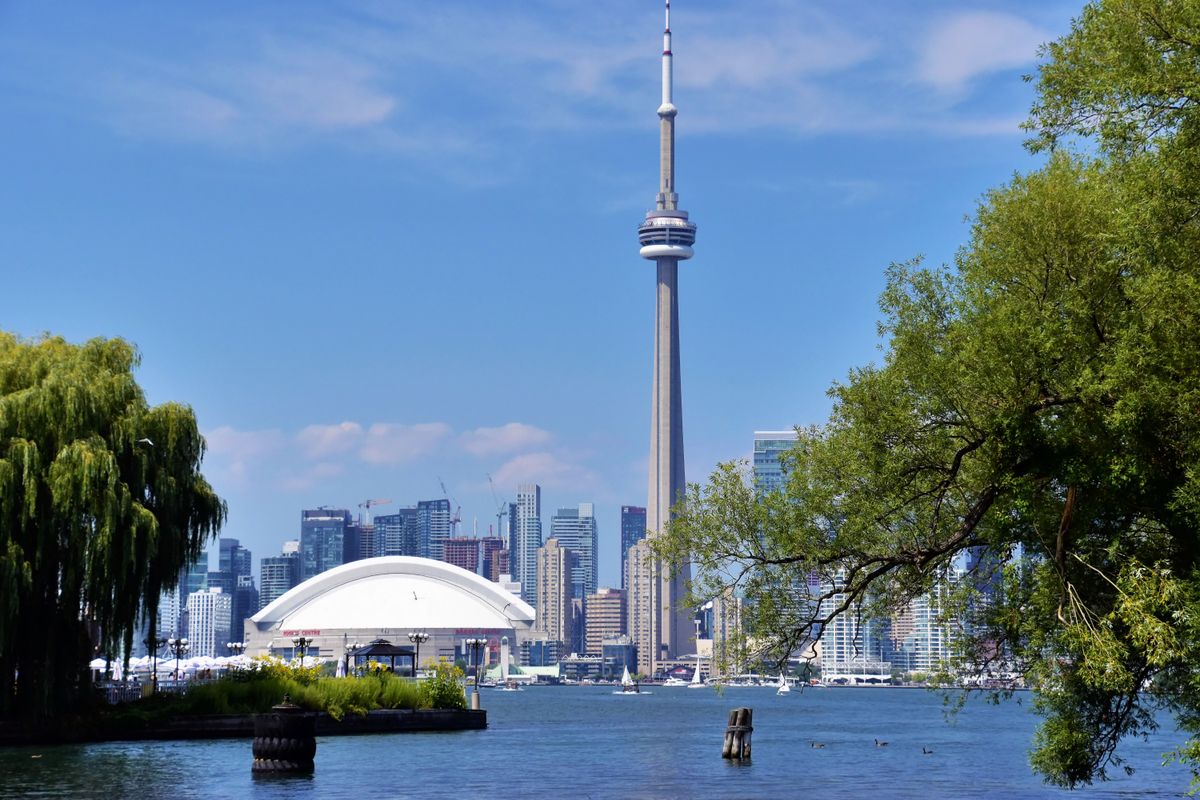
Toronto is the world's most culturally diverse city by foreign-born population percentage (~51%) — Kensington Market's international grocers, the St. Lawrence Market, and neighborhood food cultures spanning Chinatown to Little India. The CN Tower's EdgeWalk (a hands-free walk outside the tower at 356m) is Canada's most dramatic urban adventure activity. Niagara Falls' physical force — best felt from the Maid of the Mist boat tour — exceeds its ubiquitous photographic image. Muskoka's granite-shield lake country, 2 hours north, includes Algonquin Provincial Park's canoe route network, the finest in Ontario, with October fall colors among Canada's most celebrated.
Québec: Montréal and Québec City
Montréal is North America's most European city — a French-speaking metropolis whose food scene (Montréal bagels, poutine, smoked meat from Schwartz's) and festival culture (Jazz Festival in June, Just for Laughs in July, Osheaga in August) is unmatched in Canada. Old Montréal's Basilique Notre-Dame has the finest church interior in the country.
Québec City, the only walled city in North America north of Mexico, is a UNESCO World Heritage Site anchored by the Château Frontenac — the most photographed hotel in the world — and hosts the famous February Winter Carnival with ice sculpture competitions and an ice canoe race across the St. Lawrence.
Atlantic Canada: The Maritimes and Newfoundland
Nova Scotia's Cabot Trail — a 298km scenic circuit around Cape Breton Island — is among the world's most scenic coastal drives, alongside the Bay of Fundy's world-record 16-meter tides. Prince Edward Island offers Green Gables literary heritage, the Confederation Trail cycling network, and communal lobster suppers. Newfoundland's Gros Morne National Park, a UNESCO site, exposes the earth's mantle rock at the Tablelands and holds the dramatic Western Brook Pond Fjord — plus "iceberg alley," where Greenland-calved icebergs drift past the Avalon Peninsula from May to July.
Canada's National Parks and Seasonal Strategy
Canada's 48 national parks protect roughly 328,198 square kilometers, managed for ecological integrity over visitor infrastructure. The Parks Canada Discovery Pass (CAD $145.25/adult) pays for itself at three park entries. Summer (June–August) is peak season — book Parks Canada campgrounds the moment reservations open (April 20) for popular sites. Fall (September–October) brings reduced crowds and extraordinary foliage, especially Algonquin's peak color around October 1–15. Winter (December–March) is underrated: Whistler Blackcomb's world-class skiing, Québec City's Ice Hotel (rebuilt annually from 15,000 tonnes of snow), and northern lights from Jasper, Yukon, or Churchill.
Canada Travel Tips for First Timers
Canada's scale makes transport planning the primary logistical challenge — domestic flights are expensive per kilometer, so plan strategically.
Trail Notes
- Book domestic flights 6–8 weeks ahead, targeting Tuesday/Wednesday departures for the lowest fares.
- Consider the VIA Rail Canadian (Toronto–Vancouver, 4 days) in Sleeper Plus class for a scenic, leisurely land crossing.
- Apply for an eTA at least 72 hours before flying if you're visa-exempt.
- Rent a car for the Rockies, BC, the Maritimes, and Newfoundland — public transit doesn't reach the wilderness experiences that define these regions.
- Choose two regions rather than attempting coast-to-coast in under three weeks — e.g. BC plus the Rockies, or Québec plus the Maritimes.
- Carry bear spray on Banff and Jasper trails and drive the Bow Valley Parkway at dawn/dusk for wildlife.
Canada Budget Guide
Canada sits mid-to-high on the international cost scale — less than Switzerland or Scandinavia, comparable to Western Europe. National park camping (CAD $25–45/night) is the most cost-effective wilderness accommodation; Vancouver and Toronto are the priciest cities.
Final Thoughts: The Country That Asks You to Look Up
Canada's specific relationship is with the vast — the experience of a 360-degree prairie horizon, or the Rockies' unbroken 1,200km east face, produces a psychological recalibration that travelers describe as the most lasting benefit of the trip. Book the train. Drive the Parkway. Paddle the lake. Canada will show you what large means.