There is a specific and irreplaceable sensation that certain places in the world produce — a feeling that the physical world around you insists, with complete architectural and atmospheric authority, that it is a different century entirely. Not nostalgia exactly, though it has nostalgia's emotional texture. Something more physical and immediate — the sensation of being the anomaly in a continuous present that has been running since the 14th century, or the 16th, or whenever the place around you settled into the form it has occupied ever since.
The experience of standing in a place that has not moved at all — waiting, with the patient indifference of the genuinely ancient.
Frozen by catastrophe, abandonment, poverty, and continuity
The places in this guide produce this sensation more completely and more reliably than anywhere else in the world. They have been selected not for the quantity of their historical monuments — a city can have a thousand monuments and still feel thoroughly contemporary — but for the quality of their atmospheric completeness.
Some are frozen by geography — remoteness protecting them from the forces that transformed the rest of the world. Some by disaster — a volcanic eruption or earthquake that stopped time at a specific moment. Some by economics — poverty that, paradoxically, produced preservation where wealth would have produced renovation. Some by deliberate conservation — the UNESCO designation that recognized value and protected it. All of them offer the same gift: standing in a place that has not forgotten what it was, in a world that mostly has.
1. Pompeii and Herculaneum, Italy — Frozen by Catastrophe
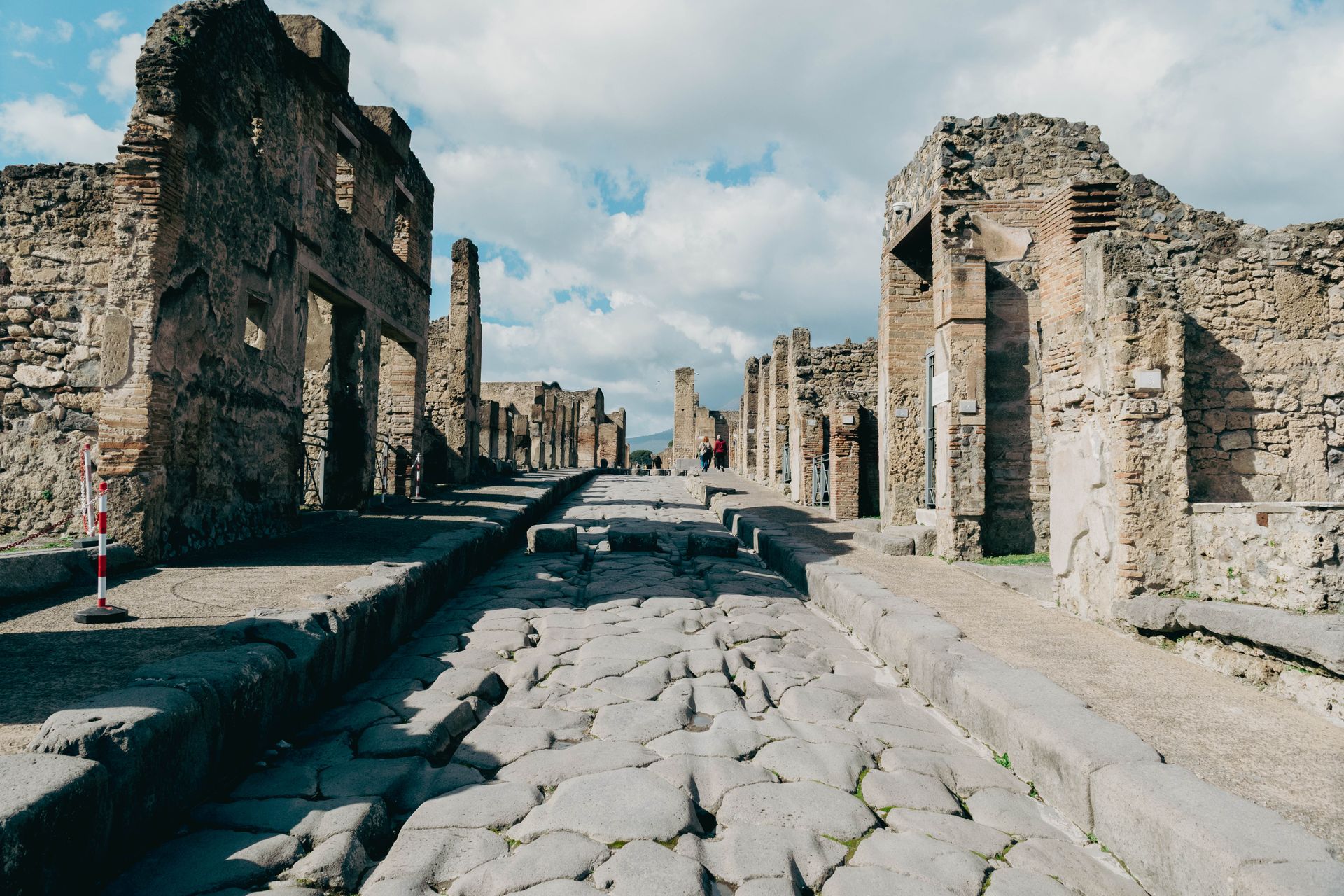
Pompeii is the most famous frozen-in-time destination in the world — a Roman city of approximately 11,000 inhabitants preserved at the specific moment of 79 AD, when the eruption of Vesuvius buried it under 4–6 meters of volcanic ash in an event so rapid and so complete that the city was effectively sealed rather than destroyed.
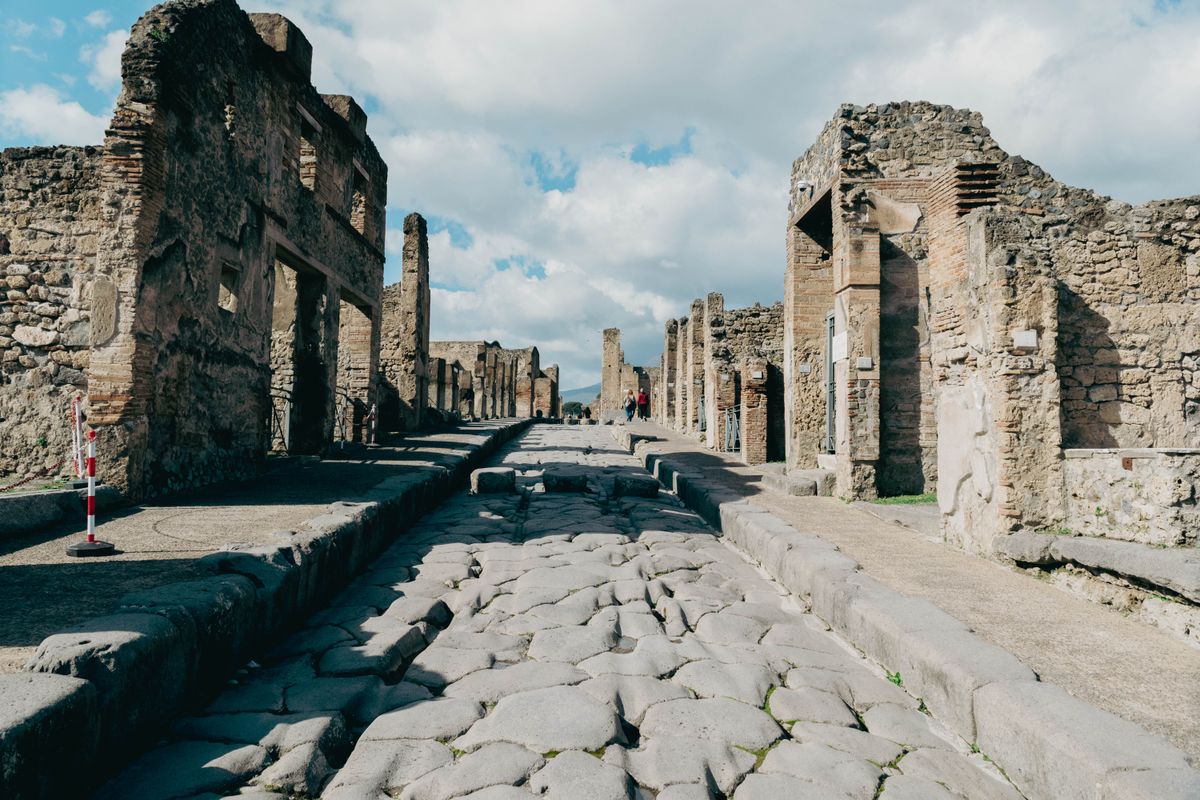
Walking through Pompeii is not the experience of walking through ruins. It is the experience of walking through a city — its streets still bearing the ruts of cart wheels, its electoral graffiti still visible on the walls, its bakeries still containing the stone mills and, in one extraordinary case, 81 carbonized loaves of bread preserved in the oven at the moment the baker left and never returned.
Herculaneum — the smaller, wealthier town buried under 25 meters of volcanic mud, which preserved its organic materials (wooden furniture, roof beams) in a state unavailable at Pompeii — offers the complementary experience: a smaller, more intimate frozen city with even higher preservation and significantly lower crowds.
Getting there: Train from Naples to Pompeii Scavi station (35 minutes) or Ercolano station for Herculaneum (20 minutes). Pre-book timed entry at pompeiisites.org.
Don't miss: The Via dell'Abbondanza, the plaster casts in the Garden of the Fugitives, the Villa of the Mysteries, Herculaneum's carbonized wooden furniture.
Best time to visit: October to April — summer heat and crowds in Pompeii are extreme.
2. Machu Picchu, Peru — The Cloud City That Was Never Found
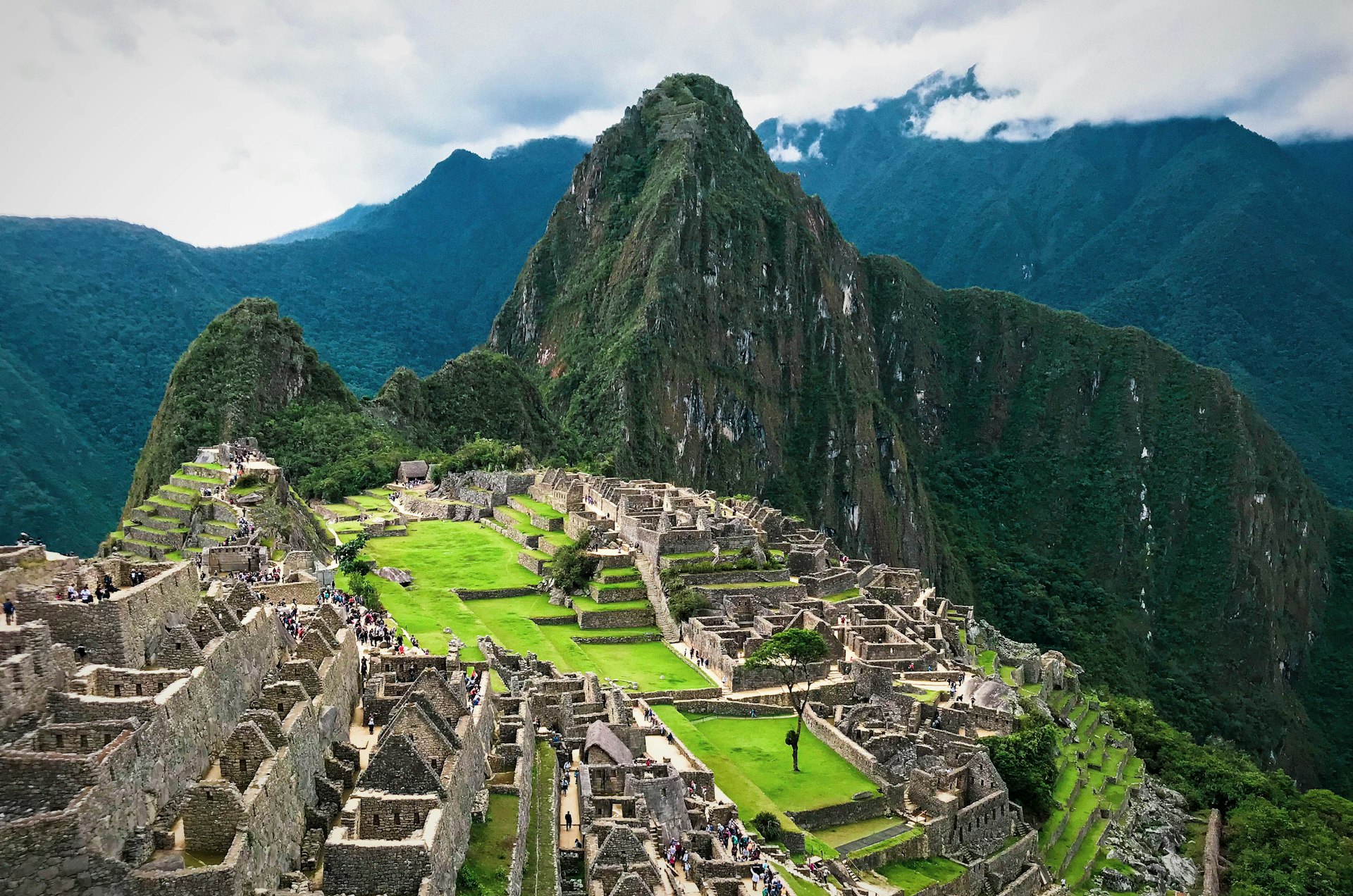
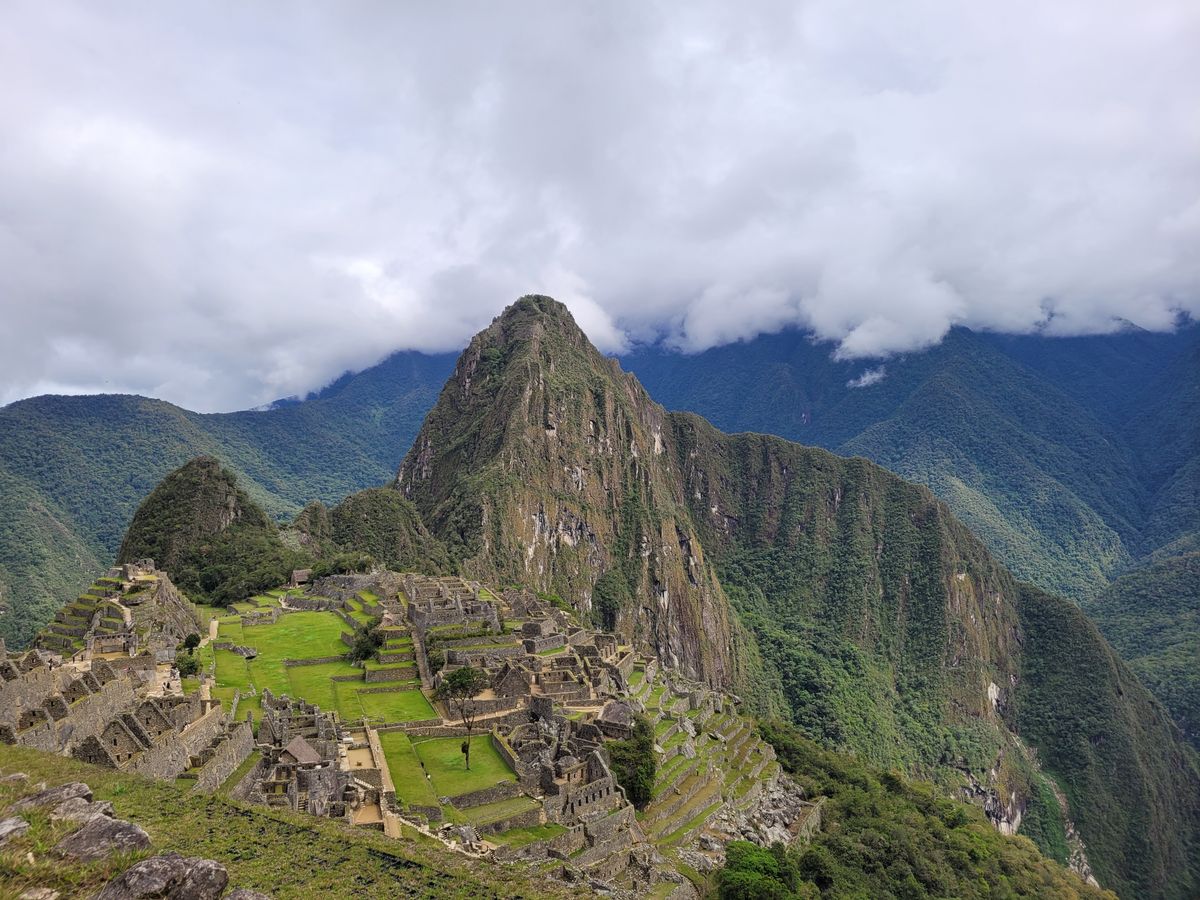
Machu Picchu was not destroyed. It was not buried. It was simply abandoned — left by its Inca inhabitants in the late 15th or early 16th century for reasons that remain genuinely uncertain — and then not found by the Spanish conquistadors, because it was invisible from below: its terraces and temples built on a narrow ridge at 2,430 meters, enclosed on three sides by the horseshoe bend of the Urubamba River 600 meters below.
The result is the finest and most completely intact example of Inca architecture in existence: precision stone masonry joining massive granite blocks without mortar, sophisticated agricultural terraces, and the Intihuatana stone — a carved astronomical instrument, one of very few not destroyed by the Spanish, who systematically demolished such stones as instruments of indigenous religious practice.
Getting there: Train from Cusco to Aguas Calientes (3.5 hours), then bus (25 minutes). Entrance is by timed ticket only at machupicchu.gob.pe, selling out weeks or months ahead. The 4-day Inca Trail trek (permits sell out months in advance) provides the finest approach, entering through the Sun Gate at dawn.
Don't miss: The Intihuatana stone, the Temple of the Sun, the Guardhouse terrace at dawn, the agricultural terraces.
Best time to visit: May to September (dry season). May and September balance dry weather with manageable crowds.
3. Bruges, Belgium — The Medieval City That the Trade Routes Left Behind
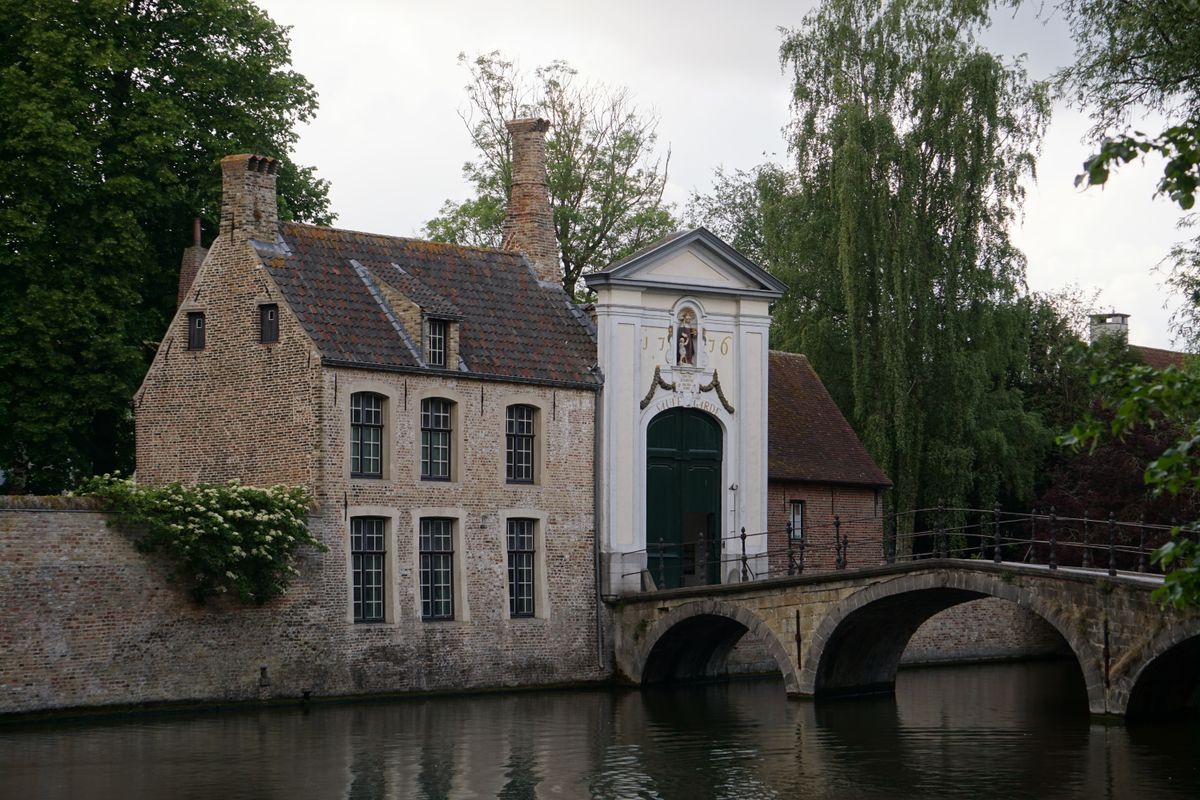
Bruges was, in the 13th and 14th centuries, one of the most important commercial cities in northern Europe. Its wealth produced the extraordinary architecture — the cloth hall, the guild houses, the belfry — that still defines its skyline. Then the Zwin channel connecting it to the sea silted up in the late 15th century, and the trade that made the city moved north to Antwerp and then Amsterdam.
Bruges declined economically, but not physically. Because there was no money for renovation, the medieval city simply remained — preserved by the specific irony that poverty is frequently the finest conservator. Arrive in the late evening or early morning, when the day-tripper crowds have thinned, for the city's own character to return.
Getting there: Direct train from Brussels (1 hour), Paris (2.5 hours via Eurostar), or London (2.5 hours via Eurostar).
Don't miss: The Begijnhof at dawn, the Groeningemuseum's Flemish Primitive collection, the canals by boat, the Basilica of the Holy Blood.
Best time to visit: November to March for the quiet season and winter light.
4. Gyeongju, South Korea — The City of Gold Crowns
Gyeongju is the ancient capital of the Silla Kingdom, which ruled the Korean peninsula from 57 BC to 935 AD — sometimes called the museum without walls, its entire urban area containing such a concentration of royal tombs, temples, and Buddhist sculpture that the distinction between city and archaeological site becomes meaningless.
The Tumuli Park — 23 enormous grass-covered burial mounds in the city center — is the most immediately striking element, rising from the flat urban landscape like green hemispheres of another world. The gold crowns excavated from the Silla tombs, now in the Gyeongju National Museum, are among the most extraordinary objects in Korean cultural history.
Getting there: KTX high-speed train from Seoul (approximately 2 hours). Best explored by rental bicycle or local bus.
Don't miss: The Tumuli Park at dawn, the National Museum gold crowns, Bulguksa Temple and Seokguram Grotto, Anapji Pond illuminated at night.
Best time to visit: April (cherry blossoms) and October (autumn foliage).
5. Yazd, Iran — The Desert City That Time Forgot to Change
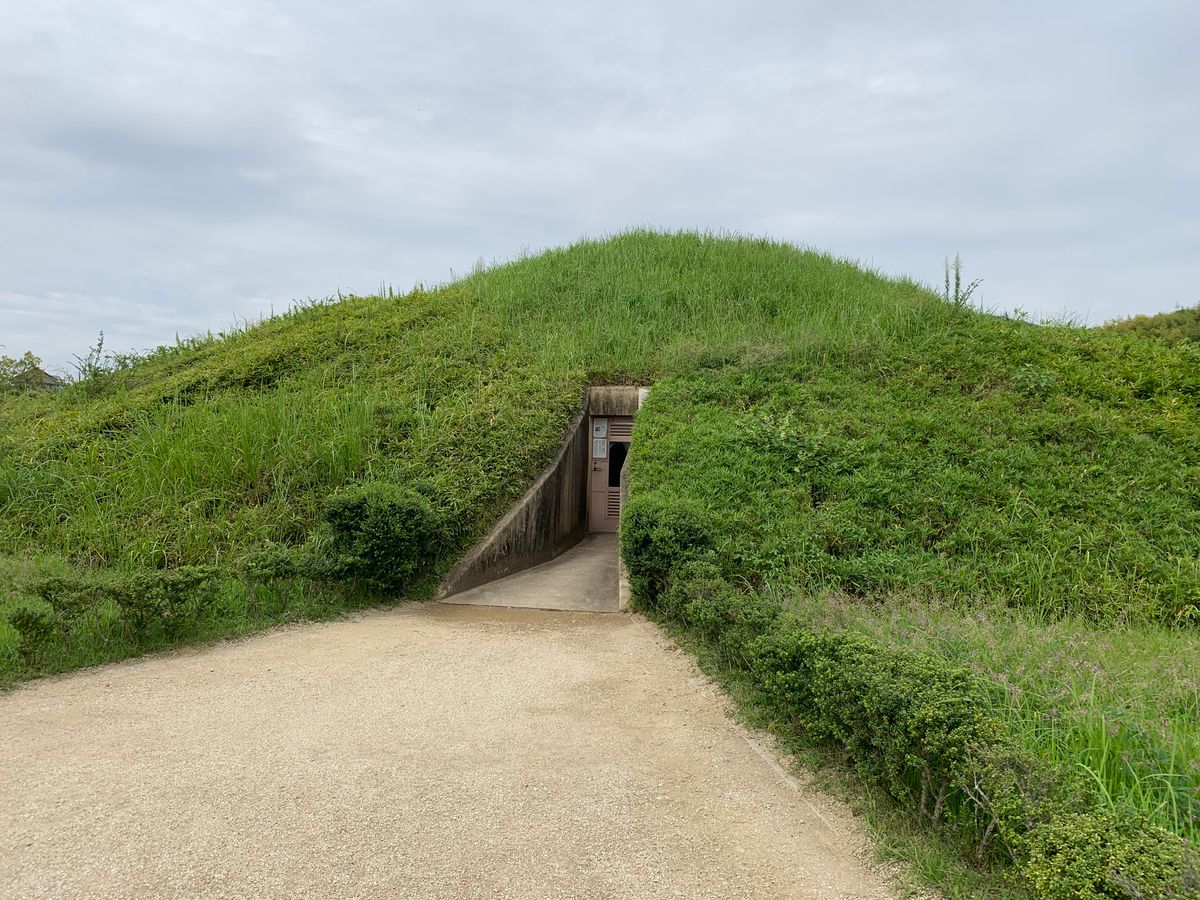
Yazd is the most completely preserved traditional Islamic city in Iran — a desert city of mud-brick and adobe whose ancient wind towers (badgir), domed rooftops, and narrow covered alleyways have survived the modernization pressures that transformed most comparable Iranian cities, protected by remoteness and a traditional culture of Zoroastrian and Muslim coexistence.
The Jameh Mosque's twin minarets, rising above an entrance portal of turquoise and cobalt tilework, are the visual anchor of the old city. The Zoroastrian Fire Temple has maintained its sacred flame continuously for over 1,500 years — an unbroken sequence of religious continuity predating Islam by several millennia.
Getting there: Fly from Tehran (1.5 hours) or take the overnight train (7 hours). The old city is walkable.
Don't miss: The Jameh Mosque at sunrise, the covered bazaar at dusk, the Zoroastrian Fire Temple, the Towers of Silence at sunset.
Best time to visit: March to May and September to November.
6. Luang Prabang, Laos — The Royal City of the Mekong
Luang Prabang is one of the most completely preserved traditional Southeast Asian royal cities in existence — the former royal capital of the Lane Xang Kingdom, its golden temple roofs and French colonial buildings sitting on a peninsula at the confluence of the Mekong and Nam Khan rivers.
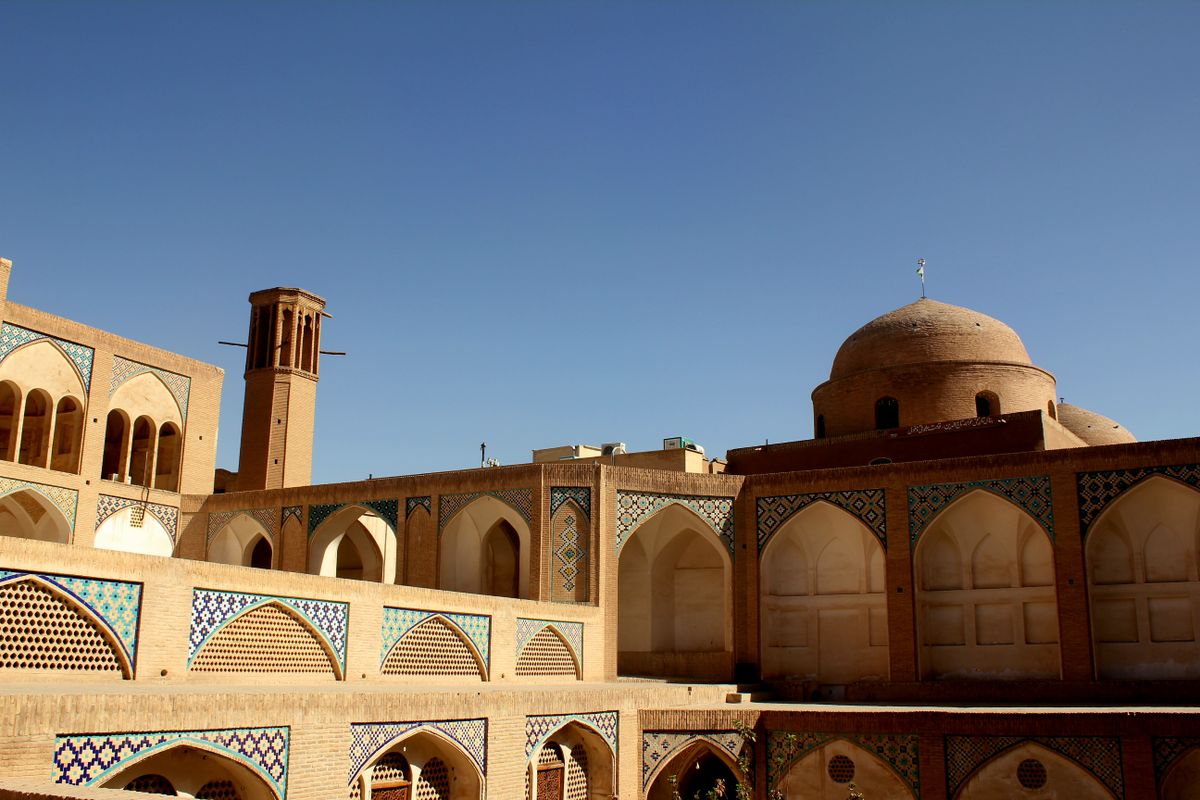
The dawn alms-giving ceremony — the tak bat, in which hundreds of saffron-robed monks process through the city in the pre-dawn darkness to receive rice from kneeling laity — is the most completely time-suspended experience in the city: an unbroken ritual continuing regardless of the presence or absence of cameras.
Getting there: Fly to Luang Prabang from Bangkok, Hanoi, or Chiang Mai (all approximately 1–1.5 hours). Alternatively, the slow boat from Huay Xai (2 days down the Mekong).
Don't miss: The tak bat ceremony (observe respectfully, no flash), Wat Xieng Thong, the Kuang Si Waterfall, a sunset boat trip on the Mekong.
Best time to visit: November to February for the cool, dry season and traditional festivals.
7. Valletta, Malta — The Baroque City of the Knights
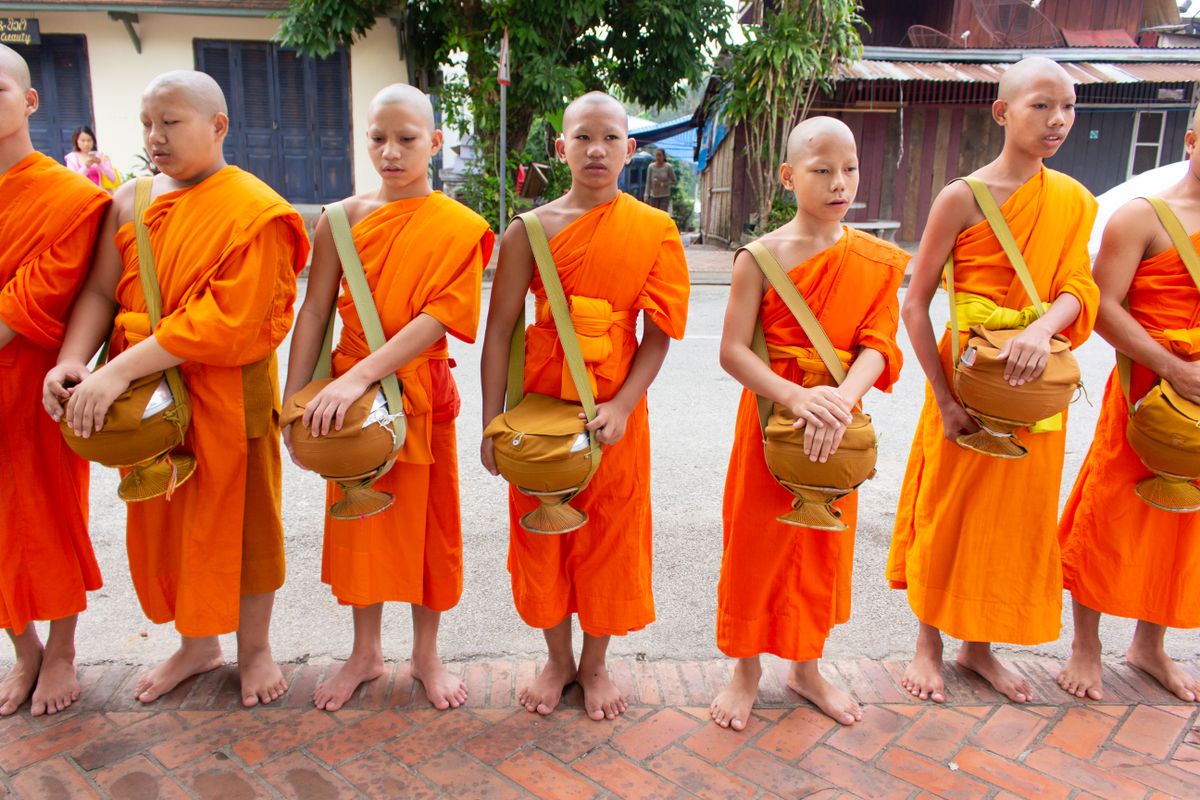
Valletta, founded in 1566 by the Knights of St. John following their victory over the Ottoman siege of 1565, is one of the most completely and coherently baroque cities in Europe — a planned Renaissance city whose original conception has survived largely intact across four and a half centuries, designed on a rigid grid by Francesco Laparelli, a pupil of Michelangelo.
The Co-Cathedral of St. John contains, in the Oratory, Caravaggio's Beheading of Saint John the Baptist — the largest painting he ever made and the only one he signed. The Upper Barrakka Gardens provide the finest single viewpoint in Malta, its cannon salute fired daily at noon in a tradition continuous since the Knights.
Getting there: Fly to Malta International Airport (MLA). The city (0.8 km²) is entirely walkable.
Don't miss: St. John's Co-Cathedral and the Caravaggio Oratory, the Upper Barrakka noon cannon salute, the Grandmaster's Palace, the Three Cities ferry.
Best time to visit: March to May and October to November.
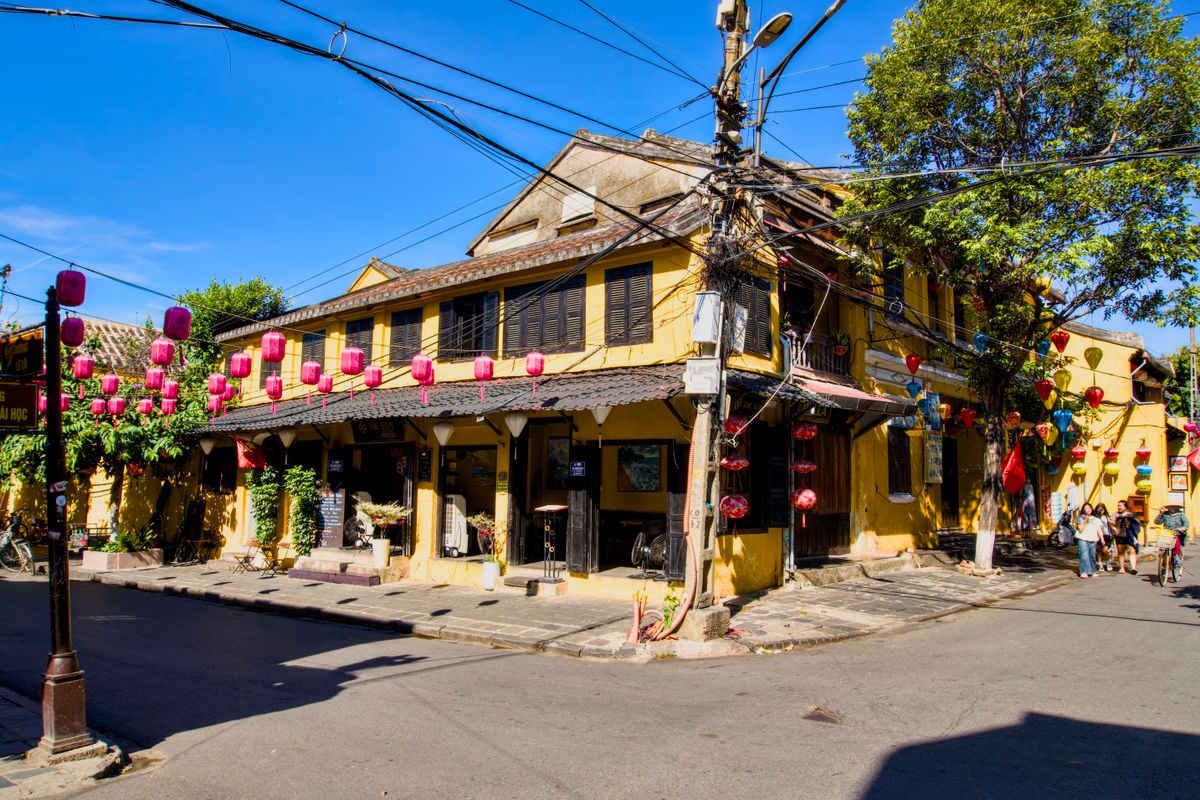
8. Hoi An, Vietnam — The Merchant Town of the Thu Bon River
Hoi An is the finest example of a complete Southeast Asian trading port from the 15th to 19th centuries, its UNESCO old town preserving the commercial and residential architecture of the Japanese, Chinese, and Vietnamese merchant communities that made it one of the most important South China Sea ports.
The Japanese Covered Bridge (built 1593), the Chinese Assembly Halls with their incense-filled active altars, and the merchant houses with their two-story wooden interiors are extraordinarily well preserved and actively inhabited rather than merely displayed. At night, colored lanterns fill every street, transforming the old town into one of the most photographed environments in Southeast Asia.
Getting there: Fly to Da Nang Airport (DAD) from Hanoi or Ho Chi Minh City (1 hour), then taxi or bus to Hoi An (30 minutes).
Don't miss: The old town at dawn before 7 AM, the Japanese Covered Bridge at dusk, a cooking class in cao lầu noodles, the monthly full moon lantern festival.
Best time to visit: February to April and August to September for the driest weather.
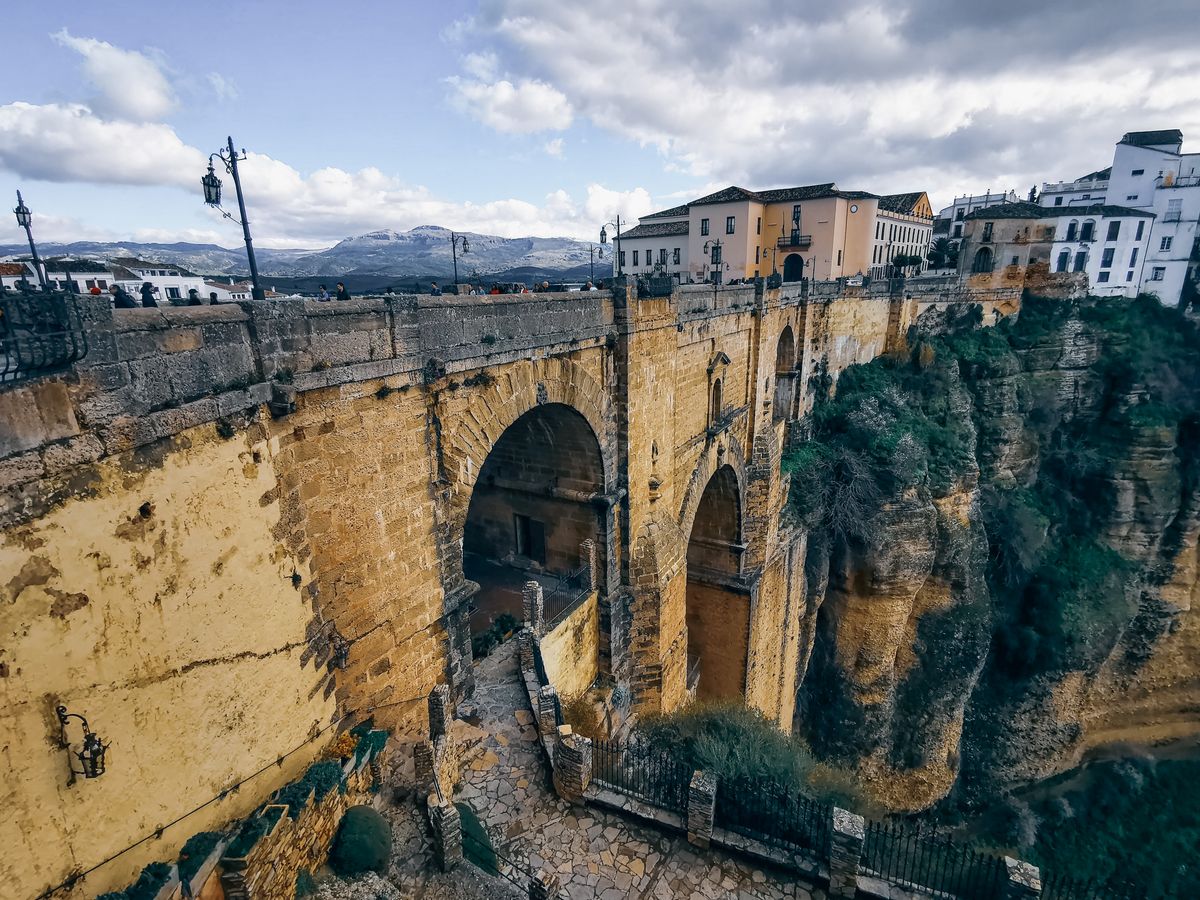
9. Ronda, Spain — The Clifftop City of the Tajo Gorge
Ronda is the most dramatically situated town in Andalusia — built on a plateau divided by the 120-meter-deep El Tajo gorge, its physical isolation preserving a frozen-time quality long after the surrounding region was modernized. The Puente Nuevo, built between 1751 and 1793 across the gorge's most dramatic section, is the defining image of Ronda.
The old city on the Moorish side of the gorge — its whitewashed medina, its Arab baths, its Plaza de Toros (the oldest and most beautiful bullring in Spain, built 1785) — is one of the finest preserved Moorish Spanish townscapes in existence.
Getting there: Bus from Málaga (1.5 hours) or Seville (2.5 hours).
Don't miss: The Puente Nuevo from the gorge viewpoint below, the Arab baths, the view from Alameda del Tajo park at sunset, the White Villages circuit (Setenil de las Bodegas).
Best time to visit: March to June and September to November.
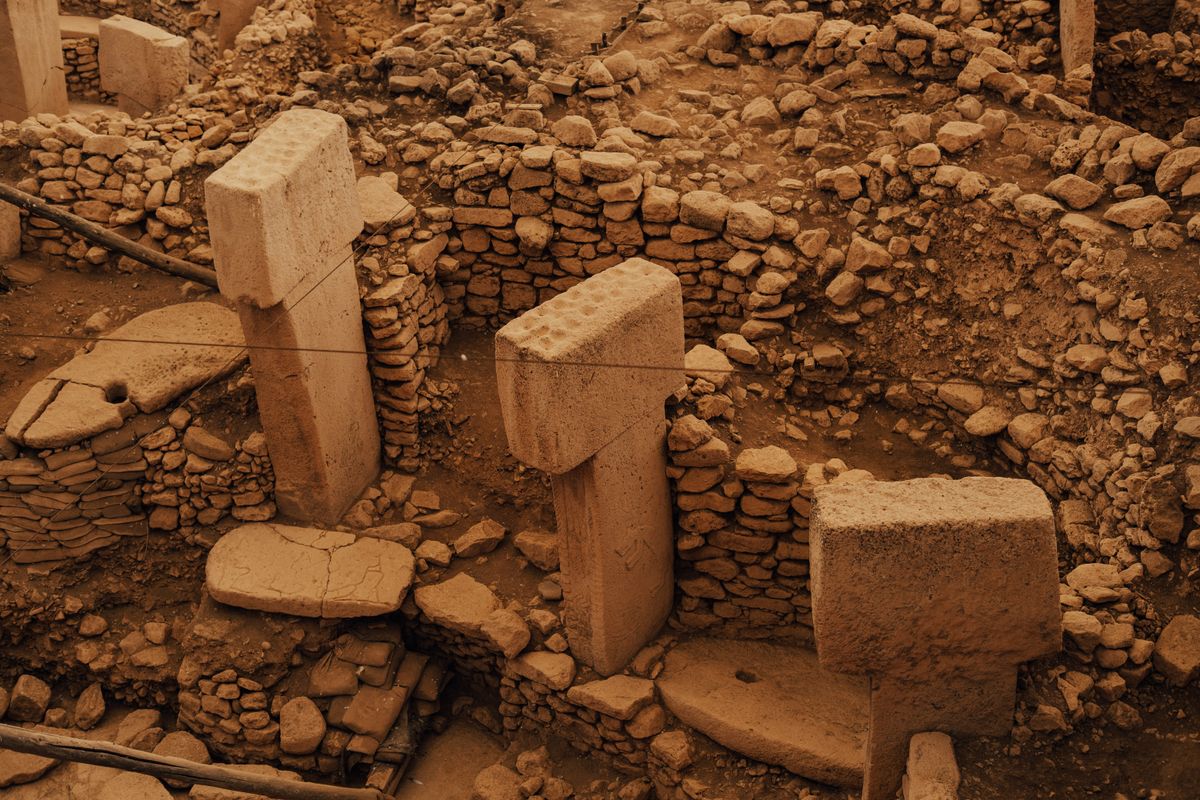
10. Çatalhöyük, Turkey — Where Civilization Began
Çatalhöyük is the most ancient frozen-in-time destination in this guide — a Neolithic settlement occupied continuously from approximately 7500 BC to 5700 BC, one of the earliest and most complex human settlements ever discovered, a proto-city of 5,000–8,000 inhabitants.
The site is a tell — an artificial mound formed by successive building phases, each generation building directly on the ruins of the previous one. The people of Çatalhöyük buried their dead beneath the floors of their houses, creating a continuity between generations that is one of the most distinctive practices in the archaeological record.
Getting there: Drive from Konya (approximately 40 minutes) or Cappadocia (2.5 hours). A car is essential.
Don't miss: The excavated house interiors under the protective roof, the visitor center's wall paintings and figurines, the Museum of Anatolian Civilizations in Ankara.
Best time to visit: April to June and September to October.
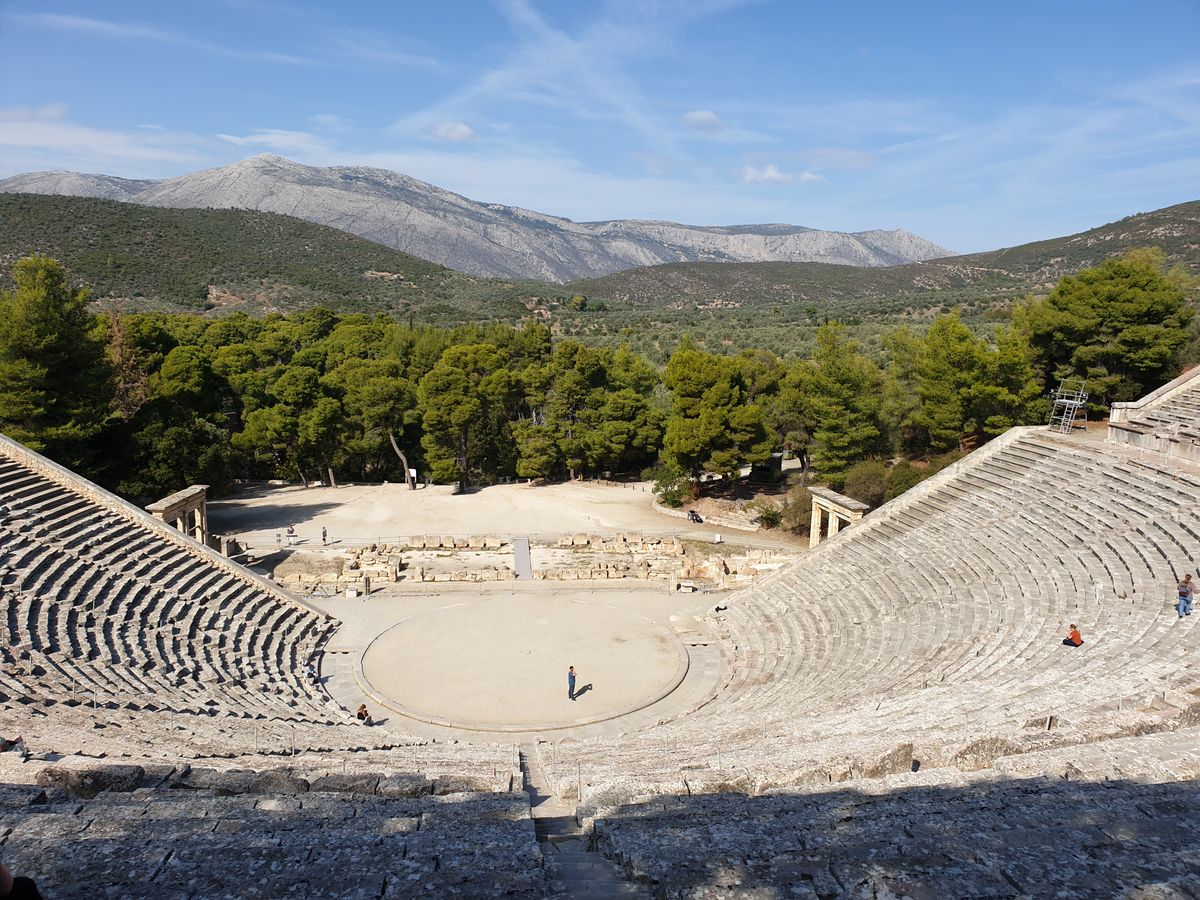
11. Epidaurus, Greece — The Ancient Theatre of Perfect Acoustics
Epidaurus is not a city but a single building — an ancient Greek theatre built approximately 340 BC that has lost none of its primary function, still performing the purpose for which it was built with a fidelity that no modern auditorium has surpassed. It seats 13,000 spectators in 55 rows arranged in a perfect semicircle, its acoustics so extraordinary that a coin dropped at the center of the orchestra is audible in the last row, 60 meters away.
The frozen-time quality of Epidaurus is the frozen time of an idea — that the relationship between performer and audience can be perfected, and that the perfection achieved in the 4th century BC has not been improved upon in 2,400 years of subsequent architecture.
Getting there: Drive from Athens (2.5 hours) or Nafplio (30 minutes — the finest base). Summer buses from Athens.
Don't miss: The acoustic demonstration at the orchestra level, the Archaeological Museum, a summer performance at the Epidaurus Festival (July–August, greekfestival.gr).
Best time to visit: May to June for clarity without full summer crowds; July–August for the Festival.
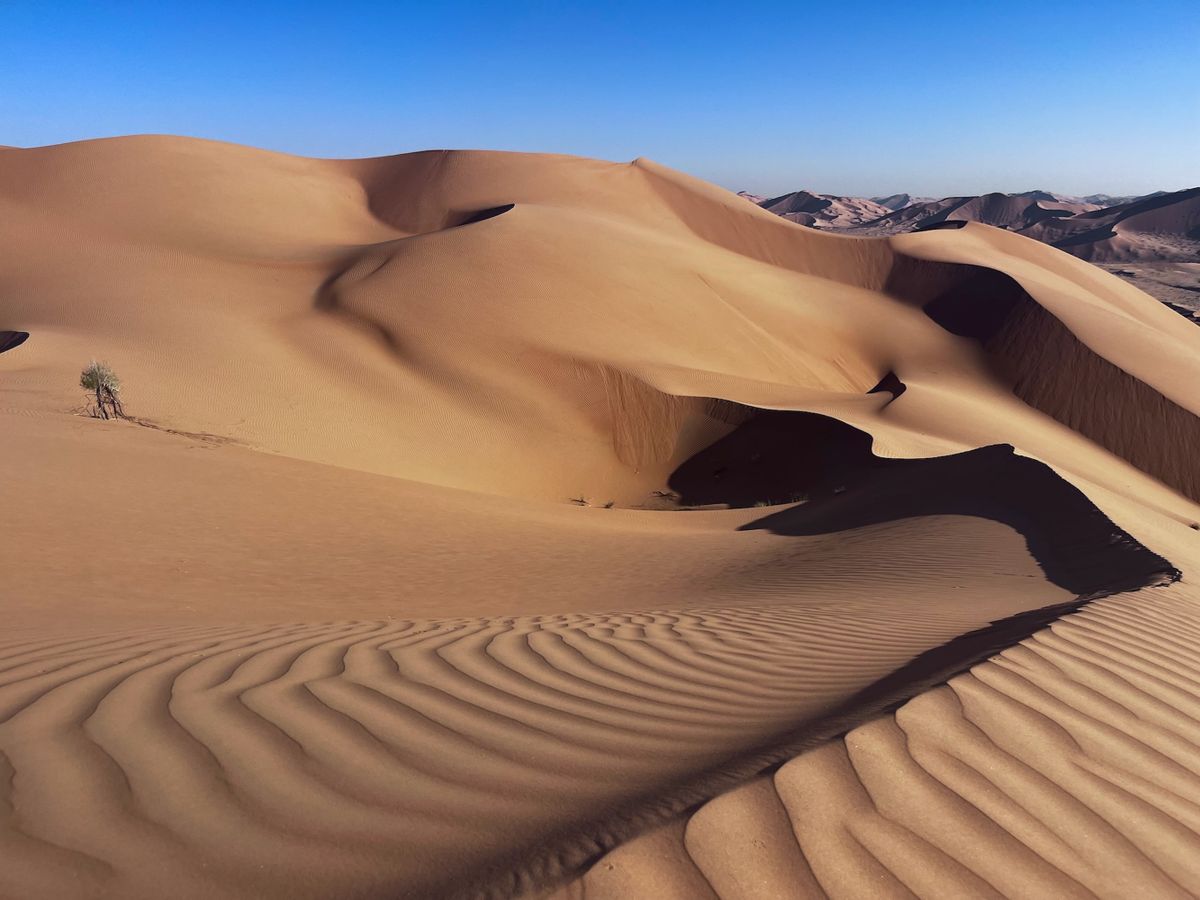
12. The Empty Quarter (Rub' al Khali), Arabian Peninsula — The Time Before Human Time
The Rub' al Khali — the largest continuous sand desert in the world, covering approximately 650,000 square kilometers — is the most extreme and completely preserved pre-human landscape accessible to travelers. It contains no ruins, because for most of human history it was genuinely empty — too extreme in its heat and too devoid of water to support permanent habitation.
The dunes, some 250 meters high and hundreds of kilometers long, were formed by prevailing winds over millennia. Fossil shells and whale bones occasionally found in the deep desert record an ocean that covered this landscape 35 million years ago. Standing at dawn, when the dune crests catch the first light and nothing in any direction exists except sand and sky, is the most complete experience of temporal depth available to a traveler.
Getting there: Fly to Riyadh, Muscat, or Abu Dhabi. All expeditions are organized through local tour operators with 4WD vehicles.
Don't miss: The dune crests at dawn and dusk, the fossil whale bones, the absolute darkness of the night sky.
Best time to visit: November to March — the only months when daytime temperatures are survivable.
Why Time Seems to Freeze — And Why It Matters
Pompeii and Herculaneum were frozen by catastrophe — the sudden imposition of geological force that stopped time at a specific moment. Machu Picchu and Çatalhöyük were frozen by abandonment — the deliberate or forced departure of populations leaving the physical fabric intact. Bruges and Yazd were frozen by economic decline — the ironic preservation of poverty, unable to fund the renovation prosperity would have funded. Gyeongju, Luang Prabang, and Hoi An were frozen by cultural continuity — the persistence of traditions still aligned with the architecture that first produced them.
What all of these places share is the quality of temporal perspective they offer. The world moves very fast. The experience of standing in a place that has not moved at all is the corrective that rapid contemporary life most needs and least naturally seeks.
Go to the places where time has stopped. Stay long enough to feel what that means. And bring back, if you can, a small portion of the stillness that made it possible.