Mexico is one of the most rewarding solo travel destinations on Earth and one of the most misunderstood. Mexico City, Yucatán State, Oaxaca State, and Baja California Sur carry safety advisories equivalent to or better than many European countries — the Mexico most solo travelers actually visit supports confident travel with standard urban precautions, while the highest-concern advisories apply mainly to northern border states well outside the tourist circuits.
The Mexico that rewards the prepared, curious, and respectful solo traveler is a country of extraordinary human warmth and culinary sophistication.
Mexico City: Solo Travel in the Megalopolis
Mexico City is one of the world's great solo destinations without qualification — more museums than any city except London, a food scene spanning street tacos to two World's 50 Best restaurants, and a neighborhood character in Roma Norte and Condesa specifically oriented toward solo travelers. The taquería counter culture (standing, eating with strangers) makes eating alone actively pleasant; Coyoacán's Sunday market and the Frida Kahlo Museum add historical depth.
Best Beach Destinations
Puerto Escondido, Oaxaca is the strongest first-time recommendation — world-class surf at Playa Zicatela, village-scale intimacy, and prices around 600–1,200 pesos/night for excellent accommodation. Bacalar's Lagoon of Seven Colors and its shared catamaran sailing culture converts solo arrivals into communal water experiences with minimal friction. Isla Holbox, car-free and reached via a 2.5-hour transfer from Cancún, adds whale shark snorkeling (June–September) and flamingo colonies.
Cultural and Archaeological Destinations
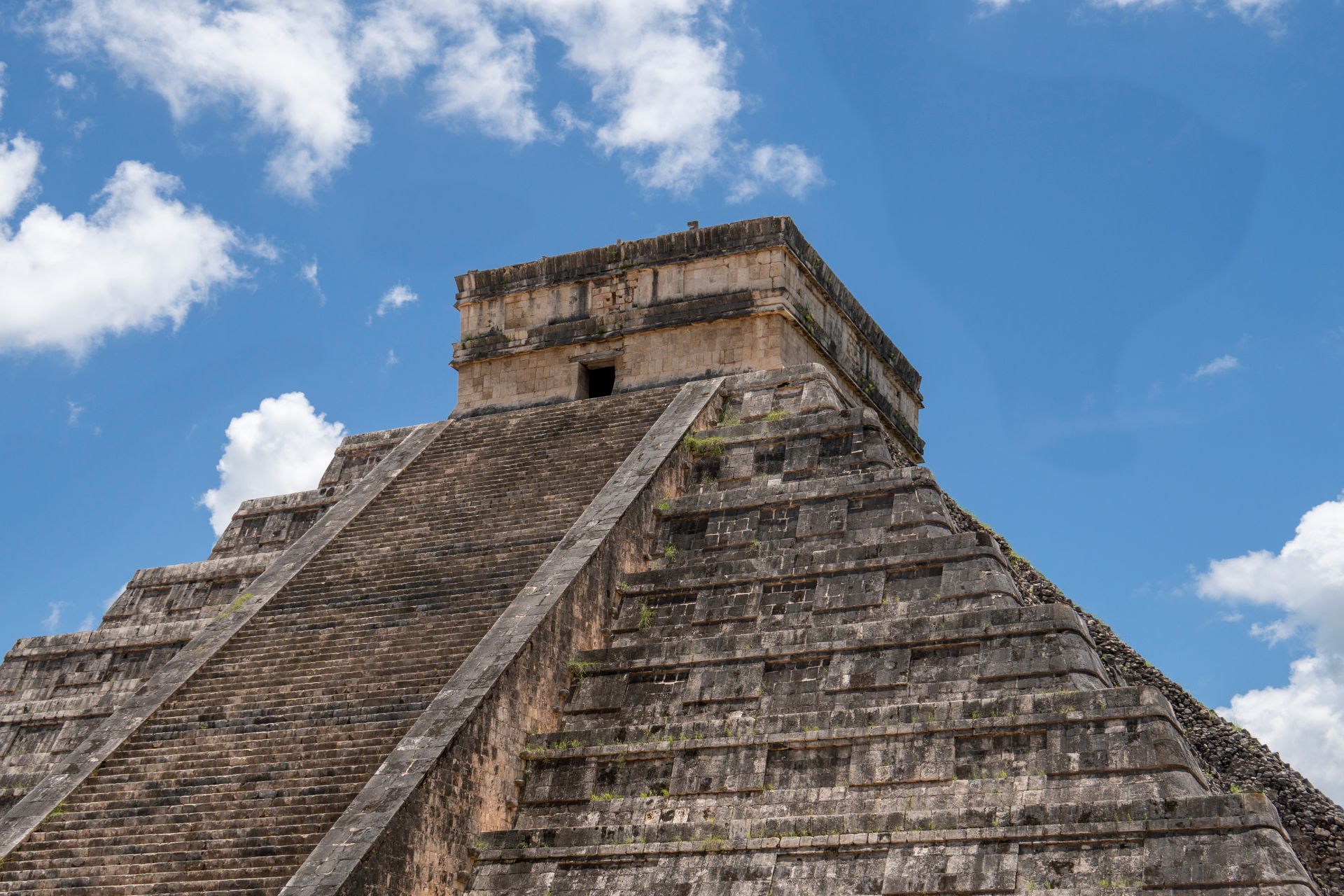
Oaxaca City is the destination experienced Mexico solo travelers most consistently cite as the country's finest overall — a walkable historic center, Mexico's most celebrated regional cuisine (mole negro, tlayudas), an artisanal mezcal culture from surrounding Valles Centrales palenques, and day-trip access to Monte Albán and Hierve el Agua. Mérida, Yucatán is consistently ranked among the safest cities in Mexico, with Yucatecan cuisine and easy access to Chichén Itzá. San Cristóbal de las Casas offers highland Tzotzil and Tzeltal Maya indigenous culture in Chiapas.
Playa del Carmen and Guanajuato
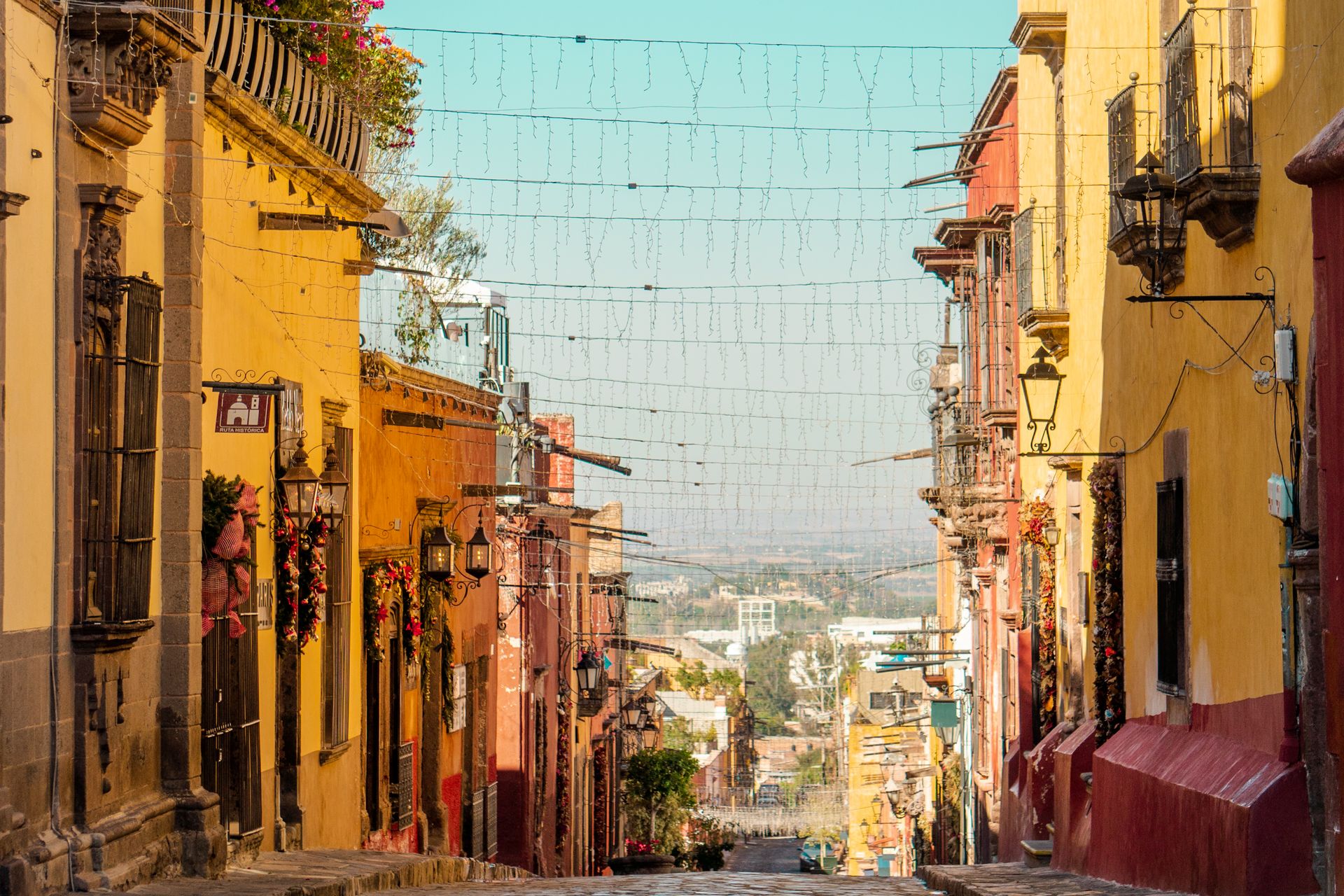
Playa del Carmen anchors the Riviera Maya for solo travelers who want a central base — big enough for a full range of restaurants and nightlife along Quinta Avenida, small enough to stay human-scale, and within day-trip range of Tulum, Chichén Itzá, and the cenote-studded Ruta de los Cenotes. Guanajuato, a colonial city built into a ravine with streets tunneling underground through former riverbeds, pairs a large student population and October's Cervantino Festival with the narrow Callejón del Beso and the deliberately strange Mummy Museum — one of Mexico's most beautiful and most walkable cities outside the Yucatán and Oaxaca circuits.
Practical Safety
Five practices matter most: use Uber for all urban transport, use ATMs inside banks or supermarkets rather than street machines, moderate alcohol in unfamiliar nightlife environments, keep a dedicated travel wallet with only the day's cash, and consult current local knowledge (hotel staff, Facebook travel groups) over any published guide. A Mexican SIM card (Telcel or AT&T, sold at OXXO convenience stores) is the single most useful practical upgrade.
Budget and Language
Budget travelers spend 600–1,000 pesos/day; mid-range 1,500–2,500; comfort 3,000–6,000. Basic Spanish (greetings, numbers, food vocabulary) transforms the experience from manageable to genuinely rewarding, though established destinations function adequately in English. National museums offer free Sunday admission — schedule the Museo Nacional de Antropología for a Sunday morning before the 11am crowd.
Final Thoughts
The taco stand is open. The mezcal is poured. The preparation required is specific and modest: understand the regional safety geography, use Uber, respect local culture, learn twenty words of Spanish, and arrive with genuine openness.