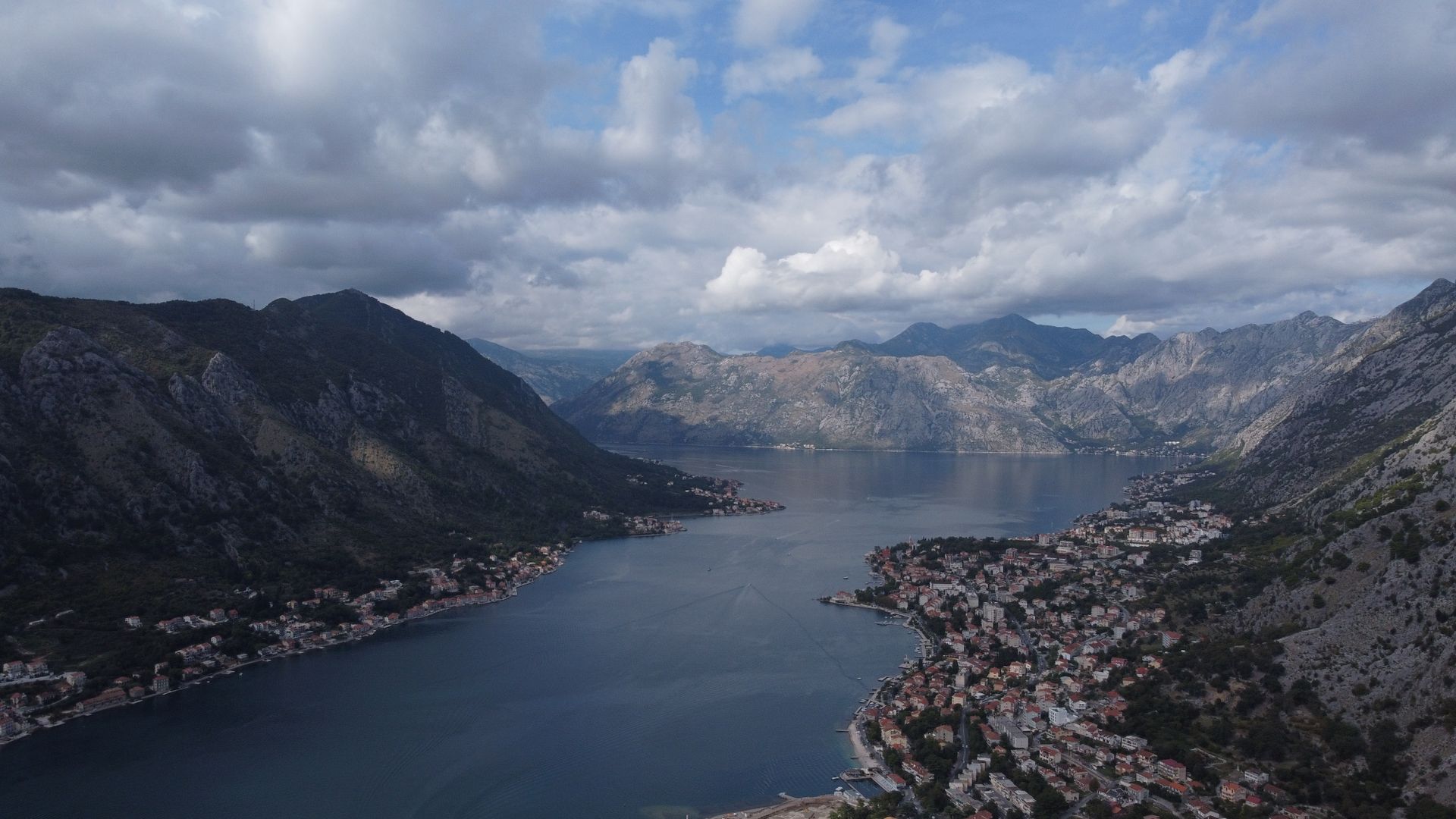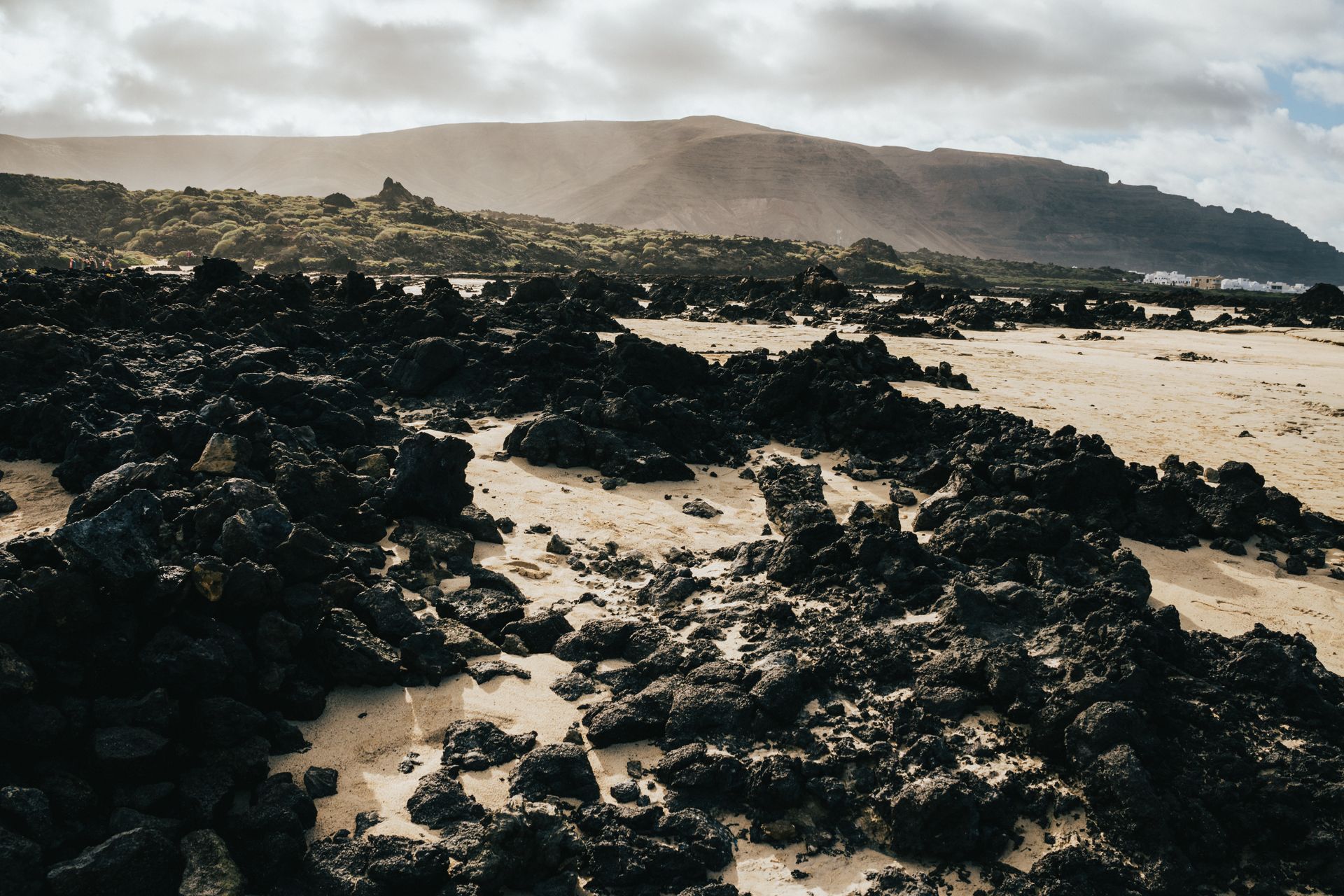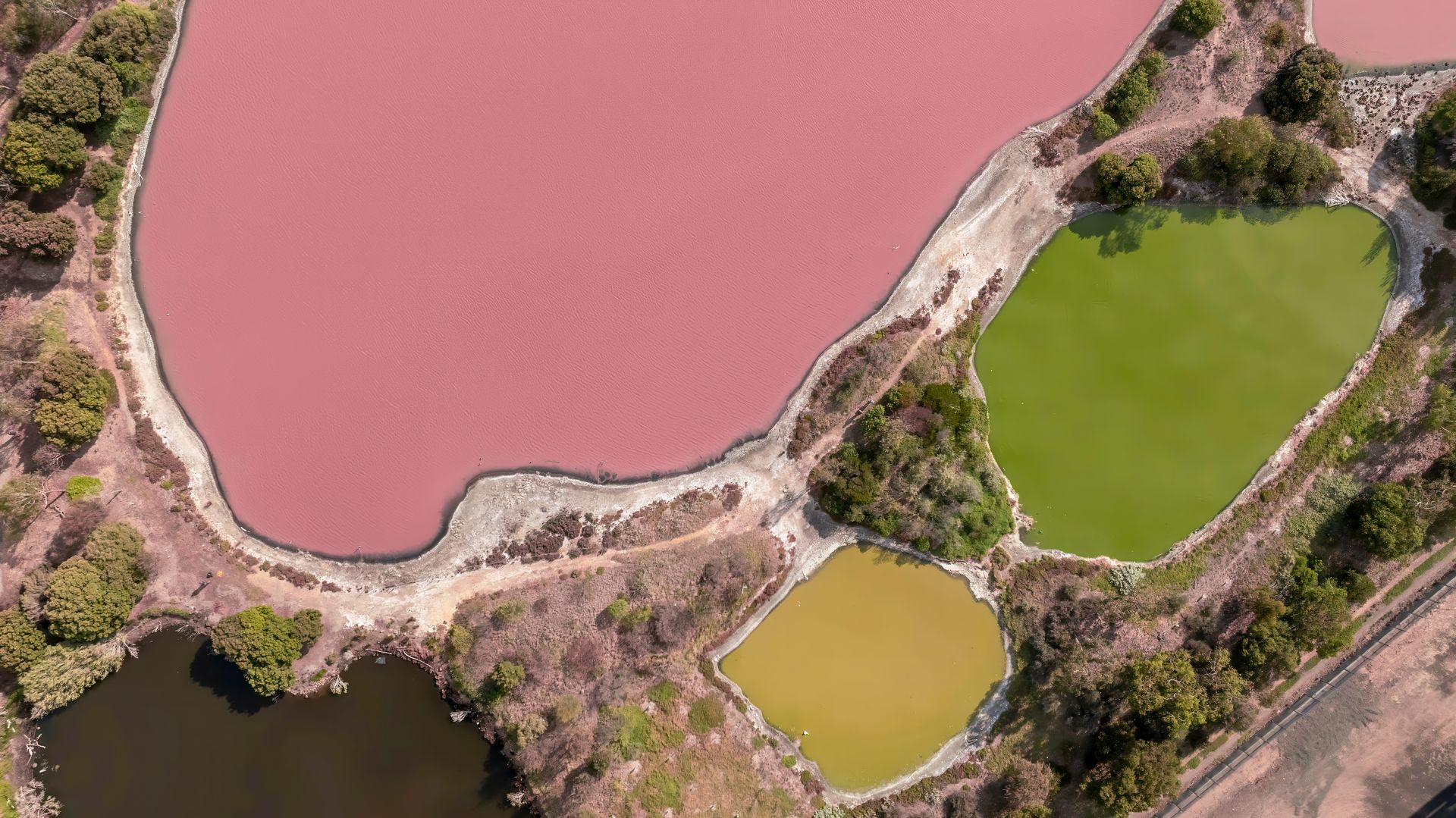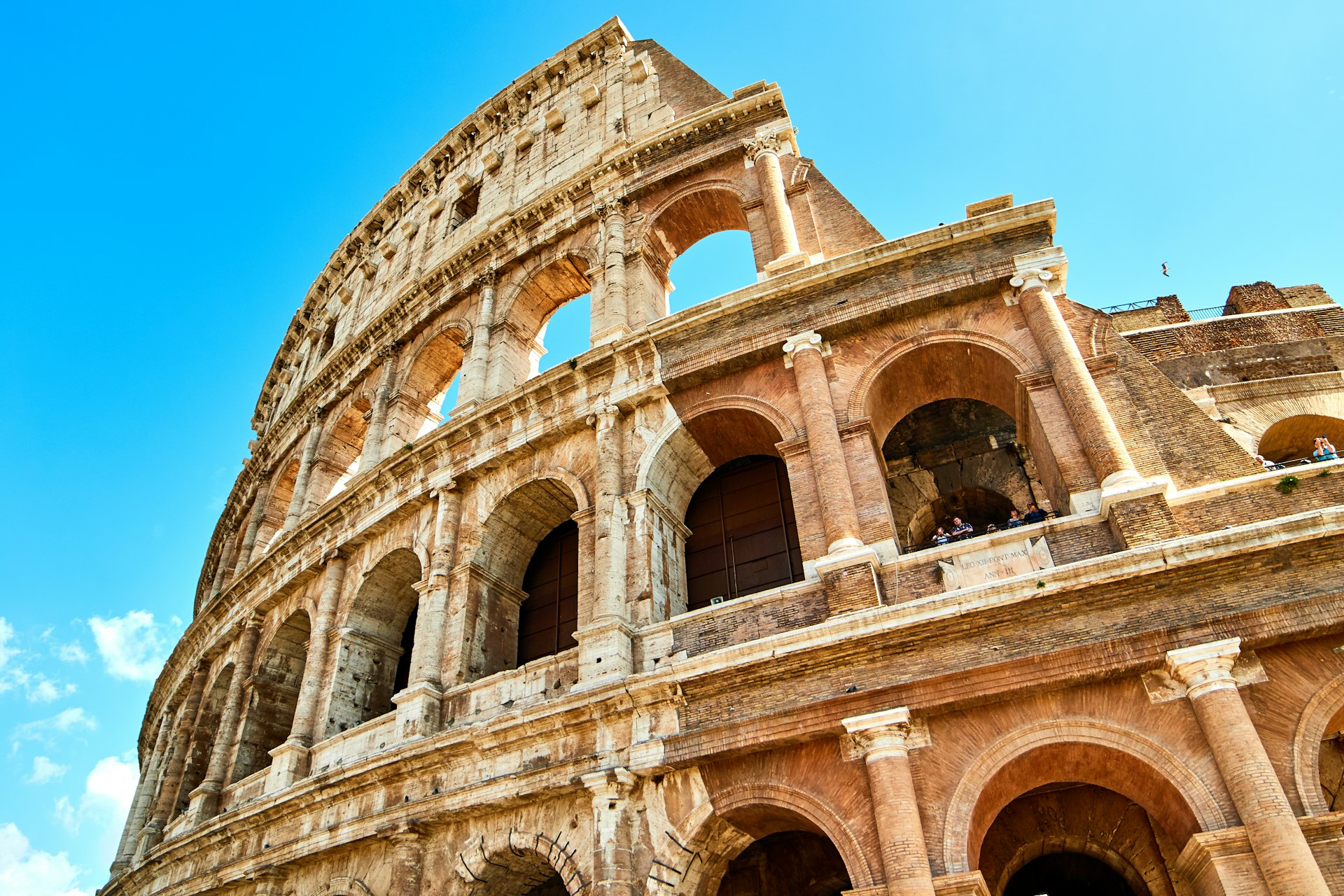
We have developed a peculiar relationship with anticipation. We research destinations through photographs until the photographs become the destination — until the thing we are traveling toward is not a place but an image of a place. And then we arrive, and we feel a faint and specific disappointment, not because the place is less beautiful than the photograph suggested, but because the photograph was all it suggested. It caught the visual surface and missed everything else.
The places where the photograph, however beautiful, functions as a spoiler rather than a preview — giving you the surface while withholding the thing that makes the surface matter.
Why some places defeat the camera
Most famous places look more or less like their photographs. Some look slightly worse. And some — a specific, remarkable, and underappreciated category — look dramatically, almost insultingly better. Not because the photographs of them are bad, but because something essential — scale, or the quality of light, or physical sensation — cannot be transferred to a flat rectangle of screen or paper, however skilled the photographer.
This guide is organized around the specific quality that photography fails to capture in each case — scale, light, sensory totality, temporal change, the feeling of being inside something rather than outside it. Understanding why a place exceeds its photographs helps you approach it with the right quality of attention: not the attention of a photographer seeking the definitive frame, but the attention of a person fully present, allowing the place to work on them in all the dimensions a camera cannot reach.
1. The Sistine Chapel, Vatican City — The Scale of Human Ambition
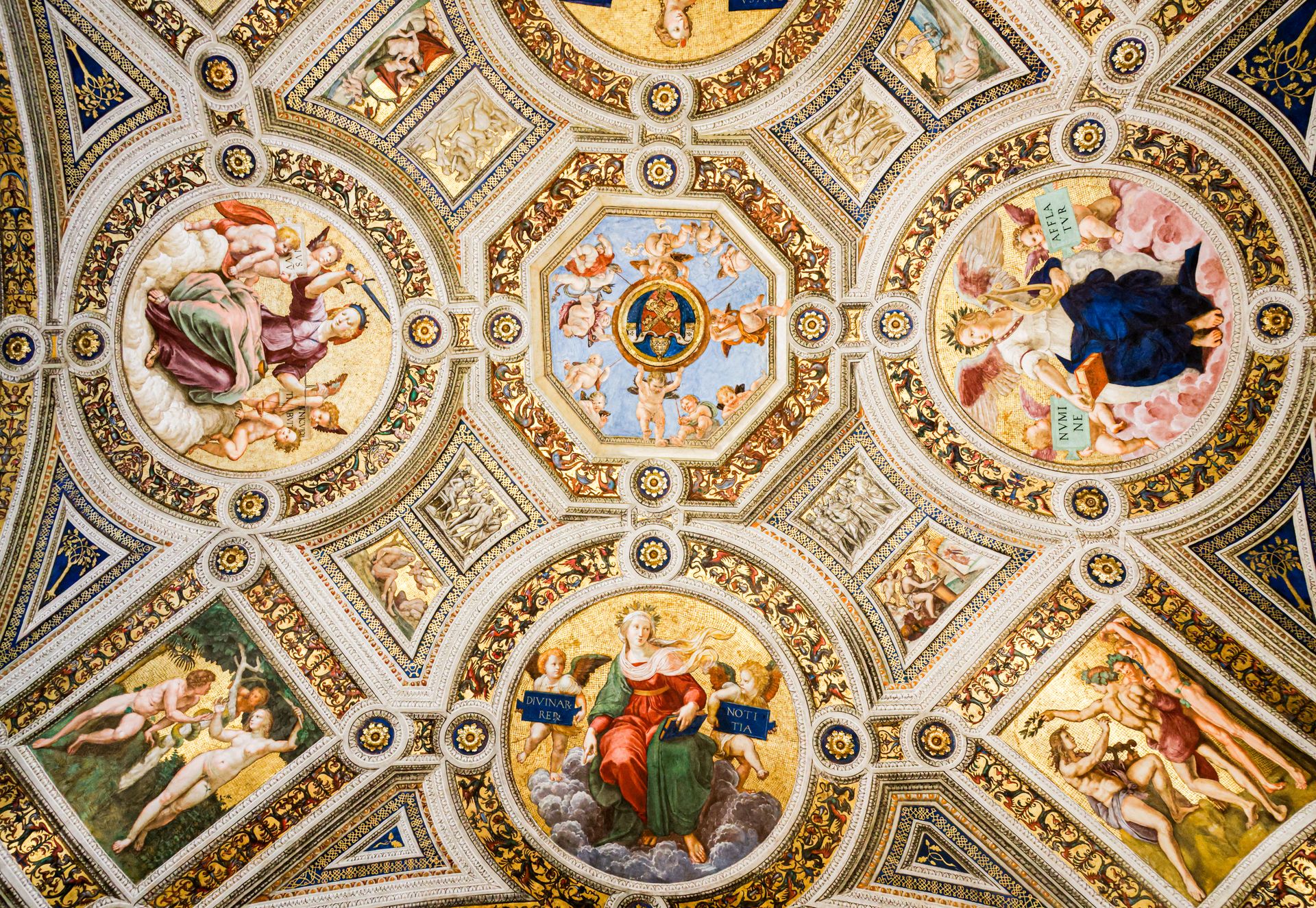
Every photograph of the Sistine Chapel shows the painting. None show what it means to stand 20 meters below it and look up at the weight of Michelangelo's entire painted program descending toward you, Adam's reaching hand above your head, each ignudo larger than a living person, the scale understood not intellectually but physically, as a fact of your own body in the space.
The Last Judgment on the altar wall is even more dramatically underserved by photography — no image communicates the way the wall appears to tilt forward as you look at it, or the specific, slightly stunned silence of people who arrived expecting a famous painting and found themselves instead inside one of the greatest works of art in human history.
Visit strategy: Pre-book the Vatican Museums' earliest timed entry (9 AM), go directly to the Sistine Chapel before any other gallery, stand against the side wall, put the phone away, and look up for as long as you can.
2. Antelope Canyon, Arizona, USA — Light as a Physical Substance
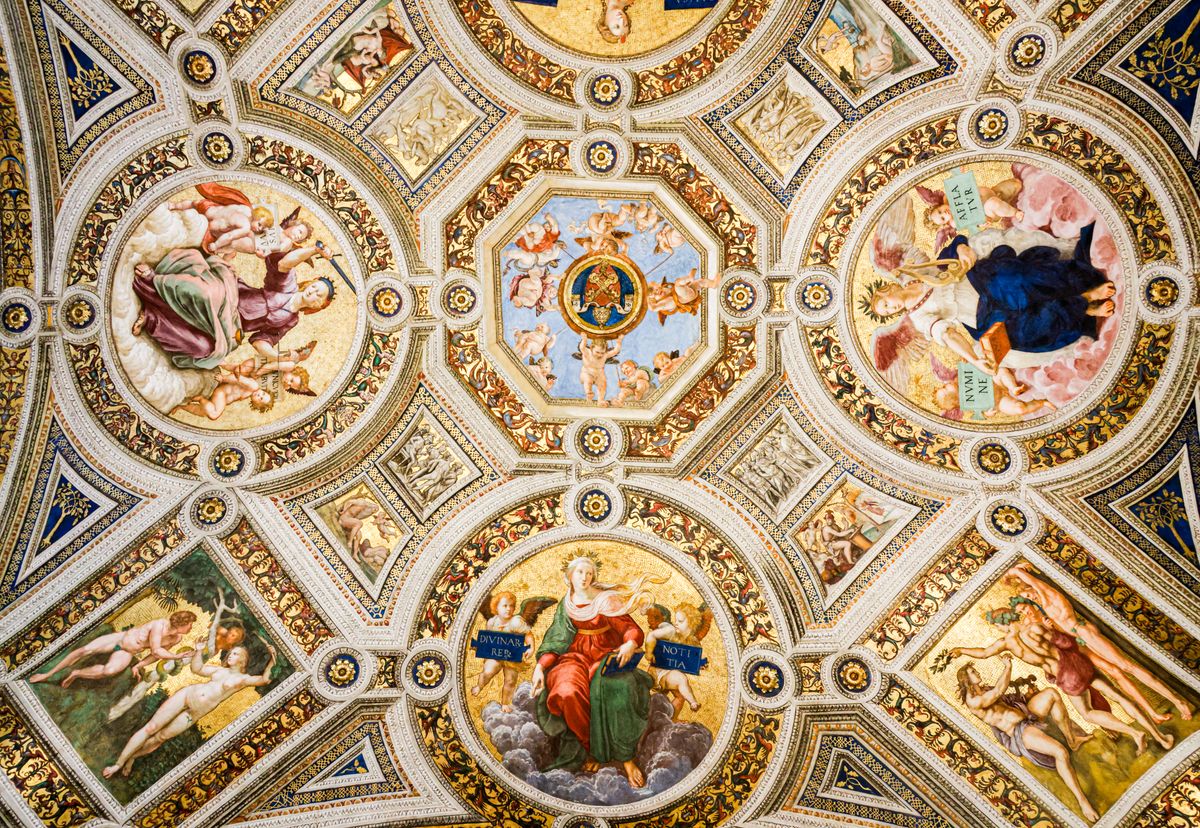
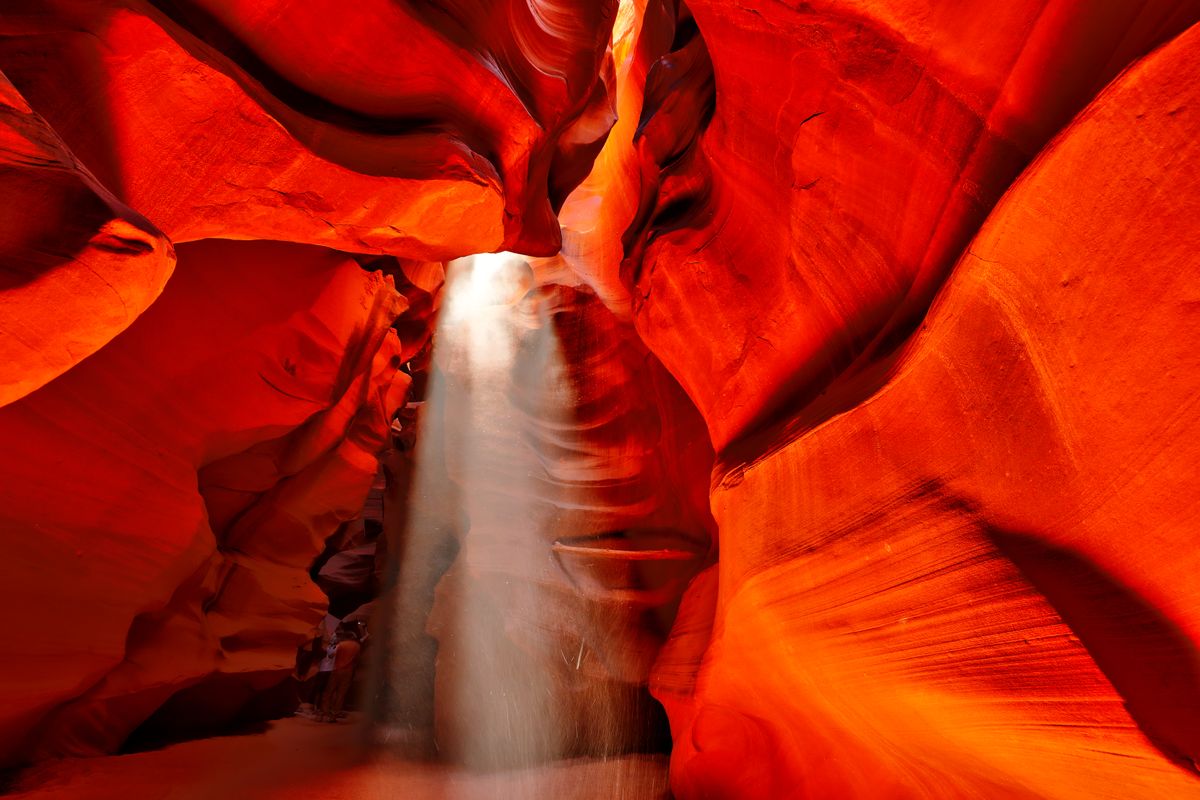
Antelope Canyon's photographs — the narrow slot canyon's curving sandstone walls in orange, red, and amber, shafts of light descending from narrow openings above — are among the most beautiful in landscape photography. What they cannot communicate is what it feels like to stand inside the canyon and watch the light move.
The canyon's walls are in constant, slow, visible motion of light. As the sun tracks across the narrow opening above, the illuminated sections shift, shadows advance, and the entire chromatic character of the space reorganizes itself in the time you have been standing there. Photography captures a single instant. The canyon offers hours of continuous transformation.
Visit strategy: Book a photographer's tour (longer, fewer people, better light access). Visit in late morning from April to October when the light shafts are most dramatic.
3. The Northern Lights, Arctic Norway — The Sky in Motion
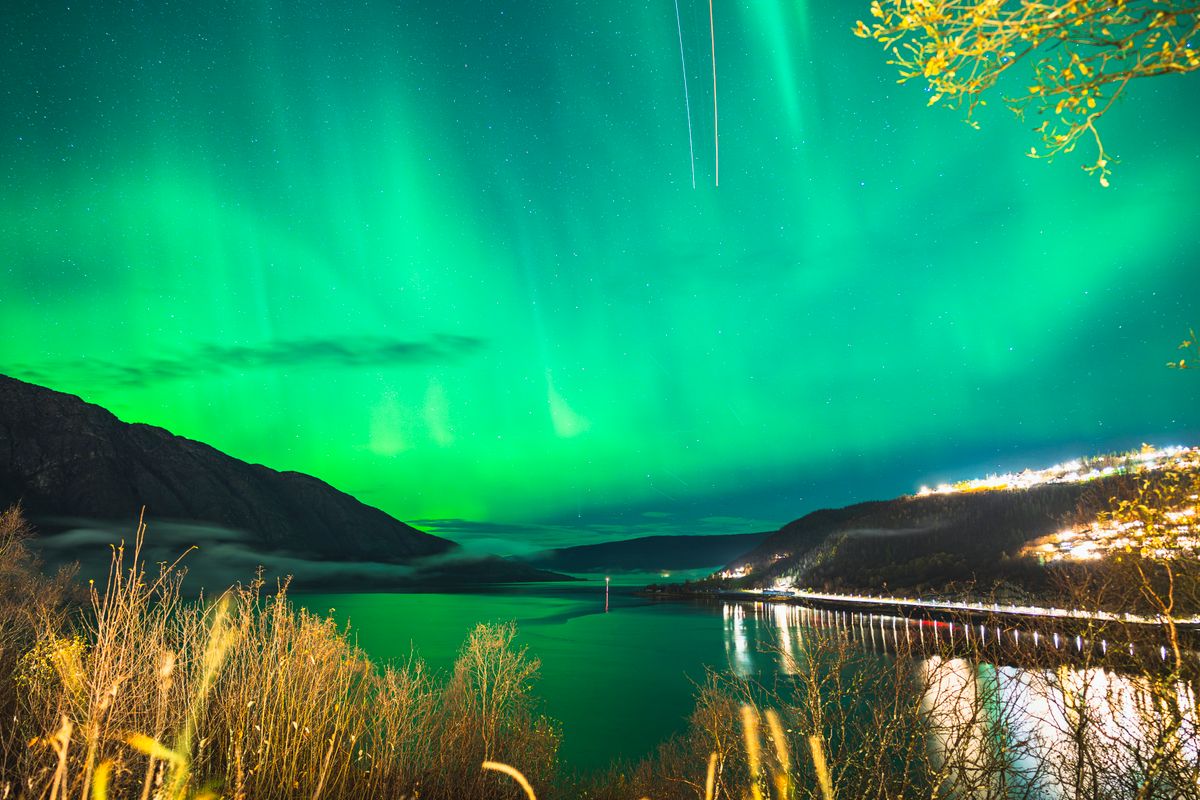
The photographs that succeed — long-exposure shots of green curtains rippling above a snow-covered fjord — are genuinely beautiful and uniformly still images of something defined by its motion. The aurora moves. It races across the sky in ribbons faster than clouds, erupting and folding and disappearing and erupting again without warning, feeling less like a natural atmospheric phenomenon and more like an event.
The physical experience of watching a strong display includes something photography cannot even attempt: the involuntary sounds people make — the intake of breath, the quiet "oh" — that strong aurora events produce even in the most composed observers.
Visit strategy: Tromsø, Norway (68°N) is the finest base — excellent infrastructure and a high frequency of aurora activity September to March. Check the KP index (3+) and dress in multiple thermal layers.
4. Hagia Sophia, Istanbul — Architecture as Theological Argument
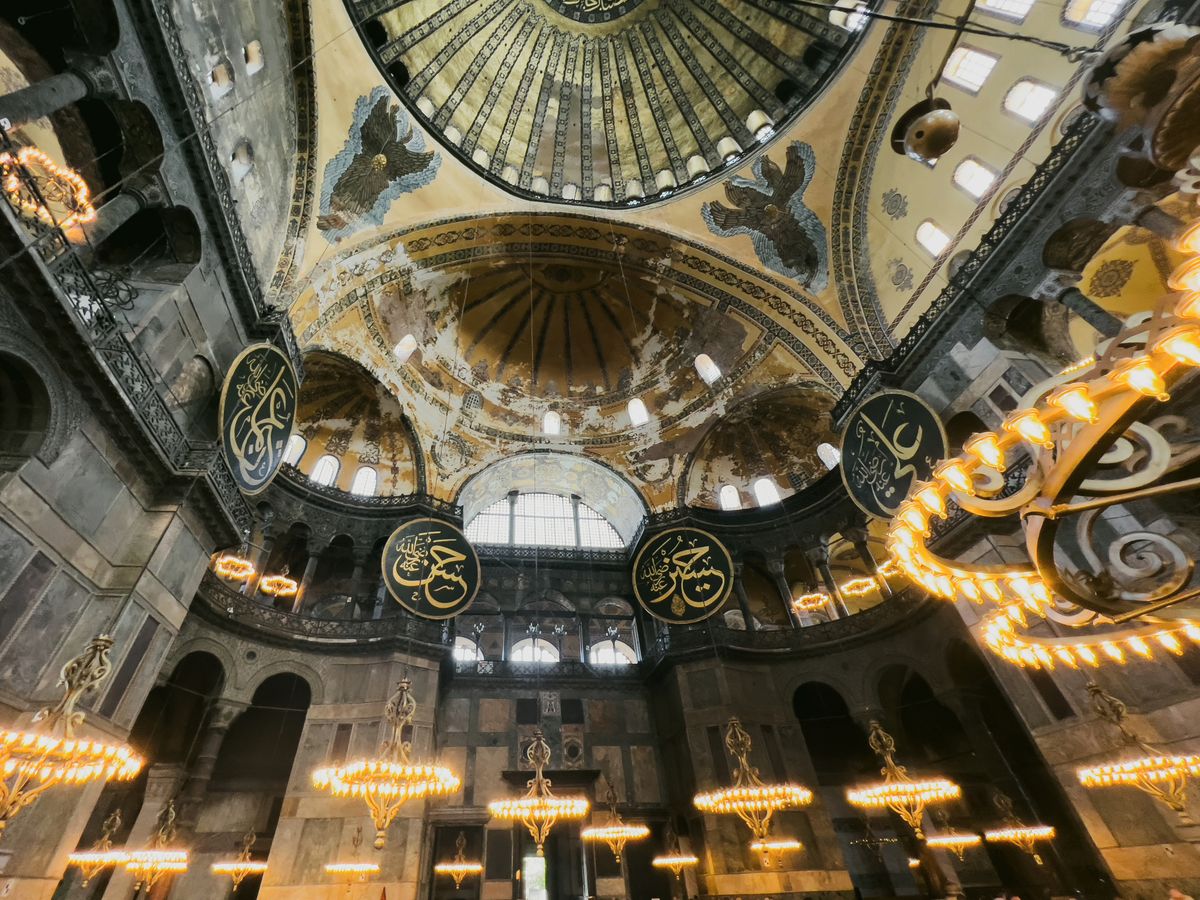
The specific quality that photographs of the Hagia Sophia systematically fail to capture is the relationship between the dome and the space below it. The dome, 31 meters in diameter, sits 55 meters above the nave floor, supported on a ring of forty windows that flood its base with light and create the optical illusion — documented by 6th-century Byzantine observers and still fully operative today — that the dome is floating, suspended by something invisible.
This illusion is a physical experience, felt in the neck and the vestibular system as well as seen. The 6th-century historian Procopius described the dome as hanging from heaven by a golden chain. No photograph has improved on the description because none can convey the physical sensation that produced it.
Visit strategy: Arrive at opening time (9 AM), stand in the nave's center, and look up at the dome before doing anything else.
5. The Amazon Rainforest — The Sound of Evolutionary Time
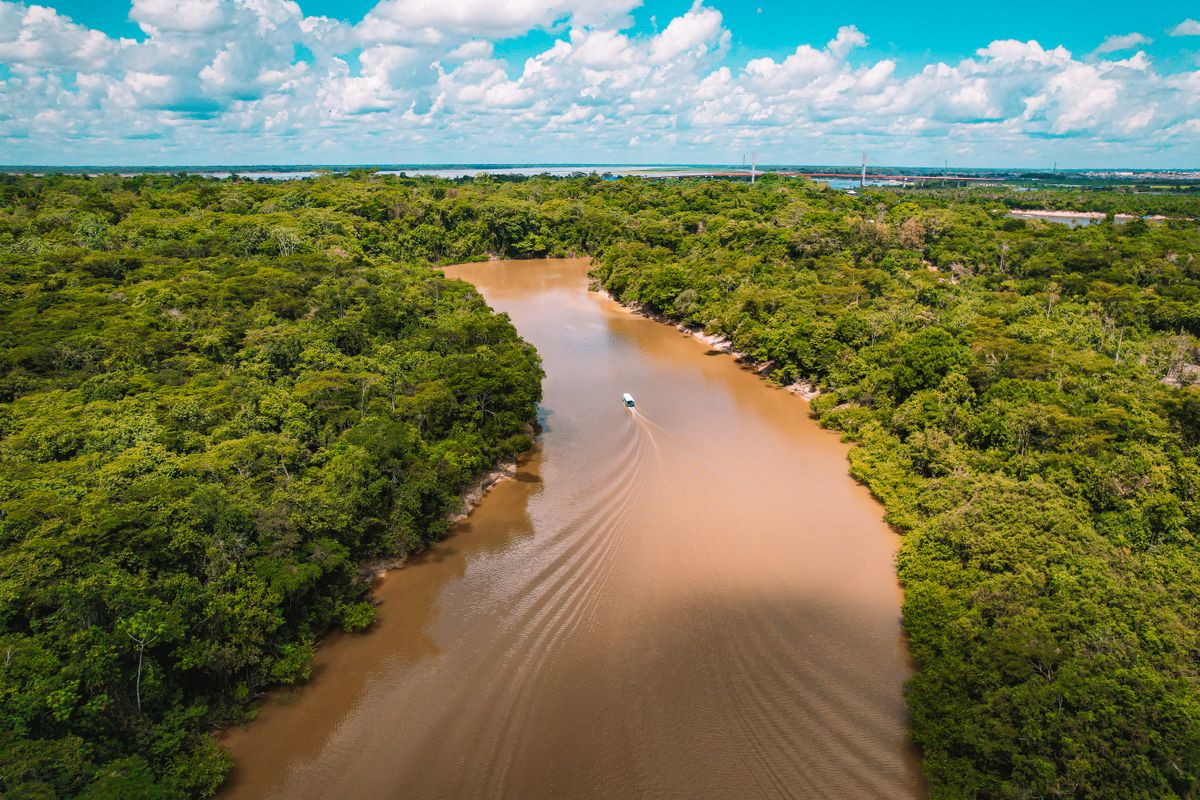
The Amazon is primarily an auditory experience. The photographs are silent. The forest is not. The constant, layered, multidirectional sound of a primary Amazonian forest — insects, birds, frogs, rain on a thousand layers of leaves, the distant howl of a howler monkey that sounds like a wind instrument — is unlike any sound environment accessible in the developed world.
The forest also has a texture and a smell photographs cannot approach: black, soft, faintly steaming soil; buttress roots 5 meters across forming chambers you can stand inside; a scale of vegetation that the body registers before the mind fully processes it.
Visit strategy: Iquitos, Peru (accessible only by air or river) provides the finest access to primary forest. Stay at a river lodge several hours from the city; take night walks with a guide.
6. Cappadocia at Dawn — A Hundred Balloons Over Another World
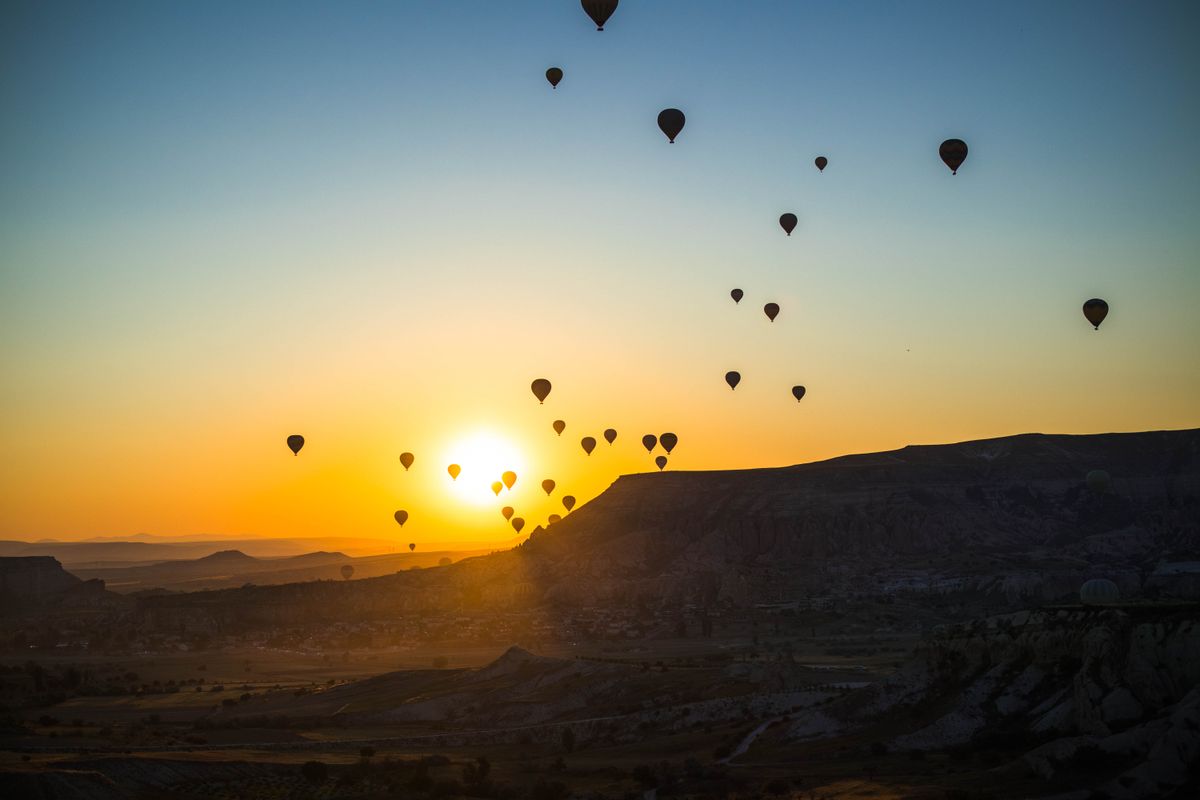
Cappadocia's balloon-flight photographs are extraordinary and numerous — colorful envelopes against pink dawn sky, dozens of other balloons at various altitudes over the fairy chimney valleys. These photographs are not inaccurate. They are simply incomplete: they show the view from outside the balloon, not the experience of being inside the flight.
The experience begins before dawn — the drive in the dark, the smell of propane and dew-wet grass, the balloons inflating vertical in the pre-dawn darkness. The moment of launch, the ground falling away in a silence complete except for the occasional roar of the burner, is one of the most purely physical pleasures in travel. At altitude, the scale of the entire valley system — dozens of valleys and thousands of fairy chimneys spread in every direction — becomes comprehensible for the first time, something no single photograph can show simultaneously.
Visit strategy: Book a reputable operator with a modern, well-maintained balloon. Budget approximately €150–€250 per person for the roughly one-hour flight. Book weeks ahead — clear-weather cancellations are frequent.
7. The Amalfi Coast Road — The Experience of Vertical Geography
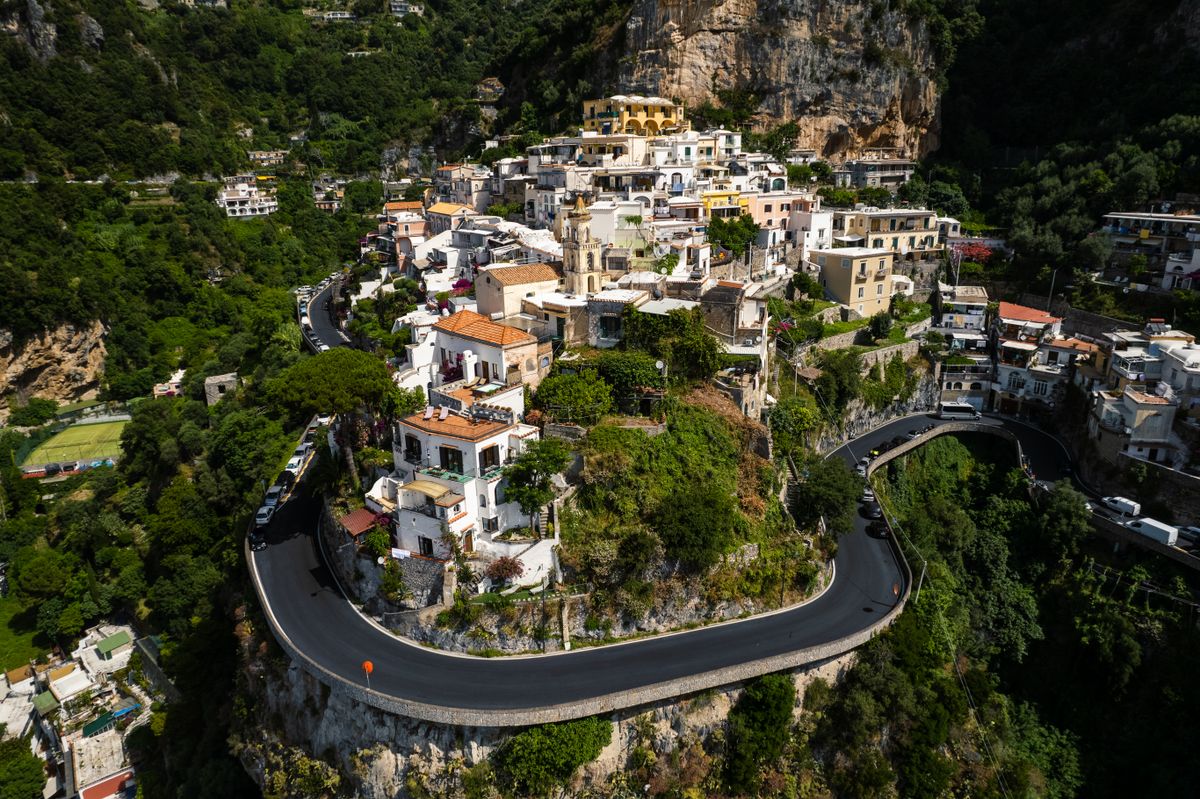
The Amalfi Coast's defining characteristic — the compressed relationship between the height of the limestone mountains directly behind the coastline and the sea directly in front of it — is a vertical relationship that photographs, which flatten everything into horizontal composition, consistently fail to represent.
Driving the SS163 coastal road communicates this vertical geography physically: the road hangs on cliff faces at heights that make the sea below appear as a blue floor, passes through tunnels carved directly through limestone headlands, and squeezes between cliff face and building facade in sections so narrow that buses must take turns.
Visit strategy: Take the SITA bus rather than driving — the driving requires too much attention for proper landscape appreciation. Alternatively, hire a boat from Positano or Amalfi for a sea-level perspective.
8. Sagrada Família, Barcelona — Gaudí's Stone Forest
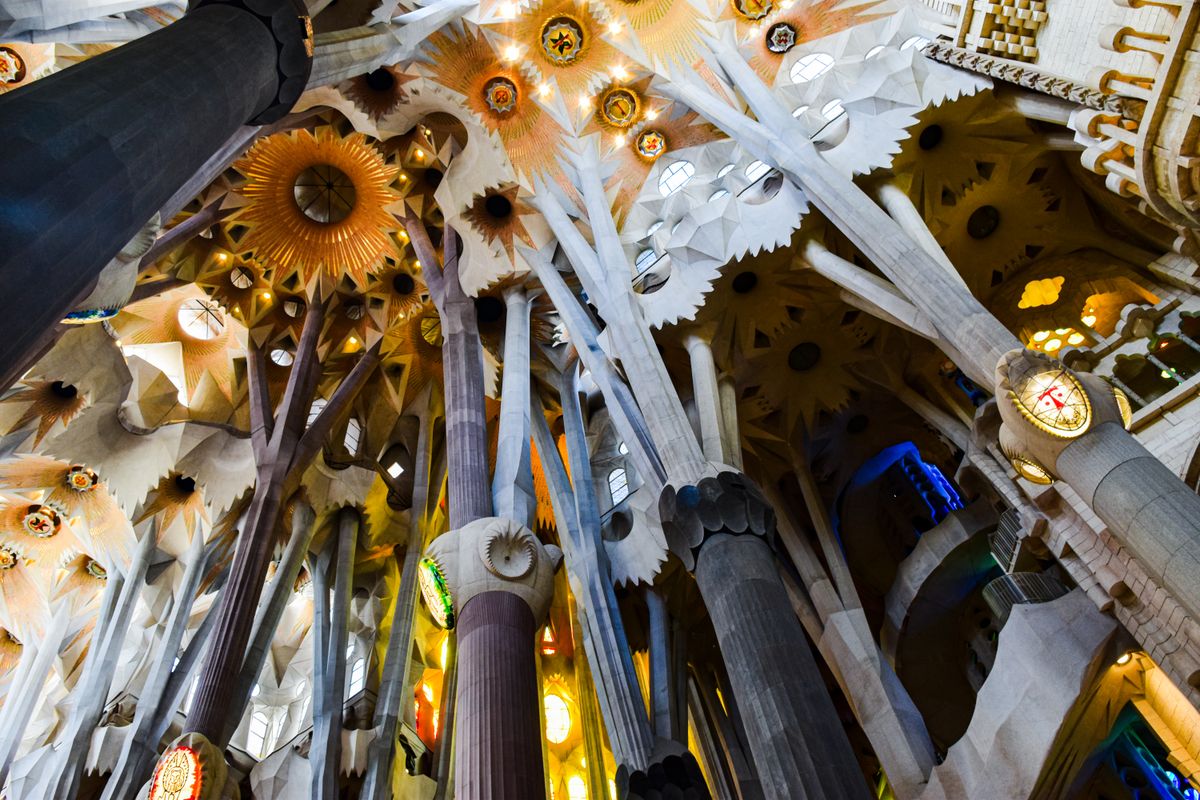
The specific quality that photographs of the Sagrada Família fail to capture is the interior at any time of day when the stained glass is illuminated. In the morning, cool blue-green light from the eastern windows fills the interior, making the stone columns appear underwater. In the afternoon, warm western light turns the entire interior amber and gold — a continuous transformation Gaudí designed across 140 years of construction.
The scale is also radically underrepresented: the nave is 45 meters high, and the branching columns that support it are more tree-like at full scale than any photograph suggests — the body needs the same physical adjustment entering the nave as entering a primary forest.
Visit strategy: Pre-book at sagradafamilia.org (essential). Choose morning for cool blue-green light, afternoon for warm amber light.
9. The Dead Sea — Floating as Cognitive Dissonance
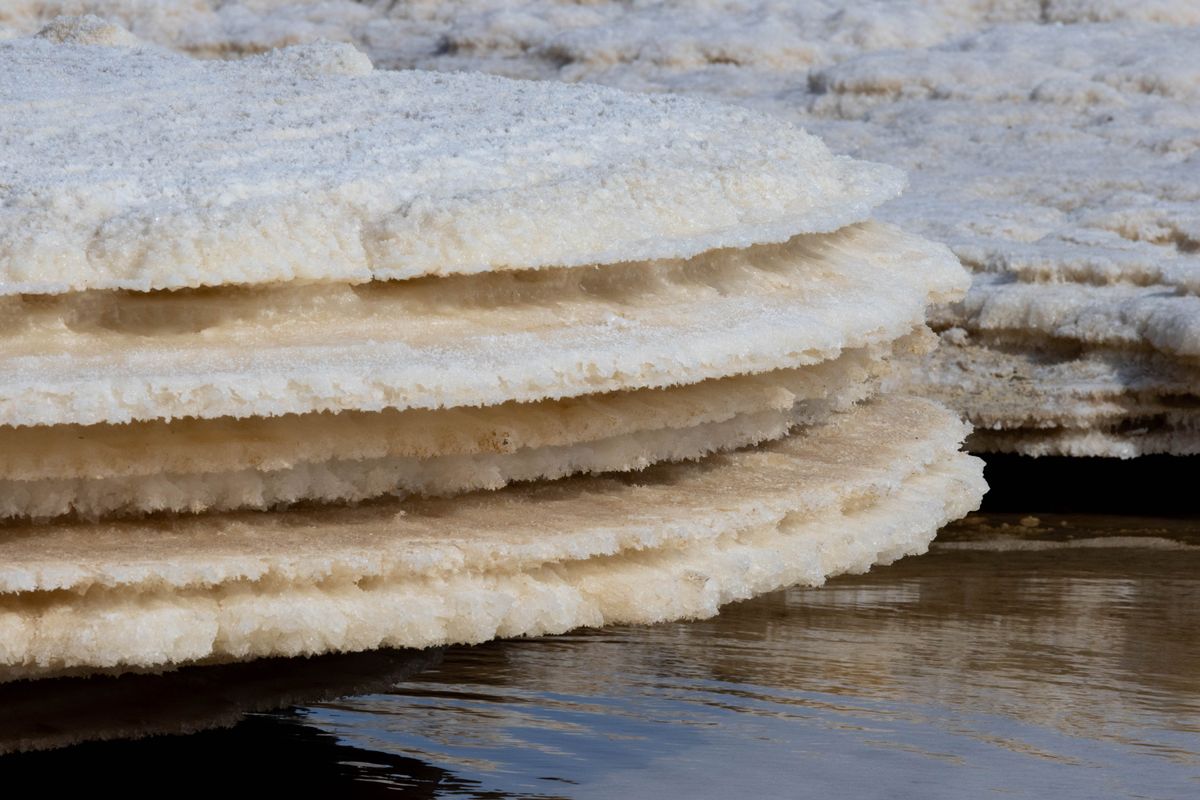
The human body does not float in fresh water. It sinks. This expectation is so deeply embedded that it never rises to conscious thought — and the Dead Sea violates it completely and instantly. You walk in expecting to sink. You cannot. The salinity — ten times that of the ocean — gives the water a buoyancy that makes vertical immersion impossible, holding you up with a physical insistence that feels like being held by something, not floating in something.
This full-body cognitive dissonance — a substance that looks like water and feels like water but behaves nothing like water — cannot be conveyed by a photograph of someone floating while reading a newspaper. The Dead Sea delivers the cause directly, the moment your body enters the water.
Visit strategy: The Ein Bokek beach resort area (Israel) provides the best facilities. Avoid cuts and fresh shaving; bring fresh water for rinsing eyes.
10. The Alhambra, Granada — The Architecture of Water and Light
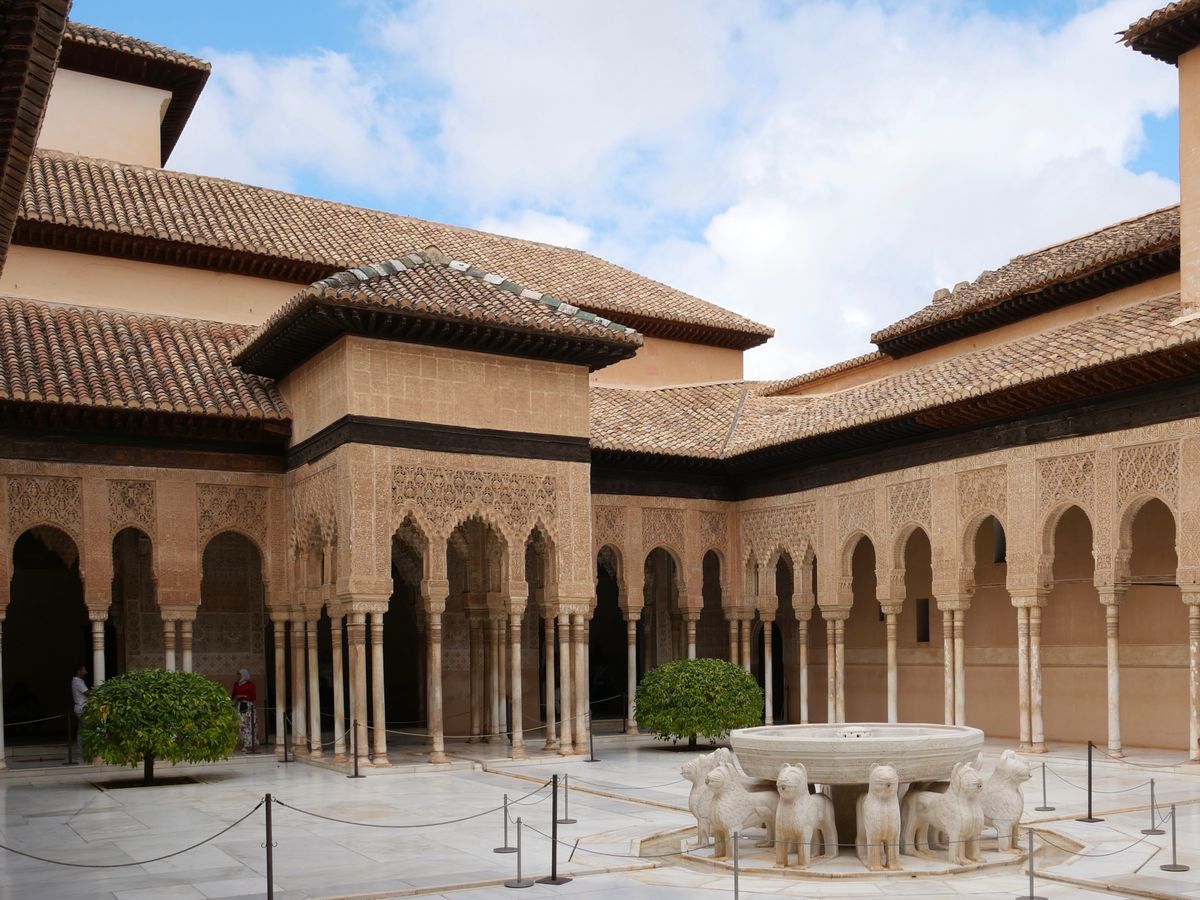
The specific quality photographs of the Alhambra systematically fail to communicate is the role of water. The Nasrid palace complex is organized around water channels and pools that are not decorative additions but structural components of the spatial experience — reflecting architecture, doubling visual complexity, and creating a constant, gentle sound that underlies every other sensory experience in the complex.
The sound of the Lion Fountain in the Court of the Lions, heard from the courtyard's center, is as much a part of the architectural experience as the stucco or the columns — and no photograph has yet found a way to include it.
Visit strategy: Book at alhambra-patronato.es (mandatory, sells out weeks ahead). Morning light suits the Generalife Gardens; afternoon suits the Nasrid Palace courtyards.
11. Wadi Rum at Night — The Universe at Its Most Visible
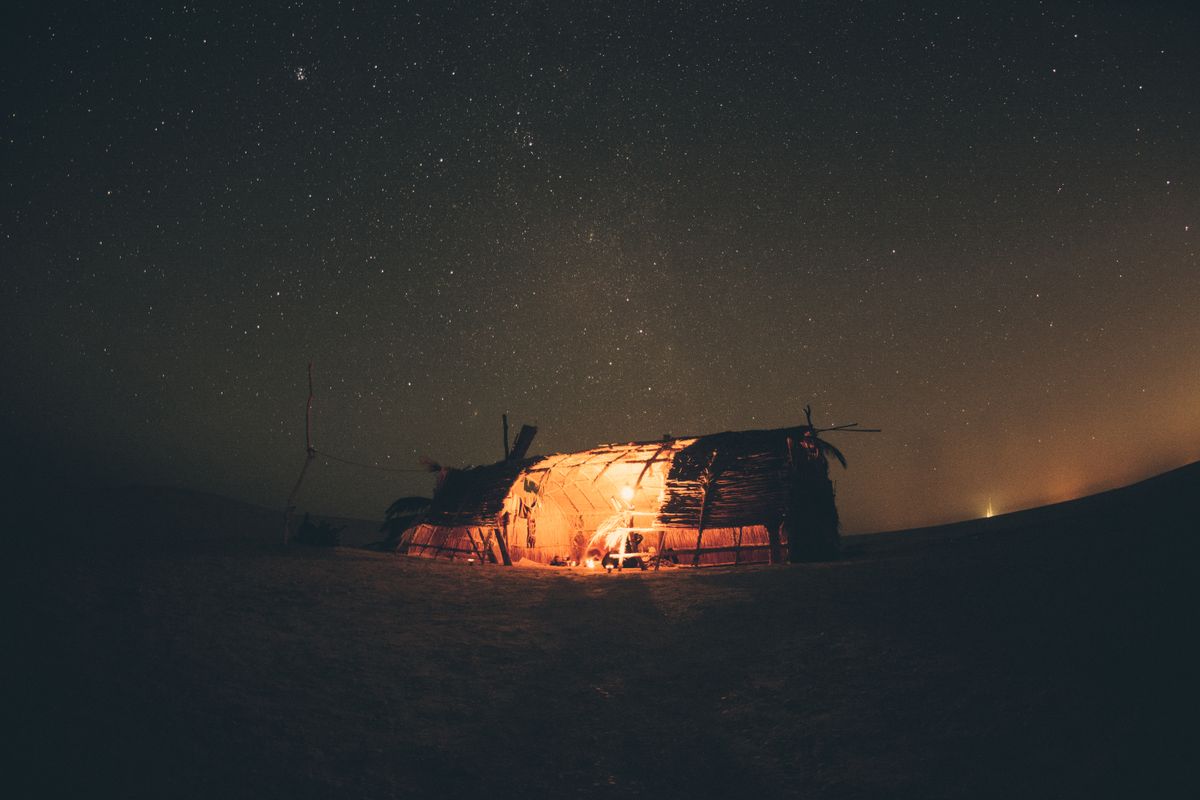
The Milky Way above Wadi Rum on a clear, moonless night is visible to the naked eye as a physical structure — a band of light with visible texture and depth, its core brighter than its edges, its stars individually distinguishable across its full width. This is the Milky Way as the entire pre-industrial world saw it every clear night, present and textured as a mountain range.
The astronomical long-exposure photographs of the Milky Way above Wadi Rum are extraordinary — and, in an important sense, false: the vivid purple and blue colors in these photographs are invisible to the naked eye, detectable only through long camera exposures. What the eye sees instead is the sky as a spatial experience — the stars appearing to recede into a distance genuinely and physically felt, a sensation of vertigo that is one of the most profound and completely unphotographable experiences in world travel.
Visit strategy: Book a Bedouin desert camp overnight — arriving by day and leaving by sunset misses the reason to be there. Bring warm clothes; desert temperatures drop dramatically after sunset.
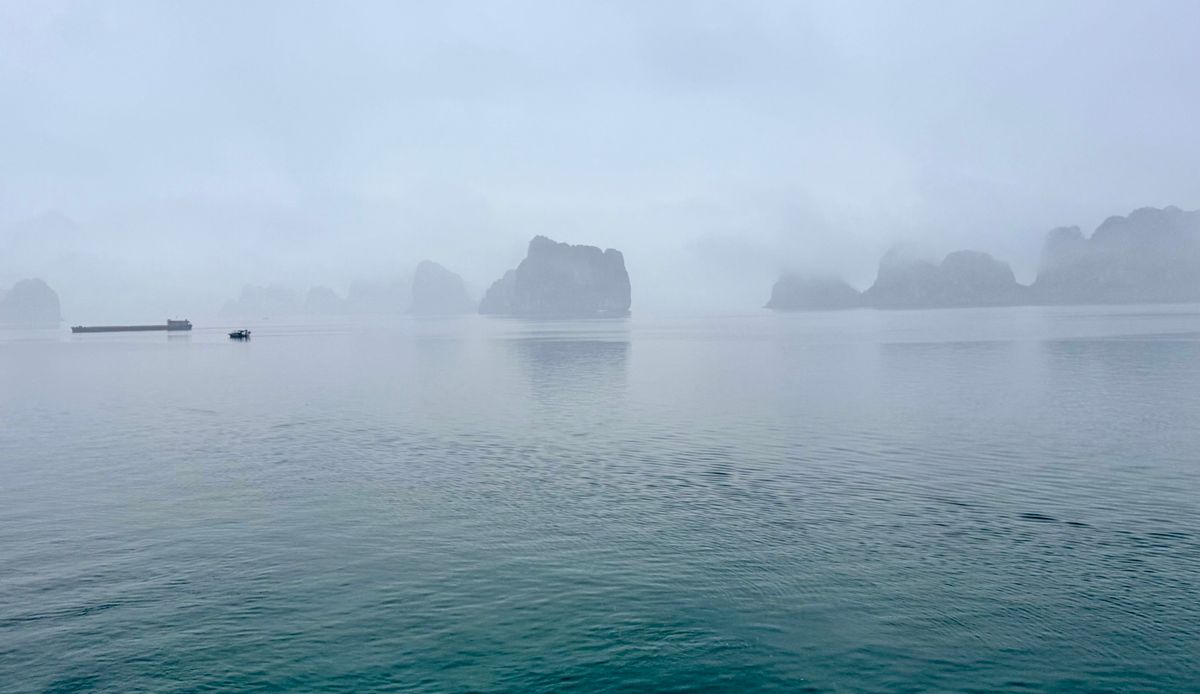
12. Ha Long Bay, Vietnam — The Mist Between the Karst Islands
The atmospheric quality that makes arriving in Ha Long Bay produce a response disproportionate to the photographs is the mist. In the early morning, especially November to March, the limestone islands appear and disappear in shifting fog, their reflections broken and reformed in grey-green water — a landscape of impermanence rather than the fixed, dramatic seascape the clear-day photographs show.
The scale is also underrepresented: 1,600 islands spread over 1,500 square kilometers, an area larger than Hong Kong, gives no sense from a framed photograph of what it means to sail through it for hours and still be surrounded by limestone towers.
Visit strategy: Take a two or three-night cruise rather than a day trip — the overnight dawn mist is unavailable to day visitors. Choose a smaller boat (maximum 20 passengers).
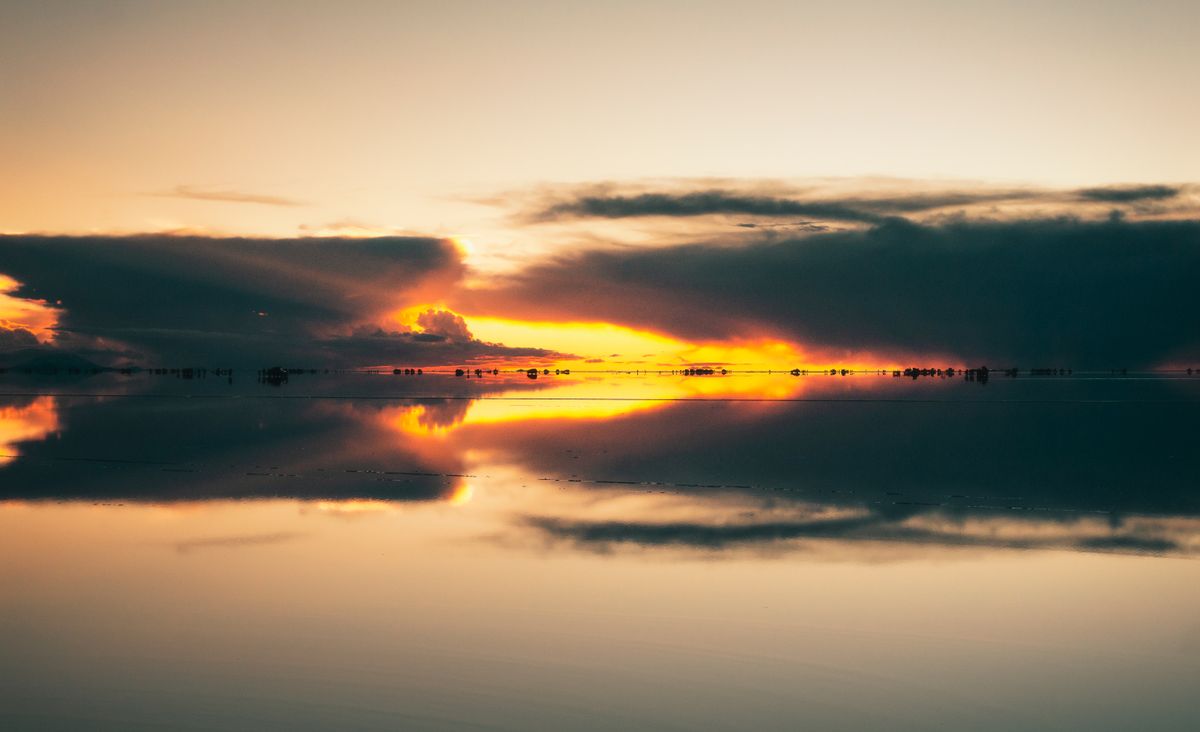
13. Salar de Uyuni, Bolivia — The Mirror at the End of the World
Standing on the Salar de Uyuni in the wet season, when a thin layer of water covers the salt surface, is an experience of genuine spatial disorientation the human nervous system struggles to process. The horizon disappears entirely. There is no up and no down except the sun above and its reflection below, no near and no far except other people whose distance is impossible to estimate.
The photographs of this mirror effect are taken with ultra-wide lenses that exaggerate the distortion. The experience is more subtle and more profound — a gradual disorientation that settles as you walk further from shore and the reference points dissolve one by one.
Visit strategy: Visit December to April for the mirror effect. Dawn provides the richest colors and longest shadows. Bring warm clothes for the high elevation.
14. The Norwegian Fjords — The Scale of Geological Violence
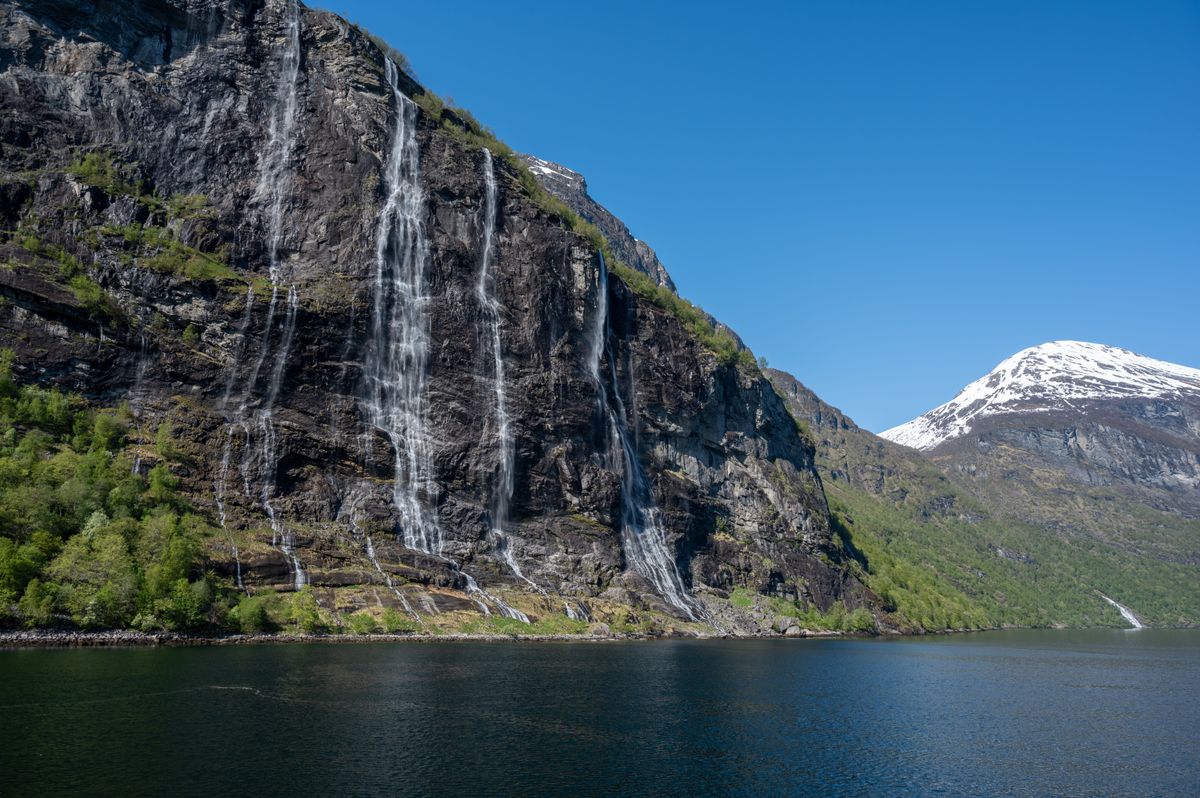
Most fjord photographs are taken from elevated positions — cruise ship decks or drone altitude — that comprehend the entire scene from outside it. Being in a small boat at the base of a Nærøyfjord cliff face provides a completely different spatial experience: the cliff above is too large and too vertical to see from base to summit without tilting your head back to an angle that makes the summit appear directly overhead.
The sound of a major Norwegian waterfall heard from a small boat immediately below it is another quality photography cannot address — a vibration in the air as much as a sound, communicating the energy of the falling water as a force rather than a visual fact.
Visit strategy: Kayaking or a small RIB boat tour provides the closest access. The Nærøyfjord (from Flåm) is the most dramatically narrow of the major fjords.
Why Some Places Defeat Photography — And What To Do About It
Scale is the most common failure. Photography compresses the relationship between objects that are far apart into a single plane, eliminating the physical sensation of depth that give large-scale landscapes their impact. Arriving with the intention of allowing your body — not just your eyes — to register the scale is the primary act of engagement each place rewards.
Time is the second major failure. Antelope Canyon's light, the Alhambra's water sound, the aurora's motion — all are temporal phenomena defined by change and duration rather than static composition. Staying longer than the photograph requires is what converts the photographic subject into the actual experience.
The non-visual senses are the third and most complete failure. No photograph has ever conveyed the smell of the Amazon or the sound of the Alhambra's fountains. Approaching a destination with awareness of its non-visual qualities is the most effective preparation for arriving as a full sensory encounter rather than a visual confirmation.
Put the camera away first. Take the photograph after. The world looks better in real life. These are the places where the difference is most worth traveling to discover.