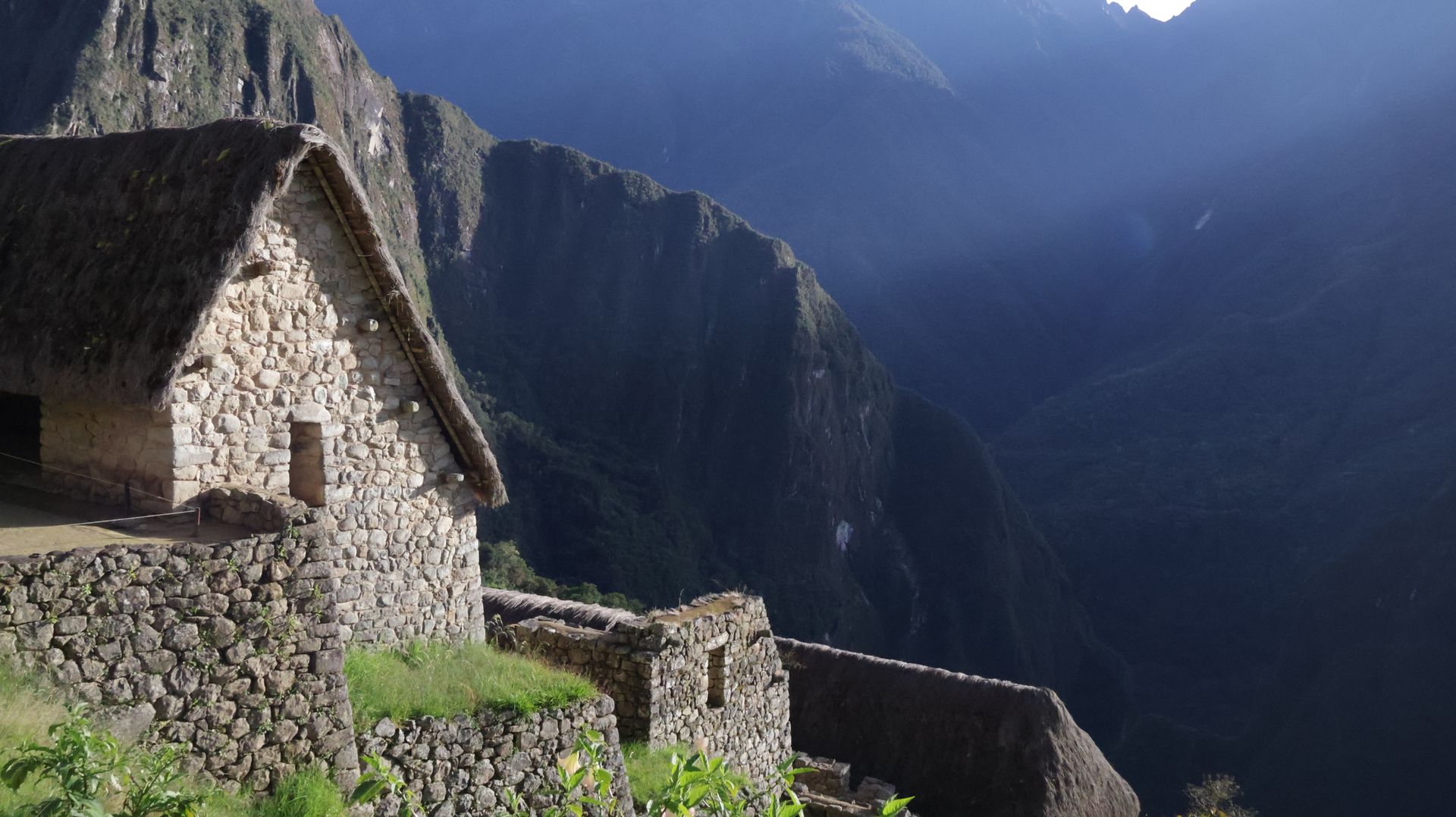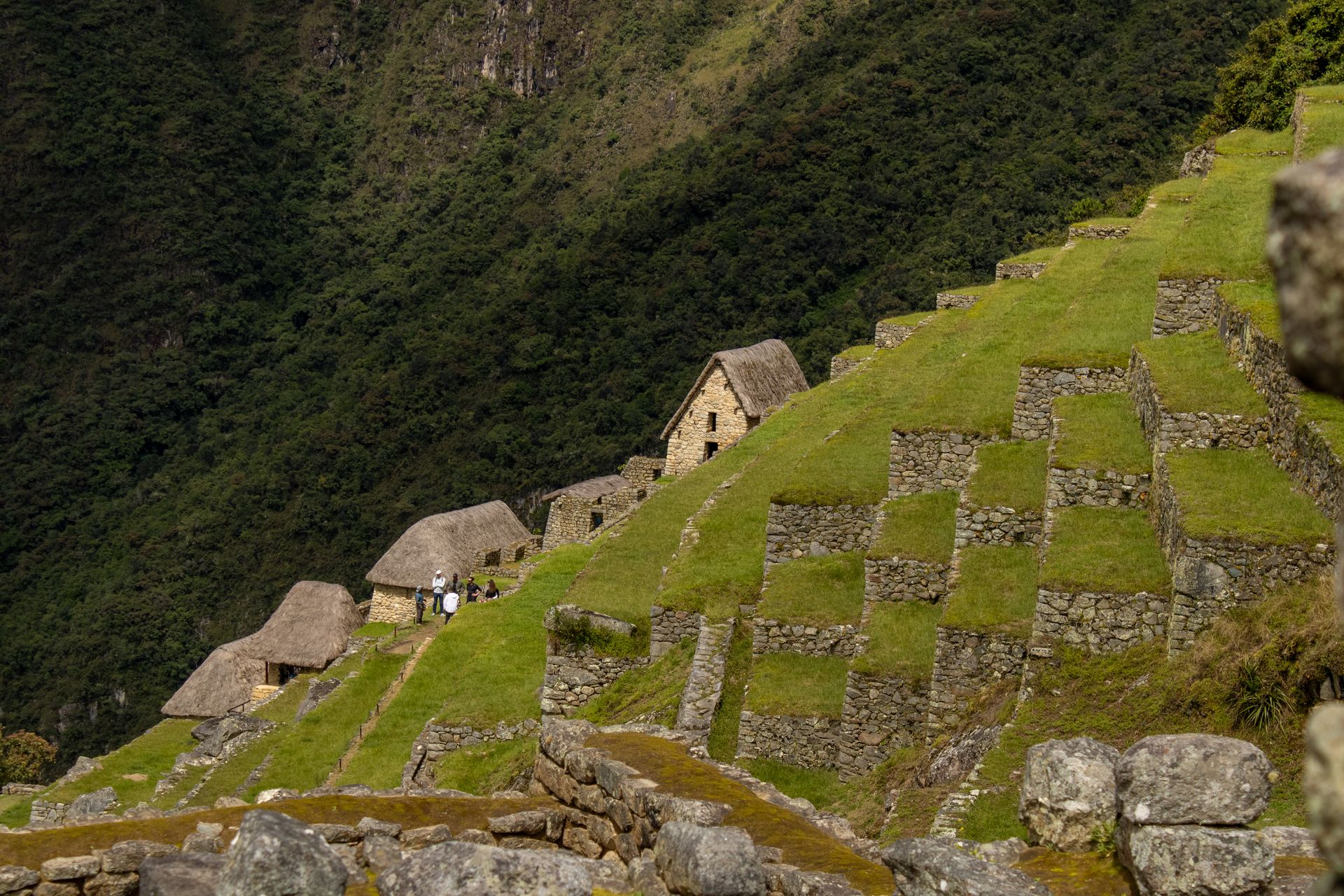
Peru's Ministry of Culture limits Classic Trail entry to 500 people per day — guides, porters, and cooks included — meaning only about 200 trekkers walk it at any time. That cap is the trail's greatest logistical challenge, since permits for peak months sell out 6–10 months ahead, but it's also the reason the ancient path is walked in relative solitude rather than in the queues its fame might otherwise produce.
The arrival through the Sun Gate, after four days of walking the same stones Inca pilgrims walked for centuries, answers a question beyond history. It answers what it means to reach something slowly, through effort.
Permits: The Critical Logistics
Permits are sold exclusively through licensed Peruvian operators — no independent unguided hiking is possible, and permits are non-transferable and matched to passport numbers. For June–September departures, book through your operator in October–November of the preceding year; shoulder season (April–May, October–November) needs only 4–6 months' notice. The trail closes entirely every February for maintenance.
Choosing an Operator
The operator determines guide quality, porter treatment, and camp food — dimensions the cheapest permit-inclusive packages routinely sacrifice. Peru's porter protection law caps loads at 25kg and mandates minimum wages and equipment, but enforcement is inconsistent; ask specifically about porter wages and load limits before booking. Alpaca Expeditions, Apus Peru, and Enigma Travel are consistently praised for guide quality and porter welfare.
The Four Days
Day 1 is a gentle valley walk past the ruins at Llactapata. Day 2 is the trail's defining challenge: a 1,200-meter ascent to Warmihuañusca (Dead Woman's Pass, 4,215m), the highest point of the Classic Trail. Day 3, the longest at 16km, passes the cliff-perched ceremonial site of Sayacmarca and the cloud-forest monastery-like ruins of Phuyupatamarca, followed by over 1,000 steep descending steps to Wiñay Wayna. Day 4 is a predawn 5km walk to the Sun Gate, arriving at first light with Machu Picchu visible below in its full extent for the first time.
Fitness and Altitude
Begin training 3–4 months out: cardiovascular base-building, dedicated stair-climbing sessions for the Inca stone steps' 40–60cm risers, and downhill training specifically for Day 3's knee-demanding descent. Spend a minimum of 2 days in Cusco (3,400m) before starting — the single most important altitude preparation available. Acute Mountain Sickness affects 25–40% of trekkers; never ascend with symptoms, and consider acetazolamide (Diamox) starting 24 hours before ascent, with a doctor's guidance.
Alternatives If Permits Sell Out
The Salkantay Trek (5 days, no permit required, crosses a 4,600m pass beside the Salkantay glacier) is the most popular alternative and arguably more scenically dramatic. The Lares Trek adds genuine cultural immersion through Quechua weaving communities; the Inca Jungle Trail combines mountain biking, zip-lining, and rafting with shorter hiking sections.
What to Pack
Porters carry the group's camping gear, so your day pack is your own responsibility — target 6-8kg maximum. Broken-in waterproof boots with ankle support matter most; new boots create blisters on Day 1 that make Day 2 miserable. Trekking poles earn their weight on Day 3's steep descent, a sleeping bag rated to -5°C or below covers the cold high-altitude campsites, and genuine waterproofs (not just water-resistant) handle the cloud forest's unpredictable rain. Layer for temperature swings between warm valley sections and cold, windy passes, and pack a headlamp for the predawn starts on Days 2 and 4.
Arriving at Machu Picchu
Machu Picchu itself operates on a timed-entry system capped at 4,500 visitors daily across morning and afternoon slots — book the slot that matches your Sun Gate arrival alongside the trail permit. Circuit 2, the most complete site tour, is the strongly recommended route for Inca Trail arrivals, since four days of guide interpretation reaches its payoff in the fullest walk through the citadel. Climbing Huayna Picchu, the dramatic peak behind the classic photograph, requires a separate permit limited to 400 people daily and sells out nearly as fast as the trail itself — book 3-4 months ahead. Machu Picchu Mountain, the opposite and less-crowded viewpoint, offers broader panoramic views with more available permits.
Final Thoughts
The best things in travel, like the best things in life, are earned. Pack the poles, book the permit, train the hills — the Sun Gate will be waiting.