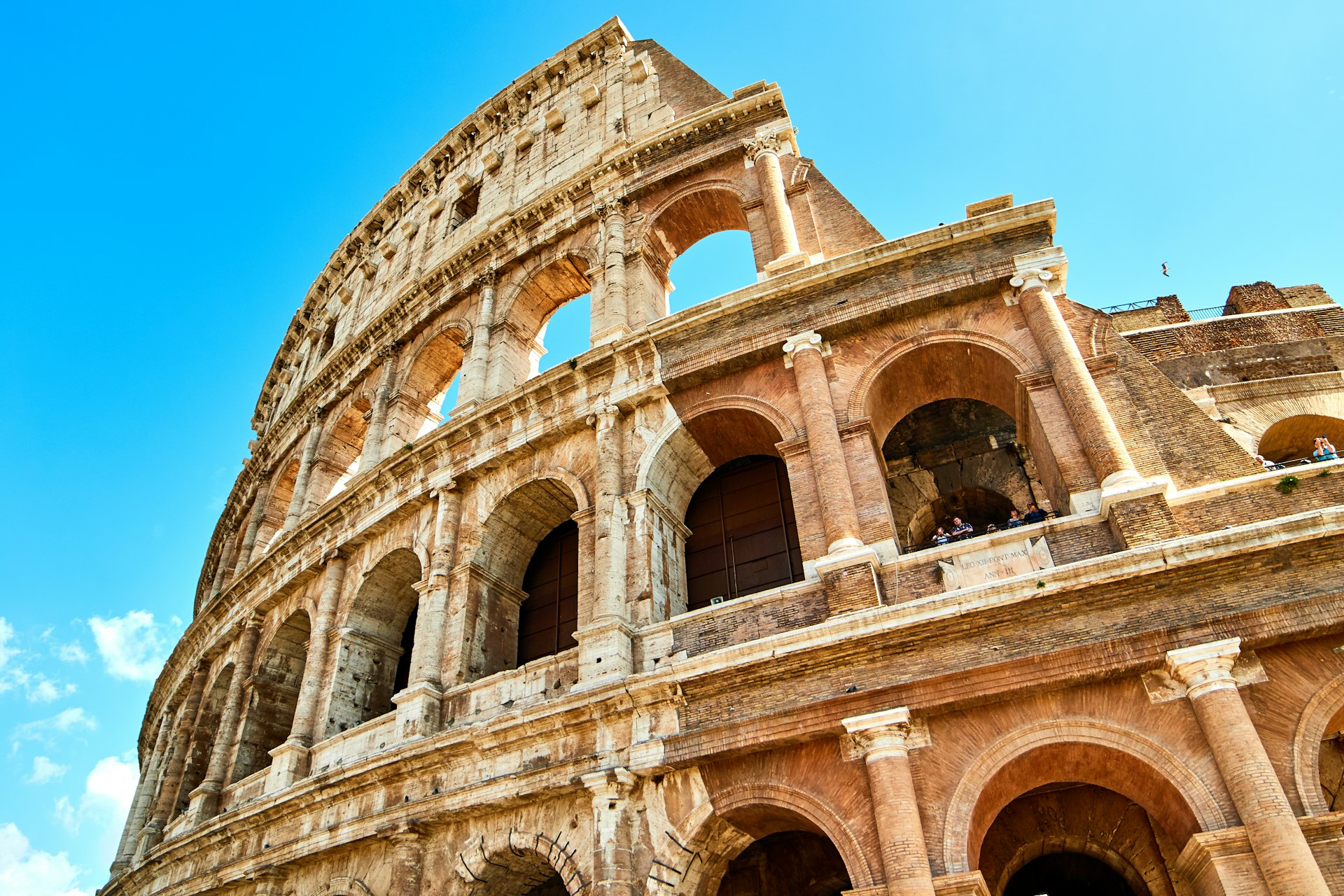
Italy has a city problem — or rather, Italian tourism has a city problem. Every year, tens of millions of visitors funnel themselves through Rome, Florence, Venice, and Milan, experiencing a version of Italy that, for all its genuine magnificence, represents only the most obvious and most crowded layer of what is arguably the most beautiful and most culturally varied country in Europe.
Italy's villages are not a consolation prize for travelers who cannot get tickets to the Colosseum. They are the destination.
The Italy that Italians are most proud of
The Italy that most visitors never reach — the Italy of the hilltop villages, the medieval borghi, the clifftop fishing communities — is in many respects the more extraordinary one. It is the Italy that the I Borghi più belli d'Italia association was created to celebrate and protect, and that rewards the traveler willing to rent a car, leave the autostrada, and follow a provincial road into the hills.
This guide covers the most beautiful villages in Italy — a carefully curated selection across the country's diverse regions, each chosen for architectural beauty, historical significance, extraordinary natural setting, outstanding food and wine culture, and that indefinable quality of atmosphere that makes certain communities feel like the distilled essence of everything that makes the country extraordinary.
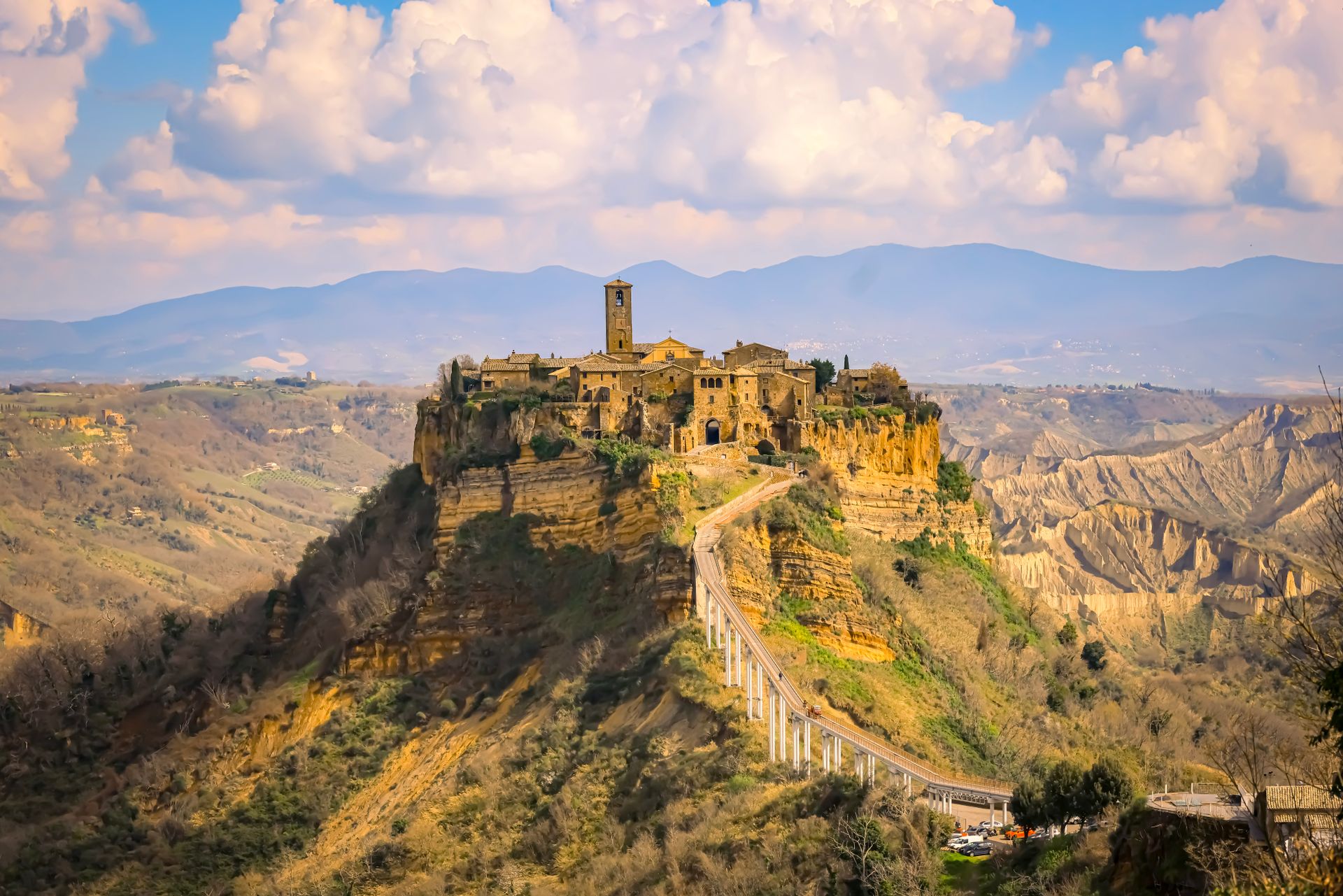
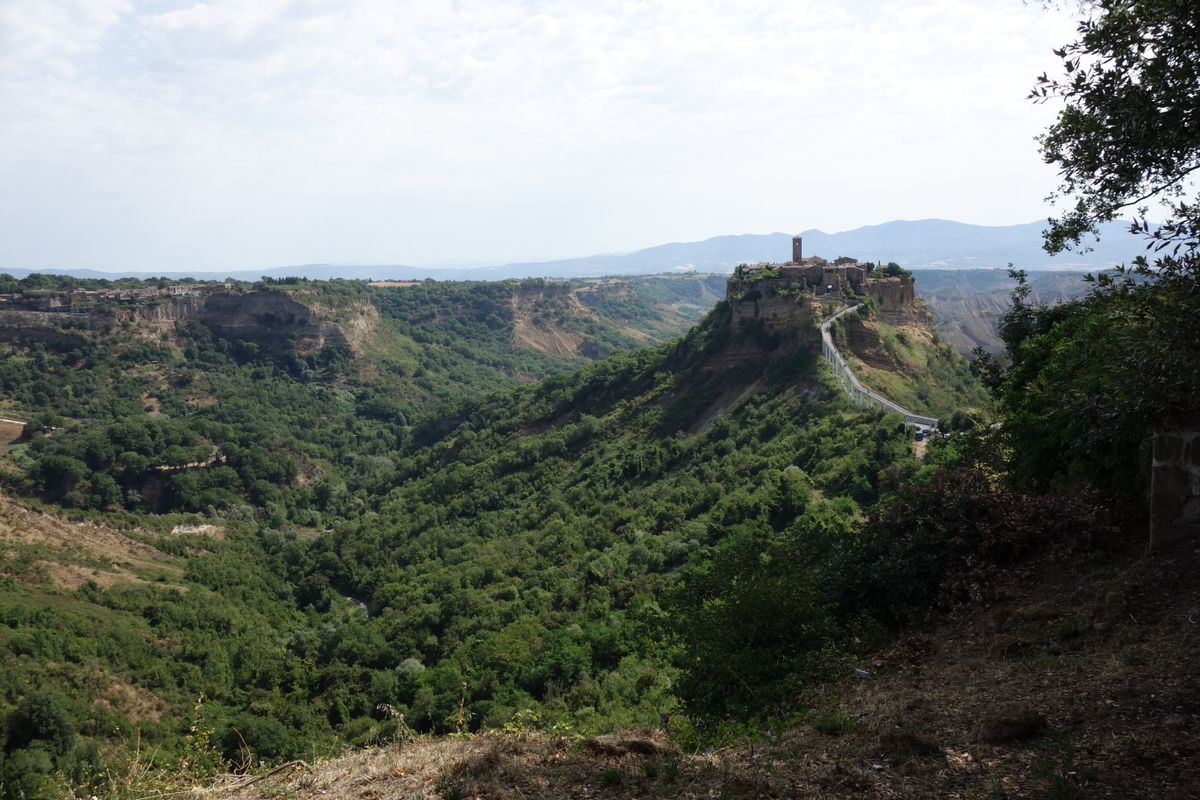
1. Civita di Bagnoregio, Lazio — The Dying City
Civita di Bagnoregio is the most dramatically situated village in Italy — a medieval town perched on an isolated tufa rock butte above the Valle dei Calanchi, connected to modern Bagnoregio by a single pedestrian footbridge and slowly, inexorably eroding into the valley below. Its nickname — La città che muore, the dying city — reflects the geological reality that the tufa rock is crumbling away, taking buildings and streets with it, and that the permanent population has dwindled to single figures.
The view of Civita from the footbridge, particularly in the early morning mist or at golden hour when the tufa glows amber, is one of the most photographed and most justifiably celebrated in Italy.
Getting there: Drive from Rome (approximately 2 hours) via Viterbo, or from Orvieto (30 minutes). No public transport — a car is essential.
Don't miss: The view from the footbridge at dawn, the Piazza San Donato, the tufa cave cellars beneath the village.
Best time to visit: April to June and September to October, arriving before 9 AM on weekdays.
2. Positano, Campania — The Vertical Village
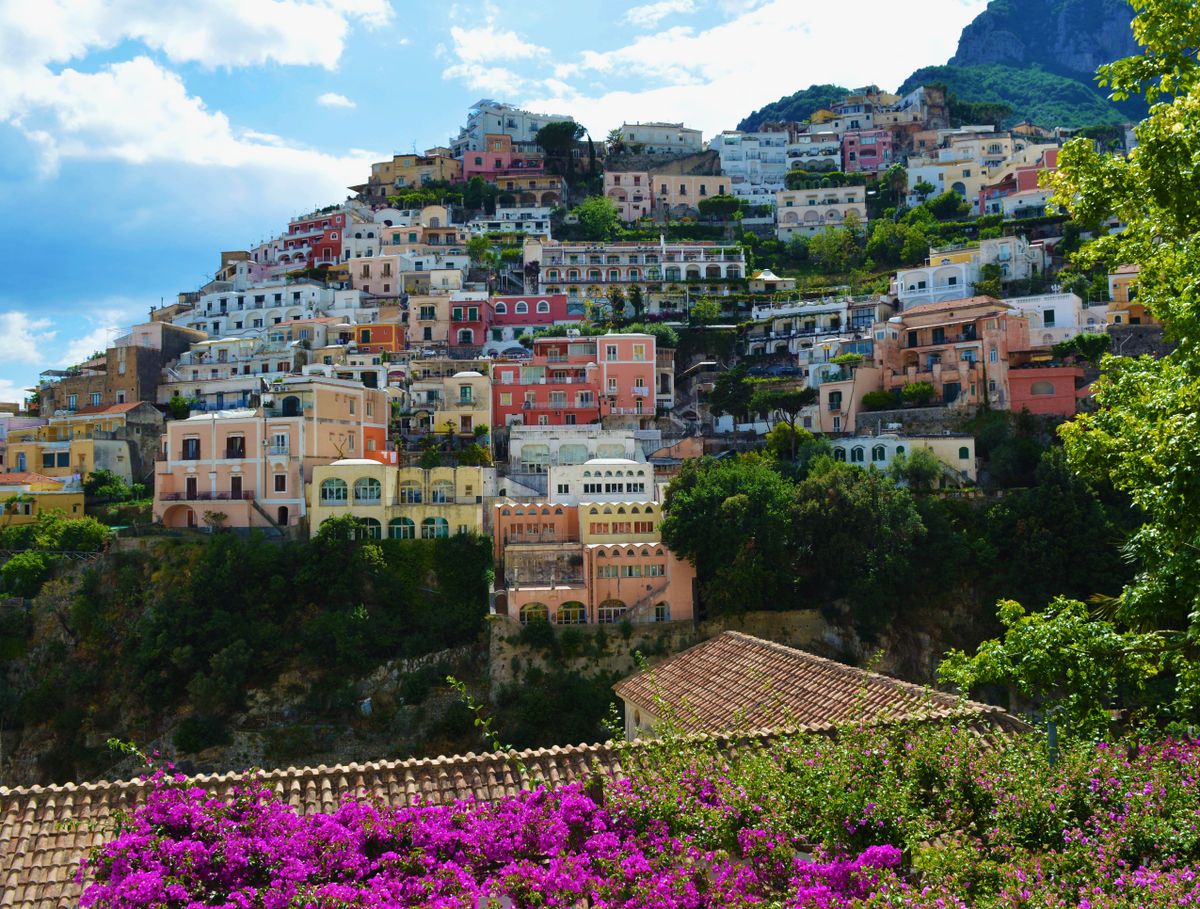
Positano is the most iconic village on the Amalfi Coast — a cascade of pastel-painted houses, bougainvillea-draped terraces, and narrow stairway streets tumbling precipitously from the clifftop road to the small beach and harbor below. John Steinbeck wrote in 1953 that it was a dream place that isn't quite real when you are there and becomes beckoningly real after you have gone; seven decades later, the observation remains accurate.
The village is small enough to explore entirely on foot — the only option, given that its streets are vertical staircases rather than roads. The Church of Santa Maria Assunta houses an extraordinary 13th-century Byzantine icon beneath its majolica-tiled dome.
Getting there: By car along the SS163 (parking extremely limited), by ferry from Naples or Amalfi, or by SITA bus from Sorrento (45 minutes).
Don't miss: The view from the clifftop road at dawn, Fornillo beach in late afternoon, linguine alle vongole at a harbor restaurant.
Best time to visit: May to June and September to October.
3. Alberobello, Puglia — The Trullo Village
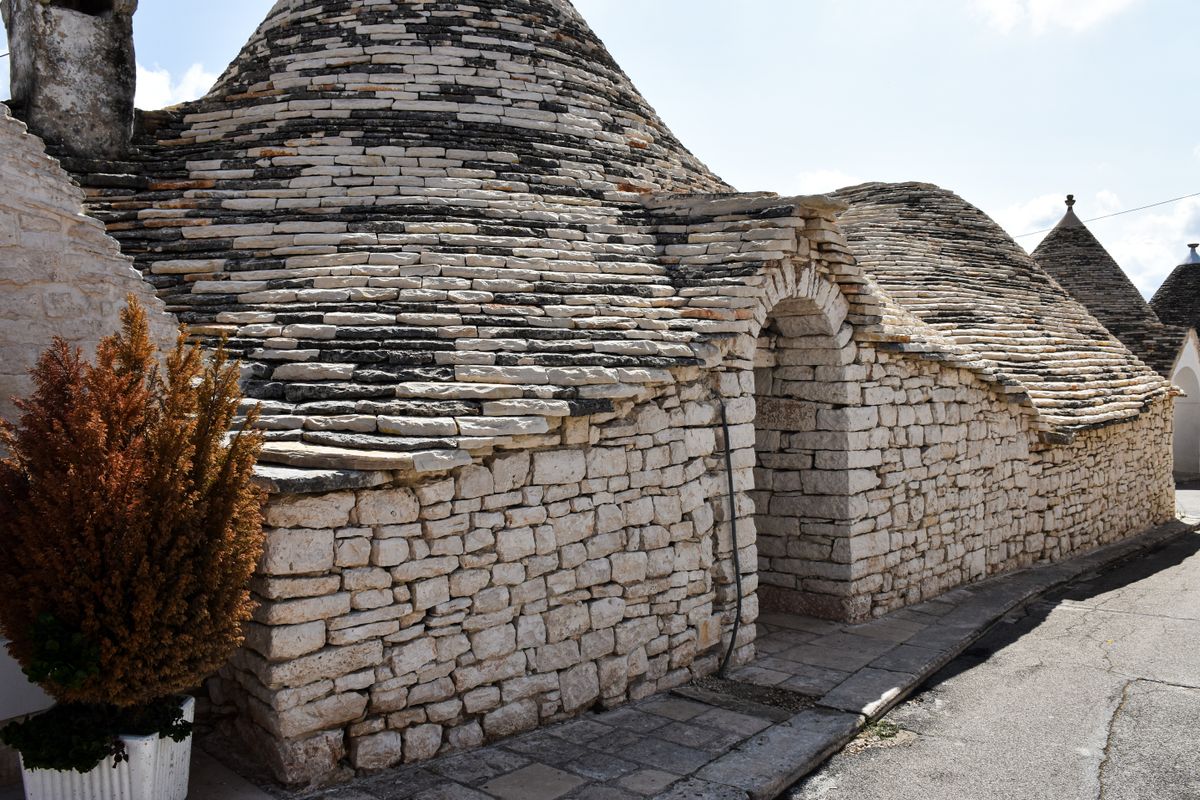
Alberobello is unique in Italy and architecturally unique in the world — a village whose historic center is composed almost entirely of trulli, the extraordinary conical-roofed stone buildings evolved from prehistoric dry-stone construction. The Rione Monti neighborhood, with over 1,000 trulli on a single hillside, is a UNESCO World Heritage Site.
The trulli are built from local limestone without mortar — each cone corbeled inward to a central pinnacle — their whitewashed walls and grey conical roofs producing a visual effect simultaneously ancient and otherworldly.
Getting there: Train from Bari (1.5 hours) or Taranto, or by car along the scenic Valle d'Itria country roads.
Don't miss: Rione Monti at dawn, the Trullo Sovrano interior, the drive through the Valle d'Itria to Locorotondo and Cisternino.
Best time to visit: April to June and September to October.
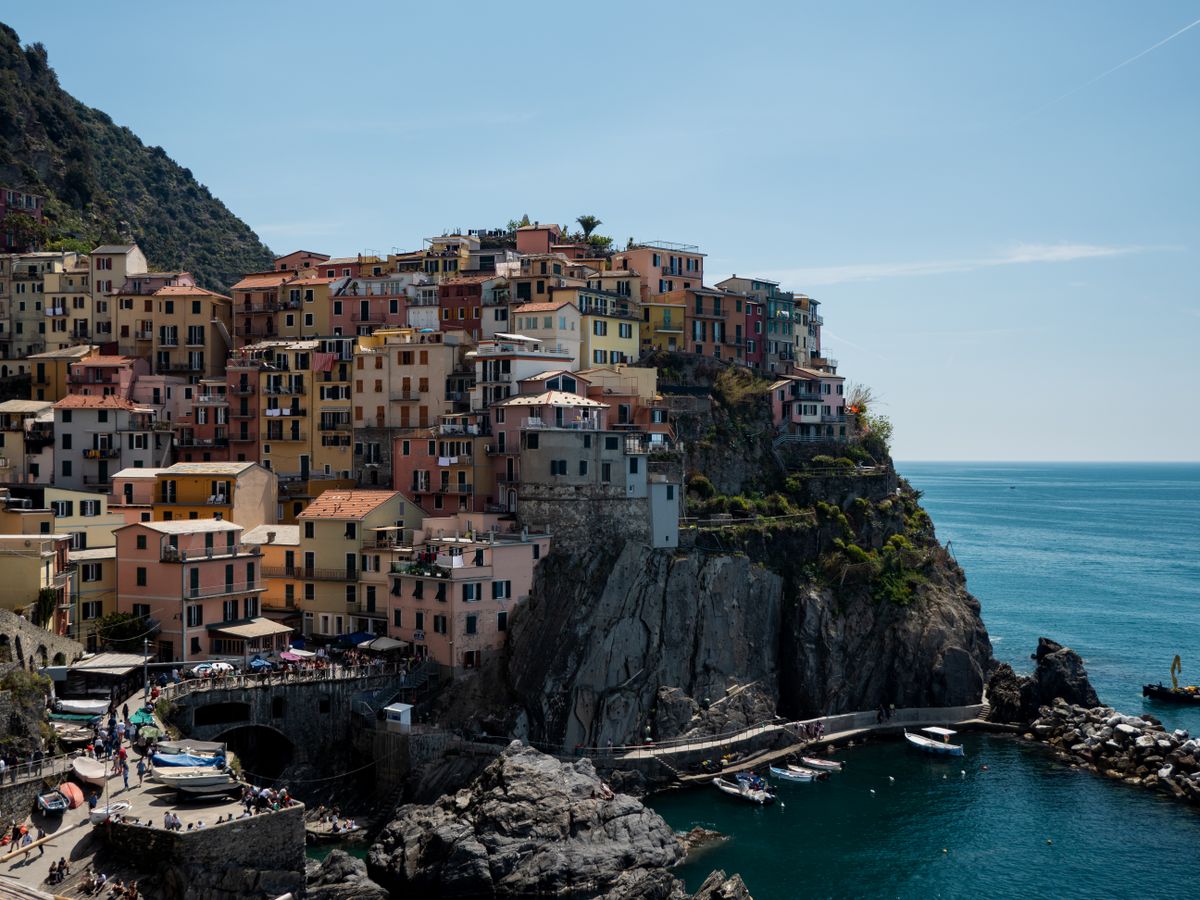
4. Manarola, Liguria — The Cinque Terre's Most Beautiful Village
Of the five Cinque Terre villages, Manarola is widely considered the most beautiful — its tower of multicolored houses rising above a rocky harbor, reflected in clear water below, is one of the most iconic images in Italian travel photography. The Via dell'Amore connecting Manarola with Riomaggiore is one of the most romantic short coastal walks in Italy.
The Cinque Terre's local wine culture — Sciacchetrà, an extraordinary sweet wine made from partially dried grapes grown on impossibly steep terraced vineyards — is one of the most labor-intensive and characterful wine traditions in Italy.
Getting there: Train from La Spezia (10 minutes) or Genoa (1.5 hours) — by far the most convenient option.
Don't miss: The harbor view at sunset, the Via dell'Amore, Sciacchetrà wine at a local enoteca.
Best time to visit: May and September to October.
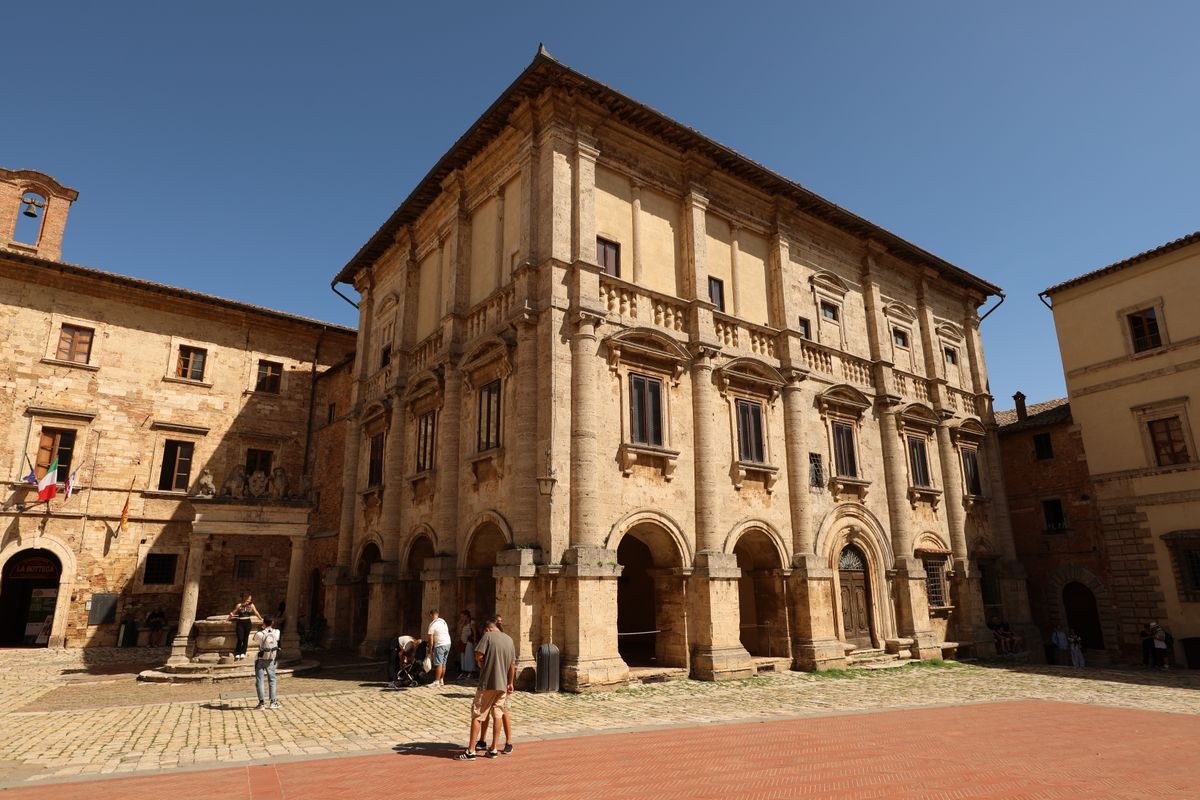
5. Montepulciano, Tuscany — The Noble Wine Town
Montepulciano is the most architecturally distinguished of the Tuscan hill towns — its perfectly preserved Renaissance street plan rising from the Val di Chiana below in a sequence of palaces, churches, towers, and piazzas. It produces, in the Vino Nobile di Montepulciano, one of the greatest red wines in Italy, aged a minimum of two years in oak from the local Prugnolo Gentile clone of Sangiovese.
The Tempio di San Biagio, a domed Renaissance church by Antonio da Sangallo the Elder standing alone in the fields below the town, is considered one of the finest Renaissance buildings in Tuscany.
Getting there: By car from Siena (1 hour) or Florence (1.5 hours).
Don't miss: The Piazza Grande, wine tasting in a Palazzo Contucci cellar, the Tempio di San Biagio at sunset, pici al ragù di cinghiale.
Best time to visit: April to June and September to October.
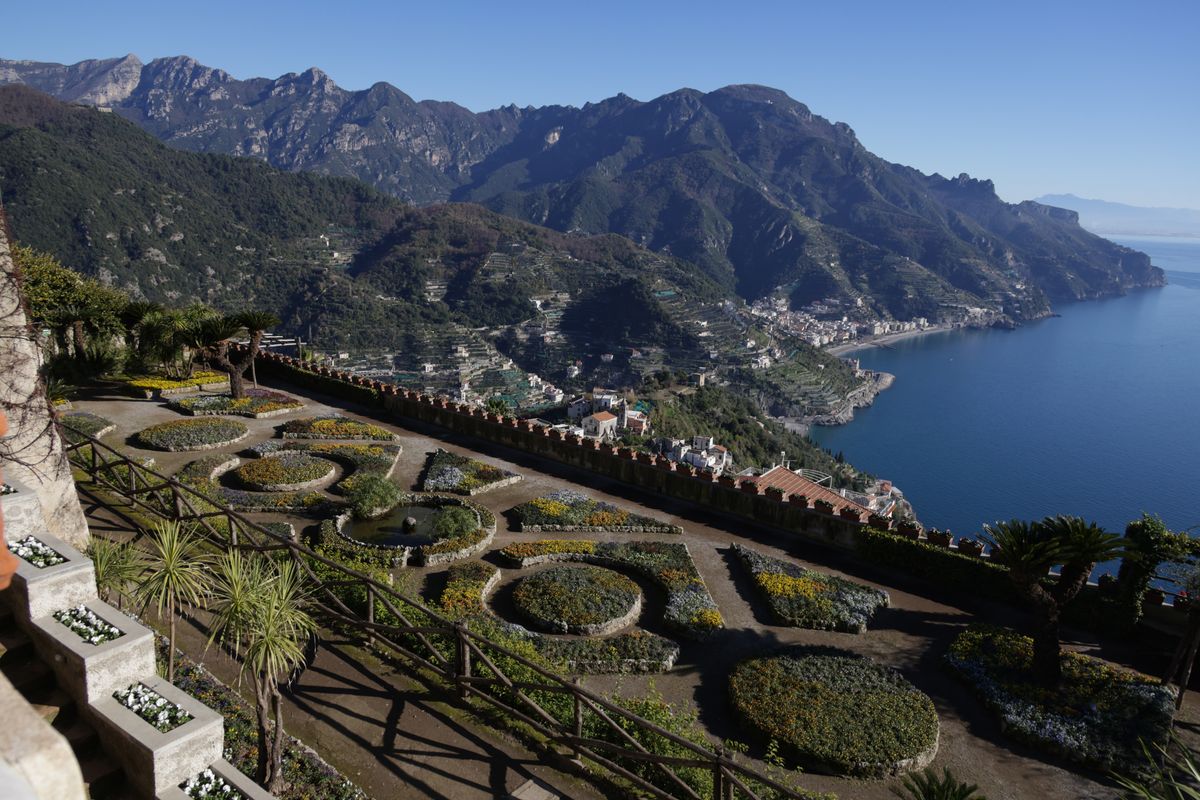
6. Ravello, Campania — The City of Music Above the Amalfi Coast
Ravello is a mountain village 350 meters above the sea, with views extending 40 km in both directions — the preferred retreat of Wagner, D.H. Lawrence, Virginia Woolf, and Gore Vidal, who lived here for decades. The Villa Cimbrone's Terrace of Infinity, a clifftop belvedere lined with classical busts open to a direct view down to the sea, has been called the most beautiful viewpoint in Italy.
The Villa Rufolo's gardens inspired Wagner to set the Flower Garden scene of Parsifal here, and now provide the spectacular outdoor setting for the annual Ravello Festival.
Getting there: By bus from Amalfi (25 minutes) or by car via the SS163.
Don't miss: The Terrace of Infinity, the Villa Rufolo gardens, the Cathedral pulpit mosaics, a long dinner with Amalfi Coast views.
Best time to visit: April to June and September to October. The Ravello Festival runs July to August.
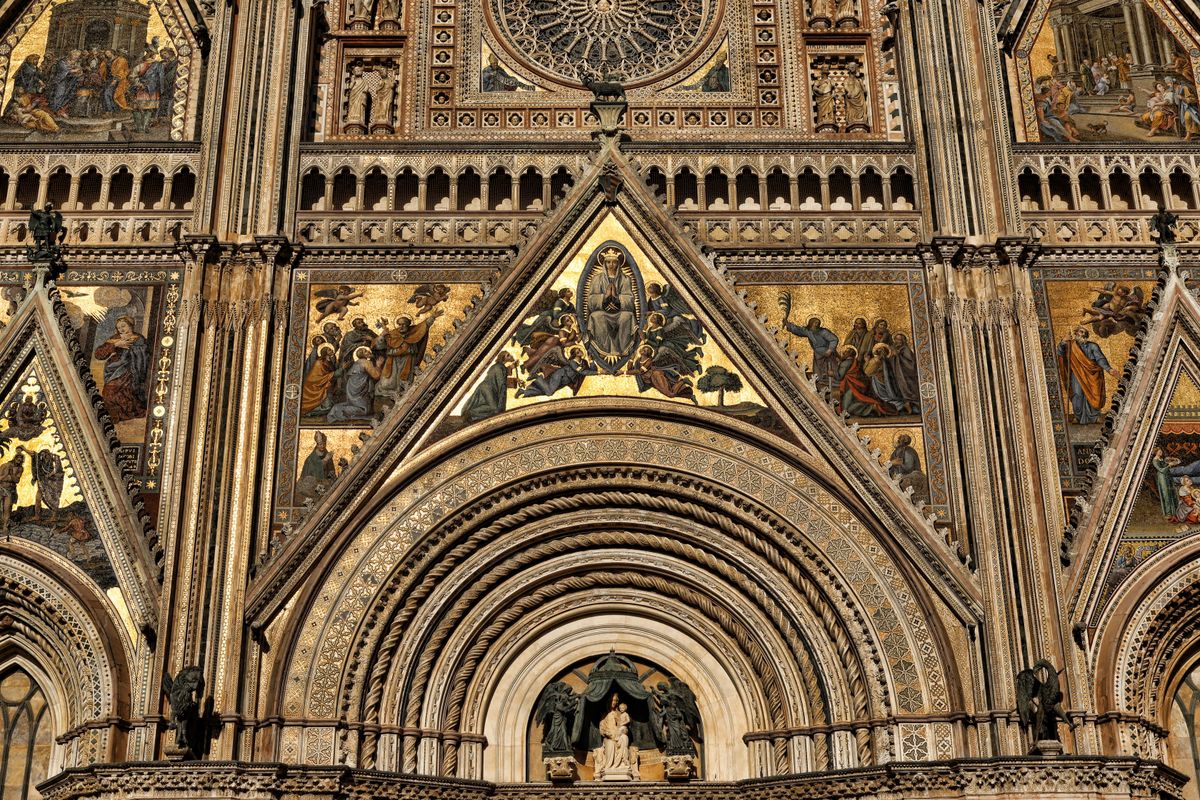
7. Orvieto, Umbria — The Masterpiece on the Rock
Orvieto occupies one of the most extraordinary sites of any city in Italy — a flat-topped butte of volcanic tufa rising 325 meters above the Paglia River valley, connected to the modern city below by a funicular operating since 1888. The Duomo di Orvieto, whose facade took 300 years to complete, is one of the finest Gothic cathedrals in the country.
The Cappella di San Brizio within the cathedral, with its Last Judgment fresco cycle by Luca Signorelli (completed 1502), was the primary inspiration for Michelangelo's Sistine Chapel ceiling.
Getting there: Train from Rome (1.5 hours) or Florence (2 hours). The funicular from Orvieto Scalo takes 3 minutes.
Don't miss: The Cathedral facade at midday, the Cappella di San Brizio frescoes, an underground city tour, the Pozzo di San Patrizio double-helix well.
Best time to visit: April to June and September to November.
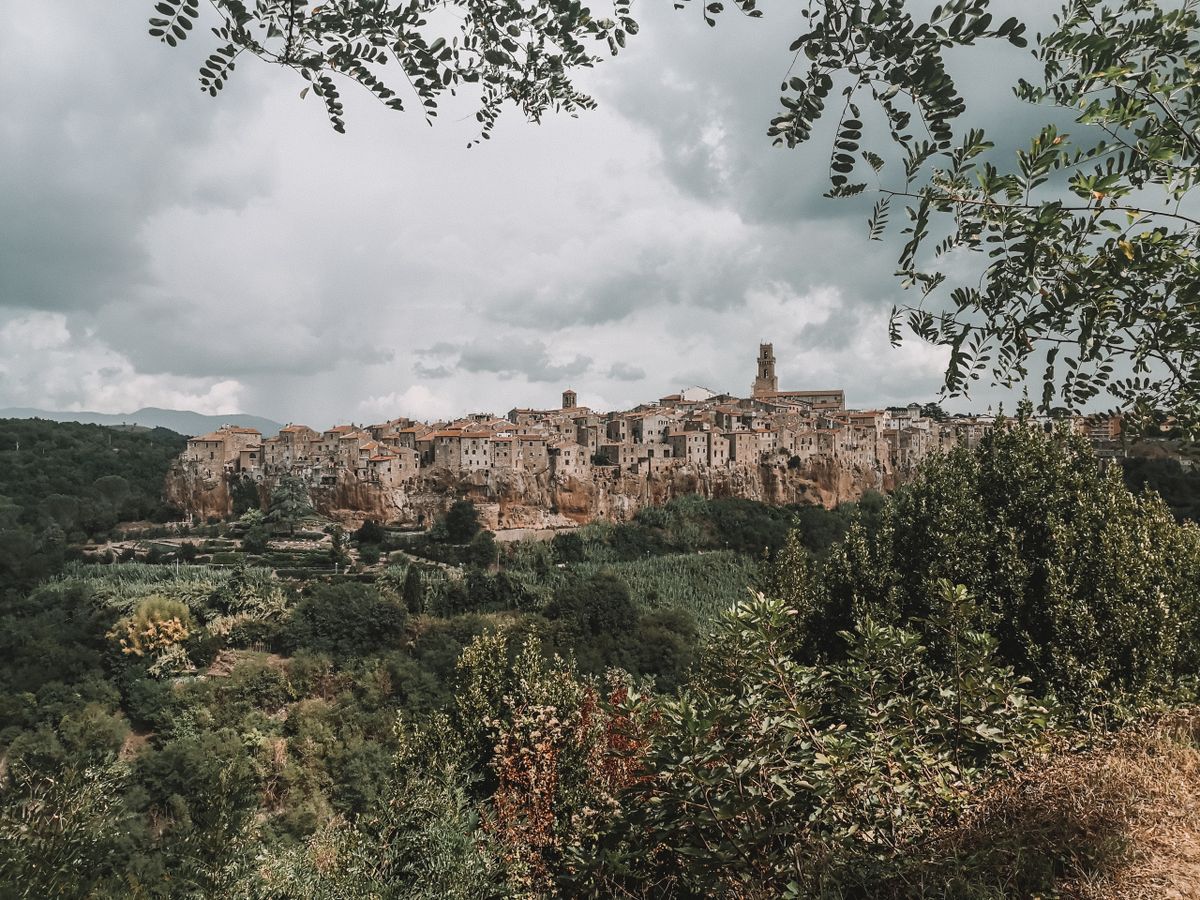
8. Pitigliano, Tuscany — The Little Jerusalem
Pitigliano is the most dramatically sited village in Tuscany — perched on a narrow ridge of volcanic tufa above the confluence of three river gorges, its medieval buildings so completely continuous with the rock below that the distinction between natural formation and human construction blurs entirely. The village's Jewish heritage — earning it the nickname "La Piccola Gerusalemme" — is deeply embedded, with a restored synagogue and network of underground passages used by the community over centuries.
The surrounding Maremma Toscana, with its prehistoric stone circles and ancient vie cave sunken roads carved by the Etruscans up to 20 meters deep, is one of the most beautiful and least explored landscapes in Western Europe.
Getting there: By car from Rome (2.5 hours) or Orbetello (1 hour).
Don't miss: The view of the village from the approach road, the synagogue and Jewish museum, the vie cave Etruscan sunken roads, the neighboring village of Sovana.
Best time to visit: April to June and September to October.
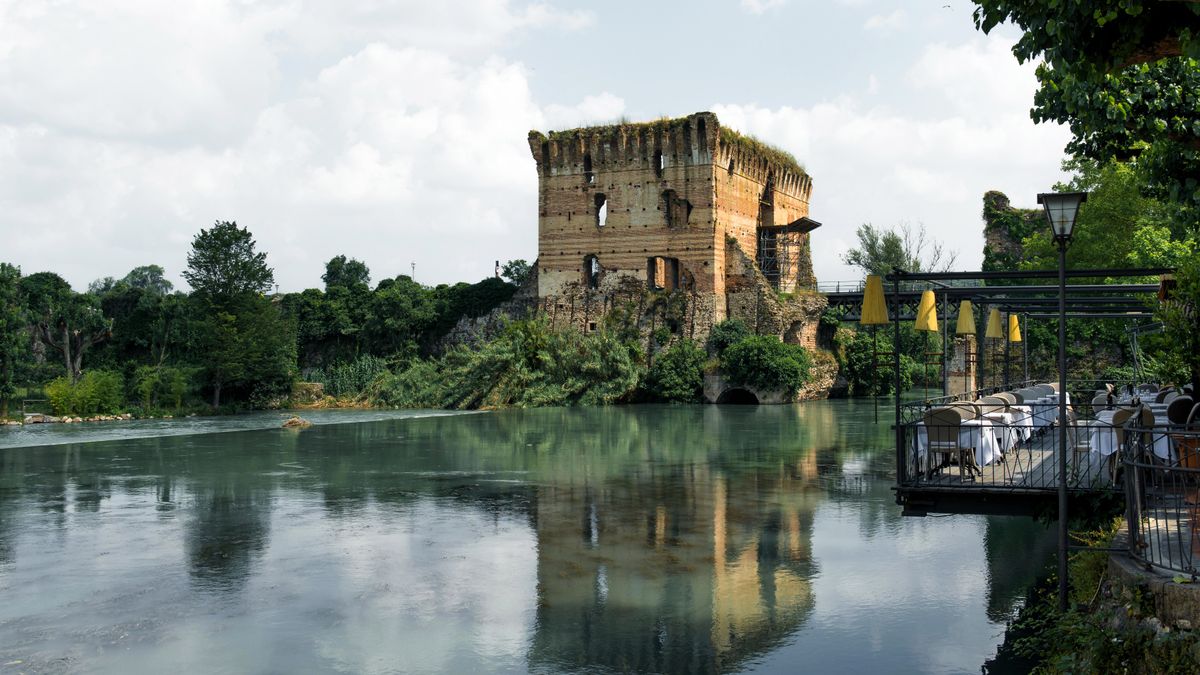
9. Borghetto sul Mincio, Lombardy — Northern Italy's Hidden Gem
Borghetto sul Mincio is one of northern Italy's most beautiful and least known villages — a tiny medieval hamlet of stone watermills on the Mincio River, its buildings and mill wheels rising directly from the river in a scene of extraordinary pictorial quality unchanged for centuries. It is most famous for its tortellini, celebrated annually in the Festa del Nodo d'Amore, when a table approximately 1 km long is set along the medieval bridge for thousands of visitors.
Getting there: By car from Verona (20 minutes) or Mantua (30 minutes).
Don't miss: The watermill reflections at dawn or dusk, the Visconti bridge and dam, tortellini in brodo at a riverside restaurant, the Sigurtà Garden Park nearby.
Best time to visit: April to May (tulip season at Sigurtà) and September to October.
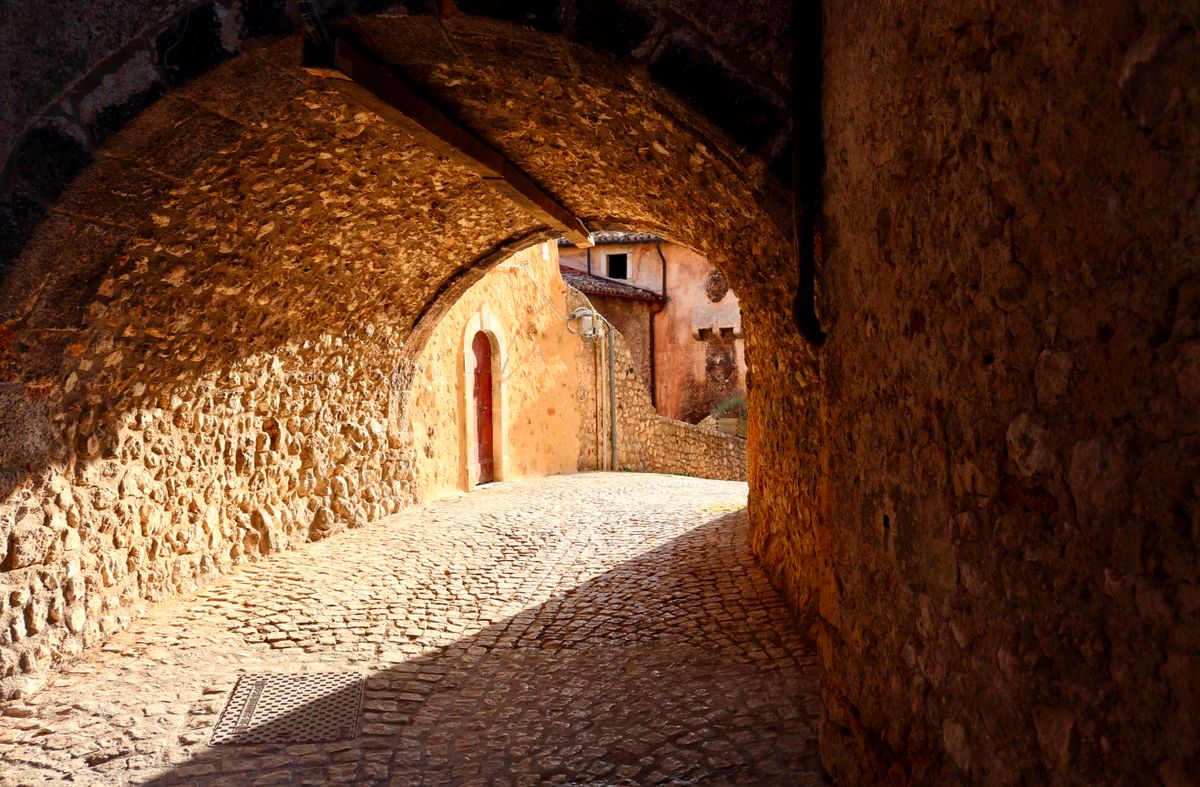
10. Santo Stefano di Sessanio, Abruzzo — The Medici Mountain Village
Santo Stefano di Sessanio is one of the finest and most atmospheric medieval villages in central Italy — a mountain hamlet at 1,251 meters in the Gran Sasso d'Italia massif, its stone buildings so completely integrated with the grey limestone that the village seems to have grown from the rock. It was a possession of the Medici family of Florence for over a century.
The Sextantio Albergo Diffuso — a pioneering concept in sustainable rural tourism converting abandoned village houses into hotel rooms while preserving authentic materials — has made the village internationally known among travelers interested in architecture and design.
Getting there: By car from L'Aquila (45 minutes) or Rome (2.5 hours via the A24).
Don't miss: The village at dawn and dusk, the restored Torre Medicea, arrosticini lamb skewers, hiking in the Gran Sasso d'Italia National Park.
Best time to visit: June to September for hiking; December to March for snow.
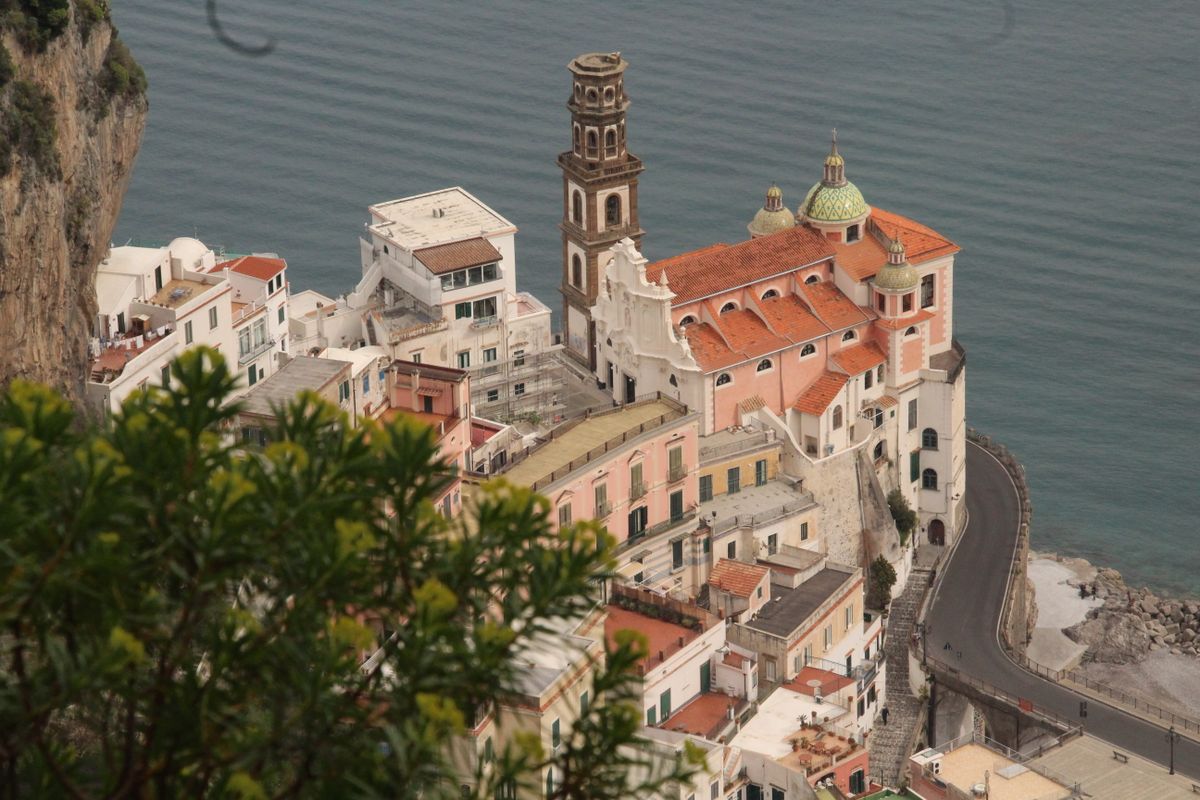
11. Atrani, Campania — The Amalfi Coast's Smallest and Most Authentic Village
Atrani is the smallest municipality in Italy by area — a tiny fishing village immediately east of Amalfi that lacks the tourist infrastructure of Positano and retains a quality of genuine, unhurried village life the more visited communities have largely lost. The village is barely 400 meters wide: a single piazza opening directly onto the sea, a handful of streets, a small beach, and the 10th-century Church of San Salvatore de' Birecto, where the Doges of the Amalfi Republic were crowned.
Getting there: By SITA bus from Amalfi (10 minutes) or on foot along the coastal path (15 minutes).
Don't miss: Piazza Umberto I opening to the sea, the small beach, fresh pasta and grilled fish at a local restaurant.
Best time to visit: May to June and September to October.
12. Spello, Umbria — The Flower Village of Roman Umbria
Spello is one of the most satisfying and least visited of the Umbrian hill towns — a perfectly preserved Roman and medieval village whose Porta Venere and Porta Consolare, both dating from the 1st century BC, are among the finest surviving examples of Roman civic architecture in Umbria. The Collegiata di Santa Maria Maggiore contains the Baglioni Chapel, frescoed by Pinturicchio in 1501 in a cycle of extraordinary freshness.
The Infiorata — Spello's famous flower festival on Corpus Christi, when the entire village creates elaborate carpet pictures of flowers covering the main streets — is one of the most spectacular folk art traditions in Italy.
Getting there: Train from Perugia (20 minutes) or Assisi (10 minutes, plus a 2 km walk).
Don't miss: The Pinturicchio frescoes, the Roman gates, the Infiorata flower festival, Umbrian black truffle pasta.
Best time to visit: April to June (Infiorata in June) and September to October.
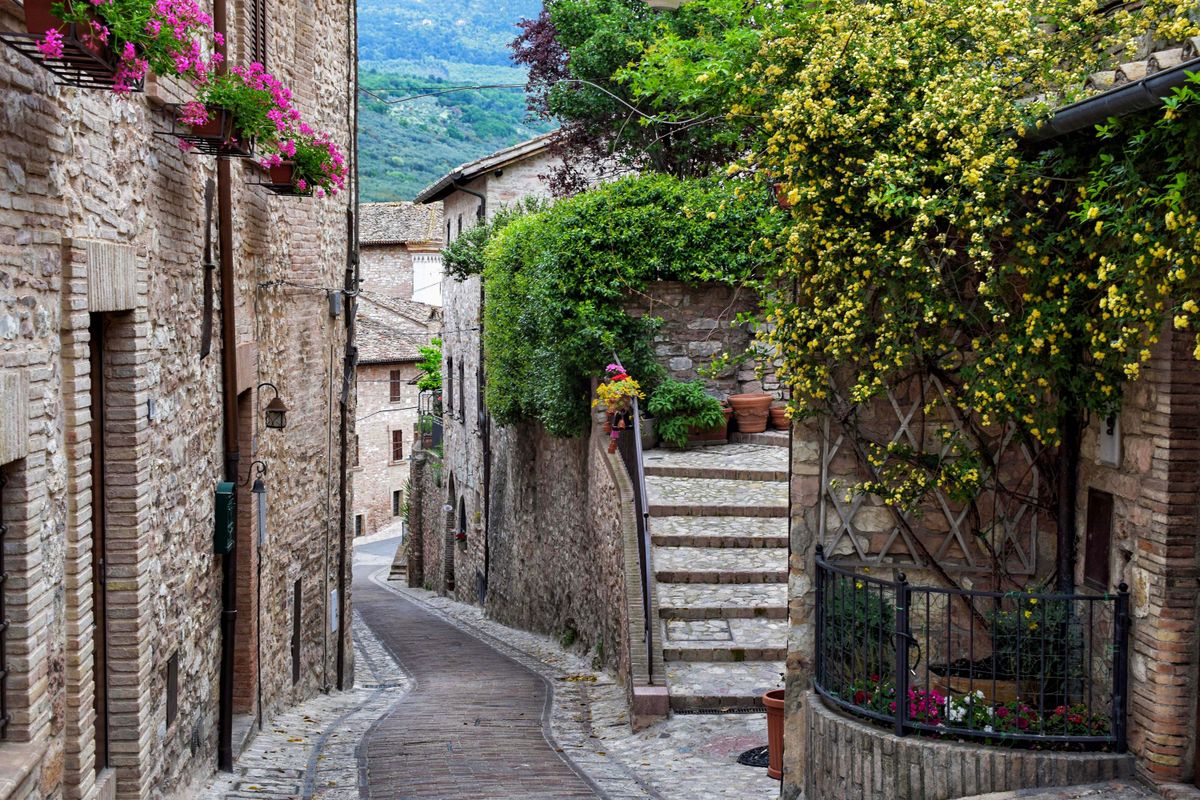
13. Tropea, Calabria — The Clifftop Village Above the Turquoise Sea
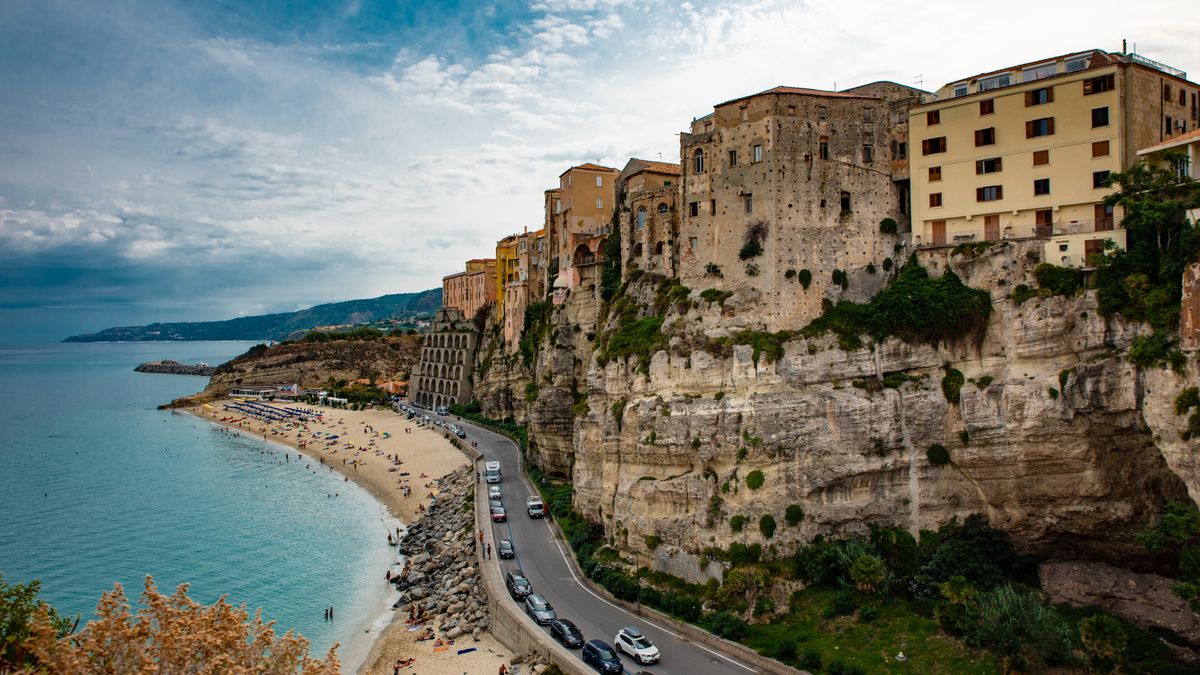
Tropea is the most dramatically beautiful coastal village in Calabria — a clifftop town of Baroque churches and 16th-century palaces perched 60 meters above a stretch of Tyrrhenian coast whose turquoise and emerald water is among the clearest in the Mediterranean. The Santa Maria dell'Isola, a Norman monastery on an isolated sea stack connected to the mainland by a narrow isthmus, is the defining image of Tropea.
Tropea is famous throughout Italy for its cipolla rossa, sweet red onions cultivated for centuries, alongside the region's distinctive nduja spreadable pork salumi.
Getting there: Train from Lamezia Terme (45 minutes, with connections from Rome and Milan).
Don't miss: Santa Maria dell'Isola at sunset, the beach below the cliff, red onion jam and nduja from a local producer, swordfish carpaccio.
Best time to visit: June and September.
How to Plan a Village-Focused Italy Trip
Rent a car. The vast majority of Italy's most beautiful villages are either inaccessible by public transport or accessible only by infrequent connections. A rental car allows arrival at dawn before the day-trippers, and the freedom to stop at an unmarked roadside view.
Stay in the villages overnight. The day-tripper version of Positano or Alberobello — arriving by tour bus at 10 AM and leaving at 4 PM — is incomparably inferior to the overnight visitor's version, when the villages after dark belong to residents and the community's authentic life resumes.
Combine regions intelligently. A southern Tuscany and Umbria circuit (Montepulciano, Pitigliano, Orvieto, Spello) covers magnificent hilltop territory. A Campania and Calabria coastal circuit (Positano, Ravello, Atrani, Tropea) covers the finest southern coastal villages.
Eat locally and specifically. Every village in this guide has specific local food traditions — the tortellini of Borghetto sul Mincio, the Sciacchetrà of the Cinque Terre, the Vino Nobile of Montepulciano, the nduja of Tropea.
Travel in shoulder season. May, June, September, and October offer good weather, manageable visitor numbers, and the authentic village rhythm that July and August cannot provide.
Final Thoughts: The Villages Are Where Italy Keeps Its Soul
Italy's cities are magnificent. But the Italy that most reveals the country's essential character — the deep agricultural civilization, the extraordinary relationship between landscape and food and community — is the Italy of the villages. The hilltop towns rising from volcanic rock, the fishing villages hanging above turquoise seas, the medieval borghi where the street plan has not changed in 700 years — this is the Italy that the country's own residents love most fiercely.
It requires a car and a willingness to leave the familiar itinerary behind. It requires accepting that the finest meal of the trip will be served in a room with eight tables and a handwritten menu, by a proprietor whose grandmother's recipe has not materially changed in living memory.
The villages are where Italy keeps its soul. Go find it.