Argentina seduces through accumulation: Buenos Aires's European elegance worn with South American intensity, Mendoza's high-altitude Malbec that has rewritten the global conversation about red wine, Iguazú Falls' 275 individual cascades whose combined roar is audible 25 kilometers away, and a Patagonia that ends the journey with glaciers calving into turquoise lakes and granite towers rising from the steppe. The country's domestic flight network makes this combination — Europe, waterfall, wine country, extreme wilderness — achievable in a single 21-day trip.
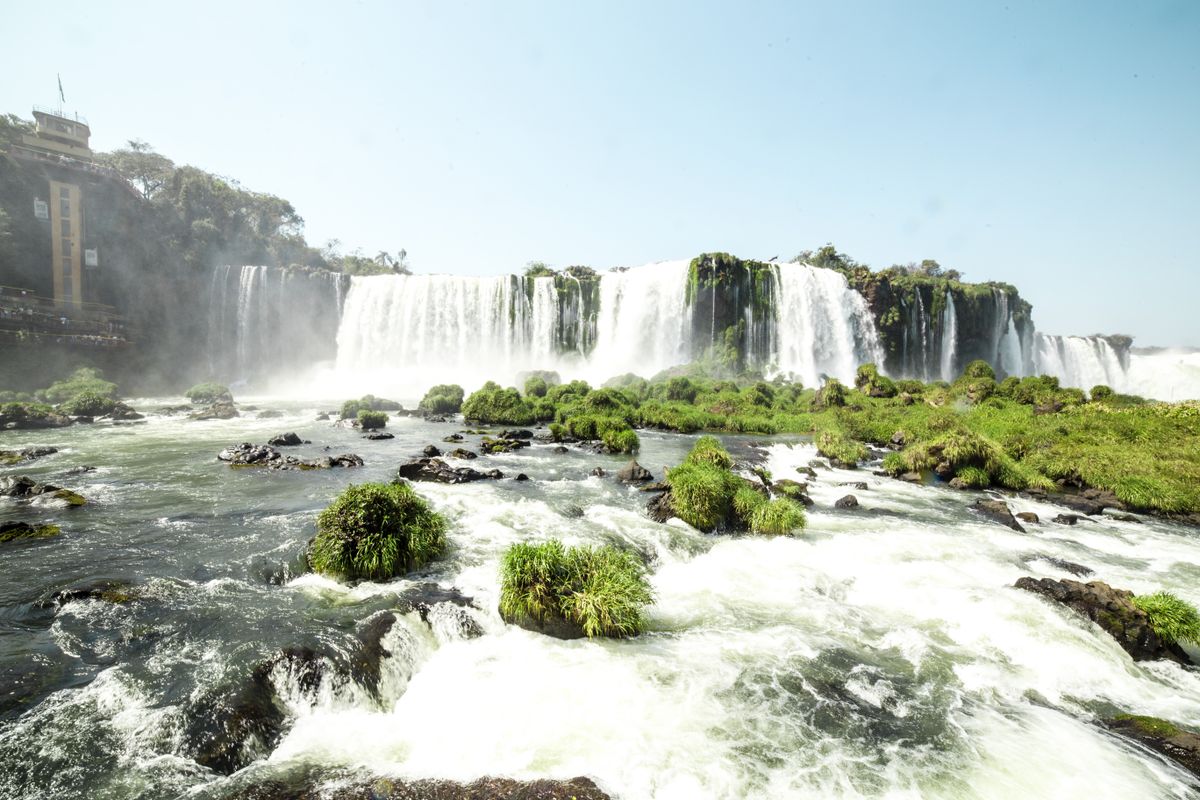
Eleanor Roosevelt's reported response to Iguazú — "Poor Niagara" — is the specific superlative the falls most directly earn.
Buenos Aires: The Paris of South America
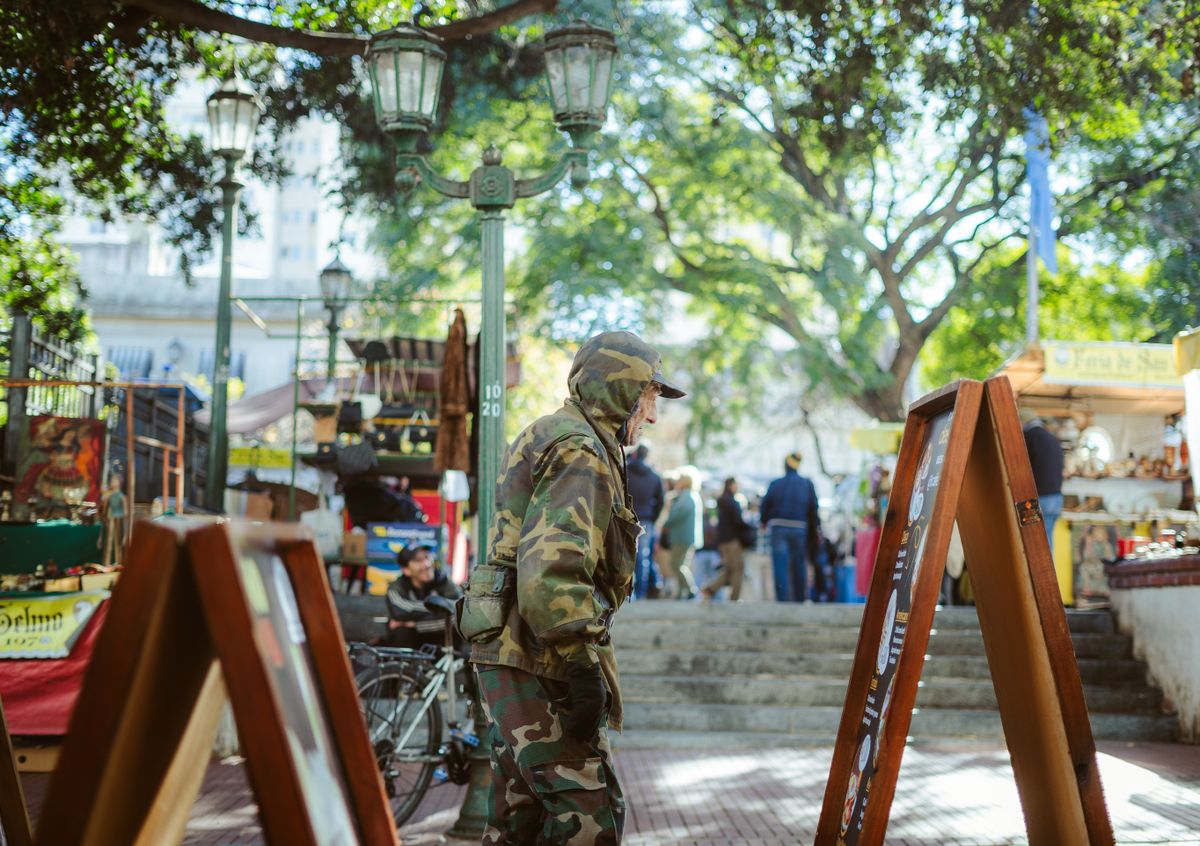
Buenos Aires's Beaux-Arts and Art Nouveau architecture — the Teatro Colón, one of the three finest acoustic opera houses on Earth — pairs with River Plate cultural intensity: the football, the milonga tango halls, and dinners that don't begin until 9pm. Palermo's independent restaurants and weekend Feria de Mataderos, San Telmo's Sunday antiques market and tango culture, Recoleta's extraordinary cemetery (Eva Perón's tomb draws the most visitors) and MALBA art museum, and La Boca's Caminito street define the essential neighborhoods.
The asado — Argentina's wood-fire grilling tradition — is the country's defining food ritual; La Cabrera and Don Julio in Palermo are the essential parrillas, though any working-class neighborhood parrilla delivers the most authentic version.
Iguazú Falls
Iguazú's 275 falls extend 2.7km across the Argentine-Brazilian border. The Argentine side's Garganta del Diablo walkway leads to the edge of the main chasm where 14 falls converge in a single 82-meter curtain; the Brazilian side (a 25-minute cross-border taxi from Puerto Iguazú) provides the panoramic view of the full cascade from a single vantage point. Spend one day on each side, adding the Macuco Safari jet boat for a soaking approach to the falls' base.
Mendoza: The Wine Capital of South America
Malbec's Argentine story is one of the most dramatic single-variety narratives in wine history — introduced from France in 1853 and transformed by Mendoza's high-altitude UV intensity and diurnal temperature swings into the deep-colored, opulent variety now globally celebrated. Achaval Ferrer's single-vineyard program, Zuccardi's architecturally extraordinary Valle de Uco winery, and Catena Zapata's Mayan-pyramid-inspired building are the essential visits. The Fiesta Nacional de la Vendimia harvest festival in early March is Argentina's most spectacular annual civic celebration.
The Lake District and El Calafate
Bariloche, the Swiss-Argentine alpine city on Lake Nahuel Huapi, is known for its craft chocolate tradition (50+ chocolatiers) and the Seven Lakes Route to San Martín de los Andes, with a detour to the Bosque de Arrayanes — the world's only forest of cinnamon-colored arrayán trees.
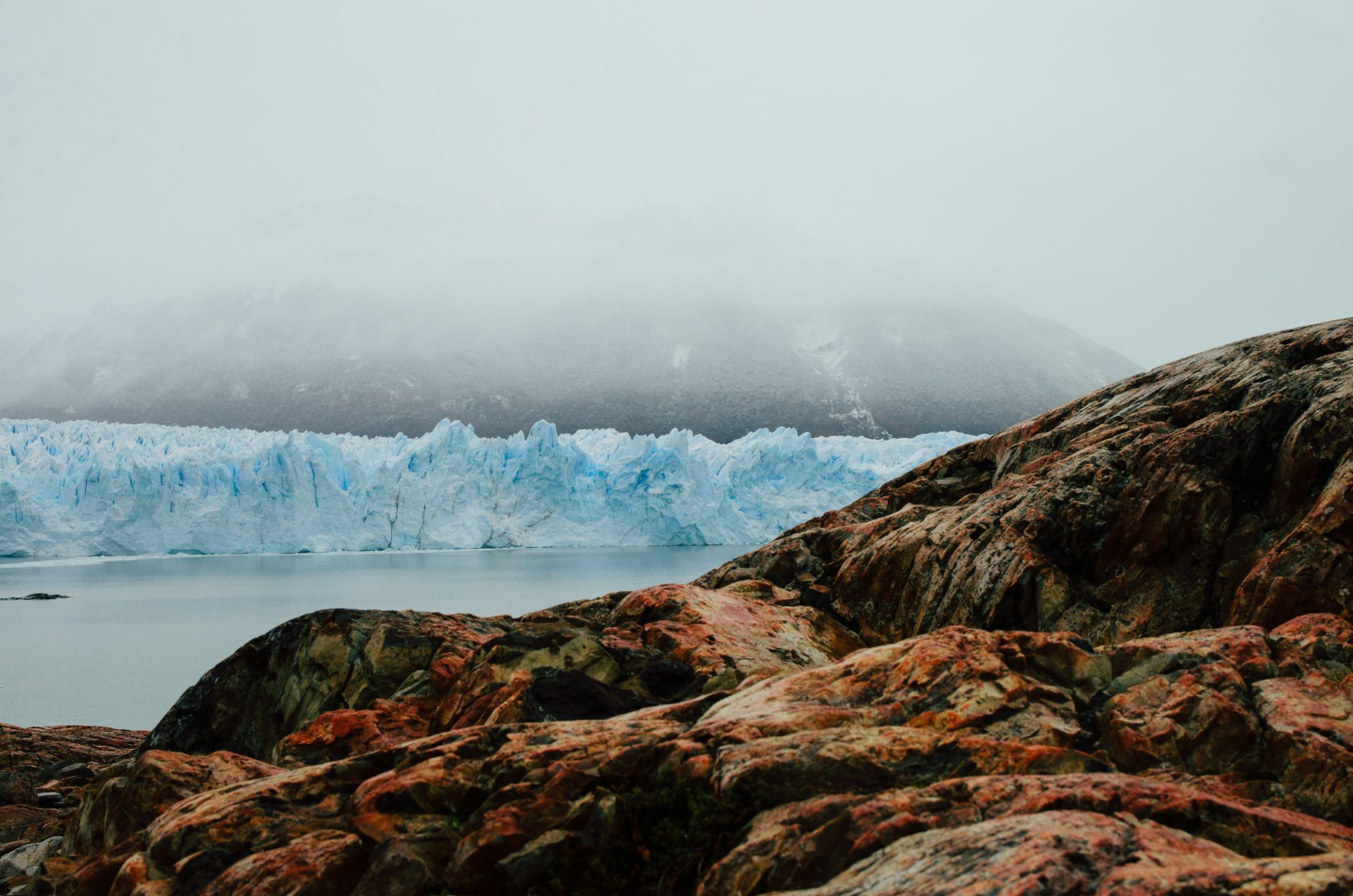
El Calafate's Perito Moreno Glacier is the only major advancing glacier in a global system of retreat, its 60-meter ice wall periodically calving into Lago Argentino in front of an elevated boardwalk network. Mini-trekking on the ice with crampons, or a boat tour to the Upsala Glacier's iceberg field, complement the boardwalk view.
El Chaltén and Ushuaia
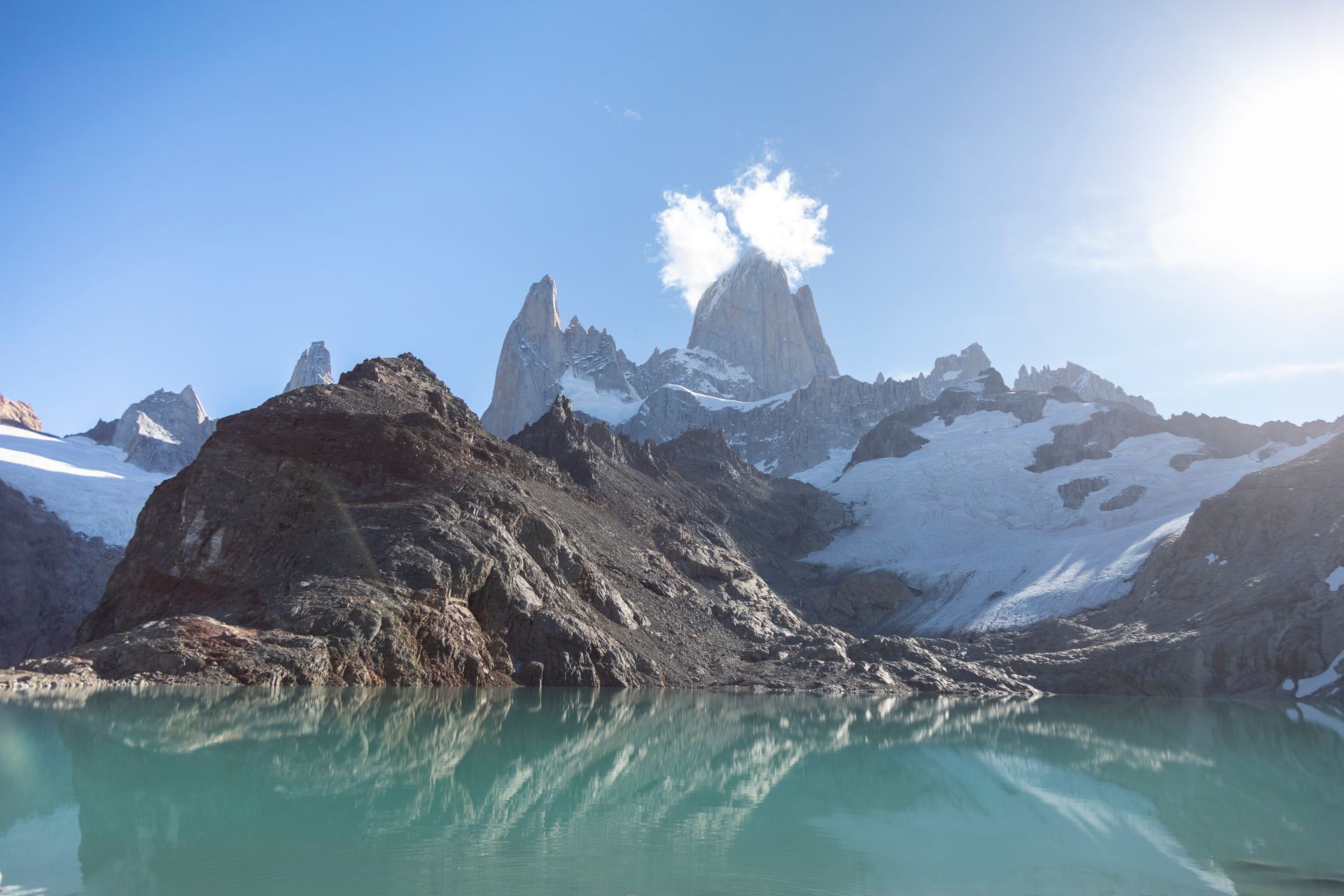
El Chaltén, Argentina's free trekking capital, is the base for the Fitz Roy massif — the Laguna de los Tres hike (4–5 hours up) rewards with a turquoise lake reflecting the jagged granite spire, best attempted at dawn on a forecasted clear day since the summit is cloud-free only 15–20% of summer days. Laguna Torre, below the technically formidable Cerro Torre, is the essential second-day hike.
Ushuaia, the world's southernmost city on the Beagle Channel, offers Tierra del Fuego National Park, Magellanic penguin colonies on Martillo Island, and the Les Eclaireurs "lighthouse at the end of the world."
Argentina Travel Tips for First Timers
Argentina's economic volatility makes checking current traveler community intelligence on exchange rates essential before departure.
Trail Notes
- Bring a portion of your cash budget in USD to exchange at official casas de cambio.
- Use a low-fee card (Wise or Charles Schwab) for ATM withdrawals — Argentine ATM fees are high.
- Argentina is the second-safest country for tourists in South America after Uruguay — standard big-city awareness applies in Buenos Aires.
- Book domestic flights 4–6 weeks ahead for December–February and July peak seasons.
- El Chaltén's day hikes require no technical experience, but pack waterproofs and trekking poles regardless of forecast.
- Learn a little Rioplatense Spanish (the vos form) — Argentines respond warmly to the attempt.
Sample 14-Day Argentina Itinerary
Buenos Aires (4 nights) → Mendoza (3 nights) → fly to Iguazú Falls (2 nights) → fly to El Calafate and Perito Moreno (2 nights) → El Chaltén (2 nights).
Argentina Budget Guide
Budget: USD 60–90/day — hostels (USD 15–35/night), self-catering and menu del día lunches, long-distance buses. Mid-range: USD 120–200/day — boutique hotels or estancia apartments, restaurant dining, a mix of buses and flights. Comfort: USD 250–500/day — Palermo/Recoleta design hotels, Mendoza wine estate stays or Patagonian estancias, private guided activities.
Final Thoughts: The Country That Does Not End
Argentina is not a highlights reel — it is a sustained narrative, from the Buenos Aires prologue through the Iguazú interlude, the Mendoza pastoral chapter, to the Patagonian conclusion's definitive silence. Eat the asado on Sunday. Drink the Malbec where it grows. Watch the glacier calve. Argentina will refuse to let you go.