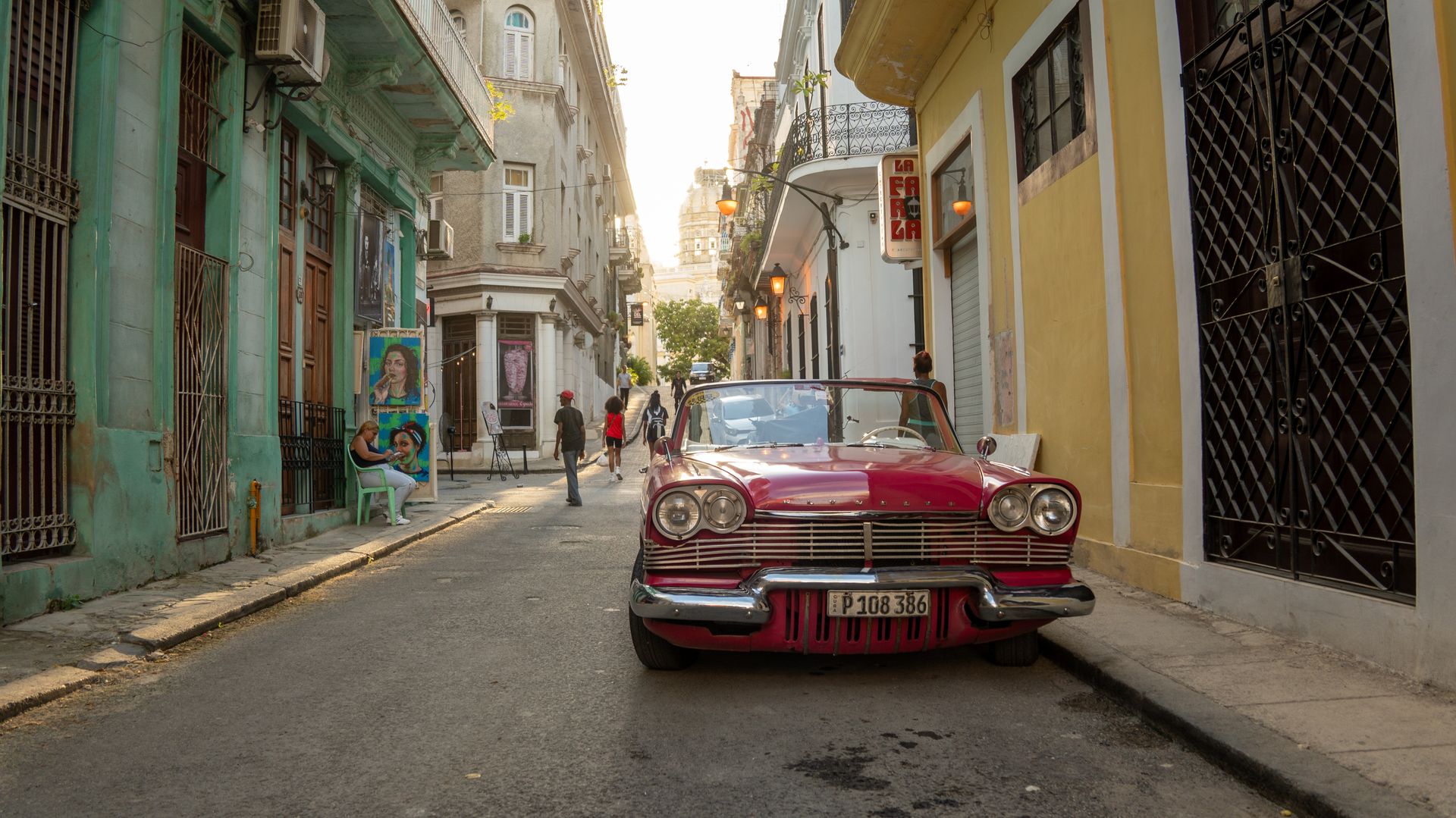
Cuba is the country the 20th century froze at a particular moment and the 21st is only now, slowly, beginning to thaw. The 1950s American almendrones coexist with Soviet-era Ladas and horse-drawn carts on the Viñales valley floor; Trinidad's colonial architecture has been preserved not by heritage conservation but by the specific economic conditions that made both renovation and demolition equally impossible. Cuba's daily difficulty — the shortages, the dual economy, a population of extraordinary talent constrained by six decades of political and economic framework — is visible and discussed with a frankness Cubans reserve for visitors whose genuine interest they distinguish immediately from tourists who want the decorative version.
Where the music is not performed for tourists but played because the Cuban relationship between the body and rhythm makes silence in a social space the condition music exists to prevent.
Understanding Cuba's Reality
Cuba's severe post-2020 economic crisis — combining pandemic tourism collapse, tightened sanctions, fuel shortages, and an emigration wave exceeding 500,000 people since 2022 — is visible to any visitor who engages honestly with what they observe. Americans can travel legally under the "Support for the Cuban People" license category, which requires staying in casas particulares and eating in paladares rather than state hotels and restaurants — the same choices a conscientious traveler would make regardless of the regulatory framework, since they direct spending most directly to Cuban families.
Havana: The Living Museum
Habana Vieja's four colonial plazas anchor the city — Plaza de la Catedral's baroque cathedral glows amber in late afternoon light, and Plaza Vieja's meticulously restored 18th and 19th-century buildings house the Fototeca de Cuba and a working camera obscura. The Malecón, an 8km seafront boulevard, functions as Havana's living room — couples, fishing lines, and rum bottles passed between groups as the sunset shifts from gold to deep crimson.
Hiring a convertible almendrón (1956 Chevrolet or 1958 Pontiac, USD 35–50/hour, negotiate before departure) for a 2-hour circuit through Habana Vieja, the Malecón, and Revolution Square — where the iconic Che Guevara ironwork mural faces the José Martí Memorial — is the essential Havana orientation.
Viñales and Trinidad
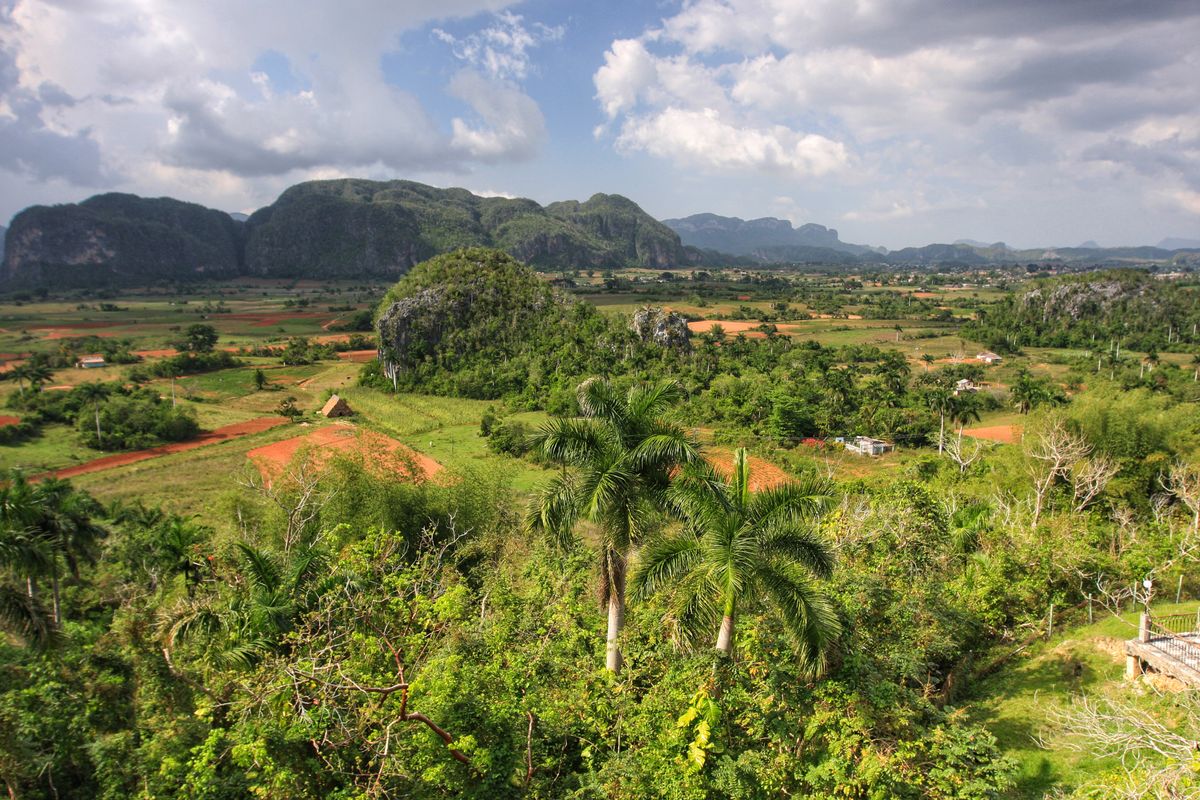
Viñales' valley, enclosed by dramatic limestone mogotes, is Cuba's tobacco heartland — the Vuelta Abajo terroir is recognized as the finest tobacco-growing land in the world, and watching a torcedor hand-roll a cigar in about 3 minutes is essential. The Cueva del Indio river cave and the Los Jazmines viewpoint round out the valley.
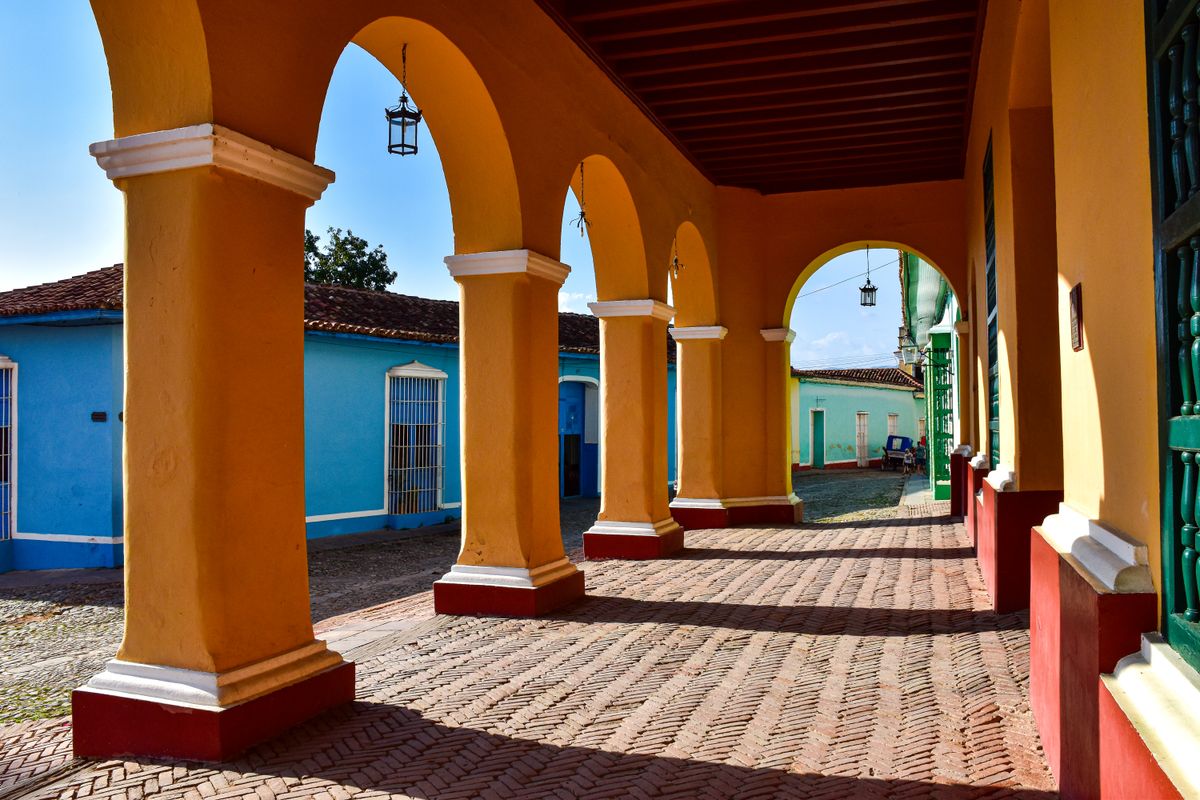
Trinidad, a UNESCO World Heritage colonial city, was frozen at its 18th and 19th-century sugar-wealth peak by the post-abolition economic decline that made renovation impossible. The Plaza Mayor's colonial mansions, the Escalinata's nightly live salsa and son performances, and the Valle de los Ingenios sugar mill ruins (reachable by 1913 steam train) provide the historical depth beneath the beauty.
Santa Clara, Varadero, and the Cayos
Santa Clara holds the Che Guevara Mausoleum, where his remains and those of 29 fellow guerrillas were repatriated from Bolivia in 1997, and the Tren Blindado monument marking the exact site of the 1958 armored train derailment that triggered Batista's flight.
Varadero's 20km of white sand is genuinely the Caribbean's finest natural beach, though its all-inclusive resort format is the least culturally Cuban experience in the country. The Cayos — Cayo Santa María, Cayo Coco, Cayo Guillermo — offer the same beach quality with healthier reefs and flamingo colonies, connected to the mainland by dramatic open-sea causeways.
Santiago de Cuba
Santiago de Cuba, the country's second city, carries a more concentrated and more directly expressive Afro-Cuban culture than even Havana. The Casa de la Trova hosts a daily programme of son, bolero, and changüí — the eastern rhythm that predates son — in a colonial house whose acoustic intimacy needs no amplification. The Cementerio Santa Ifigenia holds the José Martí mausoleum, guarded by an honor guard whose changing ceremony runs every 30 minutes, alongside the graves of Compay Segundo and the Moncada martyrs.
Cuban Food, Rum, and Music
Paladares (private restaurants) and casa particular home-cooked dinners deliver genuinely rewarding food — ropa vieja, moros y cristianos, lechón asado, and tostones — while state restaurants remain the least worthwhile option. Havana Club rum and the Mojito (La Bodeguita del Medio), Daiquiri (El Floridita, Hemingway's favorite), and Cuba Libre are essential cocktail experiences.
Cuban music's influence on the 20th century's global popular music — son cubano became salsa in New York, the habanera influenced Bizet — is unmatched for a country of its size. Casa de la Música's weekend matinee sessions in Havana and Trinidad's Escalinata provide the most direct encounter with the living tradition.
Cuba Travel Tips for First Timers
Cuba requires more specific logistical preparation than almost any other destination in the Americas.
Trail Notes
- Bring more cash (USD or EUR) than you expect to need — ATMs are unreliable and cards are rarely accepted.
- Book casas particulares over state hotels — via Airbnb or Cuba-specific platforms.
- Purchase ETECSA WiFi cards on arrival for internet access, and expect genuine digital disconnection.
- Book Viazul intercity buses online 1–3 days ahead for peak season.
- Pack toilet paper, hand sanitizer, sunscreen, and over-the-counter medicine — Cuban supply chains cannot guarantee availability.
- Check current OFAC guidance before booking if traveling as a US citizen.
Sample 10-Day Cuba Itinerary
Havana (3 nights) → Viñales (2 nights) → Trinidad (3 nights) → Santa Clara (1 night, en route back to Havana).
Cuba Budget Guide
Budget: USD 40–70/day — casas particulares (USD 25–40/night, including breakfast), paladares and peso street food, Viazul buses. Mid-range: USD 80–150/day — better casas or boutique hotels, mixed dining, classic car hire and day trips. Comfort: USD 180–350/day — boutique hotels and private villas, private classic car hire, the best Havana paladares.
Final Thoughts: The Country Before It Changes
Every Cuba travel guide has said "visit before it changes" for 30 years, and Cuba has changed more slowly than any other Caribbean country — though not always for the better. What exists in 2026 — the Malecón's social energy, Trinidad's preserved beauty, Viñales' tobacco farming, Santiago's living musical tradition — is worth the specific preparation Cuba's logistical complexity demands. Bring the cash. Learn the Spanish. Accept the pace.