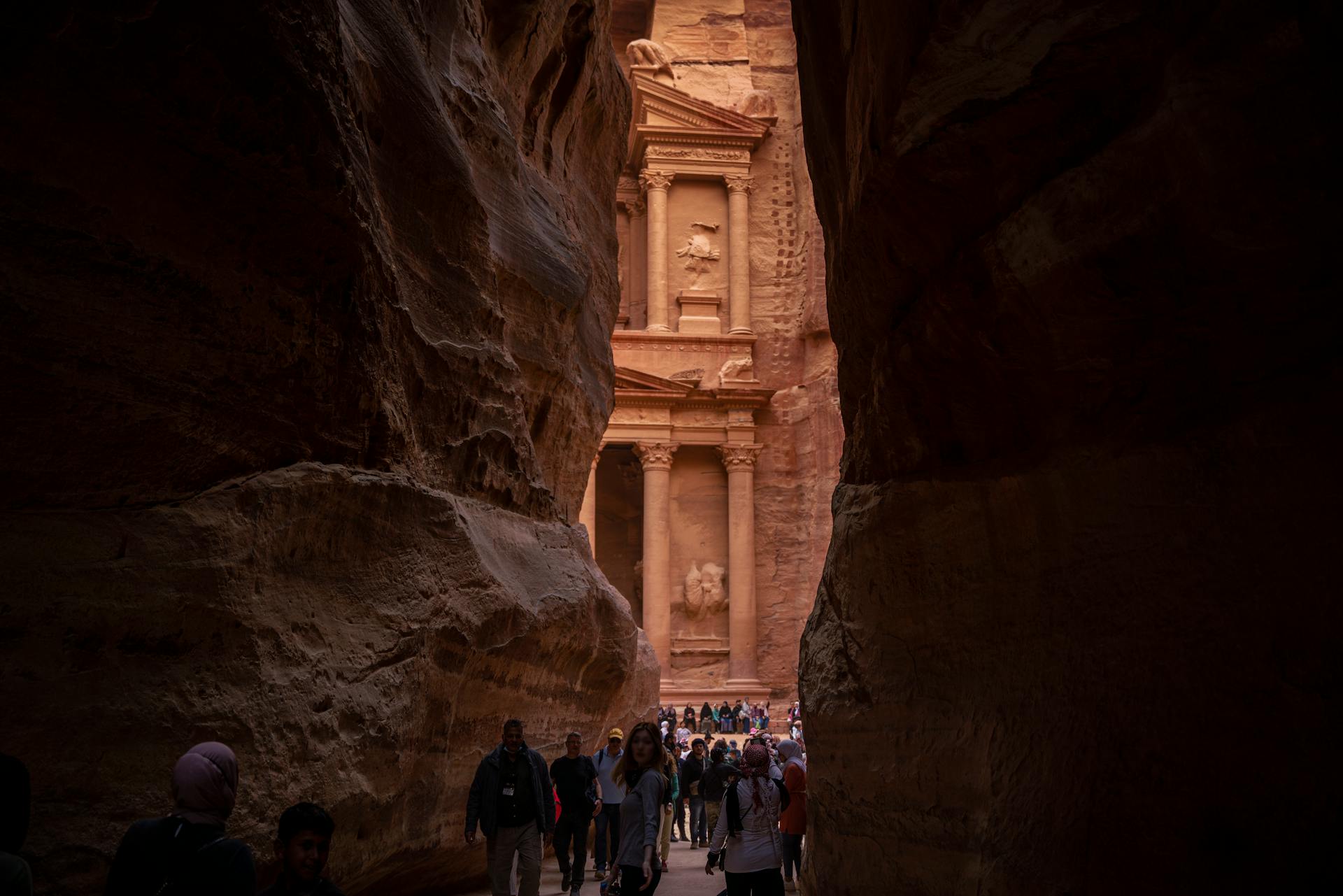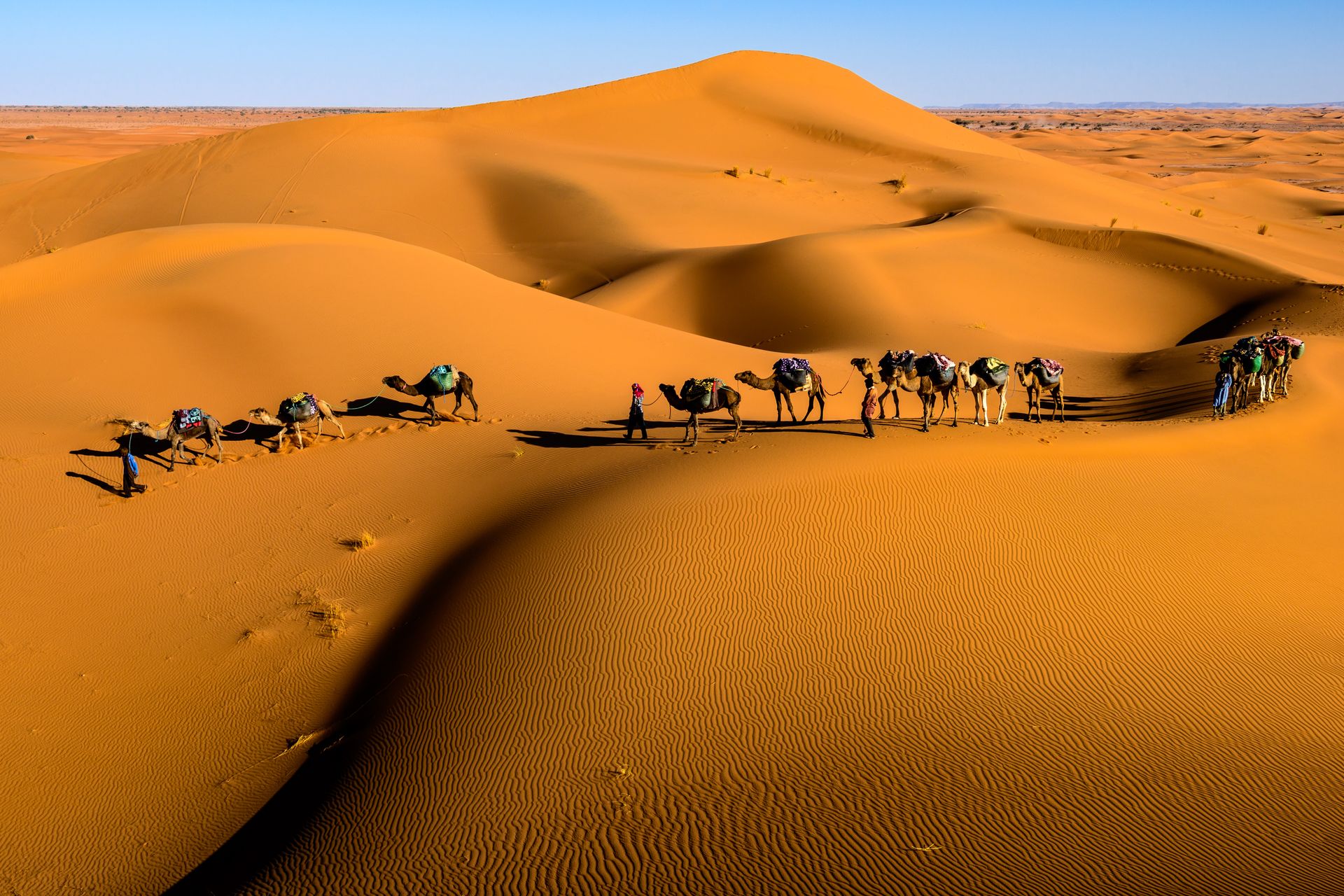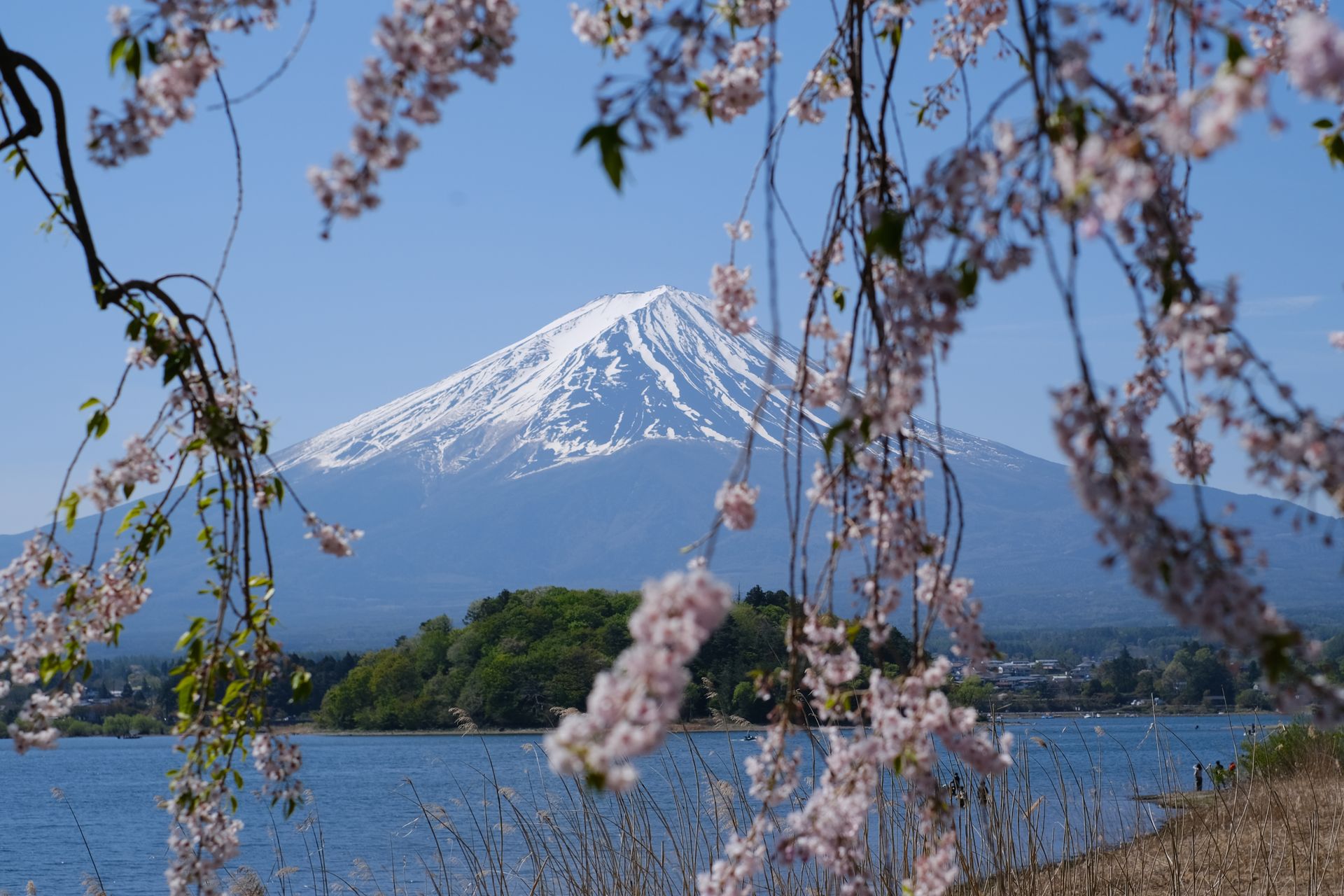
Standing in Istanbul's Blue Mosque at dawn, listening to the call to prayer echo across the Bosphorus while the first rays of light illuminate thousands of Iznik tiles, it becomes clear why Turkey has captivated travelers for millennia. This is a country where Asia meets Europe, where ancient empires left layers of civilization stacked one atop the other, and where hospitality isn't just a custom — it's a point of national pride. Turkey is far more diverse than kebabs and bazaars: the otherworldly fairy chimneys of Cappadocia, the turquoise waters of the Mediterranean, and Ephesus's marble streets all deliver extraordinary experiences at prices that make extended travel genuinely affordable.
Turkey is a country where ancient empires left layers of civilization stacked like a historical lasagna.
Best Time to Visit Turkey
Spring (April–May) offers ideal conditions — mild 15–25°C, wildflowers across Anatolia, and comfortable weather for Cappadocia balloon rides. Fall (September–October) is the sweet spot, combining summer's warmth with diminishing crowds and harvest season. Summer (June–August) means long beach days but extreme heat inland (35–45°C in Cappadocia and the southeast) and overwhelming crowds at Ephesus. Winter (November–March) offers the lowest prices, though Cappadocia's balloon flights are frequently cancelled due to weather, and the country's east is largely inaccessible due to snow.
Istanbul: Where Continents Collide
Istanbul straddles Europe and Asia, blending Ottoman grandeur, Byzantine heritage, and modern Turkish energy into one overwhelming, magnificent city. Sultanahmet holds Hagia Sophia, the Blue Mosque, Topkapi Palace, and the Basilica Cistern within walking distance of each other. The Grand Bazaar's 4,000+ shops reward hours of wandering, while Galata and Beyoğlu offer a more contemporary, cosmopolitan side. A Bosphorus boat tour and a visit to the Asian side (Kadıköy, Üsküdar) round out an essential first visit.
Cappadocia: Fairy Tale Landscape
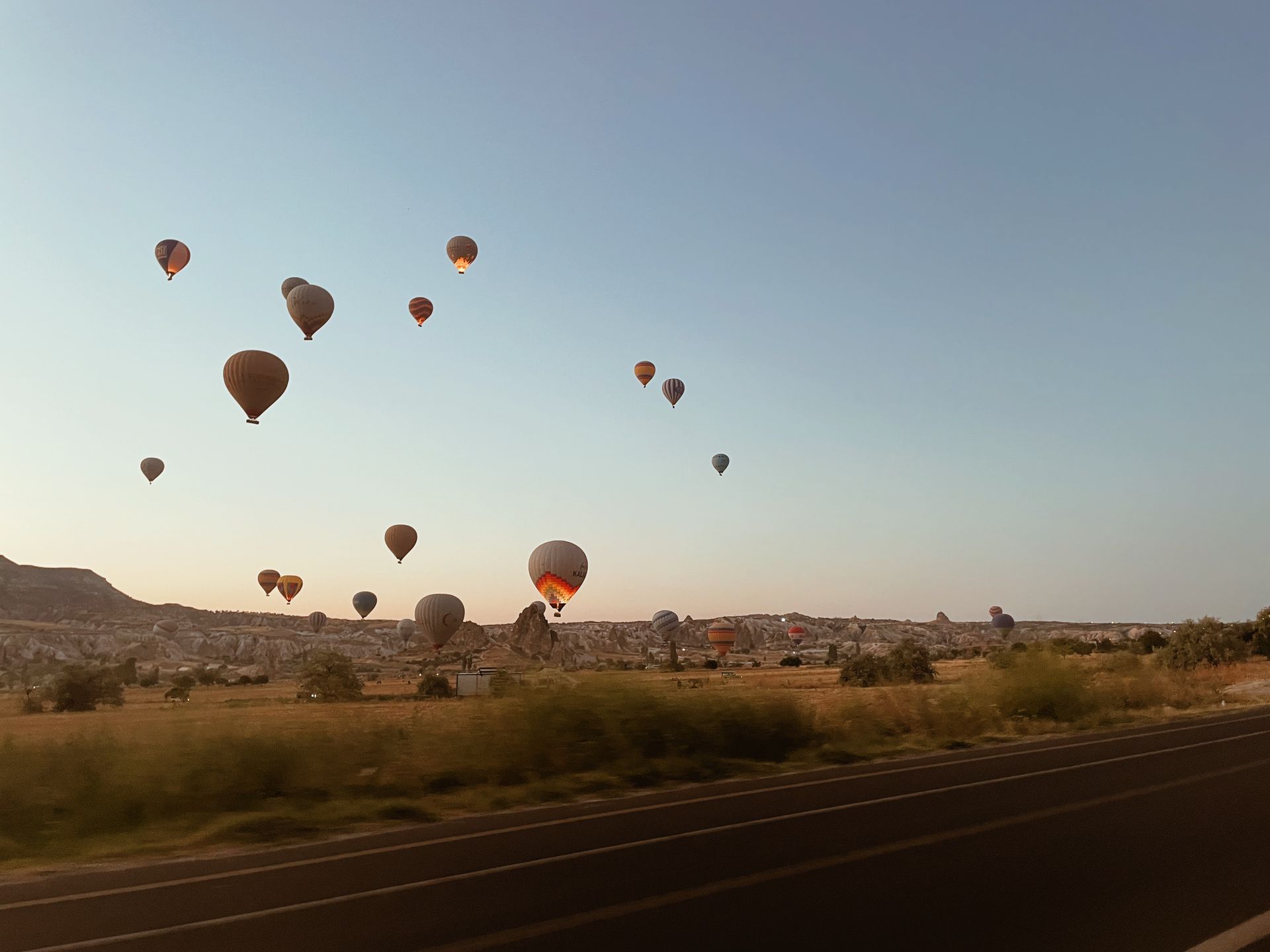
Cappadocia's lunar landscape of rock formations, underground cities, cave churches, and hot air balloons creates Turkey's most otherworldly destination. Sunrise balloon rides over fairy chimneys are genuinely once-in-a-lifetime, though weather-dependent and pricey (€150–250). The underground cities of Derinkuyu and Kaymaklı, where early Christians hid from persecution across multiple levels, are fascinating if claustrophobic. Staying in a carved cave hotel — from budget hostels to luxury suites — is essential to the experience; allow at least three nights.
Ephesus, Pamukkale, and the Turquoise Coast
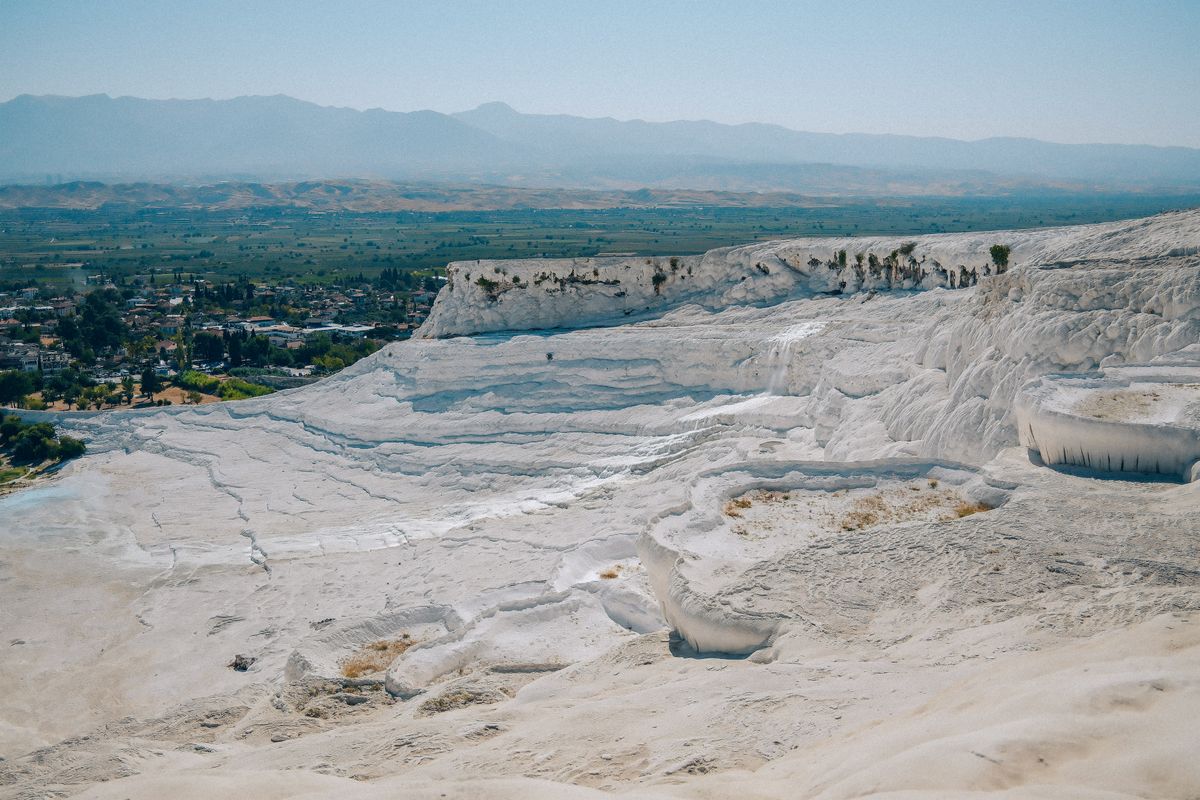
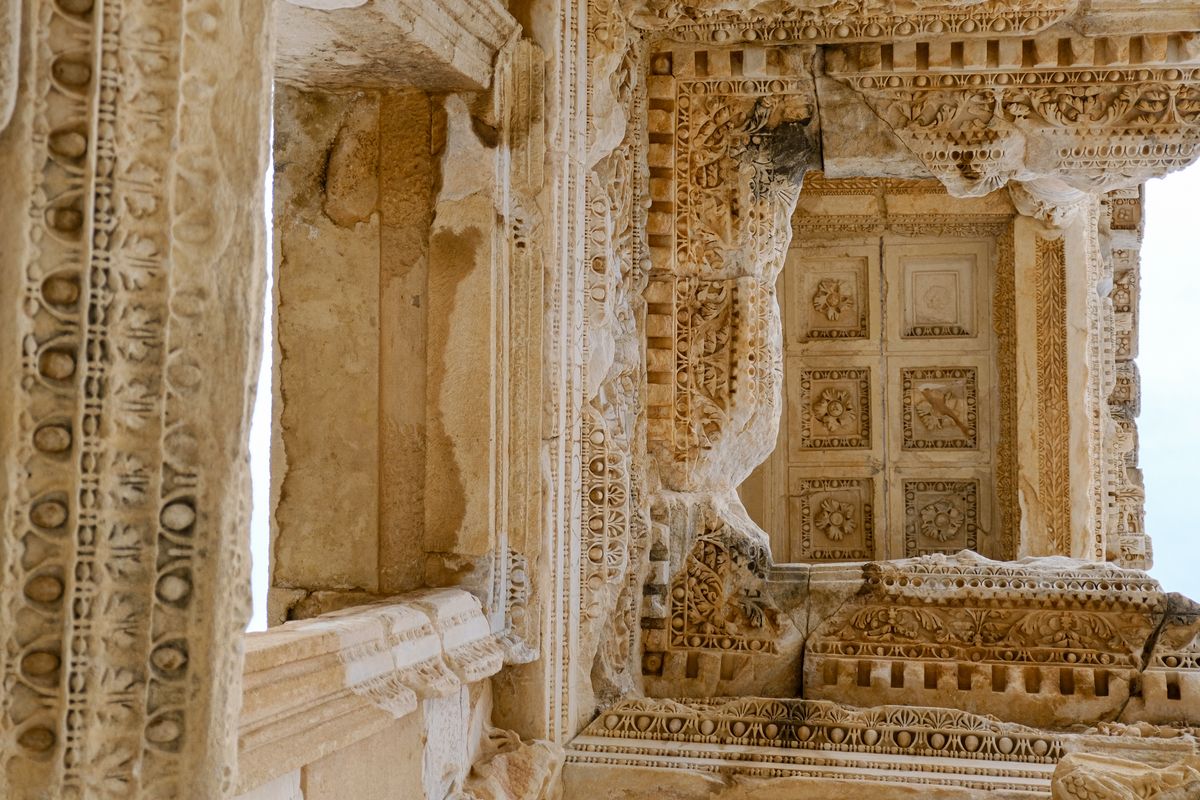
Ephesus is the best-preserved Roman city in the Eastern Mediterranean — the Library of Celsus and the Terrace Houses' wealthy Roman mosaics are highlights, best visited at opening to beat cruise-ship crowds. Pamukkale's white calcium terraces and the ruins of Hierapolis are a stunning, if touristy, UNESCO site nearby. The Turquoise Coast around Antalya, Kaş, and Ölüdeniz combines beaches, ancient ruins like Aspendos's still-functioning Roman theater, and the 500km Lycian Way hiking trail.
Ankara, Konya, and the Black Sea Coast
Ankara, Turkey's capital, is often skipped but rewards a stopover between Istanbul and Cappadocia — the Museum of Anatolian Civilizations offers a world-class survey of the country's archaeological wealth, and Anıtkabir, Atatürk's monumental mausoleum, is deeply significant to modern Turkish identity. Konya, the spiritual home of the whirling dervishes and Rumi's Mevlana Museum, sits on the route between Cappadocia and the coast. The Black Sea coast in the north — Trabzon, the cliffside Byzantine Sumela Monastery, and the mountain lake of Uzungöl — is lush, rainy, and largely untouched by mainstream tourism, offering a genuinely different, adventurous side of the country.
Turkish Food Culture Mastery
Beyond döner, Turkey's kebab culture includes Adana kebap (spicy minced meat) and İskender kebap (with tomato sauce, yogurt, and butter). Mezes — haydari, patlıcan salata, cacık — form the foundation of any proper meal. Turkish breakfast (kahvaltı) is a genuine feast of cheeses, olives, honey, and unlimited çay. Turkish tea, served in tulip glasses, is the national drink; Turkish coffee is thick, strong, and traditionally read for fortune-telling from the grounds. Gaziantep is famous for the country's finest baklava.
Turkey Travel Tips for First Timers
Turkey's hospitality is genuine, but a few common scams and customs are worth knowing before you arrive.
Trail Notes
- Never disrespect Atatürk, the revered founder of the Turkish Republic — it is illegal and culturally offensive.
- Bargain in bazaars starting at 40–50% of the asking price — not appropriate in restaurants or fixed-price shops.
- Be wary of overly friendly strangers steering you toward carpet shops or bars with inflated bills.
- Dress modestly at mosques — women should carry a headscarf, and shoes come off at the entrance.
- Learn a few Turkish phrases — merhaba (hello) and teşekkür ederim (thank you) are warmly received.
- Insist taxi meters are running, or use apps like BiTaksi in Istanbul.
- Book Cappadocia balloon flights with reputable companies and expect winter cancellations due to weather.
Sample 12-Day Classic Turkey Itinerary
Days 1–4: Istanbul — historic sites, the Bosphorus, neighborhoods, the Grand Bazaar. Days 5–7: Cappadocia — balloon rides, underground cities, valleys, cave hotels. Days 8–9: Pamukkale — the white terraces and Hierapolis ruins. Days 10–11: Ephesus/Selçuk — Roman ruins and coastal relaxation. Day 12: return to Istanbul or coastal departure.
Turkey on a Budget
Budget travelers spend €20–35 per day; mid-range comfort runs €50–80. Turkey remains excellent value compared to Western Europe despite recent inflation and lira volatility.
Making Turkey Unforgettable
Accept tea invitations from genuine locals, learn beyond Istanbul, and eat where locals eat — lokantas and street food beat tourist restaurants every time. Turkey bridges Europe and Asia, ancient and modern, and rewards curiosity and open-mindedness above all else.