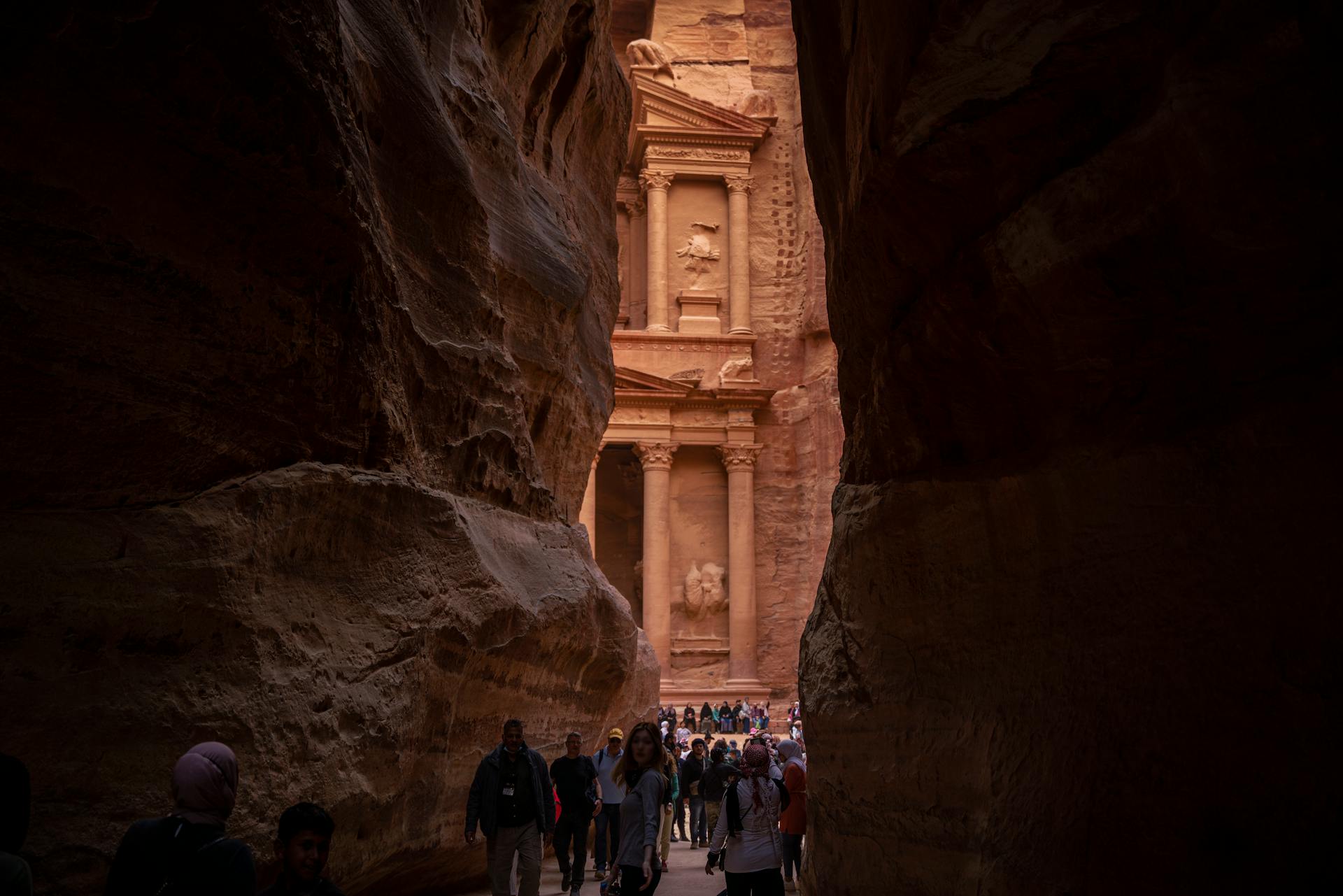
Jordan manages a specific feat: containing two of the world's most remarkable landscapes while being among the Middle East's safest, most welcoming, and most practically navigable destinations for independent travelers. The first encounter with Petra — the ancient Nabataean city carved into rose-red sandstone — arrives through the Siq, a 1.2-kilometer slot canyon whose gradual revelation ends with the first glimpse of the Treasury's carved facade. Two hours south, Wadi Rum is a planetary landscape whose scale and silence produce genuine awe. But Jordan is more than its two icons — it is Amman's café culture, the Dead Sea's mineral float, the Crusader castles of the King's Highway, and a hospitality tradition (diyafa) that treats the guest as a gift from God.
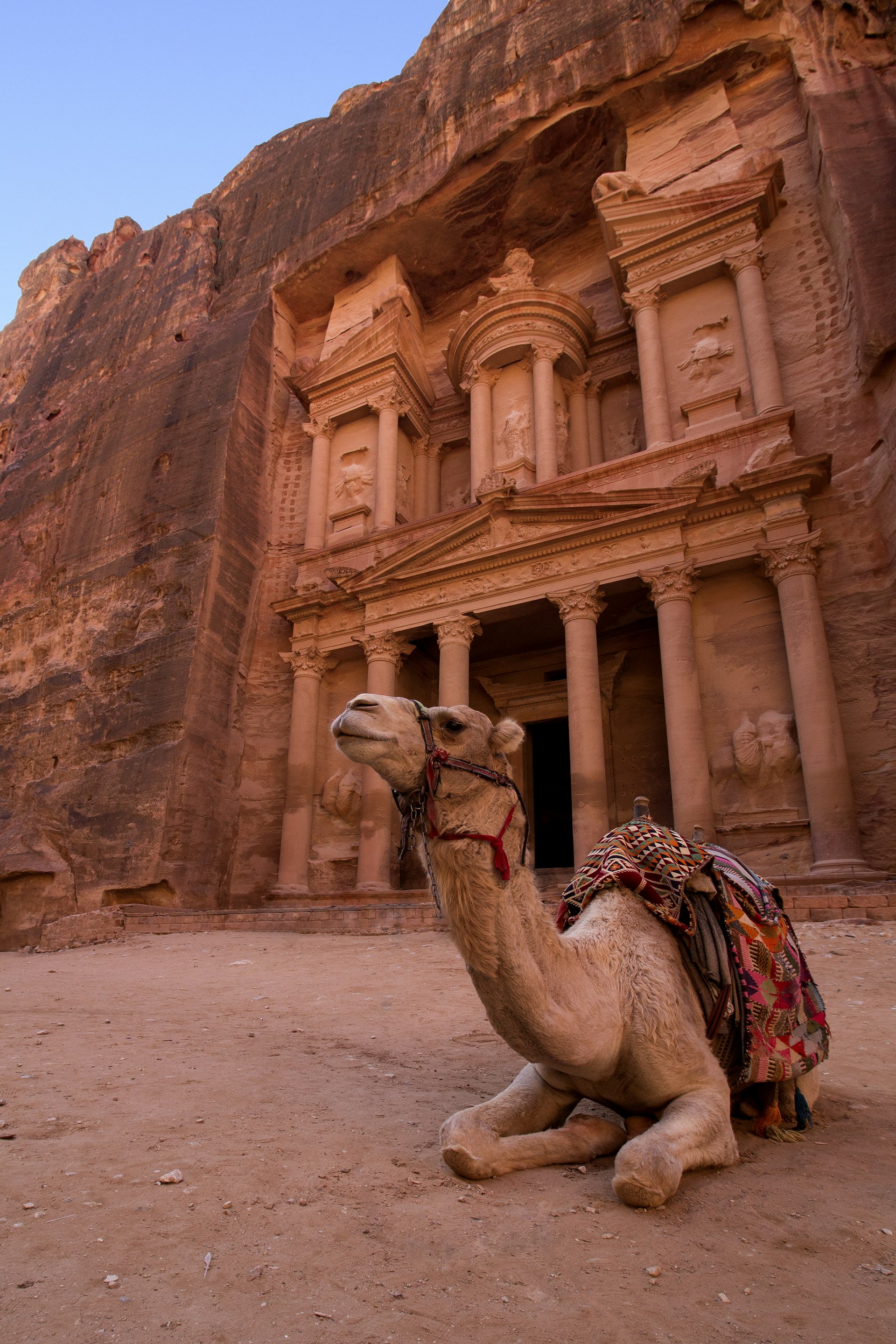
The Treasury reveal — the moment the Siq's final narrowing opens to the first glimpse of al-Khazneh — is universally described as the single most affecting travel moment of a visitor's life.
Understanding Jordan and the Jordan Pass
Jordan's suitability for independent travel rests on political stability, English-language tourism infrastructure, and a compact geography that makes a 7–10 day itinerary genuinely achievable. The Jordan Pass — purchased online before arrival — is the single most important planning tool: it covers the visa fee (~JD 40) and entry to 40+ attractions including Petra (JD 50–60 standalone), Wadi Rum, Jerash, and the Amman Citadel, essentially paying for itself at the first Petra entry.
The main circuit follows Amman → the King's Highway south (Madaba, Karak, Dana) → Petra → Wadi Rum → Aqaba, a natural north-to-south progression (or its reverse).
Amman: The Layered Capital
Amman, built across 19 hills, rewards two to three nights. The Amman Citadel provides essential orientation — the view over the Roman Philadelphia theater and the Umayyad Palace's 8th-century throne room, plus the Jordan Archaeological Museum's Ain Ghazal statues (the world's oldest large-scale human statues, ~7,000 BC). The Roman Theater below, a 6,000-capacity 2nd-century AD structure, is Amman's most impressive single Roman monument.
Rainbow Street in Jabal Amman is the city's most rewarding street — independent cafés, the Hashem Restaurant (open 24 hours since the 1950s, famous for ful medames and falafel), and the Weibdeh gallery district. Try mansaf, Jordan's national dish of lamb in fermented dried yogurt (jameed) over rice, at Sufra restaurant, and visit the Friday souk in Al-Balad for the liveliest single morning in the city.
Petra: Complete Planning Guide
Petra was the Nabataean Kingdom's capital, its wealth built on controlling incense and spice trade routes from the 4th century BC. The Treasury's facade — 28 meters wide, 39 meters tall, cut directly into sandstone — combines Hellenistic architectural vocabulary with Nabataean iconography.
The Siq is Petra's 1.2km entrance gorge, its narrowing walls and shifting light building toward the Treasury reveal — arrive at 6am opening to beat the crowds from Wadi Musa. Day 1 covers the Siq, Treasury, Street of Facades (40+ carved tomb facades), the Royal Tombs, and the Roman Theater. Day 2 is for the Monastery (Ad-Deir) — the largest carved monument in Petra, an 800-step, 45-minute climb rewarded with far fewer visitors than the Treasury — and the High Place of Sacrifice, the Nabataean altar complex. Day 3 adds Little Petra (Siq al-Barid), a smaller canyon with the only surviving Nabataean painted ceiling frescoes.
Petra by Night (Monday, Wednesday, Thursday) lights the Siq and Treasury with 1,800 candles for JD 17 — genuinely atmospheric. Accept tea from the Bdoul Bedouin vendors with genuine curiosity about their culture for the most rewarding encounters.
Wadi Rum: The Desert Experience
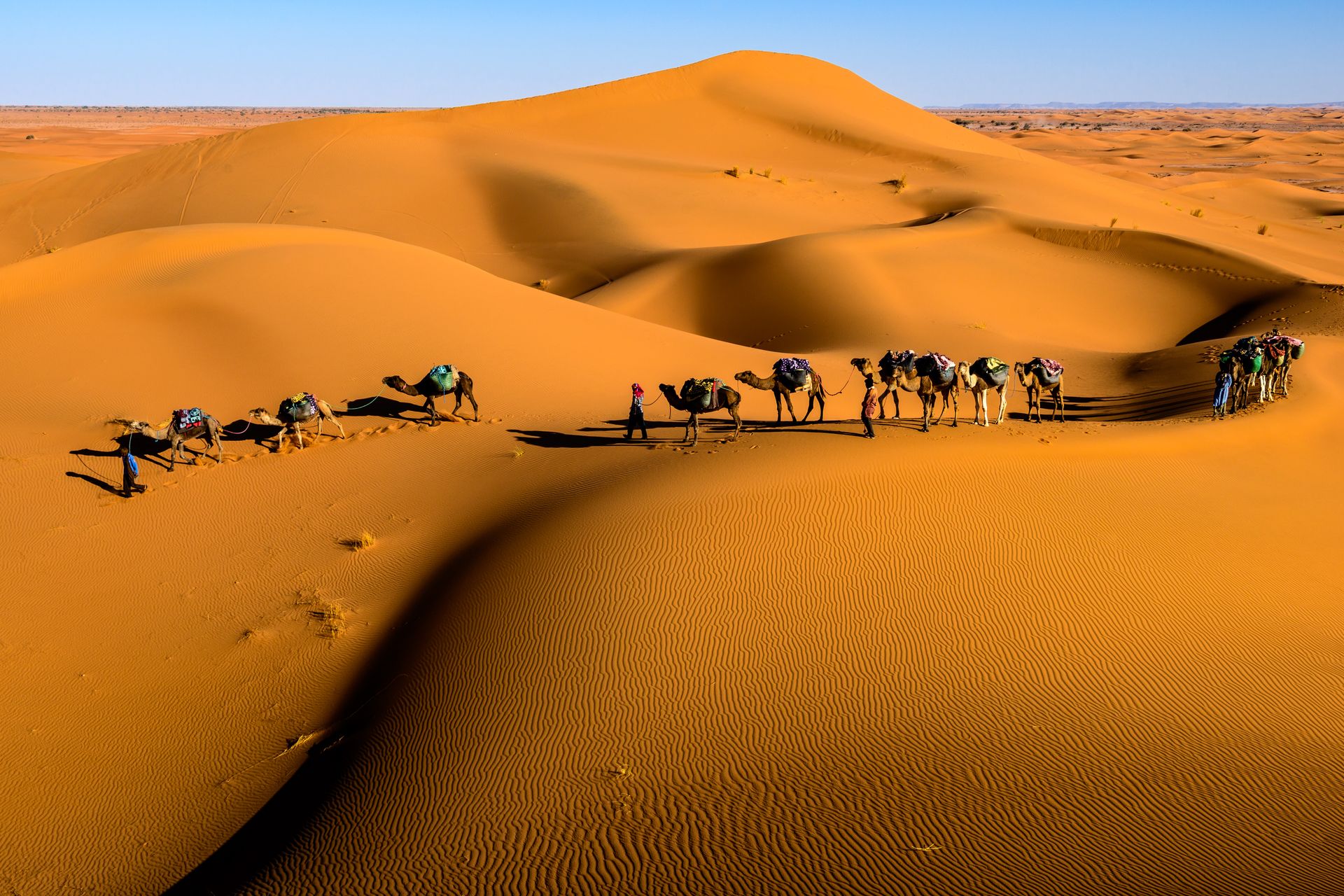
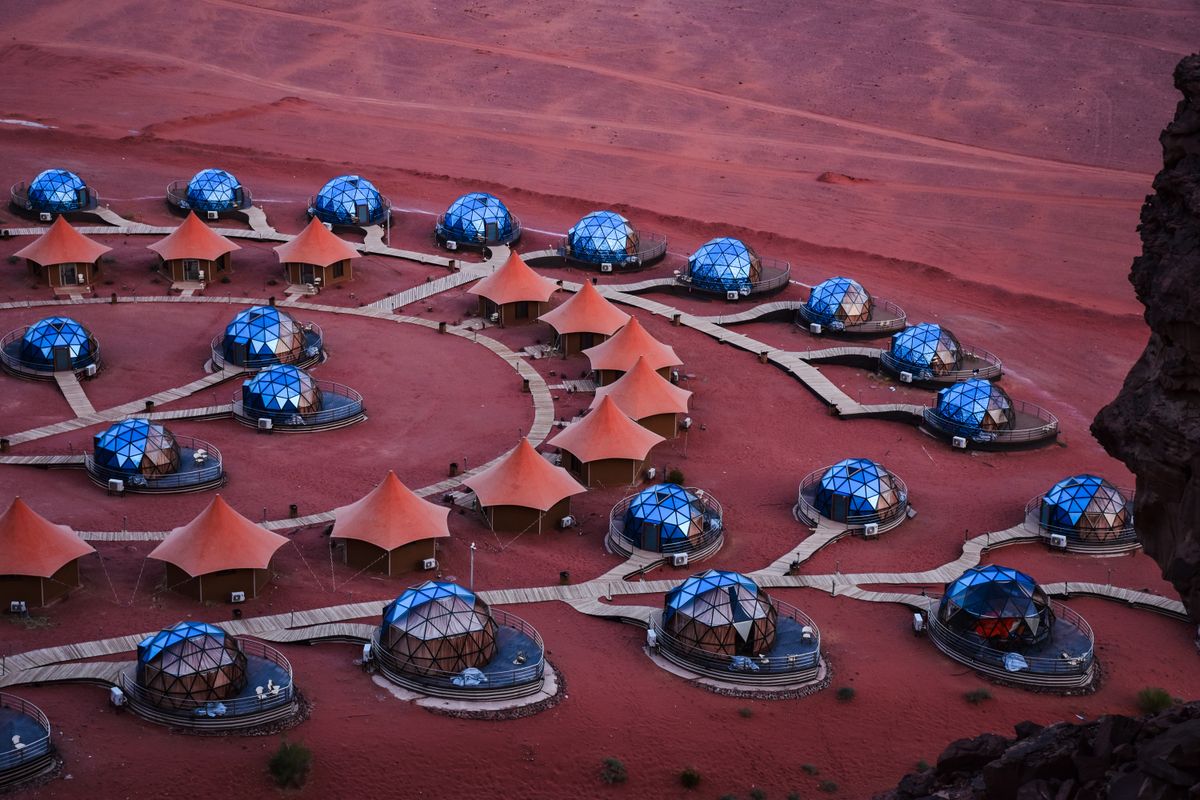
Wadi Rum — the "Valley of the Moon" — rises to 1,840 meters in rose-red and orange sandstone jebels, its scale so alien that Lawrence of Arabia, The Martian, and Dune were all filmed here. The overnight desert camp is the defining experience: sunset over the mountains, a zarb dinner (Bedouin underground slow-roasted lamb), and a night sky with minimal light pollution.
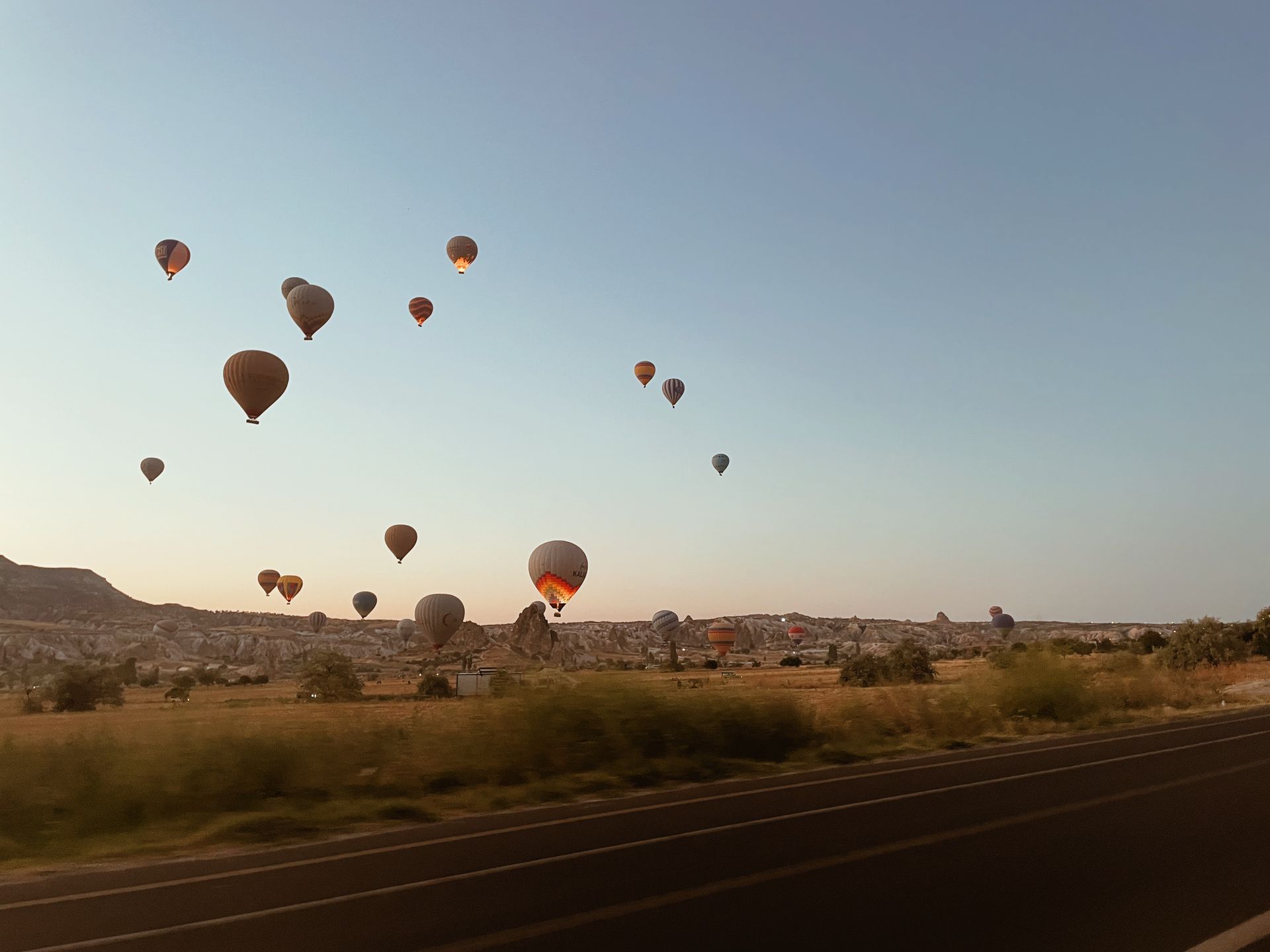
Camp tiers range from Bedouin community camps (JD 25–40/person, the most authentic) to luxury "bubble" tents with transparent domes (JD 180–350/person, book 2–4 weeks ahead). Activities include jeep tours (JD 25–70/person), rock climbing on world-class sandstone, camel trekking, and dawn hot air balloon flights (JD 175/person) for the finest aerial perspective in Jordan.
The Dead Sea, the King's Highway, and Aqaba
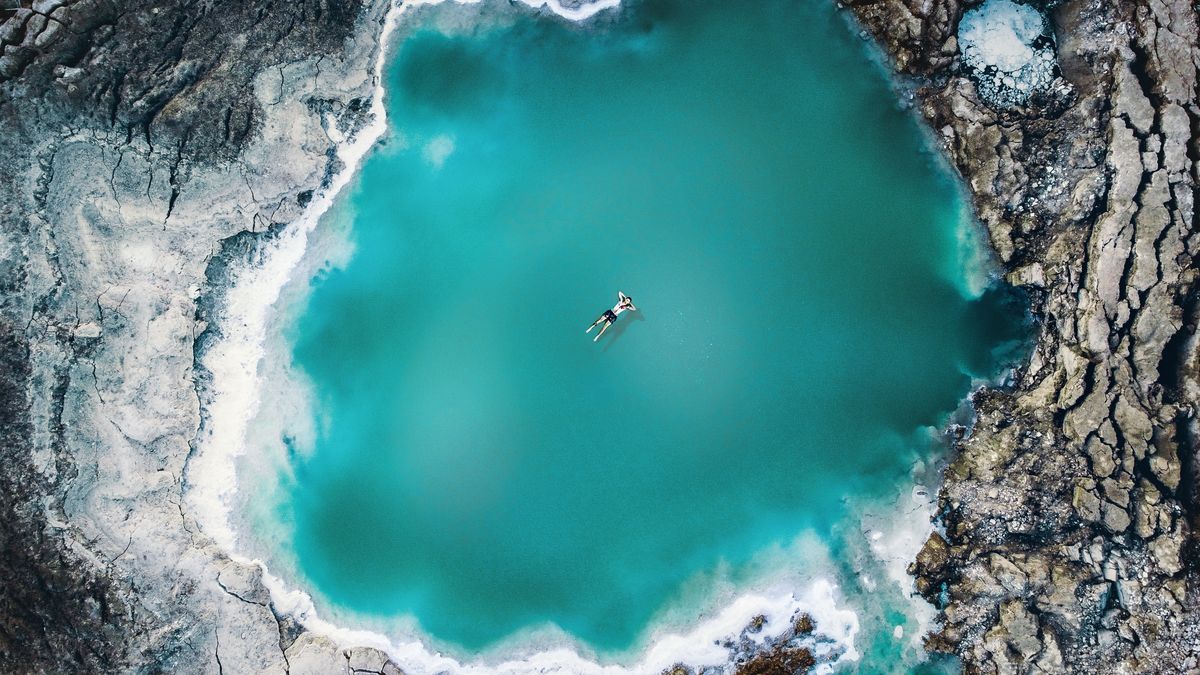
The Dead Sea, at −430 meters the lowest point on earth, has 34% salt concentration — floating is effortless and the mineral mud is genuinely therapeutic. Public beaches (Amman Beach, O Beach, JD 15–25) provide the experience without resort prices; remove jewelry, don't shave beforehand, and rinse thoroughly after.
The King's Highway — one of the oldest continuously used roads in history — connects Madaba (the 6th-century Byzantine Madaba Map mosaic), Mount Nebo (the biblical viewpoint over the Jordan Valley), Karak Castle (the most impressive Crusader fortress in Jordan), and the Dana Biosphere Reserve (Jordan's largest nature reserve, with hiking to the remote Feynan Ecolodge).
Aqaba, on the Red Sea, offers some of the most thermally resilient coral reefs in the world, accessible snorkeling and diving from shore, and views across to Saudi Arabia, Israel, and Egypt simultaneously.
Jordan Travel Tips for First Timers
Jordan is consistently ranked among the safest countries in the Middle East for tourism, with solo female travelers reporting a notably more comfortable experience than many regional equivalents.
Trail Notes
- Purchase the Jordan Pass before any other booking — it covers the visa fee and Petra entry and pays for itself immediately.
- Dress modestly outside resort areas — covered shoulders and knees, with a light scarf useful for women.
- A rental car is the most practical way to cover Petra, Wadi Rum, the King's Highway, and the Dead Sea in one trip.
- JETT buses offer a reliable public transport alternative between major single destinations.
- During Ramadan, avoid eating, drinking, or smoking in public during daylight hours.
- Genuine tea invitations are a hospitality gesture, not always a sales pitch — accept some to experience real Jordanian warmth.
Jordan Budget Guide
Budget: JD 50–80/day — guesthouses (JD 15–25), community camps (JD 25–40), and market eating (JD 8–15/day). Mid-range: JD 100–180/day — 3-star hotels, mixed dining, a hired car. Comfort: JD 200–400/day — luxury bubble camps, fine dining, private guides and balloon flights.
Final Thoughts: The Country at the Crossroads
Jordan has occupied one of the world's most consequential geographic crossroads for five millennia, and what it gives the traveler is a specific understanding of the human capacity to build civilization in difficult terrain and maintain hospitality as sacred practice across generations of regional turbulence. Buy the Jordan Pass. Walk the Siq at dawn. Sleep under Wadi Rum's stars. Jordan will give you more than you came for.