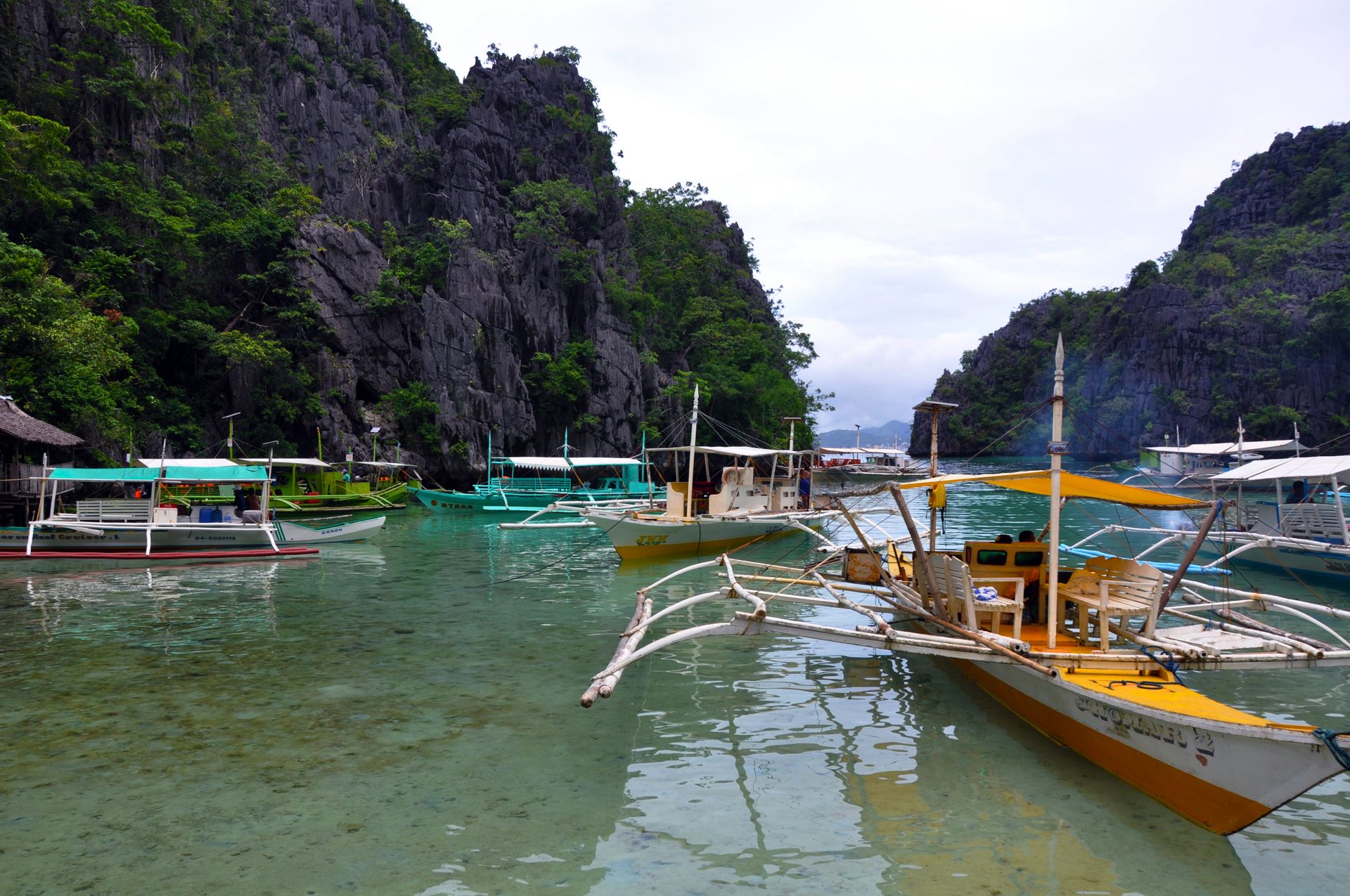
The Philippines is one of those destinations that redefines what travel can feel like. An archipelago of 7,641 islands scattered across the western Pacific, it is a country of staggering natural beauty, extraordinary cultural warmth, and a diversity of experience that few destinations anywhere in the world can match — powder-white beaches, Chocolate Hills rising from emerald plains, 2,000-year-old rice terraces, whale sharks in shallow coastal waters, and everywhere, the Filipino people making you feel not like a tourist but like a guest.
The Philippines is one of the world's seventeen megadiverse countries, and Tubbataha Reef is considered one of the top ten diving destinations on the planet.
Why the Philippines Should Be on Every Traveler's Bucket List
The Philippines is one of the last great frontiers of Southeast Asian travel — well-known enough to have excellent infrastructure in its key destinations, but still raw and genuinely adventurous in its remoter corners. Its biodiversity is extraordinary: one of the world's seventeen megadiverse countries, centered on the Coral Triangle, the global epicenter of marine biodiversity, with Tubbataha Reef Natural Park considered one of the top ten diving destinations on the planet.
Culturally, it's the only predominantly Christian country in Southeast Asia, a legacy of over 300 years of Spanish rule that blends indigenous, Malay, Spanish, American, and Chinese influences into something entirely its own. And the food — bold, sour, savory, built around vinegar, fermented shrimp paste, and coconut — is a criminally underrated cuisine finally receiving the international recognition it deserves.
Understanding the Philippines: The Three Island Groups
Luzon is the largest island, home to Manila, the mountain city of Baguio, the UNESCO-listed Cordillera rice terraces, and the whale sharks of Donsol. Visayas is the central group and the heart of the tourism industry — Cebu, Bohol's Chocolate Hills, Boracay, and the surf town of Siargao. Mindanao holds Lake Sebu's T'boli culture and the Bukidnon highlands, though some areas warrant checking current travel advisories. Palawan, administratively part of Luzon but its own travel world, contains some of the most spectacular scenery on Earth around El Nido and Coron.
Best Time to Visit the Philippines
The dry season (November–May), particularly January through March, is the best time to visit most of the country — clear skies, calm seas, and the best diving visibility. This is peak season; book Palawan, Boracay, and Siargao accommodation well ahead. The wet season (June–October) brings the risk of typhoons, particularly July through October, though Palawan and parts of Mindanao sit in a rain shadow and stay relatively dry. Note the regional variation carefully: the east coast (Siargao, eastern Mindanao) follows an inverted pattern from the west coast.
How to Get to the Philippines and Around
Most visitors arrive at Ninoy Aquino International Airport (NAIA) in Manila or Mactan-Cebu International Airport. Philippine Airlines and Cebu Pacific are the main carriers, with Singapore Airlines, Cathay Pacific, Qatar Airways, and Emirates offering excellent connections.
Inter-Island Flights: the most practical way to cover vast distances — Cebu Pacific and AirAsia Philippines connect Manila, Cebu, Palawan, Siargao, and Boracay; book weeks or months ahead for the lowest fares. Inter-Island Ferries: 2GO Travel and Oceanjet, slower but scenic; local bangka (outrigger canoe) boats handle island-hopping within a region. Jeepneys: the iconic, flamboyantly decorated backbone of local transport. Grab: the region's Uber equivalent, essential for Manila and Cebu.
Top Destinations in the Philippines for First-Time Visitors
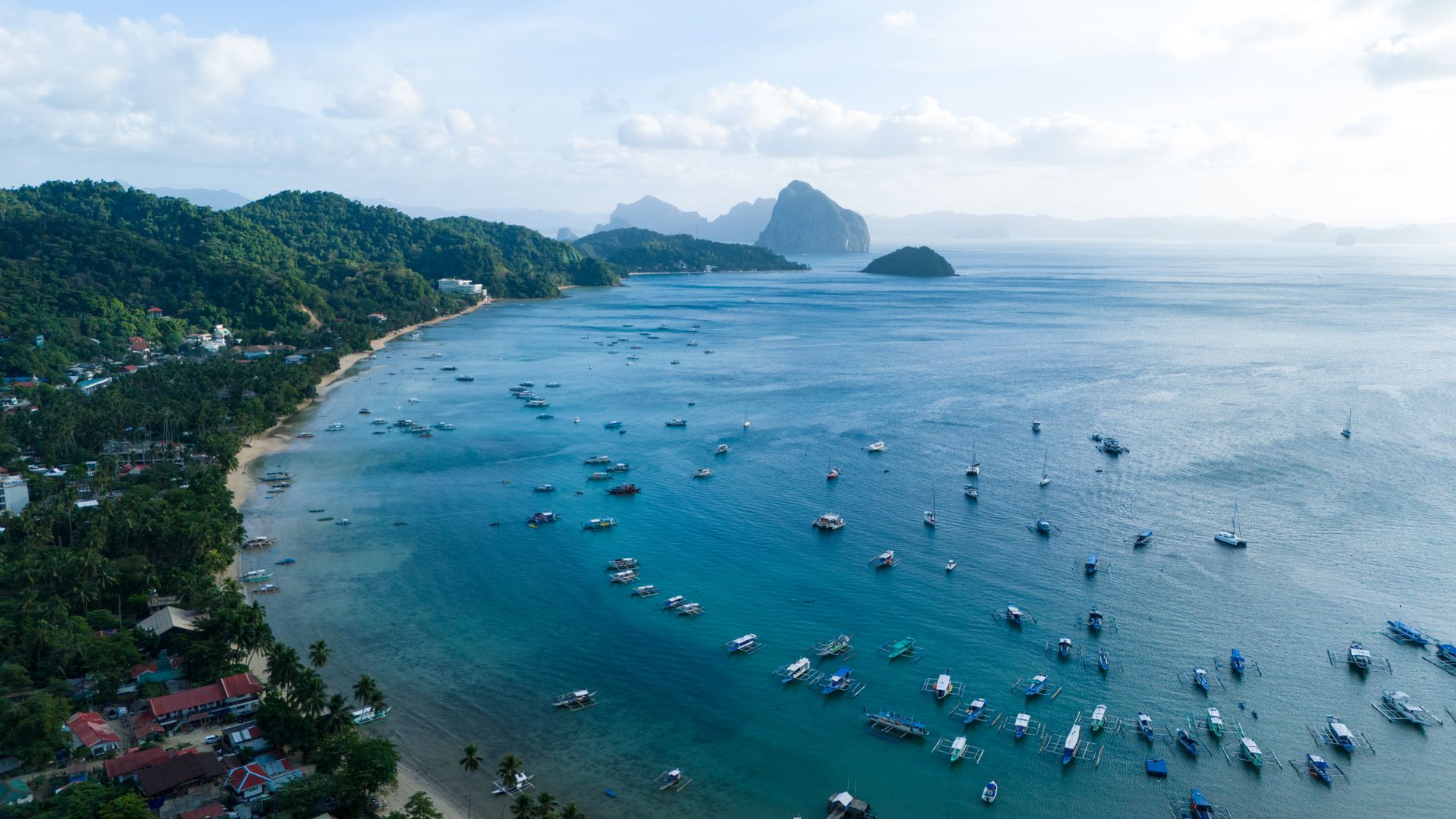
1. Palawan: consistently voted the world's best island. El Nido's Bacuit Archipelago offers four standard island-hopping tours through lagoons and hidden beaches; Coron is a world-class wreck diving destination with the sunken WWII Japanese fleet and the extraordinary Kayangan Lake; Puerto Princesa is the gateway to the Subterranean River, a UNESCO World Heritage Site and New Seven Wonder of Nature.
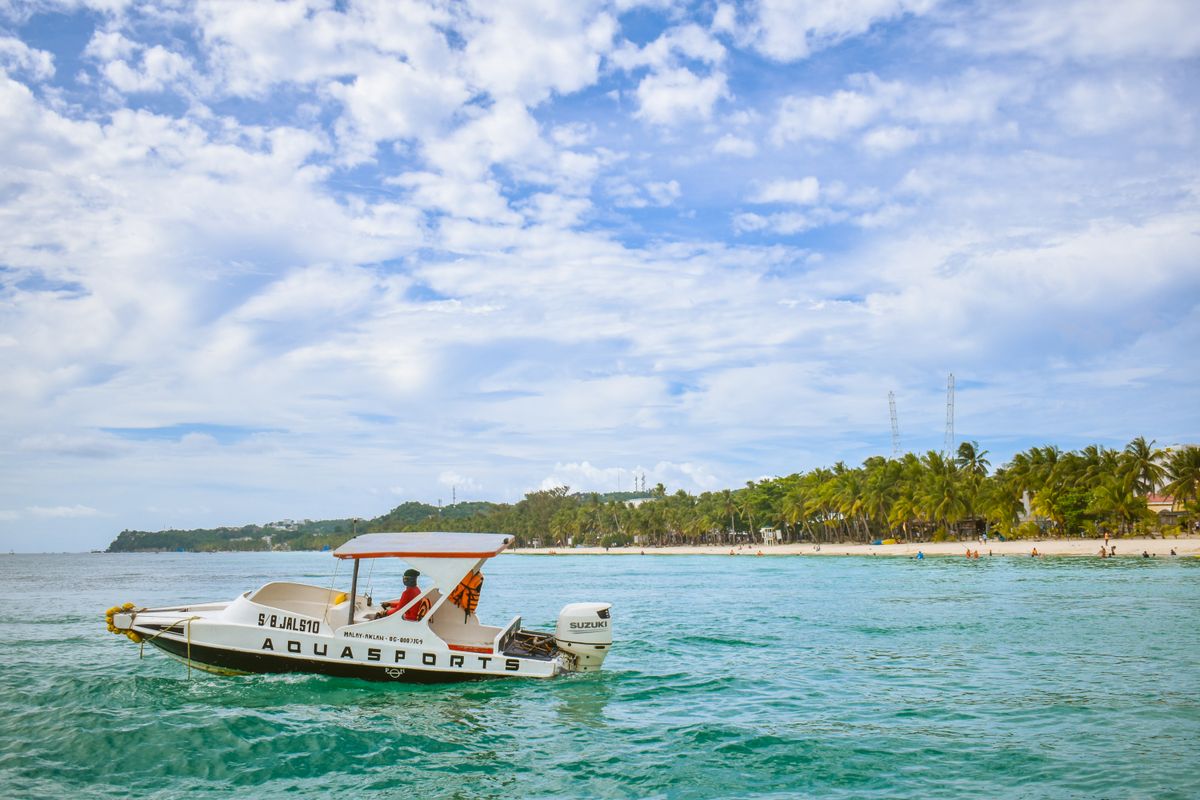
2. Boracay: White Beach's four kilometers of powder-soft sand, reopened dramatically improved after a 2018 environmental rehabilitation closure, remains the country's most developed and polished beach destination.
3. Siargao: transformed from a surfer's secret into one of Southeast Asia's most talked-about destinations while retaining a raw, unhurried character — Cloud 9's reef break, stingless jellyfish lakes at Sohoton Cove, and an excellent food scene in General Luna.
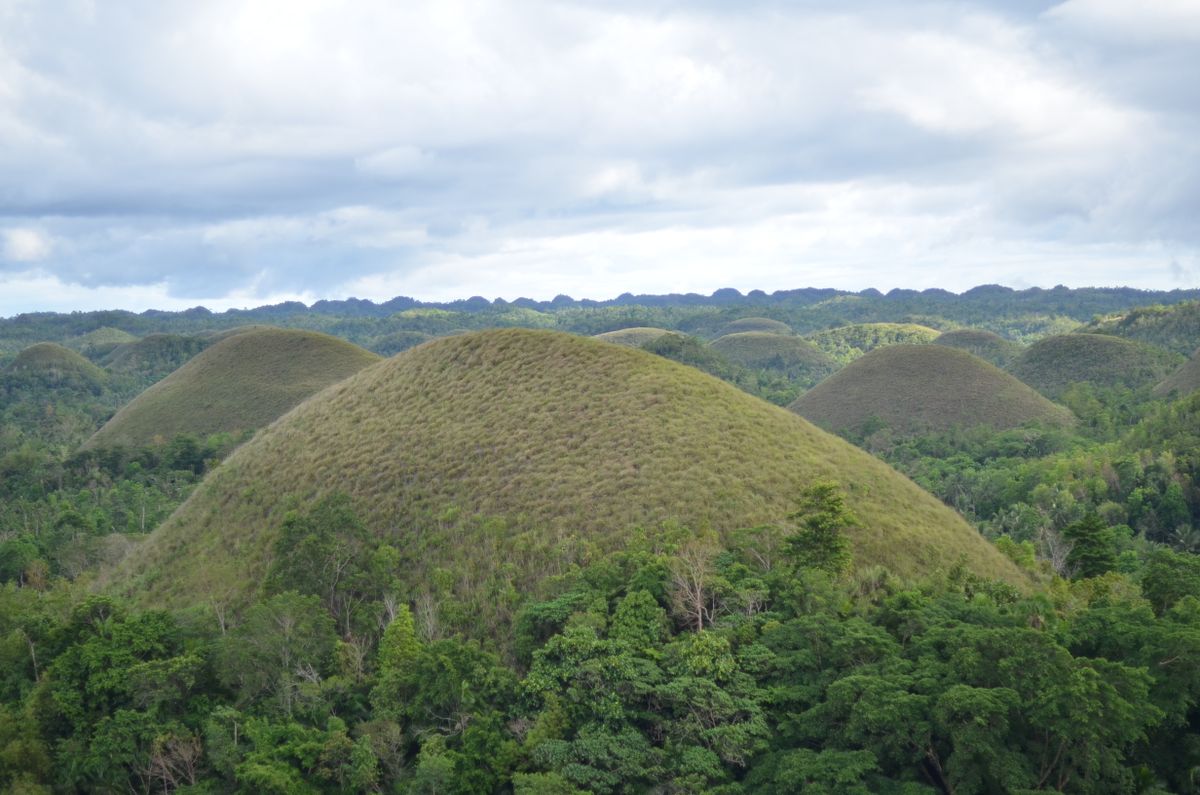
4. Bohol: the Chocolate Hills — 1,268 perfectly conical limestone hills — best seen at sunrise or sunset from the Carmen viewpoint, alongside the endemic Philippine tarsier and world-class diving at Balicasag Island.
5. Cebu: Magellan's Cross and the Basilica Minore del Santo Niño anchor a Spanish colonial heritage, alongside the country's finest lechon and the extraordinary sardine run snorkeling at Moalboal.
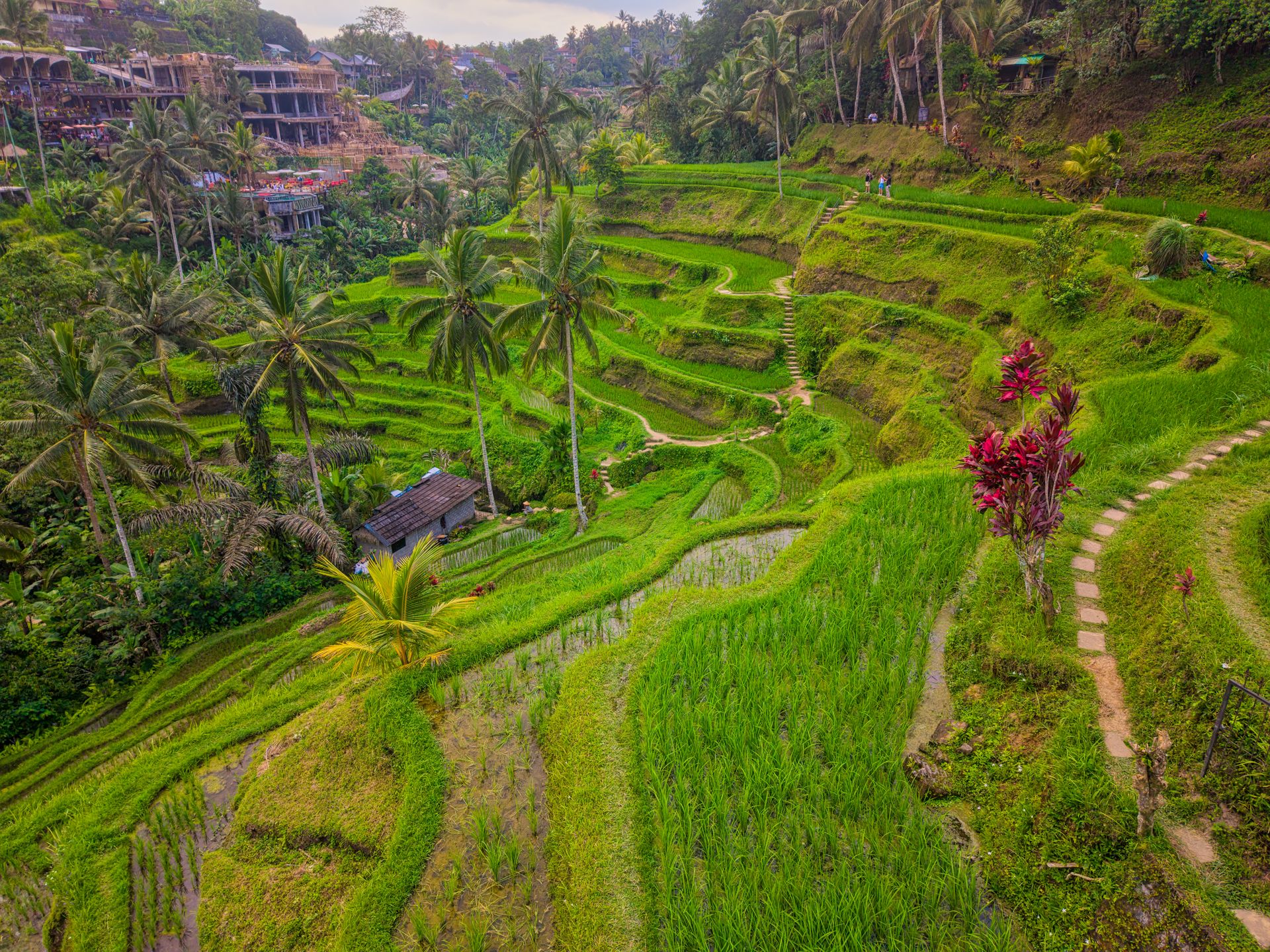
6. The Cordillera: the Banaue Rice Terraces, carved into mountain slopes by the Ifugao people over 2,000 years ago and often called the Eighth Wonder of the World, with the villages of Batad and Sagada nearby.
7. Manila: Intramuros, the walled Spanish colonial city, and Binondo — established in 1594 and considered the world's oldest Chinatown — reward patient exploration of a chaotic, traffic-choked capital.
What to Eat in the Philippines
Adobo, meat braised in vinegar, soy sauce, and garlic, is the unofficial national dish, with every family fiercely loyal to its own version. Sinigang, a sour tamarind soup with pork, shrimp, or fish, is what Filipinos abroad say they miss most. Lechon, whole pig slow-roasted until the skin crackles, is the centerpiece of every celebration — Cebu's version is the gold standard. Kare-Kare, a rich peanut-based oxtail stew served with pungent bagoong (fermented shrimp paste), is a revelation. Halo-Halo, a chaotic, magnificent tower of shaved ice, sweetened beans, ube ice cream, and leche flan, is the country's beloved dessert. Fresh Seafood grilled beachside with garlic rice and vinegar dip is one of the purest meals the country offers.
Philippines Travel Tips for First Timers
Planning around weather, booking early, and protecting the reefs are the three habits that matter most in the Philippines.
Trail Notes
- Plan around typhoon season — travel insurance covering weather cancellations is essential, not optional.
- Book inter-island flights as early as possible — prices rise sharply as dates approach.
- Carry cash in pesos — ATMs are unreliable outside major hubs.
- Get travel insurance that specifically covers diving and medical evacuation.
- Learn a few Filipino phrases — salamat (thank you) and the respectful po/opo are warmly received.
- Go deep into one region rather than skimming many — two weeks in Palawan beats ten days split across four islands.
- Use reef-safe sunscreen and never touch or stand on coral.
Suggested 10-Day Philippines Itinerary for First Timers
Days 1–2: Manila — Intramuros, Binondo, the National Museum complex.
Days 3–5: El Nido, Palawan — island-hopping Tours A and C through the Bacuit Archipelago's lagoons.
Days 6–7: Coron, Palawan — Kayangan Lake, Twin Lagoon, and wreck diving or snorkeling.
Days 8–9: Cebu and Moalboal — Magellan's Cross, lechon, and the sardine run snorkel.
Day 10: departure via Cebu, or extend to Bohol, Siargao, or Boracay.
The Philippines on a Budget: Is It Possible?
The Philippines is one of Southeast Asia's best-value destinations. A meal at a turo-turo canteen costs 80–150 PHP; a shared bangka island-hopping tour costs 500–800 PHP per person. A comfortable daily budget of €50–€70 per person covers mid-range accommodation, all meals, and most activities.
Final Thoughts: The Philippines Will Rearrange Your Definition of Beautiful
There is a moment that happens to almost every first-time visitor to the Philippines — usually somewhere in Palawan, or floating above a Visayas reef — when the sheer beauty of the country stops you completely. Come with curiosity, come with flexibility, and come with a genuine appetite for beauty in all its forms.