Unlike Tokyo's electric modernity, Kyoto moves to a different rhythm — a city where ancient ritual and daily life coexist with startling grace. You'll find a centuries-old machiya townhouse serving single-origin pour-over coffee, a samurai-era garden behind a convenience store, and a bamboo forest where the wind sounds like the ocean. If you only visit one city in Japan, make it Kyoto.
The traveler who lingers, who gets lost on purpose, who sits for an hour watching the carp in a temple pond — that traveler sees the real Kyoto.
When to Go
March–May is Kyoto's most iconic season — sakura typically peaks late March to early April along the Philosopher's Path and Maruyama Park, though book accommodation 3–6 months ahead. October–November is arguably even more spectacular, as maples and ginkgos ignite in crimson and gold from mid-November. Winter is Kyoto's best-kept secret — crowds evaporate and rare snow dustings on temple rooftops produce breathtaking stillness.
Fushimi Inari and Arashiyama
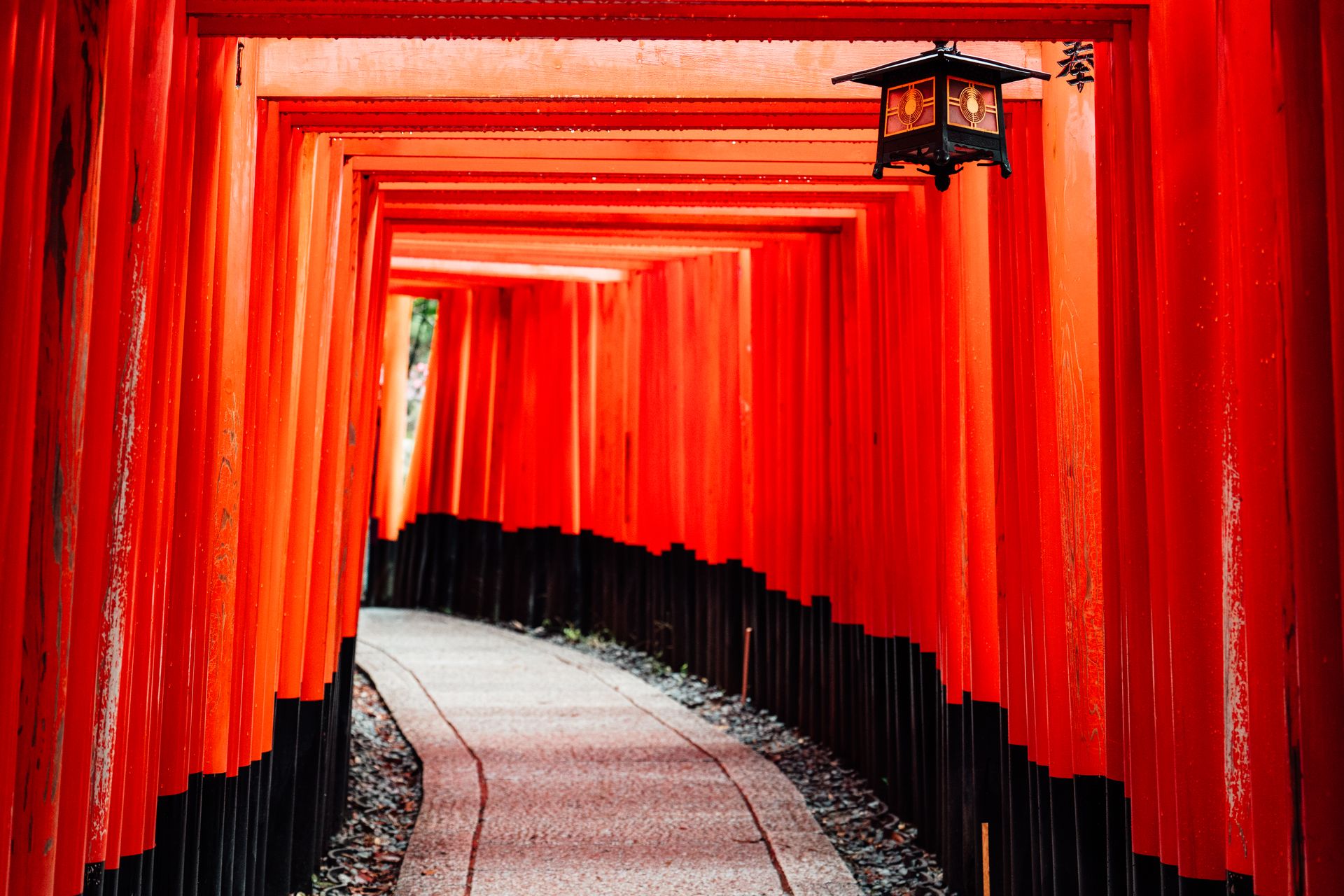
Fushimi Inari Taisha's endless tunnel of vermillion torii gates climbing Mount Inari is free, open 24 hours, and the image most synonymous with Kyoto. Arrive before 7am for the iconic corridors nearly to yourself; the full summit hike takes 2–3 hours round trip.
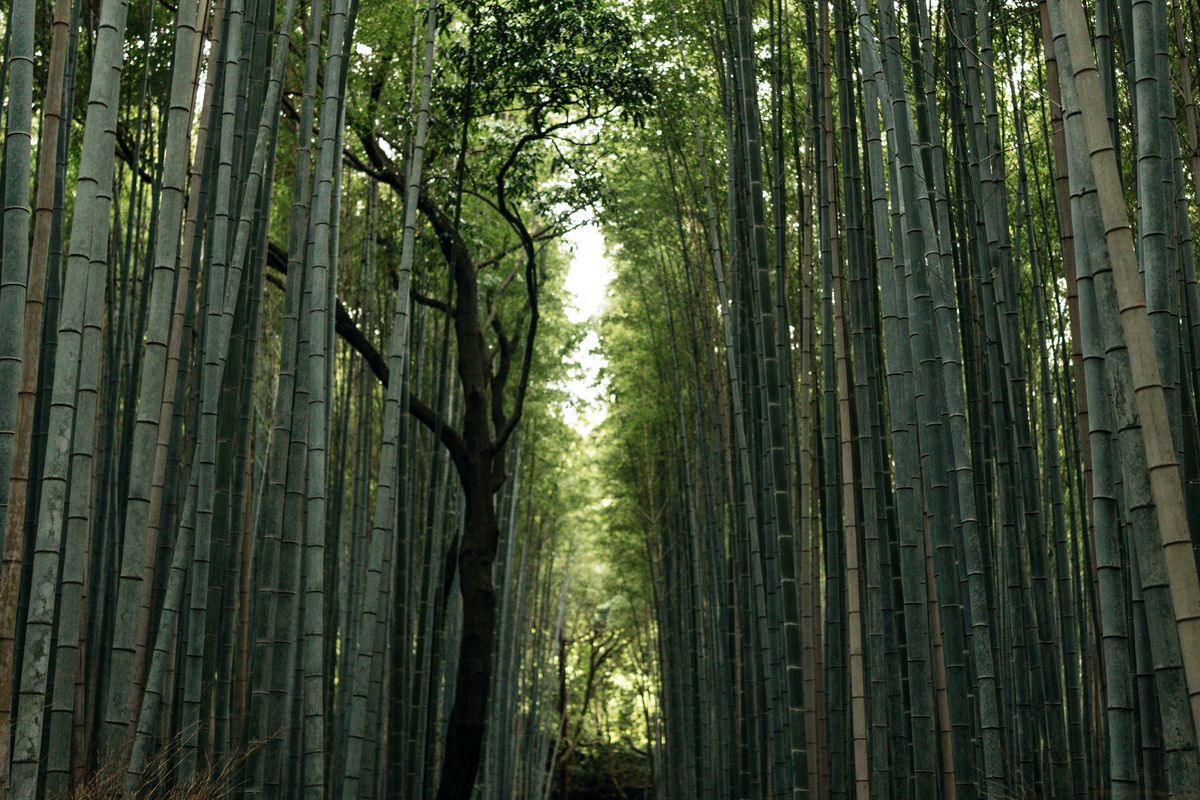
The Arashiyama Bamboo Grove is as much an acoustic experience as visual — towering stalks swaying and whispering in a way that feels genuinely otherworldly. Pair it with Tenryu-ji's reflected-pond garden and a morning visit before the 10am–3pm crowd peak.
Kinkaku-ji and Gion
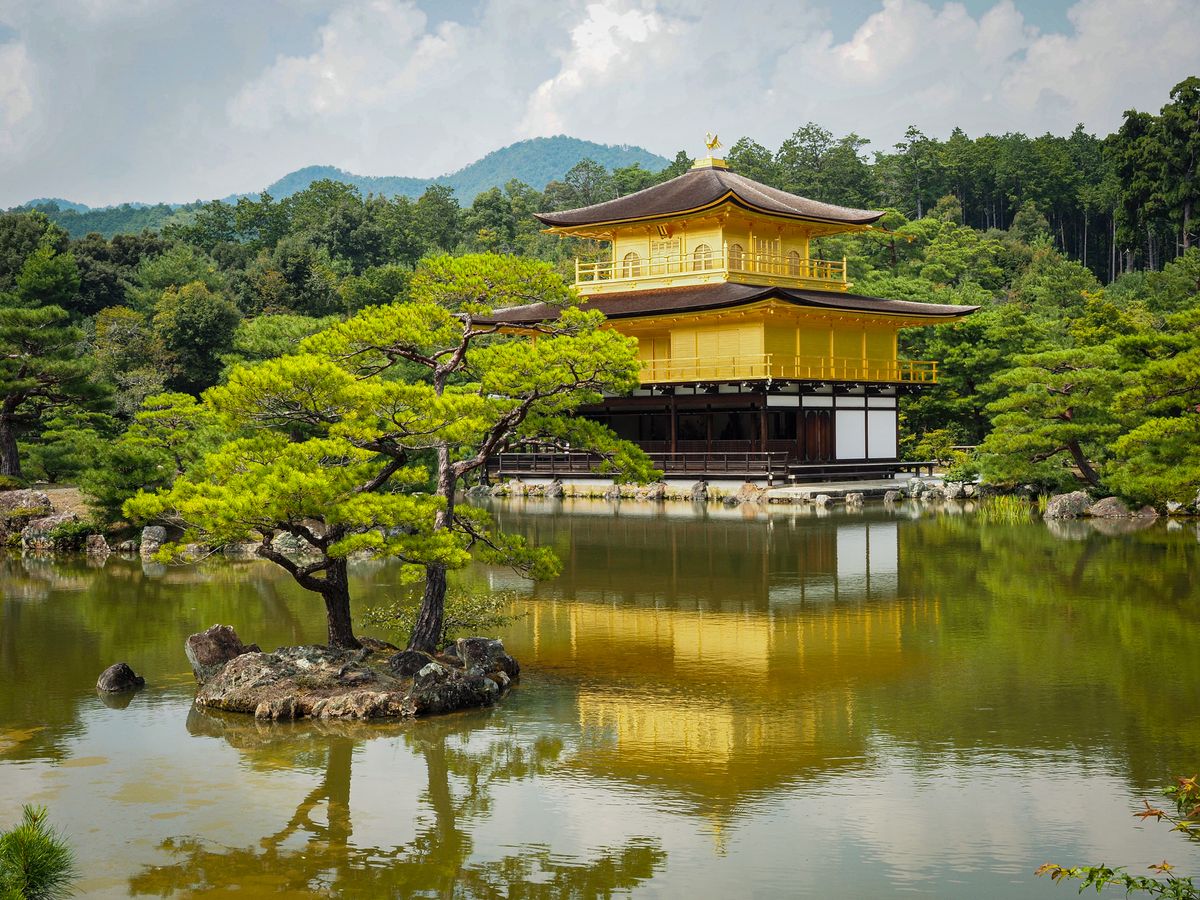
Kinkaku-ji, the Golden Pavilion, is a three-story Zen temple sheathed in gold leaf, its reflection shimmering in the Mirror Pond below — built as a shogun's retirement villa in 1397. Gion, Kyoto's most atmospheric neighborhood, is a grid of preserved wooden machiya townhouses where geiko and maiko still glide toward evening appointments; be respectful, as this is a working neighborhood rather than a theme park.
Kyoto's Food Culture
Kaiseki ryori, the exquisite multi-course cuisine that evolved from tea ceremony culture, was essentially invented in Kyoto — excellent kaiseki lunches at respected restaurants start around ¥5,000–8,000. Yudofu (simmered tofu), made with the city's famously soft water, is a specialty best found near Nanzen-ji temple. Nishiki Market, "Kyoto's Kitchen," is the ideal place to graze through pickled vegetables, fresh tofu, and matcha sweets.
Where to Stay and Day Trips
A traditional ryokan — futons on tatami floors, private or communal onsen, multi-course kaiseki dinner served in-room — is the definitive Kyoto experience, with Higashiyama and Arashiyama holding the finest options (¥20,000–60,000/person/night). Machiya guesthouses, restored townhouses with full kitchens, offer more accessible mid-range character.
Nara, 45 minutes by train, holds Todai-ji's colossal bronze Buddha and the freely roaming, cracker-bowing deer of Nara Park. Osaka, 15 minutes by Shinkansen, is Kyoto's loud, neon-drenched antithesis — Dotonbori at night and the takoyaki stalls of Shinsekai are worth the short trip. Hiroshima and Miyajima, 1.5 hours by Shinkansen, make for a profound full day: the Peace Memorial Museum and Miyajima's floating torii gate.
Kyoto Travel Tips for First Timers
Kyoto's most beloved sites are also its most crowded — starting early transforms the experience.
Trail Notes
- Visit Fushimi Inari at 6am and Arashiyama at 7am to beat the crowds.
- Book popular kaiseki restaurants months ahead via Tableall or your hotel concierge.
- Get a Suica or ICOCA IC card for all buses and trains.
- Respect Gion's photography boundaries — private alleys are now off-limits to tourists.
- Carry cash — smaller temples and traditional vendors are cash-only.
- Stay in Higashiyama for walking access to Gion and the Philosopher's Path.
Sample 4-Day Kyoto Itinerary
Day 1: Fushimi Inari before 7am, Gion and Higashiyama. Day 2: Kiyomizudera, the Philosopher's Path to Ginkaku-ji, tea ceremony. Day 3: Arashiyama bamboo grove, Tenryu-ji, Kinkaku-ji. Day 4: Nishiki Market, Nijo Castle.
Final Thoughts: Why Kyoto Stays With You
Long after you've returned home, you'll find yourself thinking about the quality of light through a bamboo grove, the smell of incense from a temple gate. Come with time, come with curiosity, and come ready to be changed.