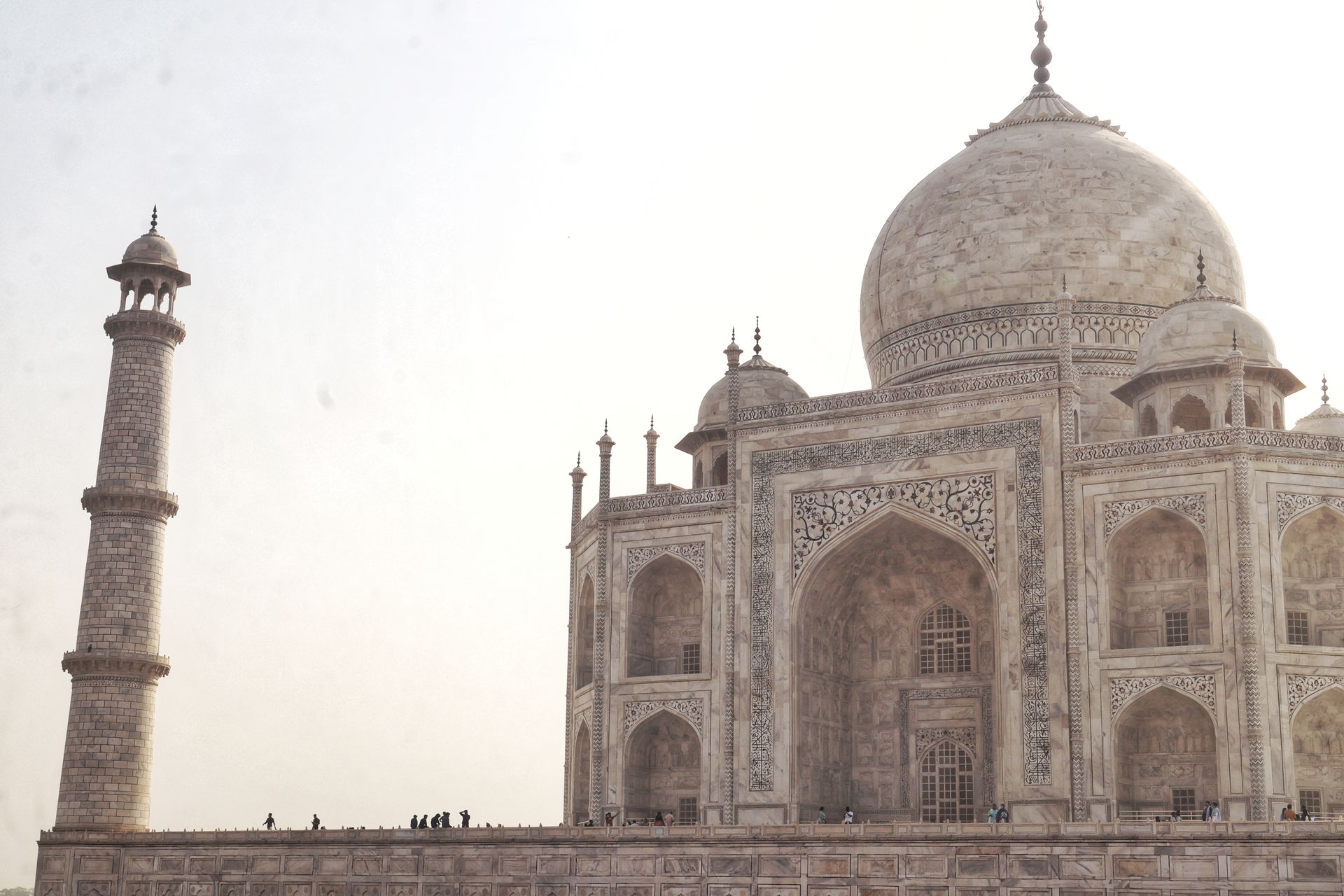
India resists summary the way it resists most things imposed on it from outside — with magnificent, chaotic, entirely self-sufficient indifference. It is the world's largest democracy and its most ancient continuous civilization, home to the Taj Mahal, the ghats of Varanasi where three-thousand-year-old rituals continue at dawn, and contradictions — satellite technology beside ox-drawn plows, Michelin-starred restaurants beside ten-cent street food — that are not problems to be solved but the specific texture that makes India the most complex and rewarding destination on Earth for travelers willing to engage with it on its own terms.
India does not meet you halfway. It asks you to come all the way. Those who do are never the same afterward.
When to Go
October–March (cool season) is the best overall window — post-monsoon dry season with manageable temperatures. November and February are the sweet spots: past the post-monsoon mugginess, before summer heat, with extraordinary light. April–June brings extreme heat (40–45°C+) to the plains, though the hill stations and high Himalayas open. July–September is monsoon season — dramatic rainfall, extraordinary green landscapes, and sharply lower prices, though Rajasthan and Ladakh become impractical.
Getting Around India
Indian Railways — the fourth-largest network on Earth, 13,000 trains carrying 23 million passengers daily — is less transport than immersion; 3AC (three-tier air-conditioned sleeper) offers the best balance of comfort and cost for overnight journeys, and the foreign tourist quota at station booking offices provides a backup when online booking is sold out. Domestic flights (IndiGo, Air India, Vistara) are often cheaper than the equivalent train fare on longer routes — Delhi to Mumbai can cost under €40 with advance booking. Within cities, auto-rickshaws are the classic short hop (negotiate the fare or insist on the meter), while Ola and Uber eliminate the negotiation entirely. Hiring a car with driver, from roughly ₹2,000–6,000 per day, is the most practical way to explore Rajasthan, Kerala, and southern temple circuits.
Delhi and the Golden Triangle
Old Delhi's Chandni Chowk bazaar, the Jama Masjid (India's largest mosque, capacity 25,000), and the Red Fort form the historic core; New Delhi's Humayun's Tomb (which directly inspired the Taj Mahal, at a fraction of the crowds) and the Qutub Minar round out the essentials. The Golden Triangle — Delhi, Agra, Jaipur, roughly 250km apart — is India's most visited route and the foundation of most first-time itineraries.
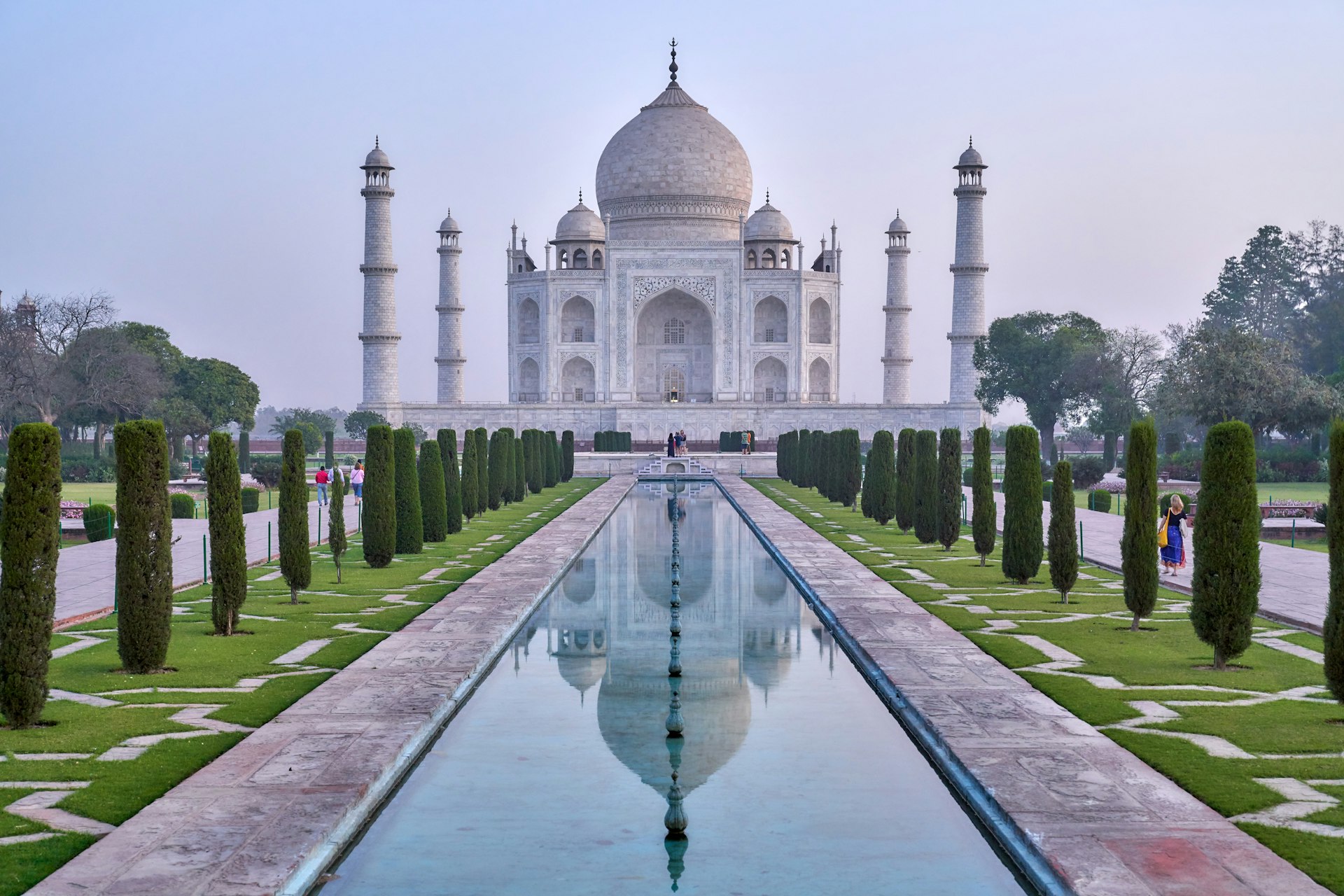
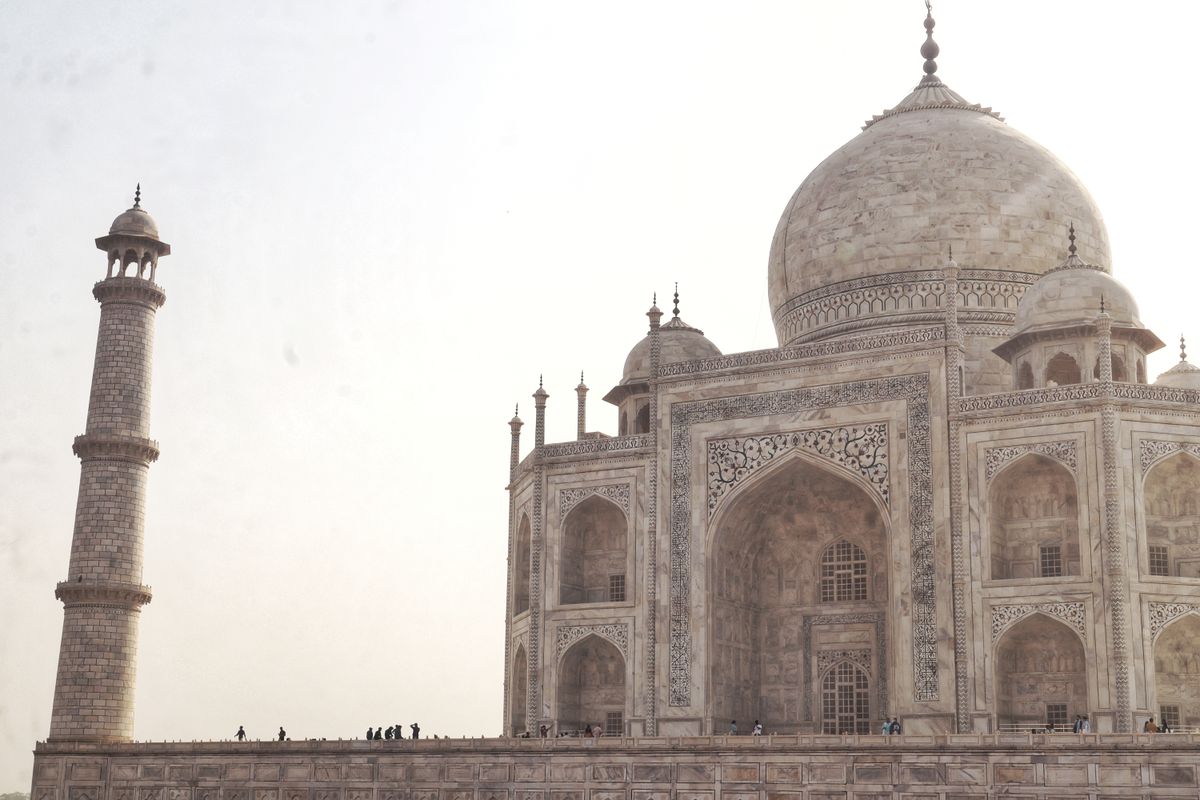
The Taj Mahal, built by Shah Jahan between 1632–1653 as a mausoleum for his wife Mumtaz Mahal, is by wide consensus the most beautiful building in the world. Arrive at dawn for the first light on the white marble and the smallest crowds; book tickets online in advance. The Agra Fort, where Shah Jahan was later imprisoned by his own son and spent his final years viewing the Taj from a marble tower, adds essential context.
Rajasthan: The Land of Kings
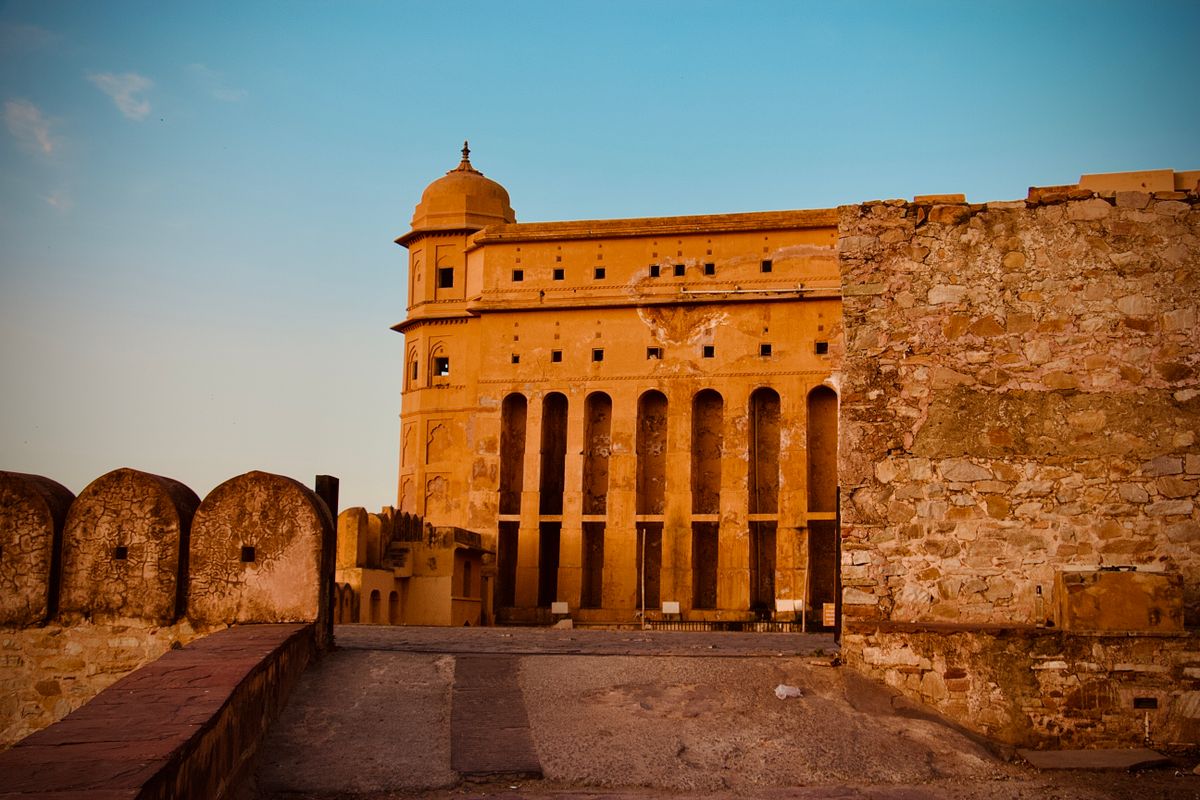
Jaipur, the "Pink City," holds the City Palace, the Amber Fort (approached by elephant or jeep), and the Hawa Mahal's 953 windows. Jodhpur's Mehrangarh Fort rises 120 meters above the "Blue City." Jaisalmer, the "Golden City," is the only living fort in Rajasthan — a quarter of its population still lives within the walls — with camel safaris into the Thar Desert for overnight camps under some of India's darkest skies. Udaipur, the "City of Lakes," is the most romantic city in Rajasthan, its City Palace rising from Lake Pichola.
Varanasi: The City That Exists on Another Plane
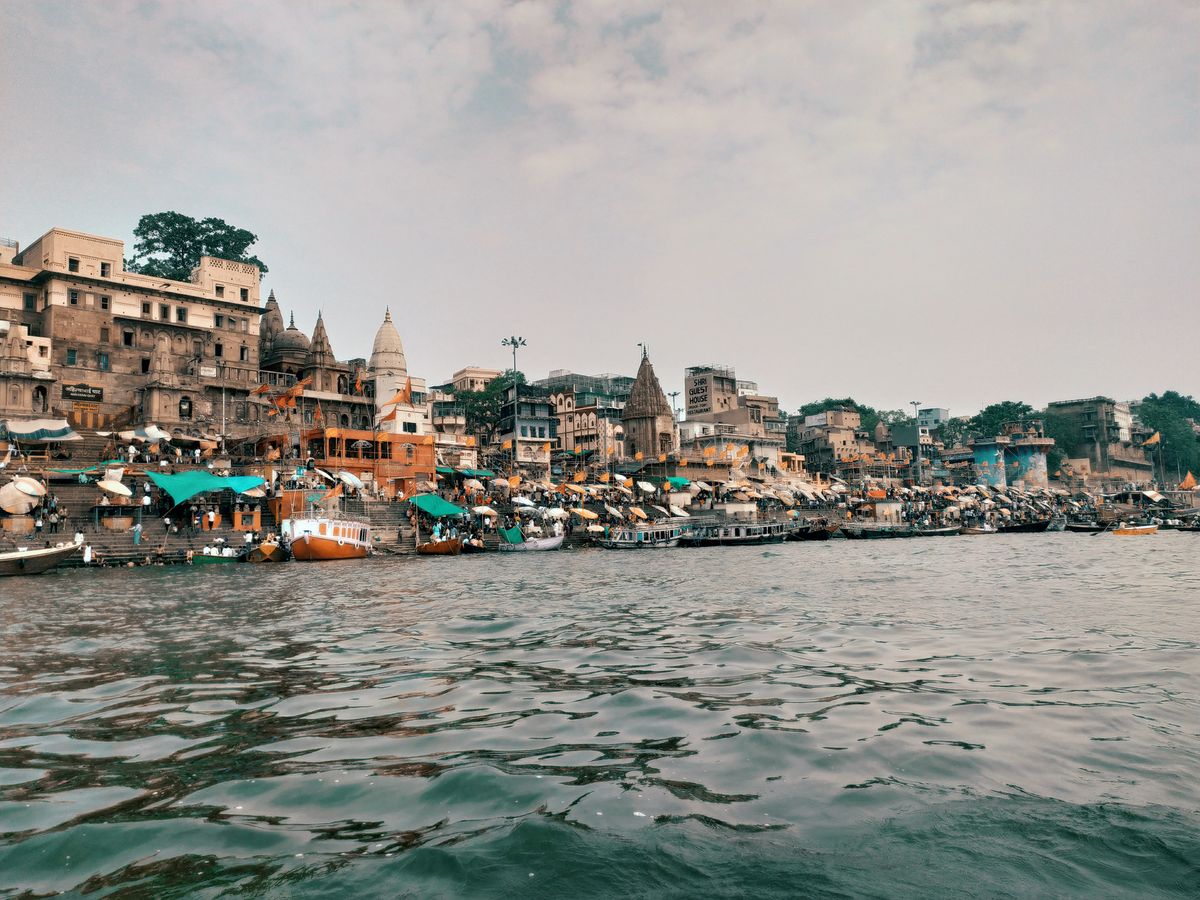
Varanasi, the oldest continuously inhabited city in the world and Hinduism's holiest city, is where the gap between the sacred and the daily is narrower than anywhere else on Earth. The cremation ghats burn continuously, day and night; a dawn rowboat along the ghats — pilgrims bathing, priests conducting puja, sadhus meditating on steps worn smooth by millions of bare feet — is India at its most concentrated. The evening Ganga Aarti ceremony at Dashashwamedh Ghat, with a line of priests conducting elaborate fire puja to the river, is one of the most visually and spiritually powerful ceremonies in Asia.
Kerala and the Himalayan North
Kerala's Backwaters — 900km of lagoons and canals — are best experienced on a traditional kettuvallam houseboat from Alleppey; Munnar's tea plantations at 1,600m offer cool air after coastal heat. Ladakh, a high-altitude Buddhist kingdom at 3,000–5,500m, holds cliff-perched gompas and Pangong Lake, whose color shifts between blue, green, and red through the day.
What to Eat in India
North Indian cuisine (Delhi, Rajasthan, Punjab) runs on tandoor-baked breads, Mughal-influenced curries — butter chicken, rogan josh, biryani — and Delhi's chaat street-food universe of tamarind and yogurt-topped snacks. South India replaces bread with rice: the dosa-and-sambar breakfast tradition and Kerala's coconut-milk fish curries represent one of Asia's healthiest street-food cultures. Mumbai's vada pav and pav bhaji, Kolkata's kati rolls, and Punjab's lassi round out the regional street-food map. The thali — a complete tray of rice, bread, multiple curries, dal, and pickle for ₹150–400 — is India's most democratic and most nutritionally complete meal.
India Travel Tips for First Timers
India asks more patience and flexibility of travelers than most destinations, and rewards it accordingly.
Trail Notes
- Apply for the e-visa online at least 2 weeks before travel.
- Carry sufficient rupees — ATMs are unreliable outside cities.
- Drink only bottled or purified water throughout the trip.
- Cover shoulders and knees at religious sites and remove shoes before entering.
- Book trains 60 days ahead on IRCTC for popular routes.
- Build rest days into the itinerary — India rewards travelers who pace themselves.
Sample 10-Day India Itinerary
Delhi (2 nights) → Agra (1 night, dawn Taj Mahal) → Jaipur (2 nights) → Jodhpur (1 night) → Udaipur (2 nights) → fly to Mumbai (2 nights).
Final Thoughts: India Changes You
The dawn boat on the Ganges when the river mist lifts. The moment the Taj Mahal materializes through the gateway arch. India asks more of the traveler than most destinations and gives, in return, an education in the range of human experience that no other single country can provide. Come prepared. Come curious. Come humble.