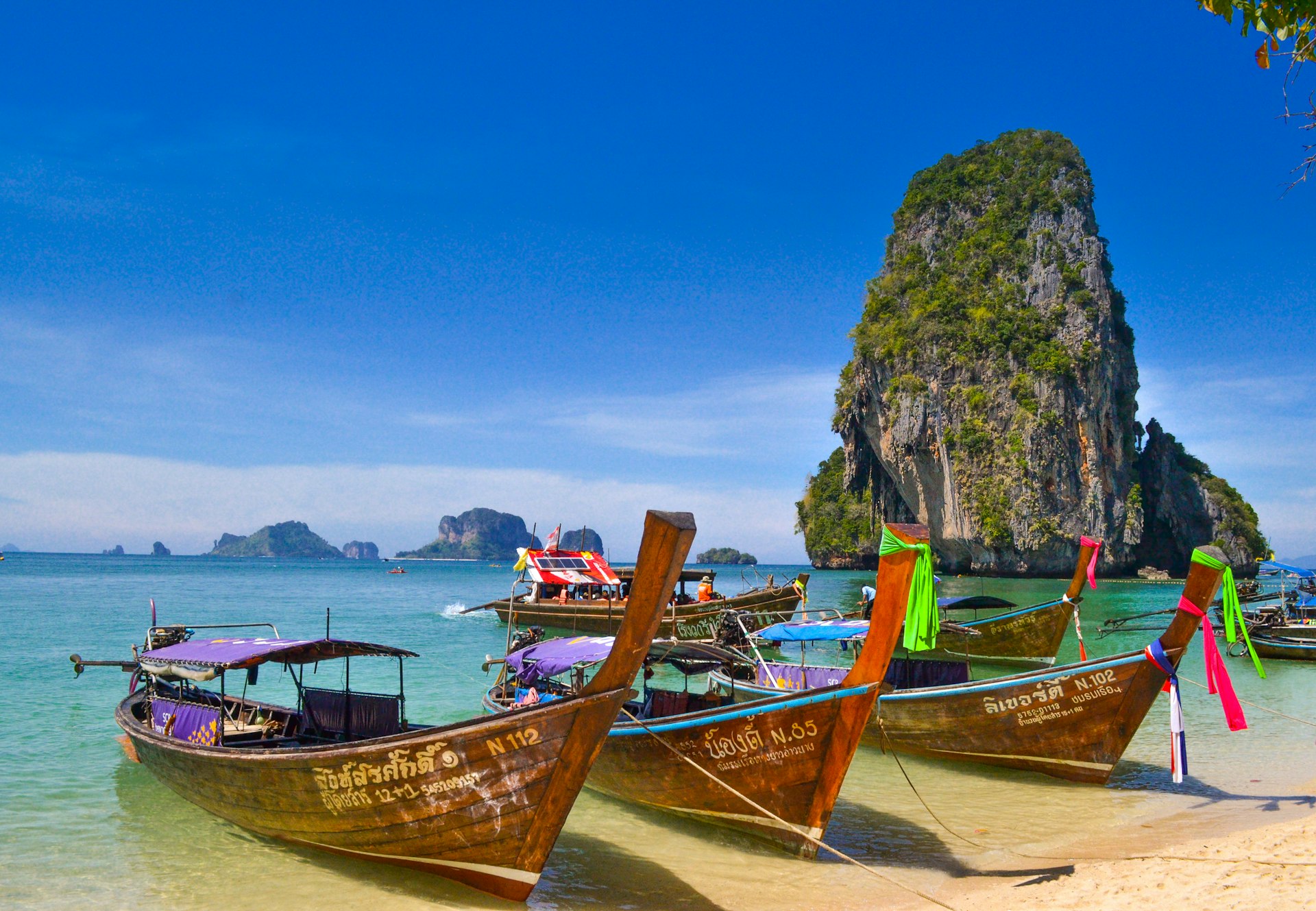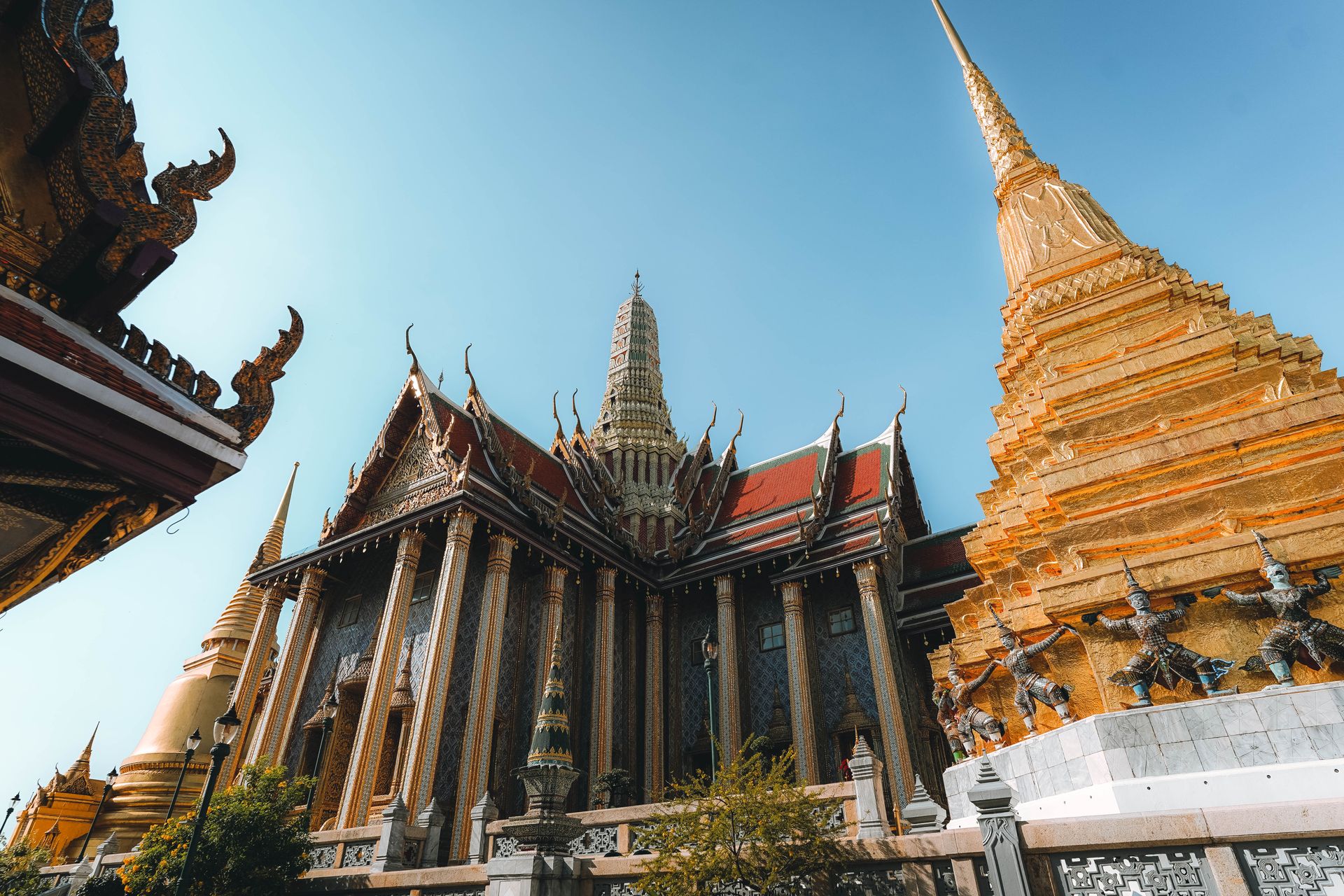
Bangkok defies easy description — a city of gilded temples and rooftop infinity pools, of tuk-tuks threading gridlocked expressways and long-tail boats carving through ancient canals, of Michelin-starred restaurants tucked behind carts that have served the same perfect bowl of noodles for forty years. It is the most visited city in the world by international arrivals, offering a density of flavor and stimulation that few cities can match at a fraction of the cost of comparable European or North American destinations. Come with no expectations — Bangkok will exceed all of them.
You can eat extraordinarily well here for €3, sleep brilliantly for €30, and be utterly transformed by something genuinely ancient for nothing at all.
When to Go
November–February (cool season) is universally the finest time — temperatures 25–32°C with lower humidity. March–May is genuinely hot but delivers Songkran, Thailand's water-festival New Year (April 13–15), one of Southeast Asia's greatest street celebrations. June–October's rainy season brings intense afternoon downpours, thinner crowds, and dramatically lower prices.
The Grand Palace and Wat Arun
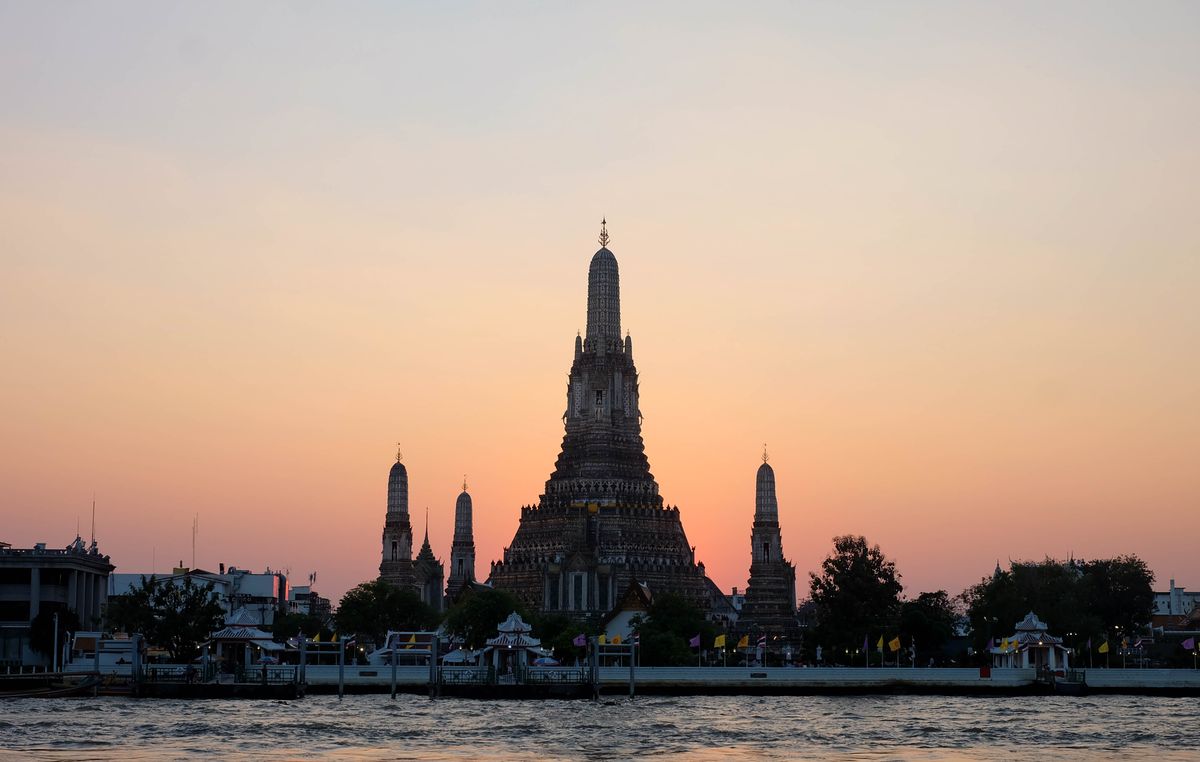
Wat Phra Kaew and the Grand Palace's 218,000-square-meter compound, densely decorated with gold leaf and mirror mosaic, houses the sacred jade Emerald Buddha. Across the Chao Phraya, Wat Arun's central prang rises 86 meters, encrusted with Chinese porcelain fragments that catch the light differently at every hour — climb the steep steps for panoramic river views, and time your visit for sunset.
Wat Pho, just south of the Grand Palace, houses a 46-meter gold-plated Reclining Buddha and is considered the birthplace of traditional Thai massage — treatments here from 260 THB rank among the finest and most affordable in the city.
Markets and Chinatown
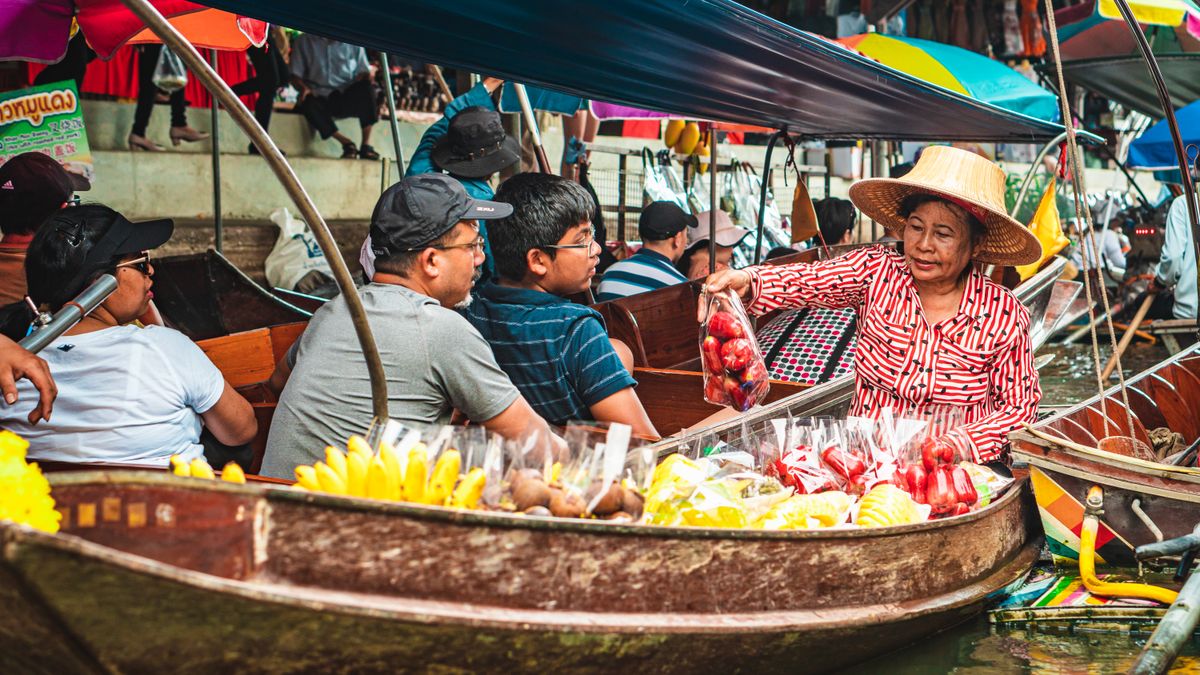
Chatuchak Weekend Market's 15,000 stalls across 35 acres make it one of the largest markets in the world — arrive early before the midday heat and crowds. Bangkok's historic canal network, once earning it "Venice of the East," survives in the Damnoen Saduak and Amphawa floating markets, both within day-trip distance and best visited at dawn before tour buses arrive.
Yaowarat, Bangkok's Chinatown, is one of the largest and most vibrant in the world — gold shops, incense-clouded temples, and street food of extraordinary quality, best experienced after dark when the gold signage blazes and the smell of char siu drifts through warm air.
Temples Beyond the Highlights
Bangkok has over 400 Buddhist temples, and several equally magnificent ones receive far fewer visitors than the Grand Palace circuit. Wat Suthat houses an 8-meter 13th-century Buddha image behind red doors said to have been carved personally by King Rama II. Wat Benchamabophit, the "Marble Temple," is a late-19th-century building of white Carrara marble surrounded by a canal, and the most photogenic setting in the city for dawn alms-giving. Wat Ratchanatdaram's Loha Prasat is a 37-meter metal castle with 37 spires — the only surviving example of this architectural form anywhere in the world.
Where to Stay in Bangkok
Sukhumvit is Bangkok's most cosmopolitan district, well served by the BTS Skytrain, with Nana more budget-oriented and Thong Lo/Ekkamai the city's most fashionable neighborhoods. The Riverside offers the most atmospheric old-city stays, with heritage hotels like the Mandarin Oriental providing direct boat access to the temple district. Banglamphu, near Khao San Road, remains the budget traveler's heartland within walking distance of the Grand Palace, while Silom combines a business-district daytime feel with entertainment-district nightlife.
Bangkok's Street Food
Street food here is not a budget compromise — it is the apex of the culinary culture. Pad Thai from a good cart (60–100 THB) rivals any restaurant version; tom yum goong's hot-and-sour prawn broth is as complex as any dish in the world's culinary canon; som tum (green papaya salad) with sticky rice and grilled chicken is Bangkok's finest simple meal. Rooftop bars like Sirocco at Lebua offer spectacular skyline views, but the real Bangkok eating culture remains at the plastic table under the tarp.
Bangkok Travel Tips for First Timers
Bangkok's traffic is legendary — strategic use of elevated rail and river transport is essential.
Trail Notes
- Download Grab before you land for reliable, meter-free transport.
- Dress modestly at temples — shoulders and knees covered, shoes removed.
- Never disrespect the monarchy — Thailand's lèse-majesté laws are strict and legally absolute.
- Negotiate tuk-tuk prices before departure, always.
- Eat from carts with a queue of locals — it consistently outperforms restaurants.
- Use the BTS Skytrain and Chao Phraya Express Boat to avoid gridlocked roads.
Sample 4-Day Bangkok Itinerary
Day 1: Grand Palace at opening, Wat Pho, ferry to Wat Arun at sunset, Chinatown dinner. Day 2: Chatuchak or Or Tor Kor Market, Jim Thompson House, rooftop bar sunset. Day 3: Dawn alms-giving, canal boat, Lumphini Park, river cruise at dusk. Day 4: Day trip to Ayutthaya.
Final Thoughts: Why Bangkok Stays With You
Bangkok gets into your nervous system — you'll find yourself craving pad Thai from a specific cart you can't name long after leaving. Come with an open heart, comfortable shoes, and serious appetite. Bangkok will handle everything else.