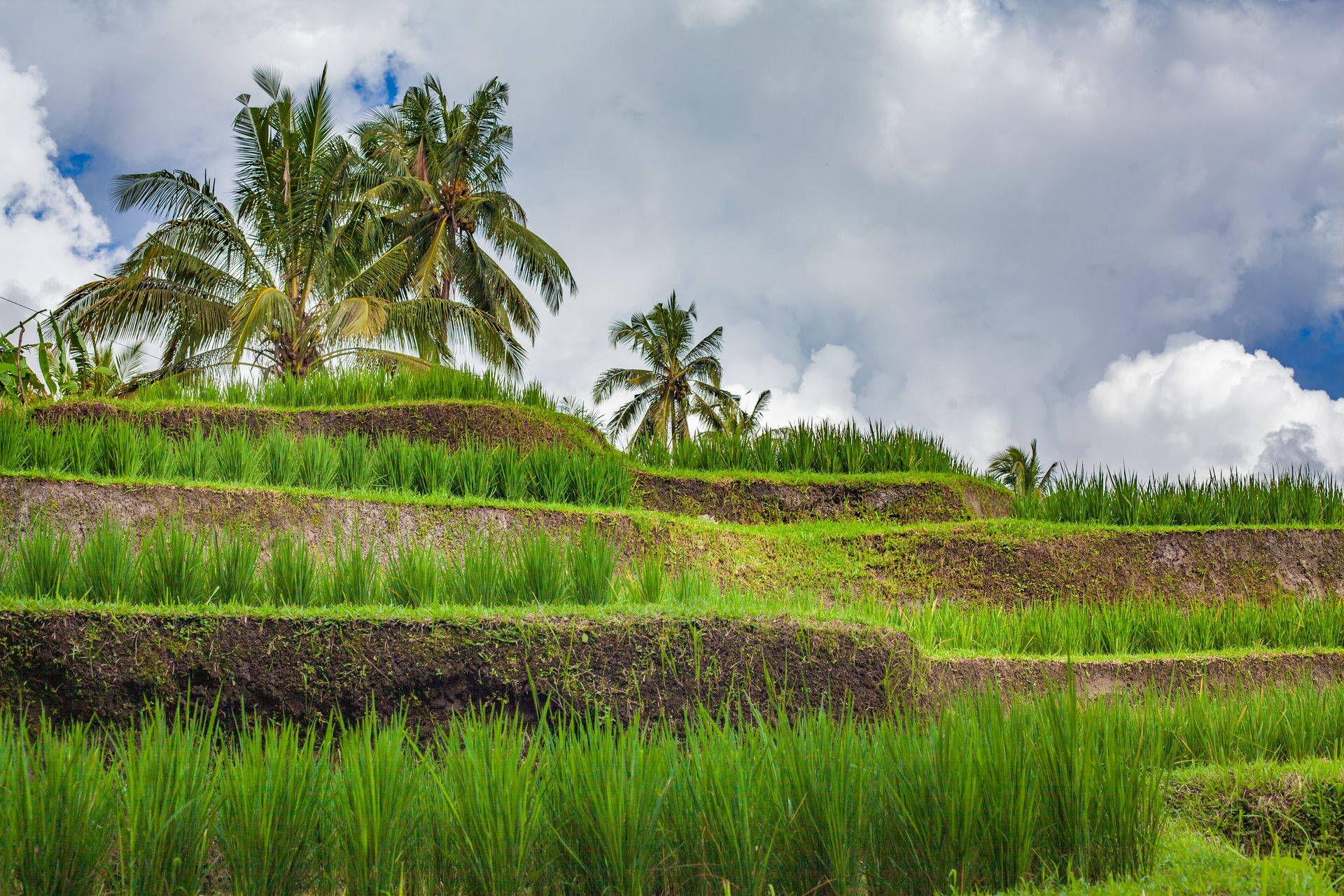
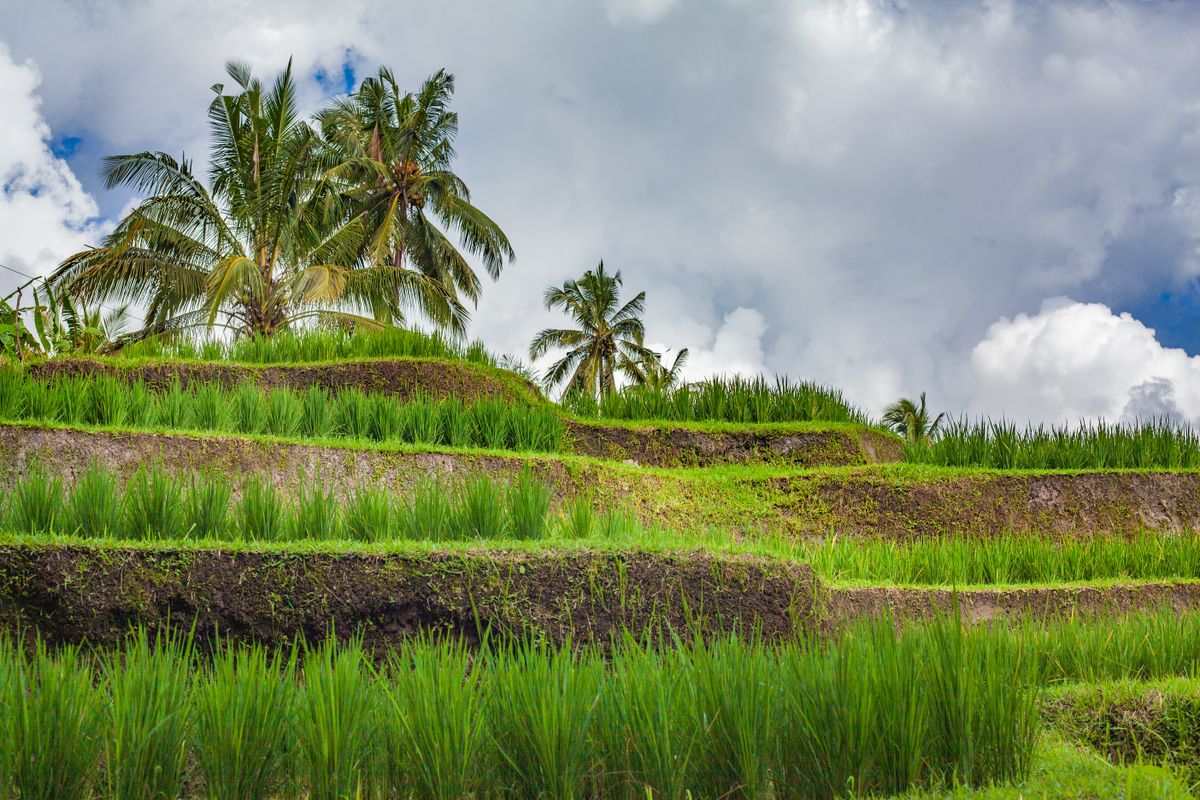
Bali has been discovered, rediscovered, and discovered again — by Dutch colonists, 1930s artists, 1970s backpackers, the Eat Pray Love generation, and today's digital nomads. Each wave has changed the island. And yet the Bali that justifies all of this attention still exists in 2026 for the traveler willing to look beyond the tourist strip: the morning canang sari offering ritual on every street, the rice terraces of Jatiluwih descending in green that has no equivalent, and temple ceremonies that still transform the island's streets into rivers of yellow, white, and gold.
The visitor who wakes before dawn to walk the Campuhan Ridge in the mist, who eats babi guling at a roadside warung before the tourists arrive — that visitor has been somewhere real.
When to Go
April–October (dry season) is the optimal window — May, June, and September are the sweet spots, offering dry conditions without July–August's peak crowds and prices. November–March brings daily afternoon showers (rarely all-day), a luminously green landscape, and prices 20–40% lower across accommodation.
Getting Around Bali
Bali has no practical public transport for visitors, so getting around means a rental scooter, a hired car with driver, or Grab. Renting a scooter (around IDR 70,000–100,000/day) is the most liberating way to explore, though Bali's tourist scooter accident rate is among Southeast Asia's highest — a full-face helmet and motorbike-specific travel insurance are essential. Hiring a car with driver (IDR 400,000–600,000/day) suits families and non-riders and comes with an informally excellent local guide. Grab covers single journeys in the developed south, while Blue Bird is the only taxi operator with a reliable reputation for honest metering.
Ubud: The Cultural Heart
Ubud remains Bali's cultural and spiritual center despite its development — the Puri Lukisan Museum's traditional Balinese painting collection, the Ubud Palace's nightly Kecak and Legong dance, and the Tirta Empul water temple's ritual purification pools offer genuine cultural depth. The Tegallalang and Jatiluwih rice terraces (the latter a UNESCO site, less visited and more authentically maintained) are best at dawn before tour buses arrive, and the Campuhan Ridge Walk is the finest free experience in town.
Seminyak, Canggu, and Uluwatu
Seminyak is Bali's most sophisticated beach destination — powerful surf, a genuinely excellent restaurant scene, and a sunset beach club culture. Canggu has transformed into Bali's concentrated digital nomad destination, with Batu Bolong's consistent surf break as its authentic core.
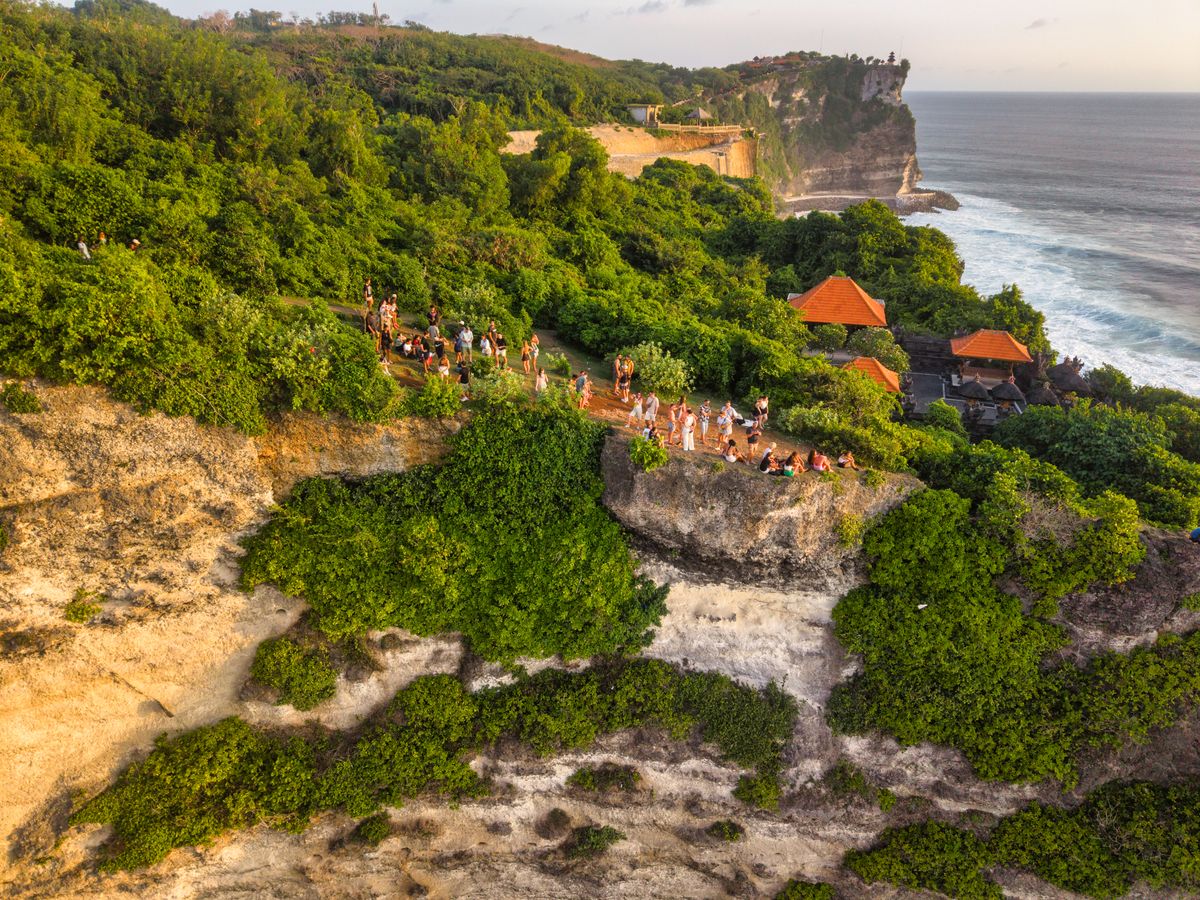
Uluwatu Temple, perched on a 70-meter cliff above the Indian Ocean, is one of the six spiritual pillars of Balinese Hinduism and hosts a nightly Kecak fire dance at sunset. The Bukit Peninsula's surf breaks — Uluwatu, Padang Padang, Bingin — are among the best in the world.
Nusa Penida and the North
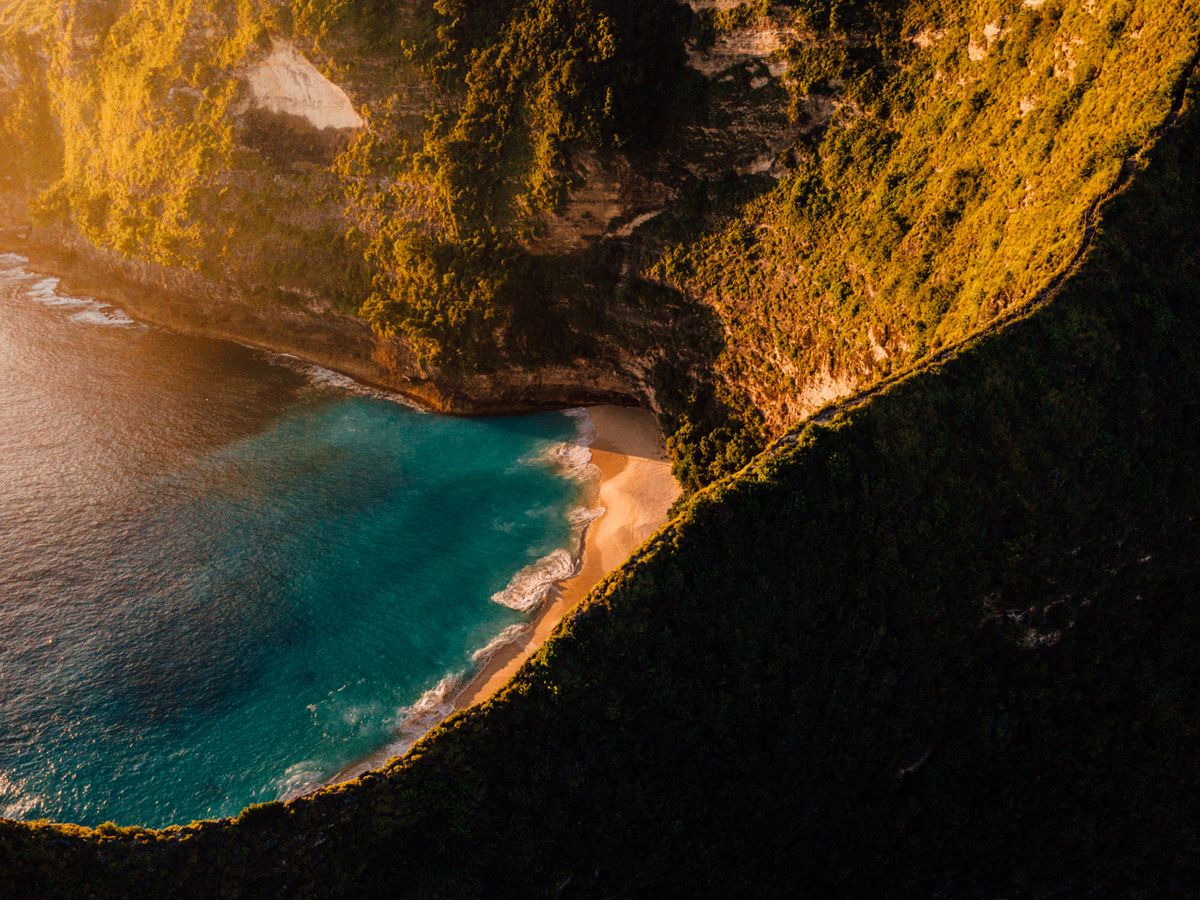
Nusa Penida, 45 minutes by fast boat from Sanur, holds Kelingking Beach's T-Rex-shaped cliff and Angel's Billabong's natural infinity pool — dramatically less developed than Bali itself, and best done as an overnight to catch Kelingking at sunrise without the day-trip crowds. Amed on the east coast offers Bali's finest diving, including the USAT Liberty wreck; the north coast's Lovina is the base for dawn dolphin-watching excursions.
What to Eat in Bali
Balinese cuisine is distinct from the rest of Indonesia's — it's the only major regional cuisine built around pork, thanks to the island's Hindu majority, and it leans on a complex 14-spice base paste (base genep) that underlies most dishes. Babi guling (spit-roasted suckling pig) is the ceremonial centerpiece, best at Ibu Oka in Ubud; bebek betutu (slow-cooked spiced duck) and nasi campur (a mixed rice plate you point-and-choose at the counter) are the everyday staples. Sate lilit (minced fish or chicken satay pressed onto lemongrass stalks) and lawar (a spiced minced-meat salad, traditionally mixed with blood) mark the cuisine as distinctly Balinese rather than generically Indonesian.
Where to Stay in Bali
Budget guesthouses and homestays in Canggu, Ubud, and Sanur offer air conditioning, hot water, and pool access for IDR 200,000–400,000 a night — well above the equivalent price point elsewhere in Southeast Asia. The mid-range (roughly €40–120) is where Bali's value is most extraordinary, buying private-pool rice-field villas in Ubud or ocean-view boutique hotels in Seminyak that would cost several times as much in Europe. At the top end, the Amandari, the Capella Ubud, and the Alila Villas Uluwatu compete with the world's finest resorts at a fraction of Maldives or European coastal pricing, and fully staffed private villa rental (cook and driver included) is one of the best-developed markets anywhere.
Bali Travel Tips for First Timers
Bali's temple culture and motorbike culture both require specific preparation.
Trail Notes
- Wear a sarong and sash at temples — available to borrow at every major entrance.
- Never step on or move the canang sari offerings placed throughout the streets.
- Confirm your travel insurance covers motorbike accidents before renting a scooter.
- Pay the IDR 150,000 foreign tourist levy via the Love Bali platform before arrival.
- Drink only bottled or filtered water.
- Check the Nyepi silence day dates before booking — the airport closes for 24 hours.
Sample 7-Day Bali Itinerary
Seminyak (2 nights) → Ubud (3 nights, rice terraces, temples, Monkey Forest) → Uluwatu (1 night, Kecak sunset) → Nusa Penida day trip.
Final Thoughts: Bali Gives What You Come For
Bali is not one island — it is many simultaneous Balis coexisting in the same geography. Come with curiosity, come with respect for what you are visiting, and come prepared to go beyond the beach.