The standard work exchange is roughly 4–5 hours of work a day, five days a week, for free accommodation and meals — no money changes hands. This guide covers the best platforms, program types, destinations, and the legal realities of trading skills for a bed abroad.
The free accommodation is the advertisement. The life briefly inhabited is the experience.
How It Works and the Best Platforms
A host with a genuine need for reliable help connects with a traveler wanting an authentic local experience, typically via a platform, leaving 5–6 hours of daily free time plus two full days off weekly. Workaway (~$49/year, 180+ countries, 60,000+ listings) is the largest and most diverse starting point. Worldpackers emphasizes digital skill exchanges and has the strongest Latin American listing density. WWOOF, founded in 1971, is exclusively organic farms with genuinely educational hosts. HelpX is the budget option strongest in Australia, New Zealand, and Europe.
Types of Exchanges
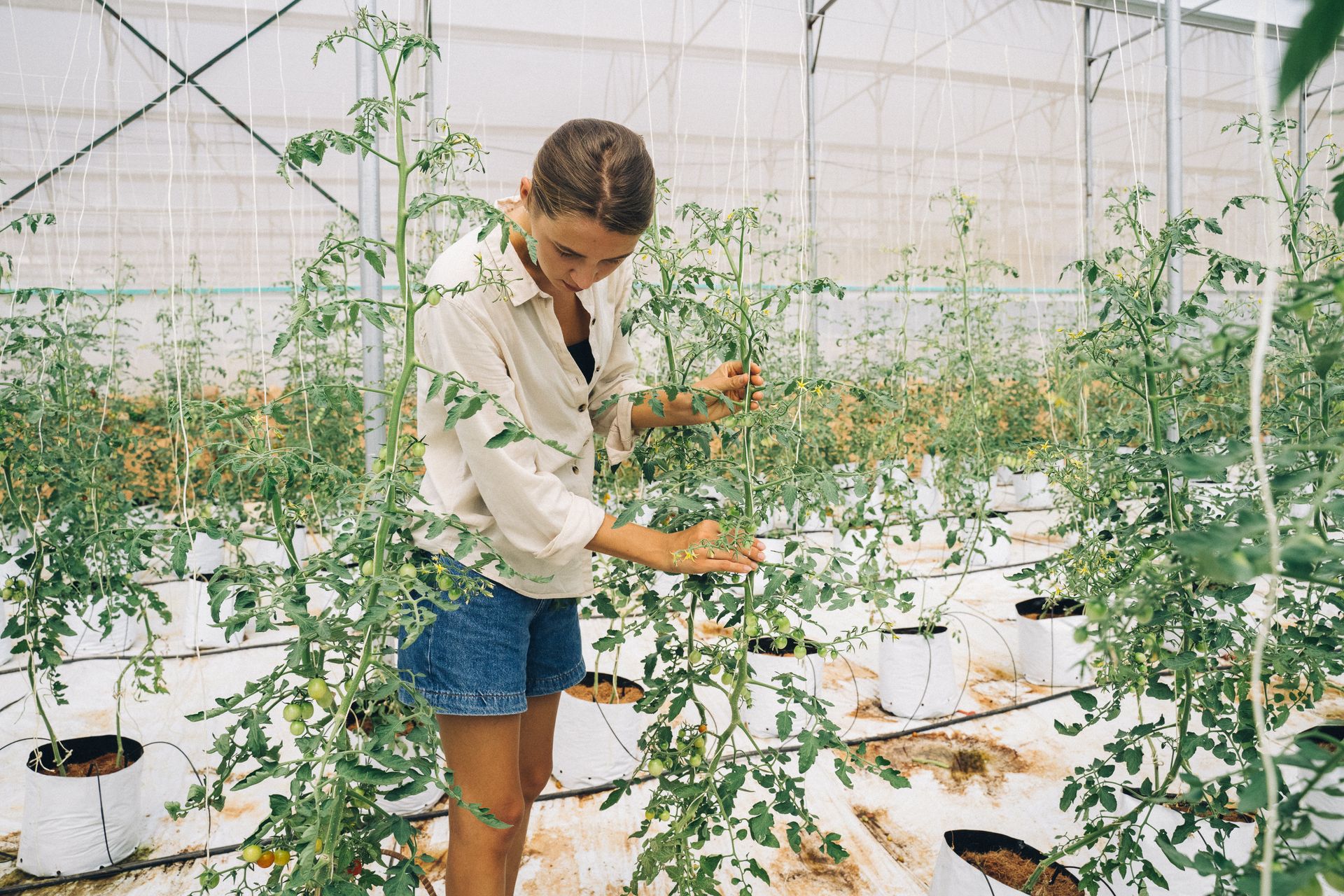
Organic farming and permaculture is the original and most abundant category — planting, harvesting, animal husbandry — suited to physically capable travelers interested in sustainable food systems. Hostel and guesthouse work offers a built-in social community, ideal for outgoing travelers who want an urban base. Language teaching exchanges provide the deepest cultural immersion, living within a family's daily rhythm. Conservation work (wildlife monitoring, reforestation, marine survey) and digital skill exchanges (photography, web design, social media) round out the major categories — the latter particularly suited to travelers with professional creative backgrounds who prefer not to trade physical labor. Eco-lodges and sustainable retreat centers blend hospitality work with garden and food production in extraordinary natural settings, while childcare and family-assistance exchanges — 4–6 hours of daily help in exchange for room, board, and often pocket money — offer an especially intimate form of cultural immersion.
Building a Profile and Choosing a Destination
A specific, skills-focused personal statement dramatically outperforms generic "I love travel and meeting people" profiles — hosts respond to concrete experience and genuine motivation. New profiles without reviews can bridge the credibility gap with character references and full transparency about being new to the platform. Latin America (Costa Rica, Colombia, Peru) has the highest opportunity density relative to size; Italy's Tuscany and Umbria offer the richest agritourism and food-culture combination in Europe; Australia and New Zealand's Working Holiday Visa programs let travelers legally combine paid work with exchange placements. South Africa's wildlife conservation and Western Cape organic farms, alongside Kenya's community education and Morocco's Atlas mountain placements, make Africa one of the strongest regions for conservation-focused work exchange specifically.
The Daily Reality and Legal Considerations
A typical day: breakfast, a morning work block, lunch, an afternoon work block, then the rest of the day is entirely the traveler's own — the specific rhythm varies by host type, with farms demanding early starts and hostels offering more flexible scheduling. Work exchange occupies a legally ambiguous position on tourist visas in many countries; the vast majority of travelers operate without incident, but the conservative approach is researching each country's specific stance and favoring countries with working holiday visa frameworks (Australia, New Zealand, Canada, Japan) where the activity is unambiguously legal.
Making It Work Long-Term
Sequence placements with the agricultural and seasonal calendar — Tuscan harvest in autumn leading naturally into a Spanish farm placement, a New Zealand spring placement leading into Southeast Asian conservation work as New Zealand's autumn arrives. Combining exchange placements with remote freelance or legally authorized paid work builds a financial model where extended travel becomes sustainable rather than a race against a depleting bank balance.
Final Thoughts
Start with one placement, do genuine work, leave a good review, and come back with more to offer than when you arrived — the earned belonging of work exchange is something paid travel structurally cannot provide.