This guide covers the legal landscape by country, the gear that makes wild camping genuinely comfortable, the Leave No Trace principles that keep it ethical, and the world's finest destinations for it.
The freedom is real. So is the responsibility.
Where It's a Legal Right
Scotland's Land Reform Act grants a legal right to wild camp on virtually all unenclosed land, the most permissive framework in the UK. Sweden, Norway, and Finland's allemansrätten constitutional right of public access permits camping for 1-2 nights on uncultivated land almost anywhere. The US Bureau of Land Management permits free dispersed camping on 245 million acres for up to 14 consecutive days, and Canada's Crown Land offers similar free access for 14-21 days depending on province. England and Wales, by contrast, have no general right to wild camp outside Dartmoor — though enforcement against responsible single-night camping in remote areas is minimal.
The Shelter and Sleep System
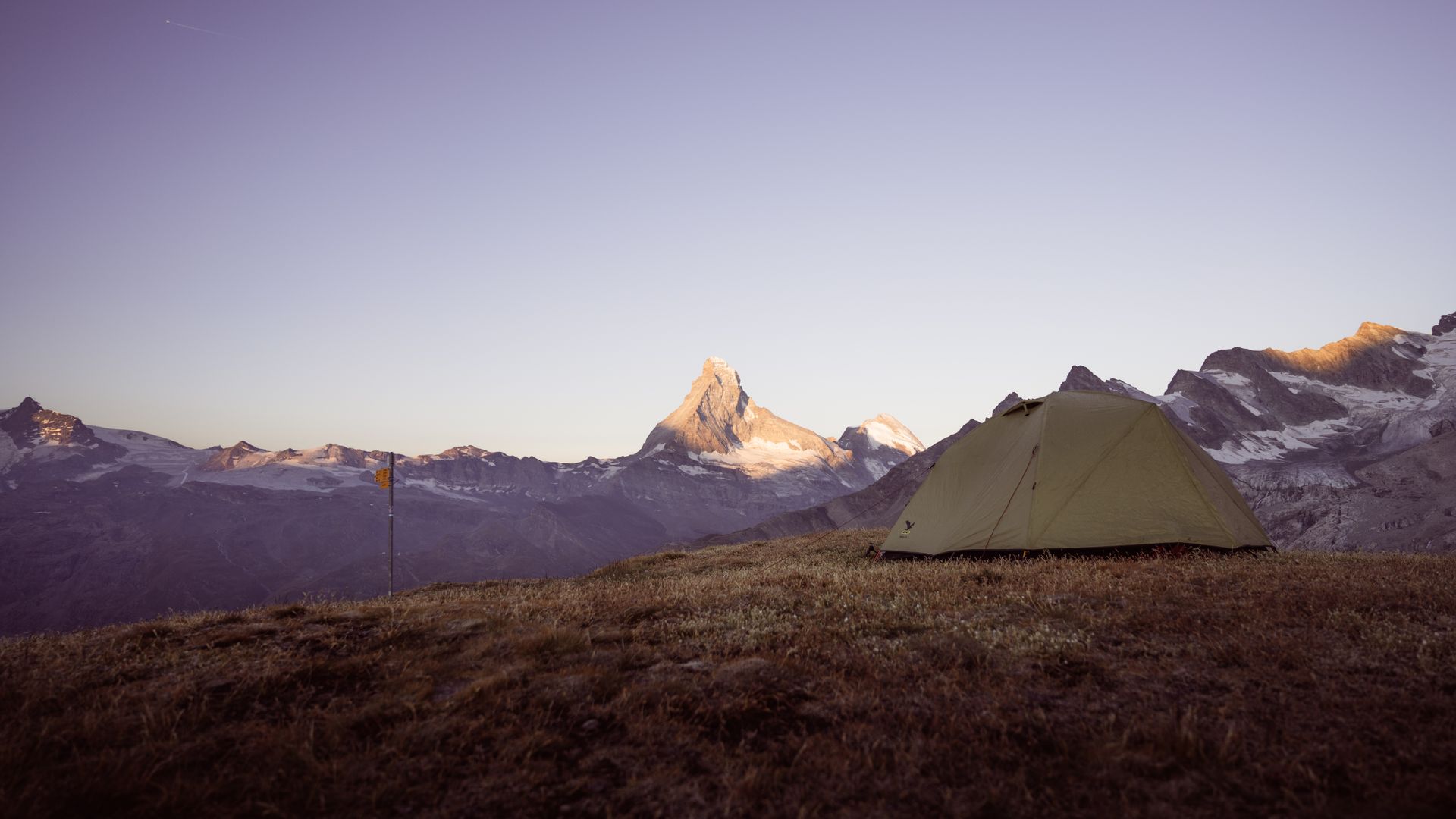
A lightweight tent under 1.5kg for solo use with a minimum 3,000mm hydrostatic head fly is the wild camping standard, though a bivvy bag offers a minimalist alternative for rocky ridges and narrow ledges where a tent can't pitch. Sleeping bag temperature rating matters more than any other comfort variable — always choose the Comfort rating (not the Limit rating, which is the survival threshold) for the coldest conditions expected. Ground insulation via a sleeping mat's R-value is equally critical, since the body loses heat to cold ground faster than to cold air.
Navigation, Safety, and Cooking
A paper map and compass are non-negotiable backups — GPS batteries die and signal disappears in remote terrain. A Garmin inReach satellite communicator provides two-way messaging and SOS signaling anywhere on Earth, the single most important safety investment for camping beyond cell coverage. Gas canister stoves suit mild conditions; liquid fuel stoves handle cold temperatures and international fuel availability. Freeze-dried meals plus high-calorie trail snacks cover roughly 1.2-1.5kg of food for a 3-day trip, with a water filter or purification tablets treating any wild source before drinking.
Leave No Trace
Pitch on durable surfaces — rock, gravel, dry grass — never fragile vegetation or stream banks. Dig a cat hole at least 60 meters from water, trail, or camp for solid waste, and pack out all toilet paper rather than burying it. Collect nothing from the natural environment, use only deadfall wood for permitted fires, and store food properly in bear country (a bear canister, never in the tent). Camp at distance from water sources where wildlife congregate, and observe animals without approach or pursuit.
The World's Finest Destinations
Scotland's Cairngorms, Torridon peaks, and Knoydart Peninsula combine the UK's strongest legal rights with landscape of the highest order. Norway's Jotunheimen and Lofoten Islands reward the friluftsliv culture with Scandinavia's highest peaks and Arctic Ocean drama. Patagonia's Fitz Roy massif offers wild camping at its most elemental, with winds regularly exceeding 100 km/h demanding the most robust shelter systems available. Iceland's Landmannalaugar and Þórsmörk highlands compress an intense camping season into the June-to-early-September window when the F-roads clear of snow. New Zealand's DOC hut network provides a safety net alongside genuine dispersed camping freedom on routes like the Routeburn and Kepler Tracks.
Weather, Clothing, and Wildlife Awareness
Mountain weather changes faster than lowland forecasts suggest — specialized services like the Mountain Weather Information Service give terrain-specific intelligence that general apps miss, and any exposed ridge requires an immediate descent at the first sign of thunder. A base-mid-outer layering system (merino or synthetic wicking against skin, an insulating down or fleece layer, and a waterproof-breathable shell rated to at least 20,000mm) handles most mountain conditions. In bear country, food and anything scented is stored in a canister away from the tent; in snake or tick terrain, checking boots each morning and doing a full body check each evening are the basic precautions. Always leave your route and expected return time with a trusted contact before setting out.
Final Thoughts
Wild camping demands preparation, environmental responsibility, and genuine skill — and rewards all three with experiences no organized campsite can provide. Prepare carefully, camp responsibly, and leave nothing but footprints.