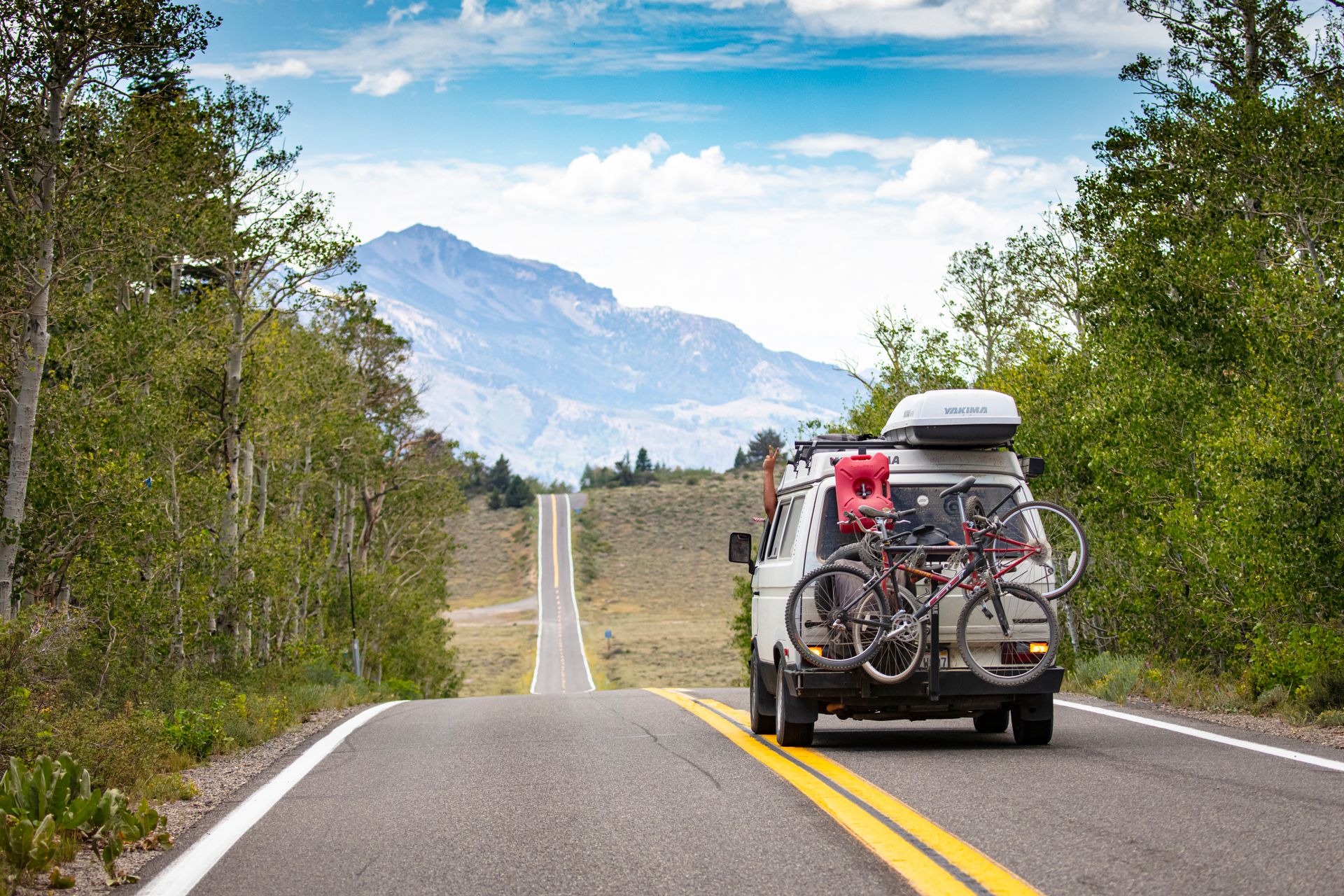
This guide covers choosing the right van, the conversion process, the electrical system, and the legal and practical realities of living on the road — everything needed to honestly assess whether van life fits your life, and to build it well if it does.
Van life is not comfortable in the ways a home is comfortable. It is comfortable in the ways that matter most: the freedom to be wherever the season and the work and the mood collectively point.
Choosing the Right Van
The Mercedes Sprinter is the most popular platform for its high-roof standing height and 300,000-mile diesel durability, though parts and specialized mechanics run more expensive than Ford. The Ford Transit is the most mechanically accessible option in North America, with cheaper, more widely available parts. The Ram ProMaster offers the widest interior of the three at the cost of front-wheel-drive traction disadvantages. Before purchase, a professional mechanical inspection ($100-150) and a crawl-under rust check on frame rails and floor pan protect against the thousands of dollars a hidden structural issue can cost.
The Conversion Essentials
Insulation is the most frequently underdone element — creating an air gap between insulation and the metal frame avoids the thermal bridging that turns a van into a freezer in winter and an oven in summer. Lithium iron phosphate batteries (200Ah minimum, 300-400Ah comfortable) have become the electrical system standard for their vastly longer cycle life over lead-acid, paired with 200-400 watts of roof solar and a DC-DC charger for cloudy-weather backup via the alternator. A quality custom-cut foam mattress on a ventilated platform is worth the investment — sleep quality determines daily life quality more than any other single build decision.
Where to Legally Park
America's 245 million acres of BLM land allow free dispersed camping for up to 14 consecutive days, explaining why van life culture concentrates in the American West. National Forest land offers similar dispersed allowances via Forest Service Motor Vehicle Use Maps. Urban stealth camping — parking inconspicuously with no visible solar panels or roof vents from street level — fills the gaps in cities, while Harvest Hosts ($99/year) provides overnight stays at wineries and farms in exchange for a purchase.
The Legal and Practical Realities
Full-time van lifers typically domicile in South Dakota or Texas for simple registration and no state income tax, using a mail-forwarding service for a legal address. Standard personal auto insurance doesn't cover a vehicle used as a primary residence — specialty van life insurance covers both the vehicle and the conversion's contents. Planet Fitness membership ($25/month) is the most cost-effective shower solution, and health insurance requires either a nationwide PPO plan or specialized nomad health coverage rather than a local HMO network.
The Honest Budget
Full-time van life in North America runs $800-1,800/month all-in — fuel, insurance, maintenance reserve, food, and connectivity — compared to median US rent of $1,700/month before utilities and transport. The financial case is real, but only if a maintenance reserve of $150-300/month is genuinely set aside; without it, the first major repair ($1,500-3,000) becomes a crisis rather than a planned expense.
Community and Finding Your People
The Rubber Tramp Rendezvous, an annual January-February gathering of van lifers in Quartzsite, Arizona, draws 10,000+ attendees for free seminars on builds, solar, and mechanical maintenance alongside the social payoff of a week among people who share the lifestyle's specific challenges. iOverlander and Campendium function as the community's most practically valuable shared resource — crowdsourced pins and condition reports on dispersed camping spots. Consume van life Instagram and YouTube knowing it's curated and failure-minimizing; the unfiltered realities — mechanical nightmares, lonely weeks, relationships strained by 24/7 proximity — surface more honestly on forums like r/vandwellers.
Is Van Life Right for You?
It suits people who genuinely enjoy variable comfort and outdoor environments, have remote income to sustain it, and are practically willing to learn basic mechanics and electrical troubleshooting. It's challenging for anyone needing consistent high-quality internet, regular specialist medical care, or with children whose schooling needs stable community roots — and it strains relationships where one partner is far more enthusiastic than the other. Before committing to purchase and conversion, rent a converted campervan for 2-4 weeks — it reveals whether the daily realities match the aspiration.
Final Thoughts
Build the van carefully, research the electrical system, learn where to park legally. Then go.