Traveling with toddlers is genuinely challenging and genuinely wonderful in ways that are hard to predict beforehand. This guide covers destination selection, packing, the complete flying strategy, accommodation, routine management, and daily structure that turns travel-with-toddler stress into travel-with-toddler joy.
The toddler's pace forces the slow travel that most adults know they should do but rarely manage without external compulsion. Your toddler is the external compulsion.
Choosing the Right Destination
Total door-to-door travel time is the primary constraint: for toddlers under 18 months, direct flights under 5 hours are strongly preferable; from 18 months to 3 years — peak activity, minimum containability — direct flights under 6 hours are the reliable comfort zone. Moderate, predictable climates suit toddlers' poor temperature self-regulation better than extreme heat or cold. Beach destinations with calm shallow water are the path of least resistance; cities with world-class parks (London, Amsterdam, Lisbon, Barcelona, Tokyo) reward toddler travel more than expected — a good playground morning enables a better afternoon for everyone.
Planning and Packing
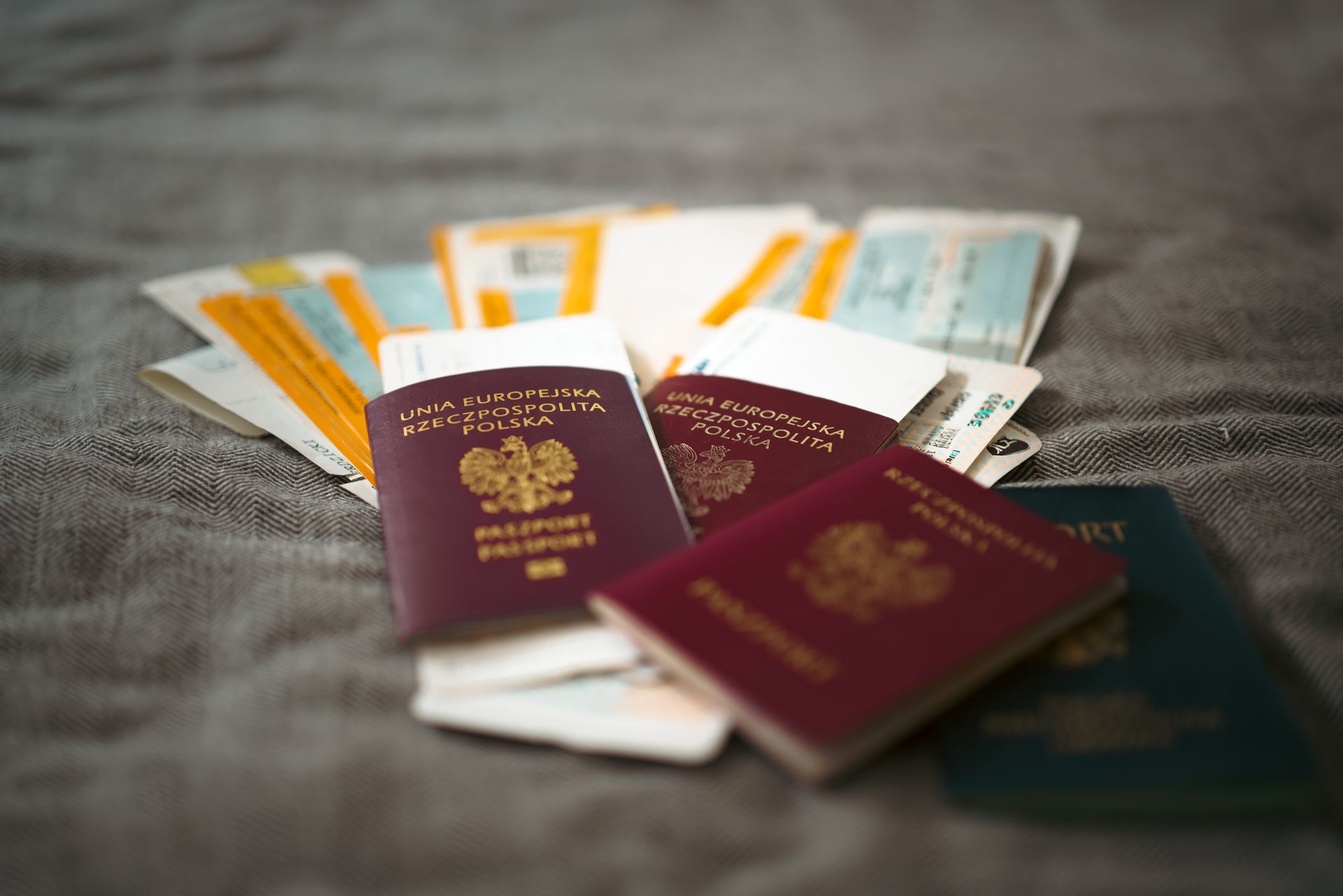
Book bulkhead or window-and-aisle seats leaving the middle empty where possible, and choose accommodation with kitchen access — self-catering transforms daily toddler feeding logistics and confirm cot availability before booking rather than discovering its absence on arrival. Carry-on essentials: more snacks in known flavors than seems reasonable, the one irreplaceable comfort item kept separate from checked bags, three changes of the toddler's clothes, a carrier for hands-free navigation, and children's medication with double the required quantity split between bags. Check the stroller, bulk nappy supply, and beach gear.
The Complete Flying Strategy
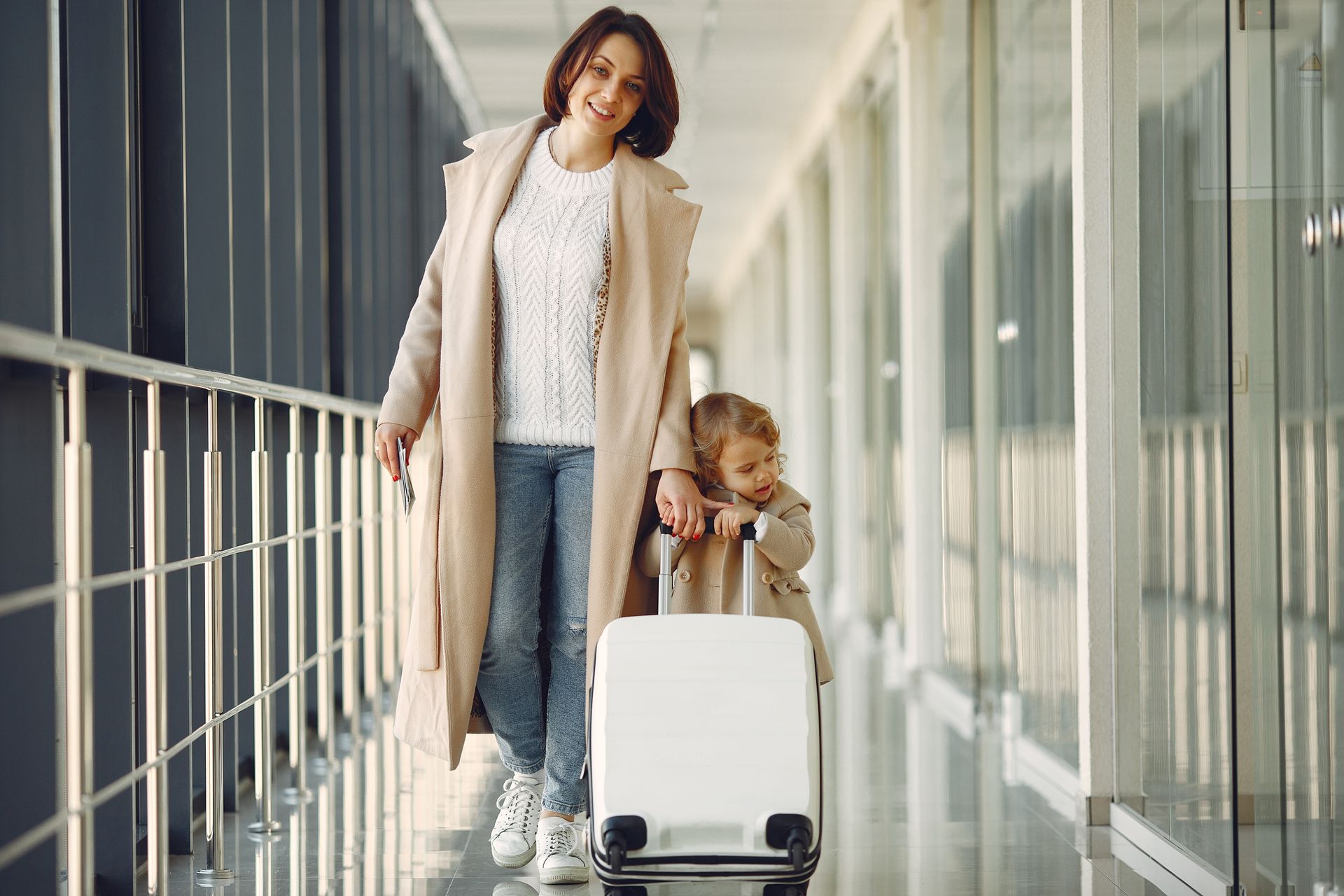
Arrive with an extra 30–45 minutes for slower security queues, and use family security lanes where available. Burn energy in an airport play area before boarding — 30 minutes of free running improves the odds of in-flight sleep. Feed or offer a drink during takeoff and descent to equalize ear pressure; the aisle walk is a legitimate, widely tolerated flight management strategy once seated options are exhausted. For long-haul, book a bassinet bulkhead seat for infants under 10kg at the earliest opportunity and pack one new small toy per two hours of flight, revealed sequentially.
Routines, Sleep, and Jet Lag
Preserve the essential routine architecture — nap timing, bedtime sequence, meal timing — while accepting flexibility on specifics; toddlers whose routine skeleton survives travel adjust far better than those for whom all structure is abandoned. A Slumberpod or travel blackout blind solves the light-sensitivity problem that most holiday accommodation curtains don't. For jet lag, get into local morning light exposure immediately, enforce the new local schedule from day one, and expect 2–3 rough days before stabilizing.
The Toddler-Paced Day
Structure days around the toddler's energy arc: the demanding cultural activity in the early-morning cooperative window, an outdoor play block mid-morning to deplete energy, a relaxed lunch at a tolerant outdoor café, nap or quiet time early afternoon, a second outdoor window late afternoon, and an early dinner and bedtime. For meltdowns, recognize hunger-tiredness triggers before they escalate, physically remove from the environment first, and never attempt reasoning mid-meltdown — the logical brain is offline.
Health and Safety on the Road
Book a pediatrician check-up 4–6 weeks before any international trip to confirm routine vaccinations are current and get destination-specific guidance, including malaria prophylaxis options where relevant. Pack a toddler medical kit — weight-dosed liquid paracetamol and ibuprofen, antihistamine, oral rehydration sachets, a thermometer, and plasters — and know the local emergency number on arrival. Reapply high-SPF reef-safe sunscreen every two hours and after water play rather than once in the morning, since a toddler's thirst signal is unreliable and their skin burns faster than an adult's. Where tap water isn't reliably safe for adults, treat it as unsafe for toddlers too, and be extra cautious with buffet food, unwashed raw produce, and ice. Around any water — pool or beach — designate one adult as the sole supervisor rather than splitting the job between several, since a toddler can move from safety to danger faster than shared attention can catch.
Final Thoughts
The trip creates the small moments — the first ocean sighting, the lizard inspected for twenty minutes. None of it requires a perfect trip. It requires the trip to happen. Pack the snacks, book the flight, go.